
2027 How to Become a Teacher in South Dakota – What Degree Do You Need to Be a Teacher?

Co-Founder and Chief Data Scientist
Becoming a teacher in South Dakota is a licensure decision, a career decision, and a financial decision. The state needs qualified educators across PreK-12 classrooms, but candidates should understand the full path before enrolling in a program: degree requirements, Praxis testing, student teaching, background checks, certification renewal, salary realities, and alternative routes for people who already hold a bachelor’s degree.
In 2024, South Dakota’s PreK-12 public school system included around 10,240 teachers serving 142,028 students, according to the South Dakota Department of Education. Teachers remain central to academic growth, critical thinking, classroom culture, and workforce readiness, especially in communities where staffing shortages affect course availability and student support.
This guide explains how to become a teacher in South Dakota, what credentials you need, how licensure works, which teaching areas are in demand, and how to compare approved education programs. It also points to funding options, including the best scholarships for education majors available in the state, so you can plan a practical route into the profession.
Quick Answer: How Do You Become a Teacher in South Dakota?
To become a licensed teacher in South Dakota, you generally need to earn a bachelor’s degree, complete an approved educator preparation program, pass the required Praxis exams for your grade level or subject area, complete student teaching, clear a background check, and apply through the South Dakota Department of Education’s online certification system. Candidates with a non-education bachelor’s degree may be able to use an alternative certification route, but they still must meet state testing, preparation, and background check requirements.
| Step | What You Need to Do | Why It Matters |
| 1. Choose your teaching area | Decide whether you want to teach early childhood, elementary, middle school, secondary, special education, or another endorsement area. | Your grade level and subject determine your preparation program and Praxis exams. |
| 2. Earn a bachelor’s degree | Complete an education degree or a related degree that can support certification. | A bachelor’s degree is the foundation for standard teacher certification. |
| 3. Complete educator preparation | Enroll in an approved teacher preparation program with coursework and clinical practice. | South Dakota requires professional preparation before full licensure. |
| 4. Pass required exams | Take the Praxis assessments required for your endorsement area. | Testing verifies content knowledge and teaching readiness. |
| 5. Complete student teaching and background checks | Finish supervised classroom experience and submit required fingerprint/background documentation. | Schools must verify both instructional readiness and student safety. |
| 6. Apply for certification | Submit your application, transcripts, test scores, fees, and records through the state portal. | The South Dakota Department of Education issues the official teaching certificate. |
How to Become a Teacher in South Dakota Table of Contents
- South Dakota Education Workforce Overview
- Education Requirements for South Dakota Teachers
- South Dakota Teacher Licensure, Application, and Renewal
- Professional Development Options for Teachers
- Living and Working as a Teacher in South Dakota
- Teacher Support Systems and Benefits
- Specialized Teaching Roles in South Dakota
- Special Education Teacher Certification
- Advanced Interdisciplinary Studies and Teaching Opportunities
- Career Advancement Options for Teachers
- Top Education Programs in South Dakota for 2027
- Alternative Pathways Into Teaching
- School Librarianship as a Teaching-Adjacent Career
- Online Learning for Teacher Skill Development
- Substitute Teacher Requirements
- Kindergarten Teacher Requirements
- Private School Teacher Requirements
- Financial Incentives and Support Options
- Teacher Certification Requirements
Overview of the Education Industry in South Dakota
South Dakota’s school system is relatively small, but its staffing needs are significant. Recent state data reported 141,846 students in public schools and a teaching workforce of 9,935, which would equal about 14.3 students per teacher if staff and students were evenly distributed. In practice, staffing pressure varies widely by district, grade level, subject area, and community type.
Like many states, South Dakota has faced teacher shortages. After the start of the 2024 school year, 481 unfilled teacher positions were advertised through the state’s specialized portal. Districts have also relied on alternative certifications and emergency waivers to keep classrooms operating when fully certified candidates are unavailable.
Short-term responses to staffing shortages can affect both teachers and students. South Dakota schools have used strategies such as assigning additional duties to existing staff at 33.91% and increasing class size at 6.13%. Some schools have also eliminated courses or programs entirely at 3.91%, including not only electives but also core academic offerings. For aspiring teachers, this means demand exists, but the strongest opportunities may depend on endorsement area and location.
Job Outlook for Teachers in South Dakota
The highest instructional full-time equivalent vacancy areas include special education, self-contained classrooms, language arts, and career and technical education. A self-contained classroom is typically an elementary setting where one teacher teaches multiple subjects to the same group of students, making broad instructional skill especially important.
Projected annual average job openings by 2033 show continued demand across several teaching categories. Elementary school teachers are projected to have 340 vacancies, followed by secondary school teachers at 250, preschool teachers at 190, and middle school teachers at 170, according to Projections Central, 2024. Candidates who want a broad employment market may want to compare elementary, middle grades, secondary subject areas, special education, and programs such as an early childhood education degree.
| Teaching Area | Why It May Be in Demand | Best Fit For |
| Special education | Schools need educators trained to support students with individualized learning needs and legal service requirements. | Candidates who are patient, documentation-oriented, collaborative, and comfortable adapting instruction. |
| Elementary or self-contained classrooms | One teacher often covers multiple subjects, especially in smaller or rural districts. | Future teachers who enjoy teaching reading, math, science, social studies, and social-emotional skills together. |
| Language arts | Reading, writing, communication, and literacy remain core academic priorities. | Students who enjoy literature, writing instruction, discussion, and assessment of communication skills. |
| Career and technical education | Districts need instructors who can connect academics with workforce skills. | Professionals with industry experience or candidates interested in applied learning and career pathways. |
Teacher Salary in South Dakota
Pay is one of the most important factors to evaluate before entering the profession. South Dakota ranked 49th in the United States for teaching salary, ahead of only Florida and West Virginia, according to the National Education Association, 2024. In 2023, elementary school teachers represented the teaching occupation with the highest employment level in the state, with 4,040 workers, according to the U.S. Bureau of Labor Statistics, 2024.
Average annual pay for South Dakota elementary school teachers was $50,590, which was below the average annual salary for all occupations in the state at $53,910. Secondary school teachers earned $52,280 on average, while middle school teachers earned about $51,190 per year. These figures should be viewed as statewide averages rather than salary guarantees because pay can differ by district, years of experience, education level, collective bargaining context, and local budget conditions.
Compensation affects retention. Reported data show that 11.5% relocated and 10.2% sought employment in an out-of-state district. The National Education Association, 2024, also reported that 25.1% of South Dakota teachers worked other jobs outside the school system to supplement income. Before enrolling in a preparation program, candidates should compare salary schedules, benefits, local housing costs, and loan obligations.
How to Become a Teacher in South Dakota: Educational Requirements
The standard path to becoming a South Dakota teacher begins with a bachelor’s degree and an approved teacher preparation program. South Dakota has 11 approved programs recognized by the South Dakota Department of Education. These programs prepare candidates for classroom practice, state certification requirements, and the Praxis test South Dakota requires for endorsement areas.
Teacher preparation is more than taking education courses. A strong program should include instruction in child development, assessment, classroom management, lesson planning, special populations, literacy, technology integration, and supervised clinical experience. Candidates should also confirm that the program aligns with the grade level or subject they want to teach.
- Earn a bachelor’s degree in education or a related field: A traditional education degree is usually the most direct route because certification coursework, fieldwork, and SD teacher certification prep are built into the program. Some programs require candidates to complete relevant Praxis exams before advancing into student teaching or graduation. Candidates with a non-teaching bachelor’s degree may still qualify through South Dakota alternative teacher certification routes.
- Complete an approved teacher preparation program: This program combines teaching theory, subject-area methods, classroom observation, and supervised practice. It helps candidates move from knowing a subject to teaching it effectively to diverse learners.
- Complete a background check: Prospective educators must satisfy background check requirements before working with students. This step protects students and helps districts maintain safe learning environments.
- Pass the required Praxis exams: Candidates must pass the required pedagogy and subject assessments for their intended grade level or endorsement. Requirements vary by certification area, so applicants should verify the exact test list before registering.
- Finish student teaching: Student teaching places candidates in a real classroom under the supervision of experienced educators. This is where candidates practice lesson planning, instruction, assessment, classroom routines, and professional communication.
| Pathway | Who It Fits | Main Requirements | Decision Point |
| Traditional undergraduate education degree | Students starting college or changing majors early. | Bachelor’s degree, approved preparation program, Praxis exams, student teaching, background check. | Best if you want the most structured route to licensure. |
| Post-baccalaureate preparation | Adults who already hold a bachelor’s degree. | Additional teacher preparation coursework, required exams, supervised classroom experience, certification application. | Best if your prior degree aligns with a school subject but you still need pedagogy training. |
| Alternative certification | Career changers or candidates entering shortage areas. | State-approved alternative pathway, testing, background check, and completion of remaining licensure requirements. | Best if you need a faster route but can manage work, coursework, and testing at the same time. |
| Substitute teaching first | People exploring teaching before committing to a full program. | District-specific substitute requirements, background check, and orientation or training when required. | Best as a trial experience, not a replacement for full certification. |
Scholarships and Grants
Teaching can require a significant upfront investment, especially for students completing a four-year degree or adults returning for certification coursework. South Dakota educators and education students can explore grants, scholarships, and awards through organizations such as the South Dakota Education Association (SDEA).
- Educational Innovation Grant: Supports educators who develop creative ideas intended to improve student learning.
- SDEA/NEA State ESP of the Year Award: Recognizes an education support professional with outstanding service and performance.
- SDEA/NEA Human and Civil Right Awards, including the SuAnne Big Crow Award and Taking a Stand Award: Honors individuals or groups that advance human and civil rights in education.
- SDEA/NEA Friend of Education Award: Recognizes an individual or organization that supports public education in South Dakota.
- Gordon Horgen Scholarship: Provides support for Native American high school seniors who plan to become teachers.
- Ramia Boersma Scholarship: Supports outstanding students who intend to enter the teaching profession.
How to Choose the Right Teacher Preparation Program
Do not choose a program based only on name recognition or tuition. The best program is the one that leads to the endorsement you need, fits your schedule, offers strong student teaching placements, and has clear support for licensure testing.
- Confirm state approval: Make sure the program is approved for South Dakota educator preparation and matches your intended certification area.
- Check accreditation: Accreditation can signal that a program meets recognized preparation standards, but you should still verify state licensure alignment.
- Ask about Praxis preparation: Strong programs identify required exams early and provide advising, practice materials, or embedded preparation.
- Review clinical placement quality: Ask where student teaching placements occur, how mentors are selected, and how candidates are evaluated.
- Compare total cost: Include tuition, fees, books, testing costs, transportation to placements, background checks, and lost income during student teaching.
- Understand online limits: Some coursework may be online, but student teaching and fieldwork normally require in-person classroom experience.
How to Become a Teacher in South Dakota: Licensure Application and Renewal
After completing your education, testing, and field experience requirements, you must apply for certification through the state. Teacher licensure is managed by the South Dakota Department of Education, and applications are handled through the online Educator Certification Portal. Candidates should prepare transcripts, exam results, fingerprint records, and any required documentation before submitting an application.
South Dakota offers certificate types that reflect experience and advanced qualifications. The table below summarizes the major certificate categories described in the state process.
| License Type | Requirements | Expiration and Renewal |
| Professional Certificate | Issued to first-time South Dakota teachers and teachers already licensed in another state. Applicants must hold a bachelor’s degree, complete an approved South Dakota teacher preparation program, and pass the Praxis Principles of Teaching and Learning (PLT) exam for the appropriate grade level, along with Praxis Subject Assessments for selected endorsements. | If you hold a bachelor’s degree, 3 credits must come from an institution and be verified by transcript; the remaining 3 credits may come from continuing education or Professional Development (PD) courses, with one credit equal to 15 continuing education contact hours. If you hold a graduate degree or National Board licensure, the 6 credits may include a combination of college coursework and continuing education hours. |
| Advanced Certificate | Available to teachers with five or more years of teaching experience and either an advanced education-related degree or National Board for Teaching Standards Certification (NBTC). | Renewal requires six education-related transcripted credits, specialized learning experience hours, or continuing education contact hours. |
Application Process
The certification application is centralized online, but applicants still need to pay close attention to documentation. Missing transcripts, test scores, or state-specific coursework can delay approval.
- Submit the online certification application: Use the SD Educator Portal to request certification, upload documents, pay fees, update contact information, track application status, request certificate changes, obtain a copy of a current certificate, and communicate with certification staff.
- Provide official transcripts: The state requires official transcripts from all colleges or universities attended. Transcripts must show the conferred degree and verify completion of required preparation. Candidates must also document required pedagogy assessments for each endorsement or certification field. New teachers must complete a three-hour credit course with a grade of C or higher in South Dakota Indian Studies and provide proof of completion.
- Pay the application fee: Applicants must submit the required fee. Check the South Dakota Department of Education’s instructions to confirm whether payment can be made online or must be sent to the Office of Educator Certification.
- Wait for review: The review process takes eight to ten weeks. Once approved, candidates receive their certificate electronically in PDF format.
Licensure Renewal Procedure
South Dakota teaching certificates expire on July 1st of the expiration year. Educators may begin the renewal process online through the SD Educator Portal starting on January 1st of that same year. Renewal requires at least six (6) renewal credits, with the acceptable mix depending on the educator’s degree level.
- Educators with a bachelor’s degree: Three (3) credits must be earned from an institution and verified by official transcript. The other three (3) credits may come from continuing education or Professional Development (PD), with one credit equal to 15 continuing education contact hours.
- Educators with a graduate degree or National Board licensure: The full six (6) required credits may be completed through a combination of college courses and continuing education hours.
Every applicant renewing a Teacher Certificate must also complete approved Suicide Awareness and Prevention training. Because renewal requirements can affect employability, teachers should track credits and required training well before the certificate expiration date.
What are the professional development opportunities for teachers in South Dakota?
Professional development matters for two reasons: it helps teachers improve instruction, and it supports license renewal. South Dakota educators can use workshops, college coursework, conferences, online training, and district-based learning to strengthen classroom practice and meet renewal requirements.
- State-supported training: The South Dakota Department of Education provides workshops and seminars on topics such as instructional strategies, classroom management, curriculum standards, and student support.
- Continuing education credits: Teachers can complete coursework through accredited institutions to stay current with research, assessment practices, and instructional methods while also satisfying renewal credit requirements.
- Professional networks: The South Dakota Education Association (SDEA) offers conferences and regional meetings where educators can exchange strategies, discuss policy issues, and build peer support.
- Online professional learning: Flexible online courses and workshops can help teachers learn about technology integration, student engagement, special education practices, literacy, and digital instruction without leaving their current role.
Questions to Ask Before Paying for Professional Development
- Will this course or workshop count toward South Dakota renewal credits?
- Is documentation provided in the format required by the state or district?
- Does the content match my teaching assignment, endorsement, or career goal?
- Will my district reimburse the cost or provide release time?
- Does the training improve classroom practice, or is it only a compliance activity?
What is it like to live and work as a teacher in South Dakota?
Teaching in South Dakota can be highly community-centered, especially in smaller districts and rural schools. Teachers may know families across multiple grade levels, coach or sponsor activities, and play a visible role in local life. That can be rewarding, but it can also increase expectations outside regular classroom hours.
- Cost of living: South Dakota’s lower living costs can help offset modest teacher salaries, particularly in communities where housing, transportation, and daily expenses are below large-city levels. Candidates should still compare actual rent, commuting, health insurance, and student loan payments before accepting a position.
- Community connection: In many small towns and rural districts, teachers become trusted community members. This can create strong relationships with students and families, but it also means professional boundaries are important.
- Outdoor recreation: South Dakota offers access to the Black Hills, the Badlands, Mount Rushmore, hiking, camping, fishing, hunting, and other outdoor activities that can support work-life balance.
- Professional resources: Teachers can access support through groups such as the South Dakota Education Association and state-sponsored professional development. Those still exploring college options may also review the easiest associate degree to get as an early step toward further education, although an associate degree alone is not the standard route to full public school teacher certification.
- Rural realities: Rural teaching may involve longer drives, fewer nearby services, and limited entertainment options. It can also offer smaller communities, lower congestion, and close relationships with families.
How are teacher support systems and benefits structured in South Dakota?
Teacher support in South Dakota depends heavily on district resources, school leadership, and local staffing conditions. New educators should ask about mentoring, planning time, class size, special education support, curriculum resources, and professional development funding before accepting an offer.
Support systems may include district-led mentoring, professional learning workshops, mental health resources, flexible scheduling where available, and continuing education assistance. These supports can affect retention as much as salary, especially for early-career teachers managing classroom behavior, lesson planning, parent communication, and assessment demands for the first time.
Teachers interested in subject-specific routes can also review career guides such as how to become an english teacher in South Dakota to understand endorsement expectations and career planning for a specific content area.
What opportunities exist for specialized teaching roles in South Dakota?
Specialization can improve career fit and may increase employability in shortage areas. South Dakota schools need teachers in broad elementary roles, high-need special education settings, language arts, STEM-related fields, career and technical education, and other endorsement areas.
Elementary education remains a major entry point because many schools need teachers who can cover multiple subjects and support foundational literacy and numeracy. Candidates interested in this route can review detailed steps on how to become an elementary school teacher in South Dakota.
| Specialized Role | Typical Focus | When It Makes Sense |
| Elementary teacher | Multi-subject instruction, early literacy, math foundations, classroom routines. | You enjoy working with younger learners and teaching across subjects. |
| Secondary teacher | Subject-specific instruction in areas such as English, math, science, history, social science, or Spanish. | You want to teach deeper content in one academic field. |
| Special education teacher | Individualized instruction, accommodations, collaboration, legal documentation, intervention. | You want a high-impact role supporting students with diverse learning needs. |
| Career and technical education teacher | Workforce-aligned instruction, applied skills, career preparation, industry connections. | You have technical or industry expertise and want to prepare students for careers. |
| School librarian | Literacy, research skills, digital resources, information access, collaboration with teachers. | You want to support learning across the whole school rather than one classroom. |
How can I achieve special education teacher certification in South Dakota?
Special education certification requires focused preparation beyond general pedagogy. Candidates need training in adapting instruction, supporting individualized learning plans, collaborating with families and specialists, documenting services, and using evidence-based interventions for diverse student needs.
Applicants should expect state-approved assessments and specialized field experience under supervision. Because special education roles often have high vacancy levels, this route can be valuable for candidates who want strong demand and meaningful student impact. For a step-by-step explanation, see the guide to special education teacher certification in South Dakota.
Can Advanced Interdisciplinary Studies Expand Teaching Opportunities in South Dakota?
Advanced interdisciplinary study can help teachers connect classroom content to broader questions in history, culture, ethics, communication, science, and society. This can be useful for educators who want to design richer lessons, teach electives, collaborate across departments, or move into curriculum work.
Additional study does not automatically replace state certification requirements, but it can strengthen teaching practice and support long-term advancement. Educators who study fields outside traditional teacher preparation, including humanities, social sciences, or areas connected to theology degree requirements, should still verify how any coursework applies to endorsements, salary lanes, or graduate program goals.
What avenues for career advancement are available for teachers in South Dakota?
Career advancement in teaching can mean higher pay, broader responsibility, instructional leadership, specialization, or a move into roles outside the classroom. The best route depends on whether you want to keep teaching students directly or move toward leadership, coaching, curriculum, policy, or higher education.
- Master’s degree programs: A Master of Education (M.Ed.) or related graduate degree can support advanced teaching roles, district leadership, curriculum work, and administrative pathways. Teachers comparing options can explore masters in education jobs to understand roles beyond the traditional classroom.
- Specialization certifications: Endorsements in areas such as special education, STEM, or TESOL can make a teacher more competitive for hard-to-fill positions.
- Leadership roles: Experienced teachers may become department chairs, curriculum coordinators, instructional leaders, or principals, often with additional education or leadership credentials.
- Mentoring and coaching: Instructional coaches and mentor teachers help colleagues improve practice, analyze data, and implement curriculum.
- Online teaching and consulting: Digital instruction, curriculum design, tutoring, and education consulting may offer flexible options for experienced educators.
- Education-adjacent roles: Teachers with graduate preparation may pursue educational research, policy, training, assessment, or education technology positions.
| Advancement Goal | Credential or Experience That Helps | Best For Teachers Who Want |
| Higher classroom expertise | Graduate coursework, endorsements, National Board work, targeted professional development. | To stay in the classroom while improving instruction and credibility. |
| Instructional leadership | Mentoring experience, coaching training, curriculum design experience. | To support other teachers without leaving teaching entirely. |
| School administration | Educational leadership degree or administrative credential where required. | To manage programs, staff, budgets, and schoolwide improvement. |
| Higher education teaching | Graduate-level degrees, research experience, subject expertise. | To teach adults, conduct research, or work in postsecondary institutions. |
| Education consulting or edtech | Classroom experience, curriculum expertise, digital instruction skills. | To apply teaching knowledge in flexible or non-school settings. |
List of the Top Education Programs in South Dakota for 2027
The first major decision for many aspiring teachers is where to complete a bachelor’s degree and teacher preparation. The Research.com team reviewed programs using criteria such as faculty expertise, student outcomes, student services, and networking opportunities. The list below focuses on programs accredited by the Council of Accreditation of Educator Preparation (CAEP).
Use this list as a starting point, not a final decision. Before applying, confirm current tuition, licensure alignment, endorsement options, field placement locations, transfer policies, and whether the program meets your intended certification goals.
1. South Dakota State University, BS in Elementary Education
South Dakota State University offers a Bachelor of Science in Elementary Education for students preparing to teach in elementary grades from kindergarten through eighth grade. The program emphasizes child development, instructional planning, families and communities, and supervised student teaching in a public school setting. The university also offers an ME in Curriculum and Instruction, described as the best online masters degree in teaching right after graduation in the state.
- Program Length: 4 years
- Required Credits to Graduate: 120
- Cost per Credit: $259.10 (in-state); $259.10 (Minnesota residents); $376.10 (out-of-state)
- Accreditation: Council for the Accreditation of Educator Preparation (CAEP)
2. University of South Dakota, BSEd in Elementary Education (K-8)
The University of South Dakota offers a BSEd in Elementary Education designed to prepare certified K-8 teachers with a technology endorsement. The four-year program includes field experiences, a yearlong residency, student engagement opportunities, and faculty guidance from educators with K-12 classroom backgrounds.
- Program Length: 4 years
- Required Credits to Graduate: 120
- Tuition and Fees: $9,432 (in-state); $10,893 (Minnesota residents); $12,942 (out-of-state)
- Accreditation: Council for the Accreditation of Educator Preparation (CAEP)
3. Northern State University, BS in Elementary Education
Northern State University provides a BS in Elementary Education for students preparing to teach kindergarten through eighth grade. Coursework covers child development, curriculum design, classroom management, instructional technology, field experience, and student teaching. Students may also add minors in music, special education, early childhood, elearning, and English as a new language.
- Program Length: 4 years
- Required Credits to Graduate: 120
- Tuition Cost: $7,615 (in-state); $9,562 (Minnesota residents); $10,717 (out-of-state)
- Accreditation: Council for the Accreditation of Educator Preparation (CAEP)
4. Dakota State University, BSE in Elementary Education
Dakota State University offers a Bachelor of Science in Elementary Education that prepares candidates for K-8 classrooms. The program includes a yearlong residency, classroom management development, lesson delivery practice, and opportunities to learn from experienced educators in both college and K-8 settings.
- Program Length: 4 years
- Required Credits to Graduate: ~120
- Cost per Credit: $294.50 (in-state); $333.09 (Minnesota residents); $397.90 (out-of-state)
- Accreditation: Council for the Accreditation of Educator Preparation (CAEP)
5. Black Hills State University, BS in Secondary Education
Black Hills State University offers a Bachelor of Science in Secondary Education for candidates preparing for secondary teacher certification in South Dakota. The program focuses on pedagogy, subject-specific content, classroom management, educational theory, and practical teaching experience through student teaching or internships.
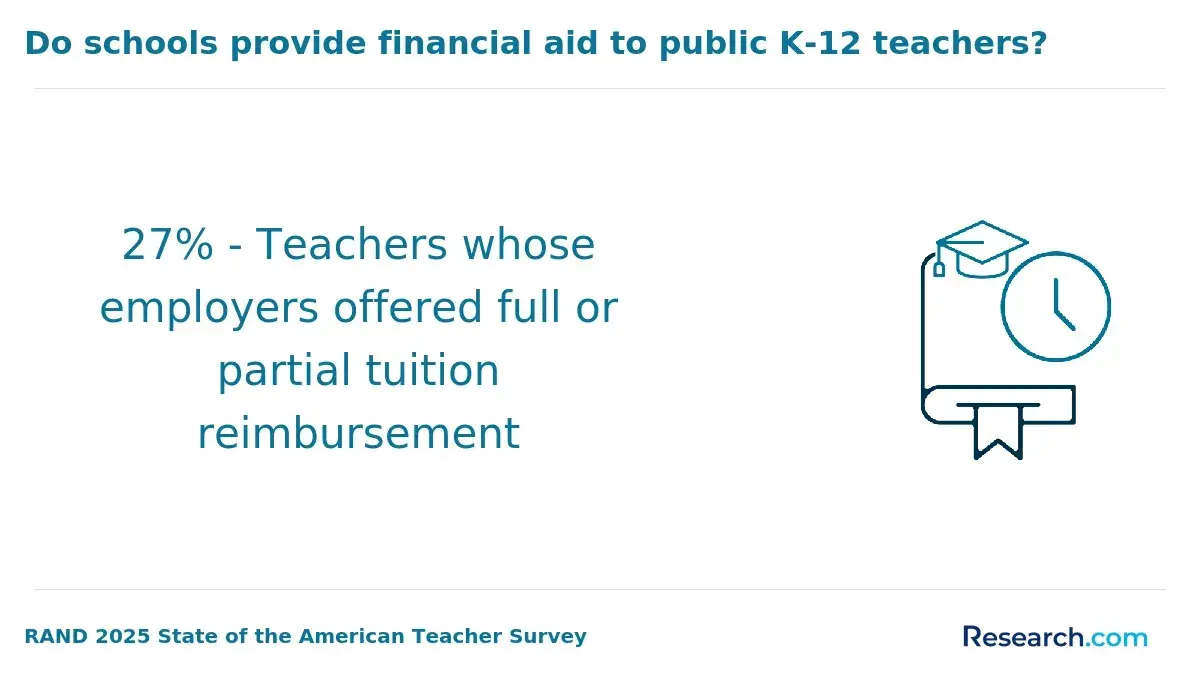
- Program Length: 4 years
- Required Credits to Graduate: ~120
- Specializations: English, History, Math, Science, Social Science, or Spanish
- Tuition and Fees: $8,763 (in-state; CO, IA, IL, MT, ND, NE, WI, & WY residents qualify as in-state tuition); $10,790 (Minnesota residents); $11,865 (out-of-state)
- Accreditation: Council for the Accreditation of Educator Preparation (CAEP)
Online program note: If you are asking, “Can I get a teaching degree online?" the answer is yes, but South Dakota candidates should read the details carefully. The institutions above offer online degree options, but the options described here are limited to graduate-level degrees, especially master’s programs. USD offers an online MA in Elementary Education, while Northern State University offers an MS in Education with several specializations. Even when coursework is online, fieldwork and student teaching usually require placement in a school setting.
Exploring Alternative Pathways to Enter the Teaching Profession in South Dakota
Alternative certification is designed for people who want to teach but did not complete a traditional undergraduate education degree. This route can be useful for career changers, professionals with subject-matter expertise, and candidates entering high-need areas such as special education, STEM, and language arts.
One common route is an alternative teacher preparation program for candidates who already hold a bachelor’s degree in a non-education field. These programs typically combine accelerated pedagogy coursework with classroom-based training. Candidates must also pass the required Praxis II or subject-specific exam to demonstrate knowledge in the content area they plan to teach.
Some candidates may use temporary or provisional certification while completing full licensure requirements. This can allow a district to fill an immediate staffing need while the candidate continues required coursework, testing, or training. However, temporary credentials are time-limited and should be treated as a bridge, not a shortcut around full professional preparation.
Before choosing an alternative route, compare certificate categories, costs, timelines, testing requirements, and whether you can realistically teach while completing coursework. For a deeper breakdown, review this guide to the types of teaching certificates in South Dakota.
Alternative pathways can bring experienced professionals into classrooms and help address staffing gaps, but they require discipline. New teachers using this route often balance classroom responsibilities with coursework, exam preparation, mentoring, and certification paperwork.
How can becoming a school librarian complement your teaching career in South Dakota?
School librarians support literacy, research skills, information access, digital citizenship, and independent inquiry across an entire school. For teachers who enjoy helping students locate, evaluate, and use information, librarianship can expand their influence beyond a single classroom.
This pathway can also complement classroom teaching by strengthening curriculum collaboration and technology integration. Educators considering this option can review How to be a school librarian in South Dakota? for role-specific requirements and career planning.
How can online learning elevate teaching skills in South Dakota?
Online learning can help current and future teachers build new skills without pausing their careers. Teachers may use online courses to complete continuing education credits, add content knowledge, prepare for endorsements, or learn strategies for digital and blended instruction.
For example, a secondary education degree online may help educators strengthen subject-area expertise or prepare for roles in middle and high school settings. Candidates should still confirm that online coursework meets South Dakota certification or renewal requirements before enrolling.
What are the substitute teacher requirements in South Dakota?
Substitute teaching can be a practical way to test whether classroom work is a good fit. Requirements differ from full teacher certification and can vary by district. Candidates are typically expected to meet minimum education requirements, complete background checks and fingerprinting, and attend orientation or training when required by the hiring district.
Because substitute rules may depend on local policies, candidates should check current district requirements before applying. For more detail, review the guide to South Dakota substitute teacher requirements.
What are the kindergarten teacher requirements in South Dakota?
Kindergarten teachers need preparation in early childhood development, early literacy, play-based and age-appropriate instruction, classroom routines, family communication, and assessment for young learners. Candidates typically complete a relevant preparation program, student teaching in an appropriate setting, state testing, and a background check.
This role is best for teachers who enjoy helping children build foundational academic, social, and emotional skills. For a focused pathway, see kindergarten teacher requirements in South Dakota.
What are the private school teacher requirements in South Dakota?
Private school teaching requirements can differ from public school certification rules. Some private schools may prioritize subject expertise, mission fit, classroom experience, or specialized instructional approaches, while others may prefer or require state-certified teachers.
Candidates should ask each private school about required credentials, curriculum expectations, salary, benefits, class size, and professional development. For a more detailed overview, review private school teacher requirements in South Dakota.
What financial incentives and support options are available for teachers in South Dakota?
Financial support can make teaching more sustainable, especially when salaries are modest. Candidates and current teachers should investigate scholarships, grants, loan forgiveness options, district stipends, rural incentives, professional development funding, and tuition assistance.
Some districts may offer additional support for hard-to-fill subjects, rural placements, or underserved communities. Teachers interested in flexible career formats may also explore how to become a teacher online in South Dakota as part of a broader career and income strategy.
What are the teacher certification requirements in South Dakota?
South Dakota teacher certification generally requires a relevant bachelor’s degree, an approved educator preparation program, required assessments, field experience, background checks, and a completed application through the state certification system. Candidates may also pursue endorsements in specialized areas such as special education or English as a Second Language.
Because requirements depend on grade level, subject, prior education, and certificate type, applicants should verify their exact route before enrolling in coursework or registering for exams. For a broader explanation, see the guide to teacher certification requirements in South Dakota.
Common Mistakes to Avoid When Becoming a Teacher in South Dakota
| Mistake | Why It Can Hurt You | Better Approach |
| Choosing a program without checking state approval | A degree that does not align with South Dakota certification can delay licensure. | Confirm the program is approved for your intended endorsement before enrolling. |
| Looking only at tuition | Testing, fees, books, transportation, and unpaid student teaching can change the real cost. | Calculate total program cost and ask about scholarships, grants, and fee assistance. |
| Assuming online means fully remote | Teacher preparation usually requires field placements and student teaching in schools. | Ask how observations, practica, and student teaching are arranged. |
| Waiting too long to prepare for Praxis exams | Failed or delayed exams can postpone student teaching or certification. | Identify required exams early and build study time into your program plan. |
| Ignoring salary schedules | Statewide averages do not show what a specific district will pay. | Review district salary schedules, benefits, and advancement policies before accepting a job. |
| Relying only on rankings | A high-ranked program may not be the best fit for your location, schedule, endorsement, or budget. | Use rankings as one input alongside licensure fit, cost, support, and placement quality. |
Considering Upward Mobility: Teaching at the Post-Secondary Level
After becoming licensed and gaining classroom experience, some educators consider teaching beyond PreK-12. Moving into postsecondary teaching usually requires graduate-level education and deeper subject expertise. This route may appeal to teachers who want research opportunities, adult learners, curriculum development, or higher levels of academic specialization.
Among teaching occupations, post-secondary teaching roles report higher salaries. According to the U.S. Bureau of Labor Statistics, postsecondary teachers earned an annual median pay of $80,840 per year, which is considerably higher than the annual median pay for teachers working at the kindergarten, elementary, and high school levels. If you are asking, “What can I do with a PhD in education?" postsecondary teaching is one possible path, though hiring expectations vary by institution, field, and degree level.
FAQ
1. What are the basic educational requirements to become a teacher in South Dakota?
You need a bachelor’s degree in education or a related field and must complete a teacher preparation program approved by the South Dakota Department of Education. You also need to meet testing, student teaching, background check, and application requirements.
2. What is the job outlook for teachers in South Dakota?
South Dakota continues to report demand in areas such as elementary education, special education, secondary education, self-contained classrooms, language arts, and career and technical education. Projected annual average openings by 2033 include 340 for elementary school teachers, 250 for secondary school teachers, 190 for preschool teachers, and 170 for middle school teachers.
3. How much do teachers in South Dakota earn on average?
Reported salary figures vary by year and source. The U.S. Bureau of Labor Statistics, 2024, reported average annual pay of $50,590 for elementary school teachers, $52,280 for secondary school teachers, and about $51,190 for middle school teachers. Another reported snapshot listed $48,390 for elementary school teachers and around $49,190 for secondary school teachers, compared with $49,890 for all occupations. Always check current district salary schedules before making a decision.
4. What steps are involved in obtaining a teaching license in South Dakota?
- Earn a bachelor’s degree in education or a related field.
- Complete an approved teacher preparation program.
- Pass the Praxis exams required for your grade level or endorsement.
- Complete supervised student teaching.
- Clear the required background check.
- Apply through the South Dakota Department of Education’s Educator Certification Portal with transcripts, exam results, required records, and the application fee.
5. How do I renew my teaching license in South Dakota?
Renewal requires six credits of continuing education, college coursework, or approved professional development depending on your education level. Teachers must also complete approved Suicide Awareness and Prevention training. Renewal is completed through the SD Educator Portal.
6. Are there scholarships available for education majors in South Dakota?
Yes. South Dakota education students and educators can explore awards and support such as the Educational Innovation Grant, Gordon Horgen Scholarship, Ramia Boersma Scholarship, SDEA/NEA State ESP of the Year Award, SDEA/NEA Human and Civil Right Awards, and SDEA/NEA Friend of Education Award.
7. What are some top education programs in South Dakota?
Programs highlighted in this guide include South Dakota State University’s BS in Elementary Education, University of South Dakota’s BSEd in Elementary Education (K-8), Northern State University’s BS in Elementary Education, Dakota State University’s BSE in Elementary Education, and Black Hills State University’s BS in Secondary Education.
8. Can I become a teacher in South Dakota with a non-teaching degree?
Yes. Candidates with a non-teaching bachelor’s degree may pursue an alternative certification route or post-baccalaureate teacher preparation, depending on their background and intended endorsement. They still need to meet state testing, preparation, background check, and application requirements.
9. What is the turnover rate for teachers in South Dakota?
One reported figure placed South Dakota’s teacher turnover rate at approximately 9.27%. Other retention-related data show that 11.5% relocated, 10.2% sought employment in an out-of-state district, and 25.1% worked other jobs outside the school system to supplement income.
10. How can I gain practical experience while studying to become a teacher?
You can build experience through student teaching, classroom observations, tutoring, substitute teaching, mentoring, camp work, after-school programs, and teaching assistant roles. The most important experience will be supervised clinical practice arranged through an approved teacher preparation program.
Key Insights
- South Dakota has real teacher demand, but needs differ by field: High-vacancy areas include special education, self-contained classrooms, language arts, and career and technical education.
- The standard certification route is structured: Most candidates need a bachelor’s degree, approved educator preparation, Praxis exams, student teaching, a background check, and state application approval.
- Salary should be evaluated carefully: South Dakota teacher pay has ranked near the bottom nationally, and reported average salaries for elementary, middle, and secondary teachers are below or near statewide occupational averages.
- Alternative certification can help career changers: A non-teaching bachelor’s degree can still lead to the classroom, but candidates must complete required preparation, testing, and certification steps.
- Program choice affects licensure speed: Choose a program based on state approval, endorsement fit, student teaching support, Praxis preparation, cost, and accreditation—not rankings alone.
- Renewal is part of the career: South Dakota teachers must track renewal credits and complete required Suicide Awareness and Prevention training.
- Specialization can improve opportunity: Endorsements in special education, STEM-related areas, language arts, TESOL, or career and technical education may improve job prospects and long-term flexibility.
- Financial planning matters: Candidates should compare tuition, fees, testing costs, unpaid fieldwork, district salary schedules, benefits, grants, scholarships, and loan forgiveness options before committing.
Related Articles for Nearby States
- 2027 How to Become a Teacher in North Dakota – What Degree Do You Need to Be a Teacher?
- 2027 How to Become a Teacher in Nebraska – What Degree Do You Need to Be a Teacher?
- 2027 How to Become a Teacher in Minnesota – What Degree Do You Need to Be a Teacher
- 2027 How to Become a Teacher in Wyoming – What Degree Do You Need to Be a Teacher
- 2027 How to Become a Teacher in Iowa – What Degree Do You Need to Be a Teacher?
- 2027 How to Become a Teacher in Montana – What Degree Do You Need to Be a Teacher?
- 2027 How to Become a Teacher in Colorado – What Degree Do You Need to Be a Teacher?
- 2027 How to Become a Teacher in Kansas – What Degree Do You Need to Be a Teacher?
- 2027 How to Become a Teacher in Wisconsin – What Degree Do You Need to Be a Teacher?
- 2027 How to Become a Teacher in Missouri – What Degree Do You Need to Be a Teacher?
References:
- Ash, A. M. (2025, September 24). Teachers Who Collaborate, Learn at Work Are More Satisfied. Gallup. https://news.gallup.com/poll/695492/teachers-collaborate-learn-work-satisfied.aspx
- Kurtz, H. & Baker, L. (2025, March 4). What Teacher Morale Looks Like in Every State. EdWeek. https://www.edweek.org/the-state-of-teaching/teaching-learning/what-teacher-morale-looks-like-in-every-state/2025/03
- Learning Policy Institute. (2025, July). An Overview of Teacher Shortages: 2025 Fact Sheet. https://learningpolicyinstitute.org/media/4764/download?inline&file=Teacher_Shortages_Overview_2025_FACTSHEET.pdf
- National Student Clearinghouse Research Center. (2026, January 15). Final Fall Enrollment Trends. https://nscresearchcenter.org/final-fall-enrollment-trends
- U.S. Bureau of Labor Statistics. (2025, August 8). Occupational projections, 2024–2034, and worker characteristics, 2024. Retrieved February 2026, from https://www.bls.gov/emp/tables/occupational-projections-and-characteristics.htm
Other Things You Should Know About Becoming a Teacher in South Dakota
To become a teacher in South Dakota, you need to earn a bachelor’s degree in education or a related field and complete a teacher preparation program approved by the South Dakota Department of Education.
To obtain a teaching license in South Dakota in 2027, you must complete a bachelor's degree in education, pass the Praxis exams, and undergo a background check. Following this, submit an application to the South Dakota Department of Education for initial certification.
In 2027, aspiring teachers in South Dakota require at least a bachelor's degree in education or a closely related field. Additionally, completion of an approved teacher preparation program and passing the necessary certification exams is mandatory for obtaining a teaching license.
To renew your teaching license in South Dakota, you need to complete six credits of continuing education, which can include college courses and professional development hours. You must also complete an approved Suicide Awareness and Prevention training. The renewal process is done through the SD Educator Portal, and the renewal fee is required.
Yes, you can become a teacher in South Dakota with a non-teaching degree through alternative certification programs. These programs often require a bachelor's degree, completion of a teacher preparation program, and passing relevant exams to ensure you meet state educational standards.
Some of the top education programs in South Dakota include:
- South Dakota State University’s BS in Elementary Education
- University of South Dakota’s BSEd in Elementary Education (K-8)
- Northern State University’s BS in Elementary Education
- Dakota State University’s BSE in Elementary Education
Black Hills State University’s BS in Secondary Education


