2027 How to Become an English Teacher in South Dakota: Requirements & Certification

Co-Founder and Chief Data Scientist
Becoming an English teacher in South Dakota is a licensing decision, not just a degree choice. You need the right bachelor’s program, approved teacher preparation, student teaching, exams, background clearance, and a plan for renewal once you are hired. The process can be straightforward if you understand which requirements apply to you: traditional undergraduate candidates, out-of-state licensed teachers, career changers, and educators who want to add endorsements such as ESL or literacy support may follow different routes.
This guide explains how to become an English teacher in South Dakota, what to expect from certification, how student teaching works, what salaries look like, and how to compare districts, programs, and career options. It is designed for prospective teachers, current college students, career changers, and licensed educators considering a move to South Dakota.
Quick answer: How do you become an English teacher in South Dakota?
To become an English teacher in South Dakota, you generally need to earn a bachelor’s degree in English, education, or a closely related field; complete a state-approved teacher preparation program; finish student teaching; pass required Praxis exams; complete the background check process; and apply for licensure through the South Dakota Department of Education. Once licensed, teachers must renew their license every five years by meeting continuing education requirements.
- South Dakota schools continue to report demand for English teachers, with rural districts often facing greater hiring challenges than larger urban areas.
- English teachers in South Dakota earned a median salary of $48,415 as of August 27, 2024, with reported earnings varying by district, experience, education level, and responsibilities.
- The article’s original salary estimate of approximately $50,000 per year remains a useful planning figure, but candidates should always check current district salary schedules before accepting an offer.
- The cost of living may strengthen the value of a teaching salary in some South Dakota communities; the original article noted that housing costs are about 20% lower than the national average.
- Career changers may have options beyond the traditional undergraduate education route, especially if they already hold a bachelor’s degree.
- How can you become an English Teacher in South Dakota?
- What are the educational requirements for becoming an English teacher in South Dakota?
- What is the certification and licensing process for an English teacher in South Dakota?
- How important is teaching experience and what are the internship opportunities for English teachers in South Dakota?
- What are the standards and curriculum requirements for teaching English in South Dakota?
- What is the job market like and what are the salary expectations for English teachers in South Dakota?
- What professional development and continuing education opportunities are available for English teachers in South Dakota?
- What are effective classroom management strategies and teaching methods for English teachers in South Dakota?
- Are there alternative teaching paths available in South Dakota?
- What are the costs and financial aid opportunities for English teaching certification in South Dakota?
- How does the compensation for English teachers compare to related fields in South Dakota?
- What interdisciplinary career pathways can English teachers explore in South Dakota?
- How can English teachers balance work-life responsibilities and prevent burnout in South Dakota?
- What are the career advancement opportunities and specializations for English teachers in South Dakota?
- What resources and support are available for new English teachers in South Dakota?
- What do graduate experiences reveal about transitioning into a full-time English teaching career in South Dakota?
- How can I best support English Language Learners in South Dakota?
- How can I obtain ESOL certification to support English Language Learners in South Dakota?
- How long does it take to get a teaching certificate in South Dakota?
- What are the challenges and future trends for English teachers in South Dakota?
- Can integrating arts and music enhance English teaching effectiveness in South Dakota?
- What additional certifications can enhance my career as an English teacher in South Dakota?
- Which school districts in South Dakota offer optimal support and growth opportunities for English teachers?
How can you become an English Teacher in South Dakota?
The standard route to becoming an English teacher in South Dakota combines academic preparation, supervised classroom practice, state testing, and formal licensure. The goal is to show that you understand English language arts content and can teach it effectively to students.
| Step | What you need to do | Why it matters |
| Choose the right degree path | Earn a bachelor’s degree in English, education, English language arts, or a related field through an accredited institution. | Your degree and preparation program determine whether you are eligible for teacher licensure. |
| Complete teacher preparation | Finish a state-approved educator preparation program that includes pedagogy, classroom methods, assessment, and student teaching. | South Dakota requires future teachers to demonstrate both subject knowledge and instructional readiness. |
| Pass required exams | Prepare for and pass the required Praxis exams, including exams that assess English language arts knowledge and teaching readiness. | Exam results are used to verify professional and subject-area competency. |
| Apply for licensure | Submit transcripts, test results, application materials, fees, and background check documentation to the South Dakota Department of Education. | You cannot serve as a fully licensed public school teacher until the state issues the appropriate credential. |
| Search strategically | Review district job postings, tailor your resume to English language arts positions, and prepare examples of lesson planning and classroom management. | Hiring committees want evidence that you can teach reading, writing, speaking, listening, and critical analysis. |
| Plan for renewal | Track continuing education requirements and professional development because South Dakota teaching licenses must be renewed every five years. | Renewal planning prevents credential lapses and supports long-term career growth. |
Prospective teachers should also understand the difference between K-12 English teaching and college-level instruction. The article’s original labor-market comparison noted that post-secondary teachers had 2022 employment of 262,800, projected growth of 4% from 2022 to 2032, a median annual wage of $76,920, and 9,400 projected new jobs over the same decade. Those figures describe post-secondary teaching broadly, not the typical K-12 English teacher pathway, so they should be used only as context if you are considering graduate study or future college teaching.

What are the educational requirements for becoming an English teacher in South Dakota?
South Dakota English teacher candidates need a strong foundation in literature, composition, language, adolescent learning, assessment, and classroom instruction. A major in English alone may not be enough unless it is paired with an approved teacher preparation program or another licensure route recognized by the state.
- Bachelor’s degree: Most candidates begin with a bachelor’s degree from an accredited college or university. Common majors include English education, English language arts education, English, secondary education with an English concentration, or a closely related discipline.
- English content coursework: Programs usually include study in literature, rhetoric, writing, grammar, composition, linguistics, communication, and literary analysis. This coursework helps teachers support students in reading comprehension, writing development, and evidence-based interpretation.
- Professional education coursework: Teacher preparation includes topics such as instructional design, adolescent development, classroom assessment, educational psychology, inclusion, classroom management, and teaching methods for secondary English.
- Student teaching: Candidates must complete supervised classroom practice before full licensure. This experience connects theory with real teaching responsibilities.
- Accreditation and approval: Before enrolling, confirm that the institution is accredited and that the teacher preparation program is accepted for South Dakota licensure. This is one of the most important checks you can make.
- Subject competency: Candidates must show they understand English language arts content, typically through required Praxis assessments and program completion.
If you are comparing state requirements, remember that licensure rules differ by jurisdiction. For example, Research.com also covers teacher credential requirements in Oklahoma, but South Dakota candidates should rely on South Dakota-specific guidance when choosing courses, exams, and applications.
| Candidate type | Likely education route | Best next step |
| High school student or first-time college student | Bachelor’s degree in English education or secondary education with an English focus | Choose an accredited institution with a state-approved teacher preparation program. |
| English major who now wants to teach | Post-baccalaureate teacher preparation, master’s-level preparation, or another approved route | Ask the program whether your existing English credits meet content requirements. |
| Career changer with a non-education bachelor’s degree | Alternative certification pathway, if eligible | Contact the South Dakota Department of Education and approved programs before enrolling. |
| Licensed teacher from another state | Reciprocity or out-of-state license review | Prepare transcripts, license documentation, test records, and background check materials. |
What is the certification and licensing process for an English teacher in South Dakota?
The South Dakota English teacher licensing process verifies your education, preparation, testing, and suitability to work with students. Because requirements can vary based on your background, candidates should confirm details with the South Dakota Department of Education before paying for a program or registering for exams.
- Complete the required education: Hold at least a bachelor’s degree and complete an approved educator preparation program aligned with the license and subject area you plan to teach.
- Meet testing requirements: Pass required Praxis assessments, including the Praxis Core Academic Skills for Educators and the Praxis Subject Assessment for English Language Arts when required for your route.
- Gather official documentation: Request official transcripts, program verification, test score reports, identification documents, and any state-required forms.
- Complete fingerprinting and background checks: Background screening is part of the licensing process and helps protect students and school communities.
- Submit the application and fees: Apply through the South Dakota Department of Education and budget for application-related costs, testing fees, transcript fees, and possible fingerprinting expenses.
- Use reciprocity if applicable: Teachers licensed in another state may be able to seek South Dakota licensure through the state’s reciprocity process, provided they satisfy state requirements.
- Maintain your license: After licensure, complete continuing education expectations and renew on schedule. South Dakota teaching licenses must be renewed every five years.
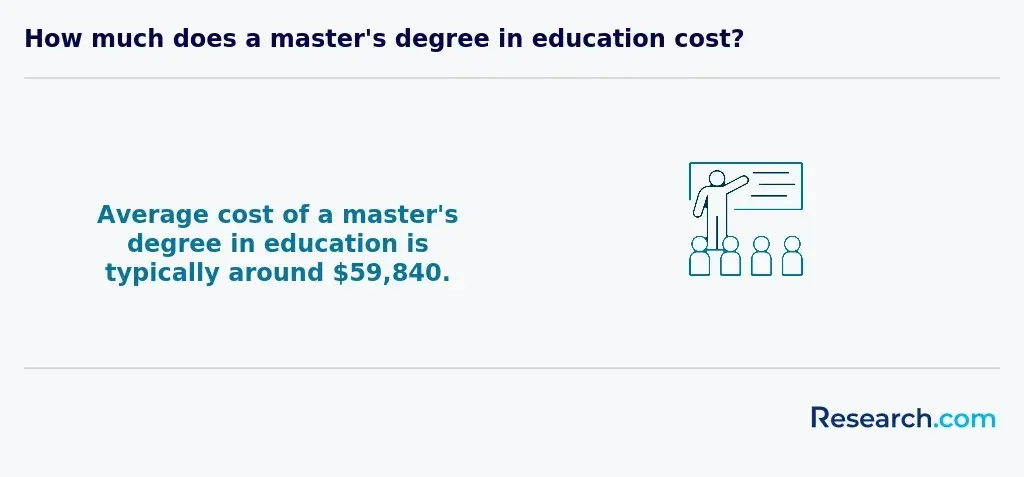
Some educators strengthen their qualifications with graduate or complementary credentials later in their careers. For example, a teacher interested in literacy, research, media resources, and school library collaboration may compare options such as an online library science master’s program. The original article noted that around $60,000 is a good average estimate for that separate field of study, but costs vary by institution and should be verified directly with the school.
How important is teaching experience and what are the internship opportunities for English teachers in South Dakota?
Teaching experience is not optional preparation; it is where future English teachers learn how to manage discussions, teach writing, respond to different reading levels, assess student work, and adjust lessons when students struggle. In South Dakota, certification requires a minimum of 12 weeks of student teaching, and many preparation programs offer longer placements.
- Student teaching: Candidates usually complete a full-semester placement under the supervision of a mentor teacher. During this period, they observe, co-teach, plan lessons, lead instruction, grade work, and receive feedback.
- University placements: Institutions such as South Dakota State University and the University of South Dakota offer structured student teaching experiences that connect candidates with schools.
- Alternative experience opportunities: Organizations such as Teach for America may provide alternative pathways or service opportunities, particularly in high-need communities.
- Pre-certification experience: Tutoring, substitute teaching where permitted, serving as a paraprofessional, assisting with literacy programs, or volunteering in school settings can help you build practical skills before full-time teaching.
How to make student teaching count
- Ask for specific feedback: Instead of asking whether a lesson went well, ask about pacing, questioning, transitions, student engagement, and assessment quality.
- Build a teaching portfolio: Save lesson plans, student work samples where permitted, assessment examples, and reflections that show your growth.
- Practice classroom routines: Learn how your mentor starts class, handles late work, manages discussions, and supports students who avoid reading or writing tasks.
- Network professionally: Introduce yourself to administrators, counselors, librarians, special education staff, and other English teachers. These relationships can lead to references and job leads.
What are the standards and curriculum requirements for teaching English in South Dakota?
English teachers in South Dakota teach within the state’s academic content standards. These standards identify what students should know and be able to do, but they do not function as a single required textbook or scripted curriculum. The South Dakota Department of Education and state education authorities provide the framework that districts and teachers use when designing instruction.
- Standards guide instruction: South Dakota’s standards address essential English language arts skills such as reading comprehension, writing, speaking, listening, research, critical thinking, and language use.
- Curriculum choices may vary: Districts may select different texts, materials, assessments, and instructional sequences while still aligning lessons to state expectations.
- Teachers need alignment skills: A strong English teacher can connect each lesson to standards, choose appropriate texts, build writing practice, and assess whether students are progressing.
- Review cycle: The original article noted that South Dakota’s academic content standards undergo review every five to seven years, so teachers should monitor updates.
| Instructional area | What English teachers should plan for | Practical classroom example |
| Reading | Teach students how to interpret literary and informational texts using evidence. | Ask students to support a theme claim with direct quotations and explanation. |
| Writing | Develop argumentative, informative, narrative, and research-based writing skills. | Use drafting, peer review, revision, and rubric-based feedback across units. |
| Language | Build grammar, vocabulary, usage, and style through authentic writing tasks. | Teach sentence variety during essay revision rather than only through isolated worksheets. |
| Speaking and listening | Help students participate in discussions, presentations, and collaborative analysis. | Use structured Socratic seminars or small-group literature discussions. |
| Assessment | Measure progress through formative and summative methods. | Combine exit tickets, writing conferences, quizzes, essays, and projects. |
Teachers preparing for other education fields can compare program structures through related guides, including Research.com’s overview of online colleges for early childhood education, but English teacher candidates should prioritize programs aligned with secondary English or English language arts licensure.
What is the job market like and what are the salary expectations for English teachers in South Dakota?
The job market for English teachers in South Dakota is shaped by district location, retirements, enrollment patterns, rural staffing needs, and the continued importance of literacy instruction. Candidates may see stronger opportunity in districts that have difficulty filling vacancies or that need teachers willing to coach, advise activities, teach multiple grade levels, or support writing across the curriculum.
- Demand: The original article reported that South Dakota is experiencing a shortage of English teachers, especially in rural areas, and also cited a 10% increase in demand for English teachers from 2022 to 2023.
- Average planning salary: The article’s earlier estimate placed the average salary for English teachers in South Dakota at approximately $50,000 per year.
- Location differences: It also noted that teachers in Sioux Falls and Rapid City may earn more than rural counterparts, sometimes exceeding $55,000, while some rural averages may be closer to $45,000.
- Median salary: English teachers in South Dakota earned a median salary of $48,415 as of August 27, 2024.
- Salary range: The lowest 10% of earners made less than $31,206, while the highest 10% earned over $83,864. The 25th percentile earned $39,407, and the 75th percentile earned $66,970.
- Benefits: Compensation should be evaluated with health insurance, retirement plans, paid leave, stipends, coaching pay, extracurricular duties, and tuition support where available.
| Compensation factor | Why it changes your real income | Question to ask before accepting a job |
| District salary schedule | Pay usually depends on education level and years of experience. | Where would I be placed on the salary schedule in year one? |
| Health and retirement benefits | Benefits can meaningfully affect total compensation. | What portion of health insurance is covered by the district? |
| Additional duties | Coaching, advising, and leadership roles may add stipends but also add workload. | Which duties are required, optional, or paid separately? |
| Cost of living | Lower housing or commuting costs can offset a lower salary in some communities. | What are typical housing and transportation costs near the school? |
| Professional support | Mentoring and planning time can reduce stress and improve retention. | What support is provided for first-year teachers? |
Graduate accounts in the original article emphasized that salary alone does not determine satisfaction. One South Dakota teacher reported feeling anxious during the job search but later found that schools were eager to hire committed educators. She also noted that benefits improved her overall satisfaction even though the starting salary was lower than expected.
What professional development and continuing education opportunities are available for English teachers in South Dakota?
Professional development matters for two reasons: it helps teachers keep their licenses active and it improves classroom practice. English teachers often seek training in adolescent literacy, writing instruction, classroom management, assessment, digital tools, culturally responsive teaching, and support for English Language Learners.
- Continuing education for renewal: South Dakota teachers must complete continuing education expectations to renew their licenses every five years.
- Workshops and short courses: Educators can pursue training in instructional strategies, assessment design, classroom management, and standards alignment.
- Online and in-person options: Flexible formats help working teachers balance professional learning with classroom duties, family responsibilities, and rural travel distances.
- Certificate programs and seminars: Some teachers use targeted programs to strengthen expertise in literacy, ESL, special education collaboration, or leadership.
- Institutional professional development: The original article noted that educators may find over 250 course offerings each semester through professional development providers.
Teachers who want to understand broader education career possibilities can review Research.com’s guide to careers available with a teaching degree. The original article also cited 2022 U.S. Department of Education statistics reporting a 45% vacancy rate in public schools across America, shown below.

What are effective classroom management strategies and teaching methods for English teachers in South Dakota?
English classrooms require a balance of structure and intellectual freedom. Students need routines that make reading, discussion, writing, revision, and peer feedback feel predictable, but they also need room to question texts, develop interpretations, and write in their own voices.
- Set clear routines early: Explain how students enter class, access materials, submit writing, participate in discussions, and ask for help. Clear routines reduce wasted time and prevent many behavior issues.
- Use positive reinforcement: Recognize preparation, thoughtful participation, respectful disagreement, and revision effort. The original article cited research claims that positive reinforcement can reduce disruptive behavior by 30%.
- Design lessons with variety: Combine short direct instruction, guided practice, discussion, individual reading, small-group collaboration, and writing conferences.
- Differentiate without lowering expectations: Provide scaffolds such as sentence frames, vocabulary previews, audio support, graphic organizers, and model paragraphs while keeping rigorous learning goals.
- Teach writing as a process: Strong writing instruction includes planning, drafting, conferencing, revision, editing, and reflection rather than one final essay grade.
- Build discussion norms: Students need explicit instruction on listening, citing evidence, disagreeing respectfully, and connecting ideas to the text.
- Use technology carefully: Digital tools can support research, annotation, drafting, and feedback, but they should not replace close reading or teacher-student interaction.
The original article cited several instructional research claims, including a 20% increase in compliance and engagement when expectations are defined, 75% retention through active participation compared with 5% through passive listening, and assessment scores up to 15% higher in positive environments. Treat such figures as general context and focus on evidence-based practice, local student needs, and district expectations.
Are there alternative teaching paths available in South Dakota?
Yes. South Dakota offers alternative certification possibilities for some candidates who already hold a bachelor’s degree but did not complete a traditional undergraduate teacher education program. These routes can be especially relevant for English majors, writers, editors, communication professionals, librarians, or other career changers who want to move into secondary education.
| Path | Who it may fit | Important caution |
| Traditional bachelor’s route | Students who know early that they want to teach English | Confirm the program leads to South Dakota licensure before enrolling. |
| Post-baccalaureate preparation | English majors or graduates who decide to teach after completing a degree | Some prior coursework may count, but education coursework and student teaching may still be required. |
| Alternative certification | Career changers with bachelor’s degrees in non-education fields | Eligibility, mentorship, coursework, and testing requirements must be verified with the state. |
| Out-of-state reciprocity | Licensed teachers moving to South Dakota | Additional testing, documentation, or coursework may still be required. |
If you are still deciding which teaching level fits you best, you may also compare English teaching with elementary education by reviewing how to become an elementary school teacher in South Dakota.
What are the costs and financial aid opportunities for English teaching certification in South Dakota?
The cost of becoming an English teacher depends on your starting point. A first-time college student, an English major adding teacher preparation, a career changer, and an out-of-state licensed teacher may all face different expenses. Tuition is usually the largest cost, but it is not the only one.
- Tuition and fees: Compare total program cost, not just per-credit tuition. Include student teaching fees, technology fees, and institutional charges.
- Testing costs: Budget for required Praxis exams and possible retake fees.
- Application and documentation: Licensure applications, transcripts, background checks, and fingerprinting may add costs.
- Student teaching logistics: Transportation, reduced work hours, professional clothing, and unpaid placement time can affect your budget.
- Financial aid: Candidates should ask about federal aid eligibility, scholarships, grants, institutional aid, service-based funding, and district incentives where available.
- Loan forgiveness: Some teachers may qualify for loan forgiveness programs depending on school type, subject area, service requirements, and federal or state rules.
For cost-conscious candidates, Research.com’s guide to the most affordable ways to get a teaching credential in South Dakota can help you compare credential routes before committing to a program.
Questions to ask before paying for a teacher preparation program
- Is this program approved for South Dakota English language arts licensure?
- What is the total estimated cost from admission through licensure application?
- Are Praxis preparation resources included?
- How are student teaching placements assigned?
- Can I complete coursework online, in person, or through a hybrid format?
- What percentage of candidates complete the program and become licensed?
- Does the program support career changers, transfer students, or out-of-state applicants?
How does the compensation for English teachers compare to related fields in South Dakota?
English teaching offers steady public-service employment, benefits, and a clear salary schedule in many districts, but it may not have the same earning profile as some specialized health, therapy, technology, or administrative fields. When comparing careers, look beyond the top-line salary and consider degree cost, licensure barriers, job stability, benefits, schedule, advancement, and personal fit.
For example, speech-language pathology is a related student-support profession with different graduate education and licensure expectations. Research.com’s guide to high-paying speech pathology careers can help readers compare communication-focused careers outside traditional English teaching.
| Career area | Connection to English teaching | Decision factor |
| K-12 English teacher | Focuses on reading, writing, literature, communication, and classroom instruction. | Best for candidates who want daily classroom teaching and long-term student relationships. |
| Speech-language pathology | Supports communication, language development, and related student needs. | May require different graduate-level preparation and clinical credentials. |
| Library or media specialist | Connects literacy, research, information access, and instructional support. | May appeal to teachers interested in schoolwide literacy and resource leadership. |
| Curriculum or instructional coordination | Builds on classroom experience to shape teaching materials and standards alignment. | Often requires advanced study, leadership experience, or specialized credentials. |
What interdisciplinary career pathways can English teachers explore in South Dakota?
English teachers often develop transferable skills in writing, analysis, communication, curriculum design, and student support. Those skills can lead to interdisciplinary opportunities within and beyond the classroom.
- Literacy coaching: Support reading and writing instruction across grade levels or departments.
- School library collaboration: Help students build research skills, media literacy, and independent reading habits.
- Arts-integrated teaching: Use drama, visual analysis, music, performance, or creative writing to deepen literary interpretation.
- Dual endorsement planning: Add a related teaching area if district needs and state rules make it practical.
- Curriculum design: Develop units, assessments, rubrics, and district-level materials aligned with standards.
Teachers interested in arts-based instruction may find useful comparisons in Research.com’s guide on becoming an art teacher in South Dakota.
How can English teachers balance work-life responsibilities and prevent burnout in South Dakota?
English teaching can be emotionally meaningful and mentally demanding. The workload often includes lesson planning, grading essays, responding to students, communicating with families, preparing assessments, and possibly advising clubs or coaching. Burnout prevention requires systems, not just good intentions.
- Control grading volume: Use targeted rubrics, rotating focus areas, peer review, writing conferences, and short formative checks so every assignment does not become a full essay evaluation.
- Set communication boundaries: Clarify when you respond to email and how students can get help during school hours.
- Plan reusable units: Build lesson materials that can be improved each year rather than recreated from scratch.
- Use team planning: Collaborate with other English teachers to share texts, assessments, pacing guides, and intervention strategies.
- Ask about mentoring: First-year teachers should know whether the district provides a mentor, release time, observations, or coaching.
- Protect recovery time: Schedule non-school time deliberately, especially during essay-heavy units and reporting periods.
If you are weighing whether teaching fits your long-term goals, Research.com’s article on the strongest reasons to become a teacher can help you evaluate motivation, purpose, and career expectations realistically.
What are the career advancement opportunities and specializations for English teachers in South Dakota?
English teachers can grow by staying in the classroom, adding specialized endorsements, moving into leadership, or pursuing advanced degrees. The best path depends on whether you want deeper student-facing work, broader school influence, or a transition into administration.
- Department leadership: Experienced English teachers may become department chairs, lead professional learning communities, or coordinate grade-level curriculum.
- Curriculum coordination: Teachers with strong standards and assessment expertise can help design district curriculum, pacing guides, and instructional resources.
- Literacy coaching: A literacy-focused specialization can position teachers to support reading and writing instruction across subjects.
- ESL or ESOL support: Additional preparation can help teachers serve English Language Learners more effectively.
- Special education collaboration: English teachers who understand accommodations, IEP collaboration, and differentiated instruction can better support inclusive classrooms.
- Administration: Moving into roles such as assistant principal or principal typically requires additional credentials, such as a master’s degree in educational leadership or administration and relevant endorsements.
- Policy and committee work: Teachers may participate in local or state curriculum committees, standards discussions, assessment review, or instructional improvement initiatives.
The original article included a teacher reflection describing a move from classroom teaching into leadership after earning administrative certification. The teacher reported challenges balancing new duties with teaching responsibilities, but also described curriculum leadership and mentoring colleagues as rewarding.
For broader salary context outside K-12 teaching, the original article reported that in 2024 the top ten highest-paying states for English professors were led by California at $102,568 according to Zippia. Other high average salaries for English professors included Connecticut ($88,360), Rhode Island ($84,815), New Hampshire ($81,795), and Nevada ($81,749). New York, the District of Columbia, Delaware, Vermont, and Utah also reported average earnings ranging from $69,174 to $81,298.
What resources and support are available for new English teachers in South Dakota?
New English teachers need more than a license. They need lesson resources, mentors, assessment tools, district guidance, and a professional network that helps them solve classroom problems quickly.
- Tools for Teachers: The South Dakota Department of Education points educators to Tools for Teachers, a Smarter Balanced resource with standards-aligned lessons and activities. It also supports formative assessment practices that help teachers adjust instruction based on student progress.
- Mentorship: New teachers should ask districts about formal mentoring, observation cycles, planning support, and first-year teacher induction programs.
- Teacher networks: Collaboration with other English teachers can reduce planning isolation and improve instruction. Networks are especially valuable for teachers in small or rural schools where there may be few subject-area colleagues.
- Assessment resources: Teachers should use formative checks, writing rubrics, reading diagnostics, and district assessments to understand student learning needs.
- Specialized training: Teachers who want to strengthen inclusive instruction may explore online programs related to special education and teaching support through Research.com’s guide to online teaching degree programs.
| Resource type | How it helps a new English teacher | What to look for |
| Mentor teacher | Provides practical advice on pacing, grading, classroom routines, and family communication. | A mentor with time to observe and give specific feedback. |
| Shared curriculum | Reduces the burden of building every unit alone. | Clear alignment to South Dakota standards and room for teacher adaptation. |
| Assessment tools | Identifies reading, writing, and language skill gaps. | Formative data that can guide instruction, not just final scores. |
| Professional learning | Builds expertise in literacy, writing instruction, ELL support, and classroom management. | Training connected to real classroom needs. |
What do graduate experiences reveal about transitioning into a full-time English teaching career in South Dakota?
Graduate experiences point to a consistent lesson: candidates who complete meaningful student teaching, receive strong mentoring, and enter the job market with practical classroom artifacts tend to transition more confidently. New teachers benefit from examples of lesson plans, writing rubrics, classroom routines, parent communication templates, and evidence that they can adapt instruction for varied learners.
Some graduates also broaden their career outlook by exploring related school roles. For example, teachers who enjoy literacy, research, media resources, and student reading support may review Research.com’s guide on how to become a school librarian in South Dakota.
What do graduates have to say about becoming an English teacher in South Dakota?
- Teaching English in South Dakota has been deeply meaningful for me. I value the community support, the chance to know students well, and the smaller class settings that make individual feedback possible. Professional development has also helped me continue improving instead of feeling stuck after my first year. Samantha
- I did not expect to enjoy the work as much as I do. Literacy is taken seriously, and I have found colleagues who care about writing, reading, and discussion. My students challenge me to create lessons that are creative and rigorous, and I appreciate being able to recharge outside of school. Jake
- What stands out most is the sense of collaboration. Teachers share resources, talk through difficult lessons, and help each other improve. I also enjoy using local history and regional literature when it helps students see themselves and their communities in the curriculum. Mae
How can I best support English Language Learners in South Dakota?
English teachers support English Language Learners most effectively when they combine high expectations with intentional language support. ELL students should have access to meaningful texts, discussion, writing, and grade-level ideas, but they may need scaffolds that help them participate fully.
- Pre-teach essential vocabulary: Focus on words that unlock the lesson rather than overwhelming students with long lists.
- Use language scaffolds: Sentence frames, discussion stems, visuals, models, and graphic organizers can help students express complex ideas.
- Build background knowledge: Introduce context before difficult texts so students can focus on interpretation rather than only decoding unfamiliar references.
- Coordinate with ESL specialists: Collaboration helps align language goals, accommodations, and classroom expectations.
- Use culturally responsive materials: Include texts and examples that respect diverse backgrounds while expanding students’ literary range.
- Assess both content and language: Separate the student’s understanding of ideas from English proficiency whenever appropriate.
Cross-disciplinary awareness can also help teachers understand how other subject areas support literacy. For example, Research.com’s guide to high school history teacher requirements in South Dakota may be useful for educators interested in reading and writing across content areas.
How can I obtain ESOL certification to support English Language Learners in South Dakota?
ESOL certification can strengthen an English teacher’s ability to serve multilingual learners. It typically focuses on language acquisition, assessment, culturally responsive teaching, instructional scaffolding, and collaboration with families and specialists. Teachers considering this path should confirm eligibility, required coursework, testing, and endorsement rules before enrolling in any program.
For a focused explanation of eligibility and steps, review Research.com’s guide to South Dakota ESOL certification requirements.
How long does it take to get a teaching certificate in South Dakota?
The timeline depends on where you start. A first-time college student usually needs to complete a bachelor’s degree, teacher preparation coursework, student teaching, testing, and licensure application steps. A bachelor’s degree holder may take less time if prior coursework applies, but may still need pedagogy courses, field experiences, student teaching, and exams. Out-of-state teachers may move faster if their documentation meets South Dakota requirements, though additional steps may still apply.
| Starting point | Timeline factor | What can slow the process |
| No bachelor’s degree yet | Degree completion plus teacher preparation and student teaching | Changing majors, missing prerequisite courses, or delayed student teaching placement |
| Bachelor’s degree in English | Post-baccalaureate or alternative preparation requirements | Needing additional education coursework or field experience |
| Bachelor’s degree in another field | Alternative certification eligibility and required coursework | Insufficient English content background or testing delays |
| Licensed teacher from another state | Reciprocity review and documentation | Incomplete records, background check processing, or additional state requirements |
For a more detailed timeline, see Research.com’s guide on how long it takes to get a teaching certificate in South Dakota.
What are the challenges and future trends for English teachers in South Dakota?
English teaching in South Dakota offers meaningful opportunities, but candidates should enter the profession with a realistic understanding of challenges. Rural staffing needs, limited access to specialized resources, wide differences in student preparation, and the grading load associated with writing instruction can all affect the job.
- Teacher shortages: The original article reported shortages in English language arts, particularly in rural areas, driven in part by retirements and fewer new teachers entering the field.
- Resource variation: Smaller or rural districts may have fewer specialized materials, fewer subject-area colleagues, or more limited professional development access.
- Technology integration: Teachers are increasingly expected to use digital learning platforms, online research tools, learning management systems, and digital feedback methods.
- AI and writing instruction: English teachers now need clear policies and instructional strategies for generative AI, plagiarism concerns, drafting, citation, and authentic student writing.
- Culturally responsive teaching: Teachers are expected to select texts and design discussions that respect diverse student backgrounds while developing academic literacy.
- Credential flexibility: Alternative certification routes may continue to matter as schools work to fill high-need positions.
If you are still clarifying the basic degree pathway, Research.com’s guide to what degree you need to become a teacher in South Dakota can help you understand the broader licensure process.
Can integrating arts and music enhance English teaching effectiveness in South Dakota?
Yes, arts and music can make English instruction more engaging when they are tied to clear literacy goals. Performance, visual analysis, spoken word, music lyrics, theater, and creative composition can help students understand voice, tone, theme, structure, audience, and interpretation.
- Use dramatic readings to help students analyze character, conflict, and tone.
- Compare song lyrics with poetry to teach imagery, rhythm, and figurative language.
- Invite students to create visual interpretations of a text before writing analytical explanations.
- Use performance-based assessments only when they support the English language arts standards being taught.
Teachers interested in interdisciplinary arts teaching can compare requirements through Research.com’s guide to music teaching qualifications in South Dakota.
What additional certifications can enhance my career as an English teacher in South Dakota?
Additional certifications or endorsements can make an English teacher more versatile, but they should be chosen strategically. The best credential is one that aligns with student needs, district demand, and your long-term career goals.
| Credential or focus area | How it may help | Who should consider it |
| ESOL or ESL endorsement | Builds skill in supporting English Language Learners. | Teachers in districts with multilingual student populations. |
| Literacy or reading specialization | Strengthens intervention, reading comprehension, and writing instruction. | Teachers interested in literacy coaching or reading support. |
| Special education coursework | Improves collaboration on accommodations and inclusive instruction. | Teachers who serve diverse learners in general education classrooms. |
| Educational leadership | Prepares teachers for department leadership or administration. | Experienced educators considering curriculum or school leadership. |
| Communication-related expertise | Supports stronger collaboration with speech, language, and student support teams. | Teachers interested in interdisciplinary student support. |
Educators who want to understand communication-focused credentials outside teaching can review Research.com’s guide to South Dakota SLP license requirements.
Which school districts in South Dakota offer optimal support and growth opportunities for English teachers?
The best district for an English teacher is not always the one with the highest advertised salary. A strong fit includes administrative support, reasonable teaching loads, planning time, mentoring, curriculum resources, professional development, and a school culture that values literacy.
How to compare South Dakota school districts
- Review salary schedules: Check how the district places new hires by education level and experience.
- Ask about class sizes and course load: English teachers with multiple preps and large writing classes may face heavier grading demands.
- Evaluate mentoring: First-year teachers should ask whether mentoring is formal, compensated, and sustained throughout the year.
- Look at curriculum support: Determine whether the district provides shared texts, pacing guides, assessment tools, and intervention resources.
- Consider community fit: Rural, suburban, and urban schools can differ in resources, student needs, housing, commute, and extracurricular expectations.
- Ask about advancement: Find out whether teachers can lead curriculum work, coach new teachers, chair departments, or pursue paid leadership opportunities.
If you are comparing English teaching with other secondary teaching areas, Research.com’s guide on how to become a high school history teacher in South Dakota may provide useful context.
Key Insights
- South Dakota English teacher candidates usually need a bachelor’s degree, an approved teacher preparation program, student teaching, Praxis exams, background checks, and state licensure.
- In 2023, the South Dakota Department of Education noted a 10% increase in the need for English teachers, and rural districts may offer meaningful opportunities for candidates willing to work outside larger cities.
- English teachers in South Dakota earned a median salary of $48,415 as of August 27, 2024. The lowest 10% made less than $31,206, while the highest 10% earned over $83,864; the 25th percentile earned $39,407 and the 75th percentile earned $66,970.
- The earlier average salary estimate of approximately $50,000 can help with planning, but applicants should always compare district salary schedules, benefits, stipends, and local cost of living.
- South Dakota requires prospective teachers to pass Praxis exams, including the Praxis Core Academic Skills for Educators and the Praxis Subject Assessment for English Language Arts when applicable.
- Alternative certification may be available for bachelor’s degree holders from non-education fields, but candidates should verify eligibility before enrolling in a program.
- Student teaching is a major hiring asset. South Dakota requires a minimum of 12 weeks of student teaching, and candidates should use that time to build references, lesson artifacts, and classroom confidence.
- Do not choose a program based only on convenience or tuition. Confirm accreditation, state approval, testing support, student teaching placement quality, and licensure alignment.
- Career growth is strongest when teachers add targeted expertise such as literacy coaching, ESOL support, curriculum leadership, or educational administration.
- The best district fit includes mentorship, manageable workload, planning time, supportive leadership, and resources for reading and writing instruction—not salary alone.
Related Articles for Nearby States
- 2027 How to Become an English Teacher in North Dakota: Requirements & Certification
- 2027 How to Become an English Teacher in Nebraska: Requirements & Certification
- 2027 How to Become an English Teacher in Minnesota: Requirements & Certification
- 2027 How to Become an English Teacher in Wyoming: Requirements & Certification
- 2027 How to Become an English Teacher in Iowa: Requirements & Certification
- 2027 How to Become an English Teacher in Montana: Requirements & Certification
- 2027 How to Become an English Teacher in Colorado: Requirements & Certification
- 2027 How to Become an English Teacher in Kansas: Requirements & Certification
- 2027 How to Become an English Teacher in Wisconsin: Requirements & Certification
- 2027 How to Become an English Teacher in Missouri: Requirements & Certification
References:
- Alleducation Schools. (2024). Teacher certification in South Dakota. Alleducation Schools.
- South Dakota Department of Education. (2024). Tools for teachers. South Dakota Department of Education.
- University of Sioux Falls. (2024). Center for Professional Development. University of Sioux Falls.
- Salary.com. (2024). English teacher salary in South Dakota. Salary.com.
Other Things You Should Know About Becoming an English Teacher in South Dakota
In 2027, to become an English teacher in South Dakota, candidates need a bachelor's degree in English or education, complete a state-approved teacher preparation program, and pass the Praxis Subject Assessments. Additionally, securing a South Dakota teaching license is mandatory, which involves a background check and submitting required documentation.
In 2027, aside from a traditional degree, individuals can pursue alternative certification pathways such as the South Dakota Alternative Certification Program. This allows candidates with at least a bachelor's degree in any field to work towards certification while gaining hands-on teaching experience.
Foreign educators must have their credentials evaluated by a recognized agency and meet the Basic Skills requirements. They need to pass the Praxis exams relevant to English teaching and provide proof of legal employment eligibility in the U.S. for 2027.