Research.com is an editorially independent organization with a carefully engineered commission system that’s both transparent and fair. Our primary source of income stems from collaborating with affiliates who compensate us for advertising their services on our site, and we earn a referral fee when prospective clients decided to use those services. We ensure that no affiliates can influence our content or school rankings with their compensations. We also work together with Google AdSense which provides us with a base of revenue that runs independently from our affiliate partnerships. It’s important to us that you understand which content is sponsored and which isn’t, so we’ve implemented clear advertising disclosures throughout our site. Our intention is to make sure you never feel misled, and always know exactly what you’re viewing on our platform. We also maintain a steadfast editorial independence despite operating as a for-profit website. Our core objective is to provide accurate, unbiased, and comprehensive guides and resources to assist our readers in making informed decisions.

2026 How to Become a Speech Language Pathologist in South Dakota: Requirements & Certification

Imed Bouchrika, PhD

by Imed Bouchrika, PhD

Co-Founder and Chief Data Scientist

Table of Contents
  1. How do you become a speech-language pathologist in South Dakota?
  2. What degree do you need to become an SLP in South Dakota?
  3. What does a speech-language pathologist actually do?
  4. How does South Dakota SLP licensing and certification work?
  5. What legal and ethical rules apply to SLPs in South Dakota?
  6. How much do speech-language pathologists make in South Dakota?
  7. What is the SLP job market like in South Dakota?
  8. What career paths and advancement options are available?
  9. What challenges should future South Dakota SLPs prepare for?
  10. What related options exist for educators?
  11. Can SLP training transfer into other careers?
  12. How can SLPs improve their compensation?
  13. How can school psychology knowledge strengthen SLP practice?
  14. Why is interdisciplinary collaboration important for SLPs?
  15. What professional development options help SLPs grow?
  16. How should you compare SLP programs in South Dakota?
  17. How can telepractice expand SLP access in South Dakota?
  18. How can school counselors support SLP work?
  19. Can psychology-informed practice improve SLP care?
  20. How can marriage and family therapists collaborate with SLPs?
  21. Should South Dakota SLPs consider mental health counseling training?

How do you become a speech-language pathologist in South Dakota?

The South Dakota SLP pathway follows a regulated sequence: earn the right graduate degree, complete supervised clinical preparation, pass the required examination, apply for licensure, and then seek work in a setting that matches your strengths. The process is manageable, but it is not something to start casually. A student who chooses the wrong program or misses a licensing requirement may lose time, money, or eligibility for certain jobs.

StepWhat you need to doWhy it matters
1. Complete undergraduate preparationEarn a bachelor’s degree and finish any prerequisite coursework required by graduate SLP programs.Master’s programs may require specific communication sciences, biology, psychology, statistics, or related prerequisites.
2. Earn a master’s degreeComplete a master’s program in speech-language pathology from an accredited institution.A master’s degree is the minimum professional degree for SLP licensure in South Dakota.
3. Build clinical experienceComplete supervised practicum experiences during the program and a post-graduate clinical fellowship.Hands-on training prepares you to assess, diagnose, document, and treat clients safely.
4. Pass the Praxis examTake and pass the Praxis Examination in Speech-Language Pathology.The exam is used to verify entry-level knowledge for professional practice.
5. Apply for state licensureSubmit the required application materials, fees, transcripts, exam scores, and clinical documentation to the South Dakota board.You cannot independently practice as an SLP in the state without meeting licensing requirements.
6. Target the right job settingApply to schools, hospitals, rehabilitation centers, clinics, private practices, or telepractice roles.Each setting has different caseloads, documentation expectations, schedules, and advancement options.
  • Choose an accredited graduate program first. South Dakota candidates typically need a master’s degree in speech-language pathology. Programs associated with the University of South Dakota and South Dakota State University are commonly considered by in-state students, but applicants should verify current accreditation, clinical placement structure, and state licensure alignment before enrolling. Students comparing flexible options may also review affordable online master’s programs in speech pathology.
  • Plan for the Praxis early. The Praxis Examination in Speech-Language Pathology is a required step for licensure. Students should begin reviewing exam content during graduate school rather than waiting until after graduation.
  • Prepare for South Dakota licensure. The South Dakota Board of Examiners for Speech-Language Pathology reviews applications and supporting documents. Applicants should track deadlines, fees, transcript requirements, supervised experience forms, background checks, and renewal rules.
  • Build a job-search strategy before the clinical fellowship ends. Employers may want evidence of practicum experience, comfort with documentation, knowledge of IEPs or medical records, and the ability to collaborate with families and other professionals.
  • Use clinical experience to clarify your specialty. School-based practice, adult rehabilitation, pediatric clinics, swallowing disorders, telepractice, and private practice can feel very different. Your placements should help you decide where you work best.

Students who want a broader overview of the national path can compare South Dakota’s process with Research.com’s guide on how to become a speech pathologist.

What degree do you need to become an SLP in South Dakota?

The minimum educational requirement for speech-language pathologists in South Dakota is a master’s degree in speech-language pathology. A bachelor’s degree alone is not enough for independent practice as an SLP. A doctoral degree may be useful for university teaching, research, leadership, or advanced specialization, but it is not the standard minimum for licensure.

Education stageTypical lengthRole in the SLP pathwayDecision point
Bachelor’s degreeGenerally four yearsProvides the foundation for graduate admission.Students without a communication sciences background may need prerequisites before applying to graduate school.
Master’s degree in speech-language pathologyUsually an additional two yearsMeets the core graduate education requirement for SLP licensure.Applicants should prioritize accreditation, clinical placements, Praxis preparation, and licensure alignment.
Clinical fellowshipAt least nine monthsProvides supervised post-graduate professional experience.Choose a supervisor and setting that match your long-term goals.
Doctoral studyVaries by programSupports research, academic, leadership, or advanced specialty careers.Consider only if your career goal requires it; it is not the entry requirement for licensure.
  • Required degree level: South Dakota candidates need at least a master’s degree in speech-language pathology from an appropriate accredited institution.
  • Common graduate coursework: Students typically study language development, phonetics, speech and hearing anatomy, speech sound disorders, language disorders, fluency, voice, swallowing, assessment, treatment planning, and clinical methods.
  • Total education timeline: A bachelor’s degree generally takes four years, and the master’s program usually adds about two more years, creating an approximate six-year higher education path before full entry into the workforce.
  • Graduate school cost range: Master’s degree tuition can vary widely, but students should expect program costs in the range of $20,000 to $40,000 depending on institution, residency status, delivery format, and other fees.
  • Clinical preparation: Students complete supervised clinical practicum during graduate training and then a supervised clinical fellowship lasting at least nine months after the degree.
  • Accreditation check: A program accredited by the American Speech-Language-Hearing Association is important because it signals that the curriculum meets national standards. The University of South Dakota offers a Master of Arts in Speech-Language Pathology that is recognized in this area, but students should confirm current program status directly with the school and relevant licensing bodies.

If you are comparing schools outside South Dakota or online options, review accredited SLP master’s programs and confirm that the program will support South Dakota licensure before applying.

What does a speech-language pathologist actually do?

Speech-language pathologists assess, diagnose, treat, and help prevent communication and swallowing disorders. Their clients may be infants with feeding concerns, preschoolers with delayed language, school-age children with articulation or literacy-related language needs, adults recovering from strokes, or older adults managing cognitive-communication or swallowing difficulties. The role blends clinical judgment, patient education, collaboration, documentation, and long-term progress monitoring.

  • Evaluate speech, language, fluency, voice, cognition, and swallowing skills using formal and informal assessment methods.
  • Create individualized treatment plans that match the client’s age, diagnosis, goals, learning style, and environment.
  • Deliver therapy sessions that may involve articulation work, language intervention, social communication practice, fluency strategies, voice therapy, swallowing exercises, or augmentative and alternative communication.
  • Work with families, teachers, physicians, nurses, occupational therapists, physical therapists, counselors, and other professionals.
  • Document services, track measurable progress, update treatment goals, and explain strategies to caregivers or school teams.

Skills that matter most in South Dakota SLP practice

  • Clear communication: SLPs must explain complex clinical information in language that clients, parents, educators, and medical teams can use.
  • Clinical reasoning: Assessment results need to be interpreted carefully so the treatment plan addresses the real communication or swallowing barrier.
  • Patience and empathy: Progress can be slow, especially for clients with complex disabilities, neurological injuries, or long-standing communication challenges.
  • Creativity: Effective therapy often requires adapting materials, goals, and activities to the client’s age, culture, interests, and setting.
  • Organization: South Dakota SLPs in schools and healthcare settings often manage detailed documentation, scheduling, compliance requirements, and team communication.

One South Dakota SLP describes the work this way: “After graduating from the University of South Dakota, I learned quickly that the job is both clinical and relational. In Sioux Falls, I may coordinate with a teacher in the morning and help a child practice a new sound pattern in the afternoon. The best moments are when a client gains a communication skill that changes daily life.”

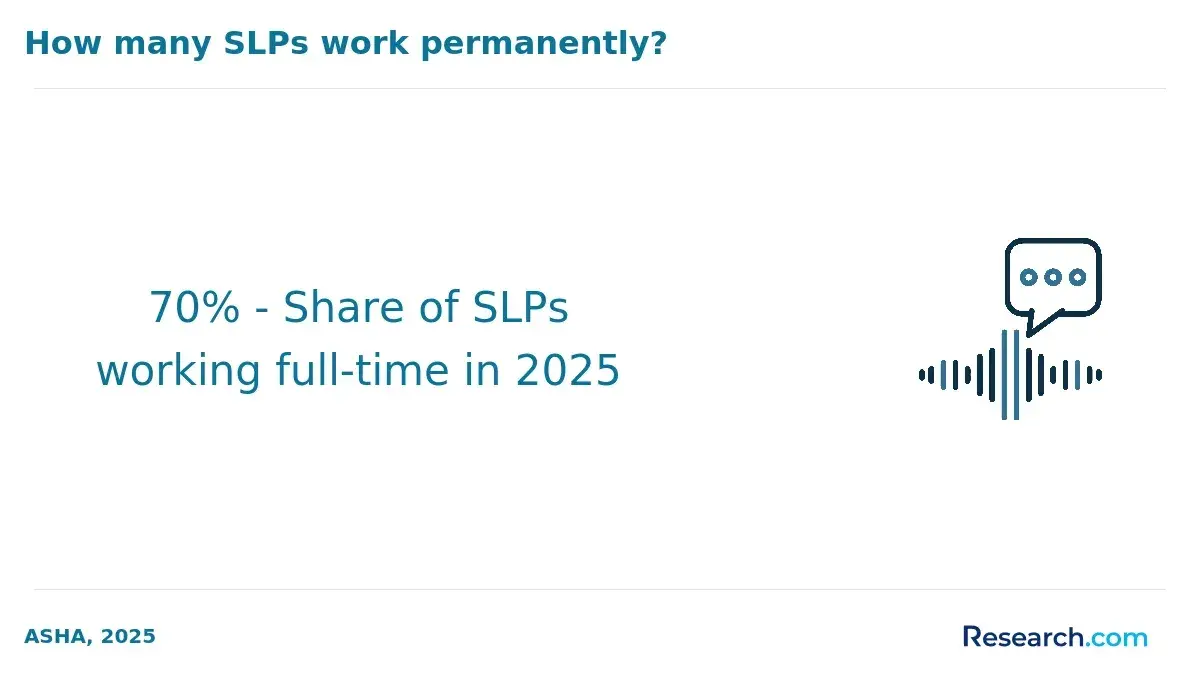
Which sector employs the majority SLPs?

How does South Dakota SLP licensing and certification work?

South Dakota licensing is handled by the South Dakota Board of Examiners for Speech-Language Pathology. Candidates must document graduate education, clinical training, examination results, supervised experience, and other required application materials. Because licensing rules can change, applicants should always verify current requirements with the board before submitting an application.

Licensing componentSouth Dakota requirement or processPractical tip
Graduate educationApplicants must complete the required educational preparation in speech-language pathology.Have official transcripts sent directly from the institution to the board when required.
Praxis examThe Praxis exam includes 132 multiple-choice questions and has a 150-minute time limit.If you are not ASHA certified, be prepared to provide official Praxis scores.
Supervised clinical fellowshipCandidates complete at least nine months of supervised post-graduate professional experience.Confirm your supervisor is qualified and understands the verification paperwork.
Application feesThe total fee is $250, including a $100 application fee and a $150 licensure fee.Payments are made by check or money order.
Background requirementsFingerprinting and background checks are part of the process.Complete these early to avoid delays.
Processing timelineThe board typically processes applications within three weeks once all required materials are received.Submitting an incomplete packet may delay review.
Public school workPublic school contract employees need state licensure, and candidates first obtain a provisional license valid for 24 months that can be renewed once.Plan the provisional license around your clinical fellowship timeline.

Candidates may submit an application while waiting on certain documents, such as official transcripts or ASHA certification. However, the application will not be processed until the board receives all required materials. After the clinical fellowship is complete, the supervising SLP must submit the Verification of Supervised Post-Graduate Professional Experience form.

Applicants should budget beyond tuition. Common costs include the provisional license application, clinical fellowship supervision-related expenses if applicable, Praxis registration, exam preparation materials, background checks, and final licensure fees. Students who are still selecting a graduate program can use SLP master’s program rankings and profiles as a starting point, but licensing fit should be confirmed directly.

What legal and ethical rules apply to SLPs in South Dakota?

Speech-language pathology is a licensed healthcare and educational support profession, so South Dakota SLPs must follow legal, ethical, documentation, confidentiality, and scope-of-practice expectations. These rules protect clients and help ensure that services are provided by qualified professionals.

Licensure and continuing education

  • SLPs must hold the proper South Dakota license before practicing independently. The licensure pathway includes graduate education, clinical fellowship completion, and the Praxis exam.
  • Licensed SLPs must complete 20 hours of continuing education every two years to keep their license active and maintain current knowledge of practice standards.

Confidentiality and records

  • SLPs must protect client information under HIPAA and applicable South Dakota privacy rules.
  • Secure documentation, careful communication, and appropriate release-of-information practices are especially important when working with schools, families, medical providers, and telepractice platforms.

Ethical challenges in rural and school-based practice

  • Limited resources can create difficult decisions about service frequency, materials, referrals, and access to specialists.
  • SLPs may need to advocate for appropriate services when caseloads are high, staffing is limited, or families live far from providers.
  • Conflicts of interest can occur when employer demands, client needs, and available resources do not align. Clinicians should rely on professional ethics, documentation, and consultation.

Federal and state compliance

  • School-based SLPs need to understand the Individuals with Disabilities Education Act and how communication goals fit within IEP services.
  • Clinicians should monitor updates from the South Dakota Department of Education, the South Dakota licensing board, and professional associations such as ASHA and the South Dakota Speech-Language-Hearing Association.

How much do speech-language pathologists make in South Dakota?

Speech-language pathologists in South Dakota earn an average salary of about $66,000 per year, with a median salary around $64,000. The national average is about $80,000 annually, and the national median salary is about $78,000. South Dakota pay is lower than the national figures listed here, but the state’s cost of living is also about 10% lower than the national average, which can affect overall affordability.

Salary measureAmountHow to interpret it
Average salary in South Dakota$66,000A general statewide estimate; individual offers may be higher or lower.
Median salary in South Dakota$64,000A midpoint figure that may better reflect typical earnings than the average.
National average salary$80,000Useful for comparison, but national pay may reflect higher-cost markets.
National median salary$78,000A national midpoint that may not match South Dakota employer budgets.

Work settings that can influence pay

  • Healthcare and social assistance: Hospitals, rehabilitation centers, and medical settings may offer competitive compensation because SLPs support swallowing, cognitive-communication, and post-acute recovery needs.
  • Educational services: School-based SLPs may value predictable schedules, benefits, and student-centered work, though pay structures are often tied to district salary systems.
  • Government roles: State and local government jobs may offer stable benefits and structured advancement paths.

South Dakota locations to compare

  • Sioux Falls: The largest city in the state has major healthcare and education employers.
  • Rapid City: Healthcare facilities and population growth can create SLP opportunities.
  • Aberdeen: Schools, clinics, and community service settings may provide options for SLPs seeking a smaller-city environment.

When reviewing an offer, compare total compensation rather than salary alone. Health insurance, retirement contributions, continuing education funds, paid time off, supervision support, travel expectations, caseload size, and loan repayment opportunities can change the real value of a position.

What is the SLP job market like in South Dakota?

The South Dakota SLP job market is shaped by three major factors: demand for services in schools, healthcare needs across the state, and access challenges in rural communities. The U.S. Bureau of Labor Statistics has projected employment of SLPs to grow by 25% from 2019 to 2029, while South Dakota-specific information cited above points to 18% growth from 2022 to 2032.

  • Demand drivers: The need for SLPs is connected to aging populations, awareness of communication disorders, school-based service obligations, and recovery needs after strokes or traumatic brain injuries.
  • Rural opportunities: Rural communities may have fewer providers, which can create openings for new graduates who are flexible about location.
  • Urban competition: Sioux Falls and Rapid City may offer more employers and specialty settings, but positions can be more competitive.
  • Benefits packages: Many SLP roles include health insurance, retirement plans, and continuing education support, though exact packages vary by employer.
  • Quality-of-life factors: South Dakota’s lower cost of living, outdoor lifestyle, and community-oriented settings may appeal to clinicians who value affordability and close professional networks.

A South Dakota clinician summarized the trade-off this way: “I chose to work here after finishing at the University of South Dakota because rural demand was real. The salary was not the highest I saw, but the cost of living and community need made the decision make sense.”

How many annual job openings are there for SLPs?

What career paths and advancement options are available?

Speech-language pathology can lead to several career directions in South Dakota. Many clinicians begin with direct service roles and later move into specialization, supervision, program leadership, telepractice, consulting, higher education, or research.

Career stageCommon rolesBest fit for
Entry levelSchool SLP, outpatient clinician, rehabilitation SLP, skilled nursing facility clinicianNew licensees who want supervised growth and broad clinical exposure.
Experienced clinicianPediatric specialist, adult neurogenic communication specialist, swallowing-focused clinician, telepractice providerSLPs who want deeper expertise in a population or treatment area.
LeadershipLead SLP, therapy coordinator, clinical supervisor, program managerClinicians who enjoy mentoring, compliance, scheduling, program quality, and team coordination.
Senior rolesClinical director, department leader, university instructor, consultantExperienced SLPs with administrative, teaching, research, or systems-level interests.
Alternative pathsEducational consultant, teletherapy entrepreneur, researcher, trainer, communication specialistProfessionals who want to use SLP expertise outside traditional clinical caseloads.

SLPs who want to expand their career options should choose continuing education strategically. A random collection of workshops may satisfy renewal requirements, but focused training in school-based assessment, dysphagia, autism, augmentative and alternative communication, telepractice, or leadership can make a clinician more competitive. Students considering lower-cost pathways can compare affordable speech-language pathology degree options while still prioritizing accreditation and licensure readiness.

What challenges should future South Dakota SLPs prepare for?

South Dakota can be a rewarding place to practice, but future SLPs should understand the workload and access challenges before entering the field. A strong career plan includes not only earning the degree but also learning how to manage caseloads, documentation, limited resources, and interdisciplinary expectations.

Common challengeWhy it mattersBetter strategy
High caseloadsSome SLPs, especially in schools, report caseloads that can exceed 80 clients.Ask employers about caseload size, workload model, service delivery expectations, and administrative support before accepting a role.
Heavy documentationIEPs, progress notes, evaluations, billing, and compliance records can consume substantial time.Use templates, calendar blocks, documentation systems, and clear service schedules.
Limited materials or fundingResource shortages can affect therapy variety and assessment access.Share resources with colleagues, seek grants when possible, and design flexible therapy activities with available materials.
Diverse client needsRural and school-based SLPs may serve a wide range of ages, diagnoses, and severity levels.Pursue continuing education that builds broad assessment and treatment competence.
Unqualified service providersClients may not always understand the difference between licensed SLPs and untrained providers.Educate families and administrators about licensure, scope of practice, and evidence-based care.

Common mistakes to avoid

  • Choosing a program without checking accreditation. A low price or convenient format is not enough if the degree does not support licensure.
  • Looking only at tuition. Include fees, travel, clinical placement costs, books, exam costs, and lost work hours in your budget.
  • Assuming every online program works for South Dakota. Online coursework can be useful, but clinical placements and licensing alignment must be confirmed.
  • Ignoring fellowship supervision quality. A strong clinical fellowship can shape your confidence, specialty direction, and future references.
  • Accepting a job without asking about workload. Salary matters, but caseload size, documentation time, mentorship, and travel expectations can determine whether the job is sustainable.

Students comparing flexible programs can also review online speech pathology program options, but every program should be evaluated for state licensing compatibility.

What related options exist for educators?

Educators who enjoy supporting students with learning, communication, and developmental needs may find speech-language pathology appealing, but it is not the only related path. Some professionals choose to remain in teaching, move into special education, or add credentials that help them serve students with disabilities. If your goal is classroom instruction rather than clinical therapy, Research.com’s guide to teaching certificate options in South Dakota can help you compare credential routes.

Can SLP training transfer into other careers?

SLP skills are useful beyond traditional therapy roles because the profession builds expertise in communication, assessment, documentation, training, family education, and problem-solving. Experienced clinicians may move into public relations, educational consulting, research support, program coordination, assistive technology, or information-focused community roles. Professionals who are interested in information access, literacy, and community programming may also explore how to become a librarian in South Dakota.

How can SLPs improve their compensation?

Speech-language pathologists can improve earning potential by using labor market information, building high-demand skills, comparing total compensation, and negotiating with evidence. In South Dakota, this may mean looking beyond the largest cities, considering underserved communities, developing specialty skills, or moving into healthcare, telepractice, leadership, or contract roles when appropriate. Use resources such as Research.com’s speech therapist salary and career guide to benchmark compensation before accepting an offer or requesting a raise.

How can school psychology knowledge strengthen SLP practice?

School psychology and speech-language pathology often overlap in assessment, student support, disability eligibility, behavior, executive functioning, and intervention planning. SLPs who understand school psychology concepts can coordinate more effectively with evaluation teams and design communication goals that support both learning and social-emotional functioning. Professionals who want to understand this related role can review how to become a school psychologist in South Dakota.

Why is interdisciplinary collaboration important for SLPs?

Speech-language pathologists rarely work in isolation. In South Dakota schools, clinics, hospitals, rehabilitation centers, and community programs, SLPs often coordinate with teachers, special education staff, occupational therapists, physical therapists, physicians, nurses, counselors, psychologists, social workers, and families. Good collaboration improves client outcomes because communication problems often interact with medical, cognitive, behavioral, academic, and social needs.

In schools, SLPs frequently collaborate with special education teachers to design IEP goals that connect communication therapy to classroom performance. A student may need articulation support, language intervention, social communication strategies, assistive technology, and academic accommodations at the same time. Professionals who want to understand the instructional side of this collaboration can explore how to become a special education teacher in South Dakota.

In healthcare settings, SLPs may work with medical teams after strokes, traumatic brain injuries, surgeries, or swallowing-related concerns. This requires clear communication with physicians, nurses, dietitians, occupational therapists, and physical therapists. The strongest SLPs know how to advocate for their clients while respecting each discipline’s scope of practice.

What professional development options help SLPs grow?

Professional development is not just a license-renewal task. It is how SLPs stay effective as assessment tools, treatment methods, telepractice platforms, and employer expectations evolve. South Dakota clinicians can look for workshops, state association events, online continuing education, mentorship, interdisciplinary training, and employer-sponsored learning opportunities. SLPs who want to broaden their work with young learners may also review how to become an elementary school teacher in South Dakota to understand classroom roles that intersect with language development.

How should you compare SLP programs in South Dakota?

Selecting an SLP program is one of the most important decisions in this career path. A good program should not only teach theory; it should prepare you for licensure, clinical decision-making, documentation, ethical practice, and the type of clients you expect to serve.

Question to askWhy it matters
Is the program accredited and aligned with South Dakota licensure?Accreditation and licensure fit affect whether your degree leads to eligibility for practice.
Where do students complete clinical placements?Placements determine exposure to schools, hospitals, clinics, telepractice, and specialty populations.
How does the program support Praxis preparation?Passing the Praxis is a required step for licensure.
What is the total cost, not just tuition?Fees, travel, books, technology, and clinical placement expenses can change affordability.
Does the program help online students secure local clinical experiences?Online coursework does not eliminate the need for supervised clinical practice.
What are faculty specialties and student support options?Mentorship can influence research opportunities, clinical confidence, and job readiness.

Students who need flexible admissions options may compare SLP programs with more accessible entry pathways, but easier admission should not replace quality, accreditation, and licensing alignment.

How can telepractice expand SLP access in South Dakota?

Telepractice can help address distance barriers in South Dakota by allowing SLPs to deliver certain services through secure video platforms and digital tools. This is especially relevant for rural communities where travel time, provider shortages, and school staffing limitations can make in-person services harder to access. Telepractice can also support consultation, caregiver coaching, follow-up sessions, and collaboration with professionals in different locations.

However, telepractice is not appropriate for every client or every service. SLPs must consider privacy, consent, technology access, client attention and participation, emergency procedures, and whether the service can be delivered effectively at a distance. Professionals interested in communication-focused education careers may also review how to become an English teacher in South Dakota.

How can school counselors support SLP work?

School counselors can help SLPs understand the social, emotional, academic, and family factors that affect a student’s communication. When counselors and SLPs coordinate, intervention plans can better address anxiety, peer interaction, classroom participation, self-advocacy, and transitions. This collaboration is especially useful for students whose communication challenges affect confidence or school engagement. To learn more about the counseling role, see Research.com’s guide on how to become a school counselor in South Dakota.

Can psychology-informed practice improve SLP care?

Psychological knowledge can strengthen SLP practice by improving how clinicians understand attention, behavior, motivation, emotional regulation, cognition, trauma, and learning. SLPs do not replace psychologists, but they can use psychology-informed strategies to improve assessment interpretation, therapy engagement, caregiver education, and referrals. Clinicians interested in deeper academic exposure to this field can review the best psychology schools in South Dakota.

How can marriage and family therapists collaborate with SLPs?

Marriage and family therapists can be valuable partners when communication challenges intersect with family stress, relationship patterns, caregiving strain, or behavioral concerns. For example, an SLP working with a child, adult stroke survivor, or client using augmentative communication may need family buy-in for strategies to work at home. Collaboration helps ensure that communication goals fit the client’s real relationships and daily routines. Professionals who want to understand this complementary field can read about how to become a marriage and family therapist in South Dakota.

Should South Dakota SLPs consider mental health counseling training?

Mental health counseling training can help SLPs communicate with empathy, recognize when a referral is needed, manage sensitive conversations, and support clients whose communication disorders affect confidence, participation, or relationships. It does not turn an SLP into a mental health counselor, but it can improve collaboration and client-centered care. To understand the separate counseling pathway, review mental health counselor requirements in South Dakota.

What do speech-language pathologists say about working in South Dakota?

“Practicing speech-language pathology in South Dakota has given me a strong sense of purpose. The communities are close-knit, and I often coordinate with schools and healthcare teams so clients receive support that fits their daily lives. Seeing children and adults gain communication skills is what keeps the work meaningful.” James

“The range of clients is one of the best parts of this career. I may support a child with a speech delay and later work with an adult recovering from a stroke. The professional network in South Dakota also helps because clinicians share resources, ideas, and practical strategies.” Roland

“In smaller communities, you often know the families you serve, and that relationship can make therapy more effective. I also appreciate the flexibility of the field, which has helped me balance my career with my personal life while still making a visible difference.” Amy

Key Insights

  • South Dakota SLPs need a master’s degree in speech-language pathology, successful Praxis exam completion, supervised clinical fellowship experience, and state licensure.
  • The University of South Dakota offers a recognized speech-language pathology graduate pathway, and students should verify accreditation and licensing alignment for any program they consider.
  • The licensing process includes a $250 total fee, official documentation, supervised experience verification, fingerprinting, and background checks.
  • Salary figures in South Dakota are about $66,000 on average and around $64,000 at the median, below the national average of about $80,000 but offset in part by a cost of living about 10% lower than the national average.
  • Schools, healthcare organizations, government employers, rehabilitation facilities, private clinics, and telepractice providers all offer potential career settings.
  • Rural demand can create strong opportunities, but candidates should ask about caseloads, travel, supervision, documentation time, materials, and support before accepting a position.
  • The best SLP program is not automatically the cheapest or easiest to enter. It is the one that is accredited, clinically strong, licensure-aligned, affordable for your situation, and connected to the type of practice you want.

References:

  • ASHA. (2023). SLP Health Care Survey report: Workforce trends, 2005–2023. www.asha.org.
  • doh.sd.gov (23 Aug 2024). Board of Examiners for Speech-Language Pathology Licensing Requirements. doh.sd.gov.
  • doh.sd.gov (n.d.). South Dakota Board of Examiners for Speech-Language Pathology. doh.sd.gov.
  • quora.com (17 Aug 2024). What challenges do speech pathologists face?. quora.com.
  • sdslha.org (n.d.). Licensure. sdslha.org.
  • sf.k12.sd.us (28 May 2021). Speech Language Pathologist. sf.k12.sd.us.
  • slpjobs.com (09 Oct 2020). Speech-Language Pathologist Jobs in South Dakota. slpjobs.com.
  • speechpathologistprograms.com (18 Mar 2024). South Dakota Speech-Language Pathologist Licensure Guide - 2024. speechpathologistprograms.com.
  • speechpathology.com (n.d.). Speech-Language Pathology Jobs in South Dakota. speechpathology.com.
  • usd.edu (n.d.). Speech-Language Pathology. usd.edu.

Other Things You Should Know About Becoming a Speech Language Pathologist in South Dakota

What are the certification requirements for speech-language pathologists in South Dakota in 2026?

In 2026, speech-language pathologists in South Dakota must hold a master's degree from an accredited program, pass the Praxis exam, and complete a supervised clinical fellowship. Additionally, they must apply to the South Dakota Board of Examiners for Speech-Language Pathology and Audiology to obtain licensure.

How long does it take to become a speech language pathologist in South Dakota in 2026?

In South Dakota, becoming a speech-language pathologist typically requires a bachelor's degree (around four years), a master's degree in speech-language pathology (two to three years), completing a professional experience requirement, and passing the Praxis exam. Expect a total of about six to eight years of education and training.

Do you need a license to become a speech language pathologist?

To become a speech-language pathologist (SLP) in South Dakota, obtaining a license is essential. Practicing without a license can lead to serious legal ramifications, including fines, penalties, and potential criminal charges. The South Dakota Board of Examiners for Speech-Language Pathology and Audiology regulates the profession, ensuring that practitioners meet the necessary educational and ethical standards.

Here are key points to consider regarding licensure:

  • Educational Requirements: You must earn a master’s degree in speech-language pathology from an accredited program. This typically includes coursework in communication disorders and supervised clinical practice.
  • Examination: After completing your degree, you must pass the Praxis Examination in Speech-Language Pathology, which assesses your knowledge and skills in the field.
  • Application Process: Submit your application for licensure to the South Dakota Board, including proof of your education, exam results, and any required fees.
  • Continuing Education: Once licensed, you must complete continuing education requirements to maintain your license, ensuring you stay updated on best practices and advancements in the field.

For instance, imagine a recent graduate eager to help children with speech delays. Without a license, they could face legal action for providing services, jeopardizing their career before it even begins. Therefore, pursuing licensure is not just a formality; it is a crucial step in establishing a credible and successful career as an SLP in South Dakota.

Related Articles
2026 How to Become a Speech Language Pathologist in Kansas: Requirements & Certification thumbnail
2026 How to Become a Speech Language Pathologist in Georgia: Requirements & Certification thumbnail
2026 Are Speech Pathologists in Demand? SLP Job Growth & Shortage thumbnail
Careers MAY 19, 2026

2026 Are Speech Pathologists in Demand? SLP Job Growth & Shortage

by Imed Bouchrika, PhD
2026 How to Become a Speech Language Pathologist in Wyoming: Requirements & Certification thumbnail
2026 How to Become a Speech Language Pathologist in Pennsylvania: Requirements & Certification thumbnail
2026 How to Become a Speech Language Pathologist in Delaware thumbnail
Careers JUN 17, 2026

2026 How to Become a Speech Language Pathologist in Delaware

by Imed Bouchrika, PhD

Recently Published Articles

Newsletter & Conference Alerts

Research.com uses the information to contact you about our relevant content.
For more information, check out our privacy policy.

Newsletter confirmation

Thank you for subscribing!

Confirmation email sent. Please click the link in the email to confirm your subscription.