2027 How to Become a School Psychologist in South Dakota - School Psychology Programs and Certifications Online & Campus

Co-Founder and Chief Data Scientist
How to Become a School Psychologist in South Dakota
If you want to support students’ mental health, learning, behavior, and school success in South Dakota, school psychology can be a meaningful career path. The challenge is that the route is not as simple as earning a psychology degree and applying for a school job. You need the right graduate preparation, supervised school-based experience, exam results, background clearance, and state certification through the South Dakota Department of Education.
This guide explains how the process works, what degree level is typically expected, how internships and the Praxis exam fit into licensure, what career options exist inside and outside K-12 schools, and how to compare programs before enrolling. It is designed for prospective graduate students, career changers, current educators, and psychology majors who want a practical roadmap for becoming a school psychologist in South Dakota.
Quick Answer: What Do You Need to Become a School Psychologist in South Dakota?
To become a school psychologist in South Dakota, you generally need a specialist-level degree such as an Ed.S. in school psychology or a doctoral degree such as a Ph.D. or Psy.D. with a school psychology focus. Candidates typically complete at least 60 graduate semester hours, supervised internship experience, the Praxis School Psychologist exam, an application through the South Dakota Department of Education, official transcripts, proof of internship completion, and a background check.
| Requirement | What It Means for Applicants |
| Licensing authority | The South Dakota Department of Education oversees school psychologist certification and licensing standards. |
| Graduate education | Applicants typically need an Ed.S., Ph.D., or Psy.D. in school psychology or a closely related field. |
| Graduate credits | Programs commonly include a minimum of 60 graduate semester hours. |
| Internship | South Dakota requirements include supervised internship experience, commonly described as 1,200 hours with significant school-based service. |
| Exam | Candidates must pass the Praxis School Psychologist exam; the paper-delivered minimum score noted in the source material is 165. |
| Application | Applicants submit the state application, transcripts, internship documentation, Praxis evidence, fees, and background check materials. |
| Renewal | Continuing education or academic coursework is required to maintain the credential; applicants should confirm current rules with the state before renewal. |
Key Things You Should Know About Becoming a School Psychologist in South Dakota
- Licensing administrative body: The South Dakota Department of Education sets certification expectations for school psychologists and manages the application and renewal process.
- Educational requirements: Candidates usually need a specialist degree (Ed.S.) or a doctoral degree (Ph.D. or Psy.D.) in school psychology or a closely related field. Programs commonly include at least 60 graduate semester hours plus supervised internship training.
- Licensing exam: The Praxis School Psychologist exam is required. Because passing-score policies can change, applicants should verify the current score requirement directly with the South Dakota Department of Education before testing.
- Application process: Applicants typically submit an online application, official transcripts, internship verification, Praxis results, and background check documentation through the state’s education department.
- Continuing education: Licensed school psychologists must complete renewal requirements to keep their credential active. The source material references 20 hours of professional development every two years, while other licensing guidance references six semester hours over a five-year renewal cycle, so candidates should confirm the exact current requirement for their license type.
- Education requirements for South Dakota school psychologists
- Certification and licensing steps in South Dakota
- Internship and supervised experience requirements
- Job market, salary, and career outlook
- Challenges and rewards of the role
- Alternative careers with a school psychology degree
- Legal and ethical responsibilities
- Career options beyond traditional school roles
- Compensation compared with other mental health careers
- School psychology vs. marriage and family therapy
- Advanced academic pathways for career growth
- Additional certifications that may strengthen career options
- Financial aid and scholarships
- School psychology and speech-language pathology certification
- Preparing for school psychology licensure exams
- Dual certification in school psychology and counseling
- Mentorship and networking for early-career professionals
- Professional organizations and resources
- How to choose the right South Dakota program
- Interdisciplinary certifications and career development
- Trends and innovations in South Dakota school psychology
What Are the Educational Requirements for School Psychologists in South Dakota?
South Dakota school psychologist candidates generally need graduate-level preparation in school psychology. A bachelor’s degree in psychology, education, human development, or a related field can be a useful starting point, but it is not enough by itself for school psychologist certification. The qualifying credential is typically an Ed.S. in school psychology or a doctoral degree, such as a Ph.D. or Psy.D., with school psychology preparation.
Degree Options That Can Lead to School Psychology Practice
| Degree Path | Best For | Typical Considerations |
| Ed.S. in school psychology | Students who want the most direct route into K-12 school psychologist roles | Often designed around school-based assessment, consultation, intervention, and internship requirements. |
| Ph.D. in psychology with a school psychology focus | Students interested in research, leadership, teaching, supervision, or advanced practice options | Usually longer and more research-intensive than specialist-level preparation. |
| Psy.D. with a school psychology focus | Students seeking doctoral-level clinical and applied training | May support broader applied practice goals, depending on state rules and program structure. |
Core Academic Preparation
- Approved graduate training: Candidates should complete a state-approved school psychology program or a program aligned with recognized professional standards.
- Minimum graduate credits: The source material identifies a minimum of 60 graduate credit hours, including supervised internship experience.
- School psychology coursework: Relevant coursework commonly covers child development, assessment and evaluation techniques, intervention strategies, consultation, behavioral supports, research methods, and ethical and legal issues in school psychology.
- Applied fieldwork: Practicum and internship experiences help students move from classroom theory to real school-based decision-making.
The usual completion timeline is three to five years, depending on whether you choose a specialist-level or doctoral pathway. Students should look for programs that clearly document how their coursework, practicum, internship, and exam preparation align with South Dakota certification expectations.
One practical tip is to begin fieldwork planning early. Internship availability, school district partnerships, and supervisor qualifications can affect your timeline. Students who wait until late in the program to ask about placements may have fewer options, especially if they need a specific geographic location.
What Is the Certification and Licensing Process for School Psychologists in South Dakota?
The South Dakota school psychologist certification process is a sequence: complete the right graduate program, meet internship requirements, pass the required exam, submit documentation, and maintain the credential after approval. Applicants should always confirm current forms, fees, and renewal rules with the South Dakota Department of Education because licensing requirements can change.
Step-by-Step Licensing Roadmap
- Earn the required graduate credential. Complete an Ed.S., Ph.D., or Psy.D. program in school psychology or an approved closely related pathway.
- Finish required coursework and field experiences. A qualifying program typically includes at least 60 semester hours and supervised internship preparation.
- Complete the school psychology internship. Guidance in the source material describes a 1,200-hour internship, including at least 600 hours in a school setting.
- Pass the Praxis School Psychologist exam. The source material states that the minimum score for the paper-delivered version is 165. Verify current exam and score rules before registering.
- Prepare application materials. Collect official transcripts, internship verification, exam evidence, background check materials, and any required legal or professional history documentation.
- Submit the state application and fee. The application fee listed in the source material is $36 for a five-year license or $60 for a ten-year license, and fees are nonrefundable.
- Track renewal obligations. School psychologists must renew their license and complete continuing education or coursework as required for their credential type.
What to Know About Renewal
The source material states that school psychologists renew their license every five years and complete six semester hours of academic coursework or equivalent continuing education during that period. It also notes that some candidates may qualify for an initial ten-year certificate, depending on their qualifications. Because continuing education rules can vary by license type, renewal cycle, and state policy updates, keep copies of all professional development records and confirm requirements well before your license expires.
Can You Practice Without Certification?
South Dakota does not allow individuals to practice as school psychologists without the appropriate certification. Some individuals may qualify for related roles, such as school psychological examiner, with a master’s degree and specific coursework, but that role is not the same as a fully certified school psychologist and may have different duties and limits.
If you are comparing state requirements, a resource such as the California psychology licensure checklist can help you see how licensing rules differ across states. This is especially useful if you may relocate after graduation.
What Are the Internship and Supervised Experience Requirements in South Dakota?
Internship training is one of the most important parts of becoming a school psychologist because it shows that you can apply assessment, consultation, prevention, intervention, and crisis-response skills in real educational settings. South Dakota guidance in the source material identifies a minimum of 1,200 hours of supervised internship experience, usually completed across one academic year.
Internship Requirements at a Glance
| Internship Element | Requirement or Planning Point |
| Total hours | South Dakota requires 1,200 hours of internship experience. |
| School-based service | At least 600 hours should be completed in a school environment, according to the source material. |
| Supervision | Candidates should work under qualified supervision from licensed or appropriately credentialed professionals. |
| Placement options | Internships may be arranged through school districts, university partnerships, or local educational agencies. |
| Compensation | Some districts may offer paid internships, but others may not. Ask about pay, benefits, travel, and contract expectations before accepting a placement. |
How to Find a Strong Internship Placement
- Start early. Ask your program when internship applications open and whether placements are competitive.
- Use university partnerships. Programs often know which school districts regularly host interns and which supervisors understand state requirements.
- Clarify supervision before committing. Confirm who will supervise you, how often supervision occurs, and whether the supervisor can sign required documentation.
- Ask about the caseload. A good internship should expose you to assessments, interventions, meetings, consultation, and prevention work—not only testing.
- Consider rural and high-need districts. Rural placements can offer broad experience, but you should ask about travel, mentorship, technology access, and professional support.
A common mistake is treating the internship as a final paperwork requirement rather than a major career-building year. The best placements help you develop professional judgment, learn school systems, build references, and understand the daily realities of the role.
What Is the Job Market and Career Outlook for School Psychologists in South Dakota?
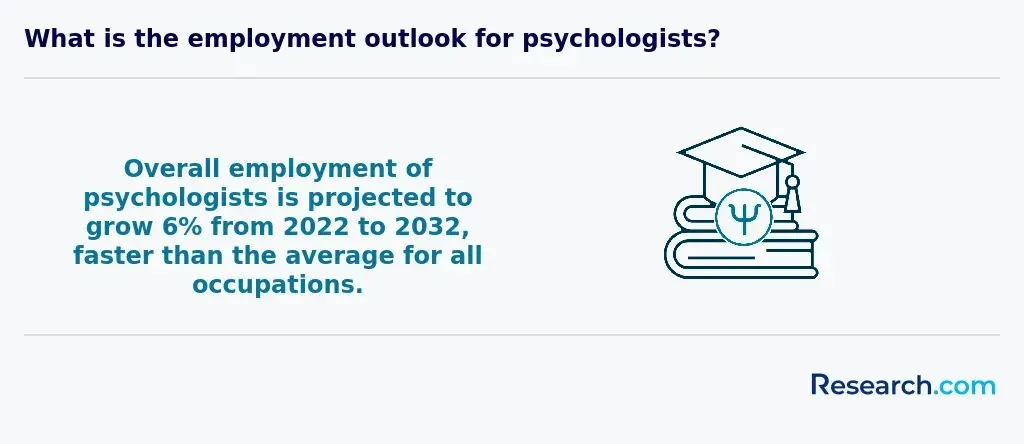
School psychologists in South Dakota primarily work in public and private K-12 schools, where they support academic, behavioral, social-emotional, and mental health needs. Some professionals also work in higher education, community agencies, clinics, research settings, or related student-support roles.
Where School Psychologists Work
- Public school districts: The most common employment setting, especially for assessment, special education evaluation, intervention planning, and consultation.
- Private K-12 schools: Some private schools employ or contract with school psychologists for student support and evaluation needs.
- Higher education institutions: Colleges and universities may hire professionals for counseling, assessment, training, research, or student-support roles.
- Community and mental health organizations: School psychology training can also support child-focused work outside traditional school buildings.
Salary Expectations
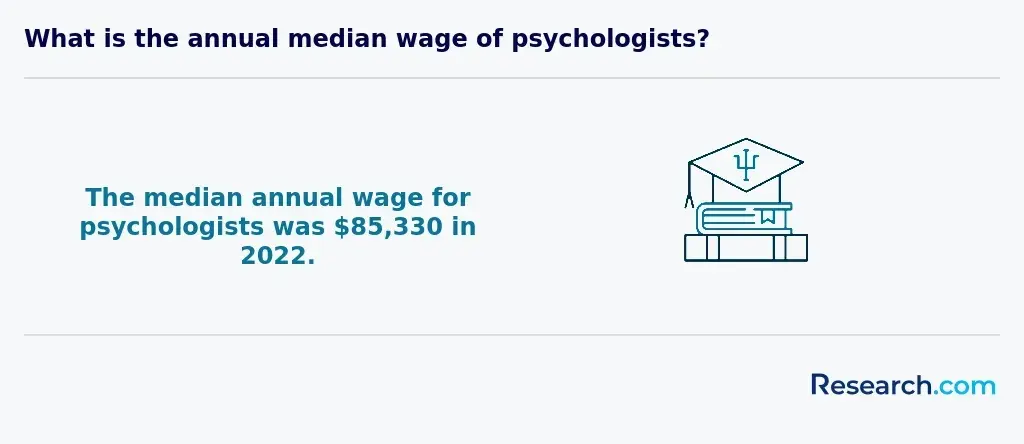
The source material states that school psychologists in South Dakota may see average annual earnings around $70,000 to $80,000, depending on factors such as experience, district, role, and location. Salary can differ substantially between rural and urban districts, public and private employers, and entry-level and advanced positions. Always compare published salary schedules, contract length, benefits, retirement contributions, and additional stipends before judging an offer.
How Competitive Is the Market?
Demand can vary by region and school district. Urban openings may attract more applicants, while rural districts may face staffing challenges and broader service needs. Candidates with strong internship evaluations, experience in multi-tiered systems of support, crisis intervention training, behavioral consultation skills, and comfort working across diverse communities may be better positioned.
Ways to Improve Your Job Prospects
- Complete an internship that includes both assessment and intervention experience.
- Build competence in special education law, data-based decision-making, and consultation.
- Network with South Dakota school districts before graduation.
- Attend state association events and ask about hard-to-fill positions.
- Keep documentation organized so licensure does not delay employment.
What Are the Challenges and Rewards of Being a School Psychologist in South Dakota?
School psychology can be deeply rewarding, but it is not a low-stress career. In South Dakota, professionals may serve students across wide geographic areas, manage complex caseloads, consult with educators and families, and respond to behavioral or mental health concerns with limited resources.
| Challenge | Why It Matters | How to Prepare |
| High caseloads | Large student populations can limit time for prevention and intervention work. | Learn time management, data systems, consultation models, and clear documentation habits. |
| Limited mental health resources | Some schools may not have enough counselors, social workers, or outside referral options. | Build referral networks and understand community-based services. |
| Rural service demands | Travel, isolation, and limited peer consultation can make the job more demanding. | Seek mentorship, teleconsultation opportunities, and professional association support. |
| Complex student needs | Students may need support for learning disabilities, trauma, behavior, family stress, or crisis situations. | Choose internships and continuing education that build practical intervention skills. |
Rewards of the Profession
- Direct student impact: School psychologists help identify barriers to learning and create plans that can improve academic and emotional outcomes.
- Collaboration: The role involves working with teachers, families, administrators, and community providers.
- Professional purpose: Many school psychologists value being part of a child’s long-term support system.
- Career stability: Schools continue to need professionals trained in assessment, mental health, behavior, and special education processes.
Burnout Prevention Strategies
- Set realistic boundaries around evaluation timelines, meetings, and after-hours work.
- Use supervision and peer consultation instead of carrying complex cases alone.
- Document carefully to reduce legal and ethical risk.
- Continue learning in areas such as trauma-informed care, behavioral intervention, crisis response, and culturally responsive practice.
- Join professional communities such as the South Dakota Association of School Psychologists for connection and advocacy.
Students considering broader psychology training can also review the top psychology programs in Texas if they are open to studying outside South Dakota or comparing program models in other states.
What Alternative Career Paths Are Available With a School Psychology Degree in South Dakota?
A school psychology degree is most directly aligned with school-based practice, but the training can also transfer to related child, education, assessment, behavioral, and mental health roles. The best alternative path depends on your degree level, certification, supervision history, and whether the role requires a separate professional license.
Alternative Roles to Consider
| Career Option | How School Psychology Training Applies | Important Limitation |
| Educational consultant | Uses knowledge of learning, assessment, intervention, and school systems. | May require strong district experience and credibility with schools. |
| Child advocacy specialist | Applies understanding of student needs, special education, and family-school collaboration. | Roles may vary widely by employer and may not require school psychologist certification. |
| Community mental health support role | Uses child development, intervention, and consultation skills. | Clinical counseling duties may require a separate license. |
| Research or program evaluation | Applies assessment, data analysis, and evidence-based practice knowledge. | Advanced research roles may prefer doctoral training. |
| Behavioral intervention specialist | Builds on functional behavior assessment and intervention planning skills. | Some behavior analysis positions may require additional credentials. |
If behavior-focused work interests you, a behavioral psychology degree master's program can help you compare how behavioral science pathways differ from school psychology preparation.
What Are the Legal and Ethical Considerations for School Psychologists in South Dakota?
School psychologists handle sensitive student information and participate in decisions that affect services, placement, safety, and family rights. That means legal and ethical competence is not optional. It is central to responsible practice.
Core Legal Duties
- Mandated reporting: School psychologists must report suspected child abuse or neglect as required by state law.
- Special education compliance: They help schools follow the Individuals with Disabilities Education Act (IDEA) and applicable state special education rules.
- Student privacy: They must protect education records and follow federal privacy expectations, including the Family Educational Rights and Privacy Act (FERPA).
- Proper assessment procedures: Evaluations should use appropriate tools, valid interpretation, informed consent procedures, and defensible documentation.
Common Ethical Issues
- Balancing student confidentiality with parent, school, and safety obligations.
- Managing conflicts between student needs and district resource limits.
- Advocating for appropriate services while remaining objective in evaluation decisions.
- Using culturally responsive assessment practices with students from diverse backgrounds.
- Staying within the limits of one’s training, certification, and supervised experience.
How to Reduce Legal Risk
- Keep careful records of assessments, consent, meetings, recommendations, and follow-up actions.
- Consult supervisors or legal guidance when cases involve safety, abuse, placement disputes, or contested evaluations.
- Stay current with South Dakota Department of Education requirements and federal special education rules.
- Complete continuing education in ethics, school law, confidentiality, crisis response, and culturally responsive practice.
Students who need a flexible academic route before graduate study may compare options such as a fast psychology degree online, but they should confirm that any undergraduate or graduate program supports the next step toward school psychology certification.
What Other Career Paths Can School Psychologists in South Dakota Explore Beyond Traditional Roles?
Experienced school psychologists may move into settings beyond K-12 schools, including private practice, mental health clinics, hospitals, higher education, research organizations, advocacy groups, and education policy roles. These options can be appealing for professionals who want to use assessment and intervention expertise with different populations or influence systems beyond one district.
Some related careers require separate licensure. For example, professionals interested in couples, family, and relational therapy should review the MFT licensing requirements in South Dakota before assuming school psychology training alone will qualify them for that scope of practice.
How Does a School Psychologist’s Compensation Compare to That of Other Mental Health Professionals in South Dakota?
School psychologist compensation in South Dakota should be compared carefully with other mental health careers because job structure differs. School district roles may include salary schedules, school-year calendars, public benefits, retirement systems, and contract-based pay. Clinical mental health roles may offer different salary ceilings, billing models, administrative burdens, supervision requirements, and licensing pathways.
Professionals comparing psychology and psychiatry should remember that the training models are very different. Psychiatrists are medical doctors, while psychologists and school psychologists follow psychology and education-based preparation. For a broader comparison, see this psychiatrist vs psychologist salary analysis.
How Do School Psychology and Marriage and Family Therapy Career Paths Differ in South Dakota?
School psychology and marriage and family therapy both involve mental health support, but they prepare professionals for different settings and scopes of practice. School psychology focuses on students, learning, assessment, special education, prevention, consultation, and school-based mental health. Marriage and family therapy focuses on relational systems, couples, families, and clinical therapy.
| Factor | School Psychology | Marriage and Family Therapy |
| Primary setting | K-12 schools and education-related environments | Clinics, private practice, agencies, and community mental health settings |
| Primary focus | Student learning, behavior, assessment, intervention, and school systems | Family systems, relationships, emotional distress, and therapy |
| Typical credential path | Ed.S., Ph.D., or Psy.D. in school psychology | Graduate training aligned with marriage and family therapy licensure |
| Licensure considerations | Certification through education-related state processes | Clinical licensure requirements specific to MFT practice |
If you are deciding between these paths, review the marriage and family therapist education requirements in South Dakota before choosing a graduate program.
What Advanced Academic Pathways Can Further Career Growth in School Psychology?
Doctoral study can expand career options for school psychologists who want to move into research, university teaching, supervision, leadership, advanced assessment, or specialized practice. A doctorate is not always necessary for school-based roles, but it may be valuable if your long-term goals include higher education, program administration, policy work, or advanced clinical preparation.
Before enrolling, compare program accreditation, faculty expertise, research fit, internship outcomes, tuition, funding, and whether the degree supports your intended license or certification. Students exploring doctoral-level options can review the best psychology PhD programs to understand how different programs structure advanced psychology training.
Can Additional Certifications Boost Your Career Prospects in South Dakota?
Additional credentials can strengthen a school psychologist’s toolkit, but they should be chosen strategically. A certification is most valuable when it expands your ability to serve students, qualifies you for a defined role, or helps your district meet a specific need. It is less useful if it adds cost and coursework without changing your responsibilities or career options.
For example, training connected to special education can be useful for professionals who want deeper expertise in inclusive instruction, disability categories, intervention planning, and school-based collaboration. Candidates interested in that direction can review special education certification online South Dakota to understand how special education credentialing differs from school psychology certification.
What Financial Aid and Scholarships Are Available for School Psychology Students in South Dakota?
Graduate preparation in school psychology can be expensive, so students should compare total cost before committing to a program. Do not look only at tuition. Include fees, books, travel to practicum sites, internship relocation, exam fees, application fees, and lost wages if you reduce work hours during field placements.
Financial Aid Options to Research
- Federal aid: Complete the Free Application for Federal Student Aid (FAFSA) to determine eligibility for federal and state aid.
- South Dakota Board of Regents Scholarships: The source material identifies these merit-based scholarships for students enrolled in accredited programs.
- Program-level scholarships: Some universities, including South Dakota State University according to the source material, may offer scholarships tied to school psychology programs.
- State grants and scholarships: Students should research options through South Dakota education agencies and institutional financial aid offices.
- Loan forgiveness: The source material references loan forgiveness options for school psychologists who work in high-need areas, including the South Dakota Teacher Loan Forgiveness Program for those serving in underserved schools.
- Internship support: Students may look into internship-related funding, including programs such as the South Dakota Internship Grant mentioned in the source material.
Estimated Program Cost
The source material states that the average cost of obtaining a school psychology degree in South Dakota ranges from $20,000 to $40,000, depending on institution and program length. Because individual costs can differ, request a full cost sheet from each program and ask whether graduate assistantships, tuition waivers, stipends, or paid internships are available.
Questions to Ask About Cost Before Enrolling
- What is the total estimated cost through graduation, not just first-year tuition?
- Are practicum or internship placements paid?
- Will I need to relocate or travel long distances for fieldwork?
- Does the program offer scholarships or assistantships for school psychology students?
- What percentage of students complete the program on time?
- Are exam preparation materials included in tuition or paid separately?
If you may work near state borders or relocate later, it can help to compare the Minnesota psychology licensing process with South Dakota requirements so you understand how mobility may affect your plans.
Can Combining School Psychology and Speech-Language Pathology Certification Enhance Career Prospects in South Dakota?
School psychology and speech-language pathology often intersect because learning, behavior, communication, and social development are closely connected. A professional with expertise in both areas may be able to collaborate more effectively on evaluations, intervention planning, and student support teams. However, dual preparation can also add significant coursework, clinical hours, exams, and regulatory requirements.
Before pursuing this route, review the South Dakota SLP license requirements so you understand the additional education and licensing steps required for speech-language pathology practice.
How Can I Effectively Prepare for School Psychology Licensure Exams in South Dakota?
Praxis preparation should begin before your final semester. The exam covers knowledge and skills that develop across coursework, practicum, and internship, so a rushed review is less effective than a planned study schedule.
Practical Exam Preparation Plan
- Confirm the required exam and passing score. Check current South Dakota Department of Education guidance before registering.
- Use the test blueprint. Map each exam domain to your coursework and identify weak areas.
- Schedule regular review blocks. Short, consistent study sessions are usually better than cramming.
- Take practice tests. Use results to adjust your study plan rather than simply counting completed questions.
- Review internship cases ethically. Connect concepts to real practice while protecting student confidentiality.
- Ask faculty and supervisors for feedback. They can help clarify assessment, ethics, law, and intervention topics.
- Leave time for retesting if needed. Plan your exam date so a delay does not interfere with graduation or employment.
For broader context on state credentialing, review psychology licensure requirements in South Dakota, especially if you are comparing school-based certification with other psychology practice routes.
Can Dual Certification in School Psychology and Counseling Enhance Student Support Outcomes in South Dakota?
Dual preparation in school psychology and counseling can be useful for professionals who want both strong assessment skills and deeper counseling-focused training. In schools, that combination may support crisis response, consultation, student counseling, behavioral planning, and collaboration with families and community providers.
However, school psychologist and school counselor roles are not interchangeable. Each credential has its own training expectations, role boundaries, and certification rules. If you are considering this combined pathway, compare the requirements to be a school counselor in South Dakota with school psychology requirements before adding another program or certification.
What Role Does Mentorship and Networking Play in Advancing Early Career Development for School Psychologists in South Dakota?
Mentorship can make the transition from graduate student to practicing school psychologist much smoother. Early-career professionals often need support with evaluation timelines, difficult meetings, crisis situations, ethical questions, intervention planning, and documentation expectations. A strong mentor can help you avoid preventable mistakes and develop professional confidence.
Where to Build a Professional Network
- State school psychology association events and conferences.
- University alumni networks and faculty referrals.
- Internship supervisors and district special education leaders.
- Peer consultation groups with other early-career school psychologists.
- Workshops focused on assessment, behavior, mental health, and school law.
Professionals comparing related helping careers may also find it useful to review the fastest way to become a counselor in South Dakota, particularly if they are weighing school psychology against counseling roles.
What Are the Professional Organizations and Resources for School Psychologists in South Dakota?
Professional organizations help school psychologists stay current, find mentors, access continuing education, understand policy changes, and connect with peers across the state. This is especially valuable in rural regions where professionals may have fewer colleagues in the same building or district.
Key Organizations and Resources
- South Dakota Association of School Psychologists (SDASP): SDASP supports professional development, networking, advocacy, and recognition for school psychologists in the state.
- National Association of School Psychologists (NASP): NASP provides national practice standards, ethics resources, professional guidance, publications, and advocacy tools.
- Mentoring opportunities: New professionals can benefit from formal or informal mentor relationships with experienced school psychologists.
- Workshops and conferences: Continuing education events can help practitioners strengthen skills in assessment, intervention, law, ethics, and student mental health.
- Peer networks: Local and statewide contacts can provide practical advice on district procedures, regional needs, and available referral resources.
How Can Aspiring School Psychologists Choose the Right Program in South Dakota?
Choosing a school psychology program is one of the most important decisions in this career path. The right program should not only teach psychology theory; it should prepare you for South Dakota certification, supervised school practice, the Praxis exam, and employment in real districts.
Program Selection Checklist
| Factor | What to Ask | Why It Matters |
| Accreditation and approval | Is the program state-approved or aligned with NASP standards? | Program recognition can affect licensure eligibility and employer confidence. |
| Licensure alignment | Does the curriculum meet South Dakota school psychologist requirements? | You need clear evidence that the degree supports certification. |
| Internship support | How are placements arranged, and where do students complete internships? | Internship quality affects readiness and job prospects. |
| Praxis preparation | What support is offered for exam preparation? | A structured review plan can reduce delays in certification. |
| Faculty expertise | Do faculty have school psychology practice, research, or supervision experience? | Strong mentorship can shape your professional development. |
| Cost and funding | What is the total cost, and are assistantships or scholarships available? | Affordability affects ROI and student loan burden. |
| Format | Is the program campus-based, hybrid, or online, and how are field experiences handled? | Flexible formats still need strong supervised practice arrangements. |
Who Should Choose a South Dakota Program?
- Students who plan to work in South Dakota schools after graduation.
- Applicants who want local internship connections and in-state professional networks.
- Students who may benefit from in-state tuition, local scholarships, or district partnerships.
- Candidates who want faculty familiar with South Dakota certification expectations.
Who Should Consider a Different Option?
- Students planning to practice in another state immediately after graduation should confirm that the program meets that state’s requirements.
- Students who want a clinical psychology license should compare doctoral psychology pathways, not only school psychology programs.
- Students who need a fully online route should verify that online coursework still includes approved field placements and licensure alignment.
To compare local options, review this list of psychology colleges in South Dakota and then contact programs directly about school psychology-specific preparation, internship placement, and certification outcomes.
Can Interdisciplinary Certifications Enhance Your Career as a School Psychologist in South Dakota?
Interdisciplinary certifications can help school psychologists serve students with more complex needs, especially in behavior, special education, counseling, communication, or mental health intervention. The key is to choose credentials that match your actual career goals rather than collecting certifications without a plan.
Behavior analysis is one example. Professionals who want stronger skills in behavior assessment and intervention may explore how to become a BCBA in South Dakota. Before pursuing this path, compare coursework, supervised experience, exam requirements, and scope of practice with your school psychology credential.
What Are the Trends and Innovations in School Psychology in South Dakota?
School psychology practice continues to shift as schools respond to student mental health needs, academic recovery concerns, behavioral challenges, and the demand for earlier intervention. In South Dakota, these trends may look different across urban, rural, and tribal communities, so school psychologists need flexible and culturally responsive approaches.
Important Practice Trends
- Greater focus on student mental health: Schools increasingly rely on school psychologists for prevention, risk assessment, crisis response, and referral coordination.
- Social-emotional learning: Many schools use structured approaches to help students build emotional regulation, relationship skills, and responsible decision-making.
- Data-driven support: School psychologists are expected to use assessment data, progress monitoring, and intervention results to guide decisions.
- Technology-supported services: Digital tools can support communication, documentation, assessment workflows, and remote collaboration, though privacy and ethical safeguards remain essential.
- Collaborative intervention models: Effective practice increasingly involves teams of teachers, families, administrators, counselors, and outside providers.
- Suicide awareness and prevention training: Continuing education expectations include attention to suicide awareness and prevention, according to the source material.
How AI and Technology May Affect the Role
Technology can help with scheduling, documentation, data organization, and access to resources, but it does not replace professional judgment. School psychologists still need to interpret assessments, understand context, protect confidentiality, communicate with families, and make ethically defensible recommendations. Any technology used in schools should be evaluated for privacy, accessibility, bias, and compliance with district and legal requirements.
Common Mistakes to Avoid
| Mistake | Better Approach |
| Choosing a program without checking licensure alignment | Ask the program to show how it meets South Dakota school psychologist certification requirements. |
| Focusing only on tuition | Compare total cost, field placement expenses, exam fees, travel, assistantships, and internship pay. |
| Assuming every online program qualifies for licensure | Confirm state approval, internship requirements, supervision rules, and Praxis preparation. |
| Waiting too long to plan the internship | Start placement conversations early and verify supervision documentation requirements. |
| Relying only on rankings | Use rankings as a starting point, then evaluate accreditation, outcomes, cost, faculty, and fieldwork quality. |
| Assuming salary outcomes are guaranteed | Review district salary schedules, benefits, contract length, location, and experience requirements. |
What Graduates Say About Becoming a School Psychologist in South Dakota
Leonard describes the work as especially meaningful in rural communities, where access to mental health support can be limited and school-based services may have a major effect on a child’s life. — Leonard
Timothy emphasizes the collaborative nature of the role, noting that working closely with teachers and families can create visible academic and emotional progress for students. — Timothy
Aisha highlights the importance of culturally responsive practice, particularly when supporting Native American youth and addressing student needs within their community context. — Aisha
Related Articles for Nearby States
- 2027 How to Become a School Psychologist in North Dakota - School Psychology Programs and Certifications Online & Campus
- 2027 How to Become a School Psychologist in Nebraska - School Psychology Programs and Certifications Online & Campus
- 2027 How to Become a School Psychologist in Minnesota - School Psychology Programs and Certifications Online & Campus
- 2027 How to Become a School Psychologist in Wyoming - School Psychology Programs and Certifications Online & Campus
- 2027 How to Become a School Psychologist in Iowa - School Psychology Programs and Certifications Online & Campus
- 2027 How to Become a School Psychologist in Montana - School Psychology Programs and Certifications Online & Campus
- 2027 How to Become a School Psychologist in Colorado - School Psychology Programs and Certifications Online & Campus
- 2027 How to Become a School Psychologist in Kansas - School Psychology Programs and Certifications Online & Campus
- 2027 How to Become a School Psychologist in Wisconsin - School Psychology Programs and Certifications Online & Campus
- 2027 How to Become a School Psychologist in Missouri - School Psychology Programs and Certifications Online & Campus
Key Insights
- The standard path is graduate-level preparation. A bachelor’s degree alone is not enough; South Dakota candidates generally need an Ed.S., Ph.D., or Psy.D. in school psychology or a closely related field.
- Internship planning matters. The source material identifies 1,200 internship hours, including at least 600 hours in a school setting, so students should confirm placement support before enrolling.
- The Praxis exam is a key licensing milestone. The paper-delivered minimum score noted in the source material is 165, but applicants should verify current state requirements before testing.
- Program choice affects licensure, cost, and job readiness. Compare accreditation, state approval, internship support, Praxis preparation, faculty expertise, and total cost—not just program reputation.
- South Dakota school psychologists need broad skills. Assessment is important, but so are consultation, intervention, crisis response, legal compliance, cultural responsiveness, and collaboration.
- Additional credentials can help when chosen strategically. Special education, counseling, speech-language pathology, behavior analysis, or doctoral study may expand options, but each path may require separate training and licensure steps.
- Verify current rules with official sources. Fees, renewal requirements, exam scores, and documentation rules can change, so use the South Dakota Department of Education as the final authority before applying.
References:
- school-psychologists.com (11 Dec 2020). School Psychology Certification in South Dakota: Become a School Psychologist in SD. School Psychologists
- bls.gov (03 Apr 2024). Occupational Employment and Wages, May 2023. U.S. Bureau of Labor Statistics
- sdasp.k12.sd.us (n.d.). 2023 SDASP Awards. South Dakota Association of School Psychologists
- nasponline.org (n.d.). South Dakota. National Association of School Psychologists
Other Things You Should Know about Becoming a School Psychologist in South Dakota
In 2027, to become a school psychologist in South Dakota, you must earn a specialist-level degree (e.g., Ed.S.) in school psychology or a related field, complete a supervised internship, and acquire state certification through the South Dakota Department of Education.
In 2027, to become a school psychologist in South Dakota, you'll need a specialist-level degree (e.g., Ed.S.) or higher, complete state-approved coursework, undertake a supervised internship, and obtain licensure through the South Dakota Department of Education. Certification from the National Association of School Psychologists (NASP) can also enhance career prospects.
In 2027, school psychologists in South Dakota may experience a positive job outlook due to an increasing focus on mental health in educational settings. Growth in demand could arise from the need for more comprehensive student support services in schools.