2027 How to Become an Informatics Analyst: Education, Salary, and Job Outlook

Co-Founder and Chief Data Scientist
Choosing a career as an informatics analyst means deciding whether you want to work at the intersection of data, technology, and real-world operations. In healthcare, that often means improving electronic health records, clinical workflows, reporting accuracy, compliance, and patient-care decisions. In other industries, informatics analysts use similar methods to improve finance, research, product, or business systems.
This guide explains what credentials employers commonly expect, which technical and soft skills matter most, how career progression typically works, what salary ranges look like, where to find internships, and how to decide whether the role fits your strengths. It is written for students, career changers, healthcare professionals, and data-minded workers who want a practical path into informatics analysis.
What are the benefits of becoming an informatics analyst?
- The job outlook for informatics analysts is strong, with an expected growth rate of 15% by 2025, reflecting increasing demand across healthcare and tech industries.
- Average salaries range from $70,000 to $95,000 annually, offering competitive compensation and opportunities for advancement.
- This career blends data analysis with technology, providing meaningful impact and excellent prospects for those passionate about improving systems and decision-making.
What credentials do you need to become an informatics analyst?
Most informatics analyst roles require a strong foundation in data, information systems, and the industry where the data is used. In healthcare informatics, employers often look for candidates who understand both technology and clinical or administrative workflows. A degree is usually the starting point, while certifications, healthcare experience, and continuing education can make you more competitive.
- Bachelor's degree: A bachelor's degree in health informatics, information sciences, computer science, healthcare management, information technology, or a related field is commonly expected for entry-level roles. Coursework in databases, statistics, systems analysis, healthcare operations, and data management is especially useful.
- Master's degree: A master's degree, such as a Master of Science in Health Informatics, can help you move into higher-level analyst, project, or leadership roles. Graduate study is most valuable when it builds advanced skills in clinical data analytics, health information systems, interoperability, privacy, and healthcare policy.
- Professional certifications: Certifications are not always required, but they can help validate your skills. The Certified Health Data Analyst (CHDA), for example, can strengthen your profile if you work with healthcare data and analytics.
- Licenses and clinical experience: Some informatics roles require a clinical background. Nurse informaticist roles, for instance, may require an RN license because the work depends on clinical judgment, documentation knowledge, and direct understanding of patient-care workflows.
- Continuing education: Informatics changes quickly as data platforms, privacy rules, analytics tools, and healthcare technology evolve. Short courses, workshops, vendor training, and continuing education can help you stay current without immediately committing to another degree.
If you need a flexible path because you are already working, compare formats, transfer policies, and completion timelines carefully. Programs such as the best accelerated online programs for working adults can be useful for students who need to balance school with job and family responsibilities.
What skills do you need to have as an informatics analyst?
An informatics analyst needs more than general comfort with data. The role requires the ability to collect, clean, interpret, protect, and explain information so that decision-makers can act on it. In healthcare, that also means understanding how data affects clinical care, compliance, billing, operations, and patient safety.
Core technical skills
- Programming and querying: Python, R, and SQL are valuable for extracting data, automating analysis, cleaning datasets, and building repeatable workflows. SQL is especially important because many analyst tasks begin with database queries.
- Data visualization: Tools such as Tableau and Power BI help analysts turn raw data into dashboards, trend reports, and operational summaries. The goal is not just to create attractive charts, but to make the right pattern or risk easy to understand.
- Advanced Excel: PivotTables, formulas, macros, and data modeling remain useful in many organizations. Even teams with advanced analytics platforms often rely on Excel for quick checks, ad hoc reporting, and stakeholder-facing summaries.
- Statistics and analysis: Descriptive statistics, inferential statistics, regression methods, and forecasting models help analysts separate meaningful signals from noise. These skills are critical when reports may influence staffing, quality improvement, cost control, or care delivery.
- Data cleaning and preparation: Informatics data is often incomplete, inconsistent, duplicated, or stored across multiple systems. Analysts need to validate fields, resolve mismatches, document assumptions, and prepare data for reliable analysis.
- Cloud and data platforms: Familiarity with AWS, Azure, and Google Cloud can help when organizations use scalable storage, shared analytics environments, or cloud-based reporting workflows.
Healthcare and workplace skills
- Data governance and compliance: Analysts must understand privacy, access control, documentation standards, and regulations such as HIPAA. A strong analyst knows that data quality and data security are part of the job, not separate responsibilities.
- Communication: You will often explain findings to clinicians, administrators, engineers, finance teams, or executives. Clear communication matters because a technically correct analysis is not useful if stakeholders cannot act on it.
- Problem-solving: Informatics work often begins with an unclear question, a broken workflow, or conflicting data definitions. Strong analysts can clarify the problem before jumping into the numbers.
- Cross-functional collaboration: The role frequently sits between IT, operations, clinical teams, and leadership. Success depends on listening well, asking precise questions, and translating needs across groups.
What is the typical career progression for an informatics analyst?
Career progression usually starts with data quality, reporting, and systems support, then moves toward project ownership, workflow optimization, strategy, and leadership. The exact path depends on the industry, but in healthcare informatics, experience with electronic health records, compliance, clinical operations, and analytics tools can accelerate advancement.
- Junior Health Informatics Analyst (0-2 years): At this stage, you may focus on electronic health records (EHR), patient documentation, data accuracy, standard reports, and system support. You may work with tools such as Epic or Cerner while learning HIPAA requirements and internal data standards.
- Health Informatics Analyst (2-5 years): Analysts at this level usually take on larger reporting, workflow, and quality-improvement projects. You may build dashboards, analyze operational problems, support system upgrades, and begin mentoring newer staff.
- Senior Health Informatics Analyst (5-8 years): Senior analysts lead more complex initiatives, validate data strategy, coordinate with clinical and technical teams, and influence decisions about workflows, metrics, and system improvements.
- Lead or Principal Informatics Analyst (8+ years): Lead-level roles often shape informatics standards, oversee major implementations, evaluate new tools, and guide teams through advanced analytics or AI-related initiatives.
- Leadership Roles: Clinical Informatics Manager, Director, and similar positions involve managing teams, setting priorities, aligning technology with organizational goals, and ensuring that analytics work supports measurable improvements.
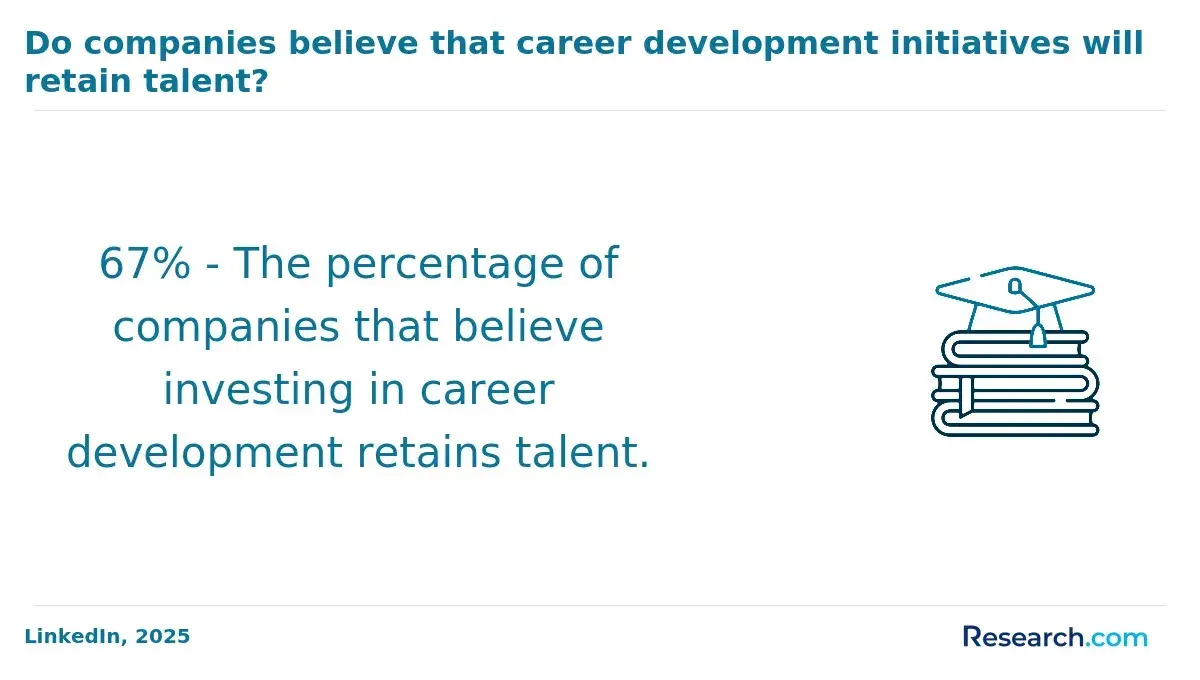
Specialization can also change your trajectory. Clinical informatics, digital health research, public health informatics, EHR optimization, and data governance may lead to different roles and employers. Advanced degrees and certifications such as RHIT or CAHIMS can support advancement, especially when paired with measurable project experience. The Bureau of Labor Statistics forecasts strong job growth in this area, with competitive salaries and expanding opportunities for professionals who continue building technical and domain expertise.
How much can you earn as an informatics analyst?
Informatics analyst pay varies by industry, location, employer type, education, technical skill level, and specialization. Healthcare employers may pay differently from technology firms, consulting organizations, pharmaceutical companies, or financial institutions. Roles that require clinical knowledge, advanced analytics, systems implementation, or leadership responsibility often command higher compensation.
When looking at the average informatics analyst salary United States-wide, the typical annual income is around $72,200. Entry-level positions start near $48,000, while seasoned professionals can earn up to $120,200. More specialized roles such as Clinical informatics analysts, who combine healthcare expertise and data skills, often see earnings between $85,000 and $117,000 annually. Location also matters; the informatics analyst salary in California 2025 is generally higher because demand and cost-of-living differences affect compensation.
Education can influence salary growth, but it should be weighed against cost, time, and career goals. A master's degree in health informatics, data science, or a related field may help you qualify for senior analyst, specialist, or leadership roles. If you are considering graduate study, compare curriculum quality, employer recognition, flexibility, and return on investment. Resources on the easiest masters programs can help you evaluate options, but choose a program for relevance and career value rather than convenience alone.
Other ways to improve earning potential include gaining experience with high-demand platforms, building a portfolio of measurable projects, earning relevant certifications, and developing expertise in a specific domain such as healthcare, finance, public health, or research analytics.
What internships can you apply for to gain experience as an informatics analyst?
Internships help you prove that you can work with real systems, real stakeholders, and imperfect data. For students and career changers, the best internship is not always the most recognizable brand; it is the one that gives you hands-on experience with databases, reporting tools, workflow analysis, data governance, and practical problem-solving.
- Corporate and Nonprofit Settings: These internships may involve data management systems, reporting processes, workflow improvement, dashboard development, and stakeholder support. Nonprofit health organizations may also expose you to electronic health records (EHRs), community health data, or outcomes reporting.
- Government Agencies: Government internships can involve large datasets, public reporting, policy analysis, program evaluation, and data governance. They are useful if you are interested in public health, compliance, research, or population-level analysis.
- Healthcare Providers and Schools: Hospitals, clinics, health systems, and academic institutions may offer experience in clinical informatics, EHR support, patient data analysis, quality improvement, or learning systems. These are strong options if you want to understand how data affects daily operations.
- Industry-Specific Organizations: Financial, environmental, pharmaceutical, biotech, and research organizations may offer informatics-related internships where you apply data methods to specialized problems. These roles can be valuable if you want to move beyond healthcare or combine informatics with another field.
How to choose the right internship
- Look for roles that mention SQL, dashboards, EHR systems, data quality, reporting, analytics, workflow improvement, or compliance.
- Ask whether interns work on a defined project that can be discussed in future interviews.
- Prioritize internships that include mentorship from analysts, informatics specialists, data engineers, clinicians, or project managers.
- For informatics analyst internships California or summer informatics internship opportunities for students, apply early and tailor your resume to the employer's data tools and industry focus.
If you are still selecting an undergraduate path, it can help to compare programs that combine employable technical skills with strong career outcomes. One starting point is this overview of bachelor's degrees that make the most money.
How can you advance your career as an informatics analyst?
Advancement as an informatics analyst usually comes from combining stronger technical ability with deeper business or clinical judgment. Employers promote analysts who can not only produce reports, but also define the right question, improve a process, reduce risk, and explain what action should follow.
- Further education: Advanced degrees or targeted training in health informatics, analytics, data science, healthcare administration, or information systems can prepare you for more complex roles. A master's degree may be especially useful if you want to lead teams, manage projects, or move into strategy.
- Certification programs: Credentials such as Certified Health Data Analyst (CHDA) or Certified Professional in Healthcare Information and Management Systems (CPHIMS) can demonstrate professional commitment and specialized knowledge. Certifications are most valuable when they align with the jobs you are targeting.
- Project ownership: Seek assignments where you can document a problem, analyze the data, recommend a solution, and measure the result. Promotions are easier to justify when you can point to improved reporting accuracy, faster workflows, better compliance, or more useful dashboards.
- Networking: Professional associations, conferences, webinars, and online communities can expose you to new tools, hiring trends, and mentors. Networking is also useful because many informatics roles require a mix of technical and domain-specific knowledge that is easier to learn from practitioners.
- Mentorship: A mentor can help you choose between technical specialization, clinical informatics, project management, consulting, or leadership. Mentors can also help you avoid common mistakes, such as overbuilding dashboards that do not answer a business need.
Where can you work as an informatics analyst?
Informatics analysts work wherever organizations need to turn complex data into better decisions. Healthcare is a major employment area, but the same core skills are useful in government, software, consulting, research, pharmaceuticals, biotechnology, finance, and other data-intensive fields. Your best-fit workplace depends on whether you prefer clinical impact, product development, policy work, research, or business operations.
Potential workplaces include:
- Healthcare systems: Major hospitals, clinics, and long-term care facilities like Mayo Clinic and Kaiser Permanente use informatics analysts to optimize electronic health records, improve workflows, support reporting, and strengthen patient-centered care.
- Public health agencies: Organizations such as the CDC and NIH employ analysts to track health trends, manage disease outbreak data, support surveillance, and inform policy decisions.
- Technology sector: Companies like Epic, Oracle Health, and Meditech develop software tools and digital health platforms. Informatics analysts may support product improvement, implementation, user workflows, telemedicine, or wearable device technologies.
- Consulting firms: Deloitte and Accenture hire informatics experts to help healthcare providers, insurers, and other clients adopt IT systems, improve processes, and address regulatory requirements.
- Academic and research institutions: Universities and teaching hospitals often focus on digital innovation, artificial intelligence, precision medicine, outcomes research, and data-driven care improvement.
- Pharmaceutical and biotech companies: Pfizer and Genentech employ analysts to support drug discovery, research operations, clinical data analysis, and evidence generation.
- Remote and hybrid roles: Remote and hybrid informatics work is increasingly common, particularly for reporting, data analysis, documentation, project coordination, and systems support roles with government agencies, nonprofits, or private companies.
For those exploring informatics analyst jobs in California or elsewhere, education and training costs matter. Affordable and flexible programs, including options listed among the cheapest online college per credit hour, may help you build credentials while managing expenses.
What challenges will you encounter as an informatics analyst?
Informatics analysis can be rewarding, but it is not a low-pressure data job. Analysts often work with sensitive information, competing stakeholder priorities, imperfect systems, and decisions that can affect operations, costs, or patient care. Understanding the challenges can help you prepare for the role realistically.
- Rapid technological advancement: Analytics platforms, artificial intelligence, wearable devices, interoperability tools, and reporting systems continue to evolve. You will need to keep learning without chasing every new tool uncritically.
- Heavy workload: Analysts may handle enormous amounts of data, sometimes reaching zettabyte scales. The challenge is not only volume, but also accuracy, documentation, validation, and delivering work on deadlines.
- Data privacy and compliance pressures: Regulations such as HIPAA and cybersecurity risks make careful data handling essential. A small access, sharing, or documentation mistake can create serious consequences.
- Messy data and unclear definitions: Different departments may define the same metric differently. EHR fields may be incomplete, duplicated, or inconsistent. Analysts must question assumptions before presenting findings.
- Change resistance: Informatics projects often affect how people work. Clinicians, administrators, or technical teams may resist a new workflow or dashboard if it adds burden or does not reflect their reality.
- Emotional resilience: Serving as a bridge between technical staff and healthcare professionals requires patience, diplomacy, and empathy. You may need to explain limitations, negotiate priorities, and correct misunderstandings without damaging trust.
- Competitive landscape: As more professionals move into data and informatics roles, practical experience, certifications, internships, and a clear record of project impact can help distinguish you from other candidates.
What tips do you need to know to excel as an informatics analyst?
To excel as an informatics analyst, focus on becoming the person who can connect data quality, technical analysis, and practical decisions. Strong analysts are trusted because they are accurate, clear, ethical, and useful to the teams they support.
- Build a strong base in data analytics, Python, SQL, Java, and health IT systems such as electronic health records (EHRs), depending on the requirements of your target roles.
- Learn the workflow behind the data. In healthcare, a field in an EHR is not just a field; it may represent a clinical action, billing step, compliance requirement, or patient-care decision.
- Practice translating complex findings into plain-language recommendations for nontechnical colleagues. Avoid overwhelming stakeholders with methods when what they need is a clear decision path.
- Develop a habit of validating your work. Check source systems, definitions, filters, missing values, duplicate records, and assumptions before sharing conclusions.
- Commit to continual learning through certifications, advanced education, self-study, and programs recognized by organizations like AMIA or HIMSS.
- Network through conferences, associations, webinars, and mentorship. Professional connections can help you understand tool trends, hiring expectations, and emerging specialties.
- Maintain high ethical standards when handling sensitive patient or organizational information. Privacy, confidentiality, and appropriate access are central to the job.
- Strengthen your organization and documentation skills. Future analysts, auditors, managers, or clinicians should be able to understand how you reached your conclusions.
- Approach problems with curiosity rather than assumptions. The first explanation for a data pattern is not always the correct one.
How do you know if becoming an informatics analyst is the right career choice for you?
Becoming an informatics analyst may be a good fit if you enjoy solving practical problems with data and can work comfortably between technical and nontechnical teams. The role suits people who like accuracy, systems thinking, and measurable impact. It may be less suitable if you want highly predictable work, minimal collaboration, or tasks that do not require ongoing learning.
- Attention to Detail: You need to care about accuracy when working with large datasets, sensitive information, and operational reports. Small errors can lead to poor decisions.
- Analytical Skills: If you enjoy finding patterns, testing explanations, troubleshooting problems, and improving systems, you already have traits that align with informatics work.
- Motivation by Impact: Many informatics analysts are motivated by the way their work improves patient care, business performance, compliance, reporting, or organizational efficiency.
- Work Environment Preferences: Informatics analysts often work in interdisciplinary teams with clinicians, IT staff, administrators, researchers, or executives. Remote or hybrid roles may be available, but collaboration remains important.
- Career Stability and Growth: For people asking whether is health informatics a good career in the US, the field can offer strong career stability, job outlook, and continuous learning opportunities when paired with relevant skills and experience.
- Interest in Related Subjects: Enjoyment of IT, statistics, healthcare, operations, or data-driven projects is a good sign. The work becomes more engaging when you care about both the data and the context behind it.
- Challenge Tolerance: If you dislike analytical thinking, ambiguity, changing tools, or stakeholder communication, this path may feel frustrating. If you enjoy structured problem-solving in complex systems, it may be a strong match.
To strengthen your profile, you can also explore high paying job certifications that complement informatics skills and help signal readiness for specialized roles.
What Professionals Who Work as an informatics analyst Say About Their Careers
- : "Working as an informatics analyst has given me job stability, a competitive salary, and a clear sense that my work matters. In healthcare, the ability to improve decisions through better data can directly support patient outcomes. For someone who wants security and meaningful work, this career path is worth considering. —Baylor"
- : "The most interesting part of being an informatics analyst is turning complex data into something people can actually use. The technology changes quickly, so the job requires constant learning, but that is also what keeps it engaging. You have to stay adaptable and curious. —Noa"
- : "My career as an informatics analyst has grown through training, certifications, and taking on more responsibility inside healthcare organizations. Each new skill opened the door to larger projects and leadership opportunities. For people who are serious about professional development, this field offers room to move up. —Kyler"
Other Things You Should Know About Becoming an Informatics Analyst
The employment of informatics analysts is projected to grow by 9% from 2023 to 2027, according to the Bureau of Labor Statistics. This growth reflects increasing demand for professionals who can manage and interpret large data sets in healthcare and IT sectors.
In 2027, becoming an Informatics Analyst typically requires a bachelor's degree in informatics, data science, or a related field. Courses in database management, systems analysis, and data visualization are crucial. Advanced positions may demand a master's degree and specialized analytics certifications.
In 2027, aspiring informatics analysts can benefit from certifications like Certified Health Data Analyst (CHDA) and Registered Health Information Administrator (RHIA). These certifications validate expertise in data analysis and health informatics, enhancing job market competitiveness.
References
- Become a Clinical Informatics Analyst | ASU Online https://asuonline.asu.edu/newsroom/online-learning-tips/explore-your-career-clinical-informatics-analyst/
- What Do Health Informaticists Do? | All Allied Health Schools https://www.allalliedhealthschools.com/health-informatics/career-paths/
- 6 Clinical Informatics Analyst Interview Questions and Answers for 2025 | Himalayas https://himalayas.app/interview-questions/clinical-informatics-analyst
- What does a Scientific Informatics Analyst do? Career Overview, Roles, Jobs | SLAS https://careers.slas.org/career/scientific-informatics-analyst
- How to get started in health informatics | Prospects.ac.uk https://www.prospects.ac.uk/jobs-and-work-experience/job-sectors/healthcare/how-to-get-started-in-health-informatics
- Advanced Excel Techniques for Data Analysis | by Bala_Excel_Insights | Medium https://medium.com/@kbala7092/advanced-excel-techniques-for-data-analysis-d111f2b8b2ec
- Informatics Analyst Job Description | Velvet Jobs https://www.velvetjobs.com/job-descriptions/informatics-analyst
- Current Challenges in Health Information Technology-related Patient Safety - PMC https://pmc.ncbi.nlm.nih.gov/articles/PMC7510167/
- Health Informatics Analyst Career Path in Europe — 2025 Guide | SpeedUpHire https://speeduphire.com/career-paths/health-informatics-analyst-europe
- What it takes to become an Urban Informatics Analyst - TIWI https://tiwi.eun.org/2019/06/13/what-it-takes-to-become-an-urban-informatics-analyst/