2027 How to Become an Orthodontic Assistant: Education, Salary, and Job Outlook

Co-Founder and Chief Data Scientist
Becoming an orthodontic assistant is a practical route into oral healthcare for people who want hands-on clinical work without spending many years in school. The role combines patient support, chairside assistance, infection control, digital imaging, appliance preparation, and careful communication with patients who may be anxious about braces, aligners, or other orthodontic treatment.
This guide explains what credentials may be required, which skills matter most, how the career can progress, what pay ranges look like based on the available figures, where to gain experience, and how to decide whether this path fits your strengths. Because requirements can vary by state and employer, use this as a planning guide and confirm local rules before enrolling in a program or applying for a job.
What are the benefits of becoming an orthodontic assistant?
- Orthodontic assistants enjoy a robust job outlook with employment projected to grow 11% by 2025, driven by increasing demand for advanced dental care and cosmetic treatments.
- Average salaries hover around $40,000 annually, offering stable income potential with regional variations and opportunities for advancement through certification.
- The role combines technical skill with patient interaction, making it an engaging career path for those seeking a balance of science, creativity, and direct impact on smiles.
What credentials do you need to become an orthodontic assistant?
To become an orthodontic assistant, you typically need a high school diploma or GED, job-specific dental assisting training, current CPR or Basic Life Support certification, and any state-required permits or coursework. Some employers hire entry-level assistants and train them on the job, while others prefer candidates who have completed a formal dental assisting or orthodontic assisting program.
The most common credentials include:
- High school diploma or GED: This is the basic entry requirement for most training programs and entry-level orthodontic assistant jobs.
- Specialized training program: Community colleges, technical schools, and dental assisting schools may offer certificates, diplomas, or associate degrees. Program length can range from several months up to two years, depending on the credential and clinical requirements.
- CPR or Basic Life Support (BLS) certification: Many employers and states require current CPR or BLS certification because orthodontic assistants work directly with patients in clinical settings.
- Board-approved orthodontic assistant course: Some states, including California, may require approved coursework that can include infection control, dental law training, and often a background check.
- Certified Orthodontic Assistant (COA) credential: The COA is a nationally recognized certification from the Dental Assisting National Board. It requires 3,500 hours of work experience plus CPR certification.
Before you choose a school, check your state dental board’s rules. Requirements can differ for radiography, coronal polishing, sealants, orthodontic functions, and expanded duties. A program that is acceptable in one state may not automatically qualify you for the same responsibilities in another.
Also separate required training from optional education. Orthodontic assisting usually does not require a graduate degree. However, if you later want to move into healthcare administration, education, or another advanced field, flexible options such as 1 year online masters programs may be worth researching as part of a longer-term education plan.
What skills do you need to have as an orthodontic assistant?
Orthodontic assistants need a mix of clinical precision, patient communication, organization, and technology skills. The job is hands-on and detail-heavy: small errors with records, instruments, impressions, images, or appliance instructions can affect both patient safety and treatment efficiency.
Clinical and technical skills
- Orthodontic procedure support: Assist with braces, bands, wires, impressions, adjustments, and appliance checks under the orthodontist’s direction.
- Digital workflow skills: Use intraoral scanning technology accurately and understand how digital records support treatment planning.
- Dental radiography: Operate X-ray equipment safely when permitted, follow radiation safety rules, and capture usable images for diagnosis and treatment planning.
- Appliance knowledge: Understand the purpose, handling, and patient-care instructions for retainers, aligners, expanders, and other orthodontic appliances.
- Dental materials management: Prepare, organize, track, and restock supplies so the clinical team is not slowed down during procedures.
- Infection control: Follow sterilization, disinfection, personal protective equipment, and instrument-processing protocols consistently.
Patient-facing and workplace skills
- Clear communication: Explain procedures, home-care instructions, and next steps in language patients and families can understand.
- Empathy: Help anxious children, teens, and adults feel more comfortable during appointments.
- Attention to detail: Record accurate notes, identify missing supplies, check appliance fit, and notice small changes in patient comfort or treatment progress.
- Appointment coordination: Support smooth patient flow by preparing rooms, anticipating the orthodontist’s needs, and helping reduce delays.
- Team collaboration: Work closely with orthodontists, hygienists, front office staff, and other assistants to keep care consistent and efficient.
The strongest assistants are not just fast; they are reliable. Employers value assistants who can follow protocols, learn new technology, stay calm during busy schedules, and make patients feel respected.
What is the typical career progression for an orthodontic assistant?
Orthodontic assisting can lead to several career paths. Some assistants stay in chairside clinical work and become highly skilled lead assistants. Others move into treatment coordination, clinic operations, management, or further dental education.
- Entry-Level Orthodontic Assistant (0-2 years): New assistants usually focus on chairside support, sterilizing instruments, preparing rooms, managing patient flow, learning digital impressions, and practicing adjustment-related tasks under supervision.
- Senior or Lead Clinical Assistant (3-5 years): Experienced assistants may train new staff, support complex cases, manage appliance quality control, help standardize clinical procedures, and assist with digital treatment planning.
- Orthodontic Treatment Coordinator: This role combines clinical knowledge with patient education, scheduling, financial discussions, and case presentation support. It is a good fit for assistants who communicate well and understand the patient journey.
- Emerging Specializations (3-5 years): Assistants may develop expertise in digital aligner therapy, telehealth coordination, in-office 3D printing, or personalized patient experience roles.
- Practice Manager or Clinic Supervisor: Assistants who build leadership and operations skills may move into staffing, scheduling, compliance, inventory, and workflow management in larger practices.
- Advanced Clinical Careers: Orthodontic assisting can also serve as a stepping stone toward dental hygiene or dentistry for those willing to complete additional education and meet licensing requirements.
A practical way to grow is to ask employers which duties lead to higher responsibility in their office. In some practices, radiography, digital scanning, and treatment coordination are valued pathways. In others, leadership, inventory control, or training new assistants may matter more.
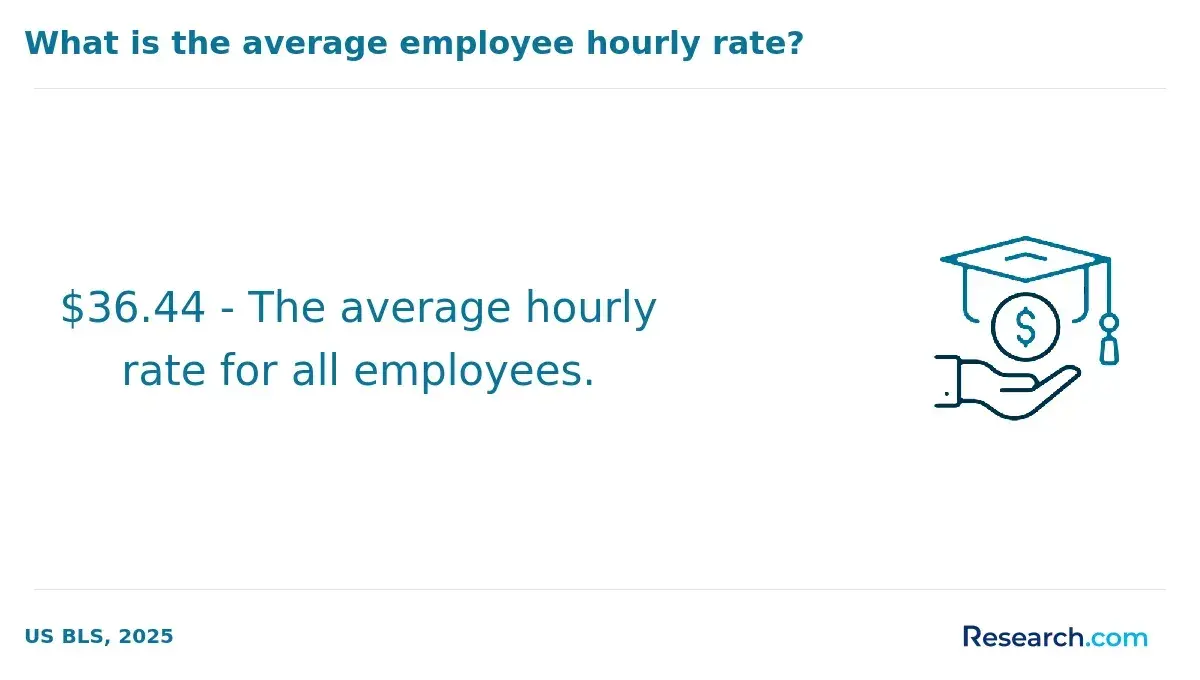
Orthodontic assistant pay varies by experience, location, credentials, employer size, and the duties an assistant is legally allowed to perform. Based on the available 2025 figures, average pay in the United States typically falls between $21 and $28 per hour. Annual salaries generally range from $32,000 to $57,000, while top earners in metropolitan hubs can approach $99,500. Newcomers or assistants in smaller communities may earn closer to $15 to $18 per hour.
Experience has a clear effect on pay. Assistants with less than a year of experience often start near $17.89 per hour, while experienced assistants can move above $28 per hour. Pay may rise when an assistant can handle radiography, digital scanning, appliance support, patient education, and lead-assistant responsibilities.
Education and credentials can help, but they should be chosen carefully. A short, focused program that meets state requirements may be more useful than a costly credential that does not expand your permitted duties. If you are comparing flexible education options, open enrollment online colleges may be one place to review broader pathways, especially if you plan to move into healthcare management or another field later.
Location also matters. Urban and high-cost areas such as San Francisco or New York tend to offer higher wages than rural settings. Busy multi-provider orthodontic practices may also pay more for assistants who can work efficiently across several treatment chairs, use current digital systems, and support a high patient volume without sacrificing care quality.
Internships, externships, and clinical placements help aspiring orthodontic assistants turn classroom training into workplace skill. The best opportunities provide supervised practice with infection control, chairside support, patient communication, imaging procedures where permitted, recordkeeping, and treatment-room preparation.
- Healthcare Providers: Private orthodontic and dental clinics may offer paid internships or externships where students learn to sterilize instruments, prepare rooms, assist chairside, support patient charting, and observe how experienced assistants calm nervous patients.
- ICHS Dental Assistant Internship Program: This paid, benefit-rich two-year program has a community health focus and combines online coursework with hands-on clinical training. It emphasizes anatomy, perio charting, pediatric cleaning, cultural sensitivity, and teamwork.
- University of Florida's Orthodontics Internship: This faculty-led experience is suited to students interested in a more academic environment. It includes clinics, research projects, seminars, and case conferences, and can help students better understand orthodontic theory and preparation for advanced study.
- Nonprofits, Corporate Dental Chains, School-Based Health Centers, and Government Agencies: These settings can expose students to public health, administrative workflows, diverse patient populations, and different models of dental care.
When evaluating an internship, ask what you will actually be allowed to do, who supervises you, whether the position is paid, whether it satisfies school or state clinical requirements, and whether successful interns are considered for jobs. Hands-on experience is valuable only if it is structured, safe, and relevant to the duties you want to perform.
If affordability is a concern as you compare education options, resources such as cheapest PhD listings can be useful for understanding broader cost-conscious academic pathways, though doctoral study is not required for orthodontic assisting.
Career advancement as an orthodontic assistant usually comes from building higher-value skills, earning relevant credentials, taking on leadership duties, and becoming trusted with patient communication. Advancement is often practice-specific, so it helps to understand what your employer rewards.
- Continue your education: Take courses in orthodontic techniques, digital imaging, intraoral scanning, infection control, patient communication, and office systems. Reputable professional organizations such as the American Association of Orthodontists can be useful sources for learning opportunities and industry updates.
- Pursue certification: Credentials such as the Certified Orthodontic Assistant (COA) through the Dental Assisting National Board can strengthen your resume and demonstrate professional commitment, especially in competitive job markets.
- Develop a specialty within the office: Become the go-to person for digital scans, aligner workflows, inventory, lab coordination, patient education, or new-assistant training.
- Build leadership skills: Lead assistants and clinic supervisors need more than clinical skill. They must communicate clearly, solve scheduling problems, train staff, document procedures, and maintain consistency across the team.
- Network deliberately: Professional associations, continuing education events, school career offices, and relationships with local practices can help you hear about openings before they are widely posted.
- Find a mentor: A strong mentor can help you identify which credentials are worth the cost, how to prepare for higher-responsibility roles, and when it may be time to change practices to grow.
One common mistake is waiting for advancement to happen automatically. Ask for a development plan, document new competencies, and keep a record of training, certifications, software systems, and procedures you can perform.
Most orthodontic assistants work in orthodontic practices, but the role can also appear in dental clinics, hospitals, public health settings, and educational institutions. The best workplace depends on whether you prefer fast-paced private practice, broader community health work, teaching-clinic exposure, or administrative growth.
- Orthodontic Offices: This is the most common setting. Assistants prepare patients, take impressions or scans, support procedures, manage instruments, and work closely with orthodontists. Large orthodontic chains like SmileDirectClub and Orthodontic Centers of America regularly seek skilled assistants to join their teams.
- Dental Clinics and Hospitals: Some dental clinics hiring orthodontic assistants in California and elsewhere combine orthodontic care with general dentistry or other services. These settings may offer broader exposure to oral healthcare workflows.
- Public Health Departments: Public health environments may focus on access to care, education, prevention, and services for underserved communities. Assistants in these settings need adaptability and strong communication skills.
- Educational Institutions: Dental schools and colleges may hire orthodontic assistants to support teaching clinics, student training, research activities, and supervised patient care.
If you are searching for orthodontic assistant jobs in San Jose CA or another specific market, compare job postings carefully. Look for required certifications, radiography expectations, schedule demands, benefits, training support, and whether the employer offers a clear pathway from entry-level assistant to lead assistant or treatment coordinator.
For students who want a faster path into a practical healthcare role, programs described as a quick degree that pays well may help you compare short training options, though you should always verify that a program meets local orthodontic assisting requirements.
Orthodontic assisting can be rewarding, but the job also brings real challenges. Understanding them before entering the field can help you choose the right employer and avoid burnout.
- Compensation pressure: Some assistants feel their pay does not fully reflect the clinical, administrative, and emotional labor they provide, especially in areas with rising living costs.
- Uneven advancement: Career growth is not always built into the role. Moving up may require additional training, certification, a change of employer, or a shift into treatment coordination, supervision, or another dental career.
- Physical strain: The work can involve long periods of standing, bending, reaching, and maintaining awkward postures while assisting at the chair.
- Busy schedules: Orthodontic offices often run on tight appointment blocks. Assistants must balance speed with accuracy, cleanliness, and patient comfort.
- Emotional labor: Patients may be nervous, uncomfortable, embarrassed, or frustrated by treatment. Assistants often help set the tone for the entire visit.
To reduce these challenges, pay attention to ergonomics, ask about staffing levels during interviews, clarify break policies, and look for offices that take infection control, training, and team communication seriously.
To excel as an orthodontic assistant, focus on consistency. Orthodontists and patients rely on assistants who prepare accurately, communicate calmly, follow protocols, and keep learning as technology and treatment workflows change.
- Master the basics first: Sterilization, room setup, instrument transfer, charting, and patient instructions must be dependable before you take on advanced duties.
- Practice precision: Brackets, wires, impressions, scans, and appliances require steady hands and careful attention to small details.
- Improve patient communication: Learn how to explain procedures simply, especially to teens and families who may feel anxious about treatment.
- Stay current with technology: Build confidence with intraoral scanners, digital X-rays, practice management software, and other tools used in modern orthodontic offices.
- Treat clinical rotations like interviews: Be punctual, prepared, respectful, and eager to help. Dependability during training can lead to job referrals or offers.
- Use feedback well: Corrections are part of clinical learning. Ask what to improve, practice deliberately, and track your progress.
- Build strong teamwork habits: Anticipate what the orthodontist needs, help coworkers during bottlenecks, and communicate before small problems become delays.
- Stay calm under pressure: Busy schedules, nervous patients, and unexpected adjustments are normal. A composed assistant helps the whole office run better.
A strong reputation is built through repeated small actions: clean setups, accurate notes, respectful patient interactions, and readiness for the next appointment.
Becoming an orthodontic assistant may be a good fit if you want hands-on healthcare work, enjoy detailed tasks, communicate well with patients, and prefer a structured clinical setting. It may not be ideal if you dislike close patient contact, repetitive procedures, or fast-paced appointment schedules.
- Manual Dexterity: You need steady hands for wires, brackets, molds, scans, and small orthodontic components.
- Patience and Communication: You will often support nervous patients and families, so calm explanations matter.
- Organizational Skills: Accurate records, clean rooms, stocked supplies, and well-managed instruments are central to the role.
- Preference for Stability: Orthodontic clinics often have structured schedules and long-term patient relationships.
- Attention to Detail: Small mistakes can slow treatment or create discomfort, so precision is important.
- Interest in Healthcare Without Extended Schooling: This career can suit people who want to enter healthcare without a long academic path.
- Teamwork and Hands-on Care: The role involves constant collaboration and direct patient interaction. If those do not appeal to you, another career may fit better.
Before committing, try to shadow an orthodontic assistant, interview someone in the field, or complete a short introductory course. Seeing the pace and physical demands of the job can clarify whether the work matches your expectations.
If you are comparing training options, a nationally accredited online colleges list can help you start researching schools. Make sure any program you consider aligns with your state’s dental assisting and orthodontic assisting requirements.
What Professionals Who Work as an Orthodontic Assistant Say About Their Careers
- : "Becoming an orthodontic assistant has provided me with impressive job stability and a competitive salary in the healthcare field. The demand for skilled assistants is consistently high, and I feel confident about my future in this career. It's rewarding to contribute directly to patients' smiles every day. — Mordechai"
- : "The variety of challenges I face as an orthodontic assistant keeps my work exciting and constantly evolving. From managing advanced dental technology to creating a warm environment for patients, every day is different. This dynamic role has truly broadened my skills and perspective on dental care. — Casen"
- : "What I appreciate most about being an orthodontic assistant is the clear path for professional growth through specialized training programs and certifications. The opportunities to advance within orthodontics or move into related dental fields make this career incredibly fulfilling and sustainable in the long term. — Wells"
Other Things You Should Know About Becoming an Orthodontic Assistant
To become an orthodontic assistant in 2027, candidates typically need a high school diploma or GED. Many pursue a certificate or associate degree in dental assisting, which often includes coursework in dental science, radiology, and orthodontic procedures.
The job growth outlook for orthodontic assistants by 2027 is positive, with employment expected to grow by around 10%. This increase is driven by heightened demand for dental and orthodontic services, reflecting a broader trend in healthcare demand across the U.S.
To work as an orthodontic assistant in 2027, certifications such as the Certified Orthodontic Assistant (COA) offered by the Dental Assisting National Board (DANB) may be required. These certifications help demonstrate proficiency and commitment to the field.
- Top 5 challenges dental assistants face | DANB https://www.danb.org/news-blog/detail/blog/top-5-challenges-dental-assistants-face
- A Day in the Life of a Dental Assistant in Orthodontics | Carrington College https://carrington.edu/blog/a-day-in-the-life-of-a-dental-assistant-in-orthodontics/
- Orthodontic Assistant Tuition, Costs & Certification Guide – Diamond Braces https://www.diamondbraces.com/blogs/careers/how-to-qualify-for-orthodontic-assistant-jobs
- Common Challenges Dental Assistants Face and How to Overcome Them | Dental Careers Institute https://mydentalcareers.com/blog/common-challenges-dental-assistants-face-and-how-to-overcome-them/
- Orthodontic Assistant Job Description Essentials https://www.illinoishealthcareers.com/the-ultimate-guide-to-orthodontic-assistant-job-description/
- Orthodontic Assistant Training Course: Certification Course » Orthodontic Assistant Training Course » Continuing Dental Education » College of Dentistry » University of Florida https://ce.dental.ufl.edu/professional-career-path-dental-team/orthodontic-assiatant-training-course/
- Dental Assistant Internship (Minnesota) - Health Sciences Education - Mayo Clinic College of Medicine & Science https://college.mayo.edu/academics/health-sciences-education/dental-assistant-internship-minnesota/
- How to Become an Orthodontic Assistant: Career Path & Guide | Himalayas https://himalayas.app/career-guides/orthodontic-assistant
- State-by-State Orthodontic Assistant Training Requirements - Trapezio https://www.trapezio.com/training-resources/orthodontic-assistant-requirements/
- Orthodontic Assistant Salary in Poland (2025) - SalaryExpert https://www.salaryexpert.com/salary/job/orthodontic-assistant/poland