
2027 How to Become a High School History Teacher in Texas: Requirements & Certification

Co-Founder and Chief Data Scientist
Becoming a high school history teacher in Texas is a structured process: you need the right degree, an approved educator preparation route, passing scores on state exams, and a clear understanding of Texas curriculum standards. The opportunity is significant. Texas public schools employ more than 320,000 educators and over 80,000 school staff, making the state one of the largest teacher labor markets in the country.
The challenge is that the path can feel confusing if you are comparing traditional education degrees, alternative certification programs, student teaching requirements, testing rules, and district hiring expectations at the same time. This guide explains the steps in plain language so aspiring history teachers, career changers, and education majors can decide which route fits their timeline, budget, and long-term goals.
Quick Answer: How do you become a high school history teacher in Texas?
To become a high school history teacher in Texas, you generally need a bachelor’s degree from an accredited institution, completion of a Texas-approved educator preparation program, passing scores on the required Texas Examinations of Educator Standards (TExES), a background check, and an application submitted through the Texas Education Agency. Many candidates follow a traditional university-based route, while career changers often use an alternative certification program that lets them work toward certification while teaching under a probationary certificate.
Key Things You Should Know About Becoming a High School History Teacher in Texas
- Licensing authority: The Texas Education Agency (TEA) manages educator certification in Texas and sets the requirements that public school teachers must meet before they can teach independently.
- Basic eligibility: Candidates must have at least a bachelor's degree from an accredited institution, finish an approved educator preparation program, pass the required exams, and show subject-area readiness for the history or social studies courses they plan to teach.
- Required testing: Texas candidates take the Texas Examinations of Educator Standards (TExES). For history teaching, this typically includes a subject-area exam such as History 7-12 and a pedagogy and professional responsibilities exam. The passing score for most TExES exams is typically set at 240 out of 300.
- Certification application: After completing the academic, testing, and background-check steps, candidates apply through the TEA online system. The application fee is approximately $78, and processing times can vary.
- Alternative certification: Texas allows individuals who already hold a bachelor’s degree to pursue alternative certification. This route can be practical for career changers who did not complete a traditional teacher education program during college.
- Education requirements for Texas high school history teachers
- Certification and licensing steps in Texas
- Student teaching, internships, and classroom experience
- Texas history curriculum standards and TEKS requirements
- Job market and salary expectations in Texas
- Professional development and continuing education
- Classroom management and history teaching methods
- Career advancement and specialization options
- Legal and ethical responsibilities for Texas teachers
- Resources and support for new history teachers
- Moving from high school teaching into academic roles
- Using digital tools and interactive media in history lessons
- How an advanced degree can affect a history teaching career
- Extra steps that can strengthen your teaching career
- Using library partnerships to improve history instruction
- Assessing student learning in a Texas history classroom
- Using interdisciplinary approaches in history education
- Staying current on certification and professional standards
- Preventing burnout and protecting work-life balance
- Professional organizations and networking groups
- Common challenges for new Texas history teachers
- Managing the cost of licensing and credentials
- Building parent and community engagement
What education do you need to become a high school history teacher in Texas?
The standard route starts with a bachelor’s degree and an approved teacher preparation program. Texas does not require every history teacher to major only in history, but your coursework and certification testing must show that you are prepared to teach the subject at the secondary level.
| Requirement | What it means for aspiring history teachers | Decision tip |
| Bachelor’s degree | You need at least a Bachelor’s degree from an accredited college or university. | A history, social studies, or education major is usually the most direct route, but related majors may work if you complete all certification requirements. |
| History coursework | You should be prepared in U.S. history, world history, Texas history, government, geography, and related social studies areas depending on your certification target. | Compare your transcript with the content covered on the relevant TExES exam before applying for certification testing. |
| Education coursework | Teacher preparation includes lesson planning, assessment, classroom management, educational psychology, and teaching methods. | If your bachelor’s degree was not in education, an alternative certification program may provide this training after graduation. |
| Approved educator preparation program | Texas requires completion of a state-approved program before standard certification. | Confirm that the program is approved for Texas certification before enrolling, especially if it is online or based outside Texas. |
| Accreditation | Your institution must be recognized so that your degree is accepted by the Texas Education Agency. | Do not assume every online or out-of-state program will meet Texas requirements. Verify before paying tuition. |
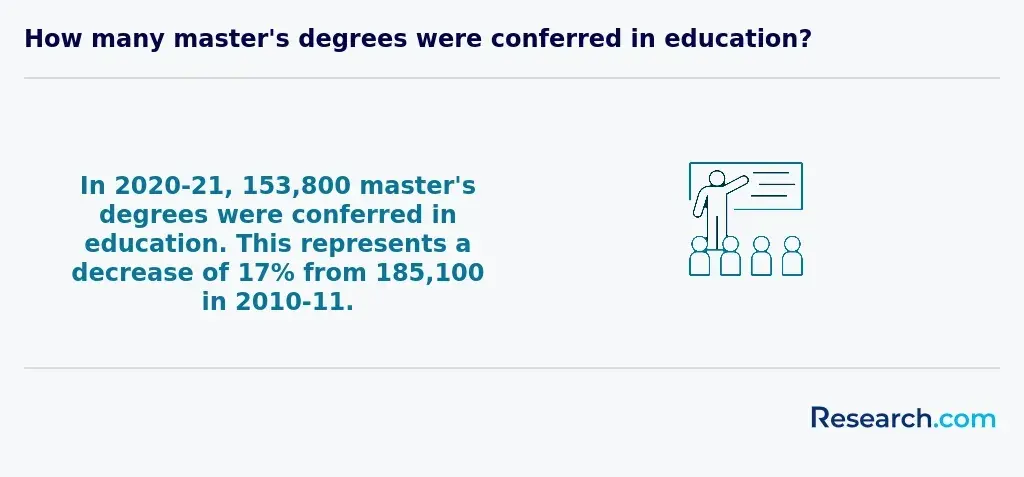
A master’s degree is not required for initial Texas high school teaching certification, but it may help teachers who later want to move into curriculum leadership, dual-credit teaching, instructional coaching, or administrative roles. If you are comparing long-term education pathways, Research.com’s guide to degrees in education can help you understand how different credentials connect to classroom and leadership positions.
What is the certification and licensing process for Texas history teachers?
Texas teacher certification is a sequence, not a single form. You first meet the education requirement, complete approved preparation, pass the required exams, and then submit your certification application through the state system.
Step-by-step path to certification
- Earn a Bachelor’s Degree: Complete an accredited undergraduate degree. A history, social studies, or education-focused program usually aligns most closely with high school history teaching.
- Complete an Educator Preparation Program: Enroll in a Texas-approved preparation program that includes pedagogy training and supervised classroom experience.
- Pass the Required TExES Exam: Candidates preparing for history teaching commonly need the TExES 233 exam, which covers U.S. history, world history, and instructional practice.
- Complete the Background Check: Texas certification requires screening as part of the educator approval process.
- Apply Through the Texas Education Agency: Submit transcripts, exam results, program completion records, and required fees through the TEA system.
Traditional certification vs. alternative certification
| Path | Best for | Main advantage | Potential drawback |
| Traditional university-based preparation | Students planning a teaching career before or during college | Coursework, field experience, and student teaching are built into the degree plan. | It can take longer if you have already completed a non-education bachelor’s degree. |
| Alternative certification program | Career changers and graduates with a bachelor’s degree in another field | It can provide a faster route into the classroom while completing certification requirements. | You must manage coursework, exams, and classroom responsibilities within a defined timeframe. |
| Advanced degree plus certification preparation | Candidates who want both certification and graduate-level training | It can support future leadership or specialized instructional roles. | Graduate tuition and time commitments can be higher than initial certification alone. |
One of the most common mistakes is waiting until after graduation to ask whether a program is approved for Texas certification. Before enrolling, ask the admissions office and certification officer whether the program leads directly to the Texas certificate you want.
How much teaching experience do Texas history teacher candidates need?
Classroom experience matters because Texas schools expect new teachers to do more than understand historical content. You must be able to build lessons, manage behavior, assess student learning, adapt instruction, and work with diverse learners.
As part of certification, candidates complete supervised fieldwork or student teaching through an educator preparation program. Many programs require at least 12 weeks of student teaching experience, during which candidates work with a mentor teacher and gradually take on planning, instruction, grading, and classroom management duties.
Ways to build classroom experience before your first teaching job
- Use university placement offices: Many Texas education departments partner with local districts for student teaching, observations, and internships.
- Substitute teach if eligible: Substitute teaching can help you understand school routines, student behavior, and district expectations before you lead your own classroom.
- Tutor history or social studies: Tutoring builds your ability to explain complex ideas clearly and adjust instruction for different students.
- Volunteer with youth programs: Museum programs, after-school organizations, and civic education initiatives can provide useful experience working with adolescents.
- Ask for targeted feedback: During student teaching, request specific comments on pacing, questioning, classroom presence, and how well students understand your lessons.
Do not treat student teaching as a checkbox. It is often your first real professional reference and can shape your job search, interview examples, and confidence during your first year.
What Texas curriculum standards do high school history teachers follow?
Texas public school teachers build instruction around the Texas Essential Knowledge and Skills, commonly called TEKS. These standards describe what students are expected to know and be able to do in each course and grade level. For high school history teachers, TEKS affects lesson planning, assessments, pacing, and the skills students practice, including source analysis, chronological reasoning, civic understanding, and historical interpretation.
What TEKS means in daily teaching
- Lesson alignment: Each lesson should connect to specific TEKS expectations rather than only following textbook chapters.
- Historical thinking: Students are expected to analyze evidence, compare perspectives, and explain cause-and-effect relationships, not simply memorize dates.
- Texas and civic context: Texas standards include attention to state history, civic education, and the role of communities in broader national and global events.
- Assessment planning: Quizzes, projects, essays, and document-based activities should measure the knowledge and skills listed in the standards.
- Consistency across districts: TEKS helps create a shared framework for instruction across public schools, which is especially important when students move between districts.
If you are more interested in leading teams, departments, or educational organizations than teaching full time, an affordable online master's in organizational leadership may be worth comparing with graduate education degrees.
What is the job market and salary outlook for Texas high school history teachers?
Texas has a large public education system, so there are recurring openings for high school teachers across urban, suburban, and rural districts. Demand can vary by district, certification area, budget conditions, and local enrollment trends. History can also be a competitive subject in some areas because many candidates are drawn to social studies teaching, so applicants should strengthen their profiles with strong student teaching evaluations, flexibility across social studies courses, and evidence of classroom readiness.
The average salary for a high school history teacher in Texas is listed at around $58,000 per year. Location can make a major difference. Teachers in urban areas like Houston or Dallas may earn more—sometimes exceeding $65,000—while salaries in rural districts may be closer to $50,000.
| Factor | How it can affect salary or hiring |
| District location | Urban and suburban districts may offer higher salary schedules, while rural districts may have smaller budgets but less competition for some roles. |
| Experience level | District pay scales often increase with years of service, although the exact structure varies locally. |
| Additional duties | Coaching, department responsibilities, test coordination, or extracurricular sponsorship may affect total compensation depending on district policy. |
| Certification flexibility | Candidates who can teach multiple social studies courses may be more attractive to schools building master schedules. |
| Benefits | Texas teachers typically receive benefits such as health insurance, retirement plans, and paid time off, though details differ by employer. |
The chart below shows that Texas is home to the most high school teachers among all US states.
What professional development and continuing education options are available?
After certification, professional growth remains part of a Texas teacher’s career. Continuing education helps teachers maintain credentials, improve instruction, stay current with curriculum expectations, and build a portfolio for leadership roles.
- Museum-based professional development: The Bullock Museum offers educator workshops that use artifacts, primary sources, and Texas history content. These sessions can also provide Continuing Professional Education (CPE) credits.
- On-demand learning: Recorded workshops and online modules can help teachers earn professional learning credit without traveling or missing school days.
- District training: School districts often provide training on curriculum alignment, classroom management, assessment systems, special populations, and instructional technology.
- Professional conferences: Social studies and history education events can help teachers exchange lesson ideas, learn from experienced educators, and follow policy or curriculum updates.
- Graduate study: Teachers who want deeper subject expertise or leadership preparation may consider master’s programs, specialist credentials, or certificates tied to curriculum and instruction.
Teachers who want a broader academic foundation may compare secondary education degrees and focused certificate programs in history, social studies, instructional design, or curriculum development.
What classroom management strategies work well for high school history teachers?
Strong history teaching depends on both content knowledge and classroom systems. High school students are more likely to engage when lessons are structured, relevant, and interactive, but they still need clear expectations and consistent routines.
Practical strategies for a Texas history classroom
- Start with predictable routines: Use entry questions, short source analysis tasks, or timeline warm-ups so students know how class begins each day.
- Connect history to place: Use Texas events, local archives, community stories, and regional examples to make broader historical themes easier to understand.
- Use active learning carefully: Debates, simulations, role-play, and mock trials can work well when expectations are clear and the activity is historically grounded.
- Build discussion norms: History includes sensitive and controversial topics. Set rules for evidence-based discussion, respectful disagreement, and appropriate language.
- Differentiate instruction: Combine visuals, primary sources, short lectures, group work, writing prompts, and technology so students with different learning needs can access the material.
- Assess often: Use low-stakes checks for understanding before major tests or projects so misconceptions do not build over time.
| Common classroom issue | Better response |
| Students see history as memorization only | Use primary sources, compelling questions, and cause-and-effect analysis to show how historians build arguments. |
| Discussions become opinion-based | Require students to cite evidence from documents, maps, data, speeches, or readings. |
| Students struggle with long readings | Break texts into shorter excerpts and model annotation before assigning independent analysis. |
| Classroom debates become too heated | Pre-teach norms, assign roles, and redirect students to evidence rather than personal attacks. |
What career advancement options are available for Texas history teachers?
High school history teaching can lead to several career paths beyond the first classroom role. Some teachers stay in the classroom and deepen their expertise; others move into leadership, curriculum design, instructional coaching, or postsecondary education.
Specialization can also strengthen a teacher’s classroom practice. Examples include Medieval European History, U.S. Women’s History, or the History of Mexico. These focus areas can support elective course development, advanced instruction, professional presentations, or curriculum writing projects.
- Lead teacher or department chair: Experienced teachers may mentor colleagues, coordinate curriculum, or support assessment planning.
- Curriculum coordinator: Teachers with strong standards knowledge and instructional design skills may help districts build or revise social studies curricula.
- Instructional coach: This role supports other teachers with lesson planning, classroom strategies, and data-informed instruction.
- School administrator: Teachers who pursue additional certification may move toward assistant principal, principal, or district leadership roles.
- Higher education teaching: Some teachers pursue graduate study and later teach as adjuncts or move into academic roles.
Career growth is easier when you document your impact. Keep examples of lesson units, student work, assessment data, professional development, and leadership activities. These artifacts can support applications for advanced roles.

What legal and ethical responsibilities do Texas history teachers have?
Texas teachers are responsible for both instructional quality and professional conduct. History teachers, in particular, must handle student information, classroom safety, controversial topics, and public trust with care.
- Follow state and district rules: Texas educators must comply with state regulations, school board policies, recordkeeping expectations, and certification rules.
- Protect student confidentiality: Student records, grades, disability information, and personal circumstances should be handled according to school policy and applicable law.
- Maintain professional boundaries: Communication with students should be appropriate, transparent, and aligned with district rules, including communication through digital platforms.
- Teach controversial topics responsibly: Use evidence-based materials, present context, and create discussion structures that allow students to analyze history without intimidation or discrimination.
- Report abuse or neglect: Texas educators have mandatory reporting responsibilities when they suspect student abuse or neglect.
- Use your position ethically: Teachers should avoid conflicts of interest, favoritism, harassment, discrimination, and any conduct that undermines student safety or trust.
If flexibility and cost are major concerns, compare affordable online teaching degrees carefully. The best option is not always the cheapest one; it is the program that is accredited, recognized for Texas certification, and realistic for your schedule.
What resources and support can help new Texas history teachers?
New history teachers should not build every lesson from scratch. Texas has museums, public history projects, online archives, district mentors, and teacher networks that can help you create stronger instruction faster.
- Texas History for Teachers: This initiative provides teaching units, lesson materials, and resources for topics such as the Texas Revolution.
- Mentor teachers: A strong mentor can help with pacing, student behavior, grading practices, parent communication, and campus culture.
- District curriculum teams: Many districts provide scope-and-sequence documents, common assessments, and approved resources aligned to TEKS.
- Professional learning communities: Grade-level or subject-area teams can help you plan lessons, compare student work, and solve classroom problems.
- Online educator communities: Texas teacher groups can be useful for sharing resources, but always verify that materials align with your district policy and TEKS.
Your preparation program is also a key resource. Before enrolling, compare outcomes, field placement support, certification alignment, and student services. Research.com’s guide to the best online education degree programs can help you think through program fit before committing.
The chart below shows that the median salary of high school instructors is considerably above the national average.
How can I transition from high school teaching to advanced academic roles?
High school history teaching can become a foundation for broader academic work. Teachers who want to move into postsecondary instruction, research, curriculum leadership, or academic administration often need graduate study, documented teaching effectiveness, and experience with curriculum design or assessment. If you are considering that shift, reviewing higher education career paths can help you compare possible roles and the qualifications they typically require.
How can I effectively integrate digital tools and interactive media into my Texas history classroom?
Digital tools can make history more concrete when they are used with purpose. Virtual tours, interactive timelines, digital archives, mapping tools, and collaborative projects can help students work with evidence rather than passively read summaries. The key is to connect each tool to a learning goal: analyzing a primary source, comparing perspectives, building chronological understanding, or presenting an argument. Educators who want additional insight into classroom support roles may also review the preschool teacher assistant requirements in Texas for a different view of instructional assistance and student support.
Can earning an advanced degree transform my history teaching career in Texas?
An advanced degree can strengthen a history teacher’s career when it connects to a clear goal. A graduate program may support deeper content knowledge, curriculum design, instructional leadership, interdisciplinary teaching, or future work beyond the high school classroom. It is less useful if you enroll without knowing whether the credential will improve your teaching, salary schedule placement, or advancement options. Teachers interested in creative approaches to historical storytelling, visual analysis, or project-based learning may find an online MFA worth exploring alongside traditional graduate education programs.
What additional steps can aspiring history teachers take to ensure a successful career in Texas?
Beyond meeting the minimum certification requirements, aspiring teachers should build a practical portfolio. Include sample lesson plans, evidence of TEKS alignment, classroom management plans, student teaching reflections, and examples of how you use primary sources. It is also helpful to study the full pathway for how to become a high school history teacher in Texas so you can plan each stage instead of reacting to requirements late in the process.
How Can I Leverage Library Partnerships to Enhance History Education?
Libraries can help history teachers move beyond textbook-only instruction. Local libraries, university archives, and historical collections may provide primary sources, oral histories, newspapers, maps, photographs, and research support. Partnering with librarians can also help students learn source evaluation, citation habits, and research methods. Teachers who want to understand the information-management side of this work can review how to become a librarian in Texas for insight into library training and resource curation.
How Can I Effectively Assess Student Learning in My Texas History Classroom?
Good history assessment measures more than recall. Use a mix of short quizzes, document analysis, written explanations, projects, presentations, and class discussions to see whether students can interpret evidence and explain historical significance. Rubrics should clearly describe what strong historical reasoning looks like, including thesis development, use of evidence, context, and explanation. Teachers who want to compare assessment expectations outside conventional public school settings may find how to become a private school teacher in Texas useful for broader context.
How Can Integrating Interdisciplinary Approaches Enhance History Education?
History often becomes more memorable when students connect it to art, literature, geography, economics, government, music, or media studies. For example, students can analyze political cartoons, compare memoir excerpts, map migration patterns, or create multimedia exhibits based on primary sources. Interdisciplinary teaching works best when it strengthens historical understanding rather than replacing it with unrelated activities. Teachers interested in arts-based instruction can review how to become an art teacher in Texas for complementary teaching ideas.
How Can I Stay Informed About Changes to Teacher Certification and Professional Standards in Texas?
Certification rules, testing policies, and professional standards can change, so teachers should rely on official sources rather than informal advice alone. Check Texas Education Agency updates, district communications, educator preparation program notices, and professional association briefings. For a focused overview, consult Research.com’s guide to teacher certification requirements in Texas.
How Can I Maintain Work-Life Balance and Prevent Burnout as a Texas History Teacher?
History teachers often manage heavy reading, planning, grading, and discussion preparation. Protecting your energy requires boundaries: reuse and improve strong lesson structures, grade with rubrics, set realistic communication windows, collaborate with colleagues, and avoid redesigning every unit from scratch during your first year. It can also help to compare workloads across subjects, such as the high school math teacher requirements in Texas, to understand how different disciplines manage planning and assessment demands.
Which Professional Organizations and Networking Groups Can Boost My Career as a Texas History Teacher?
Professional networks can provide mentorship, teaching resources, conference opportunities, policy updates, and a sense of community. Look for social studies associations, history educator groups, local museum educator programs, district networks, and teacher advocacy organizations. Cross-disciplinary collaboration can also improve your classroom practice. For example, understanding how to become a special education teacher in Texas can help history teachers better support students with diverse learning needs.
What challenges do new history teachers in Texas commonly face?
New teachers often struggle not because they lack content knowledge, but because they are learning how to manage curriculum pacing, student engagement, grading, communication, and classroom culture all at once.
| Challenge | Why it happens | What to do instead |
| Trying to cover too much content | History courses can feel endless, especially when teachers try to teach every detail. | Prioritize TEKS-aligned concepts, historical thinking skills, and the most important evidence students need to analyze. |
| Relying too heavily on lecture | New teachers may default to explaining because it feels efficient. | Balance direct instruction with source work, discussion, writing, maps, timelines, and student-created products. |
| Underplanning classroom routines | Behavior issues often grow when students do not know what to do next. | Establish procedures for entry tasks, group work, technology use, discussion, and transitions from the first week. |
| Feeling pressure from testing | Teachers may worry that engagement activities take time away from test preparation. | Use activities that build tested skills, such as evidence analysis, vocabulary in context, and short written explanations. |
| Handling controversial topics without structure | Historical issues can involve identity, politics, religion, race, and civic disagreement. | Set norms, use credible sources, frame questions academically, and keep discussion grounded in evidence. |
How can aspiring teachers manage the cost of licensing and credentials in Texas?
The cost of becoming a certified high school history teacher can include tuition, educator preparation program fees, exam fees, background checks, application fees, books, transportation for field placements, and unpaid or low-paid time during student teaching. The best strategy is to compare total cost, not tuition alone.
One option is to research the cheapest online teaching credential programs Texas offers, but affordability should be weighed against TEA approval, completion support, exam preparation, field placement access, and candidate outcomes. A low-cost program that delays certification or lacks support may cost more in the long run.
Questions to ask before choosing a certification program
- Is the program approved for Texas teacher certification?
- Which certificate areas does the program prepare candidates for?
- What is included in the advertised cost, and what fees are separate?
- How does the program support TExES preparation?
- Who arranges student teaching or internship placements?
- Can you complete requirements while working?
- Does the program have experience supporting career changers?
- Are there scholarships, payment plans, district partnerships, or reimbursement options?
Aspiring educators should also ask districts about hiring incentives, fee support, and reimbursement possibilities. Some districts may negotiate reimbursement for certification testing fees or support candidates in high-need areas, but policies vary.
How can Texas history teachers build community and parent engagement?
History is well suited to community engagement because local places, family stories, museums, veterans’ groups, cultural organizations, and public archives can make the subject more immediate for students. Parent and community partnerships also help students see history as something connected to civic life rather than only a school requirement.
- Partner with local museums and historical societies: Invite speakers, plan field experiences, or use local collections for research projects.
- Create family history projects carefully: Offer flexible options so students are not required to disclose sensitive family information.
- Use community-based exhibitions: Students can build displays, digital timelines, or oral history projects tied to local events.
- Communicate learning goals clearly: Newsletters, class websites, and parent meetings can explain what students are studying and why it matters.
- Borrow engagement ideas across grade levels: Teachers can adapt communication and family involvement strategies from early education contexts, including approaches discussed in how to become a kindergarten teacher in Texas.
Common mistakes to avoid when planning your Texas history teaching career
- Choosing a program before verifying approval: Always confirm that the preparation program is recognized for Texas certification.
- Looking only at tuition: Include exam fees, application fees, materials, field placement costs, and lost work time during student teaching.
- Assuming online automatically means easier: Online programs can be flexible, but certification exams, fieldwork, and student teaching still require serious time.
- Waiting too long to prepare for TExES: Start reviewing exam frameworks and content expectations early in your preparation program.
- Ignoring classroom management: Content knowledge alone will not carry a first-year teacher through daily classroom challenges.
- Assuming salary outcomes are guaranteed: Salary varies by district, location, experience, and assignment.
- Using rankings as the only decision tool: Rankings can help you discover options, but accreditation, certification alignment, placement support, and affordability matter more.
Here's What Graduates Have to Say About Becoming a High School History Teacher in Texas
"Teaching history in Texas gives me a chance to help students understand the cultural stories that shaped where they live. When they connect events like the Alamo or the Civil Rights Movement to real people and choices, the subject becomes meaningful." — Evan
"Working as a Texas history teacher has allowed me to share stories of resilience, change, and innovation. I see the job as more than delivering lessons; it is also about helping students become thoughtful citizens." — Tina
"As a history teacher in Texas, I enjoy helping students trace the state’s past from early Indigenous communities through modern developments. The most rewarding moments happen when students begin to see how the past still shapes the present." — Jean
Related Articles for Nearby States
- 2027 How to Become a High School History Teacher in Louisiana: Requirements & Certification
- 2027 How to Become a High School History Teacher in Oklahoma: Requirements & Certification
- 2027 How to Become a High School History Teacher in Arkansas: Requirements & Certification
- 2027 How to Become a High School History Teacher in New Mexico: Requirements & Certification
- 2027 How to Become a High School History Teacher in Kansas: Requirements & Certification
- 2027 How to Become a High School History Teacher in Missouri: Requirements & Certification
- 2027 How to Become a High School History Teacher in Colorado: Requirements & Certification
- 2027 How to Become a High School History Teacher in Mississippi: Requirements & Certification
- 2027 How to Become a High School History Teacher in Tennessee: Requirements & Certification
- 2027 How to Become a High School History Teacher in Arizona: Requirements & Certification
Key Insights
- Texas high school history teachers typically need a bachelor’s degree, an approved educator preparation program, passing TExES scores, a background check, and TEA certification approval.
- The traditional route works best for students planning ahead during college; alternative certification is often more practical for career changers who already hold a bachelor’s degree.
- History teachers must understand TEKS, not just historical content, because Texas standards shape lesson planning, assessment, and curriculum pacing.
- Student teaching is a career-building opportunity. Treat it as the start of your professional reputation, not only a certification requirement.
- The average salary for a high school history teacher in Texas is listed at around $58,000 per year, with urban areas like Houston or Dallas sometimes exceeding $65,000 and some rural districts closer to $50,000.
- Before choosing a program, verify accreditation, TEA approval, exam preparation support, field placement arrangements, and total cost.
- Career growth can lead to curriculum coordination, department leadership, instructional coaching, administration, higher education, or specialized historical teaching areas.
- Strong first-year teachers combine content knowledge with classroom routines, evidence-based discussion norms, differentiated instruction, and realistic workload systems.
References:
- Bullock Museum. Professional Development. Bullock Museum educator professional development
- TeacherBuilder.com (2023, May 12). How To Become a History Teacher in Texas. TeacherBuilder.com guide to Texas history teacher certification
- Texas Education Agency. Curriculum Standards. Texas Education Agency curriculum standards
- Texas Education Agency. Texas Educators. Texas Education Agency educator resources
- Texas History for Teachers. Texas History for Teachers. Texas History for Teachers instructional resources
- Texas Secretary of State. Code of Ethics and Standard Practices for Texas Educators. Texas educator ethics rule Texas curriculum standards reference Bullock Museum professional development reference
Other Things You Should Know About Becoming a High School History Teacher in Texas
The Texas Education Agency issues teacher certificates through the State Board for Educator Certification (SBEC). Applicants must apply through TEA’s certification system and meet SBEC requirements, including a bachelor’s degree, an approved educator preparation program, and the appropriate exams for secondary history.
To become certified, you must pass the TExES (Texas Examinations of Educator Standards) exam specifically for History 7-12. This includes both a content examination and a pedagogical test, ensuring knowledge in both history and teaching methods.


