2027 Communication Job Market Report: Open Roles, Salary Bands, and Hiring Momentum

Co-Founder and Chief Data Scientist
Shifts in digital platforms and regulatory frameworks are reshaping the communication job market, influencing not just the volume of openings but the nature of required competencies. Employers increasingly prioritize skills in data analytics, content strategy, and multimedia production alongside traditional communication expertise, reflecting the integration of technology and user-centric demands.
Geographic concentration of roles in urban media hubs contrasts with remote opportunities tied to emerging tech sectors, complicating workforce distribution. Meanwhile, hiring momentum reacts to cyclical investment in marketing and public relations, as well as evolving credential standards that may elevate entry barriers. Salary bands and job availability thus signal broader structural changes rather than steady growth.
The age distribution of students entering communication programs suggests a trend towards later career transitions and the need for flexible, accessible education models. These patterns may indicate a professional landscape in flux, where experience diversification and ongoing skill adaptation shape future workforce needs and industry evolution.
Key Things to Know About Communication Job Market
- Open roles in communication increasingly demand digital proficiency, shifting entry expectations; students must weigh added skill acquisition time against broader job market adaptability.
- Salary progression reflects employer preference for hybrid expertise, underscoring a tradeoff between traditional communication skills and emerging tech fluency.
- Hiring momentum in 2024 shows sector growth concentrated in corporate and tech, implying timing and sector choice critically affect early-career opportunity access.
- Key Things to Know About Communication Job Market Key Things to Know About Communication Job Market
- How Strong Is Demand for Communication Graduates in Today's Job Market? Demand for Graduates
- Which Communication Careers Have the Most Open Job Opportunities? In-Demand Careers
- What Salary Bands Are Employers Offering Across Communication Careers? Offered Salary Bands
- Which Industries Are Hiring the Most Communication Graduates? Top-Hiring Industries
- How Does Hiring Demand Vary by State, Region, and City? Hiring Demand by Location
- What Skills Are Employers Prioritizing in Communication Job Postings? In-Demand Skills
- Which Certifications Increase Employability and Salary Potential? High-Value Certifications
- How Do Remote and Hybrid Opportunities Affect the Communication Job Market? How Do Remote and Hybrid Opportunities Affect the Communication Job Market?
- Which Communication Careers Show the Strongest Long-Term Hiring Momentum? Strongest Careers
- How Can Students Use Job Market Data to Make Better Career Decisions? How Can Students Use Job Market Data to Make Better Career Decisions?
How Strong Is Demand for Communication Graduates in Today's Job Market?
Labor market data from the U.S. Bureau of Labor Statistics through 2024 shows that demand for communication graduates aligns roughly with average job growth rates, indicating stable but unspectacular expansion. LinkedIn Workforce Reports from early 2024 emphasize a shift in hiring momentum, where employers seek candidates who blend traditional communication skills with digital literacy and strategic content capabilities. This evolving landscape means that the communication graduate job market trends 2024 reflect a preference for professionals who adapt to analytics tools, multimedia platforms, and data-driven messaging rather than those with purely theoretical backgrounds.
Key drivers shaping demand for communication majors in United States include rapid technological advancements, industry reliance on stakeholder engagement, and a fragmented regional landscape favoring urban centers with strong brand-focused sectors such as healthcare, technology, and financial services. These industries prioritize measurable business outcomes over basic content creation, intensifying competition for roles that require familiarity with new digital tools and demonstrable impact. Wage growth remains modest in traditional sectors, pushing many graduates toward specialized niches like marketing analytics or internal corporate communications, where higher compensation and career momentum are more accessible.
Long-term prospects hinge on graduates' ability to integrate strategic insight with tactical execution, interpreting audience data and contributing to organizational goals beyond standard communication tasks. Rising automation and platform diversification mean communication roles are evolving from classic content delivery to sophisticated engagement engineering. Students evaluating a communication degree should weigh these demand signals carefully, considering cross-disciplinary skills and relevant experience to improve employability and navigate this shifting job market effectively, especially when comparing costs against the earnings potential highlighted in studies on highest paying bachelor degrees.
Which Communication Careers Have the Most Open Job Opportunities?
Job opportunities within communication careers are increasingly influenced by expanding industry sectors, persistent skills shortages, and shifting employer expectations around digital fluency and strategic messaging. Roles that intersect with technology, healthcare, and organizational culture show the most pronounced hiring activity, reflecting broader economic and operational transformations. Understanding which communication job openings in the United States are most abundant requires examining how evolving market dynamics drive demand for specific skill sets and expertise rather than simply noting open roles.
- Public Relations Specialists: Organizations across industries rely heavily on PR specialists to manage brand reputation and stakeholder engagement in an era of rapid information exchange. The healthcare and technology sectors in particular have expanded their public relations teams to handle crisis communication, regulatory changes, and digital media narratives. The U.S. Bureau of Labor Statistics forecasts an 11% growth rate for this role through 2032, signaling sustained demand for professionals adept at media relations, message crafting, and analytics-driven campaign evaluation.
- Digital Marketing and Social Media Specialists: The surge in online platforms has driven nearly a 15% increase in job postings for this category over the past year, according to Emsi Burning Glass data. Companies prioritize candidates who combine storytelling abilities with data analytics and audience segmentation skills to maximize social media engagement and conversion rates. This demand is especially concentrated within e-commerce, entertainment, and consumer services-areas where digital presence directly correlates with revenue generation.
- Internal Communication Coordinators: The rise of remote and hybrid workplace models has elevated the strategic importance of internal communicators who can foster employee engagement and maintain organizational alignment. LinkedIn's 2024 Workforce Report highlights an increase in vacancies for these roles as firms across multiple sectors recognize that clear, consistent internal messaging drives productivity and culture. Employers seek coordinators skilled in change management communication and digital collaboration tools.
- Corporate Communication Managers: Larger enterprises, particularly in financial services and manufacturing, are investing in professionals who can integrate corporate social responsibility initiatives, investor relations, and executive communication strategy. These roles demand a nuanced understanding of both internal and external stakeholder expectations, legal compliance, and media landscapes. Hiring trends show businesses valuing candidates who bring multifaceted communication planning and crisis response capabilities.
- Content Strategists: The complex digital ecosystem requires content strategists to guide multi-channel storytelling aligned with organizational goals. The emphasis on content development roles within technology and healthcare organizations reflects the necessity of managing diverse formats-blogs, video, podcasts-while ensuring SEO optimization and audience analytics integration. This responsibility often overlaps with data-driven decision-making and project management, signaling a premium on hybrid skill sets.
- Multimedia Journalists and Digital Reporters: Despite competitive conditions, demand persists for journalists equipped to work across digital platforms, with specialty reporting in health and investigative areas proving particularly resilient. Pew Research Center data underscores that hiring favors professionals who demonstrate adaptability to rapidly shifting consumer preferences and proficiency with multimedia production technologies, reflecting the ongoing transformation of the media landscape.
Given the complexities of the current job market, individuals exploring educational avenues in communication should balance creativity with technical proficiency. For those considering advanced study options, programs in fields like psychology can intersect with communication skills to enhance understanding of audience behavior and messaging effectiveness, as seen in offerings for an affordable online masters in clinical psychology. This interdisciplinary approach can improve employability by addressing the analytical and strategic demands many employers now prioritize.
What Salary Bands Are Employers Offering Across Communication Careers?
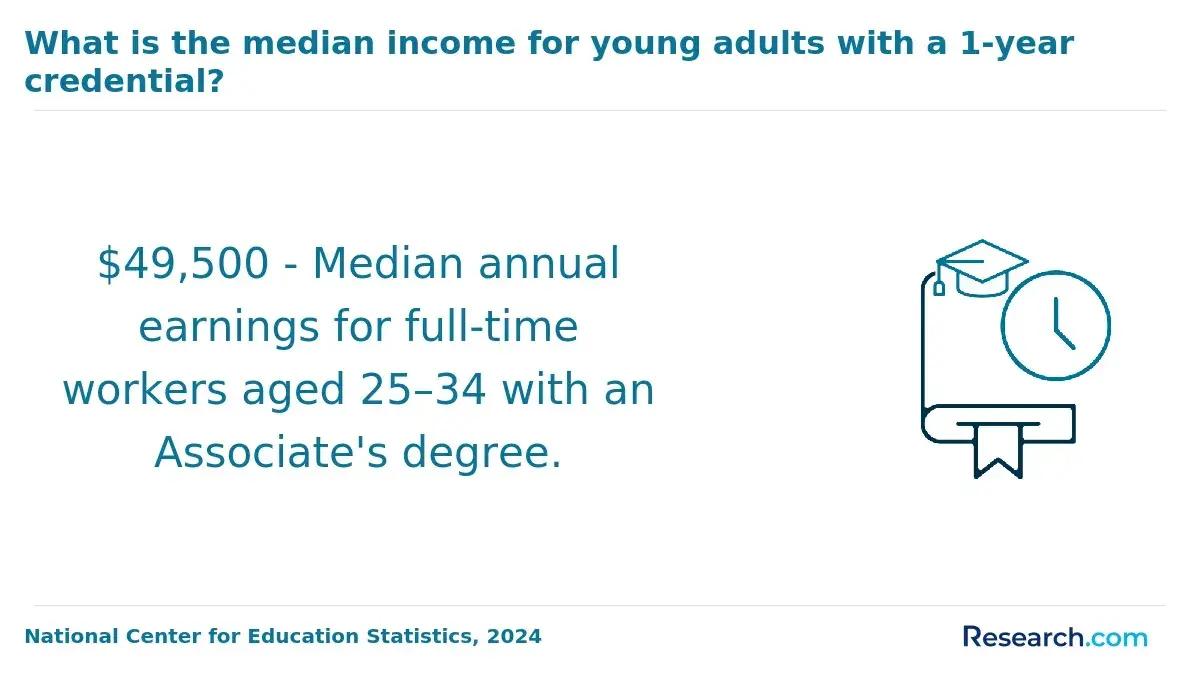
Salary bands in communication careers exhibit clear stratification aligned with experience and role complexity, reflecting labor market realities documented by 2024 data from the U.S. Bureau of Labor Statistics and LinkedIn Salary Insights. Entry-level positions such as communication coordinators or assistants typically start between $45,000 and $60,000 annually, reflecting foundational tasks and basic skill requirements. Mid-level roles-including communication specialists and corporate communication managers-command higher pay, generally ranging from $65,000 to $90,000, corresponding with increased responsibilities in strategy and cross-functional collaboration. Senior-level careers, encompassing communication directors and public relations executives, often offer salaries from $100,000 to $160,000 or more, commensurate with significant leadership duties and strategic influence across organizations.
Variation in these salary bands stems from multiple intersecting factors beyond mere tenure or title. Specialization intensity-such as expertise in digital communication, crisis management, or investor relations-can drive premiums within these ranges, while geographic disparities reflect the cost of living and competitive pressures in metropolitan versus smaller markets. Company size also plays a critical role; larger firms typically offer higher compensation but expect greater performance and scope, which can widen pay gaps within the same role categories. The interplay of niche skills scarcity, shifting media landscapes, and strategic organizational priorities further contributes to wage differentiation, underscoring that salary progression in communication is as much a function of adapting to evolving demands as it is accumulating experience.
One recent graduate recalled the challenges navigating rolling admissions for communication graduate programs while assessing salary prospects. "They kept updating me about application status one step at a time, which made timing tricky," she said. "I hesitated to commit before knowing if I'd get enough financial aid or if the starting salary would realistically cover living expenses nearby." This experience highlighted how uncertain timelines and incomplete compensation clarity can pressure applicants into balancing ambition with practical financial planning amidst fluctuating labor market signals.
Which Industries Are Hiring the Most Communication Graduates?
Hiring demand for communication graduates concentrates heavily in sectors experiencing significant digital adoption, organizational growth, or persistent skills gaps. These industries are not only expanding their workforces but also adapting to shifts in how information is conveyed internally and externally. As a result, employers prioritize candidates who can navigate complex messaging environments, integrate digital tools, and tailor communications to diversified stakeholder groups.
- Technology: The tech sector's complex products and fast innovation cycles require communication graduates adept at translating technical content into accessible messaging. Roles frequently involve content strategy, digital marketing, and corporate communications, with employers emphasizing skills in data-driven storytelling and cross-platform engagement. Data from the 2024 NACE Job Outlook highlights that over a quarter of communication graduates secure positions in tech-related roles early in their careers.
- Healthcare: Growing emphasis on patient-centered care and health literacy fuels demand for communication specialists who can design outreach programs and internal communication channels within healthcare organizations. Graduates with expertise in simplifying medical information and facilitating patient engagement are particularly valued, addressing a critical need as healthcare systems expand educational efforts.
- Public Relations and Marketing: Traditional strength in brand narrative development and media relationship management keeps this sector consistently hiring communication graduates. Agencies and firms prioritize candidates who combine message crafting with digital media fluency, reflecting evolving media landscapes and sustained demand for reputation management. This area accounts for approximately 30% of job openings related to communication according to recent industry reports.
- Media: Media companies, spanning digital news, broadcasting, and social platforms, seek communication graduates to fill roles in journalism, content production, and social media management. The sector's ongoing transformation toward multi-channel content delivery makes adaptability and audience analysis critical skills. Projections estimate media to drive close to 18% of communication-related job growth in 2024.
How Does Hiring Demand Vary by State, Region, and City?
Hiring demand for communication graduates varies significantly across states and broader regions, shaped by economic structures and industry clusters rather than geographic boundaries alone. States like California, New York, and Texas consistently report stronger openings due to their concentration of media headquarters, technology firms, and corporate offices, as confirmed by recent labor market data from the U.S. Bureau of Labor Statistics and regional economic studies. The Northeast and West Coast lead in communication job growth because of dense urban economies and specialized sectors like digital content strategy and public relations, while the Midwest and South show more variability influenced by manufacturing or agriculture dependencies. These state- and region-level differences reflect how workforce ecosystems and employer density dictate demand, highlighting practical implications for graduates who must consider the tradeoff between opportunity availability and competitive market environments. Understanding how communication job demand differs across US states is crucial for effectively navigating these labor markets and aligning educational investments with realistic job prospects.
At the city level, demand further diverges based on local industry strength and urban infrastructure. Major metropolitan areas such as New York City, Los Angeles, Chicago, Houston, and Austin offer diverse communication roles supported by tech clusters, healthcare systems, and energy sectors, impacting salary ranges and competition among employers. For example, Houston's communication hiring is driven by healthcare and energy industries, while Austin's growth is fueled by technology and digital branding needs, illustrating how city-specific economic profiles shape employer expectations. Additionally, cost of living, availability of professional networks, and established talent pipelines influence where opportunities concentrate, often requiring candidates to weigh relocation necessities against potential wage premiums. Early-career professionals must factor in these granular market dynamics alongside broader regional trends when planning their careers in communication fields. For those who want to complement their communication expertise with advanced knowledge applicable across social sectors, exploring top masters in social work programs can augment their employment versatility in various community and organizational roles.
What Skills Are Employers Prioritizing in Communication Job Postings?
Employer priorities for communication roles continue to evolve alongside rapid technological advancements, automation, and shifting organizational demands. The interplay between digital proficiency and strategic insight reflects broader industry dynamics that require candidates to be versatile across technical and interpersonal domains. This has heightened the value of interdisciplinary capabilities, as communication professionals must bridge data-driven analysis with effective storytelling within increasingly complex work environments.
- Digital Literacy and Social Media Management: Mastery of digital platforms and social media tools is no longer optional, as companies depend on multi-channel audience engagement and reputation management. With over 60% of communication job listings emphasizing these skills, proficiency indicates adaptability to fast-changing software ecosystems and the ability to generate measurable impact through content distribution.
- Data Analysis and Interpretation: Employers demand fluency in interpreting analytics to shape messaging strategies, reflecting a shift from pure creativity to evidence-based communication. The capacity to analyze engagement metrics enhances decision-making and distinguishes candidates who can align communication efforts with organizational goals.
- Strong Writing and Presentation Skills: Clear and persuasive communication remains foundational but now must serve diverse formats and stakeholder needs. Effective writers and presenters improve internal collaboration and external influence, increasing their relevance amid cross-functional teams and complex information flows.
- Collaboration and Adaptability: The multifaceted nature of communication roles requires seamless teamwork and agility in responding to evolving priorities. Employers prize these soft skills for their role in navigating interdisciplinary projects and rapid changes, ensuring communication professionals can contribute value under dynamic conditions.
- Emotional Intelligence and Stakeholder Engagement: Understanding and managing interpersonal dynamics is crucial for guiding perception and fostering trust. Emotional intelligence supports more nuanced stakeholder relationships, which is vital given the increasing emphasis on reputation and ethical communication practices.
Which Certifications Increase Employability and Salary Potential?
Certifications in the communication field act as clear indicators of specialized abilities, technical know-how, and preparedness for industry challenges. These credentials often complement academic background by validating specific skills that employers prioritize, particularly as digital platforms and strategic management become central to communication roles. Holding recognized certifications can therefore differentiate candidates in a job market where employers increasingly seek measurable expertise and practical readiness.
- Certified Communication Professional (CCP): This credential is valued for emphasizing leadership and strategic capabilities, aligning closely with roles demanding brand management and communication planning. Employers view the CCP as evidence of an applicant's ability to shape messaging frameworks, which translates into higher responsibility and often enhanced compensation.
- Digital Marketing Certifications: Certifications that focus on SEO, content strategy, and analytics respond directly to growing employer demand for candidates adept at data-driven digital communication. These credentials fill a skill gap as organizations seek measurable results from their campaigns, making holders more competitive and often leading to salary premiums tied to digital fluency.
- Public Relations Society of America (PRSA) Accreditation in Public Relations (APR): The APR signals mastery in public relations practices, particularly in reputation management and crisis communication, areas where employers require proven expertise. Its rigorous standards make it a strong differentiator, enhancing both hiring prospects and mid-to-senior level salary potential.
- Project Management Professional (PMP): For communication roles involving cross-departmental coordination and campaign execution, PMP certification indicates practical project leadership skills. Employers value this for candidates who can deliver projects on time and within scope, which often corresponds with elevated roles and improved pay outcomes.
A 2024 report from the National Labor Statistics underlines that communication professionals with specialized certifications earn roughly 15-20% more than those without, highlighting the tangible market value these credentials confer. This premium reflects not only enhanced skills but also employer trust in credential holders to navigate complex communication challenges.
A recent communication graduate recalled applying for certification programs during a rolling admission cycle, initially hesitating due to uncertainty about timing and costs. They balanced waiting for acceptance with weighing job offers and professional goals, ultimately accelerating enrollment once they recognized the certification's potential effect on salary and role competitiveness. This strategic patience and timing were crucial in maximizing the credential's impact on their early career trajectory.
How Do Remote and Hybrid Opportunities Affect the Communication Job Market?
The rise of remote and hybrid work models has altered hiring trends in communication careers, creating more geographically diverse opportunities. Labor market data from 2024 highlights that companies are increasingly sourcing talent across wider regions, beyond traditional urban hubs, due to the geographic flexibility these models allow. This expansion has been especially notable in North America, where remote communication job opportunities growth has opened access for early-career professionals and those in areas with historically fewer openings. However, this broader talent pool intensifies competition, requiring candidates to demonstrate advanced digital collaboration skills alongside core communication competencies.
The shift toward hybrid setups also influences salary structures and employer expectations. Many organizations now face decisions about whether to maintain regional pay scales or adopt uniform salaries, impacting negotiation strategies and workforce dispersion. Employers emphasize proficiency in asynchronous communication and remote work best practices as standard qualifications, reshaping job requirements and role designs. Over time, these trends suggest a more fluid, digitally integrated labor market that demands ongoing adaptability from communication professionals. Aspiring candidates should weigh the practical implications of geographic mobility and evolving skill demands, considering educational pathways that combine traditional communication instruction with training in virtual collaboration technologies. Programs offered by competency-based online colleges often address these specific needs, positioning graduates to navigate the complexities driven by hybrid work models.
Which Communication Careers Show the Strongest Long-Term Hiring Momentum?
Long-term hiring momentum in communication careers stems from structural transformations in how organizations engage audiences and manage information, rather than short-lived job market shifts. This momentum reflects enduring economic and technological trends reshaping workforce demand, including digital integration, data-driven strategies, and evolving organizational needs. Understanding which roles show sustained growth requires analyzing the underlying forces that perpetuate demand and how these roles adapt to ongoing industry change.
- Digital Content Strategists benefit from ongoing digital transformation across sectors that continuously expands the need for targeted online messaging. Their role integrates content design with analytic insights, enabling companies to optimize engagement through diverse digital platforms, which sustains employer demand as technology evolves.
- Social Media Managers remain essential due to the persistent rise of social channels as primary marketing and customer engagement tools. As platforms evolve and privacy regulations tighten, skilled managers who blend strategic messaging with platform-specific expertise maintain a critical role in brand presence and reputation management.
- Corporate Communication Specialists support organizational narratives amid increasing complexity in stakeholder interactions and crisis response. Their expertise in aligning internal and external messaging with business objectives makes them pivotal in sustaining long-term stability in communication efforts amid shifting market expectations.
Roles such as public relations specialists with crisis management skills and internal communication managers who foster remote collaboration also demonstrate growing demand. The 2024 U.S. Bureau of Labor Statistics projects growth rates between 10% and 15% for many of these positions, significantly exceeding average occupation growth.
Successful applicants combine digital expertise with strategic messaging capabilities to meet employer expectations shaped by structural skill shortages. Tradeoffs exist: specialized technical skills often command median salaries 20-30% higher than generalized roles but may limit sector flexibility. Those choosing education paths should focus on curricula that balance digital tools and communication theory for durable career resilience.
This overview complements ongoing educational discussions, including options like a geology online degree, by highlighting that selecting fields with demonstrable long-term hiring momentum remains crucial for workforce alignment.
How Can Students Use Job Market Data to Make Better Career Decisions?
Students evaluating career paths in Communication can draw on current labor market data-such as comprehensive labor reports, hiring platform analytics, and salary databases from 2024 or later-to identify demand trends and compensation ranges across specialties. This data reveals growth areas like digital content strategy and social media management, reflecting evolving employer priorities and technological integration. Salary bands inform realistic expectations by showing how location, experience, and subfield specialization influence pay, enabling students to target skill development accordingly. These sources also highlight emerging competencies, such as data literacy and collaboration skills, increasingly valued alongside technical Communication expertise.
Interpreting labor market data requires more than spotting high-demand roles; students must weigh long-term career stability and geographic flexibility against temporary spikes in hiring velocity. Prioritizing skills aligned with sustainable industry growth reduces risks of oversaturation in declining sectors. Additionally, balancing quantitative data with personal strengths and professional goals ensures choices remain meaningful beyond immediate market shifts. Relying solely on short-term trends can misguide, so integrating labor insights with reflective career planning provides a nuanced framework to optimize employability and advancement in the dynamic Communication landscape.
References
- EU Pay Transparency Directive: What Employers Need to Know | Michael Page Poland https://www.michaelpage.pl/en/recruitment-expertise/management-advice/EU-pay-transparency-directive
- Poland Salary Transparency Law 2025: New Recruitment Rules December 24 https://atl-law.pl/en/poland-salary-transparency-law-2025-new-recruitment-rules-december-24/
- Top Skills Employers Look for in Mass Communication Graduates https://urbeuniversity.edu/blog/top-skills-employers-look-for-in-mass-communication-graduates
- EU Pay Transparency: Will I Need to Put Salary Ranges in Job Posts? https://skillstrust.org/resources/eu-pay-transparency-do-i-have-to-advertise-a-salary-range-in-my-job-post
- The Works Search - PR and Corporate Communications Salary Guide - The Works Search https://www.the-works.co.uk/salary-guide
- Communication Skills for Students: 10 Habits Before Jobs https://stimuler.tech/blog/communication-skills-for-students-job-market
- Job Market Trends: Comparison https://x0pa.com/glossary/job-market-trends/
- High-Paid Certifications That Employers Value in 2026 https://www.sprintzeal.com/blog/high-paid-certifications
- Practical Guide to EU-Compliant Salary Ranges in Job Ads https://figures.hr/post/eu-transparency-job-ads
- What Kind of Jobs Can You Get With a Communications Degree? https://www.belmont.edu/stories/articles/2025/what-kind-of-jobs-can-you-get-with-a-communications-degree.html
Other Things You Should Know About Communication
Choosing between specialization and versatility is critical because salary bands often reflect skill depth and market demand. Specialists in niche areas like digital analytics or crisis communication may command higher pay but face narrower job openings. Versatile candidates who can blend skills such as content creation, social media, and internal communication improve their chances across multiple roles but often start at moderate salary levels. Early-career professionals should prioritize gaining a broad foundation first, then gradually develop high-value specializations aligned with sectors where hiring momentum remains strong.
Hiring momentum in communication fluctuates due to economic cycles and shifts in corporate priorities, affecting job security differently across roles. Positions tied to core business functions like corporate communication may see steadier hiring, whereas roles focused on emerging trends such as influencer relations can contract rapidly. Professionals should evaluate not only current openings but also the sustainability of hiring trends within specific communication domains to optimize career progression. Prioritizing adaptability and ongoing skill development reduces risk amid these fluctuations.
Employers often expect communication professionals to juggle multiple responsibilities-from content strategy to stakeholder engagement-without proportional support increases. This reality can inflate workload and stress, especially in smaller organizations or startups. Job seekers must analyze job descriptions beyond salary figures, assessing how well scope and resources align with expectations. Opting for roles in organizations with more structured communication teams typically offers clearer focus and sustainable workloads, which can enhance long-term performance and job satisfaction.
Higher salaries can be attractive but may coincide with roles that offer fewer growth avenues, such as limited training, mentorship, or exposure to strategic projects. In communication fields, stagnating skill advancement diminishes long-term employability and salary ceiling over time. Candidates must weigh immediate financial gain against potential plateauing in expertise and network expansion. Prioritizing roles with balanced compensation and robust learning opportunities generally leads to stronger career trajectories, even if initial pay is modest.