2027 Communication Degree Popularity by Gender, Region, and Degree Level

Co-Founder and Chief Data Scientist
A prospective communication student at a Midwest public university notices that women represent nearly 65% of the department's enrollment, while in several Western states, enrollment skews more evenly across genders or leans male-a divergence that sparks questions about program culture and peer support. Meanwhile, bachelor's degrees in communication rose by 8% nationally from 2022 to 2024, signaling shifting demand but uneven regional growth.
This variation complicates assumptions about program quality and career readiness, as local industry needs and educational access shape who pursues these degrees and where. Understanding communication degree popularity by gender, region, and degree level clarifies how these patterns influence student experiences, workforce alignment, and long-term outcomes.
Key Things to Know About Communication Degree Popularity by Gender, Region, and Degree Level
- Women comprise nearly 65% of communication bachelor's degree earners in 2024, indicating gendered preferences that may shape workforce diversity but also risk reinforcing stereotypes about communication careers being female-dominated.
- Regional enrollment peaks in the South and Midwest reflect local industries' reliance on communication skills, influencing employer expectations for graduates familiar with region-specific media and corporate cultures.
- Graduate communication program growth outpaces undergraduate rates by 12% in 2024, raising cost and timing tradeoffs that affect mid-career professionals' decisions about advanced specialization versus entering the workforce sooner.
- Key Things to Know About Communication Degree Popularity by Gender, Region, and Degree Level Key Things to Know About Communication Degree Popularity by Gender, Region, and Degree Level
- How Does Job Market Demand Influence Communication Degree Popularity? Market Demand and Degree Popularity
- How Does Online Communication Degree Enrollment Compare to Traditional Campus Programs? Online vs. Campus Enrollment
- What Degree Level Is Most Common Among Communication Students? Most Common Degree Levels
- How Do Enrollment Trends Differ Between Associate, Bachelor's, Master's, and Doctoral Communication Degrees? Enrollment Trends by Degree Level
- How Popular Is the Communication Degree Compared to Other College Majors? Degree Popularity vs. Other Majors
- Why Is the Communication Degree More Popular in Certain States and Regions? Regional Popularity Drivers
- What Demographic Groups Are Driving Growth in Communication Degree Programs? Growth by Demographic Groups
- What Is the Future Outlook for Communication Degree Enrollment by Gender, Region, and Degree Level? What Is the Future Outlook for Communication Degree Enrollment by Gender, Region, and Degree Level?
- How Have Communication Degree Enrollment Trends Changed Over the Past Decade? How Have Communication Degree Enrollment Trends Changed Over the Past Decade?
- Where Is the Communication Degree Most Popular Across the United States? Geographic Popularity Analysis
How Does Job Market Demand Influence Communication Degree Popularity?
Job market demand shapes communication degree popularity by interacting closely with regional employment trends, though this relationship is nuanced and far from uniform. In states with concentrated media industries or corporate hubs, such as California or New York, communication programs often see higher enrollment driven by localized hiring surges, reflecting robust industry activity. Conversely, regions with emerging digital media ecosystems may observe increased interest in technical communication roles, yet overall communication degree growth can lag if alternative credentials, including certificates and short-term training, better align with employer preferences. The U.S. Bureau of Labor Statistics projects communication-related roles to expand by about 10% in the coming decade, underpinning sustained demand but not guaranteeing synchronized enrollment due to program availability and market perceptions.
Gender dynamics further complicate enrollment trends, as women make up the majority of communication students nationally, partially reflecting historical occupational patterns and program cultures. However, rising employer demand for diverse communication competencies-particularly in digital content creation and data analytics-has increased male participation in specialized subfields, even if these do not always match traditional communication job openings closely. This divergence highlights how evolving workforce needs and regional economic contexts selectively influence degree popularity by gender and specialization. Prospective students evaluating the long-term value of a communication degree should weigh these labor market signals alongside practical considerations like skill adaptation and alternative paths, such as easy degrees that pay well, which can offer a quicker route to employment in some instances.
How Does Online Communication Degree Enrollment Compare to Traditional Campus Programs?
Online communication degree programs have expanded enrollment notably faster than traditional campus counterparts, driven in part by adults seeking flexible learning amid work and family commitments. Data from the National Center for Education Statistics in 2024 shows that nearly 45% of undergraduate communication students engage in some form of online coursework, with fully online programs growing about 7% annually. This growth largely reflects increased accessibility for students in rural or underserved regions, who may lack nearby universities with robust communication programs and thus find online formats a practical alternative. Consequently, these programs attract a wider age range and often a more diverse geographic student body, reshaping enrollment patterns compared to conventional campus settings where growth is more stagnant or regionally limited.
The modality choice also subtly influences gender dynamics and participation trends. While male and female enrollment remains fairly balanced overall, online options tend to enhance accessibility for women managing caregiving responsibilities, aligning with flexible scheduling needs. However, online communication programs generally experience lower completion rates than traditional ones, underscoring challenges in engagement, peer interaction, and self-motivation that can impact persistence without strong institutional support. Employers increasingly acknowledge the value of online degrees where digital skills are prioritized, though some fields still emphasize in-person networks and internships that traditional campus experiences often facilitate more readily. Prospective students must therefore weigh the tradeoffs between access and potential gaps in hands-on opportunities when selecting a program format.
One communication student recounted the dilemma of choosing between an online degree and the nearest campus-based program, which was several hours away. Geographic distance and full-time work made the online format appear more feasible, but there was initial skepticism about the program's quality and whether it was as "mainstream" as the traditional option. Over time, the flexibility allowed balancing coursework with job responsibilities, though the student noted missing regular face-to-face interaction with peers. This experience reflects a common tension: online communication degrees open doors where location or scheduling constraints exist, but may require deliberate effort to cultivate the engagement and networking some campus programs naturally provide.
What Degree Level Is Most Common Among Communication Students?
The bachelor's degree overwhelmingly dominates communication degree completion, accounting for approximately 75% of all credentials awarded in 2024 according to the National Center for Education Statistics. This prevalence reflects the degree's practical alignment with employer expectations, where entry-level roles in public relations, journalism, marketing, and related fields typically require at least an undergraduate credential. Additionally, the bachelor's degree serves as a primary academic bridge for students transitioning from two-year institutions, reinforcing its central role in workforce pathways while offering a balance of accessibility, cost, and credential recognition that advanced degrees cannot match.
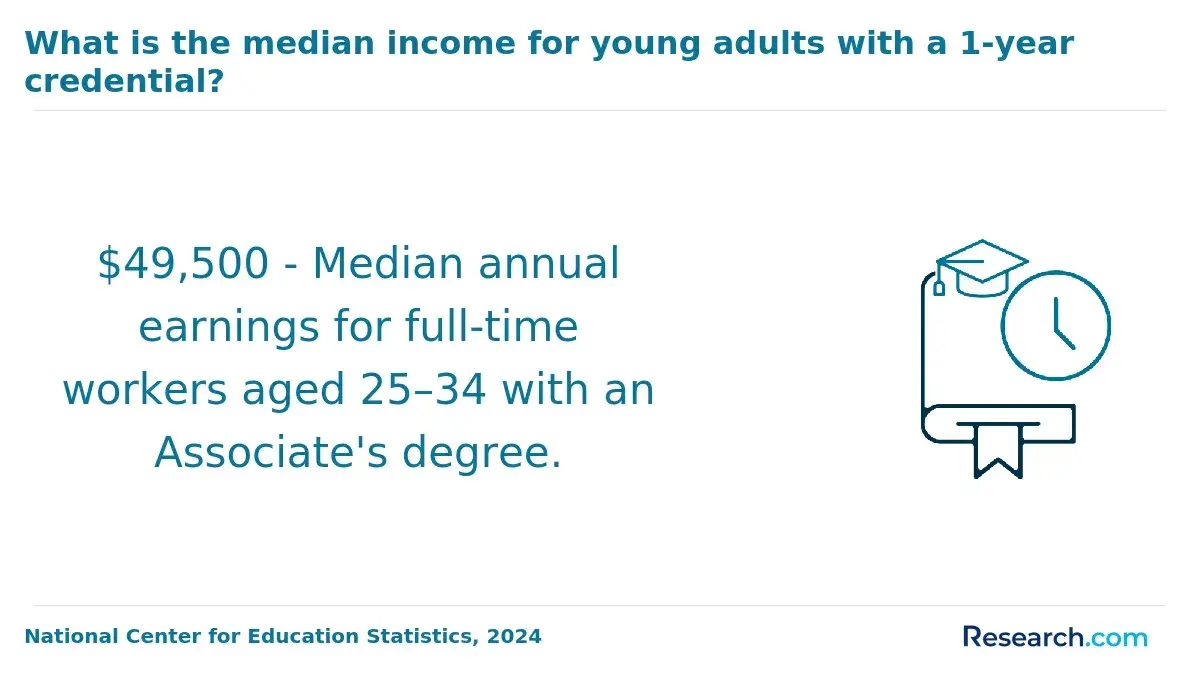
Associate degrees, representing about 10% of completions, tend to appeal to those seeking quicker entry into the workforce or foundational skills but often face limitations in labor market value without further education. Conversely, master's programs-making up roughly 15% of completions-attract individuals pursuing specialization or leadership roles, though their higher cost, extended timelines, and narrower job market reduce overall enrollment. Doctoral degrees remain a very small fraction, focused on research and academic careers, highlighting a tiered system where length, specialization, and career outcomes shape student choices and enrollment trends in communication education.
How Do Enrollment Trends Differ Between Associate, Bachelor's, Master's, and Doctoral Communication Degrees?
Enrollment patterns for associate versus bachelor communication degree programs reflect distinct student priorities and labor market dynamics. Associate degrees tend to attract individuals aiming for quicker, vocationally oriented entry points into communication-related fields, often within regional markets where practical skills suffice. In contrast, bachelor's degrees dominate enrollment and completions-comprising roughly 70% of all communication awards-as they serve as foundational qualifications for a wide range of careers in media, public relations, and organizational sectors. The expansion of online options has notably increased participation among women, who represent about 60% of bachelor's communication students nationally, signaling a demographic shift influencing program design and workforce diversity.
Master's and doctoral communication degree popularity differences highlight diverging demands for specialization and research expertise. Master's programs grow steadily, evidencing a 4% annual enrollment increase according to the 2024 IPEDS data, often drawing mid-career professionals targeting leadership roles or academic trajectories. Doctoral programs remain small, enrolling approximately 1,200 candidates annually, and cater to a research-focused cohort concentrated at select universities, reflecting a higher barrier to entry and extended completion timelines. Prospective students evaluating these tiers must weigh the tradeoffs between broad applicability and specialized credentials, particularly as employer expectations vary by degree level and career stage.
For those considering program options, awareness of these enrollment trends aids in aligning educational choices with realistic workforce opportunities. For example, students interested in counseling roles should explore the growing availability of CACREP-accredited online counseling programs that integrate communication skills with clinical expertise, reflecting a niche yet expanding intersection. Understanding how enrollment shapes curriculum focus and peer demographics helps clarify whether an associate degree's quick entry or a master's specialization is more advantageous in the evolving communication landscape.
How Popular Is the Communication Degree Compared to Other College Majors?
The relative popularity of a communication degree reflects consistent but moderate demand within the broader landscape of college majors, where it trails significantly behind fields like business and health professions. According to the National Center for Education Statistics for 2023-2024, approximately 90,000 students enroll annually in communication bachelor's programs, placing it within the top 15 most awarded degrees but highlighting its niche position compared to larger disciplines. This scale influences program resources, peer networking, and specialization options, often requiring students to be strategic about skill development and internships given the competitive job market dynamics that communication graduates face.
Graduate enrollment in communication remains comparatively small, with around 12,000 full-time students pursuing advanced degrees, reflecting a career pathway where many choose to enter the workforce or enhance credentials through professional certifications. Gender imbalances persist, with women typically comprising over 65% of the communication student body, a pattern linked to the field's strong ties to media and public relations sectors. Regional enrollment variance favors coastal and urban areas where local media industries fuel demand, shaping access to applied learning opportunities and workforce fit. This distribution can affect perceptions of communication's relevance and availability, making it imperative for students to consider geographic and industry alignments when evaluating their educational investment.
A former communication major recalled noticing the smaller class sizes compared to business courses early in their studies, which initially sparked questions about the degree's broader appeal and career prospects. Campus advising discussions reinforced that while communication wasn't the largest program, its focused community and connections in media hubs provided distinct advantages. The student appreciated learning how these enrollment patterns reflected local industry realities rather than just institutional popularity, ultimately valuing the degree's specialized opportunities despite its more modest scale.
Why Is the Communication Degree More Popular in Certain States and Regions?
Regional concentrations of communication degree popularity often reflect tangible employer demand and the density of local industries requiring these skills, rather than mere student preference. States like California and New York see higher enrollment due to their media, entertainment, and corporate sectors that provide accessible career opportunities for graduates. In southern states, where local economies may be less dominated by such industries, communication degree popularity is comparatively lower, which can affect students' networking potential and perceived degree value within the state's labor market. Prospective students must weigh these regional dynamics carefully, as they influence not only job prospects but also the practical relevance of program offerings.
In the Midwest, the regional demand for communication graduates frequently ties to sectors like marketing, public relations, and journalism embedded within growing urban centers, creating a viable pathway for students choosing communication degrees. Demographic factors, especially in culturally diverse and younger populations, further shape enrollment patterns as these groups seek skills aligned with intercultural communication and media literacy. However, expanding access to online programs complicates these patterns by enabling students nationwide to enroll regardless of local industry strength. Those evaluating degree options should consider the implications of physical location versus remote study, including how state educational policies and the availability of affordable options such as an urban planning master may indirectly affect institutional support for communication faculties and pricing trends.
What Demographic Groups Are Driving Growth in Communication Degree Programs?
Enrollment growth in communication degree programs is increasingly shaped by shifting workforce requirements and evolving educational delivery models. Women continue to dominate enrollment, making up around 60% of degree recipients, a dynamic that influences classroom interactions and networking opportunities but can also reinforce gendered expectations about communication roles in professional settings. Meanwhile, the rise in adult learners aged 25 and older, often balancing work and family commitments, highlights the critical role of online and part-time formats in expanding access, although these students may face distinct challenges in peer engagement and institutional support compared to traditional-age students.
Regionally, demand for communication degrees is concentrated in urban and coastal states like California, New York, and Texas, where media industries and diverse economies drive employer needs for culturally fluent and media-savvy graduates. In contrast, slower growth in rural and Midwestern areas reflects broader economic disparities that may limit local educational opportunities and career pathways within communication fields. Furthermore, growing enrollment from Hispanic and Asian American students points to demographic changes that programs must address through inclusive curricula and support services to enhance retention and relevance. These enrollment patterns suggest that program design and resource allocation will need to adapt to a more diverse student body with varied professional aspirations and learning preferences.
What Is the Future Outlook for Communication Degree Enrollment by Gender, Region, and Degree Level?
Communication degree enrollment is likely to reflect widening demographic shifts and targeted regional demand, rather than uniform growth nationwide. Women persist as the dominant cohort, comprising about 60% of enrollees according to recent data from the National Center for Education Statistics, and this imbalance is expected to continue. Enrollment will increasingly cluster in states with dynamic media economies such as California and Texas, where expanding urban centers and job opportunities in public relations and digital media create practical incentives for student investment. Conversely, rural areas may see stagnant or declining numbers, constraining local program expansion and graduate opportunities.
Degree-level choices show important divergence: bachelor's programs remain the primary access point, but master's enrollment is rising, especially in strategic and digital communication fields aligned with employer demands for leadership-ready candidates. The growth of online and hybrid delivery models plays a crucial role in accommodating nontraditional students and working professionals, though the tradeoff often includes added responsibility for self-directed learning and access disparities. For current students and graduates, understanding the geographic and credential-specific market realities will be critical for long-term planning, as regional economic strengths and institutional offerings shape both immediate employability and career trajectory within communication-intensive industries.
How Have Communication Degree Enrollment Trends Changed Over the Past Decade?
Enrollment shifts in communication degree programs over the past decade highlight the evolving intersection between education and labor market demands, underscoring a stronger emphasis on digital literacy and interpersonal skills favored by employers. Female students continue to comprise a majority, earning about 65% of degrees, yet increasing male participation-particularly in tech-oriented regions-reflects broader labor market diversification where communication competencies complement information technology roles. These gender dynamics inform student choices and program design, revealing persistent but nuanced enrollment patterns within communication degree enrollment trends in the United States over the past decade.
Regionally, the Southern and Western states lead growth in communication program participation, responding to demographic shifts and the expansion of media and corporate communications industries in these areas. By contrast, the Northeast shows comparatively slower growth, influencing program availability and relevance in each region. Demand for associate and bachelor's degrees outpaces master's completions, which remain specialized, appealing mostly to professionals pursuing advanced expertise rather than broad-based retraining. Prospective students evaluating educational pathways should consider these disparities alongside options like a master of finance online when integrating communication skills with other disciplines.
Changes in gender and regional communication degree enrollment patterns indicate shifting student preferences and workforce needs that affect access, affordability, and long-term career implications. The growing prominence of interdisciplinary curricula blending media, business, and technology within communication programs addresses practical realities and employer expectations, yet also imposes tradeoffs requiring informed decision-making about specialization level and geographic context. Graduates and workforce observers must weigh these factors critically when assessing the degree's value in evolving labor markets.
Where Is the Communication Degree Most Popular Across the United States?
The popularity of communication degree programs tends to cluster in states where metropolitan hubs intersect with strong media, technology, and corporate sectors, rather than being evenly distributed nationwide. This regional concentration reflects both workforce demand and the density of institutions offering specialized programs. For example, the Midwest and South Central regions benefit from urban centers like Chicago and Houston, which house diverse industries that rely heavily on communication skills, supporting the enrollment and completion rates in these areas. Such geographic clustering meaningfully affects student access to internships, professional networks, and job opportunities, amplifying the practical value of these degrees within those economies.
On the West Coast, California's dominance stems from its unique mix of entertainment, technology, and media industries, creating demand for graduates proficient in digital media and strategic communication. Conversely, states in the Mountain West and parts of New England, characterized by lower population densities and fewer institutions with robust communication programs, report less degree attainment. These disparities underscore the importance of aligning program selection with regional labor market realities, as many employers emphasize adaptable communication competencies tied to local industry needs. Prospective students should weigh these regional trends carefully, especially when comparing most popular communication degree programs by state to optimize their career prospects.
Emerging trends reveal that enrollment patterns also mirror regional educational infrastructure, which influences perceptions of degree value and opportunities for applied learning. For veterans and nontraditional students, exploring options such as military friendly online spanish degree programs can provide additional flexibility. Overall, the distribution of communication degree popularity carries practical implications for workforce integration, skill application, and long-term career trajectories across diverse demographic and geographic contexts.
References:
- Communications Degree | Communications Major https://www.collegeadvisor.com/resources/communications-degree/
- Online Degree vs. Traditional: Choosing the Right Path https://beal.edu/online-degree-vs-traditional/
- Types of College Degrees https://www.act.org/content/act/en/students-and-parents/high-school-success/what-to-do-after-high-school/college-degrees.html
- The Impact of Communication & Why You Should Choose Communication as Your Degree https://sureexpo.com.my/post/the-impact-of-communication-why-you-should-choose-communication-as-your-degree
- Communication Departments: A Profile https://www.amacad.org/humanities-indicators/communication-departments-profile
- Communication studies students overwhelmingly start and finish college in the major - National Communication Association https://www.natcom.org/publications-library/communication-studies-students-overwhelmingly-start-and-finish-college-in-the-major/
- How Does a Communications Degree Prepare You for a Wide Range of Careers? https://www.columbiasouthern.edu/blog/blog-articles/2025/august/communications-degree-wide-range-of-careers/
- 2023 Most Popular Communication & Media Studies Bachelor's Degree Schools in the Far Western US Region - Course Advisor https://courseadvisor.com/majors/communication-and-journalism/communication-and-media-studies/rankings/most-popular/bachelors-degrees/far-western-us/
- Online Degree vs. Traditional | University of Arkansas Grantham https://www.uagrantham.edu/blog/pros-cons-online-degree-vs-traditional-university/
- Degrees of difference: Male college enrollment and completion https://aibm.org/research/male-college-enrollment-and-completion/
Other Things You Should Know About Communication
Gender distribution varies notably in communication degree programs, often with higher female enrollment. This imbalance can affect classroom dynamics and networking opportunities. Prospective students may want to consider how gender representation aligns with their preferences for peer interaction and mentorship, especially in advanced degrees where underrepresentation can impact access to tailored support and professional connections.
Regions with higher communication degree saturation may offer more specialized programs but also face greater competition among graduates. Choosing to study in a region with moderate enrollment might broaden networking opportunities and reduce competition for internships and jobs. Students should weigh the benefits of studying in communication hubs against the potential advantage of standing out in less crowded regions.
Bachelor's programs tend to emphasize broad skills suitable for entry- to mid-level roles, while master's degrees often offer specialization and deeper strategic competence valued in leadership and consultancy positions. Those aiming for roles requiring advanced theory or research typically benefit from graduate-level coursework, though this comes with higher time and financial investments. Prioritizing degree level should reflect career goals, balancing immediate employability with long-term advancement potential.
Associate and bachelor's degree programs generally provide foundational knowledge with lighter research and theoretical demands, resulting in a more practical workload. Graduate programs, by contrast, require substantial critical analysis, research projects, and often interdisciplinary study, increasing time and intellectual commitment. Students should anticipate these differences when choosing a program, especially if they have work or personal obligations that limit intensive study capacity.