2027 Communication Salary Trends Report: Are Wages Keeping Up With Tuition and Inflation?

Co-Founder and Chief Data Scientist
Imagine a prospective communication student weighing the cost of tuition against expected salaries after graduation. Rising tuition fees, combined with accelerating inflation, cast doubt on whether the degree's financial return remains viable. This student must look beyond initial salary figures to assess whether wages keep pace with the increasing cost of living and education. Making an informed decision requires evaluating long-term earning potential relative to these economic pressures.
Salary growth, tuition costs, and inflation often move at different rates, complicating the true value assessment of a communication degree. Focusing solely on starting pay ignores the nuanced interplay of economic forces that shape financial outcomes over time. This article examines salary trends, tuition inflation, return on investment, and affordability to clarify the factors that influence the degree's lasting economic value.
Key Things to Know About Communication Salary Trends
- Communication graduate wages have grown slower than inflation since 2021, with a 3% nominal increase versus 6% inflation, reducing real purchasing power and challenging return on investment amid rising tuition costs.
- Fields emphasizing digital and data analysis within communication report higher starting salaries, signaling that specialization dramatically shapes earning potential, making generic communication degrees less competitive long term.
- Network effects and industry connections built during internships significantly influence salary growth trajectories, highlighting the importance of strategic experiential learning beyond academic performance alone.
- Key Things to Know About Communication Salary Trends Key Things to Know About Communication Salary Trends
- What Is the Current Salary Outlook for Communication Graduates? Salary Outlook
- Are Communication Salaries Keeping Up With Inflation? Inflation Impact
- How Do Tuition Costs Compare With Communication Salary Growth? Tuition vs Salary
- Does a Communication Degree Deliver a Positive Return on Investment? Degree ROI
- Which Industries Offer the Highest Salaries for Communication Graduates? Which Industries Offer the Highest Salaries for Communication Graduates?
- Which States and Cities Offer the Highest Pay for Communication Professionals? Which States and Cities Offer the Highest Pay for Communication Professionals?
- How Do Communication Salaries Grow Throughout a Career? Career Growth
- How Do Communication Salaries Compare With Similar Degrees? Salary Comparison
- How Is Employer Demand Affecting Communication Salary Trends? Employer Demand
- How Can Students Maximize Their Lifetime Earnings With a Communication Degree? Maximizing Earnings
What Is the Current Salary Outlook for Communication Graduates?
Current salary trends for communication graduates in 2024 reflect a range of earning potentials influenced heavily by job function, industry, and geography. Entry-level roles such as public relations specialists, advertising coordinators, and social media managers often start with median salaries between $45,000 and $55,000, whereas seasoned professionals in positions like communication directors and corporate communications managers command significantly higher pay, frequently between $70,000 and $90,000. The average earnings for communication degree holders vary depending on the sector; for instance, graduates working in tech, financial services, or healthcare communications generally experience better compensation compared to those in nonprofit or government roles. Inflation and rising tuition fees further complicate the financial picture, as starting salaries have only increased modestly in recent years, trailing behind the inflation rate.
Consider two graduates with identical communication degrees: one pursues a role as a social media manager in a metropolitan tech firm, earning closer to the higher salary tier, while the other accepts a government communications position in a smaller city where pay is noticeably lower. This scenario illustrates that despite having the same academic background, salaries can diverge sharply based on sector choice and location. However, it is important to look beyond entry-level pay. Long-term career progression in communication often rewards specialized skills and strategic networking, providing opportunities for salary growth as professionals move into senior positions. Moreover, projected job demand in digital media and analytics suggests a favorable outlook for graduates who adapt and expand their expertise.
For those evaluating the true value of a communication degree, factoring in these nuances is essential. The investment may be more justifiable if supplemented with targeted skill development and an awareness of market trends. Prospective students seeking advanced credentials might explore online master's programs designed to accelerate career advancement. Ultimately, realistic expectations around entry-level pay combined with a strategic approach to career growth can shape a more accurate understanding of communication graduate salary trends in 2024.
Are Communication Salaries Keeping Up With Inflation?
Nominal wage increases for communication-related roles have averaged about 3.1% annually over recent years, according to the U.S. Bureau of Labor Statistics, yet inflation has hovered around 4.2%. This gap means that the actual purchasing power of salaries is shrinking, even if paychecks appear larger on paper. For example, a public relations specialist receiving a 3% raise may still struggle to cover rising living costs, effectively earning less in terms of what their income can buy. This dynamic highlights the critical difference between nominal wage growth and real wage growth, which directly impacts financial stability and career satisfaction in communication careers.
The pressure from rising tuition costs-almost 30% over the past decade-further compounds this challenge, influencing whether communication wages are keeping pace with rising tuition for many graduates entering the workforce with higher debt. Those without opportunities to develop specialized skills or transition into more lucrative roles face the risk of stagnant or declining real incomes. Prospective students might consider alternatives like a game development online degree, where cost-to-earning potential dynamics differ markedly, underscoring the importance of aligning educational investment with the broader economic context.
While demand for communication professionals remains steady due to evolving digital media landscapes, saturation in entry-level and mid-tier roles can limit employers' willingness to offer raises that match inflation. This phenomenon means that long-term earning potential often hinges on continuous skill enhancement and career navigation rather than initial salary offers alone. Evaluating communication salary trends and inflation impact is essential for making informed decisions about education investments and managing expectations around income growth in this field.
How Do Tuition Costs Compare With Communication Salary Growth?
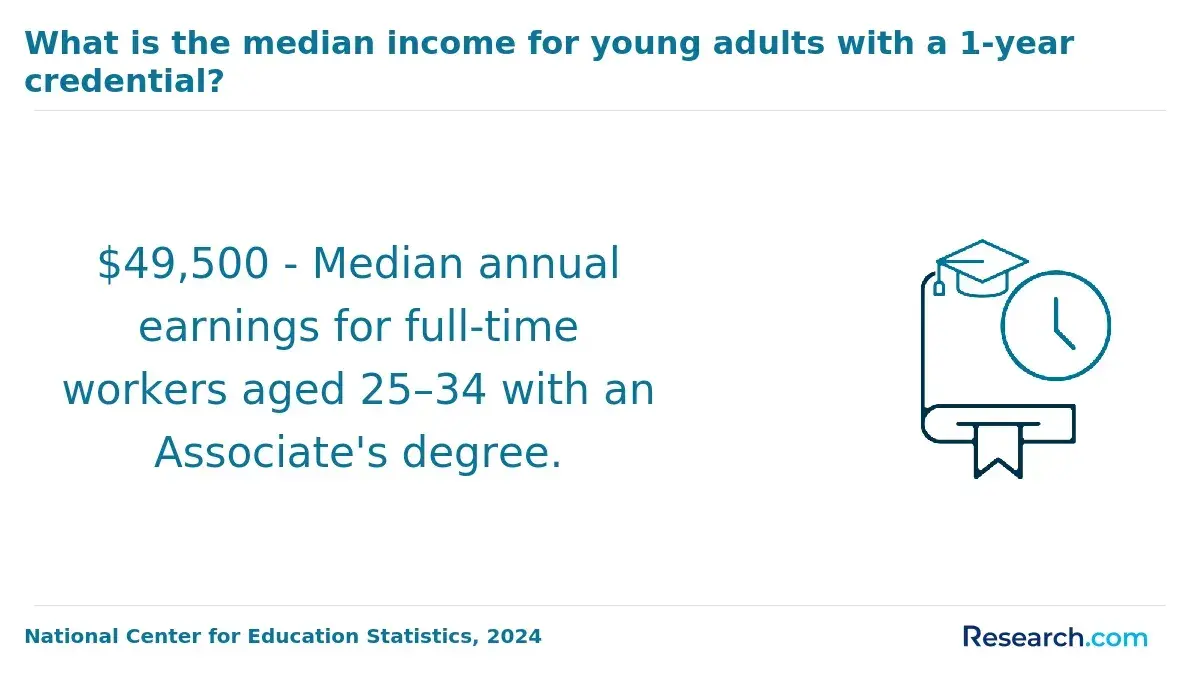
Examining the financial worth of a communication degree requires more than separate looks at tuition hikes or salary trends-it demands comparing both to grasp how well earnings align with escalating educational costs. Data from the National Center for Education Statistics shows that tuition at public four-year schools has climbed roughly 3.5% annually over the past five years, outstripping inflation. By contrast, early-career salaries for communication graduates have grown by only about 2% per year after adjusting for inflation, indicating wage increases are not keeping pace with tuition inflation. This discrepancy means that while students face rising debt burdens, their initial earning power improves only marginally, creating a tighter margin for financial return on investment.
Consider two students entering the same public university communication program in consecutive years. The first pays $10,000 per year in tuition and lands a starting salary around $47,000; the second, paying $11,200 annually due to tuition inflation, might expect a starting salary only slightly higher, around $48,000. This difference can significantly affect borrowing needs and repayment timelines. Beyond tuition and salaries, variables like institution type, geographic job markets, and individual career paths also heavily influence outcomes. Consequently, understanding the relative trends between tuition growth and earnings growth delivers a more nuanced picture that better informs financial planning than isolated figures alone.
One recent graduate recalled balancing the decision to enroll amid rising tuition costs. Faced with steadily increasing fees and modest prospects for rapid salary gains, she delayed her enrollment to secure a scholarship that substantially reduced her debt. She later reflected that although her starting salary wasn't substantially higher than peers without financial aid, the smaller loan burden relieved pressure in her early career years. This experience highlighted how subtle differences in tuition costs relative to salary growth can critically shape financial wellbeing and underscore the value of strategic choices beyond earnings projections alone.
Does a Communication Degree Deliver a Positive Return on Investment?
Return on investment for a communication degree involves more than just comparing tuition expenses to starting salaries; it requires evaluating the degree's ability to open pathways to higher earnings and career flexibility over time. While early-career salaries for communication graduates usually range between $45,000 and $55,000-modest compared to many STEM fields-these figures do not account for significant salary growth potential. Data from the U.S. Bureau of Labor Statistics and National Center for Education Statistics reveal that with experience and skill development in areas like management, marketing, or digital media, mid- to late-career earnings can exceed $90,000, highlighting the degree's capacity for upward financial mobility.
Consider a student who graduates with a communication degree after incurring typical tuition costs in 2024. If they actively pursue internships and cultivate specialized skills such as analytics or public relations, their likelihood of rising into roles with higher salaries improves substantially. The Georgetown University Center on Education and the Workforce reports that communication graduates earn about 30% more in lifetime wages compared to those with only a high school diploma, though this margin trails behind earnings growth seen in technical fields. This suggests that while the degree's financial returns are positive on average, individual outcomes depend on how effectively graduates leverage networking, industry experience, and their evolving skill sets amidst economic variables like inflation.
Ultimately, assessing return on investment for a communication degree means weighing its cost against a realistic view of career-long earnings and job market resilience rather than focusing solely on entry-level salaries. Rising tuition and inflation remain factors that can narrow financial gains, but the degree's versatility across sectors prone to evolving communication needs provides a buffer against economic shifts. Graduates' strategic choices and adaptability will play a central role in translating a communication degree into sustained economic value over time.
Which Industries Offer the Highest Salaries for Communication Graduates?
For communication graduates aiming to align earnings with escalating tuition and inflation rates, identifying industries offering superior compensation is critical. The data from the U.S. Bureau of Labor Statistics and 2024 industry salary reports highlight that top-paying sectors often blend specialized knowledge with strategic communication skills. These roles demand more than just basic messaging; they require the ability to interpret complex information and engage diverse stakeholders effectively. Below is a focused breakdown of industries usually providing the strongest earning potential for communication-related occupations in the United States.
- Technology Sector: Communication roles in tech companies often exceed six-figure salaries due to the need for professionals who can translate highly technical concepts for non-expert audiences. Positions such as corporate communications specialists, content strategists, and public relations managers benefit from this demand, requiring both digital savvy and strategic insight.
- Financial Services: Banks, investment firms, and insurance companies depend on skilled communicators for investor relations, internal messaging, and marketing. High compensation in this sector reflects the stakes involved, as clear and persuasive communication supports critical financial decision-making and compliance.
- Healthcare Industry: Hospitals, biotech, and pharmaceutical companies increasingly seek communication experts to manage patient outreach and regulatory messaging. Given the complexity and sensitivity of healthcare information, these roles command competitive salaries and require clear technical understanding combined with empathy.
- Government And Defense: Public affairs and crisis management communication within government agencies and defense contractors offer stable positions with above-average pay. These roles often involve large-scale internal communications and require confidentiality, strategic thinking, and crisis response skills.
- Media And Entertainment: Although more variable in compensation, media companies value communication graduates who can craft compelling narratives and manage brand reputation. Those who specialize in digital content and audience engagement often see greater earning potential.
- Energy And Utilities: This sector rewards communication professionals who handle complex regulatory information and stakeholder engagement. The specialized knowledge required for technical communication in this field can lead to elevated salaries.
- Consulting Services: Communication graduates working in consulting apply strategic communication across various industries to improve organizational effectiveness, often earning higher salaries due to versatility and problem-solving skills.
According to recent BLS data, communication-related occupations consistently pay higher wages within technology, financial services, healthcare, and government sectors, underlining these as prime areas for consideration. Prospective students and career changers should also explore programs such as business office administration for additional pathways that complement communication expertise and enhance marketability in these lucrative fields.
Which States and Cities Offer the Highest Pay for Communication Professionals?
Compensation for communication professionals varies widely depending on location, influenced by industry concentration, local economies, and living costs. Data from the U.S. Bureau of Labor Statistics and the National Association of Colleges and Employers in 2024 consistently show that the highest median wages cluster in certain states and metropolitan areas. While top salaries may appear attractive, prospective students and recent grads must carefully assess whether these wage premiums justify often substantially higher living and tuition expenses. Below are key states and metro areas where communication-related earnings stand out, along with considerations for balancing pay against cost and opportunity.
- California: With hubs like San Francisco and Los Angeles, California leads due to its blend of tech, entertainment, and media industries. Mid-career professionals often see median annual salaries exceeding $75,000. However, the high cost of living and steep educational expenses require weighing whether top-line salaries translate into meaningful net gains.
- New York: New York City's media and financial sectors anchor some of the nation's highest starting salaries in communication roles. These opportunities come with the tradeoff of one of the highest living costs in the U.S., making net income and career growth potential critical factors in decisions about entering the market.
- Massachusetts: Boston's mix of education, healthcare, and technology industries fuels strong demand for communication professionals. Salaries are competitive, and the density of prestigious institutions provides plentiful networking, though tuition and housing costs are above the national average.
- Washington D.C.: Government and nonprofit sectors require strategic communication expertise, pushing wages 15-25% above national averages. The city's unique policy environment offers growth prospects but also comes with a high cost of living that can erode take-home pay.
- Seattle: A booming tech industry in Seattle drives demand and elevates salaries for communication roles. While wages outpace many other markets, candidates should contrast potential earnings with rising housing prices and state tax policies.
- Boston Metro Area: Blending innovation in healthcare, education, and technology, the Boston metro supports higher-than-average wages. This cluster gives access to multidisciplinary opportunities though education and living expenses remain a significant consideration.
- Emerging Markets: Smaller metro areas with expanding media, public relations, or tech sectors provide more affordable living and education costs. Though entry salaries may be lower, these regions can offer a lower cost threshold and upward mobility over time, making them viable alternatives for cost-conscious students and career changers.
How Do Communication Salaries Grow Throughout a Career?
Starting salaries for recent graduates with a communication degree generally range between $40,000 and $55,000, depending on the sector and region, according to the U.S. Bureau of Labor Statistics 2024 Occupational Outlook. Typically, these entry-level positions in fields like public relations and corporate communication begin lower on the scale, while roles in digital or marketing communication can sometimes command higher starting pay. As professionals reach mid-career stages-around five to ten years in-median salaries tend to climb by 20% to 40%, often landing between $60,000 and $80,000. This boost is largely driven by gaining specialized skills and moving into managerial roles, with team leadership and strategic responsibilities significantly influencing salary growth.
Upper-level communication professionals, such as directors and executives, experience the most pronounced increases, with median earnings reported between $90,000 and $130,000 or more, factoring in bonuses and additional compensation. Yet, even with these gains, salary growth often struggles to fully keep pace with inflation and rising education costs, making future financial security less certain than headline numbers imply. For example, two graduates with identical communication degrees might see divergent paths: one focusing on niche digital marketing certifications and leadership development may outpace peers who remain in entry-level or mid-tier roles without advancing their skill set or responsibility. Ultimately, factors like ongoing professional development, management experience, and industry specialization play critical roles in shaping long-term salary trajectories.
One communication graduate recalls weighing a job offer as a junior PR coordinator in a smaller market against a digital marketing role in a major city. Though hesitant to leave familiar surroundings, the decision to pursue the digital path and invest in additional certifications led to a noticeably faster salary progression. They later reflected that while initial pay was modest, targeted skill-building and seizing leadership opportunities accelerated income growth, validating the often challenging choices required to realize the degree's earning potential over time.
How Do Communication Salaries Compare With Similar Degrees?
Salary outcomes for communication graduates present a distinctive pattern when compared with closely related fields such as marketing, journalism, and public relations. While communication degrees provide a broad skill set applicable across various industries, their median earnings often fall short of some peer programs. Financial comparisons underscore the need for prospective students to weigh salary potential alongside factors like career satisfaction and skill adaptability. Below are key comparisons to help evaluate communication degree salary compared to similar fields.
- Marketing: Marketing graduates typically have higher median salaries, around $65,000, driven by roles in data-driven advertising, brand management, and sales strategy. These careers often emphasize analytics and revenue impact, which can translate to faster salary growth versus communication roles focused more on media and interpersonal skills.
- Public Relations: Public relations specialists earn a median salary close to $62,000, slightly above the communication average. These professionals frequently engage in reputation management and strategic messaging, skills overlapping with communication but with a narrower focus that offers somewhat higher initial pay.
- Business Administration: Degrees in business administration often surpass $70,000 in median starting salaries, reflecting demand for management, finance, and operational expertise. Communication graduates may lag here as their roles traditionally emphasize softer skills rather than quantitative business competencies.
- Journalism: Journalism salaries generally align closely with communication, sometimes lower, given industry pressures and job volatility. The journalism field demands rapid content creation and investigative skills but faces economic challenges that impact long-term earning potential.
- Interdisciplinary Opportunities: Communication degrees provide flexible entry points into various sectors, including media, nonprofit, and corporate communications. For students balancing earning potential with diverse career interests, combining communication studies with certifications or advanced degrees can help close the salary gap. For creative professionals considering alternative pathways, exploring online graphic design programs may offer promising adjunct skills that boost overall compensation.
How Is Employer Demand Affecting Communication Salary Trends?
Employer demand for communication graduates directly influences salary trends by affecting competition among employers for qualified candidates, which in turn shapes hiring activity and compensation strategies. For instance, in a metropolitan area where digital marketing and multimedia skills are crucial, an organization seeking talent with expertise in social media analytics may offer higher starting salaries to attract candidates. However, this demand-driven wage growth is moderated by factors such as economic conditions, experience levels, and budget constraints within organizations. According to the U.S. Bureau of Labor Statistics' 2024 Occupational Outlook, wages for communication professionals are expected to grow moderately, reflecting a balance between steady employer demand and market saturation in some regions.
Major forces shaping employer demand include technological changes that elevate the value of specialized skills, such as data analytics and content strategy, as well as sector-specific hiring trends. While strong demand can accelerate wage growth, many entry-level communication graduates often find salary increases outpaced by inflation and rising tuition costs. This dynamic is reflected in recent findings from the National Association of Colleges and Employers, which show a slight increase in starting salaries for data-savvy communication graduates. Prospective students should consider salary projections alongside education expenses, and may explore programs like a marketing masters that align with employer demand to improve long-term financial outcomes.
In practical terms, this means that while employer demand boosts opportunities and can encourage faster wage growth, graduates without specialized skills or experience may experience slower compensation gains initially. The Georgetown University Center on Education and the Workforce highlights that median wages in communication fields often lag behind inflation-adjusted earnings in other professional areas, underscoring the competitive environment where certifications and adaptable skills become critical. Therefore, the impact of employer demand on salaries must be viewed in conjunction with broader economic pressures and evolving job requirements.
How Can Students Maximize Their Lifetime Earnings With a Communication Degree?
Maximizing lifetime earnings with a communication degree demands strategic choices grounded in recent authoritative data. According to 2024 reports from the U.S. Bureau of Labor Statistics and the National Association of Colleges and Employers, top-paying roles arise from industries like public relations, marketing, and corporate communications, especially within technology, healthcare, and government sectors. Realistically, a graduate who combines specialized skills with targeted industry experience can transition from entry-level roles into leadership positions such as communication directors, earning salaries exceeding six figures. Consider a student who couples internships in tech-driven firms with certifications in digital media: this dual approach often accelerates salary growth, outperforming counterparts focused solely on traditional media. The following strategies, supported by current labor insights, help communication students enhance long-term income potential.
- Advanced Education: Pursuing a master's degree or relevant certifications deepens expertise, positioning graduates for senior roles with higher pay and increased responsibilities over time.
- Specialized Skills: Acquiring competencies in digital media, data analytics, or strategic communication differentiates candidates and meets growing employer demands in lucrative sectors.
- Industry Targeting: Focusing on high-growth fields such as technology, healthcare, or finance offers faster wage growth and greater job stability than traditional media or nonprofit roles.
- Practical Experience: Engaging in internships and real-world projects during studies builds a competitive edge, easing transition into well-paid positions post-graduation.
- Networking and Mentorship: Cultivating professional relationships can unlock opportunities in preferred industries and support upward mobility toward leadership roles.
- Location Consideration: Metropolitan areas typically provide more lucrative communication jobs due to demand and organizational scale, enhancing salary trajectories.
- Continuous Learning: Ongoing professional development ensures skills remain relevant amid shifting industry trends, sustaining earnings and career growth.
References
- Salaries and Inflation - Union Syndicale https://unionsyndicale.eu/en/agora_article/salaries-and-inflation/
- Is College Worth it? | Return on Investment Analysis of College Degree https://educationdata.org/college-degree-roi
- Do People Care More About Inflation or Wage Growth? https://www.federalreserve.gov/econres/notes/feds-notes/do-people-care-more-about-inflation-or-wage-growth-20250328.html
- The price of college is rising faster than wages for people with degrees | USAFacts https://usafacts.org/articles/is-college-worth-it-the-price-of-college-is-rising-faster-than-wages-for-people-with-degrees/
- Has pay kept up with inflation? - The Hamilton Project https://www.hamiltonproject.org/data/has-pay-kept-up-with-inflation/
- Fiche Métier Chargé de Communication : missions, formations et salaire https://www.iscparis.com/en/program/career-guides-communications-specialist/
- Is College Worth It? A Comprehensive Return on Investment Analysis - FREOPP https://freopp.org/whitepapers/is-college-worth-it-a-comprehensive-return-on-investment-analysis/
- Media and Communication Degree Careers and Salary in Europe — 2026 - StudyinEurope.eu https://www.studyineurope.eu/ru/media-communication/media-communication-degree-careers-salary-europe/
- Study shows internal comms pros are underpaid and offers advice for⦠https://www.prmoment.com/pr-research/study-shows-internal-comms-pros-are-underpaid-and-offers-advice-for-getting-a-payrise
- By the Numbers: How to make the most money in comms - Ragan Communications https://www.ragan.com/by-the-numbers-ragan-salary-survey/
Other Things You Should Know About Communication
While entry-level salaries in communication often lag behind rising tuition and living costs, focusing solely on initial pay overlooks the profession's potential for significant wage growth with experience and skill development. Students should prioritize building specialized competencies, such as digital media or data analytics, which employers increasingly value and which can accelerate salary increases. Opting for programs that integrate internships or real-world projects may also improve long-term earnings even if immediate pay seems modest.
General communication degrees offer broad skills but may limit early salary potential compared to specialized tracks like public relations or corporate communications, which align more closely with niche employer demands. However, specialization can reduce flexibility in shifting career paths if industry trends change. Prospective students should evaluate whether their program balances foundational communication skills with market-relevant specializations to optimize mid- to long-term salary growth.
Programs linked closely with industry partners or that have strong alumni networks tend to enhance graduates' salary negotiation leverage by providing recognized credentials and relevant experience. Selecting a program with robust career services and employer connections is a pragmatic strategy that often results in better starting offers. Conversely, poorly connected programs may produce graduates who face greater challenges securing competitive wages regardless of tuition paid.
Advanced degrees can open doors to higher-paying leadership positions, but the escalating cost of graduate tuition must be carefully weighed against realistic salary increments post-completion. Candidates should prioritize programs offering clear, demonstrable salary premiums or accelerated career advancement opportunities. Without such evidence, incurring heavy debt for additional credentials risks worsening net lifetime earnings compared to entering the workforce earlier.