2027 Communication Career Outcomes by Degree Level Report: Pay, Employment, and Advancement Patterns

Co-Founder and Chief Data Scientist
Choosing the right degree level in communication presents a complex challenge for career-focused learners balancing time, cost, and long-term advancement. Recent 2024 data shows that employment rates for bachelor's degree holders in communication exceed those of associate degree completers by nearly 15%, reflecting employers' increasing preference for advanced qualifications. However, this gap narrows markedly in certain sectors, complicating decisions around immediate workforce entry versus extended education.
Without clear insights into pay and promotion trajectories by degree, students risk investing in credentials that may not align with their career goals or job market realities. This article examines communication career outcomes by degree level to clarify pay, employment, and advancement patterns, helping readers make informed educational choices.
Key Things to Know About Communication Career Outcomes by Degree Level
- Associate degrees often enable faster entry into communication roles but limit advancement, reflecting a tradeoff where quicker workforce access may forgo higher credential value demanded by many employers.
- Employers increasingly prefer bachelor's degrees for mid-level communication jobs, indicating credential inflation that pressures candidates without advanced degrees to seek supplementary skills or certifications.
- Master's and doctoral programs offer deeper specialization but require significant time and cost, so prospective students must weigh delayed earning and higher debt against niche leadership roles and long-term advancement.
- Key Things to Know About Communication Career Outcomes by Degree Level Key Things to Know About Communication Career Outcomes by Degree Level
- What Career Outcomes Can Students Expect From Each Communication Degree Level? Career Outcomes by Degree
- How Much Do Communication Graduates Earn by Degree Level? Salary by Degree Level
- Which Communication Degree Level Offers the Strongest Employment Prospects? Best Degrees for Employment
- What Entry-Level Jobs Can You Get With a Communication Degree? Entry-Level Career Opportunities
- How Do Communication Degree Levels Affect Career Advancement and Promotion Opportunities? Career Growth by Degree
- Is a Communication Degree Worth It Based on Salary, Employment, and ROI? Salary, ROI, and Value
- How Do Associate, Bachelor's, Master's, and Doctoral Communication Degrees Compare? Comparing Degree Levels
- Which Industries and Employers Hire Communication Graduates by Degree Level? Which Industries and Employers Hire Communication Graduates by Degree Level?
- What Skills, Credentials, and Experience Improve Communication Career Outcomes? What Skills, Credentials, and Experience Improve Communication Career Outcomes?
- Which Communication Degree Level Is Best for Your Career Goals? Choosing the Right Degree
What Career Outcomes Can Students Expect From Each Communication Degree Level?
Career outcomes in communication degree level career outcomes reflect crucial trade-offs between early workforce entry and long-term leadership potential. Associate degrees and certificates provide faster access to roles demanding practical skills in marketing or media production but often cap advancement opportunities without further study or substantial experience. For example, administrative communication positions frequently employ associate-level graduates, who face notable ceiling effects in supervisory eligibility compared to bachelor's degree holders, as confirmed by 2024 Bureau of Labor Statistics data. Working adults weighing degree completion timelines and prior credit use may find that pursuing a bachelor's degree expands access to mid-level positions with stronger employer expectations around internships and applied experience, which many organizations now prioritize.
Bachelor's degree holders benefit from broader employment and pay by communication degree strategies, including specialized tracks in corporate communications and journalism that align with evolving industry demands. However, earning a bachelor's prolongs time-to-entry and often requires deliberate transfer planning for adult learners or military-affiliated students balancing careers. In comparison, master's and doctoral graduates open pathways to strategic or academic roles with higher leadership readiness and research expectations, though these degrees demand significant time, potentially impacting immediate earnings. For professionals seeking flexible advancement options, exploring credentials such as the BCBA certification programs online illustrates emerging alternatives aligned with niche specialization and employer priorities, reinforcing the need to match credential choice with targeted career mobility and labor market realities.
How Much Do Communication Graduates Earn by Degree Level?
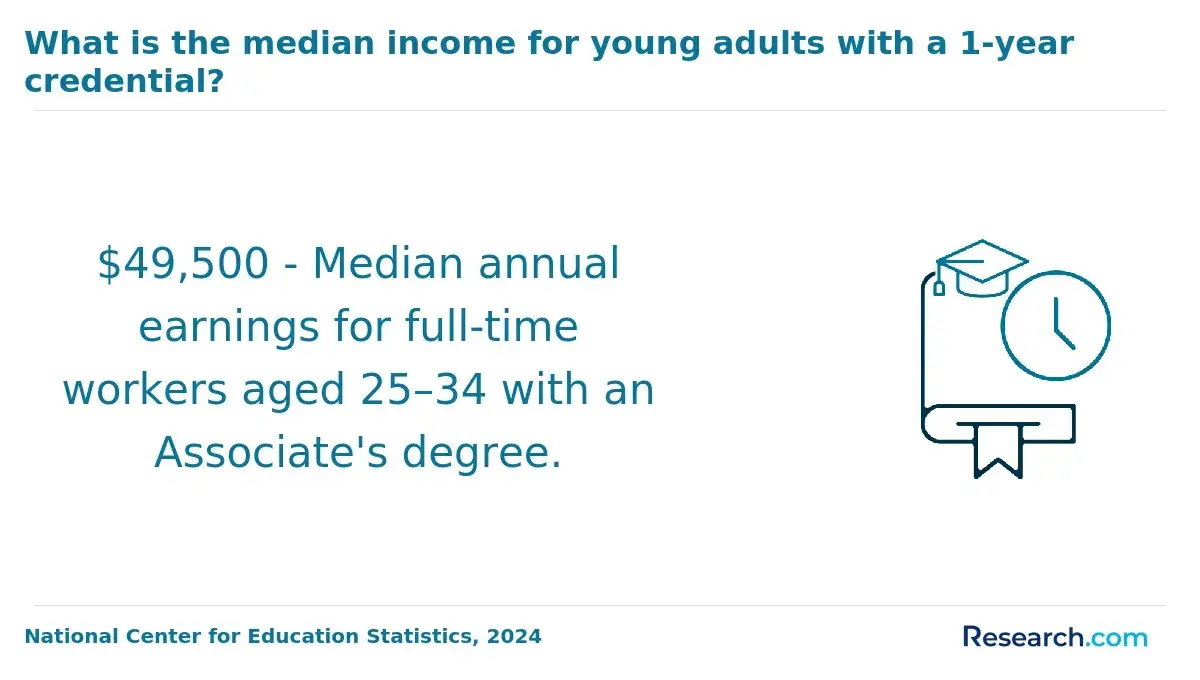
Salary outcomes in communication fields differ substantially depending on degree level, with bachelor's degree holders often positioned at a distinct advantage. Median earnings for those holding a bachelor's degree hover around $60,000 annually, a clear step up from associate degree or certificate holders who generally earn between $35,000 and $45,000, according to 2024 figures from the U.S. Bureau of Labor Statistics. However, this wage gap correlates with more than just education; geographic wage disparities and employer expectations for leadership or analytical skills heavily influence income potential. For many working adults or transfer students, the financial and time investment to progress from a certificate or associate credential to a bachelor's degree must be weighed against the likelihood of accessing roles with wider responsibilities and greater promotion prospects.
Advancing to a master's degree in communication typically brings additional salary premiums-median wages near $75,000-and may open niche opportunities in strategic, managerial, or specialized areas such as digital media or organizational communication. Despite this, the pursuit of graduate education demands consideration of ongoing costs, transfer credit limitations, and the balance between immediate employment stability versus long-term growth. Doctoral degrees usually target a smaller labor market focused on academia or consultancy, where pay may be high but jobs are fewer and more competitive. Professionals deciding whether to pursue advanced degrees must assess how local job markets, licensing requirements, and industry-specific skills influence not just pay but also job security and career momentum.
A recent communication graduate recalled hesitating before enrolling in a bachelor's program after seeing that certificates could secure entry-level roles faster and more affordably. After analyzing local job listings and connecting with employers, the graduate noticed entry-level pay caps and limited advancement for certificate holders, which contrasted with bachelor's degree openings that required more technical and managerial competence but offered clearer salary growth. This insight helped shape the decision to invest extra time and expense into the bachelor's pathway, despite initial uncertainty about balancing work, schooling, and finances, illustrating how pragmatic evaluation of real-world hiring practices can clarify earnings expectations by degree level.
Which Communication Degree Level Offers the Strongest Employment Prospects?
The strongest employment prospects in communication typically align with earning a bachelor's degree, which serves as a critical credential for accessing a broad range of professional roles. Employers often set this level as the minimum for positions requiring strategic thinking, complex messaging, and managerial capabilities, such as public relations specialists or corporate communication coordinators. For example, a bachelor's degree holder entering a mid-sized urban market is more likely to secure stable employment and start with a higher salary than a peer with only an associate degree, given lower unemployment rates around 2.6% versus 5.4% reported by the U.S. Bureau of Labor Statistics in 2024. However, associate degrees and certificates can facilitate quicker workforce entry, mainly into technician or assistant positions with more limited upward mobility and wage growth, which poses a tradeoff for those prioritizing immediate employment over long-term advancement.
Advanced degrees, including master's and doctorates, often improve eligibility for leadership, academic, or consulting roles that emphasize research, strategic communication, and management. These credentials reflect employer credential inflation in competitive sectors where specialized skills command higher median salaries but require extended education and financial investment. Unlike bachelor's programs, graduate degrees tend to embed more field experience and networking opportunities, crucial for breaking into senior roles, especially in metropolitan regions with concentrated media or corporate hubs. For working adults deciding between entering the job market sooner or continuing education while employed, understanding these dynamics can clarify whether the immediate income from a lower credential outweighs the potential for higher earnings and leadership access that graduate study may provide over time.
What Entry-Level Jobs Can You Get With a Communication Degree?
Entry-level communication careers and salaries vary markedly depending on the degree attained, prior experience, and demonstrated competencies. Bachelor's degree holders typically access positions demanding refined verbal and written skills-such as public relations specialists or corporate communications assistants-where adaptability and digital literacy are more critical than deep technical expertise. In contrast, associate degree or certificate holders usually enter the workforce through support roles like communication assistants or junior content creators, which often depend on familiarity with specific software and foundational multimedia skills. Candidates without internship portfolios or verifiable practical experience may find it challenging to compete, especially since nearly 70% of employers now prioritize documented internship exposure, according to 2024 hiring data.
Licensure is rarely a prerequisite for entry positions, but supplementary certifications in areas like digital marketing or project management can enhance employability and initial job placement outcomes. Geographic and sectoral demand differences also influence opportunity availability, with urban and tech-centric markets offering more remote or hybrid roles. Students and working adults weighing communication degree paths should consider how early roles function either as direct career starts or stepping stones requiring ongoing skill development. For those comparing associate, bachelor's, or certificate routes, realistic assessments about stability, skill-building potential, and prospects for graduate-level advancement are essential. This aligns with evidence reflecting that initial degree choice alone often matters less than continuous learning and early role performance, influencing long-term career mobility.
The practical landscape for communication degree entry-level jobs reveals important tradeoffs and pathways. While a bachelor's degree broadens options beyond basic roles, complementary experience often trumps credential level alone in increasingly competitive job markets. Career planning must balance the urgency of building robust internship portfolios, developing transferable skills, and selectively pursuing certifications where relevant. Prospective students might also explore adjacent fields or programs-like a construction management degree online-if their priorities include more technical or industry-specific skills alongside communication capabilities.
How Do Communication Degree Levels Affect Career Advancement and Promotion Opportunities?
Degree level in communication strongly shapes promotion potential by influencing eligibility requirements, skill development, and leadership readiness. According to recent data from the U.S. Bureau of Labor Statistics, nearly two-thirds of communication leadership roles require at least a bachelor's degree, with over a third preferring a master's or higher, signaling that advanced degrees often unlock access to strategic or managerial positions rather than just entry-level supervisory roles. While bachelor's graduates typically become eligible for mid-level promotions within five to seven years by leveraging foundational business and communication skills, those with graduate credentials often advance more rapidly due to specialized training aligned with leadership demands. However, possessing a higher degree alone does not guarantee progression; employers frequently weigh relevant experience, certifications, and demonstrated management capabilities alongside formal education, particularly in competitive sectors such as public relations and corporate communication.
For adult learners and working professionals, the decision to pursue a master's or advanced certificate hinges on balancing time and financial investment against accelerated career mobility and leadership opportunities. Transfer students or those with prior work experience may find credit pathways that reduce completion time, but they must assess if added qualifications substantively increase promotion prospects beyond their existing portfolio. Leadership roles in communication often require proven management experience, suggesting that accumulating practical skills while pursuing additional education can better position candidates. The trajectory and timeline of advancement therefore depend not only on degree level but on how education complements work history and employer expectations.
A communication graduate recalled hesitating before enrolling in a master's program while already managing a mid-level team in a nonprofit. Concerned whether the advanced degree would justify the cost and delay, they consulted supervisors who emphasized leadership experience over credentials but acknowledged that strategic roles frequently required a master's. Ultimately, completing the degree enhanced the graduate's confidence applying for senior positions, though the pace of promotion also relied heavily on internal openings and demonstrated results, underlining that advanced education supported but did not solely drive advancement.
Is a Communication Degree Worth It Based on Salary, Employment, and ROI?
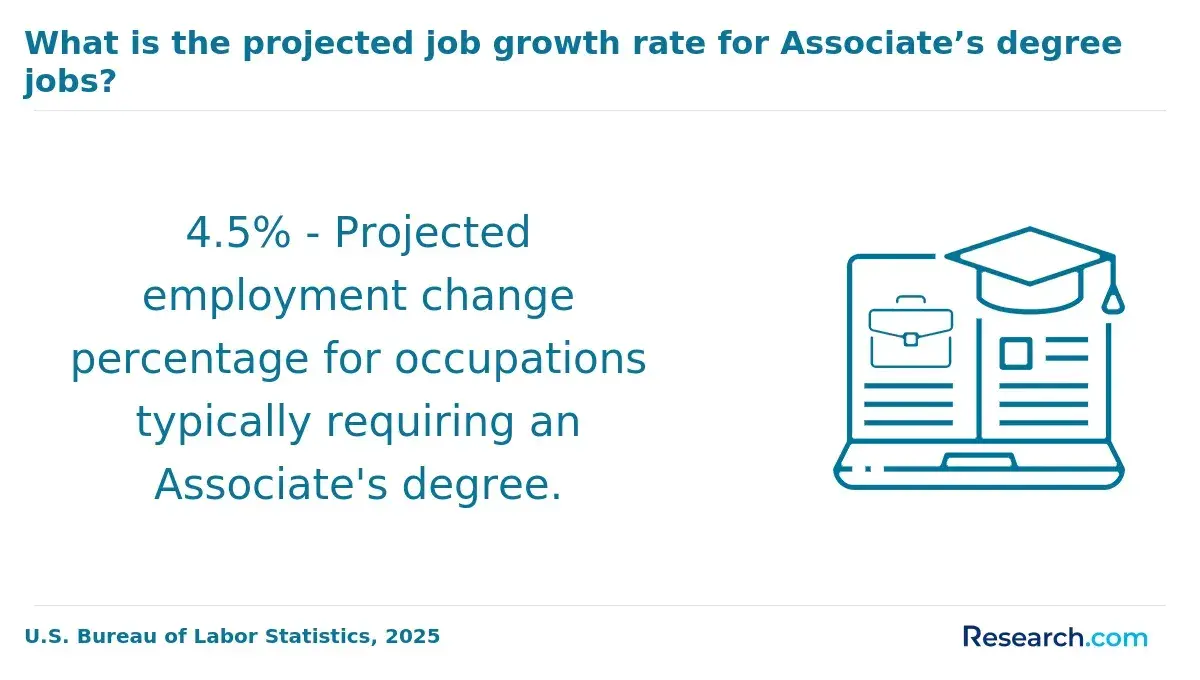
Salary and employment outcomes heavily depend on the level of education and the ability to leverage experience alongside a communication degree. For example, bachelor's degree holders typically see reasonable entry-level pay and stable job prospects in roles like public relations specialists, but may face challenges managing debt from varying educational costs, which impact the overall return on investment for communication degree graduates. Employers increasingly value candidates with complementary skills in analytics or digital media, making practical experience and targeted certifications critical for standing out in metropolitan job markets.
Higher degrees can open doors to managerial or specialized positions with higher salaries, yet the opportunity cost-including longer time-to-completion and increased tuition-must be weighed carefully, especially by working adults or military-affiliated students balancing multiple commitments. Career mobility often hinges more on demonstrated skills and portfolio strength than on degree credentials alone. Regional labor demands and employer preferences further complicate decision-making, suggesting that prospective students consider local hiring trends and practical graduate debt repayment scenarios before pursuing additional credentials.
For students seeking flexible program formats to fit busy schedules, exploring options like MFT online programs or accelerated communication degrees may reduce opportunity costs and improve completion rates. Ultimately, individuals-whether transfer students or degree completers-should critically assess how salary potential, employment stability, and advancement align with program expenses and career timelines to make informed decisions about investing in communication education.
How Do Associate, Bachelor's, Master's, and Doctoral Communication Degrees Compare?
Choosing the level of Communication degree to pursue requires weighing distinct trade-offs between initial workforce entry, long-term mobility, and leadership positioning. Associate degrees often serve as practical entry points for those seeking immediate, foundational roles but tend to cap wage and advancement potential without further study. For example, a worker balancing employment with education might use an associate credential's stackable credits to transition later into a bachelor's program, which statistically opens doors to roughly 81% employment within two years, according to 2024 College Scorecard data. Bachelor's programs also offer critical specialization and increased hiring demand, aligning closely with mid-level management expectations, but variation in program quality and delivery can influence outcomes markedly.
Master's degrees tend to suit individuals aiming for supervisory or consulting roles that require deeper expertise and leadership preparation in areas like strategic or organizational Communication. While these programs demand more time and financial resources, they can enhance employment stability and progression, with reported employment rates near 89%. Notably, certification opportunities gained alongside master's studies can augment credibility, though few Communication roles mandate licensure. Doctoral degrees, by contrast, primarily funnel graduates into academia, research, or high-level consultancy, where rigorous program length and lower completion rates reflect limited but highly specialized demand. For most industry careers, the practical advantage of a doctorate diminishes relative to the significant time investment, unless one's goals explicitly include tenure-track positions or strategic research roles.
Which Industries and Employers Hire Communication Graduates by Degree Level?
Employers differentiate hiring practices for communication graduates based on degree level, directly impacting role expectations and career trajectories. Associate degree holders often secure frontline positions in sectors like retail, hospitality, and nonprofits where practical communication skills suffice, but they may encounter limited advancement without further education. For example, a graduate working as a social media assistant in a nonprofit may find upward mobility restricted without a bachelor's degree or additional credentials valued by employers emphasizing strategic communication or digital proficiency.
Bachelor's degree graduates generally access mid-level roles in public relations firms, media companies, corporate communications, and government agencies, where analytical and technical competencies in digital tools are increasingly mandatory. These employers often prioritize comprehensive undergraduate training for positions like public relations specialists and technical writers, balancing content creation with strategic outreach. According to 2024 occupational data from the Bureau of Labor Statistics, this segment sees competitive entry points and moderate leadership pipelines, highlighting the tradeoff between credential level and functional responsibility.
Advanced degrees-master's and doctoral-open doors to leadership, research, and policy roles in academia, consulting, large corporations, and government agencies, where original research and strategic oversight are critical. Graduate credentials also signal readiness for complex organizational leadership; over 40% of senior communication directors hold advanced degrees per the National Center for Education Statistics. Certificates and professional credentials, often pursued alongside degrees, cater to niche specialties like digital marketing or crisis communication, favored by tech startups and fast-evolving industries prioritizing cutting-edge skills over traditional academic tenure.
What Skills, Credentials, and Experience Improve Communication Career Outcomes?
Employers increasingly prioritize communication degree skills for career advancement that demonstrate both technical proficiency and applied experience. Digital literacy, media production, and public speaking remain vital, but differentiation often hinges on credentials like project management or social media strategy certificates. For example, candidates combining a bachelor's degree with certifications tend to surpass peers in mid-level roles, especially when supported by portfolio evidence showing successful campaigns or projects. This combination directly affects promotion readiness and long-term employability, underlining that stacking relevant credentials enhances both initial hiring and internal mobility.
Experience through internships, apprenticeships, or leadership in student organizations critically supports translation of academic learning into workplace value. Working adults, transfer students, and military-affiliated candidates can leverage such applied opportunities to demonstrate teamwork, adaptability, and problem-solving-traits employers often weigh equally with formal education. Licensure, though less common, remains strategically important in niche areas like corporate communications or regulatory affairs, where it signals compliance expertise. For those navigating options between degree levels, practical credentials and robust portfolios can provide tangible advantages in career mobility beyond mere credit accumulation.
Communication graduates seeking to maximize outcomes must evaluate how credentials and experience boosting communication jobs align with their goals and market realities. Balancing prior industry exposure and academic credentials improves competitiveness, especially when combined with targeted certifications or experiential learning. Exploring an easy online MBA may also play a role in broadening leadership capabilities and pay potential. Success depends on strategic credential stacking and applied skills that meet specific employer demands rather than relying solely on traditional degree pathways.
Which Communication Degree Level Is Best for Your Career Goals?
Choosing the best communication degree level directly impacts workforce entry, pay, and long-term advancement, especially when balancing immediate employment against future specialization. For example, associate degrees can offer faster labor market access and lower upfront costs but typically limit advancement and specialization, often confining graduates to technical or support roles with fewer leadership opportunities. Bachelor's degrees remain the most common threshold for roles requiring foundational skills in public relations and media, providing moderate advancement potential but sometimes necessitating further education to meet employer credential expectations in competitive fields.
Advancing to a master's degree often proves decisive for professionals targeting specialized communication sectors or managerial roles, as it aligns with many employers' preferences for advanced qualifications and enhances stability in employment. However, this path demands more time and financial investment, unlike some accelerated options linking transfer credits for affordable online MBA programs, which can reduce opportunity costs for working adults. Doctoral degrees suit those focused on research or academia but represent a strategic choice given their extended completion time and limited direct industry applicability. Analyzing communication degree career advancement opportunities through this lens helps prospective students, transfer learners, and working professionals make data-driven decisions that reflect real-world workforce needs.
Ultimately, selecting the best communication degree level for employment involves weighing immediate workforce entry against the need for advanced specialization and leadership eligibility. In many cases, combining degree completion with strategic credit transfer and ongoing professional development maximizes career mobility and mitigates debt-to-earnings risks, underscoring the importance of thorough planning supported by authoritative data sources like the National Center for Education Statistics and the Bureau of Labor Statistics.
References
- Communication Skills that will advance your career https://dcmlearning.ie/blog/communication-skills-that-will-advance-your-career.html
- Marketing and Communication Degree Careers and Salary in Europe - StudyinEurope.eu https://www.studyineurope.eu/marketing-communication/marketing-communication-degree-careers-salary-europe/
- Communications Degree Job Outlook 2026: Career Tips & Data https://www.mastersincommunications.org/communications-degree-job-outlook/
- How Much Money Do Communications Majors Make? - Priceonomics https://priceonomics.com/how-much-money-do-communications-majors-make/
- Top Communication Skills for Resumes in 2026: Examples & Tips https://www.foundit.id/career-advice/top-communication-skills-for-resume/
- Types of Entry-Level Jobs for Communications Majors | Career Advice & Interview Tips | WayUp Guide https://www.wayup.com/guide/types-entry-level-jobs-communications-majors/
- Careers in Communication: What Can You Do With a Degree in Communications? https://www.mastersincommunications.com/features/careers-in-communication
- Is College Worth it? | Return on Investment Analysis of College Degree https://educationdata.org/college-degree-roi
- Difference Between Undergraduate, Graduate and Postgraduate (2026) | ScholarshipOwl https://scholarshipowl.com/blog/guides/difference-between-undergraduate-graduate-and-postgraduate/
- Jobs for Communications Graduates: Top 12 Best Across Industries https://www.betterup.com/blog/jobs-for-communications-graduates
Other Things You Should Know About Communication
The intensity and format of hands-on learning vary notably by degree level. Bachelor's programs typically balance theory with applied projects but may lack the specialized internships or practicum experiences found in master's programs, which often expect students to engage directly with industry contexts. For those prioritizing employer-ready skills, a master's degree with built-in practical assignments and networking opportunities usually offers stronger preparation than lower levels, though it demands greater time and financial investment.
Many communication employers value real-world experience at least as much as academic credentials, especially for mid-level roles. While advanced degrees can differentiate candidates for strategic or research-focused positions, practical accomplishments such as portfolio work, internships, or certifications often have equal or greater impact in hiring decisions. Candidates should weigh whether investing time in advanced study outweighs gaining diverse, demonstrable experience that aligns directly with target job functions.
Accelerated bachelor's programs may reduce time-to-degree but often compress coursework and practical assignments, potentially limiting opportunities for deep skill-building or experiential learning. Traditional timelines provide more space for internships, extracurricular communications projects, and networking, which are critical for early-career advancement. Students must balance the appeal of faster completion with the risk that a condensed program might not equip them as thoroughly for complex communication roles.
Master's degree holders in communication often face pressures to continuously update skills and adapt to evolving technologies while balancing responsibilities in dynamic roles, which can offer diverse advancement paths but require ongoing upskilling. Doctoral graduates, meanwhile, frequently encounter career expectations centered on research leadership, teaching, or high-level consulting that demand significant time commitment to scholarship alongside professional duties. Prospective students should consider whether they prefer the broader, practice-oriented advancement options of a master's or the specialized, often more demanding trajectory of a doctorate.