2027 Communication Degree Enrollment Trends by Age Group: Traditional Students vs Adult Learners

Co-Founder and Chief Data Scientist
Distinct age-based enrollment patterns in communication degree programs reflect shifting industry demands and credentialing dynamics. Traditional students, typically aged 18 to 24, often enroll in response to evolving digital media skills requirements, with 62% entering fields emphasizing social media and multimedia storytelling. Adult learners, generally 25 and older, increase enrollment driven by workforce reentry and credential inflation, especially as many communication roles now require portfolios and specialized certifications.
These divergent pathways expose tensions between practical experience and formal education. The age distribution highlights a growing bifurcation in career preparation approaches, signaling evolving employer expectations and potential challenges in educational accessibility for nontraditional candidates.
Key Things to Know About Communication Degree Enrollment Trends by Age Group
- Traditional college-age students dominate enrollment due to fewer life obligations but face limited workforce experience, impacting employer perception of their practical Communication skills.
- Adult learners often encounter higher costs and longer completion timelines, reflecting tradeoffs between immediate income needs and educational investment in Communication degrees.
- Employers increasingly value portfolios and applied experience from older Communication graduates, indicating a shift toward holistic candidate evaluation beyond formal credentials.
- Key Things to Know About Communication Degree Enrollment Trends by Age Group Key Things to Know About Communication Degree Enrollment Trends by Age Group
- Which Age Groups Represent the Largest Share of Communication Students? Students by Age Group
- Why Do Traditional Students Choose Communication Degree Programs? Traditional Students
- Why Do Adult Learners Return to School for a Communication Degree? Adult Learners
- How Do Academic Goals Vary Between Younger and Older Communication Students? Academic Goals by Age Group
- How Do Financial Concerns Differ Between Traditional Students and Adult Learners? Financial Concerns by Age Group
- What Challenges Do Adult Learners and Traditional Students Face While Earning a Communication Degree? Student Challenges by Age Group
- How Does Age Affect Communication Degree Student Retention? Age and Student Retention
- Which Communication Specializations Are Most Popular Among Adult Learners? Top Specializations for Adult Learners
- How Does Age Affect Job Opportunities for Communication Graduates? Impact of Age in Job Opportunities
- What Do Current Communication Enrollment Trends Reveal About Future Demand? What Do Current Communication Enrollment Trends Reveal About Future Demand?
Which Age Groups Represent the Largest Share of Communication Students?
Communication programs draw students across a wide age spectrum, but enrollment tends to cluster within distinct age groups shaped by career timing, financial capacity, and educational access. These patterns reflect broader workforce dynamics rather than mere academic preference, with the distribution influenced by when individuals enter the labor market, shift careers, or seek flexible educational pathways.
Understanding these demographic trends provides clearer insight into who enrolls in communication studies and why certain age cohorts dominate.
- Ages 18-24: This traditional college-aged cohort forms the largest share of communication students, often enrolling immediately after high school. Their focus is typically on obtaining foundational credentials that facilitate early career entry in fields like media, marketing, and public relations. Clear career objectives and fewer outside obligations allow this group to commit to full-time study, making them the core demographic in many undergraduate communication programs.
- Ages 25-34: Many in this segment are adult learners returning to education to refine skills or pivot professionally. Their enrollment reflects workforce reentry or advancement motives, often balancing part-time study with full-time employment. The growing availability of flexible schedules and online options caters to their needs, but competing responsibilities can extend time to completion and influence program choice.
- Ages 35-44: Representing a smaller but meaningful portion, learners in this age range typically pursue communication degrees for leadership development or specialization. They face intensified challenges juggling work, family, and education, prompting a preference for scalable programs that accommodate these realities. Employers value their mix of practical experience and formal training, especially in management-level communication roles.
- Ages 45 and older: This group accounts for the smallest share of communication students and often engages in education episodically to support career transitions or late-stage upskilling. Financial considerations, time constraints, and the shifting cost-benefit calculus of degree attainment tend to reduce enrollment rates here. Nonetheless, targeted programs designed with flexibility continue to attract learners seeking niche advancement opportunities.
The demographic distribution of communication students by age highlights structural forces such as economic pressures, workforce reentry patterns, and education system adaptations. Younger students prioritize immersive academic experiences, while adult learners rely increasingly on modular, flexible options. This dynamic trail echoes recent findings in higher education trends showing how life stage influences enrollment motivation and modality preference.
For those exploring degree options, it is critical to weigh how program accessibility aligns with individual career timelines. Adult learners, in particular, may benefit from understanding how certain programs accommodate working professionals without sacrificing credential value. Research in related fields points to the rise of specialized, accelerated paths, exemplified by MSW programs that demonstrate increasing demand across healthcare systems, underscoring the broader trend toward expedited, flexible education for career-focused adult students.
Why Do Traditional Students Choose Communication Degree Programs?
Traditional students frequently select communication degree programs driven by a mix of academic curiosity and early career exploration. The degree's capacity to signal versatile skills in writing, messaging, and media relations aligns well with many employer expectations, making it a strategic choice for those mapping initial career pathways.
Furthermore, communication programs often serve as a foundation for students undecided between creative and analytical tracks, offering a flexible curriculum that supports diverse professional outcomes. According to a 2024 report by the National Center for Education Statistics, nearly 28% of communication graduates are recent high school entrants, highlighting how this demographic strategically leverages the benefits of communication degrees for traditional students to build broad skill sets applicable across industries.
Beyond intrinsic academic interests, enrollment trends among traditional students reflect systematic influences including university recruitment strategies, counseling advice, and early exposure to communication-related subjects in secondary or early college education. Many high school guidance counselors and college advisors emphasize communication programs as accessible degrees with stable middle-skill labor market prospects, especially given increasing demand across corporate, marketing, and digital media sectors.
These academic pathways often provide structured internships and experiential learning, which appeal to students prioritizing early professional networking and practical experience. When selecting majors, traditional student motivations for communication majors are also shaped by peer effects and perceptions of program availability, with many viewing communication as a pragmatic balance between employability and intellectual engagement.
For those exploring alternatives, options like an online criminal justice degree may offer viable pathways, but the relative accessibility and interdisciplinary nature of communication studies remain a significant draw.
Why Do Adult Learners Return to School for a Communication Degree?
Adult learners returning to school for a communication degree often do so with strategic career shifts or wage advancement in mind, targeting roles that demand enhanced interpersonal and managerial skills. Unlike traditional students primarily seeking entry-level qualifications, these learners pursue education to meet explicit labor market requirements, such as transitioning into management, marketing, or human resources sectors where communication expertise is critical.
This pragmatic approach reflects a need to formalize previously acquired skills, adapt to evolving workplace expectations, and overcome credential inflation that increasingly prioritizes verified competencies over experience alone.
Broader factors supporting enrollment include employer-sponsored tuition assistance programs and the widespread availability of flexible online communication courses, which accommodate adult learners balancing work and personal responsibilities. Additionally, ongoing shifts in industry standards-emphasizing digital literacy, cross-cultural negotiation, and media literacy-push adults to update their skills continuously.
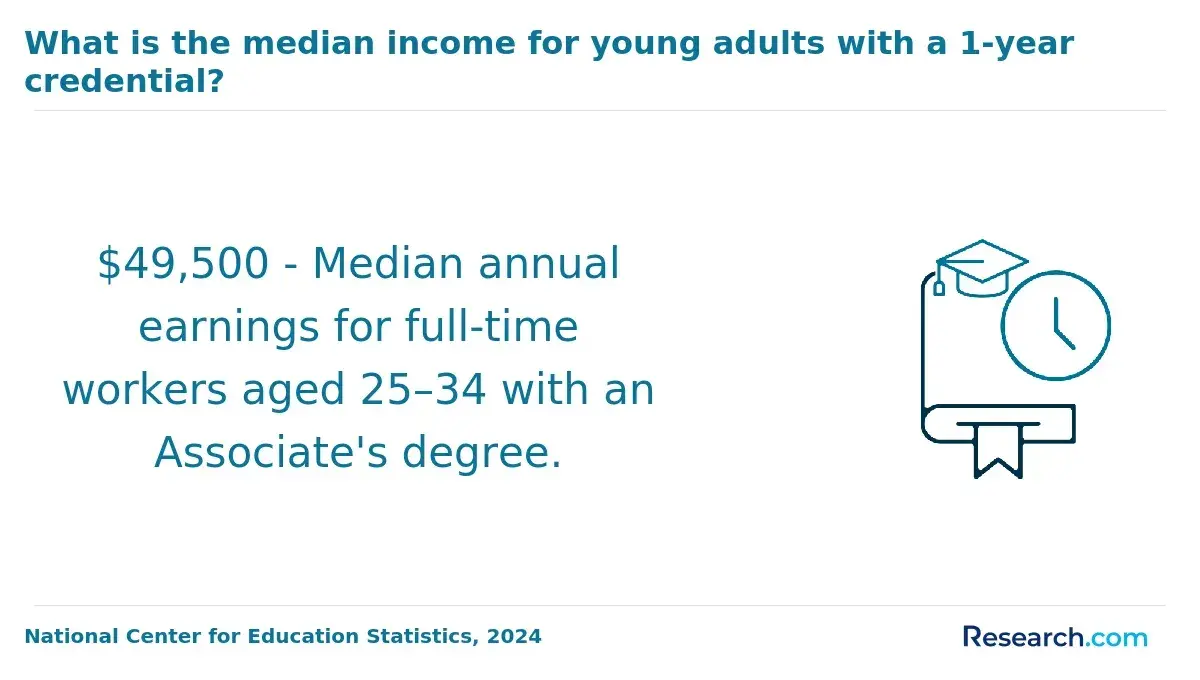
A 2024 report from the National Center for Education Statistics notes that close to 40% of adult students select programs with directly applicable vocational skills, underscoring the role of communication degrees in addressing practical workforce demands in a competitive labor environment.
How Do Academic Goals Vary Between Younger and Older Communication Students?
Younger communication students generally approach their studies with a broad, exploratory focus aimed at mastering foundational concepts and demonstrating versatility in theory and practice. Their academic goals often include building essential skills applicable to a variety of entry-level roles or preparing for advanced degrees, with roughly 62% expressing intent to pursue graduate education or careers in media and related fields.
This phase of their education prioritizes full-time enrollment and engagement in internships or extracurricular opportunities to deepen experiential learning and professional networking, reflecting a longer-term investment in career development without immediate pressure to balance work or family demands.
In contrast, older communication students typically engage with academic programs to address specific career milestones such as transitioning to new roles, updating skills for workplace relevance, or obtaining credentials that directly enhance job prospects. Their priorities skew toward flexible, career-oriented coursework designed to fit alongside existing employment and personal responsibilities, as evidenced by 71% preferring part-time or hybrid formats.
These students often treat their education as a strategic tool for measurable workplace advancement rather than broad exploration, reflecting a pragmatic approach aligned closely with current labor market needs and time-limited educational commitments.
One adult learner recounted the challenge of navigating rolling admissions amidst a busy schedule; initially uncertain about application timing due to work demands, they hesitated to submit materials early. As deadlines approached, the pressure intensified, prompting late-night preparation and close communication with admissions staff to confirm missing documents.
Although the process was stressful, this learner ultimately found that the program's flexible intake options accommodated delays, underscoring how adult students frequently negotiate administrative timing alongside competing personal priorities.
How Do Financial Concerns Differ Between Traditional Students and Adult Learners?
Traditional students, typically aged 18 to 24, navigate financial challenges shaped by limited personal income and dependency on external support. Their enrollment in communication programs often hinges on balancing tuition costs with living expenses, frequently relying on family assistance, part-time work, and federal student loans. A 2024 report by the National Center for Education Statistics found that about 60% of these students depend on federal aid, underscoring their reliance on external funding sources.
Their financial decision-making frequently involves weighing long-term debt implications against potential earnings gains, which influences how they approach the tuition and funding differences between younger and adult communication learners.
Adult learners face a distinct financial landscape, balancing ongoing family obligations like mortgages and childcare while managing the opportunity cost of lost wages due to reduced work hours or class attendance. Unlike younger students, they are less likely to rely heavily on loans and often use personal savings or employer tuition assistance; a 2024 Postsecondary Education Research Institute survey reported that 45% of these learners benefit from employer-sponsored tuition programs.
This financial behavior reflects a strategic, life-stage-informed approach to managing education expenses and opportunity costs, which tend to be approximately 30% higher for adult learners compared to traditional students. These differences highlight the importance of understanding the specific financial pressures and priorities affecting different student populations pursuing communication degrees.
These financial distinctions significantly influence enrollment patterns and program selection, with many adult learners favoring accelerated or part-time options to minimize costs and lost income. Traditional students, conversely, may pursue more conventional on-campus programs with different scheduling flexibility.
Evaluating the long-term return on investment and tailoring funding strategies accordingly is critical, especially as prospective students consider educational pathways like an online master in data science or communication, where practical financing behavior and opportunity cost analysis shape persistence and completion outcomes.
What Challenges Do Adult Learners and Traditional Students Face While Earning a Communication Degree?
Traditional students pursuing a communication degree often confront the challenge of transitioning into an academic environment that demands disciplined study habits and effective time management. For many aged 18 to 24, balancing coursework with newly introduced social and extracurricular activities complicates their ability to allocate sufficient focus on demanding assignments and group projects typical of communication programs.
Approximately 42% of traditional undergraduates identify managing these competing demands as a principal obstacle, underscoring the struggle to synchronize academic rigor with personal growth during this life stage. Financial pressures further compound these difficulties, as around 60% of this group undertake part-time employment to offset rising tuition costs, which can detract from sustained academic engagement.
Adult learners, generally aged 25 and above, face a distinct set of barriers shaped by competing responsibilities outside the classroom. Juggling full-time employment and family care significantly restricts available study time, with over two-thirds reporting these obligations impede consistent class attendance and preparation. Returning to academia after a break introduces challenges in adapting to evolving technologies and classroom dynamics, often contrasting with their prior educational experiences.
Additionally, adults tend to rely less on traditional financial aid, frequently depending on employer tuition assistance or personal funds, influencing their academic persistence and program accessibility within communication studies.
Institutions increasingly recognize these divergent needs, prompting adaptations in support structures and learning formats to bolster degree completion rates. Flexible scheduling, expanded access to resources beyond conventional hours, and tailored advising systems are becoming crucial to accommodate time-constrained adult students while simultaneously addressing the developmental and career exploration needs of younger learners.
These differentiated approaches reflect an understanding that persistence and success in communication programs hinge on aligning educational delivery with the unique lifecycle constraints and experiential realities of each student demographic.
How Does Age Affect Communication Degree Student Retention?
Younger students pursuing Communication degrees often encounter retention obstacles tied to transitional phases that extend beyond academics. These students must adjust to new social and institutional expectations while still clarifying their professional goals, which can create uncertainty about the relevance of their studies. Early engagement with coursework and campus resources is critical but not always realized, as competing social pressures and exploration of independence can dilute academic focus.
According to the National Center for Education Statistics in 2024, retention among traditional-age Communication students after the first year hovers near 55%, reflecting these complex adjustment challenges.
Adult learners in Communication programs typically maintain higher retention rates due to a more focused, goal-oriented approach, yet their persistence is frequently mediated by competing demands from family and employment. These students often enroll part-time or in flexible online formats, requiring strong self-management skills and resilience to overcome schedule conflicts. Institutional support tailored to nontraditional learners-including counseling and flexible deadlines-plays a vital role in sustaining their progress.
Data from the Postsecondary Education Research Center in 2024 highlights retention rates surpassing 70% among adult learners who successfully navigate these intertwined responsibilities and program structures.
A recent graduate recalled grappling with the rolling admissions timeline while balancing a full-time job and family before starting a Communication degree. They hesitated to submit applications early, concerned about readiness and the potential financial strain of committing too soon. The uncertainty extended their decision-making period, until a late admission offer provided an unexpected relief and allowed them to adjust personal responsibilities to align with the program's start.
This experience underscored how age-related considerations around timing, preparation, and institutional flexibility directly affect retention even before enrollment begins.
Which Communication Specializations Are Most Popular Among Adult Learners?
Adult learners enrolling in communication degree programs typically select specializations that offer clear value in terms of career mobility, skill enhancement, and immediate applicability to their current or target roles. Many adults prioritize pathways that support salary advancement or facilitate transitioning into new industries, reflecting a pragmatic focus on employability rather than purely academic interests. These preferences contrast with traditional students, who may lean toward broader or more theoretical concentrations.
This pattern underscores the importance of labor market alignment for adult students seeking specialized communication degrees designed to enhance professional outcomes.
- Public relations and organizational communication: This specialization attracts adult learners aiming to leverage experience in managing corporate messaging and stakeholder relations. It aligns well with roles requiring crisis communication and brand management, areas that directly impact organizational reputation and employee engagement, often resulting in measurable career and salary growth.
- Digital media and social media communication: With the ongoing digital transformation, adults gravitate to this field to update technical skills critical for content strategy, platform analytics, and online engagement. Enrollment in these tracks for learners aged 25 and older has increased by 15% since 2021 according to the National Center for Education Statistics, indicating strong workforce demand for digital competencies.
- Corporate communication: Professionals seeking leadership positions favor this area due to its focus on internal communication, corporate social responsibility, and culture-building initiatives. Such expertise supports both upward mobility and broader influence within organizations.
- Health communication: This specialization appeals to adults in healthcare and nonprofit sectors, addressing the need for effective messaging in complex, regulated environments. It provides a pathway for those aiming to align communication strategies with patient education and public health goals.
- Intercultural communication: Adult learners working in multinational or diverse workplace settings often select this option to improve cross-cultural competence, essential for global collaboration and inclusive organizational practices.
Adult learners' specialization choices often reflect their professional experience and goals focused on applied skills that employers value. They seek programs that offer a balance between upskilling for immediate job relevance and long-term career reinvention, a dynamic that shapes enrollment trends among those pursuing communication specialization preferences for adult learners. Understanding these priorities is critical for education providers and workforce planners alike.
The most sought-after communication degrees for career changers emphasize practical application and industry alignment rather than purely academic theory. For those interested in how specialized education can influence earning potential and career shifts, exploring data such as the artificial intelligence degree salary trends can provide valuable context on niche, high-demand fields and comparable outcomes.
How Does Age Affect Job Opportunities for Communication Graduates?
Younger communication graduates generally gain access to a wider range of entry-level jobs, internship pipelines, and early hiring programs, driven by employer preferences for recent graduates under 25 who demonstrate adaptability and digital fluency. Many employers associate this demographic with longer-term development potential, resulting in hiring patterns that favor their flexibility in junior roles. According to a 2024 report by the National Association of Colleges and Employers (NACE), 62% of employers prioritize younger graduates for junior communication roles, highlighting the labor market's segmentation favoring early-career entrants.
These dynamics shape availability and competition intensely, affecting typical career entry timing and job opportunity breadth for traditional students pursuing a communication degree job prospects by age group.
In contrast, older communication graduates tend to rely more heavily on accrued professional experience and transferable skills that offset their later career start. Employer perceptions can range from valuing their established networks and consulting capabilities to skepticism about career change motives, which complicates hiring outcomes.
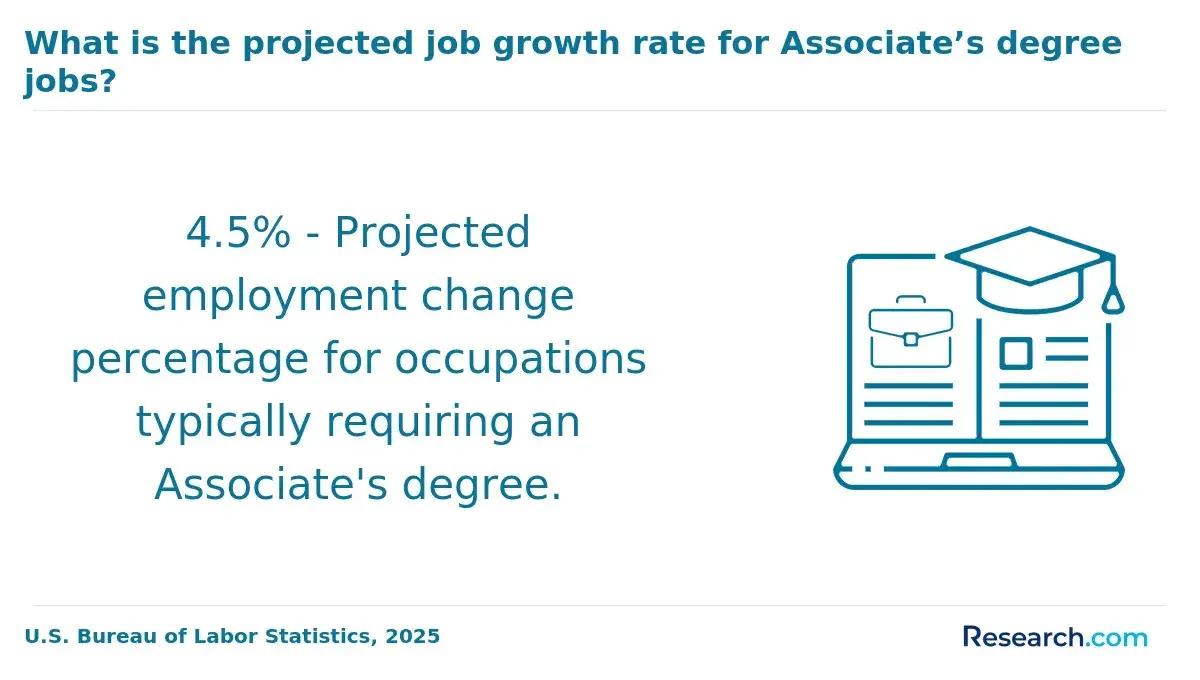
The U.S. Bureau of Labor Statistics notes that adult learners with communication degrees are 40% more likely to move into managerial or consulting positions within five years, indicating a different trajectory driven by experience rather than entry-level access. These practical realities influence how career advancement opportunities for adult communication graduates unfold, often making them competitive in mid-level roles despite potential biases.
For those evaluating program accessibility, considering these distinctions alongside potential academic pathways such as an animal science degree online highlights the importance of aligning educational decisions with long-term workforce strategies.
What Do Current Communication Enrollment Trends Reveal About Future Demand?
Shifting enrollment patterns in communication degree programs reflect evolving student priorities and changing perceptions of career value within the field. While traditional college-age students remain the largest cohort, there is a notable rise in adult learners seeking communication credentials, often driven by immediate workforce applicability rather than long-term academic pursuit. This demographic shift signals growing recognition of communication's role in diverse professional contexts, including digital media and organizational leadership.
According to the National Center for Education Statistics, adult learner enrollment has increased by nearly 12% from 2022 to 2024, reflecting broader demand for flexible, skills-oriented education that aligns with varied life circumstances and career trajectories.
These enrollment trends correspond with labor market signals emphasizing adaptability and specialized competencies, such as digital literacy and intercultural communication, increasingly valued by employers. The expanding online and hybrid program offerings respond to these needs by accommodating nontraditional students balancing work and study. Anticipated growth in communication programs is tied to ongoing industry expansion and workforce shortages requiring professionals who combine practical experience with academic rigor.
As a consequence, institutions are likely to further diversify program specializations and delivery methods, aligning educational pathways with real-time employer demands and signaling sustained long-term relevance for communication degrees.
References
- REACHing for more: How Higher Education Can Better Serve Adult Learners by Addressing Time Poverty - Education Strategy Group https://edstrategy.org/reaching-for-more-how-higher-education-can-better-serve-adult-learners-by-addressing-time-poverty/
- Master’s in Communication Specializations and Concentration Options https://www.mastersincommunications.com/specializations/
- The Impact of Communication & Why You Should Choose Communication as Your Degree https://sureexpo.com.my/post/the-impact-of-communication-why-you-should-choose-communication-as-your-degree
- Adult Postsecondary Learners: Reviewing the Data and Evidence https://www.jff.org/idea/adult-learners/
- How Higher Education Institutions Can Address the Needs of Adult Learners https://www.higheredtoday.org/2022/04/18/how-higher-education-institutions-can-address-the-needs-of-adult-learners/
- The Future of Business Communication: Key Trends Shaping 2026 - Trustsignal https://trustsignal.io/the-future-of-business-communication-key-trends-shaping-2026/
- Communications Degree | Communications Major https://www.collegeadvisor.com/resources/communications-degree/
- Communication Skills for Different Age Groups https://www.planetspark.in/communication-skills/communication-skills-for-different-age-groups
- The Future of Campus Communication: Trends in 2025 https://moderncampus.com/blog/the-future-of-campus-communication-trends-in-2025.html
- Why Do Adults Go Back to School? | University of Bridgeport https://www.bridgeport.edu/news/reasons-why-adults-go-back-to-school/
Other Things You Should Know About Communication
Adult learners typically require more flexible scheduling options due to work and family commitments, which makes fully online or hybrid communication programs more appealing and realistic for this group. Traditional students, while often valuing campus experiences, may find that rigid class schedules do not align with other life priorities as much as adult learners do. Choosing a program without adequate flexibility can significantly hinder adult learners' ability to complete their degree on time, suggesting that prospective students over 25 should prioritize programs with asynchronous coursework and rolling admissions to balance learning with external responsibilities.
Employers often perceive communication graduates who complete their degree later in life as having more work and life experience, which can offset a less traditional academic trajectory. However, adult learners may face skepticism about the relevance of their academic credentials if not reinforced by up-to-date technical skills in digital media or analytics, areas highly valued in communication roles. For younger graduates, fresh academic exposure can signify cutting-edge knowledge but limited practical experience. Those pursuing degrees as adult learners should therefore carefully include skills that demonstrate both current industry trends and experiential insight to align with employer expectations.
Traditional students often prefer structured environments and in-person instruction, aligning with their recent high school experiences. In contrast, adult learners typically seek flexible, self-paced options to accommodate work and family commitments, favoring online and hybrid models that allow them to integrate learning with existing responsibilities.
While accelerated communication degrees appeal for their speed, adult learners may face heightened stress juggling pacing with external job and family demands, potentially compromising comprehension and practical skill development. Longer programs offer more breathing room for applying concepts in workplace contexts, enhancing integration of academic theory with real-world communication challenges. For adult learners aiming to maximize professional impact, prioritizing programs that offer a balanced timeline with experiential learning opportunities typically results in stronger long-term outcomes than simply opting for the fastest path to graduation.