2027 Communication Degree Outlook Through 2030: Enrollment, Salary, and Hiring Projections

Co-Founder and Chief Data Scientist
Deciding whether to pursue or continue a communication degree requires analyzing how enrollment trends, salary movement, and hiring demand intersect with shifting employer expectations and regional opportunity. For example, while nationwide enrollment in communication programs grew by over 5% between 2022 and 2024, this surge has intensified graduate competition, particularly in saturated urban markets. Meanwhile, hiring projections indicate varied industry demand, with growth concentrated in digital media roles but limited openings in traditional sectors. Salary data alone obscures these disparities and overlooks emerging credentials influencing employability. This article will explore communication enrollment, salary patterns, hiring projections, industry demand, geographic opportunity, and workforce changes through 2030 to help readers make better-informed education and career decisions.
Key Things to Know About the Communication Degree Outlook Through 2030
- Enrollment in communication programs has plateaued since 2024, reflecting saturated undergraduate supply that may pressure graduates to pursue niche specializations or advanced degrees for differentiation.
- Employers increasingly prioritize digital literacy and AI-interaction skills among communication graduates, signaling that traditional communication expertise alone may limit hiring prospects in evolving industries.
- Rising tuition costs and extended time-to-degree due to program complexity create access barriers, disproportionately affecting diverse populations and delaying workforce entry despite stable mid-career demand.
- Key Things to Know About the Communication Degree Outlook Through 2030 Key Things to Know About the Communication Degree Outlook Through 2030
- How is Communication Degree Enrollment Expected to Change Through 2030? Enrollment Trends Through 2030
- How Many Communication Graduates Will Enter the Workforce by 2030? Graduate Workforce Entry Projections
- What Are the Hiring Projections for Communication Graduates Through 2030? Hiring Projections Through 2030
- Which Communication Careers Will Experience the Most Job Growth? Fastest-Growing Career Paths
- What Is the Salary Outlook for Communication Graduates Through 2030? Salary Outlook Through 2030
- Which Industries Will Hire the Most Communication Graduates by 2030? Top Hiring Industries
- Where Will Demand for Communication Graduates Be Strongest? Strongest Geographic Demand
- Which Communication Specializations Will Be Most in Demand by 2030? Which Communication Specializations Will Be Most in Demand by 2030?
- How Will AI and Technology Affect Communication Careers Through 2030? How Will AI and Technology Affect Communication Careers Through 2030?
- Is a Communication Degree Worth Pursuing Based on 2030 Projections? Degree Value Through 2030
How is Communication Degree Enrollment Expected to Change Through 2030?
Enrollment trends in communication degree programs through 2030 reflect nuanced shifts shaped by labor market demands and educational delivery models rather than uniform growth. While a moderate increase in program applicants is projected, institutions must adapt to rising employer expectations for interdisciplinary skills combining communication with data analytics and digital marketing. For example, universities expanding online and hybrid offerings are better positioned to attract nontraditional students balancing career and education, enabling sustained enrollment despite tuition pressures and demographic variability. This evolution influences admission competition and specialization options, concentrating growth in programs with integrated technology and strategic messaging while traditional communication curricula may contract.
The forecast for communication program applicants through 2030 also highlights potential imbalances in graduate supply relative to workforce demand. Larger universities with resources to innovate curricula may produce graduates well-suited for evolving roles in corporate communication and digital media, whereas smaller programs risk enrollment declines or oversaturation in local job markets. This dynamic creates practical implications for prospective students weighing program availability against long-term employability, particularly as demographic shifts favor adult learners over recent high school graduates. Those exploring advanced degrees should assess the interplay between program focus, market saturation risk, and their own alignment with converging communication and digital skill sets, keeping in mind recent data from the National Student Clearinghouse indicating a 1.5% average annual growth rate in undergraduate enrollment nationally.
How Many Communication Graduates Will Enter the Workforce by 2030?
Graduate volume in communication fields is only one factor influencing workforce opportunities; the interplay of program growth, demographic trends, and labor market dynamics creates a more complex picture. Degree completions are rising modestly-at about 2% annually-fueled partially by expanding online programs and interest in specialties like digital media and strategic communication, which broadens the talent pipeline. Yet, not every graduate directly enters relevant careers since some pursue further education, transition across industries, or delay employment. Consequently, while roughly 120,000 to 130,000 new communication graduates may emerge yearly by 2030, actual labor market entrants will be somewhat fewer, competing in a landscape where demand varies significantly by specialty and region.
The labor market is shifting toward roles emphasizing digital content, social media, and data analytics, signaling uneven demand within communication fields. This produces tradeoffs for graduates: those without relevant experience or skills may face underemployment or be drawn to jobs that underutilize their degrees. The Bureau of Labor Statistics projects 8% employment growth in related occupations through 2030-slightly above average-but this growth concentrates unevenly. For students and career professionals, understanding these nuances is crucial, as oversaturation risks persist in more traditional areas like print journalism, illustrating that more graduates do not automatically translate into better career outcomes.
As a recent communication graduate finishing in 2024 described it, entering recruitment pipelines amid rising graduate numbers felt daunting. Though their program's online flexibility allowed steady progress, they faced a job search marked by intense competition, particularly for roles involving integrated digital strategies. Early applications revealed that having internships and analytics skills was often decisive, and while cautious about increased supply, they remained optimistic by targeting emerging niches tied to corporate communications. This experience highlights how the expanding graduate pool shapes practical hiring realities, requiring calculated choices amid a nuanced supply-demand balance approaching 2030.
What Are the Hiring Projections for Communication Graduates Through 2030?
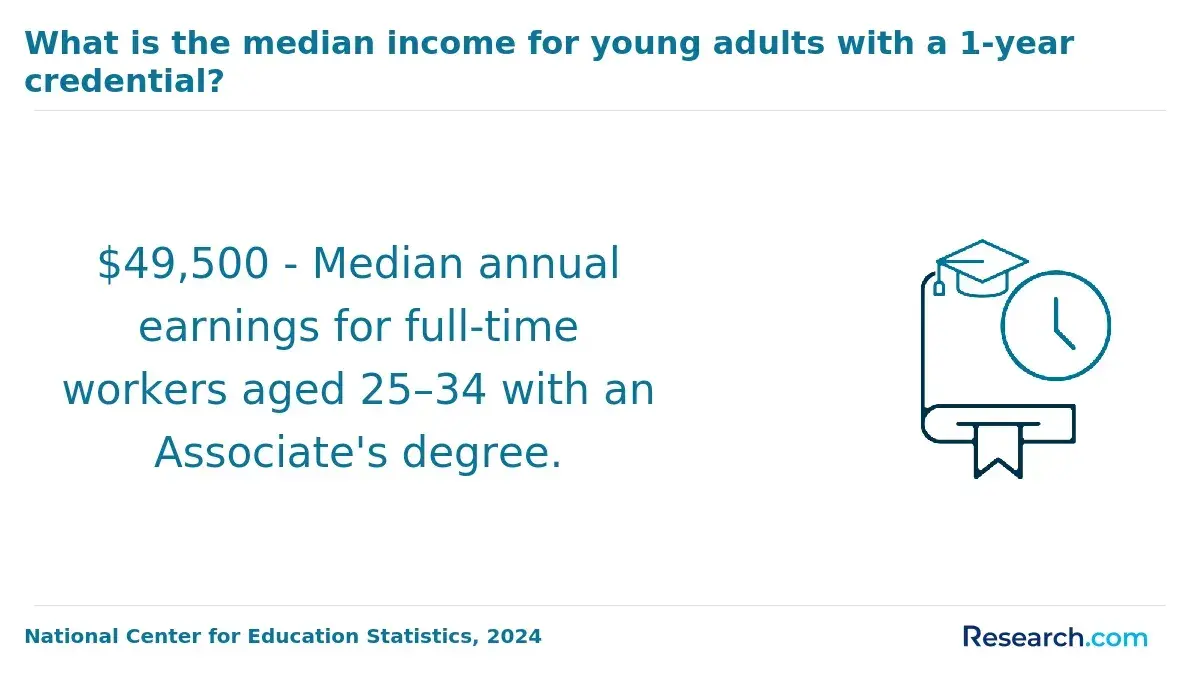
Projected employer demand for Communication graduates through 2030 appears moderate but uneven, influenced heavily by industry-specific trends and evolving skill requirements rather than broad economic growth. According to 2024 data from the U.S. Bureau of Labor Statistics, roles linked to Communication degrees-such as public relations specialists and technical writers-are expected to grow around 6%, aligning with average occupational growth rates. However, this aggregate masks significant variation; for example, while marketing and corporate communications adapt to data-driven strategies and digital platforms, traditional journalism continues to contract, reducing accessible opportunities in certain geographic and sectoral contexts.
Entry-level hiring will face constraints from automation and AI tools that increasingly handle routine communication and writing tasks, meaning candidates without specialized digital competencies or relevant experience may struggle to find openings. Employers increasingly prioritize graduates who combine communication theory with practical skills like multimedia production, analytics, and strategic project management. For instance, a recent graduate in a smaller market may confront more competition and fewer openings compared to peers in metropolitan areas hosting finance or tech firms, where regulatory communication and stakeholder engagement roles are growing. Consequently, relying solely on national projections without considering local dynamics or emerging skill demands could mislead students evaluating their long-term career stability and competitiveness.
Which Communication Careers Will Experience the Most Job Growth?
Growth projections through 2030 indicate that communication careers tied to digital media, public relations, and corporate communications will outpace many others, with public relations specialists expected to grow by about 12%, according to the U.S. Bureau of Labor Statistics. This growth is driven by organizations' escalating focus on online brand management and audience engagement, yet the total number of positions remains moderate compared to larger fields, which means job seekers need a competitive edge through practical experience and demonstrated skills in analytics and multimedia production. For example, a recent graduate choosing between social media management and corporate communication might consider that while social media roles demand constant adaptation to evolving platforms and influencer dynamics, corporate roles often require nuanced crisis communication abilities and internal stakeholder management, especially in remote or hybrid work setups.
Regional job growth projections for communication professionals show variability influenced by local industry presence and regulatory environments. Candidates should not expect uniform hiring across areas; some markets place higher value on digital content strategists, whereas others prioritize internal communications experts. Degree programs that offer specialized training aligned with these market demands provide clearer pathways to employment but still require candidates to build portfolios and acquire relevant certifications to strengthen employability. Those exploring related pathways may also examine options like a health information technology associate degree online, which reflects growing healthcare communication needs and intersects with information management disciplines, broadening practical career options within communication-related fields.
What Is the Salary Outlook for Communication Graduates Through 2030?
Salary projections for communication graduates through 2030 require context beyond nominal figures, considering inflation, evolving labor market demand, credential inflation, and occupational shifts. Wage growth in this field will not be uniform; graduates need to weigh entry-level pay against skill development and geographic cost-of-living differences. For instance, public relations specialists in metropolitan areas with expertise in digital analytics typically outpace peers working in nonprofit sectors or rural locations. This disparity underscores the importance of strategic skill acquisition and sector targeting when evaluating salary expectations. Key elements influencing compensation trends include the following.
- Industry Sector: Compensation varies notably between private corporations, often offering higher salaries, and government or nonprofit organizations with constrained budgets, impacting roles like corporate communication managers versus public information officers.
- Geographic Location: Urban and tech-centric regions generally provide elevated wages driven by competitive markets and cost-of-living adjustments, particularly benefitting those in media production or market research roles.
- Advanced Credentials: Master's degrees or certifications in niche areas such as crisis communication and digital marketing can lead to enhanced salary brackets by signaling specialized expertise.
- Hybrid Skill Sets: Combining communication foundations with skills in data analysis, social media strategy, or multimedia production tends to accelerate salary growth beyond the traditional communication field median.
- Experience Level: Entry salaries often fall between $40,000 and $45,000, while mid-career professionals with 5-10 years of relevant experience may reach $70,000-$90,000, notably influenced by industry and role specialization.
- Labor Market Competition: Because communication degrees are widely accessible, initial job offers reflect a highly competitive environment, tempering early salary gains despite steady overall demand.
A recent graduate entering a major metropolitan market illustrates these dynamics firsthand. Although offered $42,000 for an entry-level role in a nonprofit communications department, the candidate recognized urban living costs and limited upward mobility. Seeking to improve prospects, they pursued supplementary certifications in digital marketing, anticipating salary growth tied to combined skill credentials. The initial offer's modesty prompted careful budgeting and a pragmatic acceptance balanced against long-term potential rather than immediate financial reward.
Which Industries Will Hire the Most Communication Graduates by 2030?
By 2030, the demand for communication graduates is shaped by complex industry dynamics including technological innovation, evolving regulatory environments, and shifting public engagement preferences. Rather than uniform growth across sectors, the hiring landscape reflects specific needs for digital fluency, data literacy, and compliance communication skills. Competition for entry-level roles will likely intensify in several fields, making specialization and practical experience vital for employability. The following highlights the top hiring industries for communication degree holders in the US by 2030, reflecting both growth potential and sector-specific skill requirements.
- Professional Services Sector: This industry leads in demand, employing communication graduates for roles in client relations, digital marketing, and internal communications. Emphasis on combining data-driven insights with strategic messaging favors candidates skilled in analytics and digital tools.
- Information Industry: Encompassing broadcasting, publishing, and digital media, this sector maintains steady openings driven by growth in online content creation. Graduates with multimedia production capabilities and digital storytelling experience are best positioned here despite contraction in traditional media jobs.
- Healthcare and Social Assistance: Communication professionals are increasingly vital for public health campaigns and patient education. Proficiency in simplifying complex medical information and supporting health initiatives will enhance access to roles expanding rapidly in this sector.
- Finance and Insurance: Growth is propelled by demands for clear, accurate communication of technical financial concepts and regulatory compliance. Graduates who can translate detailed information for diverse audiences will find increasing opportunities amid heightened scrutiny of corporate messaging.
- Government Agencies: While more stable than expansive, government roles focus on crisis communication, policy advocacy, and managing public information. Success often depends on navigating bureaucratic structures and political nuances distinct from private sector environments.
The intersection of evolving industry demands and workforce replacement creates a nuanced outlook. For example, a communication graduate entering healthcare marketing might develop campaigns for public health awareness, requiring both digital marketing prowess and subject matter sensitivity. Those unable to develop such interdisciplinary skills may find hiring competition a significant barrier. Prospective students should weigh these realities carefully against program offerings and their own career goals, linking their education to demonstrable competencies. For those interested in related healthcare fields, exploring reputable online MSN PMHNP programs can provide insight into parallel opportunities outside traditional communication pathways.
Where Will Demand for Communication Graduates Be Strongest?
Employment demand for communication graduates will be highly concentrated in metropolitan areas where corporate headquarters, media firms, and nonprofit organizations cluster, such as New York, Los Angeles, Washington D.C., and Chicago. These urban centers offer higher job volumes but also greater applicant competition and a cost of living that can temper practical earning potential. Conversely, emerging markets like Austin and Atlanta show growing opportunity driven by expanding tech industries and start-up ecosystems, though job roles there may demand hybrid skills integrating digital marketing and brand management, reflecting local industry specialization and evolving employer expectations.
Industries with consistent hiring needs include technology companies requiring skilled communicators for internal and external messaging during product deployments, healthcare organizations navigating complex public and patient communication, and government or nonprofit sectors focused on advocacy and community engagement. However, success in these fields increasingly depends on combining foundational communication expertise with digital literacy, data analysis, and adaptability. Candidates lacking cross-disciplinary skills risk narrower prospects, especially in niches influenced by artificial intelligence and influencer marketing. Geographic and sectoral variations mean graduates must assess how local economic conditions, credential standards, and sector-specific demands align with their skill sets to avoid misjudging opportunity based on broad national growth projections.
Which Communication Specializations Will Be Most in Demand by 2030?
Deciding which communication specialization to pursue requires careful consideration of labor market trends, skill demands, and the long-term adaptability these roles offer. The strongest employer demand through 2030 will align with digital transformation and organizational complexity, favoring professionals who combine traditional communication skills with technical and data literacy. For example, a student weighing digital communication against public relations must consider that digital roles often demand continual tech adaptation but generally offer higher salary growth and broader sector applicability, while public relations may face tighter competition and require ongoing reskilling to remain relevant. The following specializations are projected to lead employment growth and merit strategic focus:
- Digital Communication: Driven by growth in online platforms and content marketing, this specialization demands expertise in digital analytics, multimedia production, and emerging AI tools. High demand exists in technology, advertising, and e-commerce sectors, with salary prospects above average.
- Corporate Communication: Roles in internal messaging, crisis management, and employee engagement respond to hybrid work environments. Effectiveness depends on navigating stakeholder complexity and aligning with business strategy, valued across industries prioritizing transparency.
- Public Relations: Focused on reputation and media relations, this specialization maintains steady demand but requires continuous upskilling in digital literacy and data interpretation to offset intensifying competition.
- Health Communication: Increasingly important within public health systems and policy communication, professionals who can translate complex health data for diverse audiences will find expanding opportunities.
- Technical Communication: Critical in STEM fields for simplifying complex information, this area rewards clear writing and the ability to integrate technical content with user needs.
- Intercultural Communication: Growing relevance in global business and diplomacy requires cultural competence and multilingual skills, supporting multinational collaborations and negotiations.
How Will AI and Technology Affect Communication Careers Through 2030?
Artificial intelligence and automation are more likely to augment rather than fully automate many common communication responsibilities, especially those involving nuanced interpersonal skills, strategic thinking, and creative problem-solving. By 2030, routine content generation, translation, and data sorting tasks are expected to shift toward AI-driven processes, forcing entry-level candidates to distinguish themselves through multi-channel storytelling and brand strategy expertise. Failure to adapt to this evolving skill set could limit employability, as employers increasingly seek communication professionals who can bridge traditional competencies with technical fluency, including the ability to analyze and apply AI-generated insights effectively. This dynamic reflects broader hiring trends where workers combining creative judgment with ethical oversight will enjoy steadier salary growth.
The impact of emerging technology on communication job growth through 2030 also highlights the rise of hybrid roles requiring proficiency in digital analytics, AI-driven content management, and social media algorithms. Candidates must weigh the tradeoffs between foundational communication theory and emerging technical skills, with educational programs lacking technology integration at risk of leaving graduates underprepared for the workforce. Practical evaluation of relevant coursework, certifications, and applied projects becomes critical when considering long-term career potential. For prospective students balancing different career pathways, programs incorporating collaborative technology applications provide a stronger alignment with market demands than purely theoretical studies.
Current degree holders and career changers should also assess opportunities to upskill continuously, especially as AI tools redefine baseline tasks and increase productivity expectations across industries. Prospective students looking to pivot into allied fields may explore alternatives, such as a 6 month RN to BSN program, which reflects a broader trend toward accelerated credentialing tailored to workforce needs. Understanding how artificial intelligence is transforming communication careers in the United States helps professionals prioritize relevant training and career decisions in this uncertain but technology-driven landscape.
Is a Communication Degree Worth Pursuing Based on 2030 Projections?
The outlook for a communication degree through 2030 reflects moderate employment growth but requires nuanced evaluation based on specialization, geographic factors, and skills integration. While the U.S. Bureau of Labor Statistics forecasts 5% to 7% growth in roles related to communication, this increase is steady rather than expansive, meaning graduates may face competition, especially if their skillsets lack emphasis on digital literacy and data analytics. A student considering this path must carefully balance tuition and completion time against career flexibility and employer demand, recognizing that practical experience like internships often determines initial job placement success.
Median salaries in communication-related fields generally range from $50,000 to $65,000, which is competitive within humanities yet typically lower than STEM or healthcare sectors, affecting long-term financial returns. Those weighing if pursuing a communication degree worth it 2030 should account for potential wage variability by location, industry, and role, along with the risk of oversupply of graduates in traditional communication areas. Programs that do not keep pace with evolving employer expectations may leave students underprepared, increasing the risk of underemployment.
Enrollment trends show stable interest, but quality and relevance differ widely. For some, exploring alternatives such as the easiest LPN programs to get into may offer more direct access to in-demand healthcare roles with clearer job pipelines and growing demand across healthcare systems. Ultimately, prospective communication degree holders must weigh the inherent tradeoffs between broad foundational skills and the increasing premium on technical competencies through 2030.
References
- Learn more about a guide to in-demand specializations 2030 https://studyfans.com/en/blogs/789
- How will Artificial Intelligence Affect Jobs 2025-2030 | Nexford University https://www.nexford.edu/insights/how-will-ai-affect-jobs
- Future Career Courses That Will Be in Demand by 2030 (Top High-Salary Careers) - Jeevi Academy https://www.jeeviacademy.com/future-career-courses-that-will-be-in-demand-by-2030-top-high-salary-careers/
- Communications Degree Job Outlook 2026: Career Tips & Data https://www.mastersincommunications.org/communications-degree-job-outlook/
- The Future of Jobs: Which Skills Will Matter by 2030? https://www.global-business-school.org/event/future-of-jobs-skills-2030/
- Skills That Will Be in Demand in 2030 https://talentoindia.com/blog/skills-that-will-be-in-demand-in-2030/
- How AI Will Change Jobs by 2030 https://pub.towardsai.net/how-ai-will-change-jobs-by-2030-46ef4d04306f
- Artificial intelligence and the future of work: Disruptions and opportunities https://unric.org/en/ai-and-the-future-of-work-disruptions-and-opportunitie/
- Marketing and Communication Degree Careers and Salary in Europe - StudyinEurope.eu https://www.studyineurope.eu/marketing-communication/marketing-communication-degree-careers-salary-europe/
- Young degree holders set to double to 300 million by 2030 https://www.universityworldnews.com/post.php
Other Things You Should Know About Communication
Communication programs vary widely in curriculum focus, from theory-heavy coursework to skill-based training like media production or corporate communication. Students prioritizing immediate employability should seek programs offering practical experience through internships, client projects, or multimedia skills development, as employers increasingly expect demonstration of applied competencies. Purely theoretical tracks may yield strong foundational knowledge but often require supplementary experience or specialized certifications to compete effectively in dynamic job markets.
Communication degrees can demand intensive project work, team collaboration, and public speaking, which mimics workplace pressures but also adds time commitments beyond conventional coursework. Prospective students need to weigh the value of this hands-on rigor against their current obligations; part-time or online options may reduce immersion and networking opportunities, potentially impacting job placement. Prioritizing programs with strong career support and flexible yet interactive formats can help balance skill development with personal circumstances.
Salary and placement rates differ considerably across communication subfields, with areas like digital marketing and corporate communication generally offering higher entry salaries and more stable roles than sectors such as journalism or nonprofit communication. Students should recognize that specialization choice significantly affects earning potential and career trajectory. Those targeting higher salaries might invest more time in acquiring technical skills or certifications linked to in-demand digital platforms, whereas others must accept more variable outcomes but potentially greater personal fulfillment or societal impact.
Employers increasingly demand communication graduates who combine strong writing and interpersonal skills with digital literacy and data analysis capabilities. Degree programs emphasizing multifaceted skill sets, including analytics, social media management, and cross-cultural competence, align better with these expectations. Prospective students should prioritize programs that integrate these elements and provide evidence of alumni success in diverse industries to maximize their readiness and adaptability in evolving job markets.