2027 Communication Student Debt Report: Borrowing, Monthly Payments, and Repayment Risk

Co-Founder and Chief Data Scientist
Communication programs often require extensive practical experience through internships and fieldwork, influencing how students approach borrowing. Unlike disciplines with rigid licensing costs, communication students may face variable expenses tied to equipment, portfolio development, and networking opportunities, affecting total debt levels.
A 2024 report from the National Center for Education Statistics highlights that about 28% of communication graduates carry debt exceeding $30,000, reflecting diverse financial needs within the field. Enrollment trends show many communication students are part-time or returning adults, suggesting flexible pathways impact borrowing patterns. This age distribution signals evolving workforce demands and increasing educational accessibility in communication careers.
Key Things to Know About Communication Student Debt
- Average student debt for communication graduates often exceeds national averages, increasing monthly repayment burdens and limiting disposable income during early career stages, which affects financial stability and career mobility.
- Employers in media and public relations frequently prioritize relevant experience over degree prestige, making high debt risky if internships and portfolio development are not pursued concurrently with studies.
- Delaying repayment or income-based plans can extend debt duration significantly, raising total costs and influencing graduates' long-term credit profiles, which impacts future borrowing for housing or entrepreneurship.
- Key Things to Know About Communication Student Debt Key Things to Know About Communication Student Debt
- How Much Student Loan Debt Do Communication Graduates Typically Have at Graduation? Average Studen Loan Debt
- What Factors Have the Biggest Impact on Communication Student Loan Debt? Student Debt Key Factors
- What Is the Average Monthly Student Loan Payment for Communication Graduates? Average Monthly Payment
- How Do Repayment Rates Compare Between Public and Private Institutions? Public vs. Private Institution Repayment Rates
- Do Online Communication Graduates Have Different Repayment Outcomes Than Campus-Based Students? Online vs. On-Campus Student Loan Repayment
- Which Industries Provide the Best Financial Return Relative to Borrowing Costs? Which Industries Provide the Best Financial Return Relative to Borrowing Costs?
- Does Student Debt Affect Which Jobs Communication Graduates Accept? Does Student Debt Affect Which Jobs Communication Graduates Accept?
- What Factors Increase Student Loan Repayment Risk for Communication Graduates? Loan Repayment Risk Factors
- How Can Communication Students Reduce Student Loan Debt While Earning Their Degree? Tips to Reduce Student Debt
- How Should Prospective Students Evaluate Borrowing Risk Before Enrolling? Evaluating Student Debt Risk
How Much Student Loan Debt Do Communication Graduates Typically Have at Graduation?
Communication graduates typically accumulate student loan debt ranging between $25,000 and $40,000 at the time of graduation, according to 2024 data from the College Scorecard and the National Center for Education Statistics (NCES). This average reflects a broad spectrum of borrowing patterns tied to the diversity of institutions attended, with public university students generally facing lower debt levels than those in private or out-of-state programs. Enrollment status, program length, and the availability of targeted financial support also influence these borrowing amounts. Insight into average student loan borrowing amounts for communication degree holders is essential for setting realistic expectations about the financial commitments involved.
Variations in student loan debt among communication graduates arise from multiple factors deeply connected to higher education financing structures. Public institutions, benefiting from state subsidies, usually charge lower tuition than private schools, which drives down borrowing needs for in-state attendees. Conversely, out-of-state students and those enrolled in longer degree tracks may incur higher costs, as do students who must finance additional expenses such as technology fees or unpaid internships. Scholarships, grants, and part-time enrollment options can help reduce borrowing but are unevenly distributed across programs and demographics, resulting in a wide debt range across graduates.
Managing communication degree debt requires understanding the implications for repayment and long-term financial stability. Graduates often enter job markets with varying salary trajectories, making income-driven repayment plans a critical tool for avoiding default and undue financial stress. Debt levels directly influence post-graduation choices, including career flexibility and timing of wealth-building milestones. For those exploring further education financing strategies, examining options like a masters in social work online can also inform broader decision-making beyond undergraduate debt considerations.
What Factors Have the Biggest Impact on Communication Student Loan Debt?
Student loan debt levels for communication students arise from a complex interplay of institutional pricing structures and individual financial circumstances rather than a single causative factor. Borrowing amounts depend heavily on how higher education is financed, as well as students' enrollment decisions, work opportunities, and aid accessibility. Understanding these dynamics sheds light on why debt accumulation varies so widely within communication degree programs and helps contextualize the long-term fiscal challenges graduates may face.
- Institution Type and Tuition Pricing: Public universities typically charge lower tuition rates than private nonprofit institutions, which translates directly into reduced borrowing requirements for communication students. The National Center for Education Statistics (NCES) 2024 report highlights that those enrolled at private colleges borrow about 20% more on average. This pricing differential shapes overall debt levels, but the impact is also conditioned by how institutions allocate financial aid and scholarships.
- Program Length and Degree Level: Communication programs range from associate degrees to doctoral studies, with longer and more advanced levels demanding increased borrowing. Graduate-level communication students usually accumulate more debt due to extended enrollment and higher tuition rates, amplifying repayment burdens. This variation underlines the importance of carefully weighing program format and expected duration when projecting borrowing needs.
- Geographic Cost Variations: Students attending institutions in urban centers or regions with high living costs face compounded financial strain. Tuition along with associated expenses like housing and transportation in cities such as New York or San Francisco push borrowing amounts higher than in lower-cost areas. Geographic factors thus interact with program format and institutional type, influencing the overall communication student loan debt factors by institution type and location.
- Financial Aid Access and Student Work Options: Enrollment decisions are often shaped by the degree to which students can offset costs through employment or scholarships. However, nearly 60% of communication students surveyed by the Institute for College Access & Success (TICAS) reported limited alternative funding sources, increasing reliance on loans. The availability of aid and capacity to work part-time directly mediate borrowing levels and long-term debt risk.
- Career Earnings and Repayment Capacity: Expected income after graduation affects borrowing decisions, since communication-related roles in public relations, journalism, or media production often offer moderate starting salaries. This disparity between debt incurred and repayment ability raises the stakes for students borrowing heavily, as monthly payments can overwhelm entry-level wages, increasing default risk and financial stress over time.
These factors do not operate in isolation; they collectively influence how much a student must borrow and the feasibility of repayment post-graduation. Prospective students should incorporate these considerations alongside their professional goals and personal financial planning, recognizing that debt is shaped by both educational choices and broader economic realities.
For those evaluating flexible pathways, programs like an accounting top up degree online offer examples of how alternative formats can impact borrowing and employment outcomes, underscoring the importance of program design on long-term debt management strategies.
What Is the Average Monthly Student Loan Payment for Communication Graduates?
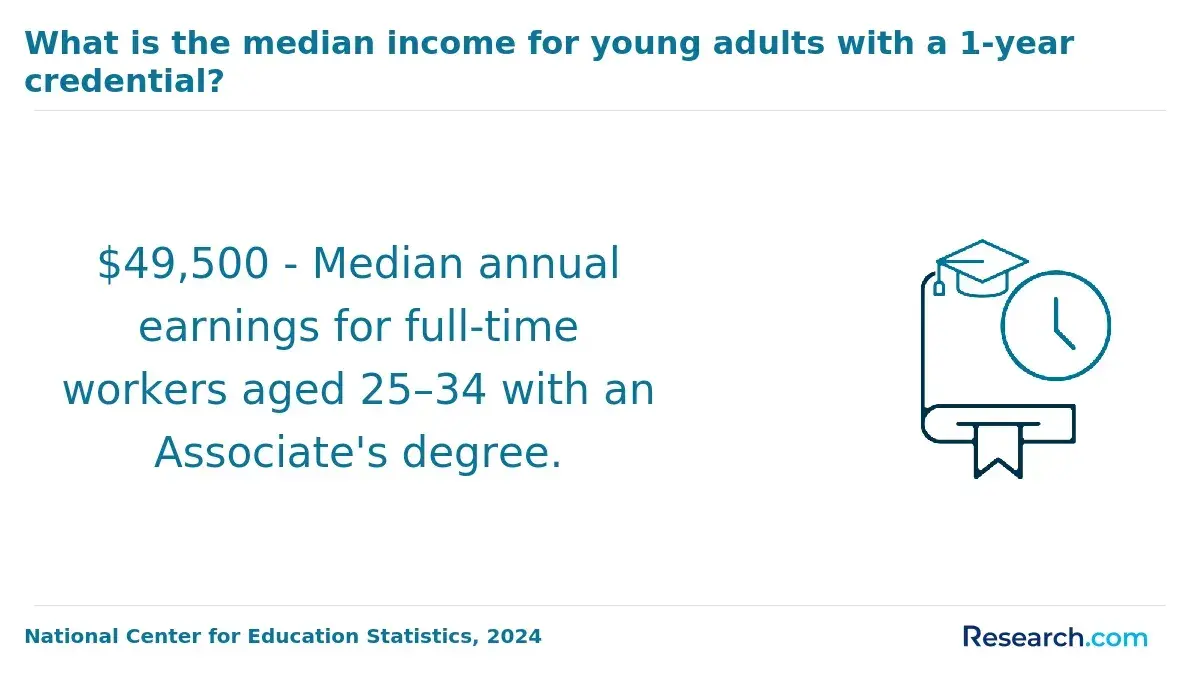
Monthly student loan payments for communication graduates generally fall between $200 and $400, according to 2024 data from the U.S. Department of Education and the Federal Reserve. These averages reflect borrowers who typically incur between $25,000 and $40,000 in debt, with variation driven by both the type of institution attended and whether graduate-level study added to the borrowing load. Entry-level salaries in communication fields usually start between $35,000 and $50,000, shaping borrowers' ability to manage monthly payments within standard 10-year repayment schedules. However, these figures mask significant differences tied to an individual's repayment choices and loan conditions, emphasizing the complexity behind a seemingly straightforward monthly amount.
Differences in monthly payment amounts largely stem from total debt levels, interest rates, and repayment plan structures, especially the distinction between standard and income-driven plans. Income-driven repayment options can lower monthly obligations below $200 for lower earners but often extend loans beyond the typical term, increasing total interest paid and long-term financial exposure. Variability in salaries across communication roles-from public relations to corporate communication-also affects borrowers' capacity to balance loan payments against living expenses. Understanding these dynamics is crucial for managing student debt responsibly, as smaller loans or supplementary funding paths can substantially reduce repayment burdens over time.
One communication graduate recalled navigating the rolling admissions process with significant hesitation; awaiting responses from several programs, they delayed final enrollment decisions until financial estimates could be clearly compared. "I was wary about committing before knowing how much I might realistically owe afterward," they explained, noting the stress caused by uncertain repayment projections during the waiting period. Ultimately, this cautious approach allowed them to choose a program aligned with both career goals and manageable loan expectations, highlighting the importance of strategic timing and preparation before enrollment.
How Do Repayment Rates Compare Between Public and Private Institutions?
Student loan repayment rates for communication graduates reveal consistent disparities tied to institutional type, with public university alumni generally achieving higher repayment success within five years compared to their private counterparts. Data from the U.S. Department of Education's 2024 College Scorecard indicates that public institutions report cohort default rates near 12%, whereas private nonprofit schools face rates around 15%, and for-profit private entities often exceed 20%. These differences underscore systemic challenges in managing debt relative to institutional characteristics and borrowing patterns, rather than purely academic quality or graduate capabilities.
Several structural factors underpin these repayment variations. Public universities typically have lower tuition, enabling communication students to incur smaller loan balances, which correlates with greater capacity to meet repayment obligations. Income outcomes also play a role, as graduates from public programs often earn modestly higher salaries in communication-related roles, improving their debt-to-income ratios.
In contrast, private institution students frequently take on higher debt loads without a corresponding boost in earning power, influenced by varying financial aid distributions and labor market positioning. Additionally, public institutions usually provide stronger access to federal repayment counseling services and income-driven plans, which mitigate default risks in ways less consistently available to private or for-profit school borrowers.
The broader financial implications of these differences affect long-term economic mobility and perceptions of program value among communication graduates. Elevated repayment stress linked to higher debt burdens at some private institutions can hinder financial stability, delay wealth accumulation, and influence satisfaction with postsecondary investment. From an accountability perspective, repayment outcomes increasingly inform institutional evaluations, emphasizing the need for transparent alignment between program cost, graduate earnings, and realistic debt servicing capacity in communication education pathways.
Do Online Communication Graduates Have Different Repayment Outcomes Than Campus-Based Students?
Recent data from the National Center for Education Statistics indicate that graduates of public institutions offering communication programs generally demonstrate higher student loan repayment rates than those from private nonprofits, while for-profit institutions fall notably behind both sectors. Approximately 54% of public university communication graduates reduce their loan balances within five years of entering repayment, compared to around 46% for private nonprofit graduates. These repayment rate disparities reflect more than institutional control; they correlate with the average monthly student loan payments for online communication programs and the broader financial realities each sector imposes on students.
The contrast in repayment outcomes is driven by underlying financial and demographic factors. Public universities typically charge lower tuition fees, resulting in lower overall borrowing amounts, which improves debt-to-income ratios post-graduation. Moreover, public institutions often deliver stronger employment outcomes and higher median earnings, enhancing graduates' ability to meet repayment obligations. Private nonprofit programs, while sometimes offering more selective admissions or specialized curricula, can carry higher price tags and yield less consistent earnings, increasing repayment stress.
The varied composition of student populations-including part-time, nontraditional, and online learners-also influences average debt burdens and repayment behavior, particularly as online students frequently enroll in less selective or for-profit programs with weaker labor market prospects. Recognizing how these factors intersect helps explain why repayment rates differ beyond a simple public versus private binary.
This repayment performance carries broader implications for long-term financial mobility and institutional accountability within communication education. Graduates burdened by higher payments or slower repayment trajectories may experience reduced post-degree economic flexibility and delay wealth-building activities. Public institutions' relatively stronger repayment rates contribute to perceptions of greater program value and financial sustainability, which increasingly shape prospective students' choices and policymaker evaluations.
Those weighing communication degrees must consider not just mode of delivery but also how institutional pricing, support services, and graduate outcomes interact to influence borrowing levels and repayment risks. Exploring affiliated fields through accredited programs, such as a masters in human resources online, may offer alternative pathways with distinct repayment profiles and career opportunities suitable to individual financial situations.
Which Industries Provide the Best Financial Return Relative to Borrowing Costs?
Financial returns for communication degree holders differ widely across industries due to variations in both earnings potential and typical student debt levels. Rather than relying solely on starting salaries, evaluating return on investment requires consideration of how industries support income growth relative to borrowing burdens and demand for relevant skills. Recent labor market data from 2024 highlights these contrasts, revealing which sectors better enable graduates to manage loan repayment effectively through stronger wage trajectories and stable employment opportunities.
- Technology and Telecommunications: These sectors consistently offer above-average starting salaries-commonly $50,000 to $65,000-and show faster wage growth compared to arts-focused fields. Strong hiring demand in digital communication roles and related specialties helps graduates reduce loan repayment timelines, making these industries among the best at offsetting typical student debt loads.
- Corporate Communications and Marketing: Positions within large firms typically combine competitive wages with clearer advancement tracks, providing progressive salary increases that improve long-term repayment risk. Steady demand for communication professionals in branding, public relations, and strategic marketing enhances employment stability and income potential.
- Professional Services: Fields such as consulting and business communications usually yield higher median pay and more structured career ladders. These roles often require communication skills paired with analytics or project management, increasing applicability across high-paying industries and mitigating debt impact through consistent income growth.
- Media and Nonprofit Sectors: Starting salaries frequently hover below $40,000, limiting borrowers' ability to cover costs quickly. Flatter salary progression combined with irregular demand cycles can extend repayment periods and elevate the risk of delinquency. Graduates in these industries often face a less favorable debt-to-income ratio, despite meaningful professional engagement.
- Journalism and Content Creation: While offering unique creative opportunities, this sector tends to provide modest initial pay and slow increases, which can strain financial flexibility when servicing typical borrowing levels between $30,000 and $40,000. Employment volatility further complicates repayment consistency, requiring careful planning.
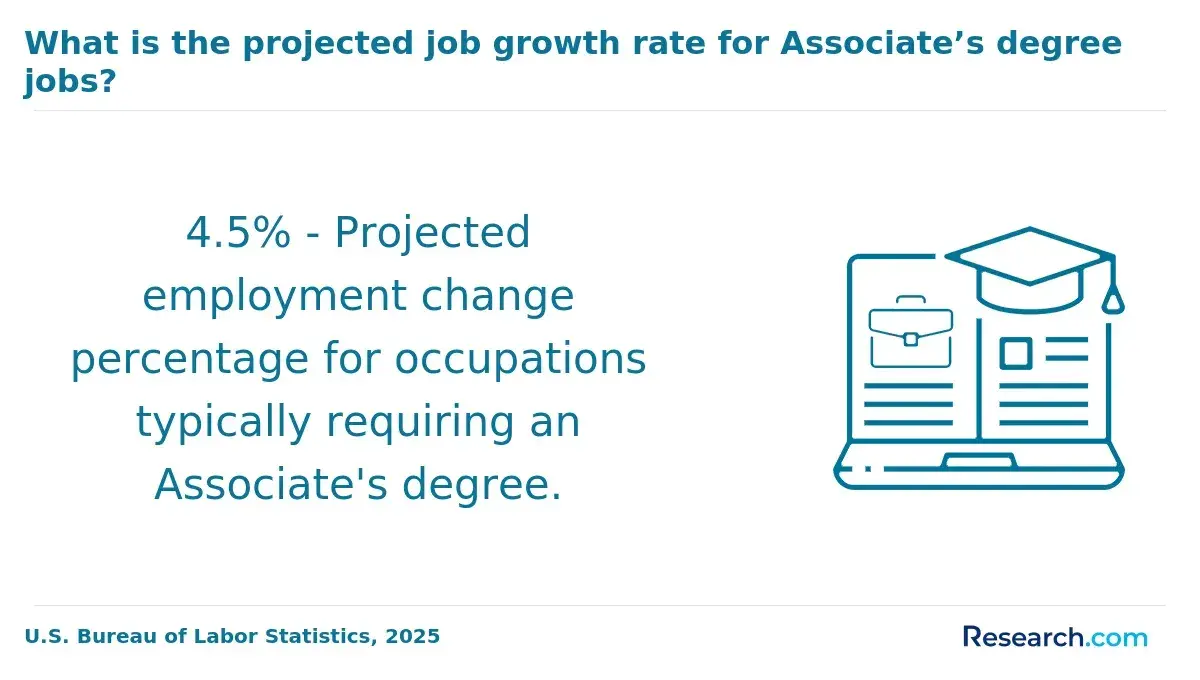
According to the Bureau of Labor Statistics 2024 report, median pay in technology and telecommunications communication roles surpasses arts and nonprofit jobs by approximately 20-30%, underscoring the financial advantages tied to sectors with robust demand and career mobility. Choosing industries aligned with steady wage growth and repayment capacity is critical in mitigating long-term financial risks associated with communication degree debt.
Does Student Debt Affect Which Jobs Communication Graduates Accept?
Student debt significantly shapes which positions communication graduates are willing to accept, largely through its impact on immediate financial needs and loan repayment demands. With nearly 60% of recent communication degree holders carrying balances averaging $29,000, many face monthly payments that necessitate seeking jobs with sufficient initial salaries rather than prioritizing ideal roles or sectors. This often steers graduates toward corporate, sales, or marketing jobs that offer quicker financial returns, even if these roles do not align closely with their professional interests or long-term objectives. The pressure to meet debt obligations can discourage pursuing traditionally lower-paid but experience-rich internships or nonprofit and creative roles that might yield better career growth but limited short-term income.
The relationship between student debt and job choice also reveals broader labor market behaviors and constraints. Graduates with higher debt burdens are statistically more likely to accept positions outside their field, while those with less debt can afford a longer runway to develop relevant experience. Geographic mobility frequently becomes restricted for indebted graduates unwilling or unable to absorb relocation costs, narrowing job market options to higher-paying local opportunities.
Additionally, balancing debt repayment and professional development creates tension that encourages side gigs or freelance work to supplement income but may fragment focus and time. These financial and structural factors collectively alter career trajectories, often privileging immediate economic stability over strategic, gradual advancement within communication-related industries.
One communication graduate recounted hesitating during the rolling admissions period for a prestigious program, torn between waiting for a response or accepting a secure but less relevant marketing position offering immediate income to address mounting loan payments. The uncertainty over admission timing compounded the urgency created by looming repayment deadlines, prompting decisions that prioritized financial practicality over academic or thematic fit. Ultimately, this experience underscores how loan obligations can force difficult trade-offs in timing and opportunity, shaping early career paths in ways that extend beyond typical application dynamics.
What Factors Increase Student Loan Repayment Risk for Communication Graduates?
Student loan repayment risk for communication graduates arises from a complex interaction of borrowing levels, labor market outcomes, and economic conditions rather than a single dominant factor. This risk is fundamentally tied to both how much debt is accumulated and the stability of income after graduation. Variability in employment, wage growth, and repayment plan choices converge to shape the likelihood that graduates struggle with their loans. Such factors highlight the nuanced financial realities communication degree holders face, especially considering sector-specific hiring practices and compensation trends.
- Debt-to-Income Ratio: Communication graduates often incur average student loan debts above $30,000 while starting salaries linger near $45,000 annually according to the U.S. Department of Education's 2024 data, producing a relatively high debt-to-income ratio. This imbalance pressures borrowers into selecting repayment plans with higher monthly payments or longer terms, elevating the risk of default, particularly if income growth does not keep pace with debt obligations.
- Employment Stability and Income Variability: The communication field's competitive landscape and diverse job types contribute to uncertain employment trajectories. Graduates who secure only part-time, freelance, or contract roles often face inconsistent earnings, complicating regular loan repayment and amplifying financial strain during income dips or gaps.
- Skill and Credential Gaps: Without supplementary certifications or technical skills, many communication graduates may earn less than peers in more specialized fields. This limits upward salary mobility and can delay or reduce the borrower's capacity to manage student loan repayments efficiently.
- Regional Economic Factors: Variations in regional job markets affect employment availability and wage levels. Areas with fewer media or corporate communication opportunities may offer limited earning potential, increasing repayment risk where living costs remain high but salaries do not.
Addressing student loan repayment risk demands awareness of how these financial and labor market dynamics coalesce. Communication students and graduates should consider income-driven repayment plans and actively assess emerging skill demands rather than defaulting to standard 10-year terms, which often impose higher burdens that may not align with real cash flow capabilities. For comparative insight on degree outcomes through different fields, see what can you do with an environmental science degree.
What factors increase student loan repayment risk for communication graduates in the United States extend beyond borrowing alone, revealing critical impacts of employment stability and wage growth that ultimately shape borrower vulnerability.
How Can Communication Students Reduce Student Loan Debt While Earning Their Degree?
Reducing student loan debt while earning a communication degree demands proactive financial planning and strategic academic decisions. Tackling borrowing levels effectively involves balancing course load, optimizing financial aid, and leveraging employment opportunities linked to the field. Such approaches improve affordability and reduce long-term repayment pressure by aligning educational choices with realistic earning potential post-graduation.
- Maximize Early Financial Aid Applications - Applying early for scholarships and grants targeted at communication students can secure non-repayable funding that directly offsets tuition costs. Focusing on merit-based awards tied to communication skills-such as writing, media production, or public speaking-improves chances of receiving aid that does not add to student loan debt.
- Leverage Part-Time Enrollment with Work-Study or Internships - Combining reduced semester credit loads with paid internships or work-study positions in relevant fields lowers immediate borrowing needs. This strategy also builds professional experience that increases employability and potential salary, which contributes to safer, more manageable borrowing aligned with real income expectations.
- Choose Lower-Cost or Hybrid Communication Programs - Selecting institutions offering flexible formats like hybrid or online courses can cut expenses substantially. A 2024 National Center for Education Statistics study found that students in such programs graduate with 15-20% less debt on average, reflecting the tangible impact of program delivery mode on total borrowing.
- Borrow Conservatively Aligned with Projected Earnings - Estimating realistic monthly repayments based on anticipated entry-level salaries-commonly in the mid-$40,000 range for communication graduates-enables students to limit borrowing to sustainable levels. Avoiding full-cost borrowing mitigates long-term financial risk and reduces pressure during repayment.
- Integrate Paid Experience Focused on Communication Skills - Securing communication-related employment during study not only subsidizes expenses but also enhances career readiness. This dual advantage decreases dependence on loans and enhances post-graduation negotiating power regarding salaries and job conditions.
- Explore Short Term Certificate Programs - Supplementing or replacing portions of a traditional degree with high-value certificate programs cyber security courses online can accelerate workforce entry while reducing debt accumulation. These certificates often target specific skills with measurable demand, providing a practical debt reduction pathway that aligns with employer expectations.
Implementing these strategies requires communication students to critically assess the total cost of attendance and the realistic returns on investment from their degree pathways. Thoughtful borrowing and resource utilization are key to minimizing student loan debt and easing financial stress throughout and after the educational journey. Understanding these tradeoffs enables students to make informed decisions that balance academic goals with long-term economic well-being, especially when seeking to reduce student loan debt while earning their degree.
How Should Prospective Students Evaluate Borrowing Risk Before Enrolling?
Evaluating borrowing risk before enrolling in a communication degree program requires a clear understanding of the long-term financial impact. Prospective students must balance anticipated total debt against realistic post-graduation earnings and job market conditions. This process extends beyond simple cost comparison, involving a detailed assessment of loan repayment capacity and program value to avoid unsustainable debt burdens.
- Projected Earnings vs. Debt Load: Analyze median starting salaries within communication fields-recent data from the National Center for Education Statistics indicates early-career median salaries near $47,000. Compare this against total expected borrowing to gauge whether monthly loan payments will be manageable relative to income.
- Repayment Terms and Interest Rates: Understand federal and private loan terms, including interest capitalization during deferment or forbearance, which can significantly increase debt over time. Evaluate how these factors affect long-term repayment obligations.
- Graduation and Employment Outcomes: Review program-specific statistics on graduation rates and job placement to estimate the probability of timely completion and stable employment. High attrition or underemployment rates raise borrowing risk by extending repayment timelines.
- Alternative Funding Sources: Consider scholarships, grants, work-study, or part-time roles that reduce reliance on loans. Diversifying funding mitigates total debt accumulation and improves financial flexibility.
- Institutional Cost Structure: Assess tuition, fees, and associated expenses relative to comparable programs. Programs with disproportionately high costs demand higher borrowing, increasing financial exposure.
- Career Trajectory and Flexibility: Evaluate the potential for salary growth and career shifts within communication sectors. Limited advancement prospects can constrain debt repayment options over the long term.
- Debt-to-Income Ratio Analysis: Calculate anticipated monthly loan payments as a percentage of expected income. Maintaining a ratio below critical thresholds helps ensure borrowing remains sustainable.
References
- Student Loan Debt Burden by Major: Best and Worst ROI College Degrees | FinancialAha! https://www.financialaha.com/data-analysis/us-student-loan-burden-by-major/
- Risk-sharing: An efficient mechanism for funding student loan safety nets | Brookings https://www.brookings.edu/articles/risk-sharing-an-efficient-mechanism-for-funding-student-loan-safety-nets/
- How Student Loan Debt Impacts Your College ROI https://www.lendkey.com/blog/student-loans/how-student-loan-debt-impacts-your-college-roi/
- Student Loans - Federal vs. Private: What's the Difference? https://www.sesloc.org/student-loans-federal-vs-private-whats-the-difference/
- What Is the Average Graduate Student Loan Debt | SoFi https://www.sofi.com/learn/content/average-graduate-student-loan-debt/
- Key Figures on Cost, Student Debt, & ROI at Public Universities - APLU https://www.aplu.org/our-work/4-policy-and-advocacy/publicuvalues/key-figures-on-cost-student-debt-amp-roi-of-public-universities/
- Preparing Students to Navigate Private Student Loan Decisions - The Higher Education Assistance Group, Inc. Preferred or Historical Lender Lists for Your School? https://heag.us/preparing-students-to-navigate-private-student-loan-decisions/
- 5 Things: Avoiding Unnecessary Student Loan Debt https://www.comfedcu.org/news/5-things-avoiding-unnecessary-student-loan-debt/
- New CSS Report Identifies Barriers to Student Loan Repayment and Offers Solutions https://www.cssny.org/news/entry/new-css-report-identifies-barriers-to-student-loan-repayment-and-offers-sol
- Five things to consider before prioritizing your kids college ahead of your finances https://www.commercebank.com/personal/ideas-and-tips/2024/five-things-to-consider-before-prioritizing-your-kids-college-ahead-of-your-finances
Other Things You Should Know About Communication
Choosing full-time enrollment often means higher immediate borrowing but shorter time to degree completion, which can reduce the overall interest accrued and hasten entry into the workforce. Part-time students might spread costs and debt over a longer period, lessening short-term financial strain but potentially increasing total borrowing and repayment risk due to extended time without full income. Communication students should prioritize the pacing that aligns with their ability to balance work and study, as delayed graduation can paradoxically increase debt load despite smaller incremental borrowing.
Specialized tracks or dual degrees in communication often lead to higher tuition or extended study plans, increasing debt. However, not all specializations translate into markedly better job prospects or higher salaries. Students must critically evaluate if their chosen specialization offers tangible employability advantages or if the additional debt creates repayment burdens that outweigh potential income gains, especially in competitive or saturated niches.
Internships and unpaid roles are common in communication fields but can delay income generation and increase reliance on loans for living expenses. While unpaid experience might improve employability, accumulating debt during these periods raises repayment risk and can lengthen time needed for financial stability post-graduation. Prioritizing paid internships or roles that contribute directly to credential-building can reduce debt reliance and speed up repayment capacity.
Geographic location of employment greatly influences salary levels and cost of living, both critical to managing monthly loan payments. Communication graduates who accept jobs in lower-cost areas might have lower salaries but more disposable income for debt repayment, while those in high-cost urban centers could face tighter budgets despite higher pay. Students should weigh opportunities by net financial outcome rather than gross salary alone, especially when deciding where to seek employment after graduation.