2027 Digital Photography Careers Most Resilient to AI and Automation

Co-Founder and Chief Data Scientist
AI can now generate polished images in seconds, but it cannot replace every photographer. The strongest careers still depend on live access, client trust, ethics, visual judgment, and technical control in real environments. The U.S. Bureau of Labor Statistics reported a May 2024 median annual wage of $43,090 for photographers, but pay and stability vary widely by specialty.
This guide is for students, career changers, and working creatives who want to choose a photography path with better long-term resilience, smarter training options, and clearer return-on-investment expectations.
Key Things You Should Know
- The most AI-resistant photography careers combine physical presence, high-stakes judgment, and client-specific storytelling, such as forensic photography, medical and scientific imaging, weddings and events, sports, documentary work, and commercial production leadership.
- Education expectations vary: many employers prioritize a portfolio, but degree-level training can matter for photojournalism, art direction, teaching, scientific imaging, and advancement into leadership roles.
- BLS May 2024 wage data places photographers at a $43,090 median annual wage, while adjacent leadership roles such as art director report substantially higher median pay, making skill stacking and specialization important for salary growth.
What digital photography careers are most resistant to AI automation?
The digital photography careers most resistant to AI automation are the ones where the job is not just "making an image." They require being physically present, earning access, managing people, documenting reality, solving unpredictable lighting problems, or creating legally and ethically reliable visual records.
AI can replace some low-complexity image production, especially generic stock images, simple product mockups, background swaps, and basic retouching. It is less effective when the value of the work comes from authenticity, timing, trust, evidence, or collaboration on a real set.
The table below compares photography paths by their practical automation resistance and the reason each path still needs humans:
| Career path | Why it is more resilient | Best fit for | AI exposure level |
| Forensic and crime scene photography | Images must document real evidence, preserve chain of custody, and meet agency or court standards. | Detail-oriented photographers interested in law enforcement, investigation, or public service. | Low |
| Medical, dental, and scientific photography | Work requires accuracy, controlled lighting, consent procedures, documentation standards, and collaboration with technical experts. | Photographers who enjoy precision, science, healthcare, or lab environments. | Low to moderate |
| Wedding and event photography | Clients pay for real memories, social judgment, timeline management, emotional intelligence, and fast decisions under pressure. | People-focused photographers who can manage stress and client expectations. | Moderate |
| Sports and action photography | Live timing, access, field knowledge, and rapid editing matter more than generic image generation. | Photographers who understand athletics, movement, and deadline workflows. | Moderate |
| Documentary and photojournalism | Credibility depends on witnessing real events, ethical editing, captions, context, and editorial standards. | Story-driven photographers who can research, interview, and work in the field. | Moderate |
| Commercial and editorial production | Clients still need creative direction, art buying, team coordination, lighting design, brand interpretation, and asset delivery. | Photographers who want to move toward creative lead, producer, or art director roles. | Moderate |
| Real estate and basic product photography | Some capture work remains physical, but AI editing, virtual staging, and automated catalog imagery reduce barriers. | Entrepreneurial photographers who can add videos, drones, floor plans, or marketing packages. | Higher |
The key decision is whether your chosen specialty pays for proof, access, service, and interpretation rather than only the final image file. Careers built around real-world capture and high accountability are usually more defensible than careers built around generic visuals.
Which photography jobs still require human creativity and judgment?
Human creativity in photography is not limited to composition. It includes knowing what moment matters, how to make people comfortable, when an image is ethically acceptable, and how visual choices support a client's goal. AI can suggest looks, but it cannot fully replace judgment in uncontrolled, emotionally complex, or legally sensitive settings.
The following job types continue to rely heavily on human judgment because the photographer must interpret context, not just operate a camera:
- Photojournalist or documentary photographer: Decides what to document, how to represent people fairly, what context belongs in captions, and which edits preserve factual integrity.
- Wedding and portrait photographer: Directs people, reads emotions, handles family dynamics, adapts to weather or venue changes, and creates images that feel personal rather than generic.
- Commercial photographer: Translates brand strategy into lighting, mood, art direction, casting, styling, and post-production choices that support a campaign.
- Forensic photographer: Uses disciplined framing, scale, sequencing, and metadata practices so images can support investigations rather than simply look clear.
- Fine art photographer: Develops a recognizable point of view, concept, exhibition strategy, and body of work that reflects authorship.
These roles also require judgment about AI use itself. A news image, crime scene image, or medical image may have strict rules against generative alteration, while a commercial campaign may allow AI-assisted concepting if the client approves it. Stable photographers will know the difference and document their workflow clearly.
What education do employers expect for photography careers?
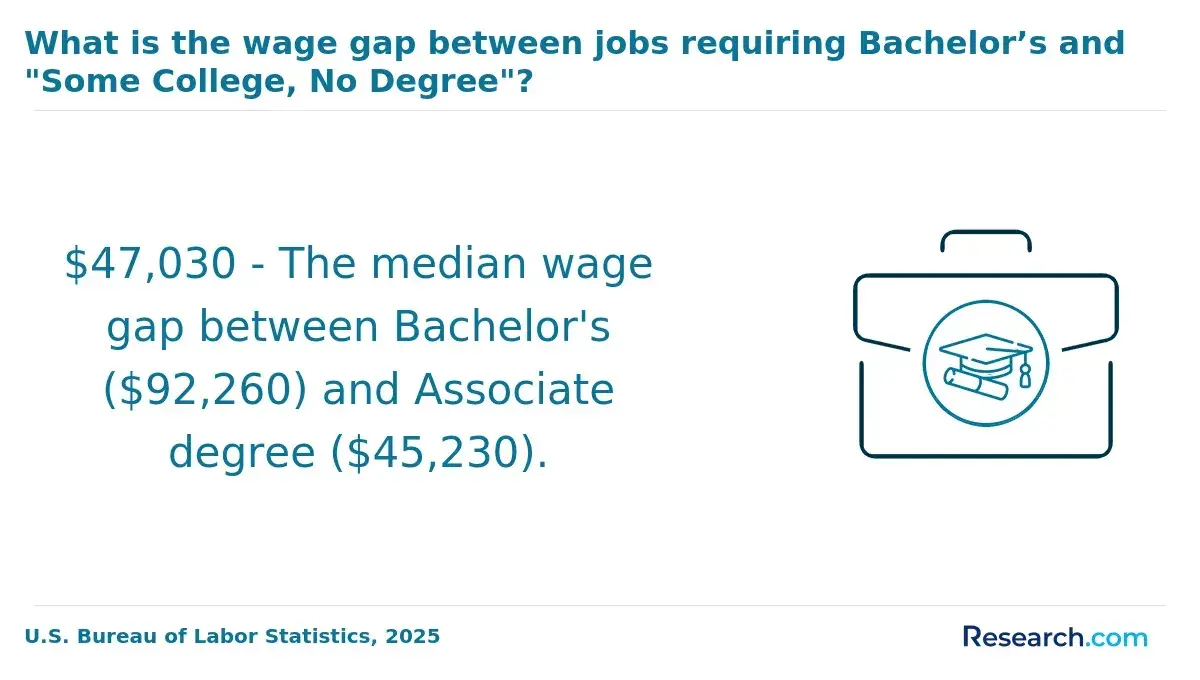
Photography is still a portfolio-driven field, but education expectations depend on the role. Employers and clients usually want proof that you can produce consistent work, manage deadlines, and understand digital workflows. A formal credential becomes more valuable when the job involves journalism, science, teaching, leadership, or specialized equipment.
The table below summarizes common education paths and when each one makes sense. Use it to avoid overpaying for a credential that does not match your target role, or undertraining for a specialty that requires more than a strong Instagram portfolio.
| Education path | Typical length | Best for | Decision point |
| Certificate or short program | Several months to 1 year | Beginners, working adults, and freelancers who need a camera, lighting, editing, or business fundamentals. | Best if you need fast portfolio development and do not need a degree for your target employer. |
| Associate degree | About 2 years | Students seeking structured technical training at a lower cost before entering the workforce or transferring. | Best if affordability and hands-on practice matter more than advanced theory. |
| Bachelor's degree | About 4 years | Photojournalism, commercial photography, media production, visual communication, or art direction preparation. | Best if you want broader career flexibility, internships, and access to campus production resources. |
| Master of Fine Arts | Usually 2 to 3 years | Fine art photography, college teaching, research-based creative work, and advanced studio practice. | Best if you need a terminal arts credential or want deep critique-based development. |
Students aiming for fine art, teaching, or advanced creative practice may compare campus programs with an MFA online, especially if they need flexibility while maintaining a professional practice. However, online graduate study should still include critique, faculty feedback, portfolio review, and access to production support.
A common mistake is choosing the highest credential available without checking whether employers in your desired niche actually require it. For weddings, portraits, and many commercial freelance paths, business skills and a strong book may matter more than a degree. For photojournalism, scientific imaging, museum work, or teaching, formal education can carry more weight.
Which digital photography skills matter most for career stability?
The most stable photographers are not only image makers. They are problem solvers who combine technical capture, lighting, editing, communication, and business judgment. AI has made basic image manipulation easier, so durable skills are those that improve real-world production quality and client confidence.
Focus your training on skills that are hard to automate and easy to prove through portfolio work, client outcomes, or workflow samples. These include:
- Lighting control: Studio strobes, flash, continuous lighting, modifiers, mixed lighting, and location problem-solving remain core professional differentiators.
- Color-managed editing: RAW processing, retouching ethics, monitor calibration, print preparation, and consistent delivery standards help separate professional work from casual editing.
- Visual storytelling: Sequencing, shot variety, caption accuracy, narrative structure, and audience awareness are essential for editorial, documentary, and brand work.
- People direction: Posing, interviewing, client communication, set etiquette, and team coordination directly affect shoot outcomes.
- Digital asset management: File naming, metadata, backups, permissions, releases, and delivery systems reduce risk for clients and employers.
- AI literacy: Knowing when to use AI for culling, keywording, ideation, noise reduction, or retouching—and when not to use it—will become a baseline professional skill.
- Business operations: Pricing, contracts, licensing, invoicing, marketing, insurance, and client relationship management matter especially for freelancers.
Photographers who want to specialize in computational imaging, automated workflows, or creative technology may eventually explore an online artificial intelligence degree. That level of study is not necessary for every photographer, but it can make sense for people aiming at imaging software, AI-assisted production, or technical creative roles.
The biggest skill mistake is learning tools without learning standards. A photographer who can explain why an edit is ethical, why a lighting setup solves the assignment, or how files will be archived is more valuable than someone who only knows a preset workflow.
How do online and campus photography programs compare?
Online and campus photography programs can both work, but they serve different learners. The right choice depends on your schedule, equipment access, need for studio practice, learning style, and career goal. Cost also matters: the College Board's 2024 pricing report listed average published tuition and fees for public two-year in-district colleges at $4,050 for 2024-25, making community college a meaningful affordability benchmark for photography students.
The table below compares the trade-offs that matter most before enrolling. It is especially useful if you are deciding between a lower-cost online certificate, a community college program, and a campus-based bachelor's degree.
| Program format | Strengths | Limitations | Best fit |
| Fully online | Flexible schedule, often lower commuting costs, strong fit for editing, critique, history, business, and portfolio development. | May offer limited access to studios, lighting labs, printers, darkrooms, or supervised location shoots. | Working adults, freelancers, and students who already own equipment or can rent locally. |
| Hybrid | Combines online theory with in-person labs, critiques, studio sessions, or weekend intensives. | Requires travel planning and may have fewer campus hours than a full residential program. | Students who need flexibility but still want hands-on lighting and production practice. |
| Campus-based | Better access to studios, lighting gear, print labs, faculty, peers, exhibitions, and internship networks. | May cost more when housing, transportation, and fees are included. | Students seeking immersive training, mentorship, and structured portfolio production. |
Online programs are strongest when you already have access to a camera, lighting practice space, and subjects to photograph. Campus programs are strongest when you need equipment access, peer collaboration, and frequent in-person critique.
Before choosing, ask the school exactly how students complete lighting assignments, how critiques are delivered, whether equipment is included, and what portfolio outcomes recent students produced. A program that is convenient but weak in feedback can slow your growth.
What should a digital photography curriculum include?
A strong digital photography curriculum should develop your eye, your technical control, your workflow discipline, and your ability to earn paid work. The best programs do not treat photography as only camera operation; they connect visual decision-making with editing, ethics, business, and career preparation.
Look for courses and experiences that build a complete professional foundation rather than a narrow software-only skill set.
- Camera and exposure fundamentals: Manual exposure, lens selection, depth of field, motion, focus systems, and sensor limitations.
- Lighting: Natural light, flash, studio lighting, location lighting, portrait lighting, product lighting, and troubleshooting difficult environments.
- Digital workflow: RAW processing, color correction, retouching, metadata, archiving, delivery formats, and backup systems.
- Visual communication: Composition, sequencing, concept development, design awareness, and audience-specific storytelling.
- Ethics and media law: Copyright, licensing, model releases, image manipulation, privacy, consent, and editorial standards.
- Business and entrepreneurship: Pricing, contracts, client management, marketing, taxes, insurance, and usage rights.
- Portfolio and critique: Repeated faculty review, peer critique, capstone projects, exhibitions, and career-ready portfolio presentation.
- AI and emerging tools: Responsible use of generative AI, culling software, automated retouching, authenticity standards, and content credentials.
If your long-term goal includes teaching photography, digital media, or visual communication, compare your arts training with education-focused options such as the best online teaching master's programs. That path can be useful for photographers who want to design courses, teach online, or move into training and curriculum roles.
A red flag is a curriculum that emphasizes software tutorials but lacks critique, lighting, ethics, and business. Software changes quickly; judgment, lighting, client communication, and visual problem-solving remain transferable.
How do you choose an accredited photography school?
Accreditation matters because it affects transfer credits, federal financial aid eligibility, graduate school options, and employer confidence. For photography, you should look at both institutional accreditation and program quality. A school can be accredited and still have a weak photography program, so verification should go beyond the homepage.
Use the following steps to evaluate schools before you apply or enroll:
- Confirm institutional accreditation through the U.S. Department of Education's recognized accreditor listings or the school's official accreditation page.
- Check whether credits transfer to public colleges, bachelor's programs, or graduate programs you may want later.
- Review faculty portfolios, professional experience, exhibitions, publications, or commercial credits.
- Ask to see student portfolio examples, capstone work, internship placements, and alumni career paths.
- Compare total cost, including equipment, software, printing, lab fees, travel, housing, and portfolio production expenses.
- Ask how online students access critique, studio assignments, lighting practice, and technical support.
- Read the refund policy, satisfactory academic progress rules, and financial aid requirements before committing.
Do not rely only on rankings, advertising language, or a school's camera gear list. A better program is one that gives you repeated feedback, clear standards, strong portfolio development, and transparent cost information.
Common red flags include unclear accreditation claims, pressure to enroll immediately, vague job placement statistics, limited faculty access, no portfolio review process, and promises of guaranteed freelance income. Photography income depends on market, specialty, skill, network, and business execution, so no school should present career outcomes as automatic.
What certifications help photographers stay competitive?
Certifications are not mandatory for most photography jobs, but they can help prove specialized competence. They are most useful when they match a service clients already understand, such as drone imaging, Adobe workflows, professional photography standards, or evidence documentation.
The table below lists certifications and credentials that may strengthen a photography career when paired with a strong portfolio:
| Certification or credential | Who it helps | Career value |
| Adobe Certified Professional | Students, assistants, editors, and photographers using Photoshop, Lightroom, or related tools. | Shows software proficiency, especially for entry-level production or editing roles. |
| Certified Professional Photographer from Professional Photographers of America | Portrait, wedding, and commercial photographers seeking a recognized professional standard. | Can support client trust, studio credibility, and disciplined technical development. |
| FAA Part 107 Remote Pilot Certificate | Photographers offering commercial drone photography or video in the United States. | Legally required for many commercial drone operations and valuable in real estate, construction, events, and marketing. |
| Evidence or forensic imaging training | Photographers working with law enforcement, legal teams, insurance, or investigations. | Helps demonstrate knowledge of documentation protocols, metadata, scale, and image integrity. |
| Color management or print production training | Fine art, commercial, product, and studio photographers. | Improves print accuracy, client delivery quality, and professional production consistency. |
Certifications work best when they solve a trust problem. A drone client wants to know you can operate legally. A portrait client wants reliability. An agency wants efficient file delivery. Choose credentials that support the type of buyer you want, not credentials that simply look impressive.
Which photography careers offer the best salary potential?
The highest salary potential in photography often comes from specialization, leadership, or adjacent media roles rather than general photography alone. BLS May 2024 data reported a $43,090 median annual wage for photographers, but photographers who move into art direction, commercial production, technical imaging, or media leadership may access higher-paying occupational categories.
The table below compares salary potential using national wage context where available. These figures are not promises; location, client base, union status, employer type, portfolio strength, and business skill can change outcomes substantially.
| Career direction | Salary potential context | Why pay can be stronger | Main trade-off |
| Commercial photographer | Often varies widely by client market and licensing model. | Advertising, product, fashion, and brand clients may pay for usage rights, production value, and repeat campaigns. | Competitive market; requires business development and consistent client acquisition. |
| Art director or creative lead | BLS reported a May 2024 median annual wage of $111,040 for art directors. | Role combines visual judgment, campaign leadership, team direction, and brand strategy. | Usually requires broader design, production, management, and portfolio experience. |
| Forensic or scientific imaging specialist | May align with agency, healthcare, laboratory, or technical documentation roles. | Precision, protocols, and specialized environments can reduce competition from generalists. | May require employer-specific training, background checks, or scientific familiarity. |
| Sports photographer or media producer | Income varies by league, outlet, freelance contracts, and media rights environment. | Live-event access, speed, and sports knowledge make the work harder to replace with AI-generated imagery. | Irregular schedules, travel, credentialing barriers, and deadline pressure are common. |
| Wedding and portrait studio owner | Potential depends heavily on pricing, market, referrals, and business systems. | Clients pay for trust, experience, editing style, albums, prints, and relationship management. | Business risk is high; marketing and customer service are as important as photography. |
Readers interested in sports media may also compare photography with analytics and broadcasting paths by reviewing the answers to "How much do sports analysts make?" That comparison can help decide whether your strengths fit visual coverage, data storytelling, commentary, or hybrid sports media work.
The practical salary strategy is to avoid staying a generalist for too long. Build a specialty, learn client licensing, add motion or production skills, and create a portfolio that shows measurable value to a specific market.
What is the job outlook for digital photography careers?
The job outlook for digital photography is mixed: demand for visual content remains strong, but competition is high and AI is reducing the value of generic imagery. The BLS projects photographer employment to grow about 3% from 2024 to 2034, which suggests a modest national outlook rather than rapid expansion. Readers should treat that figure as a broad labor-market signal, not a prediction for any one specialty or city.
The strongest opportunities are likely to favor photographers who can combine capture with production, editing, short-form video, drone work, social media delivery, and client strategy. Employers and clients increasingly expect fast turnaround, consistent branding, and responsible technology use.
Several trends should shape your career planning:
- AI-assisted workflows are becoming normal: Culling, masking, upscaling, noise reduction, keywording, and concept boards can improve productivity, but ethical limits matter in journalism, law, medicine, and evidence work.
- Authenticity is becoming more valuable: As synthetic images spread, verified real-event photography, metadata discipline, and transparent editing practices can become competitive advantages.
- Hybrid media skills are expected: Many clients want stills, vertical video, behind-the-scenes clips, reels, and fast social delivery from the same production day.
- Freelance business pressure is real: Photographers who understand pricing, licensing, recurring contracts, and client retention are better positioned than those who rely only on one-off shoots.
- Specialized access matters: Healthcare, courts, sports venues, laboratories, newsrooms, and restricted events still require trusted people on site.
The smartest path is to choose a niche where your human presence matters, then build a portfolio around that niche. If you are starting from zero, begin with fundamentals, assist experienced photographers, complete real assignments, and keep records of permissions, releases, and client outcomes.
Other Things You Should Know About Digital Photography
You can start learning composition, light, storytelling, and editing with a smartphone, but paid professional work usually requires more control. As you advance, invest in a camera system, lenses, lighting, storage, backup tools, and editing software that match your specialty.
A focused portfolio is usually stronger than a large one. Aim for a tightly edited set that proves consistency in your chosen niche, such as portraits, weddings, products, sports, documentary work, or scientific documentation. Quality, sequencing, and relevance matter more than volume.
Many freelancers should consider liability insurance, equipment coverage, and contract protections, especially when working at venues, with clients, or around expensive property. Requirements vary by client, venue, and state, so review contracts carefully and consult a qualified professional when needed.
Yes. Commercial photographers typically need signed model releases for recognizable people and property releases for private property used in advertising, product, or editorial-to-commercial work. Many agencies and clients require standard release forms before publication, and retaining signed copies is a basic professional requirement.
References
- Credentials | Professional Photographers of America https://www.ppa.com/credentials/cpp
- The 65 Jobs With the Lowest Risk of Automation by Artificial Intelligence and Robots - USCI https://www.uscareerinstitute.edu/blog/65-jobs-with-the-lowest-risk-of-automation-by-ai-and-robots
- 18 weeks of Digital Photography - Digital Art Teacher https://www.digitalartteacher.com/blog/18-weeks-of-digital-photography/
- Photographers | WorkBC https://www.workbc.ca/career-profiles/photographers
- Photography Career Paths Canada | 8 High-Paying Photography Specializations https://www.canadianphotographyschool.ca/blog/photography-career-paths-8-lucrative-specializations-in-canada/
- Is Photography a Good Career in 2026? Scope, Jobs & Salary Guide https://www.hamstech.com/hamstech-blog/is-photography-good-career-in-2026
- Will Photographers be replaced by AI & Robots? https://willrobotstakemyjob.com/photographers
- How to Choose a Photography School? Spéos https://speos-photo.com/en/how-to-choose-a-photography-school/
- Impact of AI on Professional Photography Jobs: Risks & Gains https://makemycatalogue.com/blog/impact-of-ai-on-professional-photography-jobs-risks-gains
- AI will NOT kill Photography – The Truth! https://www.theschoolofphotography.com/tutorials/ai-will-not-kill-photography