2027 Online Digital Photography Degrees That Help Build Image Critique Skills

Co-Founder and Chief Data Scientist
Choosing an online digital photography degree is really a decision about feedback: will the program teach you to make stronger images and defend your creative choices? The U. S. Bureau of Labor Statistics reports a May 2024 median wage of $42,520 for photographers, but stronger critique, editing, and visual storytelling skills can open adjacent creative roles beyond entry-level shooting. This guide is for students, career changers, and working photographers comparing online programs. You'll learn how degrees work, what they cost, which schools to examine, and how to choose a program that fits your portfolio goals.
Key Things You Should Know
- Online digital photography degrees are most useful when they include structured peer critique, instructor portfolio reviews, visual literacy, lighting, editing, and capstone projects rather than only camera-operation lessons.
- College Board's 2024 pricing data shows published tuition and fees average $11,610 for in-state public four-year colleges and $43,350 for private nonprofit four-year colleges, so transfer credit and total program length can matter as much as per-credit tuition.
- BLS data lists photographers at a May 2024 median wage of $42,520 and projects 4% employment growth from 2023 to 2033, making portfolio quality, specialization, and business skills important for improving career options.
What is an online digital photography degree and how does it build image critique skills?
An online digital photography degree is a college program that teaches image-making, digital editing, visual communication, and portfolio development through a remote learning format. Depending on the school, it may be offered as an associate degree, bachelor's degree, Bachelor of Fine Arts, Master of Arts, or Master of Fine Arts. The best programs do more than teach how to use a camera; they train students to evaluate why an image works, where it fails, and how to improve it for a specific audience or purpose.
Image critique skills are the ability to analyze photographs using composition, light, color, timing, context, subject treatment, ethics, technical execution, and narrative impact. In a strong online program, critique is not a one-time opinion exchange. It is a repeated process of submitting work, receiving detailed feedback, revising the image or project, and explaining creative decisions in writing or live discussion.
Students should look for programs that connect technical practice with visual judgment. The following elements usually indicate that critique is built into the curriculum rather than treated as an optional activity:
- Regular portfolio reviews where instructors assess image sequencing, editing choices, consistency, and audience fit.
- Peer critique forums or live critique sessions that require students to give evidence-based feedback, not just compliments.
- Courses in visual culture, art history, documentary practice, or media theory that help students interpret images in context.
- Projects that require revision after critique, because improvement is easier to measure when feedback changes the final work.
- Capstone or thesis requirements that ask students to build a cohesive body of work and defend the concept behind it.
This kind of degree is a good fit for students who want structured feedback, a credential, and a guided portfolio-building path. It may not be the best first option for hobbyists who only need basic camera skills, professionals who already have a strong client base, or learners who can get high-quality mentorship through workshops, assistantships, or certificate programs at a much lower cost.
How do online digital photography programs compare with on-campus options for learning critique?
Online and on-campus photography programs can both teach critique well, but they create different learning environments. The right choice depends on how you learn, what equipment you already have access to, and whether you need studio facilities, darkrooms, live collaboration, or schedule flexibility.
The table below compares the main critique-related differences. Use it to decide which format better supports the way you produce, receive feedback on, and revise your work.
| Factor | Online digital photography degree | On-campus digital photography degree |
| Critique format | Often uses discussion boards, recorded presentations, cloud galleries, video meetings, and annotated submissions. | Often uses in-person wall critiques, studio discussions, print reviews, and live demonstrations. |
| Feedback timing | Can be asynchronous, giving students more time to write thoughtful analysis and revise work around jobs or family obligations. | Usually more immediate, which can help students practice verbal defense of creative choices in real time. |
| Equipment and facilities | Students may need their own camera, lighting, editing software, printer access, and shooting locations. | Students may have easier access to studios, lighting kits, labs, printers, and equipment checkout. |
| Networking | Networking depends heavily on virtual events, instructor access, alumni communities, internships, and local initiative. | Networking may be easier through campus exhibitions, visiting artists, local galleries, and peer collaboration. |
| Best fit | Working adults, students outside major art-school markets, self-directed learners, and photographers building a portfolio while employed. | Students who want immersive studio culture, frequent in-person critique, and access to specialized facilities. |
Online critique can be especially effective when the program requires high-resolution submissions, structured rubrics, instructor video feedback, and revision notes. It can be weaker when the course relies only on casual message-board comments or automated grading. Students comparing creative online programs may notice similar trade-offs in other studio-based fields, such as an architecture degree, where critique, iteration, and portfolio presentation are also central to learning.
The biggest mistake is assuming "online" means either easier or less rigorous. A strong online photography program may demand weekly shooting, written critique, software fluency, and a final portfolio. A weak on-campus program may still offer limited feedback if class sizes are large or faculty access is thin. Evaluate the actual critique structure, not the delivery label.
Which accredited schools offer online digital photography degrees focused on image evaluation?
Several accredited U.S. institutions offer online photography or photography-adjacent degrees where students can build critique, portfolio review, and image evaluation skills. Program names, delivery formats, and course requirements change, so students should verify current details with the school before applying.
The table below lists examples of schools to research. It focuses on institutional accreditation and program features that may support image evaluation, not on rankings or guaranteed outcomes.
| School | Example online photography-related offering | Institutional accreditation to verify | Critique-related features to examine |
| Arizona State University | Online art or digital photography-focused bachelor's options through ASU Online | Higher Learning Commission | Studio courses, digital workflow, faculty feedback, portfolio requirements, and upper-division image-making projects. |
| Southern New Hampshire University | Online BA in Digital Photography | New England Commission of Higher Education | Digital imaging, media communication, portfolio development, and project-based assessment. |
| Academy of Art University | Online photography degrees at undergraduate and graduate levels | WASC Senior College and University Commission | Portfolio reviews, commercial and fine art pathways, lighting, editing, and critique-based studio assignments. |
| Savannah College of Art and Design | Online photography-related degree options through SCADnow, depending on current offerings | Southern Association of Colleges and Schools Commission on Colleges | Concept development, portfolio production, professional presentation, and faculty critique. |
| Rocky Mountain College of Art + Design | Online photography or commercial photography-related BFA options, depending on current catalog | Higher Learning Commission | Commercial image-making, visual storytelling, post-production, and portfolio review. |
Accreditation matters because it affects federal financial aid eligibility, transfer credit, graduate school recognition, and employer confidence. For this topic, institutional accreditation is the minimum checkpoint. Students should also review faculty portfolios, student work samples, critique expectations, internship support, equipment requirements, and whether the program's aesthetic or commercial emphasis matches their goals.
A practical approach is to request sample syllabi for core photography courses. Look for assignments that ask students to analyze intent, audience, visual hierarchy, lighting choices, editing ethics, and revision decisions. If a school cannot clearly explain how online critique works, that is a red flag.
What courses and projects typically teach image analysis and visual storytelling in these programs?
Image critique develops through repeated practice across technical, conceptual, historical, and professional courses. A curriculum that teaches only exposure settings and editing software may improve production skills, but it will not necessarily help students become sharper image evaluators.
The table below summarizes common course areas and the critique skills they usually support. It can help you read a degree plan and identify whether the program has enough depth for serious portfolio growth.
| Course or project area | What students typically learn | How it builds critique skills |
| Digital photography foundations | Exposure, lenses, focus, file formats, camera controls, and basic composition. | Students learn to separate technical problems from creative choices when assessing images. |
| Lighting and studio practice | Natural light, artificial lighting, modifiers, portrait setup, product lighting, and controlled shooting. | Critique becomes more precise because students can explain how light affects mood, texture, hierarchy, and meaning. |
| Digital imaging and post-production | Color correction, retouching, compositing, raw processing, output preparation, and file management. | Students evaluate whether editing supports the image concept or distracts from it. |
| Visual culture or history of photography | Photographic movements, documentary traditions, representation, ethics, and contemporary practice. | Students learn to interpret images within cultural, historical, and ethical contexts. |
| Documentary or narrative photography | Sequencing, story structure, captioning, subject access, and long-form projects. | Critique focuses on coherence, point of view, pacing, and responsibility to subjects. |
| Portfolio, thesis, or capstone | A cohesive body of work prepared for review, exhibition, publication, or employment. | Students practice selection, sequencing, artist statements, revision, and professional presentation. |
Because digital imaging tools now include AI-assisted masking, noise reduction, upscaling, and generative editing features, students should also learn where enhancement ends and misrepresentation begins. That issue is especially important in documentary, journalism, scientific, legal, and commercial contexts where image integrity matters.
Strong projects usually ask students to make, explain, and revise images. Before enrolling, look for assignments like these because they reveal whether critique is embedded in the program:
- A comparative edit in which students submit a contact sheet, select final images, and justify why weaker frames were rejected.
- A lighting reshoot where students revise the same subject after instructor feedback on mood, contrast, and visual emphasis.
- A photo essay that requires sequencing, captions, subject research, and a written reflection on ethical choices.
- A portfolio review with an artist statement, target audience, revision plan, and final presentation.
Students interested in interactive visual media may also compare photography programs with a game development online degree, where composition, lighting, image sequencing, and visual critique can also apply, but the career outputs are different.
What are the admission requirements for online digital photography bachelor's and master's degrees?
Admission requirements vary by school and degree level. Bachelor's programs usually focus on academic readiness and general application materials, while master's programs are more likely to require a portfolio, artist statement, and evidence that the applicant can sustain advanced creative work.
The table below shows common requirements by degree level. Use it as a planning checklist, but always confirm details with each admissions office.
| Degree level | Common admission requirements | Portfolio expectations | Best fit |
| Associate degree | High school diploma or equivalent, application form, transcripts, and placement requirements if applicable. | Often not required, though some programs may ask for sample work. | Students seeking a lower-cost entry point, transfer pathway, or foundational credential. |
| Bachelor's degree or BFA | High school diploma or equivalent, transcripts, application, possible essay, and transfer-credit evaluation. | May be optional at some schools and required at more selective art programs. | Students who want a full undergraduate credential, structured critique, and broader career preparation. |
| Master's degree or MFA | Bachelor's degree, transcripts, resume, statement of purpose, recommendations, and sometimes an interview. | Usually required and expected to show focus, technical control, and conceptual direction. | Experienced photographers, educators, artists, or professionals seeking advanced critique and a terminal or graduate credential. |
For bachelor's applicants, a portfolio does not always need to look professionally polished. Schools may be looking for curiosity, visual potential, experimentation, and willingness to revise. For graduate applicants, the portfolio matters much more because faculty need to see whether the student is ready for independent work and advanced critique.
Applicants can strengthen their materials by preparing in a sequence. The following steps are especially useful if you are applying to a portfolio-based program:
- Select 12 to 20 images that show range, consistency, and intentional choices rather than every successful picture you have taken.
- Group images by theme or project so reviewers can understand your visual interests and direction.
- Write short captions or notes explaining concept, process, audience, and any revision decisions.
- Ask a teacher, working photographer, or mentor to identify weak images before you submit.
- Check technical requirements carefully, including file size, color space, naming conventions, and submission platform.
A common mistake is submitting only visually pleasing images without a clear point of view. Programs that emphasize critique often value evidence that the applicant can think about images, not just produce attractive ones.
How long do online digital photography degrees take, and what do they cost?
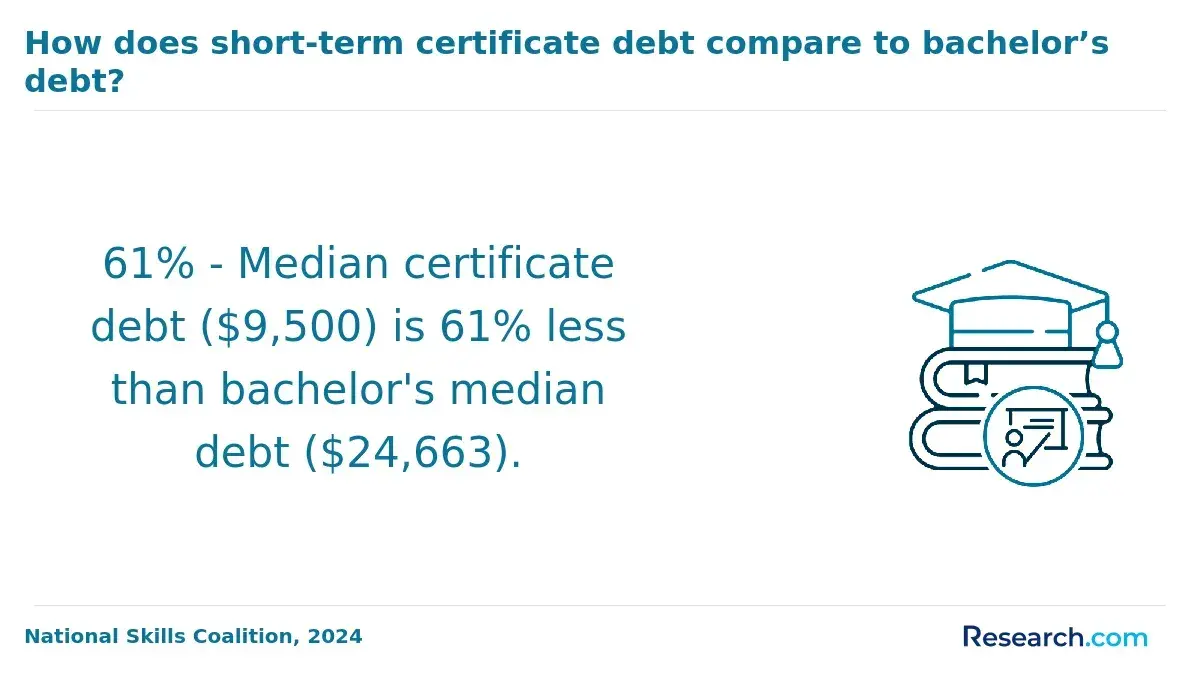
Program length depends on degree level, transfer credits, course load, and whether the school uses traditional semesters or accelerated terms. Cost depends on tuition, fees, equipment, software, printing, books, travel for optional residencies, and the number of credits required to graduate.
College Board's 2024 Trends in College Pricing reported average published tuition and fees of $11,610 for in-state students at public four-year institutions and $43,350 at private nonprofit four-year institutions for the 2024-25 academic year. These figures are not photography-specific, but they help students understand why net price, scholarships, transfer credits, and time to completion can change the real cost of an online degree.
The table below summarizes typical timelines and cost drivers. It is most useful for comparing program formats before you request exact tuition quotes.
| Program type | Typical completion time | Main cost drivers | Cost-control opportunities |
| Associate degree in photography or digital media | About 2 years full time | Tuition, basic camera equipment, software, and general education courses. | Community college pricing, transfer agreements, used equipment, and local printing options. |
| Bachelor's degree or BFA in digital photography | About 4 years full time; shorter with transfer credit | Major courses, studio supplies, Adobe or equivalent software, computer hardware, storage, printing, and portfolio production. | Transfer credit, prior learning review, scholarships, employer assistance, and taking a manageable course load to avoid withdrawals. |
| Master's degree or MFA in photography | About 1 to 3 years depending on degree structure | Graduate tuition, thesis production, exhibition costs, advanced equipment, and optional residencies. | Assistantships where available, part-time enrollment, targeted scholarships, and using existing professional equipment. |
| Certificate or nondegree coursework | A few months to 1 year in many cases | Course fees, software, and limited equipment needs. | Lower total cost, focused skill building, and no general education requirements. |
Students should calculate total cost of attendance, not just advertised tuition. Photography programs can require external drives, monitor calibration tools, lenses, lighting kits, cloud storage, printing, mounting, exhibition materials, and subscription software. These expenses can be manageable, but they should be included in your budget before enrollment.
Use these steps to estimate affordability more accurately:
- Ask for the total number of credits required and the tuition rate that applies to online students.
- Request a list of required equipment and software for the first term and for advanced courses.
- Confirm whether transfer credits can reduce both time and tuition.
- Compare net price after grants and scholarships, not only published tuition.
- Estimate how part-time study may affect financial aid, graduation timing, and opportunity cost.
An accelerated program can be worth considering if you already have transfer credits, a strong schedule, and reliable equipment. A slower part-time path may be smarter if you need to keep working, build a portfolio gradually, or avoid borrowing more than your expected career path can reasonably support.
What careers can graduates pursue using advanced image critique and digital photography skills?
Digital photography graduates can pursue shooting, editing, production, and visual communication roles. The degree itself is rarely the only hiring factor; employers and clients usually care about portfolio quality, reliability, technical skill, visual judgment, and the ability to revise work based on feedback.
The table below connects common career paths with the critique skills they use. It can help students choose electives, portfolio projects, and internships that match their goals.
| Career path | Typical responsibilities | How image critique skills help |
| Commercial or advertising photographer | Create images for products, brands, campaigns, catalogs, websites, and social platforms. | Helps align lighting, composition, color, and mood with brand strategy and client expectations. |
| Portrait or wedding photographer | Photograph individuals, families, couples, events, and milestone sessions. | Supports stronger image selection, emotional pacing, retouching restraint, and client presentation. |
| Photo editor or visual editor | Select, sequence, crop, caption, and prepare images for publications, campaigns, or digital platforms. | Requires fast evaluation of relevance, accuracy, ethics, quality, and narrative flow. |
| Fine art photographer | Develop bodies of work for exhibitions, grants, residencies, publications, or sales. | Strengthens concept development, artist statements, sequencing, and critical defense of creative choices. |
| Content creator or social media visual producer | Produce images and short visual assets for brands, creators, nonprofits, or media teams. | Helps judge whether images communicate quickly, fit platform norms, and support a larger content strategy. |
| Digital imaging technician or retoucher | Manage files, color, retouching, compositing, output, and technical quality control. | Requires close analysis of consistency, realism, visual polish, and ethical boundaries. |
Students who want broader business roles can pair photography with marketing, analytics, or communications coursework. For example, commercial photographers who understand audience segmentation and campaign goals may benefit from studying pathways such as a masters in marketing if they eventually want to move into creative direction, brand management, or content strategy.
Graduates can also work in specialized industries such as sports media, e-commerce, journalism, museums, real estate, healthcare marketing, education, and nonprofit communications. In sports organizations, visual teams may collaborate with analysts, content strategists, and broadcast staff; students curious about that side of the industry can explore how creative media intersects with sports analytics jobs.
The most realistic career strategy is to build a focused portfolio before graduation. A student interested in product photography should not graduate with only portraits and landscapes. A student interested in documentary work should show captions, sequencing, access, ethics, and narrative consistency. Critique skills help students make those portfolio decisions earlier and more deliberately.
What salary ranges and job outlook can digital photography graduates expect in the U.S.?
Salary outcomes in photography vary widely because the field includes full-time employees, freelancers, business owners, assistants, editors, and creative specialists in adjacent industries. Location, client base, portfolio quality, niche, business skills, and consistency of work can matter as much as the credential.
The U.S. Bureau of Labor Statistics reported a May 2024 median annual wage of $42,520 for photographers. That figure is a useful baseline, but it does not capture all income patterns for self-employed photographers, high-end commercial specialists, or graduates who move into art direction, editing, marketing, or digital content roles.
The table below places photography in context with related U.S. roles where image evaluation, composition, editing, and visual communication may be useful. These are occupational wage figures, not degree-specific outcomes.
| Occupation | Relevant connection to digital photography | May 2024 U.S. salary context | Outlook considerations |
| Photographers | Core role for shooting, editing, and delivering photographic work. | Median annual wage of $42,520. | BLS projects 4% employment growth from 2023 to 2033, about as fast as the average for all occupations. |
| Graphic designers | Use images in layouts, campaigns, publications, branding, and digital assets. | Median annual wage of $61,300. | Photography skills can support design work, but most roles also require typography, layout, and software skills. |
| Art directors | Guide visual style for campaigns, publications, productions, and brand systems. | Median annual wage of $111,040. | Usually requires substantial professional experience and a strong portfolio, not just a degree. |
| Film and video editors | Apply visual sequencing, pacing, color, and storytelling judgment to moving images. | Median annual wage of $70,980. | Photography graduates may need additional video, audio, and motion workflow training. |
Students should use salary data as a planning tool, not as a promise. A photography degree may be worth the investment when it produces a stronger portfolio, credible feedback, professional network, and skills that transfer into multiple visual roles. It may be harder to justify financially if the program is expensive, offers little critique, provides weak career support, or does not align with a clear niche.
AI is also changing the market. Automated editing tools can speed up routine retouching and culling, but they do not replace taste, trust, ethical judgment, client communication, or the ability to direct a shoot. Graduates who can critique images, manage a visual concept, and explain why an image serves a goal may be better positioned than those who only know how to operate software presets.
Are certifications or professional memberships valuable for digital photographers specializing in critique?
Certifications and memberships can be useful, but they are not substitutes for a strong portfolio. They can signal professionalism, provide continuing education, create networking opportunities, and help photographers stay current with business practices, copyright issues, software, and industry standards.
The table below explains common credential and membership options. Availability, requirements, and employer recognition vary, so students should confirm current details before paying fees.
| Option | Potential value | Best for | Limitations |
| Certified Professional Photographer credential | Can demonstrate knowledge of technical standards, image evaluation, and professional practice. | Portrait, wedding, commercial, and studio photographers seeking a recognized professional credential. | Not required for most jobs and may matter more in some client markets than others. |
| Adobe or software-focused credentials | Can document editing, workflow, and post-production skills. | Retouchers, content producers, digital imaging assistants, and students seeking software-based roles. | Software skill alone does not prove artistic judgment or critique ability. |
| Professional photography associations | May offer competitions, critiques, workshops, legal resources, insurance information, and networking. | Freelancers and small-business owners who need community and continuing education. | Membership quality varies by organization and local chapter participation. |
| Portfolio reviews and juried exhibitions | Can provide external validation, feedback, and professional visibility. | Fine art, documentary, editorial, and commercial photographers building a reputation. | Selection is competitive and fees can add up, so students should choose carefully. |
For students focused on critique, the most valuable add-ons are those that provide expert feedback rather than only a badge. A juried portfolio review, mentored workshop, or professional association critique can be more useful than a certificate with minimal assessment.
Before investing in a certification or membership, ask these questions:
- Does it include serious image review by qualified professionals?
- Do employers, clients, galleries, or agencies in my target niche recognize it?
- Will it help me improve my portfolio, pricing, contracts, or workflow?
- Is the cost reasonable compared with my current stage and expected benefit?
- Are there student rates, local chapters, mentorship programs, or portfolio-review opportunities?
The main red flag is paying for credentials as a shortcut around portfolio development. In photography, proof of skill is usually visible in the work itself. Credentials are most valuable when they support better work, stronger business practices, or meaningful professional relationships.
How can students evaluate and choose a reputable online digital photography program?
The best online digital photography program is not automatically the cheapest, most famous, or fastest. It is the program that offers credible accreditation, serious critique, suitable equipment expectations, strong faculty access, transparent costs, and a curriculum aligned with your desired career path.
The table below summarizes what to examine before enrolling. It is designed to help students move beyond marketing language and compare programs using evidence.
| What to check | Why it matters | Red flag |
| Institutional accreditation | Supports financial aid eligibility, transfer options, and academic recognition. | The school is vague about accreditation or lists only unrecognized endorsements. |
| Critique structure | Determines whether students receive meaningful feedback and practice revision. | Courses rely mostly on quizzes or self-paced modules with little instructor review. |
| Faculty background | Faculty experience can shape the quality of feedback and professional relevance. | No current portfolios, industry experience, exhibitions, publications, or client work are easy to find. |
| Student work samples | Show the level of portfolio development the program supports. | The school shows only stock-like marketing images or no student portfolios. |
| Equipment and software requirements | These costs affect affordability and readiness for advanced courses. | Requirements are unclear until after enrollment. |
| Career support | Internships, portfolio reviews, alumni access, and business training can affect outcomes. | The program makes broad job claims without explaining placement support or limitations. |
| Transfer and withdrawal policies | Policies affect cost if your plans change. | Credits are hard to transfer, fees are unclear, or refund rules are difficult to understand. |
Students should also compare the degree against alternatives. A full bachelor's degree may make sense if you want broad education, a structured portfolio, and access to multiple visual careers. A certificate or workshop path may be better if you already have a degree and only need targeted lighting, editing, or business skills. A master's degree is usually best for advanced artists, educators, or professionals who need intensive critique and a refined body of work.
Use this decision process before you commit:
- Define your target outcome, such as commercial photography, photo editing, fine art, documentary work, content production, or graduate study.
- Review at least three programs and compare accreditation, total cost, critique format, faculty, portfolio requirements, and career support.
- Ask admissions for sample syllabi, equipment lists, transfer-credit estimates, and examples of how online critique is delivered.
- Calculate net cost after aid and include equipment, software, printing, and time away from paid work.
- Speak with current students or alumni if possible and ask whether feedback is detailed, timely, and useful.
- Choose the program that best matches your portfolio goal, not the one with the broadest advertising language.
A reputable program should make expectations clear before you enroll. If the school cannot explain how students receive critique, how portfolios are assessed, or what graduates are prepared to do, keep looking.
Other Things You Should Know About Digital Photography
Not always. Many programs require an interchangeable-lens digital camera, but the exact specifications vary. Before buying equipment, ask the school for the official camera, lens, computer, storage, and software list so you do not spend money on gear that will not meet course requirements.
Most programs ask for 10 to 20 original images, usually submitted as JPEGs or a PDF portfolio, plus a short artist statement. Some also require 3 to 5 edited pieces that show composition, exposure control, and post-processing, so admissions staff can judge technical skill and visual analysis.
A 2027 online digital photography degree focuses on composition, technical proficiency, and conceptual development to enhance image critique skills. Courses typically include fundamentals of photography, post-processing techniques, and image analysis, providing a comprehensive skillset for evaluating and improving digital imagery effectively.
Explore broadly at first, then specialize as your portfolio direction becomes clearer. Early experimentation helps you understand lighting, documentary practice, portraiture, commercial work, and post-production. Later specialization helps you graduate with a focused portfolio that matches specific clients, employers, or graduate programs.
References
- Photography Course Toronto: Online Training vs In-Person School Comparison https://www.canadianphotographyschool.ca/blog/photography-course-toronto-online-vs-inperson-comparison/
- Concept Art and Visual Story Telling course https://etic.pt/en/course/concept-art-and-visual-storytelling-en/
- Photographer Certifications: Best Credentials to Advance Your Career | Teal https://www.tealhq.com/career-paths/photographer-certifications
- Online Photography Degrees | Photography Programs & Courses https://www.onlinecolleges.net/degrees/photography/
- Digital Camera Recommendations for Photography Students https://collegeforartsandtech.com/digital-camera-recommendations-for-students/
- What Can You Do With A Photography Degree? - What Career Live https://www.whatcareerlive.co.uk/what-can-you-do-with-a-photography-degree/
- The Photography Institute https://www.thephotographyinstitute.com/us/en/blog-salary
- How to Choose the Right Photography Program https://nossi.edu/how-to-choose-the-right-photography-program/
- What's the Outlook for Photographer Jobs? | All Art Schools https://www.allartschools.com/photography/outlook-photography-jobs/
- Digital Photography https://www.learndirect.com/course/digital-photography