2027 Self-Paced Online Physical Education Bachelor's Degree Programs

Co-Founder and Chief Data Scientist
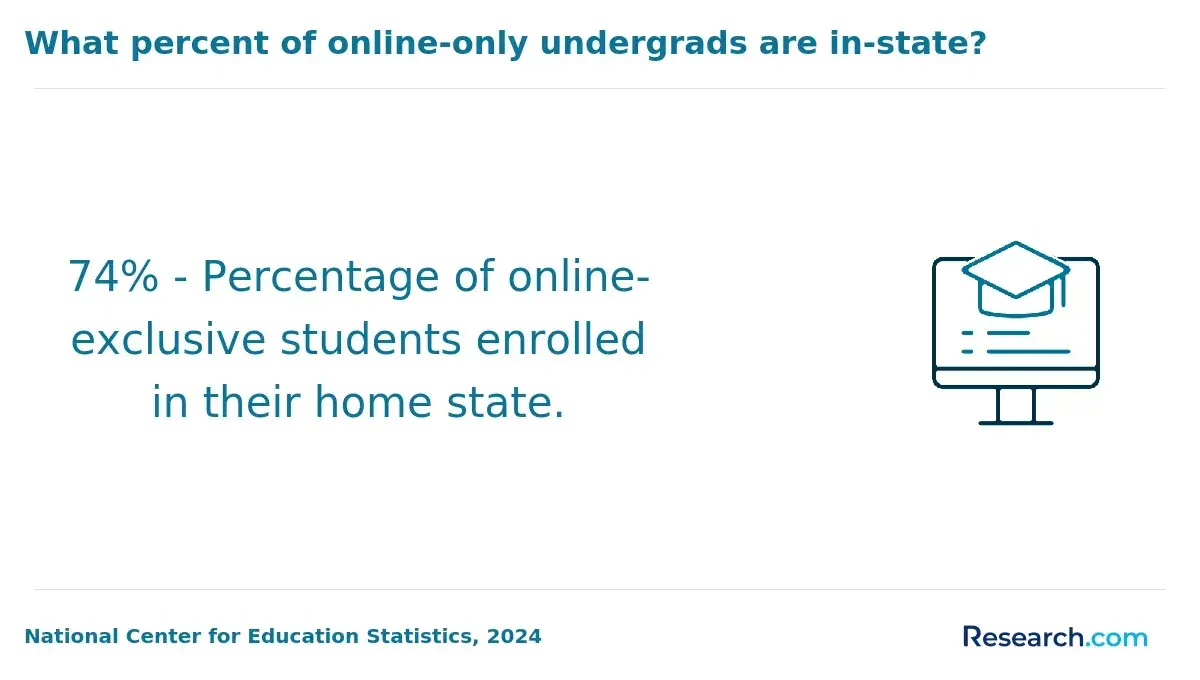
Many working professionals seek to shift careers into physical education but struggle to find programs that accommodate their busy schedules. Traditional degree paths often demand fixed class times and campus attendance, deterring those needing flexibility. Self-paced online physical education bachelor's degree programs address this challenge by allowing learners to progress at their own speed without sacrificing quality. According to the National Center for Education Statistics, enrollment in distance education courses increased by 18% in the last decade, reflecting growing demand for adaptable learning models.
This article explores these programs' structure, benefits, and outcomes to help prospective students make informed decisions.
Key Benefits of Self-Paced Online Physical Education Bachelor's Degree Programs
- Self-paced online physical education bachelor's degrees offer unmatched flexibility, allowing working professionals to balance studies with careers and personal commitments effectively.
- These programs enable accelerated skill acquisition through competency-based models, letting students progress upon mastering course material rather than following fixed schedules.
- Cost-effective pathways include transfer credits, prior learning assessments, and often lower tuition rates, making accredited degrees more accessible for diverse learner profiles.
What Are Self-Paced Online Physical Education Bachelor's Degree Programs, and How Do They Differ From Traditional Online Formats?
Self-paced online physical education bachelor's degree programs differ significantly from cohort-based and asynchronous-but-scheduled formats by allowing students to progress at their own speed. These programs typically offer open enrollment and flexible timelines, enabling students to begin whenever they choose and move through coursework based on their personal schedules and mastery of competencies. This approach is well suited for career changers seeking self-paced online physical education bachelor's degree programs benefits for career changers, as it allows personalized pacing without waiting for traditional semester start dates.
Key structural features include milestone-based progression, where students must demonstrate proficiency through specific assessments before advancing. This competency-based education model emphasizes skill mastery over time spent in class. Transfer credit policies and prior learning assessments are often integral, enabling working adults and returning students to potentially shorten program completion by recognizing previous academic and professional experiences.
Compared to traditional online formats, self-paced physical education degrees require stronger time-management skills. Without fixed deadlines, students must maintain discipline and motivation. Faculty interaction tends to be less scheduled and more on-demand, shifting accountability inward rather than relying on external pacing or cohort peers. These differences highlight the contrast in student experience between self-paced formats and traditional online physical education degree formats.
- Flexible Enrollment: Students can start anytime without waiting for semester start dates, offering unmatched scheduling freedom.
- Milestone-Based Progression: Advancement depends on mastering competencies or passing assessments, supporting personalized learning paths.
- Time Management Demands: Students must independently manage study schedules, requiring strong discipline and motivation for success.
- Ideal Candidates: Working professionals, non-traditional learners, and self-motivated individuals benefit most from self-paced physical education programs due to their flexible, customizable nature.
Many programs also consider financial aid eligibility and provide transfer credit evaluations to support diverse student needs. For additional comparative insights in related fields, prospective students can explore dnp programs.
Which Accredited Institutions Offer Self-Paced Online Physical Education Bachelor's Degree Programs?
Several regionally accredited institutions provide self-paced online physical education bachelor's degree programs designed for students who require flexible scheduling and competency-based progression. These programs allow learners to advance by demonstrating mastery, making them well suited for working professionals or those with previous experience. Such flexibility often includes generous transfer credit policies and prior learning assessments to accelerate degree completion.
- Western Governors University: Accredited by the Northwest Commission on Colleges and Universities (NWCCU), WGU uses a subscription tuition model charging a flat fee every six months regardless of course load. The Bachelor of Science in Health and Physical Education typically takes two to three years, with extensive transfer credit acceptance to facilitate faster graduation.
- University of Wisconsin Flexible Option: This program is accredited by the Higher Learning Commission (HLC) and offers a competency-based Bachelor of Science in Kinesiology. Charging tuition per six-month subscription encourages students to complete as many competencies as possible, with completion times ranging from 18 months to three years.
- Purdue University Global: Regionally accredited by the Higher Learning Commission, Purdue Global provides a Bachelor of Science in Health Science, including physical education concentrations. Tuition is charged per credit hour, and students can leverage transfer credits and prior learning assessments to shorten their study time within the self-paced structure.
- Capella University: Also accredited by the Higher Learning Commission, Capella delivers a Bachelor of Science in Health and Wellness with courses emphasizing physical education within their FlexPath program. This flat per-term tuition covers unlimited courses and supports accelerated pacing depending on the student's motivation and schedule.
- Southern New Hampshire University: Accredited by the New England Commission of Higher Education (NECHE), SNHU offers bachelor's programs in Sport Management and Health Science featuring some competency-based learning elements relevant to physical education. Tuition is per credit hour, supplemented by transfer credit policies and financial aid options.
For those exploring the best accredited schools for self-paced physical education bachelor's degree options, these institutions provide reliable, flexible pathways. Additionally, prospective students may want to consider related fields such as healthcare administration, with details available on healthcare administration degree programs.
2026 Update: Planning for Licensure and In-Person Fieldwork
This 2026 update adds guidance on how self-paced online physical education students should evaluate licensure pathways and required hands-on experiences before enrolling.
- Confirm whether the program is designed for teacher licensure, fitness roles, coaching, or non-licensure physical activity careers.
- Check your state education agency’s requirements for physical education teachers before assuming an online degree will qualify you.
- Ask how student teaching, practicum, or field observation placements are arranged in your local area.
- Review whether CPR, first aid, background checks, or health clearances are required before fieldwork begins.
- Find out if self-paced coursework has deadlines tied to placement approval, school calendars, or supervised teaching terms.
- Clarify who evaluates in-person teaching performance and how feedback is submitted for online students.
Checking these details early helps students choose a flexible program that still supports their career goal, especially if they plan to become licensed physical education teachers.
How Long Does It Take to Complete a Self-Paced Online Physical Education Bachelor's Degree?
Completion times for self-paced online physical education bachelor's degrees vary widely, from as quickly as 18 months to upwards of five years. This range reflects the adaptable structure of such programs, contrasting with the average of four to six years typical for traditional degrees, as noted by the Bureau of Labor Statistics and the National Center for Education Statistics.
- Prior Credits: Accepting transfer credits from earlier college work or associate degrees can significantly cut down the timeline by allowing students to skip lower-level courses and focus on advanced material.
- Weekly Commitment: Students investing 15 to 20 hours each week tend to finish sooner than those balancing studies with work or family commitments, showing how consistent effort impacts duration.
- Prior Learning Assessments: Evaluations like exams, portfolios, or professional certifications offer credit for existing knowledge, accelerating graduation for experienced individuals.
- Self-Paced Structure: The freedom to progress at one's own speed allows quick advancement through familiar topics but demands strong self-motivation to avoid delays.
- Personal Scheduling: Customizing realistic study plans with the aid of academic advisors and online support boosts steady progress and helps maintain momentum.
A professional who enrolled in a self-paced online physical education bachelor's program described the experience as "challenging yet rewarding." Balancing family responsibilities and a part-time job required careful time management, and occasional moments of self-doubt made staying on track difficult. He shared that "having a clear schedule and support from advisors made a huge difference in keeping me motivated." He appreciated the flexibility to accelerate through courses he already knew well but noted that without deadlines, maintaining discipline was crucial to preventing extended completion times.
What Are the Admission Requirements for Self-Paced Online Physical Education Bachelor's Degree Programs?
Admission requirements for self-paced online physical education bachelor's degree programs typically include a high school diploma or GED as proof of foundational education. Many programs expect a minimum GPA of about 2.0 to 2.5, but open-enrollment and rolling-admission policies found in numerous programs ease entry barriers, particularly benefiting non-traditional and returning students. These flexible options accommodate varying academic backgrounds and schedules.
Prerequisite coursework may be necessary in related areas such as biology or health to ensure preparedness for the curriculum. However, many self-paced programs offer remedial resources or waive some prerequisites based on prior learning assessments and transfer credit policies for self-paced physical education bachelor's degrees, making them accessible to a wider applicant pool.
- High School Diploma or GED: Serves as the minimum educational requirement confirming readiness for collegiate study in physical education.
- Minimum GPA Expectations: Usually ranges from 2.0 to 2.5, although some institutions forgo strict GPA rules to increase accessibility.
- Prerequisite Coursework: May involve science or health subjects, though flexibility is common through transfer credits or competency-based evaluations.
- Admission Policies: Rolling and open-enrollment policies simplify application processes, especially for working adults and those reentering education.
- Academic Support: Selective programs generally provide more structured advising and tutoring, while open-access formats rely on student self-motivation but offer greater scheduling freedom.
- Enhancing Applications: Including letters of recommendation, personal statements, or relevant work experience can improve admission chances when candidates are near minimum requirements.
Prospective students may also explore universities with no application fee to further reduce enrollment costs and administrative hurdles.
How Much Does a Self-Paced Online Physical Education Bachelor's Degree Cost, and What Affects Tuition?
Per-Credit Tuition: Many programs charge tuition by credit hour, commonly between $200 and $600. Given degree requirements of roughly 120 to 130 credits, total costs typically range from about $24,000 to $78,000. This payment model allows flexibility but can accumulate to a significant overall expense.
Flat-Rate Subscription Models: Some institutions offer time-based flat fees-such as six months or a year-that let students take unlimited courses within that period. This structure favors faster learners by reducing cost per course but might be less economical for those who progress more slowly.
Bundled Fee Arrangements: A number of programs combine tuition with fees for course materials, technology access, and student support services into a single payment. While this simplifies budgeting, the initial upfront cost may be higher than in unbundled pricing plans.
Technology and Proctoring Fees: Additional mandatory costs can include charges for accessing online platforms, virtual exam proctoring, and required software licenses. These fees often add several hundred dollars beyond tuition, increasing the total program price.
Course Materials and Software: Online physical education degrees often rely on digital textbooks, health and fitness app subscriptions, or specialized software. These requirements contribute further expenses beyond standard tuition.
Pacing and Total Cost: Students accelerating through curriculum under subscription models tend to lower their overall expenditure. In contrast, slower progress may result in higher cumulative fees, so understanding personal learning speed is essential to managing affordability.
Reflecting on her journey, a professional who earned a self-paced online physical education bachelor's degree shared that balancing coursework with work and family demanded constant time management. She recalled feeling pressured to move quickly within subscription periods to maximize value while navigating tech setup challenges and unexpected software costs. Despite these hurdles, she emphasized that the program's flexibility allowed her to maintain steady progress without sacrificing income, ultimately leading to her confidently launching a successful career in health and wellness education.
What Financial Aid Options Are Available for Self-Paced Online Physical Education Bachelor's Programs?
Self-paced online physical education bachelor's programs often qualify for federal financial aid through FAFSA, but eligibility depends on how each program aligns with federally recognized credit-hour equivalencies. Since many competency-based education (CBE) models measure progress differently, this can influence the timing and amount of aid disbursements.
State funding opportunities also vary, with some states offering grants and scholarships that include online learners. It is important for students to investigate state-specific policies to ensure they maximize available aid.
Institutions typically provide crucial additional support by offering scholarships and flexible payment plans designed to accommodate the pacing flexibility of these programs. Furthermore, scholarships targeted specifically at physical education students-often provided by professional bodies like the American Alliance for Health, Physical Education, Recreation and Dance (AAHPERD)-can supplement federal and state aid.
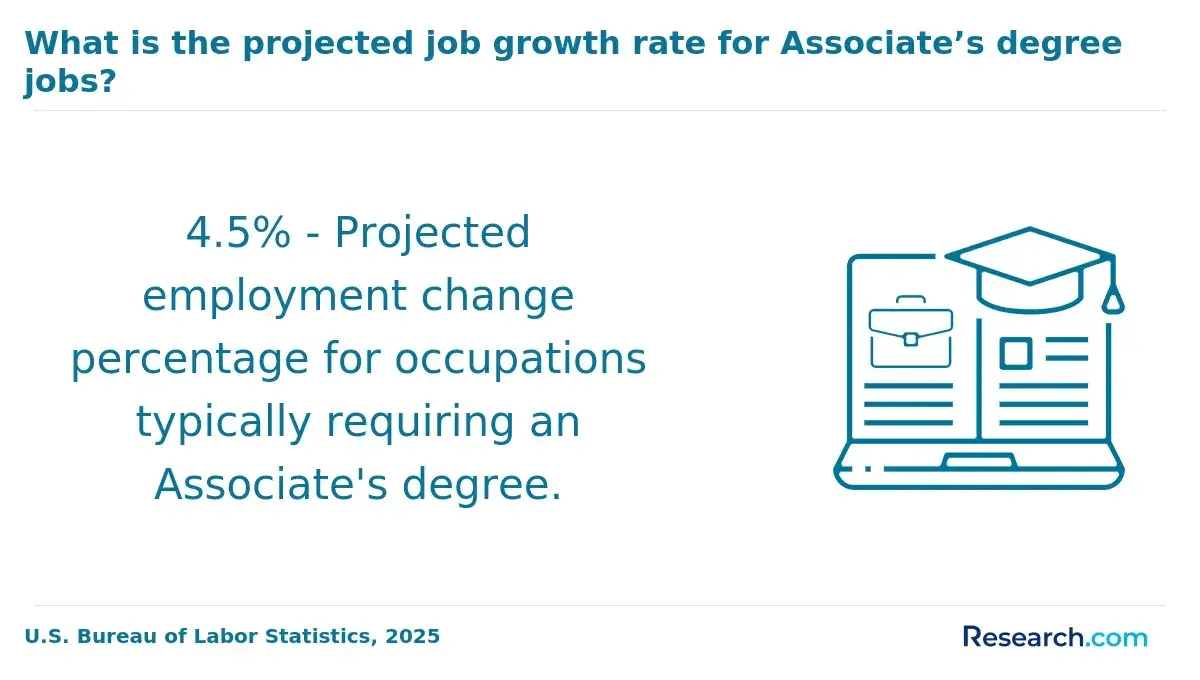
According to the College Board's 2023 Trends in Student Aid report, approximately 85% of undergraduates, both online and on-campus, receive some form of financial aid, underscoring the commonality of assistance regardless of learning format.
Because financial aid policies can be complex and sensitive to program design, students should speak directly with financial aid offices prior to enrollment to understand how self-paced structures might affect their eligibility and funding schedule.
- Federal Aid Eligibility: FAFSA supports self-paced physical education programs that meet credit-hour equivalents, but aid depends on the program's reported progress method and timing.
- State Grants and Scholarships: Availability and conditions vary widely; students should check local programs to find potential funding for online, self-paced learners.
- Institutional Support: Many universities provide scholarships and flexible payment options tailored to accommodate the unique pacing of CBE programs.
- Discipline-Specific Scholarships: Physical education professional associations offer targeted financial awards for students pursuing degrees in this field.
- Consult Financial Aid Offices: Direct communication with aid administrators is critical to clarify eligibility and understand how program design affects disbursement.
How Do Competency-Based Education (CBE) Models Work in Self-Paced Online Physical Education Programs?
Competency-based education (CBE) in self-paced online physical education bachelor's degree programs centers on mastering skills and knowledge rather than accumulating classroom hours. Students progress by successfully demonstrating competencies through assessments, projects, or practical tasks that confirm their understanding. This model allows learners to advance quickly through familiar material and dedicate more time to challenging concepts.
For purposes like financial aid and accreditation, many CBE programs convert demonstrated competencies into credit hours. Direct assessment programs measure learning outcomes without initially relying on credit hours, whereas credit-hour-equivalent programs align competencies with traditional semester hours to maintain eligibility for federal aid. This distinction significantly impacts how students finance their education and transfer credits.
Institutions such as Western Governors University use real-world scenario assessments supported by faculty mentors, emphasizing practical application and employer relevance. Southern New Hampshire University offers a credit-hour-equivalent CBE program with capstone projects and quizzes, aligning coursework with industry standards to ensure employer recognition. Both programs provide flexible pacing alongside strong faculty support.
Success in CBE requires high levels of self-discipline and motivation, as students must manage their own learning schedules and mastery goals. Prospective students should carefully evaluate their learning preferences to determine if this framework fits their educational needs. Enrollment in competency-based programs has increased by over 15% in recent years, reflecting growing appeal among working professionals seeking flexible, skill-focused degrees.
- Mastery Over Time: Students progress by proving skills through assessments rather than logging classroom hours, enabling personalized learning speeds.
- Credit Hour Conversion: Many CBE programs translate competencies into credit hours for federal aid, with some using direct assessment models distinct from traditional credit systems.
- Assessment Methods: Evaluations include projects, exams, and practical applications reviewed by faculty mentors to ensure mastery.
- Faculty Support: Even with flexible pacing, strong mentorship remains vital to help students succeed and stay on track.
- Student Readiness: Self-motivation and discipline are crucial; understanding individual learning styles helps determine if a CBE program is suitable.
What Accreditation Should a Self-Paced Online Physical Education Bachelor's Program Hold?
Accreditation is a key consideration for anyone exploring accredited self-paced online physical education bachelor's degrees. Regional accreditation carries greater prestige and credibility with employers and graduate schools, often facilitating easier credit transfers and broader acceptance. The U.S. Department of Education recognizes six regional accrediting bodies: the Middle States Commission on Higher Education (MSCHE), New England Commission of Higher Education (NECHE), Higher Learning Commission (HLC), Northwest Commission on Colleges and Universities (NWCCU), Southern Association of Colleges and Schools Commission on Colleges (SACSCOC), and Western Association of Schools and Colleges Senior College and University Commission (WSCUC). Many reputable self-paced online physical education bachelor's programs hold accreditation from one of these agencies, and some also have programmatic accreditation from specialized organizations like the Council for the Accreditation of Educator Preparation (CAEP), which focuses specifically on teacher preparation standards in physical education.
Programs with national accreditation or without any accreditation typically face obstacles such as limited credit transferability and weaker recognition by graduate programs or employers. This can slow career advancement and restrict eligibility for certain certifications. Prospective students should always verify accreditation status using the U.S. Department of Education's accreditation database and the Council for Higher Education Accreditation (CHEA) directory to confirm a program's validity and value. Additionally, understanding transfer credit policies, prior learning assessments, and available financial aid improves decision-making when selecting a program.
For individuals seeking flexible options, exploring various degree fields may also reveal cost advantages-such as those seen in health information management degree online programs-which can offer valuable insights on affordability when comparing self-paced educational paths.
- Regional Accreditation: Recognized as the standard for academic quality, regional accreditation from one of six U.S. Department of Education-approved agencies ensures wider acceptance by employers and graduate schools in physical education.
- National Accreditation: Often less rigorous and not universally recognized, national accreditation may limit credit transfers and reduce graduate program options, posing a risk for career growth.
- Programmatic Accreditation: Specialized accreditation like CAEP adds credibility by focusing on the standards of physical education teacher preparation programs alongside institutional accreditation.
- Credit Transferability: Degrees from regionally accredited programs typically allow smoother credit transfers; nationally accredited or non-accredited programs often face rejection of credits by other schools.
- Career Advancement: Employers and graduate programs prefer regionally accredited degrees which enhance job opportunities and eligibility for certifications in the physical education field.
- Verification Resources: Use the U.S. Department of Education's accreditation database and CHEA's directory to confirm a program's accreditation, ensuring the legitimacy and recognition of your chosen degree.
How Many Transfer Credits Can Be Applied Toward a Self-Paced Online Physical Education Bachelor's Degree?
Transfer credit policies for self-paced online physical education bachelor's degree programs widely vary, but many institutions provide generous acceptance of prior coursework to enhance degree completion flexibility. Programs typically assess incoming credits based on course equivalency, accreditation of the originating school, and relevance to the physical education curriculum. Some accept up to 90 transfer credits-about three-quarters of a traditional bachelor's degree-permitting students with previous college experience to accelerate their timeline significantly. These policies align closely with the maximum transfer credits accepted by online physical education bachelor programs, helping to reduce overall time and costs.
Military training credits hold notable value, often recognized through ACE (American Council on Education) recommendations, offering veterans and active-duty service members added transfer options. In addition, articulation agreements with community colleges streamline credit transfers, especially for foundational and general education courses related to physical education. Such partnerships facilitate seamless transitions and maximize credit acceptance.
Prospective students should request a transfer credit evaluation before enrollment to understand the exact remaining credit requirements and avoid unexpected expenses or delays. This step ensures alignment with degree plans and helps clarify financial aid eligibility.
- Credit Limits: Many programs allow between 60 and 90 transfer credits, offering substantial opportunity for degree acceleration depending on prior studies and institutional criteria.
- Military Credit Acceptance: ACE recommendations convert military training and experience into transferable academic credits, enhancing options for service members.
- Articulation Agreements: Formal partnerships with community colleges facilitate smooth transfer of foundational and general education coursework relevant to physical education bachelor programs.
- Course Relevance Evaluation: Transfer credits must align with the program's learning objectives, with advisors reviewing course content for applicability.
- Pre-Enrollment Evaluations: Obtaining official transfer credit assessments is crucial for accurately determining remaining coursework and program costs.
Students interested in flexible advancement can also explore online rn to bsn programs for insights into related credit policies and self-paced learning models.
Can Students Earn Credit Through Prior Learning Assessment in Self-Paced Online Physical Education Programs?
Prior Learning Assessment (PLA) allows students in self-paced online physical education bachelor's programs to earn academic credit for skills and knowledge gained outside traditional classrooms. This includes professional experience, military training, industry certifications, and independent study. Common PLA approaches involve portfolio reviews, challenge exams, and standardized tests such as CLEP and DSST, enabling learners to accelerate their degree completion while reducing tuition costs.
Schools like Western Governors University and Excelsior College are known for their flexible PLA policies, permitting students to earn between 30 and 60 credit hours through documented prior learning. These institutions require formal evidence such as work samples, certifications, or official military transcripts. Their evaluation processes align with the American Council on Education's (ACE) credit recommendation system, which standardizes credit transfer and is especially beneficial for military personnel transitioning to civilian education.
Students should carefully compile detailed narratives, certifications, and official records to strengthen their PLA submissions. Early discussions with academic advisors can help ensure a smoother evaluation process. According to recent NCES data, PLA participation contributes significantly to improved degree completion rates among non-traditional adult learners, reflecting its growing role in higher education.
- Recognition of Varied Learning: PLA credits acknowledge diverse pathways, including exams, military experience, certifications, and portfolios demonstrating competency.
- ACE Standards for Credit: The American Council on Education provides nationally accepted guidelines ensuring consistent and legitimate credit awards.
- Flexible Credit Limits: Many programs offer up to 30-60 credits, shortening time-to-degree and lowering cost.
- Required Documentation: Submissions must include detailed proof such as official transcripts, certifications, and reflective portfolios.
- Impact on Completion Rates: Increased use of PLA leads to higher graduation rates among adult learners, supporting lifelong education goals.
What Concentrations or Specializations Are Available in Self-Paced Online Physical Education Bachelor's Programs?
Self-paced online physical education bachelor's programs commonly offer various concentrations tailored to diverse career goals. These options let students focus on areas of interest while navigating flexible timelines-program length may vary depending on practical requirements like internships or certification prep.
- Sports Coaching and Training: This specialization develops expertise in athlete conditioning and performance enhancement. Graduates often enter coaching or athletic training roles with median salaries between $47,000 and $50,000. Additional credentials such as the Certified Strength and Conditioning Specialist (CSCS) may be necessary for some positions.
- Health and Wellness Promotion: Focusing on community wellness and prevention, this track prepares students for roles in wellness coordination or public health advocacy. Salaries usually range from $45,000 to $55,000, with no licensure typically required, making it well-suited to flexible, self-paced study.
- Physical Education Teaching: Intended for aspiring licensed physical education teachers, this concentration necessitates passing state exams and completing supervised student teaching. Median salaries fall between $60,000 and $65,000, and internships often extend program duration.
- Rehabilitation and Therapeutic Exercise: This route trains students to assist recovery and chronic condition management. Positions such as physical therapy assistants have median pay around $50,000, though clinical hours and certifications may lengthen completion time.
- Adaptive Physical Education: Concentrating on individuals with disabilities, this area requires specialized knowledge and sometimes state certification. Salaries are comparable to general teaching roles, but niche expertise enhances demand.
Selecting a concentration should balance personal passion with job market prospects and program demands, as practical components strongly influence how quickly students finish their degree.
What Graduates Say About Self-Paced Online Physical Education Bachelor's Degree Programs
- Hugh: "I chose the self-paced online physical education bachelor's degree program because it allowed me to balance work and study without sacrificing either. The affordable tuition made it accessible while still providing a comprehensive curriculum tailored to future sports professionals. Since graduating, I've secured a position as a youth fitness coordinator, and the flexibility I had during the program truly prepared me for managing varied responsibilities in my career."
- Damien: "Reflecting on my decision to pursue a self-paced online physical education degree, the cost-effectiveness stood out as a major factor-I was able to avoid hefty campus fees and commuting expenses. The program's design also let me absorb the material deeply, setting a solid foundation for me as a physical education instructor. This degree has been instrumental in enhancing my teaching methods and opened doors for me in several schools within my community."
- Aiden: "Professional growth was my priority, and the self-paced online program in physical education offered the perfect route. I appreciated the ability to learn at my own speed, which was crucial while working part-time jobs. Investing in this degree proved worthwhile, as it significantly boosted my credentials and confidence, helping me land a role as a wellness coach in a reputable organization."
Other Things You Should Know About Physical Education Degrees
Admission generally requires a high school diploma or GED, completion of prerequisite courses in biology or physical education, and sometimes a minimum GPA. Check specific program requirements for additional criteria like standardized test scores or letters of recommendation.
Yes. Many programs accept up to 90 transfer credits toward a 120-credit bachelor’s degree, but only from regionally accredited colleges. Core physical education, lab, and practicum courses are usually harder to transfer and may require departmental approval.
Students must have a reliable internet connection and a computer or tablet with updated software to access online coursework. Some programs may also require specific applications or tools like fitness tracking software for completing practical assessments and assignments.
References
- Physical Education Degree Programs https://www.teachercertificationdegrees.com/degrees/physical-education-degree/
- World's Largest platform as University Common Application https://www.planstudyabroad.uniagents.com/course-details.php
- Online Physical Education Degree | Forest Trail Academy https://foresttrailacademy.com/exploring-an-online-physical-education-degree-and-its-benefits-for-high-school-students/
- The Complete Guide to Competency-Based Education https://www.d2l.com/blog/the-complete-guide-to-competency-based-education/
- B.S.Ed. in Physical Education https://mayvillestate.edu/msu-online/programs/bsed-physical-education/
- Accredited Virtual High School PE Curriculum | Sterling Academy https://www.sterling.academy/accredited-virtual-high-school-pe-physical-education-curriculum
- Bs In Physical Education And Sport https://www.gotouniversity.com/programs/bachelors/united-states-of-america/education/physical-or-health-or-fitness-education/indiana-university-of-pennsylvania/bs-in-physical-education-and-sport
- Bachelor of Science in Health Physical Education Teaching https://education.wayne.edu/health-physical-education-teaching/bs
- Online Physical Education | FAQ's for Parents and Students https://caronelearning.com/faqs-for-students-and-parents/
- What is Self Paced Learning? Definition, Benefits and Tips | Digital Learning Institute https://www.digitallearninginstitute.com/blog/what-is-self-paced-learning-definition-benefits-and-tips