2027 Online Physical Education Bachelor's Degree Programs With Weekly Start Dates

Co-Founder and Chief Data Scientist
Many working professionals with unrelated undergraduate degrees find it difficult to start a Physical Education bachelor's degree program due to rigid enrollment schedules. Weekly start dates solve this by allowing students to begin their studies immediately-eliminating months-long wait times.
Recent data shows that enrollment in online Physical Education programs with flexible start dates has grown by 35% over the past three years, reflecting increasing demand for adaptable education models. This article will explore the benefits and options available in online Physical Education bachelor's degree programs with weekly start dates, helping readers find a flexible and accredited path to pivot their careers effectively.
Key Benefits of Online Physical Education Bachelor's Degree Programs With Weekly Start Dates
- Weekly start dates offer unmatched flexibility for working professionals and career changers balancing jobs and family commitments.
- They eliminate traditional semester wait times-students can enroll and begin coursework within days of acceptance.
- This streamlined process removes common barriers to returning to school while earning a regionally accredited physical education degree.
What Are Weekly Start Dates in Online Physical Education Bachelor's Programs, and How Do They Differ From Traditional Term-Based Enrollment?
Weekly start dates in online physical education bachelor's degree programs refer to a flexible enrollment system that allows students to begin their coursework every week rather than waiting for fixed semester or quarter start times. This rolling enrollment model contrasts with traditional term-based systems, where students must wait months for the next available semester, commonly fall or spring. By removing these long waiting periods, programs with weekly start dates give students more control over their academic timeline and enable immediate progression toward their degree.
Institutions like Western Governors University and Purdue Global exemplify this approach by offering continuous enrollment. Students can apply and start classes almost right away, enabling busy adults and nontraditional learners to integrate their studies with professional and personal commitments. This format supports accelerated progression through competency-based or self-paced courses, often resulting in faster degree completion than traditional semester schedules. Such programs often accept generous transfer credits and prior learning assessments, helping students save time and reduce tuition costs.
Demand for weekly start dates has increased as they specifically meet the needs of career-focused adults seeking online physical education degrees who value flexibility. These learners benefit from an adaptable schedule that minimizes gaps between application and course start and respects adult learners' complex lives. Additionally, this model often includes financial aid opportunities and clear accreditation standards that ensure a quality education and promising career outcomes.
- Flexibility And Convenience: Weekly starts enable enrollment at any time, removing strict semester constraints and allowing students to better fit coursework into their varied lifestyles.
- Accelerated Progression: Immediate starts combined with self-paced learning let students finish their degrees faster compared to the traditional semester-based formats.
- Reduced Waiting Periods: Eliminating months-long delays helps students maintain momentum and avoid lost time that could increase overall costs or delay career advancement.
- Designed For Adult Learners: This enrollment system accommodates working professionals and other nontraditional students by offering custom start times and adaptable pacing options.
For those exploring their options, programs featuring weekly start dates often present more accessible pathways than other degrees-for example, those seeking easy nursing programs to get into face somewhat similar rolling admissions advantages. Understanding these factors can help prospective students pick the best online physical education bachelor's degree programs with weekly start dates for their goals.
Which Accredited Institutions Offer Online Physical Education Bachelor's Degree Programs With Weekly or Rolling Start Dates?
Finding an online physical education bachelor's degree program with weekly or rolling start dates allows students-even working professionals and adult learners-to begin coursework without waiting for a traditional semester schedule. This flexibility accelerates progress and fits varied life commitments.
Below are five regionally accredited institutions offering such programs with a focus on per-credit tuition, enrollment frequency, and transfer credit policies, verified by official sources.
- American Public University System (APUS): The Bachelor of Arts in Sports and Health Sciences, with a physical education concentration, is accredited by the Higher Learning Commission. Tuition is about $285 per credit, with courses starting weekly. APUS provides generous transfer credit acceptance and prior learning assessments to help students complete degrees faster and more affordably.
- Southern New Hampshire University (SNHU): Offering a Bachelor of Science in Sports Studies, SNHU is accredited by the New England Commission of Higher Education. Tuition runs around $320 per credit, and courses begin monthly, enabling near-continuous enrollment. SNHU also supports extensive financial aid and transfer options to optimize student savings and pacing.
- Liberty University: This program offers a Bachelor of Science in Kinesiology, including physical education content, with accreditation from the Southern Association of Colleges and Schools Commission on Colleges (SACSCOC). Tuition is approximately $390 per credit, with weekly starts designed for adult learners. They encourage transfer credits and competency-based learning to shorten time-to-degree.
- Grand Canyon University (GCU): The Bachelor of Science in Physical Education and Health Education is accredited by the Higher Learning Commission. Tuition is around $470 per credit, with several weekly start dates. Personalized academic support and financial aid enhance affordability and aid timely completion.
- University of the People: This tuition-free online school, accredited by the Distance Education Accrediting Commission (DEAC), offers a Bachelor of Science in Health Science featuring physical education components. While it lacks regional accreditation, it has weekly enrollments and low assessment fees totaling about $2400 for the degree, ideal for cost-conscious learners.
All listed universities except the University of the People meet regional accreditation standards, ensuring quality education recognized by employers and graduate programs. Weekly or rolling enrollment means students do not wait months to start, empowering a better study-life balance. Accepting transfer credits and prior learning assessments also lets students reduce course loads and tuition.
For those exploring flexible pathways, considering an online nursing school without TEAS test or other accelerated programs could further complement career goals in the health and physical education fields.
How Do Weekly Start Dates in Online Physical Education Programs Benefit Working Adults and Non-Traditional Students?
Weekly start dates in online physical education bachelor's degree programs break down traditional scheduling barriers that often prevent working adults from enrolling. By removing fixed semester deadlines, students can begin courses immediately after acceptance, closing the gap between their motivation to advance their careers and actually starting their studies. This prompt access is crucial for maintaining momentum and avoiding delays that may cause loss of interest or opportunity.
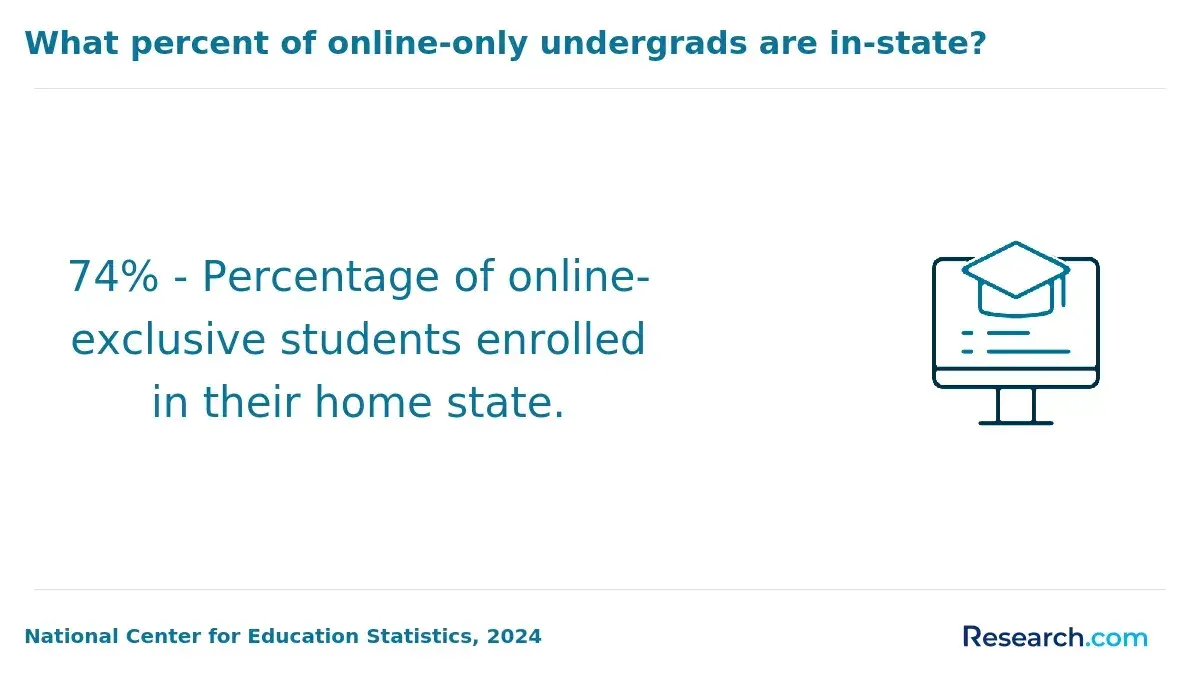
Data from the National Center for Education Statistics and the Lumina Foundation highlight that flexible enrollment schedules contribute to higher persistence and graduation rates among adult learners. When students can choose start times that align with busy work and personal calendars, they better manage responsibilities and remain committed to program completion. This adaptability directly tackles one of the biggest challenges for non-traditional students-balancing education amid unpredictable life demands.
Additionally, starting sooner enables students to accelerate their degree completion, which can lead to faster career progress. Rather than waiting for the next semester, they begin gaining new skills earlier, potentially unlocking promotions, salary increases, or enhanced job prospects in physical education fields. This timeliness can offset educational costs by enabling quicker returns on investment through improved employment outcomes.
- Immediate Enrollment: Students avoid unnecessary delays by starting coursework right after acceptance, harnessing their current drive to succeed.
- Higher Completion Rates: Flexible start dates improve retention as learners balance school with personal and professional commitments more effectively.
- Personalized Scheduling: Programs accommodate diverse lifestyles by allowing students to plan education around work and family obligations.
- Accelerated Career Growth: Starting classes earlier shortens the path to degree completion and career advancement, increasing earning potential sooner.
A professional who enrolled in an online physical education bachelor's degree program with weekly start dates described the experience as "liberating." He faced challenges juggling irregular work hours and family life but appreciated the ability to "jump in immediately" after acceptance without waiting months for a semester to begin.
"That immediacy kept my motivation alive," he said, helping him stay focused amid distractions. He also noted that pacing his coursework according to his own needs made balancing responsibilities possible, and the early start dates meant he could "put what I learned to work faster" in pursuing his career goals.
What Is the Total Tuition Cost for Online Physical Education Bachelor's Programs That Allow Weekly Enrollment?
The average tuition cost for online physical education bachelor's programs with weekly start options varies widely, largely influenced by per-credit-hour rates and program design. Typically requiring about 120 credits, total expenses range from roughly $20,000 to upwards of $50,000 depending on the institution. Using NCES IPEDS and official tuition data provides a clear picture of these costs.
- Per-Credit Pricing: Many programs charge tuition per credit hour, usually between $150 and $450. Multiplying the rate by 120 credits offers a convenient estimate of the total tuition, though variations occur due to differing course fees or program specifics.
- Flat-Rate Tuition: Some schools implement block or flat-rate pricing per term, allowing students to take a full course load for one fixed price. This can reduce overall expenses for those taking advantage of accelerated pacing.
- In-State Tuition Extended: A small number of institutions provide in-state tuition rates to all online students, regardless of residency. This model creates affordable and transparent pricing compared to standard out-of-state fees.
- Additional Fees: Beyond tuition, prospective students should account for costs like technology fees and course materials. These extra charges may add several hundred to a few thousand dollars over the full program.
Considering the total tuition cost alongside program flexibility, including weekly enrollment availability, helps learners find programs that suit their financial and scheduling needs. Prior learning assessments and transfer credit policies often reduce credits required, lowering expenses further. Those interested in broader affordability options for advanced healthcare fields might explore the cheapest PhD nursing programs as a reference point.
How Quickly Can Students Complete an Online Physical Education Bachelor's Degree When Enrolling Through a Weekly Start Option?
Students in many weekly start programs can enroll in several courses per term, allowing full-time learners to graduate in about 3 to 4 years. Part-time students typically take longer, often between 5 and 6 years, depending on how many classes they take each period.
Programs accepting up to 90 transfer credits or recognizing prior learning assessments enable students to bypass introductory classes. This approach can cut total study time dramatically, sometimes allowing degree completion in as little as 2 to 3 years.
Some institutions offer models where progression depends on demonstrated skills rather than seat time. This method is ideal for professionals with prior experience and can shorten the time to degree completion significantly.
Weekly or rolling enrollment options eliminate traditional wait times between semesters, letting students start coursework as soon as they're prepared. This continuous access supports steady momentum and reduces delays common in standard semester systems.
When asked about her experience completing a self-paced online physical education bachelor's degree through a weekly start option, a professional who established her career afterward reflected on the process as both challenging and rewarding. She described balancing work and coursework while appreciating the program's flexibility.
"I was able to focus on mastering each subject fully before moving on," she said, noting the relief of not being tied to a fixed schedule. At times, it was tough managing deadlines without the structure of traditional semesters, but the ability to start immediately after deciding to enroll kept her motivated. Overall, this format allowed her to accelerate her education without sacrificing quality or her job performance.
What Admission Requirements Must Students Meet to Enroll in an Online Physical Education Bachelor's Program With a Weekly Start Date?
Weekly-start online physical education bachelor's programs often welcome a diverse range of students, including newcomers to college, working adults, and those returning after a break. These programs usually require a high school diploma or GED, and many waive standardized tests like the SAT or ACT to simplify entry. Open or rolling admissions models are common-allowing students to enroll without waiting for traditional semester dates-which makes starting more flexible but also demands strong self-motivation and time management skills.
A minimum GPA of about 2.0 on a 4.0 scale is typically expected, striking a balance between accessibility and readiness. Programs with more selective admission criteria may require additional documentation such as recommendation letters or personal statements and often provide extensive academic support services like tutoring and advising. Less selective schools focus more on removing enrollment barriers, so students need to proactively seek help when necessary.
Applicants with non-traditional backgrounds or extended gaps in education should emphasize relevant experiences and clearly communicate their academic goals and commitment to degree completion. Highlighting work or volunteer roles tied to health, coaching, or fitness can further strengthen an application.
Data from the National Center for Education Statistics shows enrollment in rolling admissions online programs rose by over 15% in the last five years-indicating growing demand for flexible physical education degree options.
- Flexible Entry: High school diploma or GED is required, with standardized testing often optional, enabling enrollment every week.
- GPA Requirements: A 2.0 GPA minimum is common, reflecting a balance between accessibility and academic preparedness.
- Academic Support: Selective programs offer robust resources, while open-admission schools emphasize accessibility, placing more responsibility on students to seek assistance.
- Non-Traditional Applicants: Highlighting relevant experience and motivation strengthens applications for those with gaps or alternative educational paths.
- Enrollment Growth: Rolling admissions programs have grown by more than 15% in five years, reflecting increasing flexibility demand.
How Do Online Physical Education Programs With Weekly Starts Handle Transfer Credits From Previous College Coursework?
Weekly-start online physical education bachelor's degree programs often provide flexible transfer credit policies to accommodate adult learners and working professionals. These programs frequently accept credits from accredited community colleges, military service, and employer-sponsored training, helping students reduce both time and costs to degree completion. Schools accredited by bodies like the Council for the Accreditation of Educator Preparation (CAEP) maintain transparent policies encouraging prior learning assessments that recognize real-world experience as academic credit.
The American Council on Education (ACE) is essential in this process by evaluating non-traditional learning for college credit. Many institutions apply ACE recommendations to convert military training and professional certifications into transferable credits, which can significantly streamline graduation pathways. Prospective students should request an official transcript evaluation to clarify how many credits will transfer and determine the remaining coursework needed to graduate.
Some programs allow transfer of up to 90 semester credits, particularly advantageous for those with previous academic or military experience. According to the National Center for Education Statistics, about 65% of online bachelor's degree students transfer some credits, reflecting the increasing role of flexible credit acceptance in online education.
- Generous Transfer Limits: Many weekly-start physical education programs accept up to 90 semester credits from regionally accredited institutions, enabling faster degree completion.
- ACE Credit Utilization: Institutions use ACE evaluations to grant credit for verified military and employer-based learning, translating experience into academic progress.
- Transcript Evaluation: Requesting a detailed credit review before enrollment ensures students understand their credit standing and can plan finances accordingly.
- Cost Savings: Applying transfer credits reduces tuition expenses by minimizing course load, a key benefit for budget-conscious adult learners.
- Accreditation Assurance: CAEP and regional accreditation bodies support clear credit policies, promoting fairness and academic quality for transfer students.
What Financial Aid and Scholarship Options Are Available for Students Enrolling in Weekly-Start Online Physical Education Programs?
Students enrolling in online physical education bachelor's degree programs with weekly start dates can access a variety of federal financial aid options similar to those in traditional semester systems. The Free Application for Federal Student Aid (FAFSA) is the essential first step. Applying early is critical because many grants and scholarships are limited and awarded on a first-come, first-served basis.
Federal aid includes Pell Grants for eligible low-income students, subsidized and unsubsidized Stafford loans based on financial need and credit status, and Federal Work-Study programs that help students earn while learning. Although programs offer flexible weekly enrollment, aid disbursements generally follow the federal academic calendar, requiring schools to allocate funds across terms aligned with student pace.
According to the College Board's Trends in Student Aid data, average financial aid packages for undergraduates cover a significant portion of tuition but vary widely by institution and student profile. Most students receive a mix of grants, loans, and scholarships rather than a single source of aid. Many online physical education degree students benefit from scholarships specifically designed for them, offered by professional organizations such as SHAPE America, dedicated nonprofits, or universities supporting online learners to ease financial barriers.
Careful attention to FAFSA deadlines and scholarship eligibility criteria helps maximize funding. Utilizing transfer credits and prior learning assessments can shorten the time to degree, reducing overall costs and enhancing savings. Adult learners and working professionals should explore institutional financial aid counseling to optimize resources. Prospective students interested in related fields might also consider options like a nutritionist degree online for complementary career paths.
- Early FAFSA Application: Submitting FAFSA promptly is crucial as Pell Grants and many scholarships are limited and granted on a rolling basis.
- Federal Aid Options: Students may qualify for Pell Grants, subsidized/unsubsidized Stafford loans, and Work-Study regardless of weekly starts, though disbursement aligns with academic calendars.
- Scholarships for Physical Education: Targeted scholarships exist from SHAPE America, nonprofits, and institutions specifically for physical education students and online learners.
- Financial Aid and Weekly Starts: Weekly enrollment offers flexibility, but aid is typically divided per federal guidelines, so students should understand these aid cycles in relation to their course schedules.
- Maximizing Cost Savings: Using transfer credits and prior learning assessments can shorten degree time and reduce tuition expenses.
What Accreditation Standards Should a Weekly-Start Online Physical Education Bachelor's Program Meet to Ensure Employer and Transfer Recognition?
When selecting an online physical education bachelor's degree accreditation program with weekly start dates, understanding accreditation standards is essential to ensure employer respect and ease of credit transfer. Accreditation verifies program quality and credibility, but not all accrediting bodies carry equal weight. Regional accreditation is widely regarded as the gold standard for physical education degrees because it undergoes more rigorous evaluation and is broadly accepted by employers and graduate schools.
The U.S. Department of Education recognizes seven main regional accrediting bodies: the Middle States Commission on Higher Education (MSCHE), New England Commission of Higher Education (NECHE), Higher Learning Commission (HLC), Northwest Commission on Colleges and Universities (NWCCU), Southern Association of Colleges and Schools Commission on Colleges (SACSCOC), Western Association of Schools and Colleges Senior College and University Commission (WSCUC), and the Accrediting Commission for Community and Junior Colleges (ACCJC).
Among these, HLC and SACSCOC most commonly accredit online programs that offer flexible weekly start options, which are ideal for adult learners seeking an adaptable schedule. National accreditation usually targets vocational and technical programs and tends to be less comprehensive.
Attending only nationally accredited institutions can restrict credit transfer opportunities to regionally accredited schools or delay admission to graduate physical education programs, where regional accreditation is often mandatory. Always verify any program's accreditation status directly through the U.S. Department of Education's accreditation database to avoid surprises.
- Regional vs. National: Regional accreditation offers stronger credibility, better credit transferability, and wider employer recognition compared to most national accreditors focused on niche or career-specific programs.
- Recognized Accrediting Bodies: The U.S. Department of Education officially recognizes seven regional accrediting bodies; HLC and SACSCOC typically accredit weekly-start online physical education programs.
- Check Official Sources: Confirm program accreditation on the Department of Education database to ensure enrollment in properly accredited schools and protect your educational investment.
- Transfer Risks: Credits earned at nationally accredited schools may not transfer to regionally accredited institutions, which can hinder further education or employment advancement.
- Employer Recognition: Regional accreditation is preferred by employers in physical education fields, improving job prospects and professional growth.
For those exploring flexible enrollment options, programs with weekly start dates provide ongoing opportunities to begin coursework without waiting for traditional semester schedules. These programs often feature generous transfer credit policies and prior learning assessments, allowing students to accelerate their degree completion and reduce overall tuition costs. To learn more about flexible physical education pathways, consider reviewing an online exercise physiology degree program, which shares similar accreditation standards and enrollment flexibility.
How Is Coursework Structured in Online Physical Education Bachelor's Programs With Weekly Starts Compared to Semester-Based Formats?
Weekly-start physical education bachelor's degree programs deliver content primarily through asynchronous video lectures that students can access anytime, paired with interactive discussion boards to encourage engagement. Assignments are due weekly, helping maintain steady progress and accountability. Digital collaboration tools also support peer projects and communication, despite the fully online environment. Compared to semester-long courses, these programs offer shorter terms, typically five to eight weeks.
This accelerated format efficiently covers essential physical education competencies, such as exercise science concepts, motor development theories, health promotion, and adaptive physical education strategies. However, the condensed nature may limit opportunities for deeper exploration and extensive hands-on experiences that longer semesters allow. Success in such programs depends on creating a structured study plan, minimizing distractions, and maintaining active contact with instructors and classmates via digital platforms.
Data from the National Center for Education Statistics shows that fully online degrees with rolling enrollments have seen over a 15% enrollment increase in the last five years, reflecting their growing appeal to diverse learners.
- Accelerated Learning Model: Weekly start programs use asynchronous lectures alongside digital tools, enabling continuous progression without fixed class times, which suits busy adults.
- Time Management Requirements: Condensed five- to eight-week courses demand strong self-discipline to keep up with rapid assignments and mastery of content.
- Core Competency Focus: Programs emphasize fundamental physical education skills efficiently but may lack the extended immersion of semester formats.
- Preparation for Success: Proactive scheduling, consistent online engagement, and familiarity with collaboration platforms are crucial in managing accelerated pace.
Can Students Earn Credit Through CLEP, DSST, or Prior Learning Assessment in Weekly-Start Online Physical Education Programs?
Credit-by-examination programs such as CLEP and DSST enable students to earn college credit by demonstrating their command of subject material, allowing them to bypass certain courses in online physical education bachelor's degree programs with weekly start dates. These exams, standardized and widely accepted, help reduce both the duration and cost of completing a degree.
The College Board administers CLEP exams covering essential general education topics, while DSST exams, aligned with the American Council on Education (ACE) credit recommendations, offer additional options, especially related to health and fitness knowledge. Many programs with rolling enrollment maintain flexible Prior Learning Assessment (PLA) policies.
These policies often include portfolio-based submissions showcasing professional experience, training certificates, and military transcripts. Institutions such as East Carolina University and Excelsior College are known for generous PLA limits-sometimes granting up to 30 credits-and for accepting ACE military training evaluations. This flexibility can significantly benefit adult learners and veterans who seek to convert existing expertise into academic credit.
Applicants should document prior learning carefully by compiling course syllabi, detailed job descriptions, professional certifications, and letters verifying their experience. Early submission of this evidence to a program's registrar or admissions office is crucial to ensure timely review and credit integration into academic plans, preventing delays in progress.
- Standardized Exams for Credit: CLEP and DSST exams provide widely accepted means to earn credit for knowledge already acquired, accelerating degree completion and lowering tuition costs.
- Flexible PLA Policies: Weekly-start online physical education programs often welcome portfolios and other evidence of learning outside formal classrooms, supporting adult and nontraditional learners.
- Military Training Credit: ACE recommendations translate veterans' training and experience into transferable college credits accepted by many accredited institutions.
- Thorough Documentation: Successful credit evaluation depends on organized prior learning records including syllabi, certifications, and employment verification letters.
- Timely Submission: Initiating credit assessments early in enrollment helps integrate awarded credits smoothly and prevents academic delays.
What Graduates Say About Online Physical Education Bachelor's Degree Programs With Weekly Start Dates
- Armando: "Choosing an online physical education bachelor's degree with weekly start dates was a game-changer for me-I needed flexibility while working full-time. The cost was surprisingly affordable compared to campus programs, which eased my financial worries. Since graduating, I've already secured a position as a wellness coordinator, so this program truly jump-started my career!"
- Damien: "Reflecting on my experience, the convenience of weekly start dates allowed me to begin my studies exactly when I was ready without waiting for traditional semester schedules. The investment felt worthwhile, offering high-quality instruction without exorbitant fees. Professionally, it opened doors to certification opportunities that have elevated my standing in the field."
- Aiden: "The online physical education bachelor's degree program was perfect for establishing my career on my own terms-I appreciated the ability to start each week and pace my learning. Cost-wise, it fit well within my budget, especially as I balanced work and study. Completing the program has profoundly impacted my job prospects, and I feel more confident pursuing leadership roles in sports education."
Other Things You Should Know About Physical Education Degrees
Yes, 2027 online physical education bachelor's programs often employ diverse teaching methods—like video lectures, interactive modules, and peer discussion forums—to suit varied learning styles. This flexibility ensures that students can engage with the content in the ways that best support their learning needs.
Online physical education programs with weekly start dates often incorporate diverse learning methods such as video lectures, interactive discussions, and hands-on projects. This range of instructional techniques is designed to support various learning preferences, ensuring students can engage with the material in a way that best suits their individual needs.
Many weekly-start online physical education programs offer academic advising, tutoring, and career counseling tailored to distance learners. Technical support is usually available 24/7 to address platform issues. Additionally, some programs provide virtual study groups and wellness resources specifically designed to engage students in physical education content and maintain motivation.
Students should assess program accreditation, flexibility in scheduling, transfer credit policies, and availability of experiential learning opportunities. Consideration of faculty qualifications and access to specialized physical education resources is also important. Prospective enrollees should verify if the program aligns with their certification requirements or professional licensure to ensure career relevance.
References
- Transfer Planning for Physical Education https://www2.cortland.edu/offices/advisement-and-transition/transfer-credit-services/new-students/transfer-planning-pages/PEM
- How many years does it take to get a bachelor's degree in physical education? - Answers https://www.answers.com/education/How_many_years_does_it_take_to_get_a_bachelor%27s_degree_in_physical_education
- USW LOCAL 13-1 https://www.usw131.org/index.cfm
- Prior Learning Assessment https://www.tesu.edu/admissions/methods-of-earning-credit/prior-learning-assessment.php
- B.S.Ed. in Physical Education https://mayvillestate.edu/msu-online/programs/bsed-physical-education/
- How to Start Your Online Training Programs: A Comprehensive Guide https://aaa-accreditation.org/how-to-start-your-training-center-a-comprehensive-guide/
- Resale Articles https://resale-articles.rky.pl/a/Reference_Education/Weather/89705.html
- Top 6 Low-Cost Online Bachelor's in Physical Education https://www.greatvaluecolleges.net/rankings/online-bachelors-physical-education/
- Understanding online education scholarships - Craftivox https://www.craftivox.com/en-us/article/finance/understanding-online-education-scholarships-3078897890
- Explore 3 Benefits of Online Degree Programs With Live Classes https://www.yahoo.com/news/explore-3-benefits-online-degree-programs-live-classes-140000711.html