2027 Self-Paced Online Applied Behavior Analysis Bachelor's Degree Programs

Co-Founder and Chief Data Scientist
Choosing a self-paced online applied behavior analysis bachelor’s degree is mainly a question of fit: Can the program help you enter or advance in behavior analysis without forcing you into a rigid class schedule, unnecessary debt, or a degree that employers and graduate schools may not recognize?
These programs are designed for working adults, parents, military learners, transfer students, and career changers who need more control over when they study and how quickly they move through coursework. They can be especially useful if you already have college credits, relevant work experience, or the discipline to complete assignments without weekly class meetings.
According to recent data, enrollment in such programs has increased by 45% over the past five years, reflecting growing demand for adaptable learning pathways. This guide explains how self-paced ABA bachelor’s programs work, how they compare with traditional online formats, what accreditation to verify, how transfer and prior learning credits can reduce time and cost, and what to consider before enrolling.
Key Benefits of Self-Paced Online Applied Behavior Analysis Bachelor's Degree Programs
- Self-paced online applied behavior analysis bachelor's degrees offer working professionals flexibility to balance coursework with job and family commitments, enhancing accessibility without compromising quality.
- These programs use competency-based models that allow students to accelerate skill acquisition by progressing upon mastery, enabling faster degree completion compared to traditional formats.
- Cost-effective pathways-often accepting transfer credits and prior learning assessments-reduce overall expenses while providing accredited credentials, making advancement affordable for non-traditional students.
What Are Self-Paced Online Applied Behavior Analysis Bachelor's Degree Programs, and How Do They Differ From Traditional Online Formats?
Self-paced online applied behavior analysis bachelor’s degree programs let students complete coursework with more control over timing than a standard semester-based program. Instead of attending classes at fixed times or moving with a cohort, students usually work through modules, assignments, and assessments independently, often with faculty feedback and academic advising available as needed.
The key difference is not simply that the program is online. Many online programs are asynchronous but still require weekly deadlines, discussion posts, term-based exams, and set start dates. A self-paced format gives students more flexibility to accelerate through familiar material or slow down during demanding work or family periods.
- Open Enrollment: Some programs allow students to begin without waiting for a traditional semester start date. This can help career changers and working adults start when their schedule and finances are ready.
- Flexible Timelines: Students may decide when to complete readings, assignments, and assessments within the school’s broader academic policies. This flexibility is helpful, but it also removes many external reminders that keep students moving.
- Milestone-Based Progression: In competency-based formats, advancement depends on proving mastery through assessments rather than simply completing a fixed number of class meetings.
- Time Management: Self-paced does not mean easier. Students need a weekly study plan, clear completion targets, and enough discipline to avoid long gaps between assignments.
- Faculty Interaction: Support is often available through email, feedback, office hours, or advising rather than frequent live class sessions. Students who need regular real-time instruction should compare support models carefully.
- Student Accountability: Without a cohort schedule, students are responsible for staying on track. The format works best for learners who are comfortable managing deadlines independently.
Many self-paced ABA bachelor’s programs use competency-based education models. These models can be efficient for students who already understand parts of the curriculum through work, military training, prior college coursework, or professional experience. They can also be demanding because progress depends on demonstrating mastery, not merely logging time.
Transfer credit policies and prior learning assessments can shorten time-to-degree when previous coursework or documented experience aligns with degree requirements. Financial aid may also work differently in nontraditional formats, so students should confirm eligibility, enrollment status, and disbursement timing before committing. Learners considering advanced study later may also compare flexible undergraduate pathways with options such as a 1 year master’s degree online.
Which Accredited Institutions Offer Self-Paced Online Applied Behavior Analysis Bachelor's Degree Programs?
Accredited self-paced or highly flexible online ABA bachelor’s options are typically offered by regionally accredited universities that serve adult learners. The best fit depends on how the school structures pacing, tuition, transfer credits, assessments, and student support.
When comparing institutions, verify three things before applying: institutional accreditation, whether the curriculum aligns with your career or certification goals, and whether the program is truly self-paced or simply asynchronous within fixed terms.
- Capella University: Offers a competency-based Bachelor of Science in Applied Behavior Analysis, using a subscription tuition model that charges a flat rate per 12-week term regardless of credits earned. Accredited by the Higher Learning Commission (HLC), students typically finish in 2 to 3 years depending on transfer credits and individual pacing.
- Western Governors University: Features a competency-based Bachelor of Science in Behavior Analysis where students earn competencies instead of traditional credits. Tuition is a flat rate per six-month term, encouraging accelerated progression. Accredited by the Northwest Commission on Colleges and Universities (NWCCU), the average completion time ranges from 2 to 4 years.
- Southern New Hampshire University: Provides a fully online Bachelor of Science in Applied Behavior Analysis with asynchronous courses allowing self-paced progress within terms. Using a per-credit tuition system, SNHU is accredited by the New England Commission of Higher Education (NECHE). Most students complete the program within 3 to 4 years and benefit from transfer-friendly policies.
- Liberty University: Offers a Bachelor of Science in Psychology with an applied behavior analysis concentration, supporting flexible, self-paced online learning. Tuition is charged per credit hour, and Liberty holds regional accreditation from the Southern Association of Colleges and Schools Commission on Colleges (SACSCOC). Completion varies, often between 3 to 5 years depending on transfer credits and course load.
- Arizona State University Online: Delivers a Bachelor of Science in Applied Behavior Analysis with some self-paced study options, mostly through asynchronous formats. Tuition is per credit, accredited by the Higher Learning Commission (HLC). The average program length is 3 to 4 years with possibilities for transfer credits and accelerated learning.
These institutions differ in ways that directly affect cost and completion time. A subscription model may be less expensive for students who can complete several courses in a term, while a per-credit model may be more predictable for students who need to move slowly. Transfer-friendly policies can also reduce both cost and workload, especially for students who already hold an associate degree or substantial prior credits.
Prospective students should also ask whether coursework supports the roles they want after graduation, such as behavior technician, case support, school-based behavioral support, or preparation for graduate study. If you are comparing flexible human-services degrees more broadly, MSW accelerated programs can provide a useful point of comparison for pacing, field requirements, and student support.
How Long Does It Take to Complete a Self-Paced Online Applied Behavior Analysis Bachelor's Degree?
Completion time varies widely. Some students finish a self-paced online applied behavior analysis bachelor’s degree in as little as one year, while others take three to five years. The difference usually comes down to transfer credits, weekly study time, prior learning credit, program structure, and whether the student can maintain consistent momentum.
Students with many accepted credits can move much faster because they do not need to repeat general education or introductory coursework. Those starting with few or no credits should expect a longer path unless they can study intensively and use prior learning assessment where available.
- Prior Credits and Transfer Coursework: Accepted college credits can reduce the number of courses required for graduation. The most useful credits are from accredited institutions and match general education, psychology, statistics, or elective requirements.
- Weekly Time Commitment: Students who can devote 20 or more hours per week often complete coursework faster. Students with fewer weekly hours may still succeed, but they should plan for a longer timeline.
- Prior Learning Assessments: Some programs award credit for documented professional experience, military learning, certifications, exams, or portfolio evidence. This can reduce the number of courses a student must complete.
- Typical Timeframes: Some learners complete the degree in 12 to 24 months, while many take three to five years because they are balancing employment, caregiving, and other responsibilities.
- Realistic Scheduling: A sustainable plan is better than an unrealistic accelerated plan. Students should map weekly study hours before enrollment and include time for readings, papers, assessments, and instructor feedback.
- Support Services: Academic advising, tutoring, career services, and progress coaching can help students avoid stalled enrollment and stay focused through difficult courses.
According to data from the National Center for Education Statistics, part-time students average about six years to complete a bachelor’s degree. That figure is a useful reminder that flexibility does not automatically mean speed. Self-paced programs reward consistency, but they do not remove the academic work required to earn a degree.
One professional enrolled in a self-paced online applied behavior analysis bachelor’s program said the format made it possible to keep working full time and manage family obligations, but it also required disciplined planning. He recalled, “At times, evenings were my only study option, which made consistency tough.” He also found that prior learning assessments helped him finish sooner than expected, and that academic advising was especially valuable during periods of fatigue and uncertainty.
What Are the Admission Requirements for Self-Paced Online Applied Behavior Analysis Bachelor's Degree Programs?
Admission requirements for self-paced online applied behavior analysis bachelor’s programs are usually designed for adult and transfer students, but they still vary by school. Most programs require a high school diploma or GED. Some ask for a minimum GPA, commonly between 2.0 and 3.0 on a 4.0 scale, while others use open-enrollment or rolling-admission policies.
Applicants should not assume that easier access means lower academic expectations. ABA coursework often includes psychology, behavior assessment, ethics, data collection, intervention planning, and research methods, so students need enough academic preparation to handle college-level writing, statistics, and applied concepts.
- High School Diploma or Equivalent: Most schools require a high school diploma or GED. This confirms basic eligibility for undergraduate study.
- Minimum Academic Criteria: Many programs require a minimum GPA, often between 2.5 and 3.0. Some flexible or open-enrollment programs admit students with lower GPAs but may require additional advising, placement steps, or academic support.
- Prerequisite Coursework: Prior courses in psychology, biology, or statistics may be helpful or required. Some schools allow students to complete prerequisites after admission, while others use transfer credits or prior learning assessments to satisfy them.
- Open Enrollment vs. Selective Admission: Open-access programs may admit applicants who meet basic requirements and then provide structured support. Selective programs may require stronger academic records, essays, recommendation letters, or proof of readiness for online study.
- Application Strengthening: Applicants who do not meet minimum criteria can improve their file by completing relevant community college courses, writing a focused personal statement, documenting work or volunteer experience, and speaking with admissions staff before applying.
Students should also ask whether admission to the university automatically means admission to the ABA major or concentration. In some programs, students must complete foundational courses first before taking advanced applied behavior analysis classes. If you are comparing flexible online degrees mainly by affordability and structure, an unrelated benchmark such as the cheapest online construction management degree can help you evaluate how tuition models differ across fields.
How Much Does a Self-Paced Online Applied Behavior Analysis Bachelor's Degree Cost, and What Affects Tuition?
Tuition for a self-paced online applied behavior analysis bachelor’s degree depends on the institution, tuition model, number of credits required, transfer credits accepted, and how quickly the student completes coursework. Many schools charge per credit hour, often between $300 and $600, with most programs requiring 120 to 130 credits. That creates an estimated tuition range between $36,000 and $78,000 before fees, books, and other costs.
Some competency-based programs use a flat-rate subscription model instead. Under this approach, students pay a set amount for a term and may complete as much coursework as they can during that period. This can lower the total cost for highly organized students who move quickly, but it can become expensive if progress slows.
- Per-Credit Tuition: Students pay for each credit hour, typically $300 to $600. This model is easier to estimate when the school provides a clear degree plan and transfer evaluation.
- Flat-Rate Subscription: Students pay a fixed term rate for course access. The model rewards faster completion but can cost more if students need extra terms.
- Hidden Fees: Technology fees, exam proctoring charges, course materials, and specialized applied behavior analysis software can add several hundred or even thousands of dollars to the final cost.
- Pacing Effects: In subscription programs, speed directly affects affordability. In per-credit programs, pacing may affect living costs and time away from higher-paying roles, even if tuition per course is fixed.
- Transfer Credits and Prior Learning: Accepted credits can reduce the number of courses required and lower tuition. Students should request a transfer evaluation before enrolling.
- Financial Aid Options: Aid eligibility depends on the school, program structure, enrollment status, and federal or institutional rules.
Students who intend to pursue certification beyond the bachelor’s level should also budget for future education, supervised experience, exam costs, or graduate study if required for their target credential or state. For those comparing affordability across behavior analysis pathways, a list of cheapest bcba certification programs can help frame longer-term education costs beyond the bachelor’s degree.
A professional who completed a self-paced online applied behavior analysis bachelor’s program described cost planning as a balancing act. She recalled, “At first, the per-credit tuition seemed daunting, but transferring previous coursework eased the financial load.” She also said the subscription model motivated her to stay on pace: “Knowing that faster completion would save money encouraged me to plan carefully and avoid delays.” Her experience highlights a common lesson: the lowest advertised tuition is not always the lowest total cost.
What Financial Aid Options Are Available for Self-Paced Online Applied Behavior Analysis Bachelor's Programs?
Financial aid may be available for self-paced online applied behavior analysis bachelor’s programs, but students need to confirm eligibility before enrolling. Federal, state, institutional, and private aid rules can work differently when a program is competency-based, subscription-based, or not organized around traditional semesters.
Federal aid such as Pell Grants and Direct Loans generally depends on FAFSA eligibility, institutional participation, enrollment status, satisfactory academic progress, and how the program defines credit hours or equivalent academic progress. Competency-based education programs must meet applicable credit-hour or direct-assessment rules for students to receive federal aid.
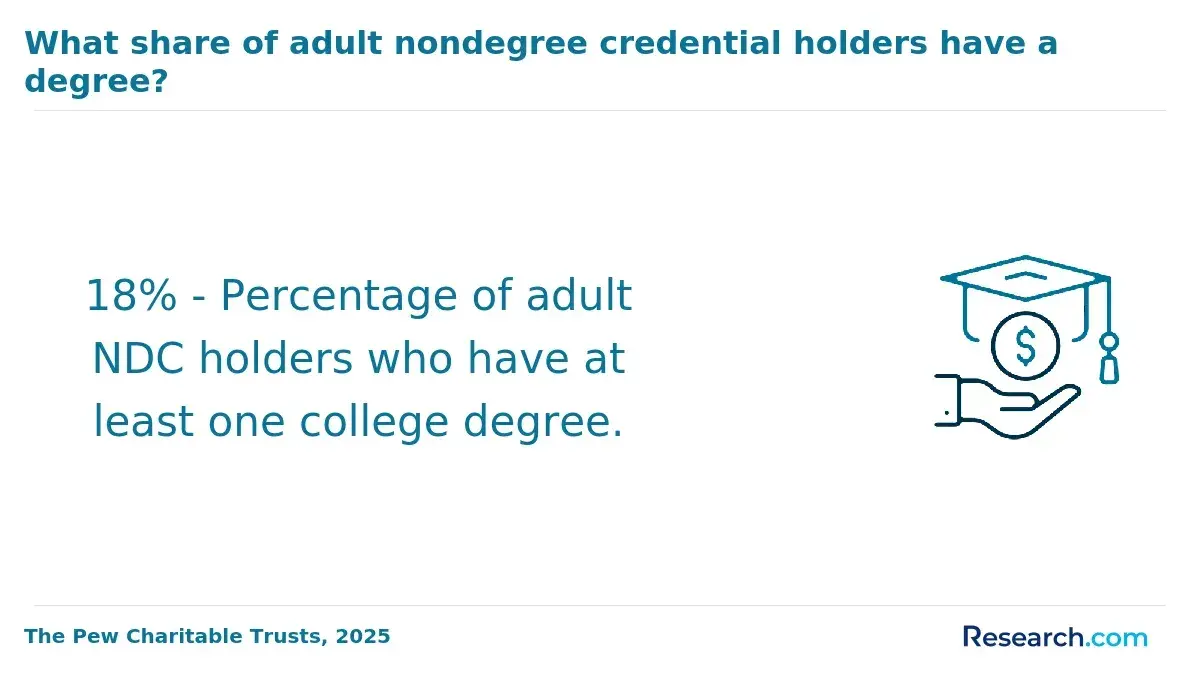
According to the College Board’s Trends in Student Aid, about 85% of undergraduates receive financial assistance, averaging nearly $14,000 annually. However, online and self-paced learners should pay close attention to how and when aid is disbursed, especially if the program uses flexible starts or nontraditional terms.
- FAFSA Enrollment Rules: Students should verify whether the program qualifies for federal aid and how enrollment intensity is calculated. This matters for Pell Grants, Direct Loans, and satisfactory academic progress requirements.
- State and Institutional Support: State grants, workforce-aligned scholarships, institutional awards, tuition discounts, and payment plans may help reduce out-of-pocket costs.
- Professional Scholarships: Organizations such as the Association for Behavior Analysis International (ABAI) and the Behavior Analyst Certification Board (BACB) may offer discipline-focused awards for students pursuing applied behavior analysis careers.
- Disbursement Timing: Self-paced formats can affect when funds are released. Students should ask whether aid is disbursed by term, completed competencies, credit equivalencies, or another schedule.
- Growing Online Demand: Online bachelor’s degree enrollment surged over 35% between 2019 and 2023, increasing the importance of financial aid policies that work for flexible learners.
Before committing, ask the financial aid office for a written estimate that includes tuition, required fees, expected aid, loan amounts, refund timing, and what happens if you complete courses faster or slower than planned. Students should also confirm whether changing pace could affect aid eligibility or require repayment.
How Do Competency-Based Education (CBE) Models Work in Self-Paced Online Applied Behavior Analysis Programs?
Competency-based education, or CBE, measures progress by demonstrated mastery rather than time spent in class. In a self-paced online applied behavior analysis program, students typically study course materials independently and then complete assessments that show they can apply behavioral concepts, analyze data, interpret ethical scenarios, or design appropriate interventions.
This model can be efficient for learners who already have relevant experience. For example, a student who has worked as a behavior technician may move more quickly through introductory behavior principles while spending more time on research methods, ethics, or advanced assessment topics.
- Mastery Over Time: Students advance by passing assessments, projects, exams, or performance tasks. Progress is based on competence rather than weekly attendance.
- Credit Hour Translation: Some CBE programs translate competencies into credit-hour equivalents for financial aid, transfer, and transcript purposes. Direct assessment programs may award credit based strictly on demonstrated mastery rather than traditional credit increments.
- Program Examples: Western Governors University uses frequent performance-based assessments and faculty mentors. Capella University’s FlexPath option uses competency quizzes and ongoing faculty feedback.
- Self-Discipline Required: CBE students need strong planning habits because they often control the pace. A lack of weekly deadlines can lead to delays if students do not create their own structure.
- Growing Popularity: Recent studies indicate that about 30% of online learners prefer competency-based education for its flexibility and personalized pacing.
CBE is not ideal for everyone. Students who learn best through live lectures, group discussion, and frequent instructor reminders may prefer a more structured online format. Students considering CBE should ask how assessments are graded, how often faculty provide feedback, what happens if an assessment is not passed, and whether the transcript clearly shows credits or competencies in a way that graduate schools and employers will understand.
What Accreditation Should a Self-Paced Online Applied Behavior Analysis Bachelor's Program Hold?
A self-paced online applied behavior analysis bachelor’s program should be offered by an institution with recognized accreditation. For most students, regional accreditation is the safest standard because it is widely accepted by employers, graduate schools, transfer institutions, and financial aid systems.
The six regional accrediting bodies recognized by the U.S. Department of Education include the New England Commission on Higher Education (NECHE), Middle States Commission on Higher Education (MSCHE), Southern Association of Colleges and Schools Commission on Colleges (SACSCOC), Higher Learning Commission (HLC), Western Association of Schools and Colleges Senior College and University Commission (WSCUC), and Northwest Commission on Colleges and Universities (NWCCU).
- Regional Accreditation: Regional accreditation is generally the preferred standard for transferability, graduate admissions, employer recognition, and access to federal financial aid when other eligibility rules are met.
- National Accreditation Risks: Nationally accredited programs may be legitimate, but credits may not transfer as easily to regionally accredited institutions. Some graduate programs or employers may also prefer regionally accredited degrees.
- Programmatic Review and Certification Alignment: At the bachelor’s level, ABA-specific programmatic accreditation is less common. Students should distinguish institutional accreditation from curriculum alignment with Behavior Analyst Certification Board (BACB) pathways or other credential requirements.
- Verification Resources: Students should confirm accreditation directly through the U.S. Department of Education’s accreditation database or the Council for Higher Education Accreditation (CHEA) directory before applying.
- Career Impact: A degree from a non-accredited institution can create serious problems, including limited credit transfer, reduced graduate school options, and possible barriers to professional credentials.
Accreditation is especially important if you plan to pursue graduate study, supervised practice, certification, or state-regulated roles later. Requirements can vary by credential and jurisdiction, so students should not rely only on marketing language from a school. Those considering future leadership or administrative roles may also compare post-bachelor’s options such as an online master’s in organizational leadership.
How Many Transfer Credits Can Be Applied Toward a Self-Paced Online Applied Behavior Analysis Bachelor's Degree?
Many self-paced online applied behavior analysis bachelor’s programs accept substantial transfer credit, but the exact number depends on the institution. Most programs accept between 60 and 90 credits, and some institutions accept up to 90 transfer credits. The most transferable credits usually come from accredited colleges and match general education, psychology, statistics, electives, or lower-division major requirements.
Transfer credit can be one of the biggest factors in reducing both time and cost. A student entering with an associate degree, military training evaluated by the American Council on Education (ACE), or community college coursework covered by articulation agreements may need far fewer credits to graduate.
- Transfer Credit Limits: Most programs accept between 60 and 90 credits, with the strongest credit awards going to courses from recognized accredited institutions that align with degree requirements.
- Military Training Credits: ACE-recommended military training may apply toward general education, elective, or related requirements when the school accepts those recommendations.
- Articulation Agreements: Community college partnerships can make transfers smoother by identifying courses that already match bachelor’s degree requirements.
- Credit Evaluation Process: Students should request a transcript review before enrollment. A clear evaluation should show accepted credits, remaining requirements, estimated completion time, and projected tuition.
- Program Variability: Transfer rules differ by school. Some institutions are generous with electives but stricter with major courses, while others require a minimum number of credits to be completed in residence.
Students should avoid enrolling before they know how their credits will apply. A large transfer award that counts only as electives may not shorten the ABA major sequence as much as expected. Comparing transfer policies at non profit online colleges can help students identify accredited options with clearer credit pathways.
Can Students Earn Credit Through Prior Learning Assessment in Self-Paced Online Applied Behavior Analysis Programs?
Yes. Many self-paced online applied behavior analysis programs allow students to earn credit through prior learning assessment, often called PLA. PLA evaluates college-level learning gained outside a traditional classroom, including professional experience, military training, certifications, independent study, and workplace training.
PLA can reduce completion time and tuition, but it is not automatic. Students must prove that their prior learning matches specific college-level outcomes. Schools may use portfolio reviews, challenge exams, CLEP, DSST, ACE recommendations, or internal assessments.
- Credit Recognition Through PLA: Professional and military knowledge can be translated into academic credits when it aligns with the curriculum. This may reduce the number of required courses.
- Standardized Testing Options: CLEP and DSST exams can provide credit for certain subjects if the institution accepts the exam and score.
- Institutional PLA Limits: Many cost-effective programs allow 30 to 45 credit hours through PLA, though limits vary by school and degree requirement.
- ACE Recommendations: ACE evaluations can help standardize credit recommendations for military and professional training, especially for service members and working adults.
- Documentation Strategies: Strong portfolios include certificates, job descriptions, work samples, supervisor verification, training records, and reflective explanations that connect experience to course outcomes.
Recent surveys show over 70% of adult learners prioritize schools with PLA credit opportunities. Students interested in PLA should ask about fees, maximum credits, eligible courses, documentation standards, appeal options, and whether PLA credits will appear differently on the transcript.
What Concentrations or Specializations Are Available in Self-Paced Online Applied Behavior Analysis Bachelor's Programs?
Self-paced online applied behavior analysis bachelor’s programs may offer concentrations that help students align coursework with career goals. The right specialization depends on the population you want to serve, the settings where you want to work, and whether your target role requires certification, supervised hours, graduate education, or state-specific licensure.
- Autism Spectrum Disorders: This concentration focuses on supporting individuals on the autism spectrum, including communication, social skills, behavior support, and intervention planning. Potential roles include behavior technician or ABA therapist, with salaries typically between $47,000 and $60,000. Credentials such as Registered Behavior Technician (RBT) or Board Certified Assistant Behavior Analyst (BCaBA) are often required or preferred, depending on the role and employer.
- Organizational Behavior Management (OBM): OBM applies behavioral principles to workplace performance, productivity, training, safety, and organizational systems. Graduates may pursue roles in HR, corporate training, or performance improvement, with salaries ranging from $60,000 to $80,000. This path usually does not require licensure, which may make it more flexible for students who do not want a clinical track.
- Child and Adolescent Behavior: This option prepares students to support children and teens with ADHD, behavioral disorders, or school-based behavioral needs. Graduates may work in schools, youth programs, clinics, or community organizations. Salaries average around $50,000, and practical internships or practicum hours may be required for some certification pathways.
- Mental Health and Behavioral Health: This concentration emphasizes behavioral interventions in clinical, residential, or community behavioral health settings, including support for conditions such as anxiety and depression. Earnings range from $45,000 to $70,000. Additional credentials, such as Licensed Behavior Analyst where applicable, may be needed depending on state rules and job duties. Clinical internships may also extend the program timeline.
Students should choose a concentration based on more than interest alone. Ask whether the specialization includes fieldwork, whether it meets prerequisites for your intended credential, and whether the jobs in your area require a bachelor’s degree, graduate degree, certification, or licensure. Tracks with practicum or certification requirements may take longer, while nonclinical concentrations may offer a faster path to completion.
What Graduates Say About Self-Paced Online Applied Behavior Analysis Bachelor's Degree Programs
- Eddie: "Choosing a self-paced online applied behavior analysis bachelor's degree was a game changer for me because I needed flexibility around my full-time job. The program was surprisingly affordable compared to traditional colleges, which helped me avoid heavy debt. Since graduating, I've been able to take on more specialized roles and advance my career much faster than I expected."
- Sage: "Reflecting on my journey, the self-paced online applied behavior analysis degree gave me the freedom to learn at my own pace while managing family responsibilities. The reasonable tuition made it accessible, and I truly valued the chance to tailor my education to fit my schedule. Professionally, completing this program opened doors to exciting opportunities in clinical settings, strengthening my confidence to lead new projects."
- John: "From a professional standpoint, I opted for the self-paced online applied behavior analysis bachelor's degree because it aligned perfectly with my career goals and need for flexibility. The cost-effectiveness of the program was a major factor, allowing me to invest in my education without financial strain. After graduation, I saw immediate growth in my career prospects, gaining credibility and the practical skills employers were seeking."
Other Things You Should Know About Applied Behavior Analysis Degrees
Many do. Self-paced online applied behavior analysis bachelor’s programs often use proctored online exams or monitored testing centers to verify identity and academic integrity. Some courses also require webcam monitoring, secure browsers, or timed final exams. Check each program’s testing policy before enrolling.
These programs offer flexible scheduling and asynchronous coursework, allowing students to progress at their own pace around work and personal commitments. They often feature competency-based education models, which let students demonstrate mastery of skills through assessments rather than time spent in class. Additionally, many programs provide resources such as academic advising, career services, and access to online tutoring tailored to support non-traditional learners.
Students typically need a reliable computer, high-speed internet, and access to specific software like behavior analysis programs or statistical tools for a 2027 self-paced online ABA bachelor's program. Check each program's requirements for any additional technical specifications.
References
- Association for Behavior Analysis International Accreditation Board https://accreditation.abainternational.org/faqs.aspx
- bachelor of science in psychology in applied behavior analysis https://checkout.columbiacollege.edu/browse/huMseQ/0FE004/bachelor__of__science_in_psychology-in_applied-behavior__analysis.pdf
- 7 Best Online Bachelors in Behavior Analysis Programs for 2026 - Online ABA Programs https://onlineabaprograms.org/bachelors/
- Applied Behavior Analyst Scholarships https://www.appliedbehavioranalysisedu.org/aba-scholarships/
- A Comprehensive Guide to Competency-based Education https://www.edalex.com/guides/comprehensive-guide-to-competency-based-education/
- Applied Behavior Analysis Online - Niagara University https://www.niagara.edu/programs/applied-behavior-analysis-online/
- Pros and Cons of Online ABA Courses and Certifications | Links https://linksaba.com/pros-and-cons-of-online-aba-courses-and-certifications/
- World's Largest platform as University Common Application https://www.planstudyabroad.uniagents.com/course-details.php