2027 Online Applied Behavior Analysis Bachelor's Degree Programs With Weekly Start Dates

Co-Founder and Chief Data Scientist
Choosing an online applied behavior analysis bachelor's program is not only about finding the right major. For many working adults, parents, transfer students, and career changers, the bigger question is when they can realistically start and how quickly they can keep moving. Weekly start dates can remove one of the most frustrating barriers in higher education: waiting weeks or months for the next semester to open.
Programs with weekly or rolling starts are designed for students who need flexibility without giving up structure. They can be especially useful for learners who have unpredictable work schedules, prior college credits, military or workplace training, or a clear career goal in behavioral health, autism services, education support, human services, or related fields. Recent data showing a 35% increase in enrollment for online applied behavior analysis bachelor's programs offering weekly start dates reflects that demand for faster, more flexible entry points.
This guide explains how weekly start dates work, which accredited institutions offer flexible online applied behavior analysis options, what students should expect to pay, how transfer credits and prior learning may shorten the path, and what to check before enrolling. It also covers accreditation, admissions, financial aid, course structure, and student perspectives so readers can compare programs with a clearer understanding of cost, timing, and career fit.
Key Benefits of Online Applied Behavior Analysis Bachelor's Degree Programs With Weekly Start Dates
- Online applied behavior analysis bachelor's programs with weekly start dates offer vital flexibility-ideal for working professionals and career changers balancing education with existing commitments.
- They eliminate long waits tied to semester-based enrollment-students can begin coursework within days of acceptance, reducing barriers to reentering education.
- Such programs are regionally accredited, enabling learners to advance their careers efficiently while maintaining personal and professional responsibilities.
What are weekly start dates in online applied behavior analysis bachelor's programs, and how do they differ from traditional term-based enrollment?
Weekly start dates in online applied behavior analysis bachelor's programs are enrollment options that allow accepted students to begin coursework almost any week of the year. Instead of waiting for a fall, spring, or summer semester, students can move from admission to class participation much faster. This model is sometimes called rolling enrollment, continuous enrollment, or frequent-start enrollment.
The main difference is timing. Traditional term-based programs require students to apply, register, and begin according to fixed academic calendars. If a student misses a deadline, the next available start may be months away. Weekly-start programs create more entry points, which can help students preserve motivation, align school with work or family obligations, and avoid unnecessary delays in degree progress.
Institutions such as Western Governors University and Purdue Global illustrate how continuous enrollment models can support adult learners. In these formats, students may be able to register and begin coursework weekly, depending on the school's calendar, admissions process, and course availability. The goal is not simply speed; it is reducing idle time between the decision to enroll and the first meaningful academic step.
Weekly start dates vs. traditional enrollment
- Start timing: Weekly-start programs provide frequent entry points, while traditional programs usually limit enrollment to fall, spring, and summer terms.
- Waiting period: Rolling enrollment can reduce the delay between acceptance and the first day of class.
- Student fit: Weekly starts often serve working adults, parents, military-affiliated students, and transfer students who cannot plan around a conventional semester calendar.
- Pace and workload: Flexible start dates do not automatically mean easier coursework. Many programs use short terms, weekly deadlines, and structured modules that require consistent effort.
- Planning needs: Students still need to confirm financial aid timing, transfer credit evaluation, course sequencing, and any field experience requirements before committing.
Weekly starts are most useful when they are paired with strong academic advising, clear tuition policies, transparent transfer credit rules, and recognized accreditation. Students comparing flexible ABA programs should look beyond the first available start date and ask how the schedule affects total cost, degree completion time, and eligibility for future graduate study or career advancement. Similar flexibility concerns can appear in other career-focused fields, such as programs discussed in Research.com's guide to good nursing schools with high acceptance rates.
Which accredited institutions offer online applied behavior analysis bachelor's degree programs with weekly or rolling start dates?
Several regionally accredited institutions offer online applied behavior analysis bachelor's degree pathways with weekly, rolling, or frequent start dates. These schools are designed to reduce long enrollment gaps, but their calendars, tuition models, course lengths, and transfer policies vary. Students should verify the current start schedule directly with each institution before applying, because “weekly,” “rolling,” and “multiple monthly” starts are not always the same.
- Capella University: Offers a Bachelor of Science in Applied Behavior Analysis with about $305 per credit. Capella is accredited by the Higher Learning Commission (HLC) and uses a competency-based education model that may support near-weekly starts and self-paced progress for eligible students.
- Walden University: Offers a Bachelor of Science in Applied Behavior Analysis at approximately $320 per credit. Walden is regionally accredited by HLC and supports weekly enrollment, transfer credits, and prior learning assessments that may help students reduce the remaining time to degree.
- Southern New Hampshire University (SNHU): Offers a Bachelor of Science in Applied Behavior Analysis at roughly $320 per credit. SNHU is accredited by the New England Commission of Higher Education (NECHE) and uses rolling admissions with multiple monthly start dates.
- Liberty University: Offers an online Bachelor's in Behavior Analysis with tuition around $390 per credit. Liberty is regionally accredited by the Southern Association of Colleges and Schools Commission on Colleges (SACSCOC) and provides weekly course starts intended to support steady academic progress.
- Arizona State University (ASU) Online: Offers a Bachelor of Science in Applied Behavior Analysis at about $530 per credit. ASU is accredited by HLC and provides frequent, but not strictly weekly, start times. Students may find ASU appealing for its academic reputation and transfer policies.
How to compare these programs
Do not choose a program based only on the next available start date. A faster start can help, but the better program is the one that fits your budget, prior credits, support needs, academic goals, and long-term career plan. Before enrolling, ask each school for a written estimate of accepted transfer credits, remaining courses, total expected tuition, fees, and financial aid timing.
- Confirm the exact start pattern: Ask whether courses begin weekly, monthly, or by short academic sessions.
- Check regional accreditation: Regional accreditation is important for employer recognition, transfer credit, and future graduate study.
- Review transfer credit limits: A school with a higher per-credit price may still cost less if it accepts more previous coursework.
- Ask about practicum or field expectations: Some ABA-related career paths may require supervised experience or graduate education beyond the bachelor's degree.
- Compare financial aid packaging: Rolling starts can affect when aid is disbursed, even when the program is eligible for federal aid.
Students who are comparing flexible programs across healthcare and behavioral science fields may also recognize similar cost and scheduling considerations in guides such as Research.com's overview of the cheapest online nurse practitioner programs.
How do weekly start dates in online applied behavior analysis programs benefit working adults and non-traditional students?
Weekly start dates benefit working adults and non-traditional students by reducing the time between readiness and enrollment. For many learners, the hardest part is not deciding to return to school; it is finding a program that does not require them to put life on hold until the next academic term. A weekly-start format can help students begin while motivation, finances, employer support, and family arrangements are aligned.
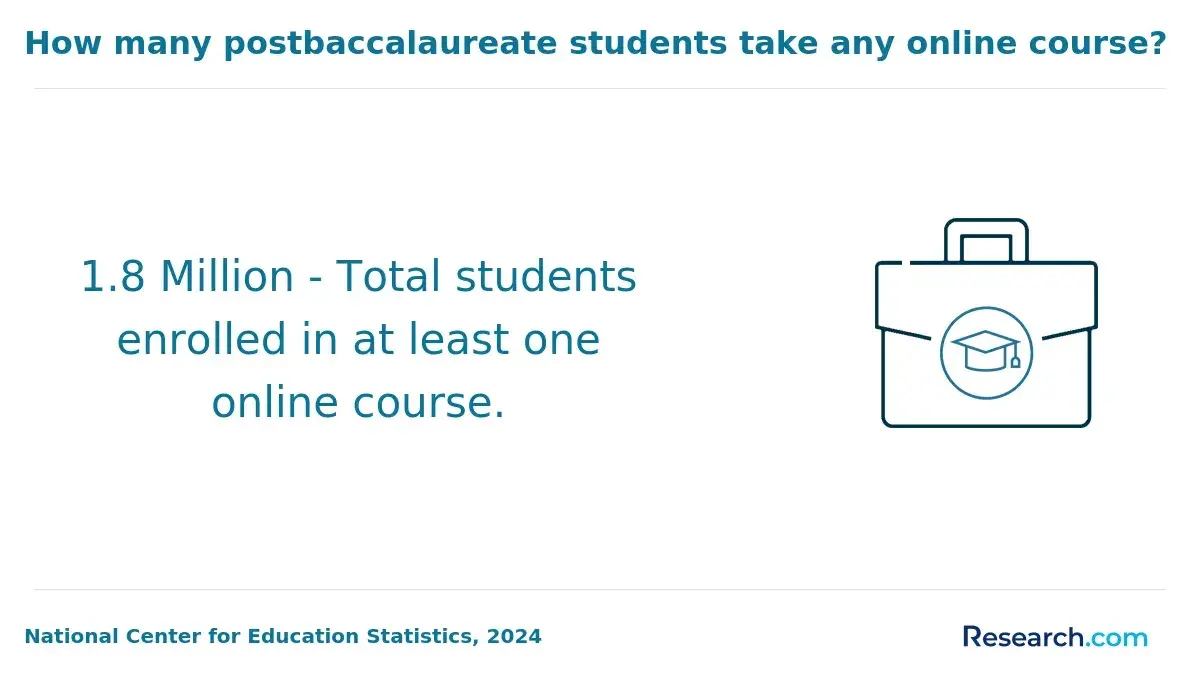
Research from the National Center for Education Statistics (NCES) and the Lumina Foundation highlights that adults achieve better persistence and graduation outcomes in programs offering flexible and frequent enrollment opportunities. This does not mean flexible programs guarantee completion. It means the calendar can remove one obstacle that often disrupts adult learners before they even begin.
For students balancing full-time work, caregiving, military obligations, or irregular shifts, frequent starts make planning more realistic. A student who changes jobs, receives tuition assistance, or completes prior coursework does not have to wait months to apply that momentum. Weekly enrollment can also help students recover faster after a pause, because the next entry point may be close rather than a full semester away.
- Less waiting after acceptance: Students can begin coursework soon after admission instead of losing momentum during a long enrollment gap.
- Better fit for unpredictable schedules: Adults with changing work hours or family responsibilities can choose a start date that matches their current availability.
- Potentially stronger persistence: Flexible enrollment options correlate with better retention and higher graduation rates compared to rigid academic scheduling, according to NCES data.
- Faster route to career progress: Beginning sooner may help students complete required coursework earlier and pursue relevant roles or further education more quickly.
- More control over academic pacing: Students may be able to adjust course loads across terms instead of committing to a traditional semester rhythm.
One professional who enrolled in an online applied behavior analysis bachelor's degree program with weekly start dates said the format helped him manage full-time work and family obligations. He described feeling relieved that he did not have to wait months for the next semester: "Being able to start as soon as I was ready kept my motivation high-I didn't lose momentum or feel stuck."
He also noted that flexible start times did not remove the challenge of weekly deadlines, but they made school feel possible. When work shifts changed or personal emergencies came up, the program's structure allowed him to plan around real life instead of abandoning the goal altogether.
What is the total tuition cost for online applied behavior analysis bachelor's programs that allow weekly enrollment?
Online applied behavior analysis bachelor's programs with weekly enrollment commonly charge by the credit hour. Based on the tuition figures provided for many flexible online programs, students often see rates between $300 and $450 per credit. For a 120-credit bachelor's degree, that produces an estimated tuition range of approximately $36,000 to $54,000 before transfer credits, fees, course materials, and financial aid are applied.
That estimate is only a starting point. The actual amount a student pays can be much lower or higher depending on transfer credits, institutional fees, residency rules, tuition discounts, employer benefits, and whether the student studies full time or part time.
- Per-credit tuition: This is the most common pricing model. Students pay for each credit attempted, which makes cost easier to estimate but may become expensive if few credits transfer.
- Flat-rate or block tuition: Some universities charge a fixed term price for full-time online students. This may benefit students who can handle heavier course loads, but it may not be ideal for those who need to take one course at a time.
- In-state online rates: Some institutions offer in-state tuition to online students regardless of residency. In certain cases, this can reduce total costs to as low as $12,000-$18,000 for the full online applied behavior analysis bachelor's degree.
- Technology and student fees: Students should budget for technology fees ranging from $100 to $200 per term, along with course materials that can add several hundred dollars each semester.
- Transfer credit savings: Accepted prior credits can reduce both tuition and time in school. A student who transfers a large number of credits may pay far less than the full 120-credit estimate.
Cost questions to ask before enrolling
- What is the total tuition if I transfer no credits?
- What is the total tuition after my official transcript evaluation?
- Are online students charged separate technology, graduation, assessment, or course material fees?
- Does tuition change if I enroll part time?
- Will my financial aid cover the first weekly or rolling start date I choose?
Students comparing cost and flexibility should request a written program cost estimate rather than relying only on advertised per-credit rates. Broader comparisons of flexible online learning models, such as Research.com's guide to accredited self paced online colleges, can also help students understand how pacing and tuition structure interact.
How quickly can students complete an online applied behavior analysis bachelor's degree when enrolling through a weekly start option?
Completion time depends less on the weekly start date itself and more on how many credits a student brings in, how many courses they can take at once, and whether the program allows self-paced or accelerated progress. Weekly enrollment removes waiting time at the beginning, but students still must complete all degree requirements.
Students who enroll full time and take multiple courses each term often complete the degree within 3 to 4 years. Part-time students balancing work, caregiving, or other responsibilities may take 5 or 6 years. Students with substantial transfer credits may finish much faster.
- Transfer credit acceptance: Many programs allow up to 90 transfer credits from prior college coursework or certifications. This can reduce the remaining degree plan significantly and may shorten completion to as little as 18 to 24 months for students with relevant experience.
- Prior learning assessments: Competency-based options may allow students to earn credit for knowledge they have already mastered, avoiding repeated coursework and reducing total time.
- Self-paced flexibility: Some programs let students move through material at their own speed, which can help highly organized learners complete courses faster than a traditional calendar would allow.
- Course load: A student taking one course at a time will progress differently from a student taking multiple courses each term.
- Weekly enrollment advantage: The main time savings comes from avoiding months-long waits for the next semester start.
For a motivated working adult who uses transfer credits, prior learning assessments, and a full course load, an online applied behavior analysis bachelor's degree with weekly starts could take between 18 and 30 months. Students with fewer transfer credits or a part-time schedule should expect a completion timeline closer to 4 to 6 years.
One graduate who completed her online applied behavior analysis degree through a self-paced, weekly-start program said the flexibility helped her keep going when work demands changed. "Being able to jump in any week helped me stay on track, especially when unexpected work demands popped up," she recalled.
She also credited prior learning assessments with helping her avoid repeating material she already knew. For her, the major benefit was control: she could speed up when life was stable and slow down when her workload increased.
What admission requirements must students meet to enroll in an online applied behavior analysis bachelor's program with a weekly start date?
Admission requirements for online applied behavior analysis bachelor's programs with weekly or rolling start dates are often designed for accessibility. Most programs require a high school diploma or GED and a minimum GPA around 2.0. Many waive standardized tests such as the SAT or ACT, especially for adult learners, transfer students, or applicants with prior college experience.
Flexible admission does not mean students should ignore academic fit. ABA coursework involves behavioral principles, ethics, data collection, intervention planning, research literacy, and applied decision-making. Students who have been out of school for several years may benefit from programs with strong advising, tutoring, writing support, and clear course sequencing.
- Basic academic requirement: Most programs ask for a high school diploma or GED and a GPA around 2.0.
- Testing policy: SAT or ACT scores are often optional or waived, particularly for adult learners and transfer applicants.
- Transcripts: Applicants usually need to submit high school, GED, and college transcripts so the school can determine admission status and transfer credit.
- Personal statement: Some schools may ask students to explain their interest in applied behavior analysis, especially if their academic record is uneven.
- Recommendations or work history: Applicants with non-traditional backgrounds can strengthen their file by showing relevant professional, caregiving, education, healthcare, or human services experience.
Programs with open or rolling admissions often provide additional student support, while more selective programs may assume stronger academic preparation from the start. Neither model is automatically better. Students should choose based on their readiness, need for support, and long-term goals.
Recent data from the National Center for Education Statistics indicates that over 40% of online undergraduate students enroll in programs offering rolling admissions. That trend reflects the growing demand for enrollment models that fit adult learners, transfer students, and students returning after time away from college.
How do online applied behavior analysis programs with weekly starts handle transfer credits from previous college coursework?
Online applied behavior analysis programs with weekly start dates often prioritize fast transfer credit review because many applicants are returning adults, community college graduates, military-affiliated students, or students who started a bachelor's degree elsewhere. A generous transfer policy can significantly reduce tuition, time to completion, and duplicated coursework.
Many institutions consider credits from accredited community colleges, regionally accredited universities, military training, and eligible employer-based learning. Top programs may accept up to 90 semester hours of transfer credit. However, acceptance is not automatic. Credits usually must meet grade requirements, fit the degree plan, and satisfy institutional policies.
The American Council on Education (ACE) can also play an important role. ACE evaluates selected military courses and workplace training for academic credit equivalency. Schools that use ACE recommendations may allow students to turn certain forms of non-traditional learning into college credit.
A recent report from the National Center for Education Statistics (NCES) found that nearly 62% of transfer applicants in online programs successfully apply previously earned credits. For ABA students, that makes the transcript evaluation one of the most important steps before enrollment.
- Request evaluation early: Ask for an official or preliminary transcript review before choosing a start date.
- Compare accepted credits, not just tuition: A lower per-credit rate may not save money if the school accepts fewer prior credits.
- Check major requirements: General education credits may transfer more easily than ABA-specific or upper-division coursework.
- Ask about ACE credit: Military, workplace, and professional training may be eligible if the school recognizes ACE recommendations.
- Get the result in writing: Students should know exactly which credits apply and which requirements remain before committing financially.
Students planning a longer behavior analysis pathway should also ask whether transfer credits will affect graduate preparation or certification-related planning. A bachelor's program can build the foundation, but future goals may require additional education, supervised experience, or a different credential pathway.
What financial aid and scholarship options are available for students enrolling in weekly-start online applied behavior analysis programs?
Students in weekly-start online applied behavior analysis bachelor's programs may be eligible for many of the same financial aid options available in traditional online or campus-based programs, as long as the institution and program meet federal eligibility requirements. The key issue is timing: weekly starts can be flexible academically, but federal aid still follows academic year and institutional disbursement rules.
Eligible students may receive Pell Grants, which are need-based and do not require repayment. Subsidized and unsubsidized Stafford loans can help cover tuition and related educational expenses; subsidized loans include interest benefits while the student remains enrolled. Work-study may also be available, although access depends on the institution and the student's circumstances.
According to College Board Trends in Student Aid data, undergraduate federal aid packages generally range from $14,000 to $17,000 annually, but actual awards depend on financial need, program cost, enrollment status, and aid eligibility. Students should not assume the full amount will apply to every start date or every course load.
- FAFSA: Students must complete the Free Application for Federal Student Aid to be considered for federal grants, loans, and some institutional aid.
- Pell Grants: These need-based grants can reduce out-of-pocket costs and do not need to be repaid.
- Stafford loans: Subsidized and unsubsidized loans may help cover tuition and education-related expenses, but repayment obligations should be reviewed carefully.
- Work-study: Availability varies by school and may be limited for fully online students.
- Scholarships: Students should look for institutional awards, distance learner scholarships, and opportunities from professional organizations such as the Association for Behavior Analysis International (ABAI).
The FAFSA process begins October 1 for the next academic year. Submitting early matters because some grants and scholarships are awarded on a first-come, first-served basis. Students using weekly starts should ask the financial aid office how aid is packaged, when funds are disbursed, and whether the chosen start date affects eligibility.
Scholarships can also come from outside organizations, employers, community foundations, and nonprofits that support online education or behavioral health careers. To reduce total cost further, students should combine financial aid planning with transfer credit review and prior learning assessment options. Similar bridge and career mobility considerations appear in allied health pathways such as the MA to LPN bridge program.
What accreditation standards should a weekly-start online applied behavior analysis bachelor's program meet to ensure employer and transfer recognition?
A weekly-start online applied behavior analysis bachelor's program should be offered by an institution with recognized accreditation, preferably regional accreditation. Accreditation affects whether employers recognize the degree, whether credits transfer, whether students can access federal financial aid, and whether graduates can move into graduate programs later.
Regional accreditation is widely considered the stronger standard for broad academic recognition. The U.S. Department of Education recognizes seven regional accrediting bodies: the Middle States Commission on Higher Education, New England Commission of Higher Education, Higher Learning Commission, Northwest Commission on Colleges and Universities, Southern Association of Colleges and Schools Commission on Colleges, Western Association of Schools and Colleges Senior College and University Commission, and the WASC Accrediting Commission for Community and Junior Colleges.
Most weekly-start online programs are accredited by the Higher Learning Commission or the Southern Association of Colleges, reflecting their national acceptance. Students should still verify the current accreditation status directly through the U.S. Department of Education's accreditation database before enrolling. Accreditation can change, and marketing language is not a substitute for official confirmation.
- Regional accreditation: Supports employer recognition, transfer credit acceptance, graduate school eligibility, and federal aid access.
- National accreditation: May be legitimate but can create limitations when transferring credits to regionally accredited institutions or pursuing graduate study.
- Program alignment: Students interested in ABA careers should ask whether coursework aligns with their future goals, including graduate education or certification-related preparation if applicable.
- Transfer protection: Regionally accredited credits are generally more portable than credits from institutions with limited recognition.
- Verification: Students should confirm accreditation through official databases, not only school websites or admissions materials.
Students whose long-term plan includes board certification or graduate-level behavior analysis preparation should compare bachelor's options with later pathways carefully; a flexible bcba school may become relevant after the undergraduate stage depending on the student's goals and eligibility requirements.
Accreditation should be evaluated alongside tuition, transfer credit policy, financial aid, academic support, and course structure. A fast start date is helpful only if the degree is recognized and the credits can support the student's next step. Related online certificate pathways, such as the shortest PMHNP certificate program, show why flexible scheduling must always be weighed against credential recognition and professional requirements.
How is coursework structured in online applied behavior analysis bachelor's programs with weekly starts compared to semester-based formats?
Coursework in weekly-start online applied behavior analysis bachelor's programs is usually more compressed and modular than traditional semester-based coursework. Instead of a 15-week semester, many programs use shorter five- to eight-week terms with weekly assignments, discussion posts, quizzes, projects, or applied exercises. The format can be flexible, but it is rarely casual.
Most online ABA programs use asynchronous learning tools, including recorded lectures, digital readings, discussion boards, quizzes, and learning management systems. Students can often access materials on their own schedule, but deadlines still matter. Weekly-start programs may also group students into small cohorts or course sections that begin throughout the year.
Core topics may include principles of behavior, data collection, functional assessment, behavior intervention planning, ethics, research methods, and applications in education, autism services, developmental disabilities, or human services. These subjects can work well in accelerated formats because students practice skills frequently. However, the faster pace can make it harder for students who need long reflection periods, extensive peer interaction, or more time to absorb technical content.
- Weekly-start format: Often uses short courses, frequent deadlines, and continuous enrollment options.
- Semester format: Usually provides a longer course window, more predictable academic breaks, and a slower progression through material.
- Asynchronous delivery: Allows students to study around work and family obligations, but requires strong self-management.
- Applied assignments: ABA coursework often includes data-based decision-making, observation, intervention planning, and case-based analysis.
- Retention benefit: Recent trends indicate that continuous enrollment programs increase student retention by around 12%, highlighting the appeal of flexible start dates and steady access to courses.
How to succeed in a condensed ABA course
- Create a weekly study calendar before the course begins.
- Set aside consistent time for readings, discussion posts, and assignments.
- Ask instructors early about expectations for projects or applied work.
- Use tutoring, writing support, and advising before falling behind.
- Avoid overloading your first term until you understand the pace.
The best fit depends on learning style. Students who are organized, self-directed, and ready to work every week may appreciate the momentum of short online terms. Students who prefer extended discussion, slower pacing, or more in-person structure may find a traditional semester format easier to manage.
Can students earn credit through CLEP, DSST, or prior learning assessment in weekly-start online applied behavior analysis programs?
Many weekly-start online applied behavior analysis programs allow students to seek credit through exams or prior learning assessment, but policies vary by institution. These options can be valuable for adult learners who already have college-level knowledge from work, military service, training programs, professional development, or previous study.
Credit by examination programs such as CLEP, administered by the College Board, and DSST, supported by the American Council on Education (ACE), allow students to demonstrate knowledge in specific subjects. If accepted by the institution, these exams may satisfy general education or elective requirements and reduce the number of courses a student must take.
Prior Learning Assessment (PLA) may go beyond standardized exams. Some schools review portfolios, certificates, workplace training, professional experience, or military transcripts such as the Joint Services Transcript. Institutions typically cap PLA credits between 30 and 45 semester hours, but exact limits vary and depend on accreditation guidelines.
- CLEP: May help students earn credit for college-level knowledge in approved subject areas.
- DSST: Often used by adult learners and military-affiliated students to document prior academic knowledge.
- Portfolio assessment: Allows students to submit evidence of learning from work, training, or professional experience.
- Military credit: Joint Services Transcript records may be reviewed, often with reference to ACE recommendations.
- Credit limits: Schools commonly limit the number of credits earned through PLA, often between 30 and 45 semester hours.
How to prepare a strong credit request
- Ask admissions or the registrar for the school's CLEP, DSST, PLA, and transfer credit policies.
- Gather syllabi, certificates, training records, military transcripts, job descriptions, and work samples where appropriate.
- Submit documentation early so credit decisions are completed before course registration.
- Confirm whether credits apply to general education, electives, major requirements, or only free electives.
- Request a revised degree plan after credits are posted.
Credit for prior learning can reduce tuition and shorten the path to graduation, but students should be realistic. ABA major courses may have stricter requirements than electives or general education courses, especially when the content is tied to ethics, assessment, intervention, and data-based practice.
What Graduates Say About Online Applied Behavior Analysis Bachelor's Degree Programs With Weekly Start Dates
- : "Choosing an online applied behavior analysis bachelor's degree program with weekly start dates was a game-changer for me because it allowed me to begin at a time that suited my busy schedule without waiting months. The cost was surprisingly affordable compared to traditional programs, which made it easier to invest in my future without financial stress. Since graduating, I've seen a clear advancement in my professional career-landing a role that truly aligns with my passion for behavioral science. — Eddie"
- : "Reflecting on my journey, the flexibility of weekly start dates in the online applied behavior analysis program helped me stay motivated and continuously progress without interruption. I appreciated how the tuition fees were straightforward and reasonable, making it accessible while balancing my work and family life. Completing this degree broadened my career opportunities significantly, giving me confidence to specialize and excel in my chosen field. — Sage"
- : "Professionally, I needed a program that wouldn't disrupt my ongoing work commitments-that's why the online applied behavior analysis bachelor's degree with weekly start dates stood out. The financial investment was manageable, especially considering the quality and support offered throughout the course. Ultimately, this degree opened doors I hadn't anticipated, allowing me to move into leadership roles with a strong foundation in applied behavior analysis principles. — John"
Other Things You Should Know About Applied Behavior Analysis Degrees
Online applied behavior analysis programs offering weekly start dates tend to align with or slightly undercut the national average cost per credit hour for bachelor's degrees, which is around $300. Some institutions leverage efficient course scheduling and competency-based education models to reduce overall costs. Prospective students should compare tuition, fees, and available financial aid packages when assessing affordability relative to other programs.
Online programs with weekly starts often provide comprehensive support services such as academic advising, tutoring, and career counseling tailored to applied behavior analysis students. Many programs offer access to virtual libraries, writing centers, and technical help desks. These services help students manage the fast-paced course schedule and maintain steady progress toward degree completion.
References
- Association for Behavior Analysis International Accreditation Board https://accreditation.abainternational.org/apply/accreditation-standards.aspx
- Credit for Prior Learning - Starting with Credits: Transfer, AP & More | Ozarks Technical Community College https://ozarkstech.edu/admissions/starting-with-credits/getting-credit-for-what-you-know/
- What kind of degree options are available through an online school program for Applied Behavior Analysis? https://www.onlineschoolscenter.com/what-degree-options-available-online-school-applied-behavior-analysis/
- Master's in Applied Behavior Analysis Scholarships (ABA) https://teach.com/online-ed/psychology-degrees/online-masters-applied-behavior-analysis/scholarships/
- Bachelors in Applied Behavior Analysis | Online BA and BS Programs in Applied Behavior Analysis https://www.appliedbehavioranalysisedu.org/bachelors-in-aba/
- Transfer Credit and Prior Learning https://www.ccac.edu/academics/registration/transfer-credit-and-prior-learning.php
- 5 Scholarships for Applied Behavior Analysts https://www.appliedbehavioranalysisprograms.com/lists/5-scholarships-for-applied-behavior-analysts/
- ABA Scholarships - Online ABA Programs https://onlineabaprograms.org/scholarships/
- 25+ Affordable ABA/BCBA Online Programs (Masters & Certs) https://abamastersprograms.org/affordable-online-aba-masters-programs/