2027 Online Applied Behavior Analysis Bachelor's Degree Programs for Adult Learners Returning to School

Co-Founder and Chief Data Scientist
Choosing an online bachelor's degree in applied behavior analysis as an adult learner is usually a practical decision: you need a program that can fit around work, caregiving, military service, or a return to college after time away. The right program can help you build a foundation in behavior assessment, intervention planning, data collection, ethics, and human development without requiring daily campus attendance.
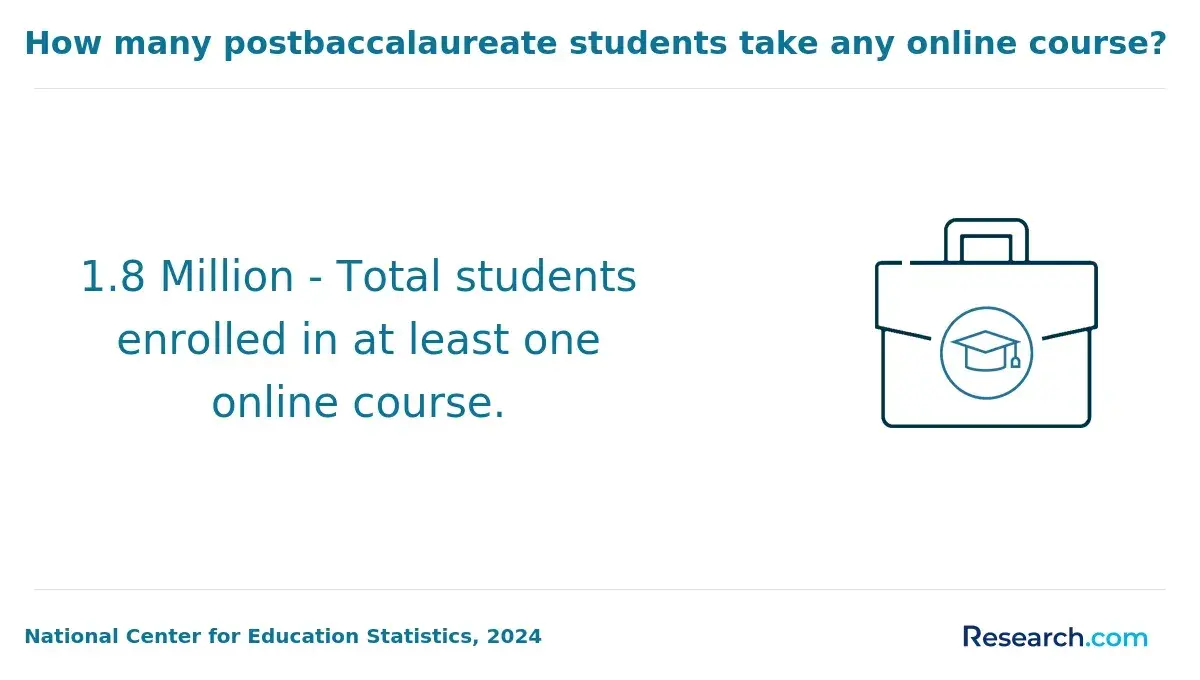
This matters because many adult students are no longer able—or willing—to pause their lives for a traditional campus schedule. According to the National Center for Education Statistics, over 40% of undergraduate students aged 25 and older enroll in at least one online course, showing how common remote learning has become for adults seeking a degree.
This guide explains how online applied behavior analysis bachelor's programs work for adult learners, including who qualifies, what admissions usually require, whether test scores matter, how transfer credits and work experience may apply, what costs to expect, and how to evaluate program quality before enrolling.
Key Benefits of Online Applied Behavior Analysis Bachelor's Degree Programs for Adult Learners Returning to School
- Online applied behavior analysis programs offer flexible scheduling options, enabling working adults to balance education with professional and personal responsibilities efficiently.
- These programs emphasize practical skills that enhance career advancement, preparing students for certification and roles in behavior intervention and therapy.
- Students can build valuable professional and peer networks through virtual collaboration, increasing opportunities for mentorship and employment in a growing field.
Who qualifies as an adult learner in an online applied behavior analysis bachelor's degree?
An adult learner in an online applied behavior analysis bachelor's degree is typically a student aged 25 or older who is earning a degree while managing responsibilities outside school. These responsibilities may include full-time work, parenting, caregiving, military service, or returning to college after a long break. Nearly 40% of undergraduate students in the U.S. are considered nontraditional, so adult learners are a major part of today’s online higher education population.
In applied behavior analysis, adult learners often bring useful experience from education, healthcare, social services, childcare, disability support, or workplace training. That background can help them connect course concepts to real situations, but it also makes flexibility, advising, and clear degree planning especially important.
Common adult learner profiles
- Working professionals: These students may already work in education, human services, autism support, mental health, or behavioral health settings. They often need evening, weekend, or asynchronous coursework so they can keep working while earning the degree.
- Career changers: Some adults enter applied behavior analysis after working in teaching, healthcare, social work, psychology-adjacent roles, or caregiving. They may be looking for a more specialized path that uses evidence-based behavior support strategies.
- Returning students: Adults who started college previously but did not finish may use an online ABA-related bachelor’s program to complete a credential and apply prior credits. For this group, transcript review and transfer policy can strongly affect time to graduation.
- Parents and caregivers: These students need programs that allow them to study around family schedules. Reliable online access, predictable deadlines, and responsive faculty can make the difference between enrolling and finishing.
Adult learners should look for programs that respect prior learning, provide practical coursework, and clearly explain how the degree connects to employment, graduate study, or certification-related goals. Students comparing flexible education paths in other fields may also review affordable online doctorate options to understand how online programs differ by level and format.
What are the admission requirements for an online applied behavior analysis bachelor's degree for adult learners?
Admission requirements for an online applied behavior analysis bachelor’s degree are usually designed to confirm that applicants are prepared for college-level study, not to exclude adults who followed a nontraditional path. Most schools review prior education, transcripts, and basic application materials. Some may also require orientation steps that help students understand the expectations of online learning.
Typical admission requirements
- Proof of prior education: Most programs require a high school diploma, GED, or equivalent. This establishes eligibility for bachelor’s-level coursework.
- Completed application form: Applicants usually submit personal information, academic history, and intended start term. Adult learners should make sure the application accurately lists all previous colleges attended, even if credits were earned years ago.
- Official transcripts: Schools commonly ask for high school transcripts and transcripts from any prior college or university. College transcripts are especially important for adult learners who hope to transfer credits into the program.
- Minimum academic standards: Some programs use GPA thresholds, prerequisite expectations, or conditional admission for applicants who need additional support. Requirements vary by institution.
- Online learning readiness: Programs may include a technology check, orientation course, or readiness assessment. These steps are meant to confirm that students can use the learning platform, manage deadlines, and communicate with instructors remotely.
Before applying, adult learners should ask admissions advisors three direct questions: how many prior credits may transfer, whether the program has any in-person requirements, and what support is available for students who have been away from school. Students comparing other flexible degree pathways may also find it useful to review an online business degree with financial aid, since many online bachelor’s programs use similar admissions and funding processes.
Do adult learners need the SAT or ACT for an online applied behavior analysis bachelor's degree?
Most online applied behavior analysis bachelor’s programs designed for adult learners do not require SAT or ACT scores. Instead, they tend to focus on high school completion, prior college performance, transfer credits, and readiness for online study. About 70% of colleges and universities across the U.S. have adopted test-optional or test-free policies in recent years, which has made bachelor’s admissions more accessible for students who have been out of school for a long time.
This approach is especially helpful for adult learners because standardized test scores may not reflect current ability, motivation, work experience, or professional maturity. A student who has supervised staff, worked with children with disabilities, managed client documentation, or completed college courses years earlier may provide stronger evidence of readiness than an old or newly taken entrance exam.
What schools may consider instead
- Prior college credits: Completed coursework can show that the applicant has already succeeded in a college environment.
- High school or GED record: This confirms academic eligibility when no college credits are available.
- Work and volunteer experience: Some programs ask about professional background, especially if it relates to education, healthcare, social services, or behavioral support.
- Personal statement or goals: Schools may want to know why the applicant is choosing applied behavior analysis and how the degree fits their plans.
- Orientation or placement steps: Programs may use writing, math, or technology readiness tools to place students appropriately.
When I spoke with an adult learner currently enrolled in an online applied behavior analysis degree, he said that not having to submit SAT or ACT scores made returning to school feel realistic. “Having been out of school for over a decade, the idea of taking standardized tests again was overwhelming,” he explained.
He said the program’s focus on prior coursework and work experience made the admissions process less intimidating. Instead of spending months preparing for an exam, he was able to focus on planning his schedule, arranging study time, and preparing for the first term.
How flexible are online applied behavior analysis bachelor's degree programs for adult learners?
Online applied behavior analysis bachelor’s degree programs can be highly flexible, but not all programs offer the same level of control over schedule, pacing, or deadlines. A 2023 study by the Learning House revealed that 73% of online students prioritize flexible scheduling when selecting programs, which is why adult learners should examine the actual course format before enrolling.
The most flexible programs usually combine asynchronous coursework, clear weekly expectations, part-time options, and strong advising. Less flexible programs may still be online but require live attendance, fixed login times, group meetings, or fieldwork schedules that can be difficult for working adults.
Flexibility features to compare
| Feature | Why it matters for adult learners | Question to ask before enrolling |
| Asynchronous learning | Allows students to watch lectures, complete readings, and submit assignments without attending class at a set time. | Are any courses or exams offered only at scheduled times? |
| Part-time enrollment | Helps students reduce course load while working or caring for family members. | What is the minimum number of credits I can take each term? |
| Accelerated pacing options | May help motivated students finish faster if they can manage a heavier workload. | Are accelerated courses available, and how many weeks long are they? |
| Self-paced coursework | Can allow students to move through material at a speed that fits their schedule and learning style. | Are courses truly self-paced, or do they still have weekly deadlines? |
| 24/7 access to materials | Supports students who study early in the morning, late at night, or across time zones. | Can I access lectures, assignments, library tools, and support resources outside business hours? |
Adult learners should be realistic about workload. Flexibility does not mean less academic rigor; it means the program gives students more control over when and where they complete required work. Students exploring advanced online psychology pathways can also review online PsyD programs accredited by APA to see how flexibility changes at the graduate level.
Can I transfer previous college credits to an online applied behavior analysis bachelor's degree?
Yes, many online applied behavior analysis bachelor’s degree programs allow adult learners to transfer previous college credits. This can reduce both time and cost, especially for students who completed general education courses or related coursework before stopping out. According to recent research, almost 60% of bachelor’s students in the U.S. transfer credits from earlier institutions, making transfer review a normal part of the bachelor’s degree process.
Transfer credit is not automatic. Schools evaluate whether prior courses match current degree requirements, whether credits came from an accredited institution, and whether grades meet the program’s standards.
What affects transfer credit acceptance?
- Evaluation of prior coursework: The school compares completed courses with the program’s general education, elective, and major requirements. A course may transfer as a direct equivalent, a general elective, or not at all.
- Credit limits: Programs often restrict the number of transferable credits, typically accepting between 60 and 90 semester hours. This ensures that students complete enough coursework through the degree-granting institution.
- Relevance to ABA: Courses in psychology, human development, education, statistics, sociology, and social sciences may be more likely to apply to an applied behavior analysis curriculum than unrelated courses.
- Accreditation of previous schools: Credits from regionally accredited colleges are prioritized, which can improve the likelihood of acceptance.
- Course age and content: Some programs may review whether older coursework still reflects current knowledge, particularly for major-specific requirements.
Adult learners should request an unofficial transfer estimate before committing, then follow up with an official transcript evaluation after admission. Ask whether transferred credits apply to the major, general education, or electives; credits that transfer only as electives may not shorten the degree as much as expected.
One adult learner who returned to school and graduated from an online applied behavior analysis bachelor’s program described the process as demanding but worthwhile. She said gathering transcripts and speaking with advisors “felt overwhelming at first,” but she later learned that her prior psychology courses would apply toward her degree.
She said the transfer approval helped her stay motivated because it showed that her previous academic work still had value. Looking back, she described it as “a crucial step that made finishing my degree achievable and meaningful.”
Does work experience count toward an online applied behavior analysis bachelor's degree?
Work experience may count toward an online applied behavior analysis bachelor’s degree, but it depends on the school’s prior learning policy. Nearly 80% of U.S. colleges have adopted prior learning assessment (PLA) policies, reflecting wider recognition that adults often gain college-level skills through employment, training, military service, certifications, or professional practice.
For applied behavior analysis students, relevant experience may include work as a behavior technician, classroom aide, special education support staff member, direct support professional, case aide, childcare worker, or healthcare support worker. However, experience alone usually is not enough. Students must document what they learned and show how it matches specific course outcomes.
How programs may evaluate work experience
- Prior Learning Assessments (PLAs): Students may earn credit by demonstrating knowledge through exams, standardized assessments, or school-approved evaluations tied to course competencies.
- Portfolio reviews: Students may submit documentation such as training records, job descriptions, supervisor letters, work products, certifications, or reflective essays. Faculty then determine whether the evidence meets academic standards.
- Competency-based evaluations: Some programs allow students to show mastery through projects, simulations, or performance-based assessments rather than traditional seat time.
- Professional certifications: Credentials such as the Registered Behavior Technician (RBT) certification might be accepted to fulfill certain requirements or count toward credit, depending on institutional policy.
Adult learners should ask whether PLA credits reduce tuition, shorten the program, or simply count as electives. They should also confirm whether credits earned through prior learning will appear on the transcript in a way that graduate schools or employers can understand.
How much does an online applied behavior analysis bachelor's degree cost for adult learners?
The cost of an online applied behavior analysis bachelor’s degree depends on the institution, tuition model, number of transfer credits accepted, enrollment pace, and required fees. On average, tuition for online bachelor’s degree programs in the U.S. ranges between $300 and $600 per credit hour, although actual costs vary widely by school and format.
Adult learners should calculate total program cost, not just tuition per credit. A lower per-credit rate may not save money if the school accepts fewer transfer credits, charges high fees, or requires additional courses.
Common cost factors
- Tuition per credit: Tuition is usually the largest expense. Public and private institutions may charge different rates, and some public schools may price online tuition differently for in-state and out-of-state students.
- Technology fees: Online programs may charge fees for learning platforms, technical support, online proctoring, or digital student services.
- Course materials: Students may need textbooks, digital access codes, software, or specialized materials for behavior analysis coursework.
- Application and administrative fees: These may include application fees, transcript fees, graduation fees, or enrollment processing costs.
- Additional expenses: Some programs may involve clinical placements, certification exam fees, background checks, or other required costs depending on curriculum design and career goals.
How adult learners can estimate the real price
- Request a transfer credit evaluation before estimating total credits remaining.
- Ask for a full fee schedule, including technology, course, and graduation fees.
- Compare part-time and full-time pacing because longer enrollment can sometimes increase total fees.
- Confirm whether financial aid applies to the number of credits you plan to take each term.
- Ask whether any in-person requirements could create travel, childcare, or schedule-related costs.
Are there financial aid options for adult learners in online applied behavior analysis bachelor's degrees?
Yes, adult learners in online applied behavior analysis bachelor’s degree programs may qualify for financial aid, provided the institution and program meet eligibility requirements. Around 70% of these students use some form of financial assistance, which can include grants, loans, employer benefits, institutional aid, or payment plans.
The most important first step is to confirm that the school is accredited and eligible for federal student aid, if the student plans to use federal funding. Adult learners should also ask whether their enrollment level—full time, part time, or less than half time—affects aid eligibility.
Common financial aid options
- Grants: Need-based grants from federal, state, or institutional sources often do not require repayment. Pell Grants and similar federal aid frequently support adult learners in accredited online applied behavior analysis programs.
- Loans: Federal and private loans may help cover tuition and related costs. Federal loans typically offer lower interest rates and more flexible repayment plans than many private loans, but students should borrow only what they need.
- Employer tuition assistance: Some employers provide reimbursement or direct tuition payment for employees studying in fields related to healthcare, education, social services, or behavioral support.
- Scholarships: Schools, professional associations, nonprofits, and community organizations may offer scholarships for adult learners, transfer students, working parents, or students entering human services fields.
- Flexible payment plans: Many online programs allow students to divide tuition into installments. This can help with cash flow, though students should check for enrollment fees or late-payment penalties.
Adult learners should compare aid packages carefully because the lowest tuition is not always the lowest net cost. Students considering flexible education in other industries can also examine programs such as a cryptocurrency degree to see how online programs present tuition, aid, and payment options.
Do employers value online applied behavior analysis bachelor's degrees for adult learners?
Employers are increasingly comfortable with online degrees, especially when the program is accredited and the graduate can demonstrate relevant skills. Employer perceptions of online applied behavior analysis bachelor’s degrees for adult learners returning to school have shifted considerably, and 73% of employers are open to hiring candidates with online degrees, especially when paired with relevant work experience.
In applied behavior analysis and related human services roles, employers usually care less about whether courses were completed online and more about whether the graduate understands behavior principles, ethical practice, data collection, documentation, communication, and client-centered support. Practical experience can strengthen the value of the degree, particularly for adult learners already working in education, behavioral health, disability services, or care settings.
What makes an online ABA-related degree more credible to employers?
- Accreditation: The school should be properly accredited by a recognized accrediting body. Accreditation affects credibility, financial aid eligibility, and transfer options.
- Relevant curriculum: Coursework should cover behavioral principles, assessment, intervention, ethics, research methods, and data-based decision-making.
- Applied experience: Fieldwork, practicum-style assignments, supervised work, or job-related projects can help students connect theory to practice.
- Clear career fit: Graduates should be able to explain how the degree prepared them for specific roles or for graduate study.
- Professional communication: Employers value candidates who can document behavior data, collaborate with teams, and communicate respectfully with clients and families.
Adult learners should be careful not to assume that a bachelor’s degree alone meets every certification or licensure requirement. Requirements vary by credential, employer, and state, so students should verify current standards before enrolling. Those comparing lower-cost online options can review affordable online courses while still checking accreditation and program outcomes.
How do I choose the best online applied behavior analysis bachelor's degree program for adult learners?
The best online applied behavior analysis bachelor’s degree for an adult learner is the one that matches the student’s career goals, schedule, transfer credits, budget, and need for support. Surveys show that more than 60% of online students prioritize program adaptability and the availability of support services when making their decision, and those factors are especially important for adults returning to school.
Start by clarifying your goal. Some students want an entry-level or advancement credential in human services, education support, or behavioral health. Others want a foundation for graduate study or future certification-related preparation. If your long-term plan includes graduate-level behavior analyst preparation, compare undergraduate options with accredited bcba programs online so you understand how bachelor’s study may fit into a longer pathway.
Key factors to evaluate
- Accreditation: Choose a program at a properly accredited institution. If certification is part of your plan, verify how the curriculum aligns with current Behavior Analyst Certification Board (BACB) expectations and any state-specific requirements.
- Program flexibility: Look for asynchronous classes, part-time enrollment, predictable deadlines, and reasonable completion timelines. Ask whether any courses require live attendance or in-person participation.
- Curriculum relevance: Strong programs should include behavior principles, assessment, intervention planning, ethics, research methods, data collection, and applied practice. Coursework should help students understand both theory and real-world decision-making.
- Transfer and prior learning policy: Adult learners should prioritize schools that provide clear transfer evaluations and explain whether work experience, training, or certifications may count for credit.
- Student support: Advising, tutoring, writing support, library access, career counseling, and responsive faculty can be essential for students balancing school with adult responsibilities.
- Tuition and affordability: Compare total cost after transfer credits, aid, fees, and required materials. Ask for written estimates rather than relying only on advertised tuition rates.
Questions to ask before applying
- Is the institution accredited, and by whom?
- How many of my previous credits are likely to transfer?
- Are courses asynchronous, synchronous, or a mix of both?
- What support is available for adult learners who work full time?
- Does the program include any fieldwork, practicum, or in-person requirement?
- What careers or graduate pathways do recent graduates typically pursue?
- What is the full estimated cost after fees and required materials?
A strong choice should make the path to completion clear. If a school cannot explain transfer credit, costs, accreditation, or scheduling requirements in plain language, adult learners should keep comparing options before committing.
What Graduates Say About Online Applied Behavior Analysis Bachelor's Degree Programs for Adult Learners Returning to School
- Eddie: "Returning to school as an adult felt daunting, but choosing an online applied behavior analysis bachelor's degree gave me the flexibility I needed to balance work and family life. The program's practical approach helped me immediately apply what I was learning to my current job, boosting my confidence and skills. Now, I'm excited about the career growth opportunities that have opened up for me."
- Sage: "I decided to pursue an online applied behavior analysis bachelor's degree because I wanted a career that truly made a difference. As someone juggling a full-time job, the self-paced structure allowed me to learn on my own terms without sacrificing quality. Earning this degree has not only deepened my understanding but has also positioned me as a compassionate professional in my field."
- John: "After years away from academics, the online applied behavior analysis program was an ideal fit due to its clear structure and accredited curriculum. Returning to school was a strategic move to advance my career and specialize in behavioral health care. This degree has enhanced my professional credibility and equipped me with evidence-based techniques that clients value."
Other Things You Should Know About Applied Behavior Analysis Degrees
Online Applied Behavior Analysis Bachelor's Degree programs in 2027 offer flexible scheduling, allowing adult learners to manage studies alongside work commitments. Many programs provide asynchronous classes, which can be accessed anytime, and offer resources like virtual tutoring, academic advising, and time management workshops to facilitate a balanced educational experience.
Graduates can pursue roles such as behavior technicians, program coordinators, or case managers in educational, clinical, and community settings. With further certification, they may advance to become board certified behavior analysts. The degree also serves as a foundation for graduate studies in psychology, education, or behavior analysis specialties.
References
- How to Transfer Credits Between Human Services Programs https://www.allpsychologyschools.com/blog/your-guide-to-transferring-credits-to-a-human-services-program/
- The Benefit of Online Learning for Adults Going Back to School https://www.lambdasolutions.net/en/blog/the-benefit-of-online-learning-for-adults-going-back-to-school
- Find Online Applied Behavior Analytics ABA Degree Programs https://teach.com/online-ed/psychology-degrees/online-masters-applied-behavior-analysis/
- Bachelors in Applied Behavior Analysis | Online BA and BS Programs in Applied Behavior Analysis https://www.appliedbehavioranalysisedu.org/bachelors-in-aba/
- Understanding the Importance of Going Back to School as an Adult https://eduengagement.com/posts/understanding-the-importance-of-going-back-to-school-as-an-adult/
- Learning While Working: https://learning-analytics.info/index.php/JLA/article/view/7625
- Sign in to your account https://cascade.coastline.edu/entity/open.act
- applied behavior analysis continuing education https://checkout.columbiacollege.edu/virtual-library/43FECo/2FE044/applied-behavior__analysis-continuing_education.pdf