2027 Easiest Online Applied Behavior Analysis Bachelor's Degree Programs That Pay Well: High-Salary Degrees with Simple Admissions

Co-Founder and Chief Data Scientist
Choosing an online applied behavior analysis bachelor’s degree is not just about finding the easiest admissions process. The bigger question is whether a program that lets you enroll quickly can still prepare you for credible ABA-related roles, future certification pathways, and long-term career growth. That balance matters for working adults, first-generation students, transfer students, and career changers who want fewer application barriers without choosing a weak or poorly supported program.
Applied behavior analysis programs typically cover behavior assessment, intervention planning, data collection, ethics, developmental disabilities, and support strategies used in schools, clinics, community agencies, and behavioral health settings. Some online programs are designed for broad access, with test-optional policies, rolling admissions, limited prerequisites, and flexible course formats. However, “easy to get into” should never be the only standard. Students should also compare accreditation, faculty expertise, field experience options, student support, total cost, and whether the curriculum aligns with their career goals.
This guide explains which online ABA bachelor’s degree pathways tend to have simpler admissions, what makes a program easier or harder to complete, which concentrations may be more accessible, and how graduates can think about salary potential, industry options, and long-term advancement. The U. S. Bureau of Labor Statistics projects a 20% job growth rate for this field over the next decade, making program choice especially important for students who want to enter a growing area with realistic expectations.
Key Benefits of the Easiest Online Applied Behavior Analysis Bachelor's Degree Programs That Pay Well
- Flexible online formats allow busy students to balance studies with work or family, enabling degree completion at their own pace without compromising quality.
- Simplified admissions often require minimal prerequisites, making entry accessible while maintaining academic rigor aligned with career readiness.
- Graduates enter a growing field with median salaries above $60,000, reflecting strong return on investment and demand for behavior analysts in healthcare and education.
Which Online Applied Behavior Analysis Bachelor's Degree Programs Have Simple Admissions?
Online applied behavior analysis bachelor’s degree programs with simple admissions usually reduce the number of steps between application and enrollment. They may not require standardized test scores, extensive prerequisite coursework, essays, recommendation letters, or prior field experience. Around 60% of colleges have adopted policies that reduce enrollment barriers, which has made easy admission applied behavior analysis bachelor programs online more common for adult learners and students with nontraditional academic backgrounds.
The easiest programs to enter are typically not “less academic.” Instead, they use a more accessible admissions model while still requiring students to complete the same undergraduate coursework once enrolled. Applicants should look for programs that simplify entry without weakening advising, curriculum quality, or student support.
- Rolling enrollment: These programs allow students to apply and begin coursework at several points during the year rather than waiting for one fall or spring deadline. This can help students start sooner and avoid losing momentum.
- Minimal prerequisite requirements: Some programs require only a high school diploma or GED for first-year admission. Transfer-friendly programs may also accept previous college credits without requiring ABA-specific coursework before entry.
- Streamlined applications: A simple admissions process often asks for an application form, official transcripts, and proof of high school completion. Programs that do not require essays, interviews, recommendation letters, or entrance exams are generally faster to complete.
- Flexible pathways for adult learners: Some schools evaluate applicants through transfer credit, prior learning, military training, work history, or advising conversations rather than relying only on traditional academic metrics.
Before choosing a simple-admission program, students should confirm that the institution is properly accredited, that online students receive academic advising, and that the curriculum matches their intended career path. Students comparing adjacent helping professions may also review online SLP master’s programs to understand how ABA-related study differs from speech-language pathology preparation.
Are There Test-Optional Online Applied Behavior Analysis Bachelor's Degrees?
Yes. Test-optional online applied behavior analysis bachelor’s degrees are available, and they can make admissions simpler for students who do not want to submit SAT or ACT scores. In these programs, applicants are usually evaluated through transcripts, GPA, transfer credits, prior coursework, or other application materials instead of standardized test results.
Test-optional does not always mean open admission. A school may still require minimum academic standing, official transcripts, English proficiency documentation when applicable, or completion of basic general education requirements for transfer students. The main advantage is that applicants can avoid a testing requirement that may delay enrollment or add cost.
- Best fit for: Working adults, transfer students, career changers, students returning after time away from school, and applicants whose test scores do not reflect their academic ability.
- What to verify: Whether test scores are truly optional for all applicants or only for students who meet a GPA threshold.
- Common mistake: Assuming test-optional means automatically easier coursework. The admissions process may be simpler, but ABA courses still require careful reading, data interpretation, ethical reasoning, and consistent participation.
- Application tip: If scores are optional, use other parts of the application to show readiness, such as strong grades in psychology, education, statistics, human development, or health-related courses.
Students interested in counseling, family systems, or behavioral health careers may also compare ABA options with online marriage and family therapy master’s programs, which may offer similar flexibility but prepare graduates for different professional pathways.
Are Accelerated Online Applied Behavior Analysis Bachelor's Degree Programs Easier?
Accelerated online applied behavior analysis bachelor’s degree programs are usually faster, not easier. They compress coursework into shorter terms, heavier weekly schedules, or more continuous enrollment. These programs can cut completion time by up to 40%, but students should expect a more demanding pace and less recovery time between assignments, exams, projects, and discussion requirements.
An accelerated format may be a good choice for students who already have transfer credits, predictable weekly study time, strong writing skills, and experience learning independently. It may be a poor fit for students who need long breaks between terms, are new to online learning, or are balancing unpredictable work and caregiving schedules.
- Why accelerated programs feel harder: Readings, quizzes, papers, and applied assignments arrive quickly, often with limited time to revisit difficult concepts.
- Why they can be worth it: Students may finish sooner, reduce time away from advancement opportunities, and enter ABA-related roles more quickly.
- Who should be cautious: Students working long shifts, managing multiple jobs, or needing extensive instructor interaction may find the pace stressful.
- How to prepare: Build a weekly schedule before classes start, protect study blocks, use tutoring early, and avoid taking the maximum course load during the first term unless you already know you can handle it.
A graduate of an accelerated online applied behavior analysis bachelor’s degree described the experience as intense but worthwhile: “Balancing work and study was tough, especially during weeks packed with back-to-back assignments and exams.” The same graduate noted that the compressed structure forced better planning and faster mastery of difficult material. That experience reflects the main trade-off: accelerated ABA programs can shorten the path to graduation, but they reward discipline more than convenience.
Which Online Applied Behavior Analysis Bachelor's Degree Concentration Is the Easiest to Get Into?
The easiest online applied behavior analysis bachelor’s degree concentration to get into is usually a broad or interdisciplinary track rather than a highly specialized pathway with strict prerequisites. Programs in general ABA, human services, behavioral health, special education support, or interdisciplinary behavioral science often admit students from a wider range of academic backgrounds. Recent data shows that nearly 40% of enrollees choose concentrations related to special education and human services, which suggests these tracks are both popular and accessible.
Admission requirements vary by school, but concentrations connected to workforce demand often provide more flexible entry points. Students should still check whether the concentration affects internship expectations, eligibility for future credentials, or graduate school preparation.
- General ABA: Often the most straightforward choice for students who want foundational behavior analysis coursework without narrowing too early. It may have fewer specialized prerequisites.
- Special education focus: These concentrations may be more accessible because schools need professionals who understand behavior supports for students with disabilities and learning differences.
- Human services and behavioral health: These tracks typically prepare students for community, case support, and service coordination roles, and they may accept applicants with varied academic or work backgrounds.
- Interdisciplinary behavioral science: By combining psychology, education, health sciences, and human development, these programs often create broader admissions pathways.
- Early childhood ABA: Workforce needs in early intervention can make these concentrations attractive to students interested in developmental support, childcare, and family-centered services.
Students comparing ABA concentrations should ask three questions: Will this track prepare me for the population I want to serve? Will it support graduate study if I later need it? Will it qualify me for the kinds of entry-level roles available in my state or region? Students exploring career-focused online degrees outside behavioral services may also compare these pathways with an online construction management degree to evaluate differences in admissions, coursework, and job outcomes.
Is an Online Applied Behavior Analysis Bachelor's Degree Easy to Complete?
An online applied behavior analysis bachelor’s degree can be manageable, but it is not automatically easy. The online format may reduce commuting and scheduling barriers, yet students must still keep pace with readings, behavior data assignments, research-based discussions, projects, and exams. Nearly 58% of fully online students finish within six years, which shows that flexibility helps many learners but does not remove the need for structure and persistence.
Completion depends less on whether the program is online and more on how well the program supports students and how realistically students plan their time. ABA coursework often requires attention to detail because students learn how to observe behavior, interpret data, evaluate interventions, and apply ethical standards.
- Course format flexibility: Asynchronous courses allow students to study at different times of day, which helps working adults. The trade-off is that students must create their own routine.
- Academic support: Tutoring, advising, library access, writing support, and technology help can make a major difference, especially in statistics, research, and behavior assessment courses.
- Workload consistency: Programs with predictable weekly deadlines are often easier to manage than programs with uneven assignment clusters or unclear expectations.
- Student motivation: Online learners who set weekly goals, communicate with instructors, and participate in discussion boards tend to have an easier time staying engaged.
- Field relevance: Students already working in education, healthcare, childcare, or human services may find concepts easier to understand because they can connect coursework to real settings.
A graduate of an online applied behavior analysis bachelor’s program said that balancing work and study felt overwhelming at first. She described using small weekly goals and online peer forums to manage stressful periods. “The flexibility ultimately allowed me to tailor my learning around my life, which made finishing the degree possible.” Her experience captures the realistic answer: the degree is achievable, but students should treat flexibility as a tool, not a shortcut.
What Are the Best Industries for Online Applied Behavior Analysis Bachelor's Degree Graduates?
The best industries for online applied behavior analysis bachelor’s degree graduates are those that need professionals who can support behavior change, collect and interpret behavioral data, and work with individuals who need structured interventions. The U.S. Bureau of Labor Statistics projects employment growth of about 11% in behavior-related careers through 2031, reflecting continued demand across healthcare, education, social services, and rehabilitation environments.
A bachelor’s degree in ABA may qualify graduates for entry-level or support roles, depending on employer requirements, state rules, and certification expectations. Some roles may require supervision by a credentialed professional, while more advanced clinical or independent practice roles often require graduate education and certification.
- Healthcare: Hospitals, clinics, outpatient centers, and developmental health providers may hire graduates for behavior support, patient assistance, data tracking, or intervention support roles.
- Education: Schools and educational agencies use ABA-informed strategies to support students with behavioral, developmental, or learning needs. Graduates may work alongside teachers, special education staff, and behavior specialists.
- Social services: Community agencies serving individuals with developmental disabilities, autism spectrum disorder, or behavioral support needs may employ graduates in direct support, case assistance, or program support positions.
- Corporate settings: Some organizations apply behavior-based strategies to training, performance improvement, safety, and workplace behavior. These roles may require additional business or organizational training.
- Mental health and rehabilitation: Treatment centers, rehabilitation programs, and substance use recovery settings may use behavioral strategies as part of broader care plans, often under licensed or certified supervision.
Students should evaluate each industry by asking whether the role involves direct client support, data collection, care coordination, classroom assistance, training, or administrative program work. The best fit depends on the population a graduate wants to serve and whether they plan to pursue certification or graduate study later.
What Are the Highest-Paying Roles with an Online Applied Behavior Analysis Bachelor's Degree?
The highest-paying roles for online applied behavior analysis bachelor’s degree graduates are typically those that involve greater responsibility, specialized behavioral knowledge, program coordination, or additional credentials. According to the U.S. Bureau of Labor Statistics, behavior analysts and related professionals earn a median annual wage of about $62,000, with advancement opportunities leading to even greater compensation. Actual earnings can vary by state, employer, certification status, experience, and whether the role is entry-level, supervisory, or clinical.
A bachelor’s degree can open the door to ABA-related employment, but many higher-paying behavior analysis positions require certification, supervised experience, or graduate education. Students should read job postings carefully and distinguish between roles available with a bachelor’s degree and roles that require BCaBA, BCBA, licensure, or a master’s degree.
- Behavior Analyst: Designs and implements behavior intervention plans, often in healthcare, education, or developmental services settings. Certification and advanced training can strongly affect eligibility and earning potential.
- Behavioral Health Specialist: Supports clients with behavioral challenges in mental health, rehabilitation, or community care settings. Communication, documentation, and crisis-response skills are important.
- Program Coordinator: Oversees ABA-related programs in schools, clinics, social service agencies, or workplace initiatives. This role combines administrative duties, staff coordination, and outcome tracking.
- Case Manager: Coordinates services, resources, and care plans for clients and families. Strong organization and knowledge of community systems can improve advancement prospects.
- Special Education Assistant: Helps implement behavior plans and classroom supports for students with special needs. This role may be an entry point into school-based behavioral services.
Continuing education and credentials such as the Board Certified Assistant Behavior Analyst (BCaBA) or Board Certified Behavior Analyst (BCBA) often improve career options and salary potential. Students should confirm credential rules early because certification pathways can include specific coursework, supervised fieldwork, examinations, and degree-level requirements.
What Is the Long-Term Career Growth for an Online Applied Behavior Analysis Bachelor's Degree?
Long-term career growth with an online applied behavior analysis bachelor’s degree depends on how graduates build on the degree after graduation. Many start in entry-level roles in schools, clinics, community agencies, or behavioral health organizations. Over time, experience with behavior plans, documentation, client support, data collection, and interdisciplinary teamwork can lead to more specialized or supervisory positions. Behavioral disorder counseling jobs are projected to grow by approximately 22% over the next decade, which supports a favorable job outlook and salary potential with an online applied behavior analysis bachelor’s degree.
The bachelor’s degree is often the first step rather than the final credential for students who want independent practice, advanced clinical work, or leadership roles in ABA. Graduates may pursue the Board Certified Assistant Behavior Analyst (BCaBA), a master’s degree, or the Board Certified Behavior Analyst (BCBA), depending on their goals and eligibility. Students who know they may need graduate-level preparation should compare bachelor’s pathways with bcba masters programs online before committing to a long-term plan.
- Early career: Graduates may work in direct support, behavior technician, classroom assistance, case support, or program assistant roles.
- Mid-career: With experience and credentials, graduates may move into coordination, supervision, training, or specialized intervention support.
- Advanced career: A master’s degree, BCBA preparation, management experience, or related licensure may support higher-level clinical, administrative, or consulting opportunities.
- Skills that matter over time: Data analysis, ethical decision-making, written documentation, family communication, cultural responsiveness, and collaboration with educators, clinicians, and caregivers.
Students interested in broader behavioral health or assessment-focused careers may also explore an online master’s in clinical psychology, but they should compare licensure rules carefully because clinical psychology and applied behavior analysis follow different professional pathways.
What Is the Hardest Part of an Online Applied Behavior Analysis Bachelor's Degree?
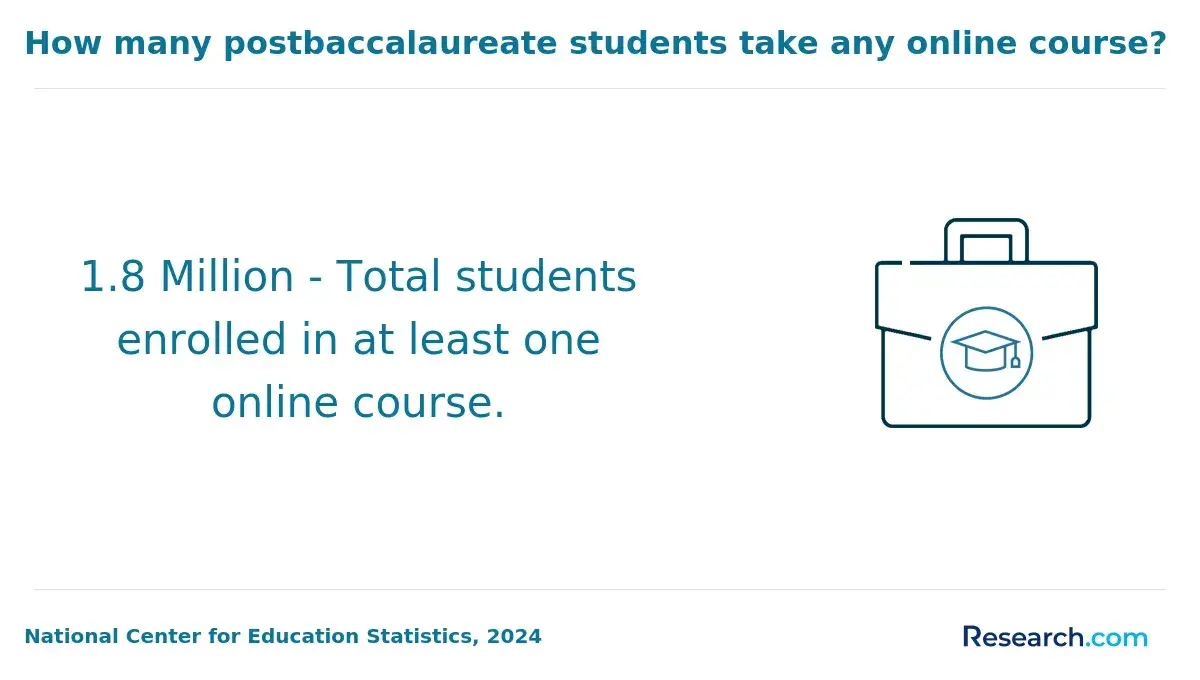
The hardest part of an online applied behavior analysis bachelor’s degree is usually not admission; it is staying consistent after enrollment. Online ABA students must manage independent study, technical platforms, weekly deadlines, and concept-heavy coursework while often balancing work or family responsibilities. The National Center for Education Statistics notes that about 30% of online learners struggle to stay motivated, which can affect retention and completion.
ABA coursework can also be challenging because it blends theory with applied decision-making. Students must learn behavioral principles, observe and measure behavior, interpret data, understand ethical boundaries, and communicate intervention plans clearly. These tasks require accuracy and patience.
- Time management: Without a physical classroom schedule, students must plan study time before deadlines become urgent. A weekly calendar is essential.
- Maintaining motivation: Online learners can feel disconnected if they do not interact with instructors or peers. Regular participation in discussions and study groups can reduce isolation.
- Navigating online platforms: Learning management systems, video tools, assignment portals, and digital libraries can slow students down at first. Early tech support prevents small problems from becoming missed work.
- Balancing responsibilities: Many students handle employment, caregiving, commuting, and coursework at the same time. Clear boundaries and realistic course loads help prevent burnout.
- Understanding data-based assignments: ABA requires careful measurement and interpretation. Students who struggle with statistics or research methods should use tutoring before falling behind.
- Staying professionally grounded: Students may want to help clients quickly, but ethical ABA practice requires supervision, documentation, and evidence-based decision-making.
Students who need a lower-cost starting point can compare affordable online colleges while checking whether each school offers advising, transfer credit support, and clear ABA-related course sequencing.
Is an Online Applied Behavior Analysis Bachelor's Degree Worth It?
An online applied behavior analysis bachelor’s degree can be worth it for students who want a flexible route into behavioral support, special education services, healthcare support, human services, or preparation for future ABA credentials. It is especially useful for students who need online access, prefer structured career-focused coursework, and want to build a foundation in behavior assessment, intervention, ethics, and data-informed practice.
The degree is less likely to be worth it if a student chooses a program only because admission is easy, without checking accreditation, cost, student outcomes, faculty qualifications, and credential alignment. Students should also understand that a bachelor’s degree alone may not qualify them for every behavior analyst role. Licensed, clinical, or independent practice positions often require additional education, certification, supervised experience, or state-specific authorization.
- Worth it for: Students seeking entry-level ABA-related roles, school-based support work, human services positions, or a foundation for graduate study.
- Potential concerns: Tuition cost, limited local job openings, unclear certification pathways, insufficient student support, or programs that do not align with employer expectations.
- Best decision rule: Choose the easiest program that is still credible, affordable, accredited, well-supported, and aligned with your next career step.
For many students, the strongest value comes from combining the bachelor’s degree with experience, supervised practice, and later credentials such as the Board Certified Assistant Behavior Analyst (BCaBA) or Board Certified Behavior Analyst (BCBA). The degree can be a practical starting point, but long-term payoff depends on the student’s career plan.
What Graduates Say About the Easiest Online Applied Behavior Analysis Bachelor's Degree Programs That Pay Well
- : "I chose an online applied behavior analysis bachelor's degree mainly because of the simple admissions process-it made starting school so much less stressful. The affordable tuition was a huge bonus, especially since I was balancing work and family. Now, as a certified professional, I'm earning well above my previous job, and the flexible online format really helped me advance my career without giving up my income. — Eddie"
- : "Reflecting on my journey, the cost-effectiveness of the online applied behavior analysis program was crucial since I was financing my own education. The easy admissions requirements allowed me to enroll quickly and focus on learning. The degree truly made an impact on my finances-I secured a rewarding position with a competitive salary that I wouldn't have had without this program. — Sage"
- : "I approached my applied behavior analysis bachelor's degree with a professional mindset, and the straightforward admissions criteria were a key factor in my decision. The online program's manageable cost helped me avoid student debt while gaining valuable skills. Today, this degree has opened doors to higher-paying roles in the field, and I'm grateful for how smoothly the whole process went from start to finish. — John"
Other Things You Should Know About Applied Behavior Analysis Degrees
Most employer-facing ABA roles require the Board Certified Assistant Behavior Analyst, or BCaBA, credential from the Behavior Analyst Certification Board. Applicants need a bachelor’s degree, an ABA-approved course sequence, supervised experience, and a passing score on the BCaBA exam.
Gaining practical experience through internships or entry-level positions during or after the bachelor's degree can lead to higher salaries. Employers value demonstrated skills and applied knowledge, which often translate into faster career advancement. More experienced practitioners tend to secure roles with better pay and supervisory responsibilities.
Specializing in areas such as autism spectrum disorder interventions, educational settings, or organizational behavior management can open up varied employment options. Certain specializations are in higher demand, which can affect salary levels positively. Selecting a specialization aligned with market needs often improves job prospects and income potential.
References
- 7 Secret Perks of Becoming an Applied Behavior Analysis Therapist | Applied Behavioral Analysis https://www.appliedbehavioranalysisedu.org/2021/04/perks-of-becoming-an-applied-behavior-analysis-therapist/
- Top 30 ABA Programs in the US 2024 https://www.actionbehavior.com/resource/blog/top-30-aba-programs-in-the-us-2024
- Top 10 Benefits of Working in Applied Behavior Analysis Therapy - Supplemental Health Care https://shccares.com/blog/schools/top-10-benefits-of-working-in-applied-behavior-analysis-therapy/
- Start Your ABA Career with Real Growth | Love 2 Learn https://l2lconsulting.com/aba-career-growth-path/
- 12 Best Online ABA Programs for BCBA Certification in 2025 https://www.thetreetop.com/best-aba-programs-online
- 6 Reasons to Pursue ABA Degree | Florida Tech Ad Astra https://news.fit.edu/psychology_behavior_analysis/6-reasons-pursue-degree-applied-behavior-analysis/
- 7 Accelerated ABA Programs - Online ABA Programs https://onlineabaprograms.org/masters/accelerated/
- Applied Behavior Analysis Online - Niagara University https://www.niagara.edu/programs/applied-behavior-analysis-online/
- ABA Bachelor's Degree Guide | Best Online Programs in 2024 https://www.psychologybachelors.org/online-degrees/bachelors-applied-behavioral-analysis
- ABA Online Bachelor's and BCaBA Online Coursework Programs https://www.appliedbehavioranalysisprograms.com/rankings/online-bachelors-aba-bcaba/