2027 Healthcare Administration Degree Popularity by Gender, Region, and Degree Level

Co-Founder and Chief Data Scientist
When a prospective healthcare administration student examines enrollment data, the striking variation in gender balance and regional participation can complicate clear conclusions about program demand and career prospects. For instance, 2024 reports reveal women comprise nearly 70% of bachelor's degree enrollees nationally, yet this proportion dips sharply in certain southern states, affecting peer network diversity and perceptions of inclusivity. Such geographic and degree-level disparities reflect not only cultural and economic influences but also labor market signals that shape institutional reputations and hiring practices.
Understanding these patterns is crucial for accurately assessing educational access and workforce alignment. This article analyzes healthcare administration degree popularity across gender, region, and degree level to clarify their impact on strategic decision-making for students and professionals alike.
Key Things to Know About Healthcare Administration Degree Popularity by Gender, Region, and Degree Level
- Women represent over 70% of healthcare administration degree enrollees in 2024, reflecting gendered norms but also raising concerns about leadership diversity in a predominantly female student pool.
- Enrollment concentrates in the Northeast and Midwest, where healthcare systems invest in administration training, signaling regional workforce alignment but limiting broader access for Southern and Western students.
- Master's degrees grow fastest due to employer preference for advanced credentials, yet higher costs and longer timelines pose tradeoffs that influence student debt and career entry timing.
- Key Things to Know About Healthcare Administration Degree Popularity by Gender, Region, and Degree Level Key Things to Know About Healthcare Administration Degree Popularity by Gender, Region, and Degree Level
- How Does Job Market Demand Influence Healthcare Administration Degree Popularity? Market Demand and Degree Popularity
- How Does Online Healthcare Administration Degree Enrollment Compare to Traditional Campus Programs? Online vs. Campus Enrollment
- What Degree Level Is Most Common Among Healthcare Administration Students? Most Common Degree Levels
- How Do Enrollment Trends Differ Between Associate, Bachelor's, Master's, and Doctoral Healthcare Administration Degrees? Enrollment Trends by Degree Level
- How Popular Is the Healthcare Administration Degree Compared to Other College Majors? Degree Popularity vs. Other Majors
- Why Is the Healthcare Administration Degree More Popular in Certain States and Regions? Regional Popularity Drivers
- What Demographic Groups Are Driving Growth in Healthcare Administration Degree Programs? Growth by Demographic Groups
- What Is the Future Outlook for Healthcare Administration Degree Enrollment by Gender, Region, and Degree Level? What Is the Future Outlook for Healthcare Administration Degree Enrollment by Gender, Region, and Degree Level?
- How Have Healthcare Administration Degree Enrollment Trends Changed Over the Past Decade? How Have Healthcare Administration Degree Enrollment Trends Changed Over the Past Decade?
- Where Is the Healthcare Administration Degree Most Popular Across the United States? Geographic Popularity Analysis
How Does Job Market Demand Influence Healthcare Administration Degree Popularity?
The demand for healthcare administration degree programs closely reflects employer expectations that increasingly prioritize interdisciplinary skills, including finance and data analytics, alongside traditional healthcare knowledge. For instance, in metropolitan areas with expanding healthcare infrastructure like Texas and Florida, enrollment in master's programs often rises faster than bachelor's due to hiring preferences for advanced qualifications in management roles.
However, this regional demand for healthcare administration professionals varies considerably, with rural areas showing slower degree program growth despite local workforce shortages, highlighting how economic conditions and healthcare funding influence where and at what levels students pursue education.
Gender representation within healthcare administration enrollment also interacts with labor market dynamics, as women constitute the majority of students consistent with broader healthcare workforce patterns, but shifts in employer preferences may encourage more balanced participation over time. Enrollment increases in urban centers often correlate with robust healthcare sector development, yet the overall healthcare administration degree job market trends reveal that prospective students weigh factors beyond demand, such as program affordability and alternative credentials, which can cause enrollment growth to lag actual employment opportunities.
These complexities advise prospective students to evaluate how regional economic realities and emerging occupational requirements will affect the long-term value of their degree progressions.
Students exploring educational pathways should consider not only the anticipated growth in healthcare administration roles but also the form their credential takes, since some employers favor master's degrees for strategic leadership roles while hiring entry-level positions predominantly with bachelor's degrees. Recognizing this stratification informs decisions on program selection and timing, especially as many employers look for candidates capable of navigating regulatory complexity and technology integration within healthcare systems.
Meanwhile, those examining options such as certifications or short-term training might benefit from examining resources for related programs, including lists of nursing schools easy to get into, which often intersect with allied healthcare education pathways.
How Does Online Healthcare Administration Degree Enrollment Compare to Traditional Campus Programs?
The rise in online healthcare administration degree enrollment reflects a fundamental shift in how student demographics and geographic access shape educational choices. Data from the National Center for Education Statistics in 2024 reveals that nearly 45% of students in healthcare administration programs now pursue their degrees online or through hybrid formats, up from less than 30% ten years ago.
This trend primarily captures adult learners juggling employment and family responsibilities who prioritize flexibility over the traditional on-campus experience. Meanwhile, campus-based programs continue to attract younger students residing near institutional hubs, often valuing in-person networking and experiential learning opportunities.
Gender distribution remains relatively steady across modalities, with women comprising close to 70% of enrollees in both online and traditional settings. However, the online setting slightly broadens participation among men, which may be linked to mid-career professionals seeking skill upgrades without sacrificing current employment. Although online formats improve accessibility-especially in rural or underserved regions-there remains a nuanced tradeoff, as completion rates can lag behind campus programs due to reduced direct support and the demands of self-motivation.
Institutions offering accredited online degrees with comprehensive student services demonstrate that these challenges can be mitigated, but prospective students must weigh the value of flexibility against opportunities found primarily in face-to-face learning environments.
One healthcare administration student living in a remote area faced limited campus options and was skeptical about the legitimacy and engagement level of online programs. They chose an online degree for practicality but initially worried they would miss peer interaction and in-person mentorship.
Over time, the student found that structured virtual collaboration and flexible scheduling allowed balancing work life and education, even if some aspects of campus immersion remained absent. This decision underscored how geography and life demands directly influence modality choice and shape perceptions of program fit beyond mere popularity or rankings.
What Degree Level Is Most Common Among Healthcare Administration Students?
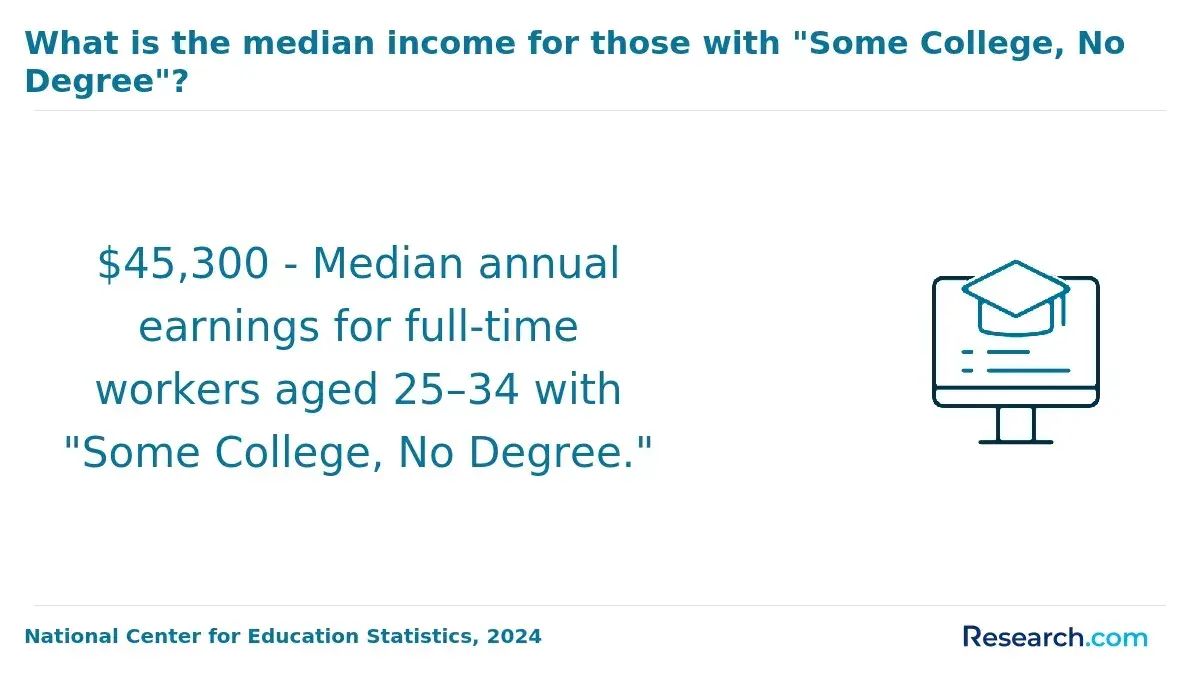
Bachelor's degrees dominate healthcare administration enrollments largely because they align with employer expectations for entry-level administrative roles, combining foundational theory with managerial training and practical internships. According to recent data from the National Center for Education Statistics and IPEDS, roughly 55-60% of students in healthcare administration programs are undergraduates, reflecting both workforce demands and the accessibility of bachelor's programs, including growing online options that serve non-traditional students and those outside traditional geographic hubs.
Associate degrees often serve as quicker or more localized pathways, especially via community colleges, but their limited scope usually positions them as steppingstones rather than final credentials for administrative careers. Master's degrees, in contrast, attract a smaller but career-focused cohort, especially professionals aiming for leadership positions or specialized roles, representing about a quarter to a third of completions nationally. Doctoral programs are least common, as their research and high-level strategic orientation appeal to a niche group pursuing academic, policy, or executive trajectories rather than broad workforce entry.
This distribution highlights tradeoffs in student decision-making: bachelors offer broad access and recognition for initial roles, associates favor immediacy and cost-efficiency, while graduate degrees serve distinct advancement goals that may delay entry but open targeted opportunities. Transfer pathways from associate to bachelor's degrees further reinforce the dominance of undergraduate study as a practical and scalable route. Understanding these trends helps students tailor their choices based on how each degree level intersects with market realities, career timing, and professional ambitions within healthcare administration.
How Do Enrollment Trends Differ Between Associate, Bachelor's, Master's, and Doctoral Healthcare Administration Degrees?
Enrollment trends in healthcare administration reveal how degree level aligns with varied career trajectories and workforce demands. Associate programs tend to attract non-traditional students or those balancing work and study, often serving as a practical entry or bridge to advanced degrees rather than endpoints. Regional differences in associate healthcare administration degree enrollment trends by region reflect local workforce needs and educational access, particularly in areas with higher demand for entry-level roles. Meanwhile, bachelor's programs maintain the largest cohorts, driven by employer preferences for this credential as a baseline in healthcare administration roles requiring supervisory competence and broader operational knowledge.
Master's-level enrollments are expanding more rapidly, reflecting a growing need among mid-career professionals for specialized skills and leadership preparation in healthcare systems. The American Association of Colleges of Nursing reports a 12% yearly increase in healthcare-related master's enrollments, underscoring this shift. Doctoral programs face constraints from their length and niche focus on research or policy, resulting in stable but limited enrollment.
Comparing master's versus doctoral healthcare administration program popularity highlights professional tradeoffs: advanced practice-oriented degrees vs. research-intensive pathways, influencing students' educational planning based on career aspirations and role expectations.
Prospective students weighing options should consider how the workforce values these degrees not only for immediate employment but also for long-term progression, with master's degrees often pivotal for advancement. Those concerned about foundational skills versus advanced specialization might explore how regional labor markets affect associate degree viability. Students uncertain about credential relevance may consult resources discussing whether "Is medical coding a dying career?," reflecting similar trends in allied health fields.
How Popular Is the Healthcare Administration Degree Compared to Other College Majors?
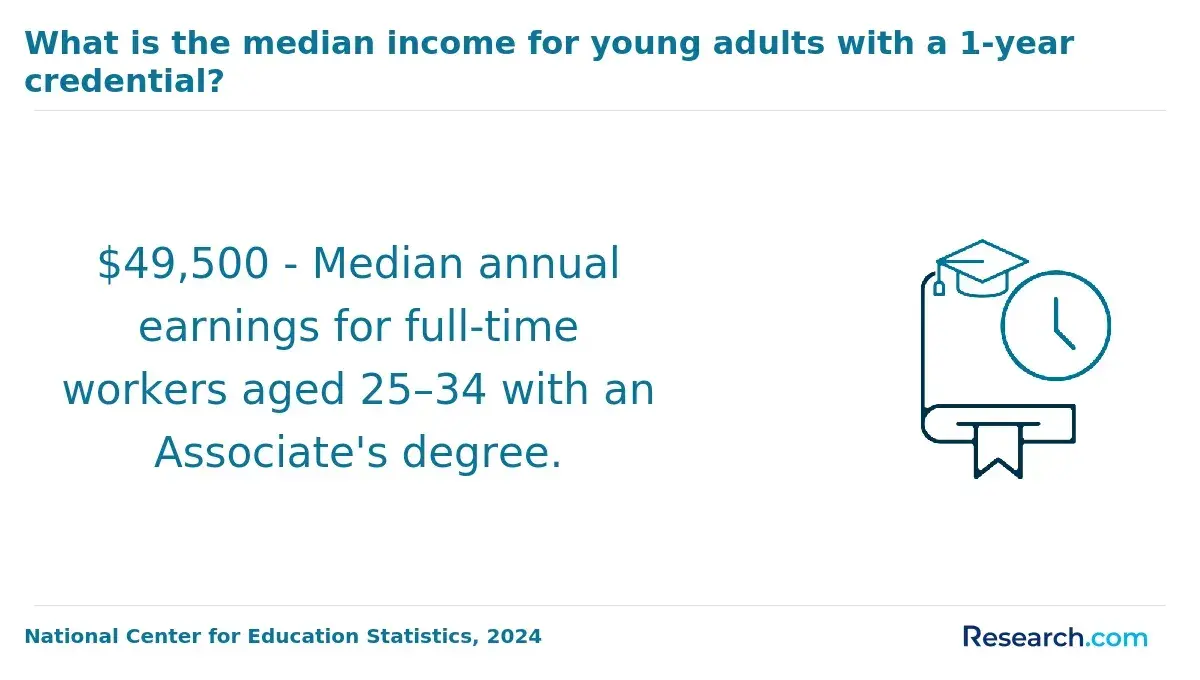
The relative popularity of a healthcare administration degree offers insight into its specialized role within higher education and the workforce rather than indicating mass appeal. While it does not approach the enrollment scale of ubiquitous majors like business or nursing, awarding roughly 18,000 bachelor's degrees annually per the 2024 National Center for Education Statistics, its focused curriculum caters to administrative career paths in healthcare settings, which require distinct competencies.
The moderate size of this field means fewer programs with smaller cohorts, potentially limiting peer networks and elective diversity but allowing more targeted preparation for management roles that are increasingly in demand due to healthcare system growth and demographic trends such as aging populations.
Trends in graduate-level healthcare management programs, which have seen about a 12% increase over the past five years, confirm growing interest linked to expanding employment opportunities in the healthcare sector. Geographic concentrations of degree completions in states like California, New York, and Texas also highlight how urban healthcare infrastructures influence student decisions and workforce alignment.
The gender composition shows a slight female majority, reflecting broader health-related education patterns but with a narrower gap than seen in clinical fields, underscoring healthcare administration's unique positioning at the intersection of business and healthcare services.
A former healthcare administration student recalls initially being uncertain about choosing a major that was less prominent than business or nursing but found reassurance in the smaller class sizes and focused curriculum. Conversations with academic advisors emphasized the growing demand for administrative roles in regional health systems, particularly in urban centers, which helped clarify the practical value despite the degree's lower overall visibility.
This student noted that while the program's enrollment was modest, the specialized training and alignment with workforce needs offered a clearer path to leadership opportunities than more saturated majors.
Why Is the Healthcare Administration Degree More Popular in Certain States and Regions?
Healthcare administration degree demand by state is closely linked to the presence of large healthcare systems and regional workforce needs rather than simply student interest. For example, states like New York and Florida, with substantial elder care services and chronic disease management growth, report higher enrollment driven by employer demand and expanding care networks. Such concentrations influence student decisions by offering greater opportunities for internships, local networking, and relevant practical experience within healthcare management roles, which in turn shapes perceptions of the degree's value in these markets.
Regional factors influencing healthcare administration popularity also include access to accredited programs and the flexibility of online learning, which can mitigate geographic limitations. Metropolitan areas with diverse populations often see increased enrollment, in part because of the need for culturally competent healthcare managers and the draw of online ultrasound tech programs or similar healthcare education options. However, while strong healthcare industries often correlate with higher enrollment, differences in state policy environments-such as Medicaid expansion-and local economic conditions can significantly affect graduates' employment stability and career trajectories.
These regional enrollment trends have practical implications for students and professionals in healthcare administration, influencing the availability of specialized degree levels, gender representation trends, and workforce integration. Prospective and current students must assess how local educational offerings, employer expectations, and demographic factors intersect to shape both educational pathways and long-term employability outcomes in healthcare management.
What Demographic Groups Are Driving Growth in Healthcare Administration Degree Programs?
The predominance of women in healthcare administration degree programs reflects persistent labor market trends where administrative roles within healthcare systems remain heavily gendered. Approximately 70% of enrollees at undergraduate and graduate levels in 2024 are female, a factor that shapes program culture, peer dynamics, and potentially influences curricular focus toward leadership styles associated with this demographic. This gender concentration also signals workforce demand patterns where healthcare organizations often seek candidates with skills and perspectives aligned with patient-centered and operational management roles traditionally linked to women's participation.
Enrollment growth among adult learners aged 25 and older, particularly those between 30 to 40 years old, emphasizes the expanding role of continuing education driven by technological advances and evolving healthcare delivery models. This shift challenges programs to accommodate nontraditional students balancing work and study, incentivizing many institutions to expand flexible and online options. Meanwhile, rising enrollment of Latino and Asian American students introduces greater racial and ethnic diversity, reshaping peer networks and potentially prompting programs to integrate culturally competent management training in response to a more varied student and future workforce base.
Geographically, regional population increases and healthcare infrastructure developments in the South and West of the United States are major contributors to enrollment patterns, connecting local economic factors with educational access. The influx of first-generation college students into these programs, often supported by online learning pathways and financial aid, underscores the practical appeal of healthcare administration as a route to stable employment. These demographic and regional shifts not only demand adaptive program structures but also influence how educators and employers anticipate future leadership talent pipelines shaped by diverse backgrounds and adult learner needs.
What Is the Future Outlook for Healthcare Administration Degree Enrollment by Gender, Region, and Degree Level?
Healthcare administration degree enrollment is increasingly shaped by demographic shifts and regional healthcare demand variations, suggesting that educational providers must adapt program offerings to meet these evolving needs. Enrollment growth is notably concentrated among women, who now represent over 65% of students nationally according to the National Center for Education Statistics 2024 data, underscoring a persistent gender skew that impacts leadership pipelines and diversity strategies within healthcare organizations.
Regional disparities also influence enrollment patterns, with states like Texas, Florida, and California experiencing stronger increases due to population growth and healthcare infrastructure expansion, while some Northern and Midwestern areas face slower growth because of demographic stability and market saturation.
Degree-level demand highlights a critical tradeoff between broader accessibility at the bachelor's level and the accelerated growth of master's programs, particularly those delivered online or in hybrid formats, which cater to working professionals seeking advanced qualifications. This gradient aligns with employer preferences favoring graduate credentials for management roles, reflected in Bureau of Labor Statistics projections of a 28% increase in healthcare management positions from 2022 to 2032.
However, this trend also implies that students weighing bachelor's versus master's pathways must consider not just cost and time but also how degree level influences employability and long-term career trajectory within an increasingly competitive labor market.
These trends collectively suggest that future enrollment strategies and academic planning will need to balance gender representation, regional workforce demand, and degree-level relevance to support sustainable healthcare leadership development. Programs that expand online delivery options can better serve nontraditional students and working adults, but institutions must also anticipate shifting regional needs and evolving employer expectations to align curricula with real-world operational demands.
This nuanced landscape emphasizes the importance of informed decision-making for prospective and current students aiming to maximize the practical value of their healthcare administration studies.
How Have Healthcare Administration Degree Enrollment Trends Changed Over the Past Decade?
Long-term enrollment shifts in healthcare administration degree programs reflect evolving workforce demands and demographic changes influencing the field's development. The overall 35% rise in bachelor's degree completions over the last decade signifies increasing recognition of administrative expertise as essential to healthcare operations, especially as regulatory complexity heightens.
Notably, master's degree completions have accelerated even faster, up about 40%, as industry roles demand advanced skills, signaling a stronger push for graduate-level credentials to access leadership positions. However, associate degree participation has remained stable, anchoring entry-level supply but offering more limited upward mobility within the sector.
The healthcare administration degree enrollment trends in the United States also demonstrate pronounced gender and regional disparities that affect program demand and graduate profiles. Women constitute nearly three-quarters of enrollees, underscoring both healthcare's broader gender dynamics and a sustained trend of female engagement in management rather than clinical tracks. Regionally, the South and West experience stronger enrollment growth, driven by demographic expansion and healthcare infrastructure development, whereas other areas show less momentum.
Accessibility improvements through online offerings, including options like the 6-month RN to BSN program online, have broadened participation among nontraditional students, though prospective learners should weigh tradeoffs related to engagement and program rigor. These shifts collectively redefine the practical value and market relevance of healthcare administration degrees, emphasizing the need for ongoing skills development to meet employer expectations and navigate a competitive, evolving labor market.
Where Is the Healthcare Administration Degree Most Popular Across the United States?
Healthcare administration degree popularity tends to concentrate in regions where healthcare infrastructure, population dynamics, and educational offerings converge to create robust demand for skilled professionals. This uneven distribution reflects the interplay between regional healthcare industry presence and the availability of diverse program pathways that accommodate working students and varied career trajectories. The South and Northeast, with established healthcare networks and prominent educational institutions, illustrate how degree accessibility aligns with local employment markets, affecting both enrollment trends and perceptions of degree value among students.
In states characterized by rapid population growth and expanding healthcare facilities, such as those in the South, graduates find opportunities linked directly to operational management roles in hospitals and public health agencies. The Northeast's concentration of teaching hospitals and research institutions further reinforces demand for advanced healthcare administration credentials, creating competitive networking environments that can influence student outcomes.
Conversely, Midwestern and Western states reflect a more moderate but consistent increase in graduates, driven by regional demographic shifts and health technology hubs, demonstrating how easiest counseling degrees and similar programs can coexist within healthcare education markets.
These geographic variations underscore critical decision points for prospective students weighing program location, specialization opportunities, and workforce alignment. Understanding these regional trends in healthcare administration enrollment allows students and professionals to evaluate the practical implications of studying where degree popularity shapes professional ecosystems, ultimately impacting long-term career mobility and network development across varied healthcare landscapes.
References
- The Benefits of Medical Administration Jobs https://concentrichealthcare.com/the-benefits-of-medical-administration-jobs/
- Why is Healthcare Management Growing So Fast? - Healthcare Management Degree Guide https://www.healthcare-management-degree.net/faq/why-is-healthcare-management-growing-so-fast/
- The Benefits of Pursuing a Master of Healthcare Administration Degree | ACE Blog https://ace.edu/blog/the-benefits-of-pursuing-a-master-of-healthcare-administration-degree/
- Trends in Healthcare Administration for 2025 https://www.columbiasouthern.edu/blog/blog-articles/2025/january/trends-in-healthcare-administration/
- What Are the Job Prospects for an HIM Graduate? - Healthcare Administration Degree Programs https://www.healthcare-administration-degree.net/faq/what-are-the-job-prospects-for-an-him-graduate/
- Online Healthcare Administration Degrees https://www.affordablecollegesonline.org/degrees/health-administration-programs/
- Healthcare Administration Job Outlook: 2025 Trends | IntuitionLabs https://intuitionlabs.ai/articles/healthcare-admin-job-market-2025
- Educational Attainment Statistics [2025]: Levels by Demographic https://educationdata.org/education-attainment-statistics
- Future Students https://www.aupha.org/resourcecenter/futurestudents
- Healthcare Management vs. Healthcare Administration | University of Phoenix https://www.phoenix.edu/articles/healthcare/healthcare-management-vs-healthcare-administration.html
Other Things You Should Know About Healthcare Administration
Gender imbalances, often with higher female enrollment, reflect broader workforce patterns but can impact networking and leadership opportunities. Men may find advantage pursuing certain executive tracks where they are underrepresented, while women might face more competition in popular subfields. Understanding these dynamics helps tailor specialization choices to sectors valuing diversity or to niches where gender gaps persist, potentially improving career advancement and workplace inclusion.
Regional popularity often corresponds to state healthcare infrastructure and employer needs, affecting internships and job placement resources. Programs in regions with higher degree popularity may offer stronger local connections but also face more competition among graduates. Prioritize programs with robust employer networks in your target region rather than just enrollment numbers to ensure practical opportunities align with your career goals.
Higher degree levels usually involve more rigorous coursework, strategic projects, and leadership-focused content, demanding greater time and critical thinking investment. Associate and bachelor's degrees may offer broader foundational knowledge suitable for entry-level roles but with less strategic depth. When choosing a degree level, balance your current life responsibilities with the program intensity and long-term career benefits, especially if aiming for senior management roles.
While advanced degrees expand strategic insight and often are required for senior roles, entering the workforce early provides practical understanding valued by employers. Gaining experience before pursuing a master's or doctoral degree can clarify career aims and improve educational ROI. For those certain of leadership ambitions, immediate continuation can streamline progression, but working professionals generally benefit more from real-world exposure before returning to school.