2027 Healthcare Administration Student Debt Report: Borrowing, Monthly Payments, and Repayment Risk

Co-Founder and Chief Data Scientist
Healthcare administration programs often require navigating extended curricula combined with internships, licensing considerations, and accreditation benchmarks that uniquely influence borrowing behaviors. Unlike shorter or purely theoretical degrees, these programs integrate practical fieldwork, which can delay labor market entry and affect income timing.
According to the National Center for Education Statistics (2024), healthcare-related degrees, including administration, tend to attract older students balancing education with career transitions, shaping repayment dynamics. Graduates face variable salary scales influenced by employer type and region, complicating monthly payment expectations. This report examines how such distinctive educational and professional factors shape borrowing amounts, repayment risks, and ongoing financial obligations within healthcare administration.
Key Things to Know About Healthcare Administration Student Debt
- Higher debt levels commonly extend repayment periods beyond initial salary growth, increasing exposure to interest accrual; this tradeoff often discourages early career job mobility within healthcare administration.
- Employers increasingly value financial literacy alongside technical skills in healthcare administration roles, underscoring debt management's role in candidates' overall employability and workplace stability.
- Recent 2024 data show staggered monthly payments tied to degree completion timing, meaning delayed entry to the workforce can sharply elevate cumulative borrowing costs, impacting access equity.
- Key Things to Know About Healthcare Administration Student Debt Key Things to Know About Healthcare Administration Student Debt
- How Much Student Loan Debt Do Healthcare Administration Graduates Typically Have at Graduation? Average Studen Loan Debt
- What Factors Have the Biggest Impact on Healthcare Administration Student Loan Debt? Student Debt Key Factors
- What Is the Average Monthly Student Loan Payment for Healthcare Administration Graduates? Average Monthly Payment
- How Do Repayment Rates Compare Between Public and Private Institutions? Public vs. Private Institution Repayment Rates
- Do Online Healthcare Administration Graduates Have Different Repayment Outcomes Than Campus-Based Students? Online vs. On-Campus Student Loan Repayment
- Which Industries Provide the Best Financial Return Relative to Borrowing Costs? Which Industries Provide the Best Financial Return Relative to Borrowing Costs?
- Does Student Debt Affect Which Jobs Healthcare Administration Graduates Accept? Does Student Debt Affect Which Jobs Healthcare Administration Graduates Accept?
- What Factors Increase Student Loan Repayment Risk for Healthcare Administration Graduates? Loan Repayment Risk Factors
- How Can Healthcare Administration Students Reduce Student Loan Debt While Earning Their Degree? Tips to Reduce Student Debt
- How Should Prospective Students Evaluate Borrowing Risk Before Enrolling? Evaluating Student Debt Risk
How Much Student Loan Debt Do Healthcare Administration Graduates Typically Have at Graduation?
Healthcare administration graduate student debt averages by institution type generally fall between $25,000 and $40,000 at graduation, according to recent data from the National Center for Education Statistics and related sources. These figures reflect cumulative borrowing across undergraduate and sometimes graduate coursework required in this field, consistent with typical debt loads seen in other professional degree pathways with considerable specialization.
Variations in debt balances are apparent, influenced by how institutions price tuition and fees as well as the length and intensity of programs, which often require upper-division coursework or extended study. Typical student loan balances for healthcare administration degrees are shaped by several key factors, including whether a student attends a public or private institution, residency status for tuition purposes, and the availability of financial aid such as scholarships or grants.
Public colleges tend to offer lower tuition rates for in-state students, often reducing borrowing needs, while private or out-of-state enrollments may drive debt higher. Additionally, part-time enrollment or extended program durations can raise total borrowing if students rely on loans over multiple years. Geographic cost-of-living differences and individual aid packages further diversify debt outcomes, underscoring why borrowing within this field does not present uniform debt loads across all graduates.
These debt variations have direct implications for repayment strategies and financial stability after graduation. Borrowers facing balances toward the upper end of the range may experience greater repayment stress, making income-driven repayment plans essential to avoid default and preserve creditworthiness. The degree to which debt influences healthcare administration graduates' career choices and financial flexibility depends largely on the interplay between initial debt, sector wage scales, and expected career progression.
For prospective students evaluating programs, understanding these complexities alongside available resources can inform more sustainable borrowing decisions and long-term financial planning, especially when compared with borrowing levels in related fields such as online NP programs.
What Factors Have the Biggest Impact on Healthcare Administration Student Loan Debt?
Student loan debt levels for healthcare administration programs emerge from a complex interplay of institutional pricing models and individual financial circumstances rather than a single factor. Borrowing is shaped by how colleges set tuition, the availability and accessibility of aid, students' enrollment choices, and broader living costs tied to location.
In combination, these elements determine how much debt students accumulate and how manageable repayment may be after graduation.
- Institution Type and Pricing Structures: Private nonprofit institutions generally charge higher tuition than public universities, driving up borrowing requirements for healthcare administration students. These institutions often have more limited institutional aid compared to public counterparts, which exacerbates reliance on loans. This variation explains substantial disparities in average debt between institutional sectors and highlights how systemic pricing influences borrowing behavior.
- Program Length and Degree Level: Graduate-level healthcare administration degrees tend to cost more and last longer than bachelor's programs, intensifying debt accumulation. Master's students face higher tuition rates with fewer subsidized loan options, making their borrowing more substantial. For example, recent data indicate master's degree holders in healthcare administration often exceed $50,000 in student debt, whereas bachelor's graduates average closer to $30,000.
- Enrollment Patterns and Financial Support: Part-time enrollment extends program duration and total educational expenses, which elevates overall debt levels for healthcare administration students. Conversely, employer tuition assistance programs can significantly reduce borrowing needs by covering course costs or reimbursing tuition, yet such benefits remain unevenly distributed. Understanding these factors is critical for balancing educational pursuit with manageable debt loads.
- Geographic Location and Cost of Living: Students attending healthcare administration programs in urban centers with higher living expenses face added financial pressure, pushing loan amounts upward. The variation in regional salaries within healthcare administration roles also influences willingness to incur debt, as students weigh borrowing against anticipated income potential, linking geographic factors to both debt formation and repayment capacity.
According to the Institute for College Access & Success, 68% of healthcare administration graduates carry student loan debt, underscoring that borrowing is a widespread reality shaped by these interacting factors. As online options grow in healthcare education, choices about program delivery-such as pursuing an online nutrition master's versus a campus-based program-may further influence borrowing patterns through differences in tuition and living cost considerations.
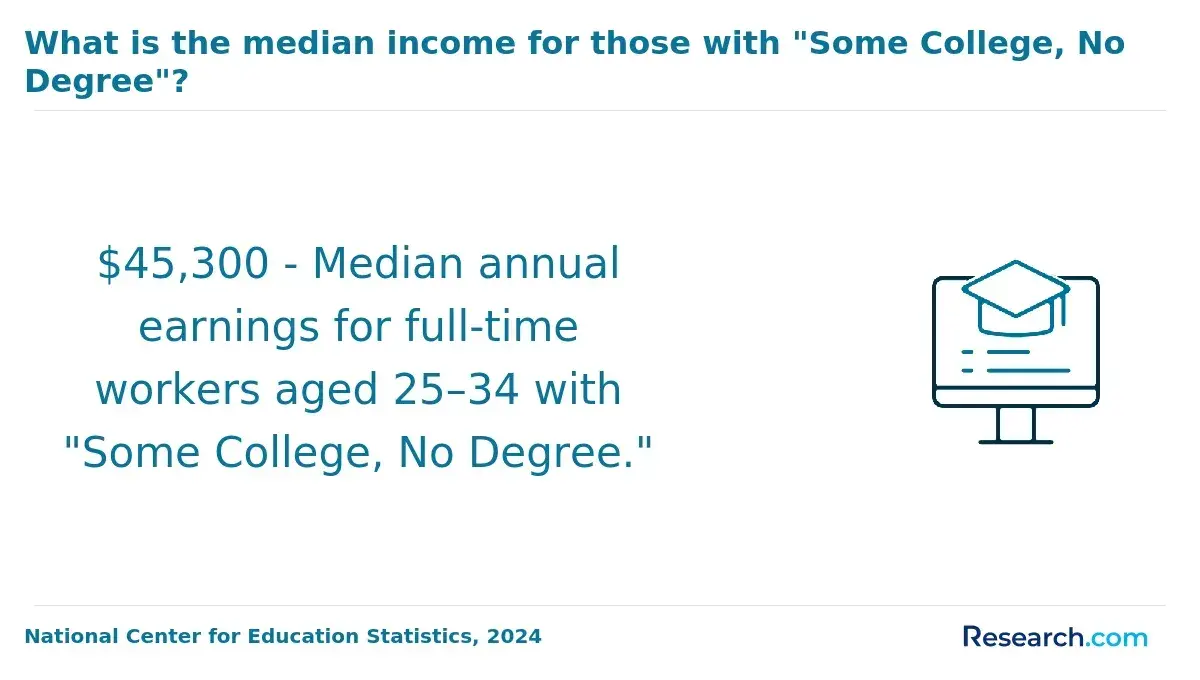
What Is the Average Monthly Student Loan Payment for Healthcare Administration Graduates?
Recent data from the U.S. Department of Education and the Federal Reserve show that healthcare administration graduates with federal student loans typically face monthly payments between $250 and $450. This range reflects average borrowing of $30,000 to $50,000 and repayment terms often set around 10 years at interest rates near 4-6%. These figures highlight how payments balance manageable monthly costs against entry- to mid-level salaries commonly seen in healthcare management roles.
Variations within this bracket depend significantly on individual loan sizes and specific repayment structures. The primary factors driving differences in monthly loan payments include total debt, chosen repayment plans, and graduate earnings. Standard repayment schedules tend to require higher monthly amounts compared to income-driven options, which can reduce payments based on salary but extend the loan term and increase total interest.
Additionally, salary ranges-often between $55,000 and $75,000 annually for healthcare administration graduates-directly influence how repayment plans affect monthly amounts. Understanding these dynamics is crucial, as graduates must weigh short-term payment relief against potential long-term costs tied to different repayment strategies.
One healthcare administration graduate recalls that the rolling admissions timeline created uncertainty during the application process. They hesitated to apply too early without comparing several programs, fearing rushed decisions might lead to heavier debt. When they finally enrolled, last-minute financial aid notifications and loan counseling sessions compressed their preparation time. This experience underscored the importance of timing and thorough planning, as even small delays or uncertainties in admission and loan processing affected their initial repayment strategy and monthly payment expectations.
How Do Repayment Rates Compare Between Public and Private Institutions?
Recent data from the U.S. Department of Education's College Scorecard highlights a tangible gap in student loan repayment rates between graduates of public and private healthcare administration programs. Approximately 56% of public university alumni are actively repaying loans three years into repayment, compared with around 49% from private institutions. This variation reflects not just institutional differences but also the financial realities graduates face early in their careers, influencing their capacity to meet debt obligations in the context of healthcare sector remuneration.
Several structural factors underpin these disparities. Public universities tend to charge lower tuition, resulting in smaller average borrowing and less financial strain post-graduation. Graduates from these institutions often benefit from more accessible or stable public sector healthcare roles that align better with their debt levels, while private school alumni frequently incur higher debt burdens relative to their initial salaries.
Additionally, the diversity in income trajectories for private institution graduates, combined with generally higher borrowing, contributes to inconsistent repayment patterns, as noted in recent Federal Reserve analyses linking elevated debt and delinquency risks in this group. The implications extend beyond immediate repayment metrics. Elevated debt stress among private institution graduates can constrain long-term financial mobility, affecting key life decisions and perceptions of program value.
Repayment performance increasingly serves as a proxy for institutional accountability, influencing how prospective students weigh educational investment against realistic career earnings in healthcare administration. Understanding these nuanced repayment dynamics is essential for informed decision-making that balances educational ambitions with sustainable financial outcomes.
Do Online Healthcare Administration Graduates Have Different Repayment Outcomes Than Campus-Based Students?
Recent data from the 2024 Department of Education report reveals that graduates from public universities in healthcare administration programs demonstrate a loan repayment rate approximately 12% higher within five years post-completion compared to their private institution counterparts. This differential is significant when examining online healthcare administration graduate repayment outcomes, as it highlights systemic variations tied to institutional sector rather than individual borrower choices alone.
Public university graduates often show stronger repayment performance, influenced by distinct borrowing behaviors and institutional aid patterns, which are critical factors in assessing long-term debt management and financial stability after graduation. Key drivers behind these disparities include differences in tuition pricing, borrowing levels, and post-graduation earnings. Public institutions generally have lower tuition rates and more accessible financial aid, resulting in smaller average loan balances for students even if salaries align closely across sectors.
Conversely, private institution graduates may carry higher debt loads due to steeper tuition costs despite sometimes receiving higher nominal salaries. However, these salary increments often do not sufficiently offset their larger debt burdens, leading to a higher risk of repayment strain. This nuanced debt-to-income dynamic shapes repayment rates substantially and reflects how institutional prestige and employment outcomes intersect with borrower financial behavior in healthcare administration programs.
These repayment rate patterns further underscore long-term financial mobility challenges faced by graduates and influence perceptions of program value and institutional accountability. Students navigating between public and private options must consider not only immediate educational costs but also the structural factors affecting their future debt servicing capacity.
Understanding this interplay helps clarify the practical realities behind the comparison of campus-based and online healthcare administration loan repayment trends that prospective and current students must weigh carefully. For those exploring different academic pathways, resources like accelerated BSN programs for non-nurses California can provide additional context to cost-efficiency considerations in healthcare fields broadly.
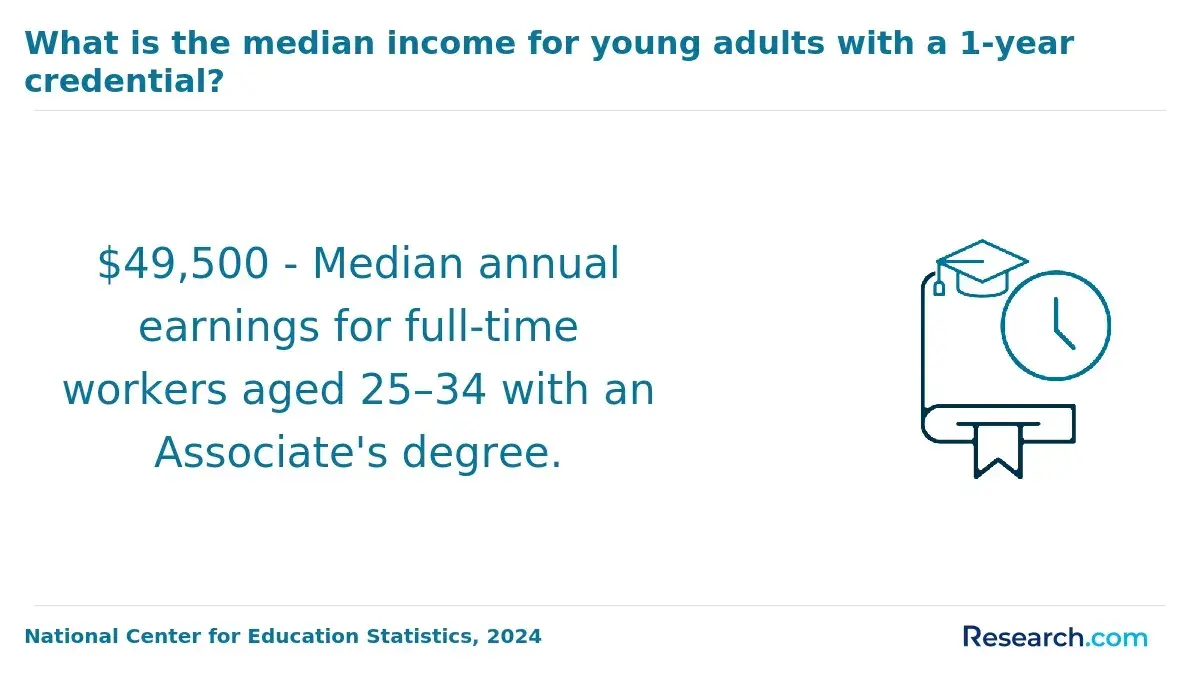
Which Industries Provide the Best Financial Return Relative to Borrowing Costs?
Financial return on investment for healthcare administration graduates varies widely across industries, shaped by differences in earning potential, hiring demand, and the speed of career advancement. Beyond simply comparing starting salaries, it is essential to evaluate how income trajectories align with typical student loan burdens accrued during degree completion.
The balance between manageable debt levels and sustainable wage growth ultimately determines repayment capacity and long-term financial stability for graduates.
- Hospital Management: This sector frequently offers some of the highest median salaries for healthcare administration graduates, with starting wages ranging from $70,000 to $95,000 according to recent Medical Group Management Association data. Strong demand for skilled administrators and clear promotional pathways enable many professionals to increase earnings rapidly, keeping student loan payments within roughly 10-15% of gross monthly income and easing repayment stress.
- Health Insurance Administration: Roles in insurance organizations often combine competitive compensation with stable employment outlooks driven by ongoing industry growth. Although salaries may start modestly compared to hospital systems, consistent demand and structured advancement opportunities contribute to improving debt-to-income ratios over time.
- Pharmaceutical Services Administration: Administrators in pharmaceutical-related organizations benefit from sector expansion and relatively higher pay scales. Salary growth in this field can outpace borrowing costs, though initial entry-level wages can vary by company size and geographic region, affecting early repayment capacity.
- Public Health Administration: While starting salaries tend to be lower in this segment, many positions qualify for federal loan forgiveness programs targeted toward public service workers. This financial relief can substantially offset otherwise burdensome debt loads, especially when paired with stable employment in government or nonprofit agencies.
- Smaller Outpatient Facilities and Nonprofit Healthcare Organizations: Graduates entering these settings typically encounter lower compensation levels and limited promotion prospects, which may prolong student loan repayment periods and increase financial risk if initial borrowing was substantial. This makes careful borrowing consideration essential before committing to these career paths.
Does Student Debt Affect Which Jobs Healthcare Administration Graduates Accept?
Student loan burdens heavily influence how healthcare administration graduates evaluate job offers, particularly in the early stages of their careers. Graduates with substantial monthly repayment obligations are more likely to prioritize positions offering higher starting salaries or robust benefits packages that can ease loan servicing pressures. According to a 2024 report from the National Center for Education Statistics, nearly 68% of graduates with student debt acknowledged that their borrowing shaped their initial employment choices.
This financial imperative often steers candidates toward larger hospital systems or established healthcare networks where compensation tends to be more competitive, sometimes at the expense of entering smaller or nonprofit organizations with less lucrative pay but potential for different professional experiences. The need to maintain cash flow and meet debt obligations thus constrains the latitude new professionals have to pursue roles aligned primarily with interest or long-term career goals.
Differences in debt-to-income ratios also create divergent behavioral patterns among healthcare administration alumni, with those carrying heavier debt loads exhibiting less geographic mobility and a stronger preference for financially stable, predictable work environments. Conversely, graduates with minimal loans may afford more flexibility to explore diverse sectors, including underserved rural facilities or emerging healthcare models that often offer limited initial pay but greater experiential value.
These dynamics reflect broader structural realities within healthcare labor markets, where debt indirectly shapes workforce distribution and industry engagement. Employer-sponsored loan repayment assistance, though still uncommon, represents a growing strategy to mitigate financial constraints and influence recruitment choices. Ultimately, student debt acts as both a financial barrier and a strategic filter, reshaping hiring preferences and limiting early career decisions in ways that resonate throughout graduates' professional trajectories.
One healthcare administration graduate recalled navigating a rolling admissions cycle where delays in receiving loan approval created uncertainty about timing and funding availability. Though initially applying to a few programs, the wait for financial aid decisions made committing to a particular school feel precarious.
The graduate described feeling hesitant to accept job offers until financial logistics were clearer, illustrating how the interplay between debt planning and educational access can directly shape not just job acceptance but also program selection strategies. This experience highlighted how both admissions timing and loan management require careful coordination to avoid compromising employment and educational outcomes during these critical transition phases.
What Factors Increase Student Loan Repayment Risk for Healthcare Administration Graduates?
Student loan repayment risk for healthcare administration graduates arises from a complex interplay of debt levels, income variability, and labor market uncertainties rather than any sole factor. Graduates' ability to manage repayment depends heavily on the alignment between their borrowing amounts and post-graduation earning stability, which can vary widely by program format and employment outcomes.
The impact of program cost, employment sector shifts, and loan structures all contribute to distinct repayment challenges within this field, especially as many borrowers face fluctuating income and job market dynamics after graduation.
Several core factors elevate repayment risk for healthcare administration graduates:
- Income Volatility and Starting Salaries: Entry-level salaries often hover near median levels around $55,000, which may place monthly loan obligations at 10-15% of gross income. Fluctuations in income or movement into nonprofit roles typically associated with lower pay can sharply reduce repayment capacity, increasing vulnerability to default or deferment.
- Program Debt and Institutional Costs: Variability in tuition between private, nonprofit, and for-profit institutions creates significant disparities in total debt burdens. Graduates from higher-cost programs tend to carry larger loans, amplifying financial strain especially if combined with slower career progression or underemployment.
- Employment Sector Shifts and Stability: Delays in securing stable healthcare administration positions or transitions into less lucrative sectors increase the risk of repayment difficulties. Labor market uncertainty and regional funding limitations can constrict salary growth, compounding repayment challenges tied to income-driven plans.
- Loan Type and Repayment Terms: Federal loans may offer income-driven repayment options that can mitigate short-term risk, while private loans generally lack these protections, raising default likelihood. Understanding loan terms' flexibility is key to managing long-term financial obligations within the healthcare administration landscape.
Borrowers should weigh these factors carefully when evaluating program options and post-graduate prospects. Those exploring alternatives might also consider related credentials such as the cheapest online PMHNP certificate programs, whose different financial and employment models can affect debt risk profiles differently.
How Can Healthcare Administration Students Reduce Student Loan Debt While Earning Their Degree?
Reducing student loan debt while pursuing a healthcare administration degree demands proactive financial planning and strategic academic choices. Successful minimization of borrowing hinges on integrating fiscal awareness with efficient course progression and targeted use of institutional and external financial aid.
These measured steps help balance educational objectives and long-term debt obligations, delivering a more sustainable financial outcome for students prepared to engage in smart borrowing practices. Effective strategies for reducing student borrowing in healthcare administration programs include:
- Part-Time Employment in Healthcare Settings: Working at least 15 hours weekly in relevant environments offsets tuition and living costs while enhancing resumes with practical experience. This reduces reliance on loans and aligns work hours with academic schedules, as a 2024 report by the National Center for Education Statistics shows a 20% decrease in excessive borrowing among such students.
- Enrollment at Lower-Cost Institutions: Beginning at community colleges or public universities with lower tuition before transferring to four-year programs can cut total borrowing significantly. This approach demands early academic planning to ensure transferable credits and alignment with career goals.
- Maximizing Federal Grants and Scholarships: Leveraging need-based and merit aid specific to healthcare administration reduces loan volumes since these funds do not require repayment. According to the 2024 Federal Student Aid Data Center, scholarships typically cover about 35% of educational costs, markedly lowering debt burden.
- Accelerated Degree Programs: Choosing programs designed for faster completion minimizes time in school and associated living expenses, leading to reduced borrowing. However, students must realistically assess their workload capacity to avoid academic burnout.
- Early Financial Advising Tailored to Healthcare Administration: Specialized counseling improves budgeting, borrowing decisions, and identification of institutional aid opportunities, crucial for managing debt prudently across the program timeline.
- Strategic Academic Course Selection: Prioritizing courses with better credit transferability and courses aligned with workforce demands can shorten degree duration and improve employability prospects, indirectly benefiting debt repayment capacity.
- Exploring Different Types of Therapist Degrees: Healthcare administration students interested in adjacent fields can review options like related counseling credentials to diversify skill sets and career paths, potentially accessing alternative funding sources or employer tuition benefits. More on this is available in the article on different types of therapist degrees.
How Should Prospective Students Evaluate Borrowing Risk Before Enrolling?
Evaluating borrowing risk before enrolling in a healthcare administration program is critical to understanding its long-term financial impact. Prospective students must weigh total debt accumulation against realistic post-graduation income prospects. This assessment helps in making an informed decision about whether financing a healthcare administration degree fits within sustainable financial limits.
- Debt-to-Income Ratio Analysis: Calculating the ratio of total anticipated loan debt to expected starting salary clarifies how burdensome monthly repayments may be. Keeping monthly loan payments under 10-15% of gross income aligns with responsible budgeting and reduces default risk.
- Program Cost Transparency: Scrutinizing tuition, fees, and ancillary expenses helps avoid unexpected financial strain. Comparing costs across institutions ensures clarity on the full borrowing requirement tied to healthcare administration education.
- Employment and Salary Outcomes: Investigating graduation and job placement data, especially roles tied to healthcare administration, offers insight into likely earning potential. Reliable post-completion salary figures inform whether debt levels correspond to realistic income streams.
- Loan Repayment Terms: Understanding interest rates, grace periods, and income-driven repayment options allows students to anticipate variability in monthly obligations. Flexible repayment plans can mitigate financial pressure during early career stages.
- Alternative Funding Sources: Considering scholarships, employer tuition support, or part-time study may reduce dependence on loans, improving long-term financial resilience.
- Labor Market Demand Dynamics: Assessing growth trends and hiring needs in healthcare administration signals whether the degree aligns with sectors promising stable employment, which strengthens repayment capacity.
- Long-Term Financial Sustainability: Evaluating how debt might affect life milestones like home ownership or savings highlights the broader personal finance tradeoffs beyond immediate educational expenses.
Data from the National Center for Education Statistics in 2024 indicate that average monthly loan repayments range from $300 to $450 for healthcare administration graduates. This underscores the need for strategic borrowing decisions grounded in realistic financial projections and institutional cost structures.
References
- Paying for a Healthcare Graduate Degree: Your Options https://www.baypath.edu/news/bay-path-university-blogs/post/paying-for-a-healthcare-graduate-degree-your-options/
- Student Loans 101: Ultimate Guide to Student Loans | White Coat Investor https://www.whitecoatinvestor.com/ultimate-guide-to-student-loan-debt-management-for-doctors/
- Are Physician Loan Repayment Programs Good for Primary Care? - Medical Society of Virginia https://www.msv.org/blog/are-physician-loan-repayment-programs-good-for-primary-care/
- 4 Ways to Reduce Your Medical School Debt https://www.crosscountry.com/blog/how-to-land-your-first-job-and-reduce-medical-student-loan-debt
- Administration of Higher Education Loan Program Debt and Repayments | Australian National Audit Office (ANAO) https://www.anao.gov.au/work/performance-audit/administration-higher-education-loan-program-debt-and-repayments
- Is Rising Student Debt Harming the U.S. Economy? | Council on Foreign Relations https://www.cfr.org/backgrounders/us-student-loan-debt-trends-economic-impact
- Who got rich off the student debt crisis? - Reveal https://revealnews.org/article/who-got-rich-off-the-student-debt-crisis/
- New federal student loan plan threatens physician pipeline, CMA warns https://www.cmadocs.org/newsroom/news/view/ArticleId/50873/New-federal-student-loan-plan-threatens-physician-pipeline-CMA-warns
- Changes to Federal Loan Program May Disrupt HBCU Medical Schools and Students https://tcf.org/content/report/changes-to-federal-loan-program-may-disrupt-hbcu-medical-schools-and-students/
Other Things You Should Know About Healthcare Administration
The design of a healthcare administration program-whether it emphasizes internships, practical projects, or part-time study-can significantly affect a graduate's ability to manage debt. Programs with integrated experiential learning often enhance employability early on, enabling graduates to secure higher-paying positions faster and thus reduce repayment stress.
Conversely, more theoretical, full-time programs with limited employer engagement may increase the time before steady income begins, prolonging the debt burden. Students should prioritize programs that balance rigorous training with clear pathways to employment to mitigate repayment risk effectively.
Choosing an accelerated program may reduce tuition costs and time spent incurring living expenses, lowering overall borrowing needs. However, accelerated schedules often amplify workload intensity, potentially limiting the opportunity for part-time work or paid internships that help offset debt.
Traditional timelines may allow for better work-study balance but risk increased cumulative borrowing due to more semesters. Prospective students must weigh the benefit of quicker degree completion against the reduced capacity for income generation during study, considering their personal financial resilience and support systems.
Employers increasingly expect healthcare administration professionals to pursue ongoing certifications and advanced credentials beyond their degree. While these add important career value, they also contribute to cumulative educational costs and potential new debt burdens. Graduates should anticipate these demands in their financial planning, as the initial degree is often just the starting point for continuing investment. Prioritizing employers who offer tuition assistance or professional development support can help manage the long-term financial impact.
Balancing early loan repayment with investing time in building professional networks is a key decision with real tradeoffs. Allocating resources solely to debt can limit access to networking events, certifications, or growth experiences that may lead to higher future earnings. Conversely, neglecting debt repayment can increase financial strain through accumulating interest. Graduates might best serve themselves by establishing a modest repayment plan while actively pursuing targeted professional opportunities that enhance career trajectory and earning power over time.