
2027 Can You Get Into an Early Childhood Education Bachelor's Degree Program with a Low GPA? Admission Chances & Workarounds

Co-Founder and Chief Data Scientist
A low GPA does not automatically end your chances of earning a bachelor’s degree in early childhood education, but it does change how you should apply. Many programs use GPA as an early screen because the degree requires college-level writing, child development coursework, field experience, and, in some cases, preparation for educator licensure. Still, admissions offices often look beyond one number when applicants can show maturity, recent academic improvement, relevant experience with children, and a clear plan for succeeding in college.
This guide explains what “low GPA” usually means for early childhood education admissions, what minimum GPA ranges are common, which factors can offset weaker grades, and which entry routes may be more realistic. It also covers conditional admission, community college transfer pathways, application strategies, and what happens after graduation when employers evaluate your degree, experience, and readiness to work with young children.
Key Things to Know About Early Childhood Education Bachelor's Degree Program Admission Chances & Workarounds
- Applicants with low GPAs can consider alternative pathways like community college transfer or conditional admission programs to demonstrate readiness for early childhood education bachelor's studies.
- Many programs use holistic review, weighing experience, personal statements, and recommendation letters equally with GPA, recognizing diverse qualifications beyond academics.
- Strengthening applications through volunteer work in childcare, relevant certifications, or improved standardized test scores can significantly increase acceptance chances into early childhood education programs.
Can I Get Into a Early Childhood Education Bachelor's Degree With a Low GPA?
Yes, admission to an early childhood education bachelor’s degree program with a low GPA is possible, but your options may depend on how far below the program’s preferred range you are and how strong the rest of your application is. Some colleges use firm GPA cutoffs, while others review applicants more broadly. Although many institutions increasingly expect a minimum GPA near 3.0 according to national college admissions trends, some programs maintain more flexible standards, especially for transfer, adult, online, or nontraditional students.
Applicants with below-average GPAs are usually strongest when they can show evidence of readiness that is more recent than the low grades. That may include improved grades in community college courses, strong performance in child development or psychology classes, work in childcare settings, volunteer experience, or recommendations from supervisors who can speak to reliability and professionalism.
For early childhood education, admissions committees may also look for qualities that grades do not fully measure: patience, communication, ethical judgment, consistency, and genuine commitment to supporting young children and families. If your GPA is weak, your application should make a clear case that your past transcript does not reflect your current ability to succeed.
Students planning a long-term academic path can also think beyond the bachelor’s degree. Some may later explore graduate or doctoral study, including online PhD program options, but the immediate priority is choosing a bachelor’s program where you can meet admission requirements, complete fieldwork successfully, and stay eligible for any state-specific educator preparation requirements that apply.
What Is the Minimum GPA for Early Childhood Education Bachelor's Degree Programs?
The minimum GPA for early childhood education bachelor’s degree programs often falls between 2.5 and 3.0 on a 4.0 scale. A 2.75 GPA minimum is fairly common, but requirements vary by school, applicant type, and program design. Some universities admit students to the institution first and require a higher GPA later for entry into the teacher education or early childhood major. Others review applicants directly for the major at admission.
Students with GPAs slightly below the published range should not assume they are automatically disqualified. Some programs allow appeals, probationary admission, conditional admission, or transfer admission after successful completion of college coursework. However, applicants should read the policy carefully: a school may admit you to the college while still requiring you to meet separate standards before student teaching, practicum placement, or licensure-track coursework.
GPA expectations also differ by institution type. Public universities may have broader access missions and, in some cases, may consider applicants with GPAs around 2.0 when other indicators are strong. Private colleges and specialized education programs may expect GPAs closer to or above 3.0. Programs may also pay special attention to grades in English, education, psychology, child development, and general education courses because these subjects connect directly to degree success.
If your GPA is below the typical range, contact admissions and the education department before applying. Ask whether the GPA requirement applies to freshman admission, transfer admission, admission to the major, field placement, or licensure eligibility. That distinction matters. A student may be admitted to the university but still need to raise their GPA before progressing into advanced education coursework. Students comparing future graduate options may also look at affordable online master’s in mental health counseling programs, but bachelor’s admission requirements should be evaluated first.
What Factors Matter Besides GPA for Early Childhood Education Bachelor's Degree Admission?
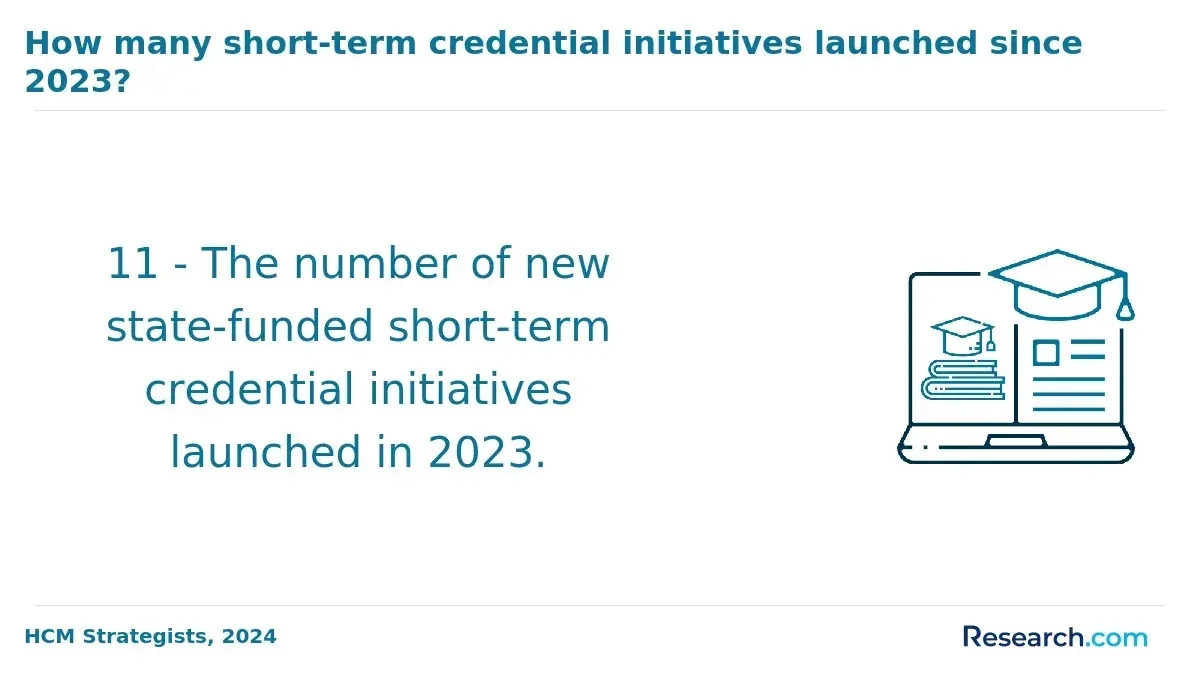
GPA matters, but it is rarely the only factor. About 60% of U.S. colleges employ holistic admissions processes that weigh personal, academic, and experiential evidence. For early childhood education applicants, the strongest non-GPA factors are usually those that show readiness to work with young children and the ability to handle college-level expectations.
- Recent academic performance: An upward grade trend can be more persuasive than an old cumulative GPA. Admissions officers may look closely at your most recent semesters, especially if you earned stronger grades in writing, psychology, education, or child development courses.
- Relevant experience with children: Babysitting alone may not be enough, but structured experience can help. Examples include childcare work, preschool classroom assistance, after-school programs, summer camps, tutoring, church or community youth programs, and volunteer roles with documented responsibilities.
- Personal statement: A strong essay should do more than say you love children. It should explain why early childhood education fits your goals, what you learned from previous academic challenges, and what specific habits or supports you will use to succeed.
- Letters of recommendation: Recommendations from teachers, advisors, childcare supervisors, or volunteer coordinators can help admissions officers see your work ethic, maturity, communication skills, and dependability.
- Standardized test scores: Some schools still consider SAT or ACT results. Strong scores may help offset a lower GPA, though many colleges now use test-optional policies.
- Professional disposition: Early childhood education programs often care about reliability, patience, ethical behavior, collaboration, and communication. These qualities may appear in essays, interviews, recommendations, and field experience records.
One graduate of an early childhood education bachelor’s degree described the admissions process as a chance to show growth rather than defend every old grade. After a difficult academic start, he volunteered in education-related settings, built relationships with instructors, and requested recommendations from people who had seen his improvement. His takeaway was simple: the strongest application did not ignore the low GPA; it explained the change in direction and backed it up with evidence.
Which Colleges Accept Low GPA for Early Childhood Education Bachelor's Degree Programs?
Colleges most likely to consider applicants with lower GPAs are usually institutions with access-oriented admissions, transfer-friendly policies, adult learner pathways, or holistic review. Nearly 40% of public open-admission institutions have acceptance rates exceeding 85%, which can make them practical starting points for students who need a more flexible route into higher education.
Common options include:
- Open-admission colleges: These institutions generally focus on access and may admit most applicants who meet basic requirements. They can be a strong starting point if your immediate goal is to rebuild your transcript and complete transferable general education or early childhood courses.
- Community colleges with transfer pathways: While not bachelor’s programs in every case, community colleges can help students complete associate-level coursework, improve grades, and transfer into a four-year early childhood education program with a stronger academic record.
- Regional public universities: Regional institutions often serve local workforce needs, including demand for educators and childcare professionals. Their admissions standards may be more flexible than highly selective flagship campuses, though education programs may still have separate progression requirements.
- Online universities: Online programs may be designed for working adults, transfer students, and students returning after academic setbacks. Review accreditation, field placement requirements, and state authorization carefully before enrolling.
- Private liberal arts colleges: Smaller colleges may use holistic admissions and may pay close attention to essays, recommendations, and personal fit. However, costs, scholarship eligibility, and GPA standards can vary widely.
When comparing colleges, do not look only at whether you can get admitted. Check whether the program is regionally or institutionally accredited, whether the early childhood education major meets your state’s requirements if you plan to pursue licensure, and whether credits will transfer if you start elsewhere. Students comparing flexible education pathways may also encounter unrelated online options, such as a master’s degree in cybersecurity online, but for early childhood education, program approval and field experience access are central to the decision.
Are There No-GPA or Test-Optional Early Childhood Education Bachelor's Degree Programs?
Yes, some colleges offer test-optional, holistic, or flexible admissions policies that may reduce the weight placed on GPA or standardized test scores. About 70% of U.S. colleges now offer test-optional admissions, meaning SAT or ACT scores are not mandatory. Test-optional does not mean standards-free, however. Schools still evaluate whether applicants appear prepared for college-level work.
No-GPA or low-GPA-friendly routes may appear in several forms. Some colleges do not require standardized tests. Others allow applicants to submit additional materials, such as a personal essay, resume, recommendation letters, interview, or portfolio of relevant experience. Adult learner programs may place more emphasis on employment history and prior college improvement than on high school performance.
Applicants should read the policy language carefully. “Test-optional” only refers to SAT or ACT submission. It does not automatically remove GPA requirements. “Holistic review” means the school considers multiple factors, but a very low GPA may still require an explanation, an appeal, or additional coursework before full admission.
One graduate said her low GPA initially made her doubt whether she belonged in an early childhood education program. Her application became stronger when she used the essay to explain her academic history and connected her volunteer experience to specific goals in early learning. She described the process as challenging but encouraging because the school gave her a way to demonstrate commitment rather than judging her only by older grades.
What Is Conditional Admission for a Early Childhood Education Bachelor's Degree?
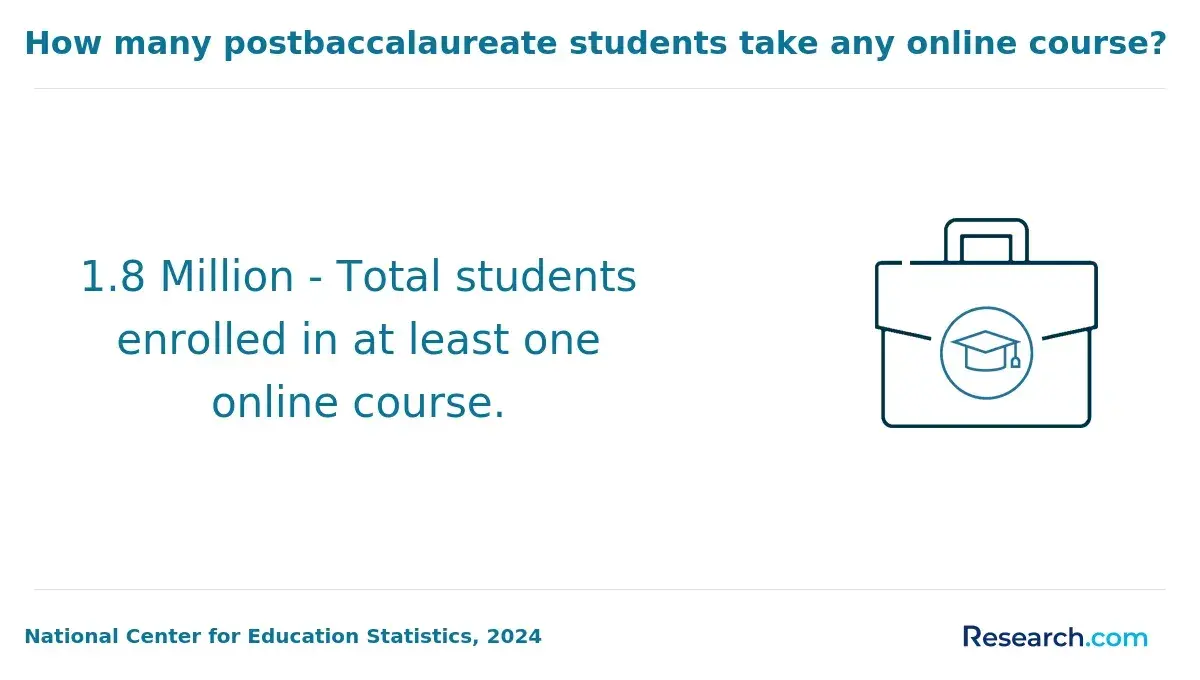
Conditional admission allows a student who does not fully meet standard admission requirements to begin a program or institution under specific academic conditions. For early childhood education applicants with a low GPA, it can be a realistic bridge into a bachelor’s degree. About 20% of students with lower GPAs use such pathways to gain access to higher education.
Conditional admission is not the same as guaranteed success or full acceptance into every stage of the program. It usually comes with requirements that must be met within a set period. If you do not meet those requirements, you may lose program eligibility, remain outside the major, or need to change academic plans.
- Eligibility review: Schools may consider your full transcript, recent grades, personal statement, recommendations, work history, and explanation of academic challenges before offering conditional admission.
- Academic conditions: You may need to complete prerequisite courses, earn a minimum GPA in your first term, retake specific classes, or pass introductory education coursework before moving forward.
- Advising and monitoring: Conditionally admitted students are often required to meet with advisors, use tutoring or academic support, and follow a course plan designed to reduce the risk of falling behind.
- Progression to full admission: Once you meet the stated conditions, you may move into regular standing. Ask whether this applies to university admission only or also to admission into the early childhood education major.
Before accepting a conditional offer, request the conditions in writing. Confirm the minimum grades required, the deadline for meeting them, whether financial aid is affected, and what happens if you fall short. A conditional offer can be valuable, but only if the requirements are realistic for your schedule, finances, and academic preparation.
Does Starting at Community College Improve Early Childhood Education Bachelor's Degree Acceptance?
Yes, starting at community college can improve your acceptance chances if you use the time strategically. It gives you a chance to replace an older weak academic record with stronger recent college performance. According to the National Center for Education Statistics, about 38% of bachelor’s degree recipients in education fields attend a community college at some point prior to transferring to a four-year institution.
This route is especially useful for students whose GPA is low because of earlier academic difficulties, family responsibilities, financial pressure, or lack of preparation after high school. By completing courses in English, math, psychology, child development, and introductory education, you can show four-year colleges that you are now ready for bachelor’s-level work.
Community college can also reduce risk. Tuition is often lower, class sizes may be smaller, and support services such as tutoring, advising, and transfer planning can help you build stronger habits before entering a bachelor’s program. For students balancing work or caregiving, flexible schedules can make academic improvement more realistic.
The main drawback is transfer complexity. Not every course will automatically count toward an early childhood education bachelor’s degree, and licensure-track programs may require specific prerequisites or minimum grades. Before enrolling, identify target transfer schools and ask for an official transfer guide or articulation agreement. The goal is not just to earn credits; it is to earn the right credits with grades strong enough to improve your admission profile.
How Can I Improve My Early Childhood Education Bachelor's Degree Application With a Low GPA?
A low GPA application needs evidence, not excuses. Research shows that about 35% of students with lower GPAs gain admission when they enhance their applications thoughtfully. Your goal is to show admissions officers that you understand the demands of the program, have addressed the issues behind earlier grades, and are prepared to succeed now.
- Explain the GPA briefly and responsibly: If illness, family responsibilities, financial pressure, or another serious issue affected your grades, explain it without overemphasizing it. Then focus on what changed and what you have done to improve.
- Show recent academic growth: Retake key courses if allowed, complete community college classes, or earn strong grades in relevant subjects. Recent success in child development, psychology, English, or education courses can be especially helpful.
- Build relevant experience: Work or volunteer in settings involving young children. Admissions committees value applicants who understand the realities of early childhood environments, including routines, communication with families, safety, and age-appropriate learning.
- Write a specific personal statement: Avoid generic statements about loving children. Explain the age group or setting you hope to serve, what you have learned from experience, and why the program fits your goals.
- Choose recommenders carefully: Strong letters should come from people who can describe your reliability, growth, professionalism, and ability to work with children or succeed academically.
- Contact admissions before applying: Ask whether your GPA is competitive, whether appeals are allowed, and whether conditional admission or transfer admission would be stronger than direct admission.
- Check accreditation and licensure alignment: If your career goal involves teaching in a licensed setting or public school pathway, confirm that the program meets the relevant state requirements before enrolling.
Applicants interested in people-centered careers may also compare related graduate routes later, including a master’s in human resources. For now, the strongest early childhood education application is one that connects academic recovery, practical experience, and a clear professional purpose.
Can I Succeed in a Early Childhood Education Bachelor's Degree After a Low GPA Admission?
Yes, students admitted with low GPAs can succeed in early childhood education bachelor’s programs when they change the habits and circumstances that led to earlier academic difficulty. Research indicates that about 65% of students admitted with lower GPAs complete their education-related degrees within six years. Past grades may signal risk, but they do not determine your future performance.
Success usually depends on structure. Early childhood education programs often combine readings, writing assignments, lesson planning, observations, fieldwork, and group projects. Students who wait until they are struggling to seek help are at a disadvantage. Use advising, tutoring, writing centers, office hours, and study groups early, not only after a poor grade.
Time management is especially important for students who work, commute, or care for family members. Build a weekly schedule that includes reading time, assignment deadlines, field experience hours, and rest. If field placements are required, ask in advance how placements are arranged and whether they can fit around employment.
Professional behavior also matters. In education programs, your conduct in field settings can affect progression. Be punctual, communicate clearly, protect confidentiality, accept feedback, and document required hours carefully. Students considering other accelerated or technical pathways, such as an accelerated CS degree, should recognize that early childhood education success depends heavily on consistency, interpersonal skill, and applied learning in real settings.
Do Employers Care About GPA After Completing a Early Childhood Education Bachelor's Degree?
Employers in early childhood education usually care more about your degree completion, practical experience, references, professionalism, and eligibility for the role than about your college GPA. Research indicates that around 60% of employers reduce emphasis on academic performance once applicants have relevant work experience. GPA may matter for some internships, scholarships, graduate programs, or highly selective employers, but it is rarely the main hiring factor after you have built experience.
Employers are more likely to evaluate:
- Relevant classroom or childcare experience: Work as a teacher assistant, childcare provider, preschool aide, tutor, camp staff member, or practicum student can show readiness for daily responsibilities.
- Fieldwork and internship performance: Strong evaluations from supervised placements can carry more weight than a transcript because they show how you interact with children, families, and colleagues.
- Licensure, certification, or credential eligibility: Requirements vary by state and role. Some positions may require specific credentials, background checks, supervised experience, or approved educator preparation.
- Communication and family engagement skills: Early childhood professionals must communicate clearly with children, parents, caregivers, supervisors, and other educators.
- Reliability and professionalism: Attendance, punctuality, safety awareness, confidentiality, and emotional steadiness are essential in early childhood settings.
- Ongoing training: Workshops, certifications, and professional development can show that you continue to build skills after graduation.
If your GPA is low, focus your resume on completed field experiences, measurable responsibilities, references, and skills that match the job description. Once you have classroom or childcare experience, your professional record can become much more important than your earlier academic record.
What Graduates Say About Early Childhood Education Bachelor's Degree Program Admission Chances & Workarounds
- Azai: "When I first considered going back to school with a low GPA, I explored multiple pathways to get admitted into an early childhood education bachelor's program. I focused on building a strong application with volunteer experience and recommendation letters, which really complemented my academic record. Completing the degree opened doors I never imagined, allowing me to confidently transition to a role where I make a real difference in children's lives."
- Russell: "Looking back, I realized that preparing for an early childhood education bachelor's program with a low GPA meant more than just retaking courses; it involved resilience and strategic planning. I enrolled in preparatory classes and sought academic advising to strengthen my skills, which paid off in the admissions process. Today, finishing my degree has been transformative-it's not only improved my professional prospects but also deepened my passion for nurturing young learners."
- Christian: "As someone making a career shift, assessing my options was crucial because my GPA wasn't ideal. I researched programs that value diverse experiences alongside academics and tailored my application accordingly. Pursuing an early childhood education bachelor's degree proved to be a turning point, allowing me to leverage my previous skills while gaining vital educational expertise in a rewarding new profession."
Other Things You Should Know About Early Childhood Education Degrees
Having volunteer or work experience in early childhood settings can positively impact admission decisions. It demonstrates practical commitment and helps applicants present themselves as capable and knowledgeable beyond academic metrics. Such experience may sometimes compensate for weaknesses in GPA by showing hands-on engagement with children and education environments.
Scholarships can sometimes improve admission chances by offsetting the financial risk schools take with lower GPA students. Some scholarships specifically target students with potential despite academic challenges, encouraging institutions to offer spots. Check individual program guidelines for potential scholarship opportunities.
Some programs offer conditional admission, allowing students to take prerequisite courses in 2027 to prove their academic capabilities. Completing an associate degree in early childhood education and transferring credits is another pathway to bypass the low GPA hurdle.
References
- Early Childhood Education (M.A) Admission Requirements https://www.kean.edu/academics/programs/early-childhood-education-ma/early-childhood-education-ma-admissions-requirements
- Bachelor of Education (Early Childhood) https://www.unisc.edu.au/study/courses-and-programs/bachelor-degrees-undergraduate-programs/bachelor-of-education-early-childhood
- Bachelor's in Early Childhood Education https://www.monroeu.edu/academics/undergraduate-programs/school-education/bachelors-early-childhood-education
- A Survey of Employers’ Feedback on the Bachelor of Early Childhood Education Graduates of One State University - International Journal of Research and Innovation in Social Science https://rsisinternational.org/journals/ijriss/articles/a-survey-of-employers-feedback-on-the-bachelor-of-early-childhood-education-graduates-of-one-state-university/
- BA in Early Childhood Education https://www.umassglobal.edu/academic-programs/ba-early-childhood-education
- Early Childhood Education Degree | Online BAECE | NU https://www.nu.edu/degrees/teacher-education/programs/bachelor-of-arts-in-early-childhood-education/
- Study a Bachelor of Early Childhood Education (Birth to 5) - Flinders University https://www.flinders.edu.au/study/courses/bachelor-early-childhood-education-birth-5
- Bachelor of Science inEarly Childhood/Childhood Education https://www.albany.edu/education/programs/bs-early-childhood-childhood-education
- Early Childhood Studies Graduates in the Workplace: Experiences and Perceptions https://www.open-access.bcu.ac.uk/16484/
- Colleges That Accept Low GPA Scores | Find Options https://www.educationconnection.com/resources/colleges-that-accept-low-gpa/


