2027 Online Early Childhood Education Bachelor's Degrees for Adults Over 30

Co-Founder and Chief Data Scientist
Returning to school after 30 often means balancing work, family, and other responsibilities with a drive for career growth. Adults pursuing an online early childhood education bachelor's degree can leverage their life experiences while enjoying flexible scheduling tailored for busy lifestyles. Employment in early childhood education is projected to grow 7% through 2032, reflecting increasing demand for qualified educators.
This growing field offers adults stability and a meaningful way to impact young lives. This article explores how online early childhood education programs accommodate adults over 30, helping them achieve academic and professional success without sacrificing other priorities.
Key Benefits of Online Early Childhood Education Bachelor's Degrees for Adults Over 30
- Online early childhood education programs allow adults over 30 to study at their own pace while balancing work and family responsibilities, reflecting the broader rise in adult learners who now make up nearly 1 in 4 U.S. undergraduates.
- Graduates can enter a growing workforce where early childhood education is linked to long-term child development outcomes and improved school readiness, with research showing it supports cognitive and socio-emotional growth in children.
- Studies show that quality early childhood education programs are associated with higher educational attainment and better lifetime earnings, highlighting the value of earning a degree in this field even later in life.
Is 30 too old to start an early childhood education bachelor's degree?
Starting an early childhood education bachelor's degree at age 30 is a practical and widely accepted choice. Accessibility to higher education has increased, reflecting a shift in student demographics that now prominently includes adult learners pursuing early childhood education degrees.
These learners contribute valuable life experiences and perspectives that enrich academic settings. As a result, age is less of a barrier than ever before for those seeking to advance their education and career goals.
Institutions have adapted to support learners over 30 by fostering inclusive environments and structured learning paths that accommodate diverse educational backgrounds. Broad academic pathways encourage exploration and interdisciplinary study, enhancing the educational experience for mature students.
Support systems are designed to facilitate engagement and success without imposing rigid formats. For those interested, some of the fastest online EDD programs illustrate how advanced degree options continue to evolve in accessibility and design.
Why do adults over 30 choose online degree programs?
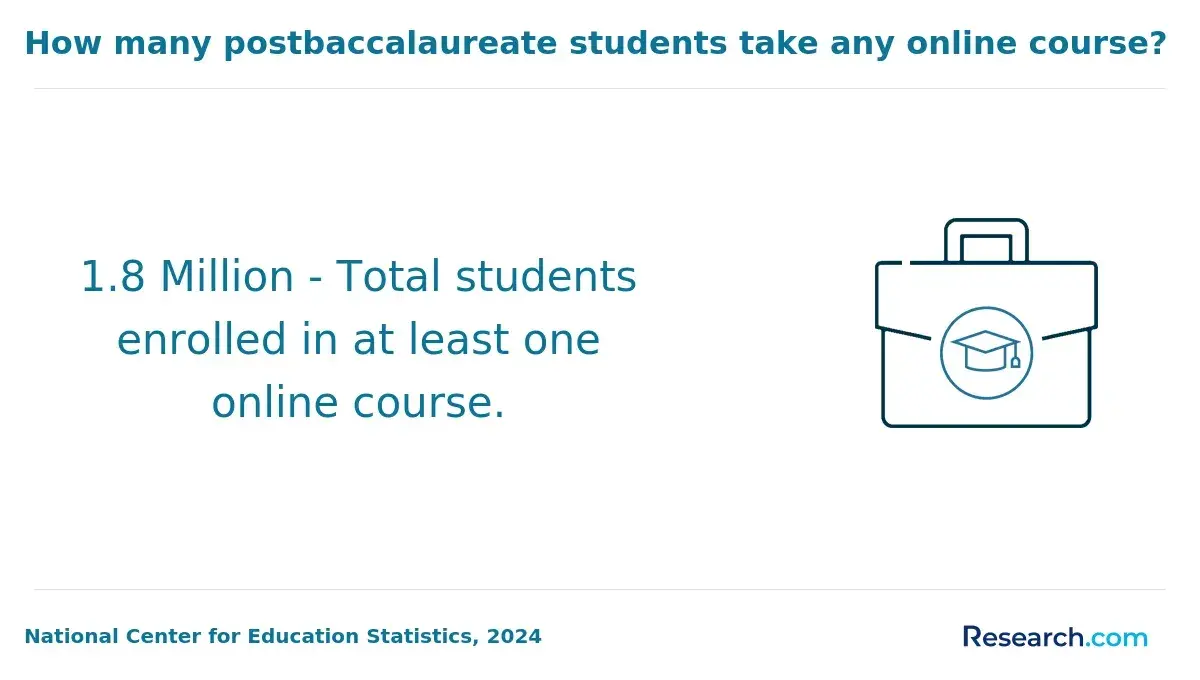
Adults over 30 often choose online early childhood education bachelor's degree programs to balance their education with existing personal and professional responsibilities. Nearly 40% of all postsecondary students enrolled in online courses are aged 30 and older, showing the growing appeal of these flexible and accessible options for adult learners.
The benefits of online early childhood education degrees for adult learners can be summarized in several key areas:
- Career Advancement: Many adults pursue these degrees to advance or shift their careers without pausing other commitments. Online programs allow continued work and family responsibilities while gaining credentials that open new professional opportunities.
- Specialized Skill Development: Acquiring targeted knowledge in early childhood education equips learners to support young children's developmental needs effectively. This specialized expertise is essential for meaningful contributions in schools, daycare centers, and community programs.
- Meaningful Work: The opportunity to work closely with young children inspires many adults. Pursuing a degree in early childhood education aligns with personal fulfillment and a commitment to making a positive impact on future generations.
- Accessible Programs: Online study removes geographical constraints, giving students access to accredited institutions regardless of location. This accessibility is a significant draw for adults over 30 seeking quality education without relocating.
- Lifelong Personal Growth: Flexible early childhood education programs for adults over 30 support ongoing learning and community engagement, reinforcing long-term educational and personal goals.
For those interested in related fields, exploring options like a master in psychology online may also complement early childhood education studies or career paths.
What challenges do adults over 30 face in online early childhood education programs?
Adults over 30 returning to pursue an online early childhood education bachelor's degree often balance their studies with complex personal and professional responsibilities. This shift back to academic life can present several distinct challenges that differ from those faced by younger students.
Common obstacles include the following:
- Academic Adjustment: Re-engaging with academic skills such as critical thinking, writing, and research can be daunting after years away from formal education. Refreshing these competencies requires patience and consistent practice amid evolving educational expectations.
- Time Management: Managing coursework alongside work, family, and social commitments demands strong organizational strategies. Prioritizing responsibilities and creating a structured schedule becomes essential to maintain progress without burnout.
- Technology Adaptation: Navigating digital learning platforms and online tools is not always intuitive for every adult learner. Building confidence in using learning management systems and virtual communication methods is crucial for active participation.
- Emotional and Social Balance: Feelings of isolation or self-doubt may arise due to differences in age and life experience compared to younger classmates. These emotional dynamics can affect motivation and may require finding supportive networks or resources.
When asked about his experience completing an online early childhood education degree after 30, a professional shared that returning to study felt like "relearning how to think academically." He recalled moments of frustration adapting to the demands of academic writing and the challenge of fitting study time between a full-time job and family duties.
Technology initially felt overwhelming; however, through trial and error, he became more comfortable navigating course software and virtual discussions. Socially, he missed in-person interactions but found motivation in connecting with a small group of adult peers online who were facing similar challenges. He noted, "Balancing everything was tough, but the sense of accomplishment at milestones kept me going."
Online early childhood education bachelor's degrees offer adaptable learning environments that support adults over 30 in balancing studies with their busy lives. According to the National Center for Education Statistics, about 60% of online college attendees are age 25 or older, reflecting a strong trend toward flexible higher education for mature learners.
Common scheduling structures designed for adult learner-friendly early childhood education online programs include:
- Asynchronous Classes: These courses allow students to complete lectures and assignments at any time within a set week, providing significant freedom for those managing work and family commitments.
- Evening and Weekend Options: Programs often schedule classes outside regular business hours, enabling those who work traditional daytime jobs to participate without conflict.
- Accelerated Pacing: Motivated learners can choose faster completion tracks, dedicating more time to intensify their studies and finish their degree sooner, similar to an accelerated business program.
- Self-Paced Enrollment: Students may proceed through coursework independently, without strict deadlines, which suits those needing ultimate flexibility to accommodate unpredictable schedules.
Adults over 30 enrolled in online early childhood education bachelor's programs generally dedicate between 10 and 20 hours weekly to their studies, though this varies considerably based on course load, program design, and individual learning styles. Those taking full-time schedules tend to spend more time than part-time students balancing one or two classes with other life commitments.
Many adult learners organize their study periods to fit around work, family, and personal responsibilities, often dividing their time into shorter daily sessions or longer, less frequent blocks depending on what suits their routines best. Studies indicate that undergraduate students in online programs average about 15 hours per week, reflecting a practical balance for those managing multiple priorities. Experience with online learning and prior academic background also impact how efficiently students can master course material within these time frames.
An adult learner over 30 currently pursuing an online early childhood education bachelor's described her weekly study experience as both challenging and rewarding. She shared, "Finding the right rhythm took time-I started by trying to study late at night but shifted to early mornings when I realized that's when I focus best."
Managing coursework alongside a full-time job required her to become very organized, using calendars and reminder apps to meet deadlines. She noted, "Some weeks felt overwhelming, especially when juggling family needs," but emphasized that "seeing progress and applying what I learn motivates me to keep going." Her story highlights how adapting study habits to personal circumstances is key to balancing education with a busy adult life.
For adults over 30, earning a bachelor's degree in early childhood education online typically takes between two and six years, but this varies widely depending on personal and academic factors. Completion timelines are shaped by how students manage their coursework alongside other life responsibilities.
The following factors can influence the duration it takes to finish the degree:
- Course Load: Balancing work, family, and studies often means part-time enrollment is common, extending the time required. Those who can commit to full-time schedules tend to finish in two to three years.
- Pacing Flexibility: Many programs offer self-paced or accelerated course options, which can shorten your timeline. On the other hand, programs with rigid semester schedules may slow your progress.
- Transfer Credits: Accepting prior college credits, certifications, or relevant work experience can reduce coursework needed and save significant time, sometimes a year or more.
- Continuous Enrollment: Staying consistently enrolled each term helps maintain momentum and can shorten completion time. Interruptions for personal or professional reasons often delay graduation.
Online early childhood education bachelor's degree programs for adults over 30 typically cost between $15,000 and $40,000 in total tuition, depending on the institution and program format. This range reflects differences in geographic location, residency status, and whether the school is public or private. Below are key factors that influence the overall cost for adult learners pursuing these degrees.
- Tuition Structure: Tuition is generally charged per credit hour, often ranging from $300 to $600. Most programs require 120 to 130 credits, but some offer part-time or accelerated options that affect the total cost based on course load.
- Additional Fees: Adult students may encounter technology fees, application fees, and graduation fees that add several hundred dollars annually to the tuition cost. These are separate from tuition and vary by institution.
- Learning Materials: Costs for textbooks, software licenses, and other online learning tools typically range from $500 to $1,200 each year and are not usually included in tuition. These expenses can vary depending on course requirements.
- Financial Aid Options: Scholarships, employer tuition reimbursements, military benefits, and federal financial aid can significantly reduce net costs. Some programs also offer special tuition rates specifically designed for adult learners.
Adults over 30 make up nearly 60% of students enrolled exclusively in distance education courses, demonstrating the importance of programs that fit their unique needs. Online early childhood education bachelor's programs designed for this group must offer features that accommodate their busy lives and distinct learning styles.
Key features that make these programs adult-friendly include:
- Flexible Scheduling: Adults balance careers, family, and other commitments, so asynchronous courses allow study at convenient times rather than fixed class hours. This flexibility enables students to progress at their own pace while maintaining daily routines.
- Accessible Course Delivery: Utilizing multimedia resources like video lectures, readings, and interactive assignments meets diverse learning preferences. Mobile-friendly platforms further support study on the go, benefiting those who prefer flexible online early childhood education degree options.
- Support Services: Tailored academic advising, career counseling, and tutoring available online and adapted to nontraditional schedules help adult learners succeed. Additionally, online forums and group projects foster peer networking, reducing isolation common in distance learning.
- Adaptable Learning Environments: Competency-based education and credit for prior learning honor adults' relevant work experience, accelerating degree completion and avoiding redundant coursework.
Adults considering enrollment may also explore related fields, such as online MBA programs no GMAT, to expand career opportunities while benefiting from flexible, adult-friendly online education options.
Adults over 30 who earn an early childhood education bachelor's degree gain access to a variety of fulfilling careers across education, healthcare, and social services. According to the National Center for Education Statistics, degree attainment among individuals aged 30 and above is steadily increasing, reflecting rising workforce demand for mature, qualified professionals.
This trend highlights excellent job opportunities with early childhood education bachelor's degrees for mature students seeking career growth or change.
Graduates with an early childhood education degree can pursue meaningful roles such as the following:
- Preschool Teacher: Plans and implements developmentally appropriate curriculum that supports the cognitive, social, and emotional growth of young children. This role benefits from knowledge of child development and learning theories learned through the degree.
- Childcare Center Director: Oversees the daily operations of childcare centers, including managing staff, ensuring regulatory compliance, and supporting child welfare initiatives. Leadership and administrative skills gained in the degree program are essential for success in this position.
- Early Intervention Specialist: Provides support for children with developmental delays or disabilities by designing individualized strategies and working closely with families and healthcare professionals. This role directly applies specialized expertise in early childhood development.
- Family Support Coordinator: Connects families to educational resources, counseling, and community services, promoting family engagement and support within early learning environments.
- Curriculum Developer: Creates tailored educational materials suited for young learners, utilizing knowledge of age-appropriate pedagogy and child psychology cultivated during the degree.
Those interested in continuing or restarting their education as adults may explore programs offered by non profit universities to find flexible options that support their career goals in early childhood education.
When evaluating candidates who have earned an online early childhood education bachelor's degree, employers focus far more on skills, qualifications, and relevant experience than on age. Practical knowledge in areas such as child development, curriculum design, and classroom management tends to carry greater weight than the number of years since graduation.
In fact, a survey by the National Association for the Education of Young Children found that nearly 60% of hiring managers value the diverse perspectives and life experiences that non-traditional and older graduates contribute. This reinforces that age is often viewed as an asset rather than a barrier in early childhood education roles.
Modern hiring practices emphasize ongoing learning and professional growth, which benefits those who return to education later in life. Employers appreciate candidates who demonstrate a commitment to staying current through continuous skill development, especially via online programs.
This approach highlights motivation and adaptability, qualities that strengthen employment prospects regardless of age. Overall, the emphasis remains on how well a candidate's competencies and experiences align with the role, not on their chronological age.
What Graduates Say About Online Early Childhood Education Bachelor's Degrees for Adults Over 30
- Azai: "Choosing to pursue an online early childhood education bachelor's degree after turning 30 was driven by my desire to make a meaningful impact on young learners while balancing family commitments. The flexibility of online courses allowed me to manage study alongside work and parenting, though staying disciplined was essential. Since graduating, I've been able to step into leadership roles that feel rewarding both personally and professionally."
- Russell: "Going back to school online for an early childhood education degree at 32 was a challenge filled with self-doubt and time-management hurdles. However, the mature perspective I brought helped me engage deeply with the coursework and connect theory to real-life experiences. Completing the degree opened doors for me to influence curriculum development and advocate for better educational policies."
- Christian: "Returning to education for an online early childhood education bachelor's at over 30 was a calculated decision to pivot my career toward something truly fulfilling. The program's structure respected adult learners' needs, offering practical skills alongside research-based knowledge. Earning my degree has enhanced my professional credibility and expanded my opportunities in diverse educational settings."
Other Things You Should Know About Early Childhood Education Degrees
Yes, many online early childhood education programs allow adults over 30 to transfer credits from previous college coursework or relevant professional training. Transfer policies vary by institution, so it is important to verify how many credits will be accepted and which courses qualify. Applying transfer credits can shorten the time needed to complete the degree.
Yes, accredited online early childhood education bachelor's degrees typically include required practicum or student teaching components. These hands-on experiences must be completed in person, usually at approved local childcare centers or schools near the student's residence. Arrangements for field placements are often coordinated by the program to comply with state licensing requirements.
Yes. Most programs require a criminal background check and, in many states, a fingerprint clearance before student teaching or practicum placement. Schools usually require these documents before the first placement term, and some child-care sites also ask for proof of immunizations and a TB test.
- Exploring early years degrees and graduate employment outcomes https://www.bera.ac.uk/blog/exploring-early-years-degrees-and-graduate-employment-outcomes
- Bachelor's in early childhood education - edX.org https://www.edx.org/bachelors/early-childhood-education
- Exploring Early Childhood Education Bachelor's Degree Online: A Comprehensive Guide https://www.worldwondersgardens.co.uk/blog/Exploring_Early_Childhood_Education_Bachelors_Degree_Online_A_Comprehensive_Guide.html
- Does Early Childhood Education mitigate the birthdate effect? A regression discontinuity analysis of administrative data https://edworkingpapers.com/ai24-1100
- Early Childhood Education Online Completion, B.S. https://vermontstate.edu/academic-programs/early-childhood-education-online-completion-bs/
- Why Choose Early Childhood Education as a Career? https://central-college.ca/our-blogs/choose-early-childhood-education/
- What Are the Benefits of Online Education for Adult Learners? https://straighterline.com/blog/self-paced-what-are-the-benefits-of-online-education-for-adult-learners
- Adult Postsecondary Learners: Reviewing the Data and Evidence https://www.jff.org/idea/adult-learners/
- Other programs you may be interested in https://www.georgebrown.ca/programs/bachelor-of-early-childhood-education-honours-program-degree-completion-c305