2027 Are Too Many Students Choosing Speech Pathology? Oversaturation, Competition, and Hiring Reality

Co-Founder and Chief Data Scientist

Reviewed by Rhea Paul, PhD
SLP Education & Research Expert
Speech pathology can be a meaningful career choice, but students should not enter the field assuming every graduate will move quickly into a preferred school, hospital, or clinic role. The real decision is whether the degree fits your goals, your local labor market, your willingness to relocate, and your ability to build experience that separates you from other applicants.
The concern is not that speech-language pathology has no demand. Demand exists across education, healthcare, rehabilitation, and early intervention. The challenge is that demand is uneven. Some metro areas and entry-level roles attract large applicant pools, while rural districts, specialized clinical settings, and less conventional workplaces may struggle to hire. A recent graduate with a master's degree in speech pathology may face stiff competition for entry-level roles in hospital and school settings. Although the field has grown steadily, nearly 15% more graduates entered the workforce last year than available clinical positions.
This guide examines whether speech pathology is oversaturated, where competition is strongest, which roles may be easier to enter, how salary shapes applicant behavior, and what graduates can do to improve their hiring prospects. It is designed for prospective students, current communication sciences and disorders majors, and new graduates trying to make a realistic career plan.
Key Things to Know About the Oversaturation, Competition, and Hiring Reality in the Speech Pathology Field
- Rising numbers of speech pathology graduates have increased competition, causing job availability to lag behind the growing candidate pool in many regions.
- Heightened competition forces employers to raise hiring standards, making differentiation through specialized skills and experience crucial for candidates.
- Awareness of local market demand helps students set realistic career goals and plan for alternative roles or geographic flexibility.
Is the Speech Pathology Field Oversaturated With Graduates?
The speech pathology field can be oversaturated in specific markets, especially where many graduate programs feed into the same school districts, hospitals, and private clinics. Oversaturation occurs when the number of graduates seeking roles exceeds the number of available positions. In some areas, more than 1.5 applicants may compete for each clinical or educational position, creating a more selective hiring environment for new professionals.
That does not mean the entire profession is uniformly saturated. Speech pathology is better understood as an uneven labor market. Some employers receive many applications for desirable entry-level roles, while other settings have difficulty filling positions because of location, compensation, caseload demands, or specialized skill requirements.
Where oversaturation is most likely
- Large urban areas: Major cities often attract graduates who want more employment options, higher-paying clinical systems, or access to specialized medical teams.
- School-based roles with stable schedules: These positions can draw heavy interest because of predictable calendars, benefits, and public-sector employment structures.
- Hospital and rehabilitation entry-level jobs: New graduates frequently target these roles for clinical experience, making them more competitive.
- Markets near multiple graduate programs: Local employers may see a steady stream of applicants from nearby universities.
What oversaturation means for applicants
When employers receive more applications than they have openings, they can raise expectations. A basic degree may not be enough to stand out. Hiring teams may look more closely at clinical practicum quality, population experience, documentation skills, recommendations, interview readiness, bilingual ability, telepractice familiarity, and willingness to accept difficult caseloads or less popular locations.
For students, the practical takeaway is clear: evaluate speech pathology as a regional and specialization-based career decision, not just as a national growth field. A strong applicant in an underserved area may have a very different experience from a strong applicant competing for a limited number of pediatric hospital roles in a major metro area.
What Makes Speech Pathology an Attractive Degree Choice?
Speech pathology attracts students because it combines healthcare, education, language science, disability support, and direct service. Many universities have seen enrollment increases of over 20% in programs related to communication sciences and disorders in the past decade, reflecting sustained interest in the field.
The appeal is understandable. Speech-language pathologists work with people who have communication, swallowing, speech, language, voice, fluency, cognitive-communication, and developmental needs. The work can be personal and visible: helping a child communicate more clearly, supporting a stroke survivor, or assisting a family through an early diagnosis.
Why students choose speech pathology
- Multiple work settings: Graduates may pursue roles in schools, pediatric clinics, hospitals, rehabilitation centers, early intervention programs, private practices, and long-term care settings.
- Human-centered work: The profession offers direct contact with clients and families, which appeals to students who want measurable impact rather than purely administrative work.
- Interdisciplinary training: Coursework often draws from linguistics, anatomy, psychology, neuroscience, education, assessment, and clinical methods.
- Relevance across the lifespan: Speech pathology serves infants, school-age children, adults, and older adults, giving graduates several ways to shape their careers.
- Connection to broader healthcare and education needs: Growing awareness of communication disorders, early intervention, and aging-related conditions helps keep the discipline professionally relevant.
The same popularity that makes the field appealing also contributes to competition. Students comparing graduate routes should look closely at accreditation, clinical placement quality, licensure preparation, graduation outcomes, and cost. Those evaluating flexible master's options may want to compare online speech language pathology programs masters with campus-based programs to understand differences in supervised clinical experiences, local placement support, and total expenses.
Speech pathology can be intellectually engaging and personally rewarding, but students should balance that appeal with a realistic view of hiring conditions. Related healthcare pathways, such as the fastest DNP program online, may also interest students comparing advanced clinical and allied health career options.
What Are the Job Prospects for Speech Pathology Graduates?
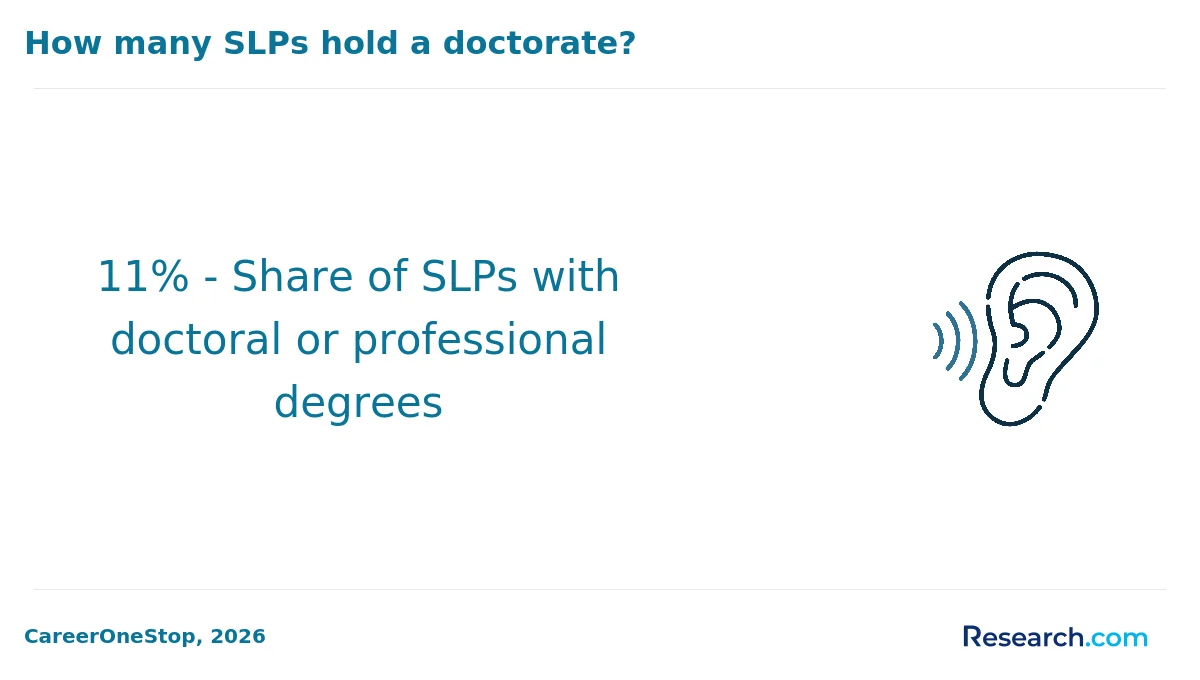
Job prospects for speech pathology graduates are generally positive, but they are not equal across every setting or region. The U.S. Bureau of Labor Statistics projects a 17% growth in employment for speech-language pathologists from 2025 to 2035, reflecting demand in both educational and healthcare environments. Even with that growth, graduates may still encounter concentrated competition in the roles and locations many applicants prefer.
The strongest prospects often go to candidates who are flexible about setting, location, caseload, and population. Graduates who only apply to one type of employer in one metro area may experience a slower search than those who consider schools, clinics, telepractice-supported roles, rehabilitation settings, and underserved communities.
Common job options for speech pathology graduates
- Speech-Language Pathologist in Schools: School-based professionals support children with speech, language, fluency, and communication needs. Demand is supported by special education requirements, but these jobs can be competitive because many applicants value school calendars and benefits.
- Clinical Speech-Language Pathologist: Hospital, outpatient, and rehabilitation roles may involve neurological disorders, swallowing concerns, traumatic brain injury, stroke recovery, or medically complex cases. These roles may favor candidates with strong medical placements or relevant practicum experience.
- Early Intervention Specialist: Early intervention work focuses on infants, toddlers, and families. Interest in developmental support helps sustain demand, but employers may prefer candidates with specific pediatric and family-centered experience.
- Speech-Language Pathology Assistant: This is not the same as a graduate-level speech-language pathologist role, but assistant positions can provide practical experience in schools and healthcare settings. Requirements vary by state and employer.
How to read the job market realistically
| Factor | Why it matters | What applicants should do |
| Location | Urban markets may attract more applicants, while rural areas may have more persistent need. | Compare openings across several regions before deciding where to apply. |
| Setting | Schools, hospitals, clinics, and rehabilitation centers evaluate different types of experience. | Tailor applications to the setting rather than using one generic resume. |
| Clinical experience | Employers often look beyond the degree to see whether a candidate has handled similar cases. | Highlight practicum populations, assessment tools, documentation, and outcomes. |
| Licensure readiness | State requirements affect whether a graduate can begin work quickly. | Track licensure steps early and avoid delays in paperwork or supervision requirements. |
A speech pathology degree graduate shared that after completing the program, the job search felt "intense and uncertain," especially when looking outside urban areas. He described navigating multiple interviews and waiting periods, noting the frustration of "high competition even when openings seemed limited." Despite challenges, he found that persistence and openness to various settings were crucial, emphasizing that "every job offer felt like a small victory given the crowded market."
What Is the Employment Outlook for Speech Pathology Majors?
The employment outlook for speech pathology majors remains strong on paper, but students should interpret growth projections carefully. The U.S. Bureau of Labor Statistics estimates a 21 percent increase in speech-language pathologist roles between 2022 and 2032. This growth is tied to needs in schools, healthcare, rehabilitation, early intervention, and services for older adults. However, a strong national outlook does not guarantee easy entry into every local job market.
The key issue is distribution. Some locations and sectors need more clinicians than they can hire, while others have enough applicants to be selective. Students should evaluate both demand and competition before choosing where to train, complete clinical experiences, and apply after graduation.
Major employment areas
- Clinical Speech-Language Pathologist: Hospitals and outpatient centers need clinicians who can work with patients experiencing stroke, neurological damage, voice disorders, swallowing challenges, or other speech and language impairments. These roles can be rewarding but may require stronger medical experience.
- School-Based Speech Pathologist: Schools continue to need specialists who support students with communication needs. Hiring can depend on district budgets, caseload levels, special education policy, and regional shortages.
- Rehabilitation Specialist: Rehabilitation clinics and recovery settings may offer opportunities for clinicians interested in multidisciplinary care and post-acute recovery.
- Early Intervention Specialist: Community health and social service programs create opportunities for clinicians who want to work with infants, toddlers, and families.
What the outlook means for students
A favorable employment outlook should be treated as a starting point, not a guarantee. Students should ask graduate programs about clinical placement quality, local employer relationships, Praxis preparation, state licensure support, and graduate employment patterns. They should also pay attention to whether a program prepares them for only one setting or gives them exposure to multiple populations.
Geographic disparities remain important. Rural areas often face shortages, while many urban centers experience a level of oversaturation. Students who want to diversify their healthcare leadership options may also compare related graduate pathways, including online DNP options.
How Competitive Is the Speech Pathology Job Market?
The speech pathology job market is moderately to highly competitive for many entry-level applicants, especially in popular regions and settings. According to the American Speech-Language-Hearing Association, there are typically 5 to 7 candidates competing for each entry-level speech pathology role. Competition may be lower in underserved areas or specialized settings where fewer applicants have the required experience or willingness to relocate.
Several forces shape competition: the number of nearby graduates, the desirability of the employer, salary, caseload expectations, licensure rules, and the type of clinical experience required. A school district with stable benefits may receive many applications, while a rural clinic or less conventional setting may struggle to recruit.
Factors that make the market more competitive
- Entry-level concentration: Many new graduates apply for similar roles at the same time, especially after graduation cycles.
- Preferred settings: Pediatric clinics, hospitals, and well-funded school districts can draw more applicants.
- Limited specialized experience: Graduates without targeted practicum experience may look similar to employers.
- Licensure timing: Candidates who are not ready for state licensure or supervised practice requirements may lose momentum in the hiring process.
- Geographic inflexibility: Applicants who cannot relocate may face a narrower market.
Where competition may be lower
Specialized positions, such as those focusing on pediatric neurogenic disorders or cochlear implant rehabilitation, may face less competition because fewer candidates have niche preparation. Underserved communities and rural employers may also offer faster hiring timelines, though applicants should still evaluate workload, supervision, compensation, and professional support before accepting a role.
When asked about her experience navigating the job market, a professional with a speech pathology degree shared that landing her first position involved extensive applications and interviews that tested her patience. She reflected, "It was challenging balancing hope with rejection, especially since every role felt like a critical opportunity." She described how maintaining consistent clinical hours and networking eventually helped her stand out, admitting that the process was as much about resilience as qualifications. Her journey highlighted the unpredictability and persistence needed to secure a rewarding role in this field.
Are Some Speech Pathology Careers Less Competitive?
Yes. Some speech pathology careers are less competitive because they are harder to staff, require specialized comfort with certain populations, or are located in areas where fewer applicants want to work. Rural clinics, for example, often struggle to fill positions, with vacancy rates around 12% compared to urban areas.
Less competitive does not always mean easier in every way. These roles may involve heavier caseloads, travel, fewer nearby colleagues, more administrative responsibility, or work environments that are not a fit for every graduate. Still, they can provide strong experience and faster entry for candidates who are prepared for the setting.
Roles and settings that may have lower competition
- Rural Speech Pathologists: Remote healthcare facilities and school districts may have fewer applicants because relocation is a barrier. These roles can offer broader clinical responsibility and valuable experience.
- Early Intervention Specialists: Work with infants, toddlers, and families requires comfort with home-based or community-based services. Because the role demands specific developmental and family-centered skills, applicant pools may be smaller.
- Geriatric Speech Therapists: Nursing homes, long-term care facilities, and rehabilitation settings need clinicians who can support older adults. Aging-related demand can create steady opportunities, though the work may involve complex medical and ethical considerations.
- Correctional Facility Speech Therapists: Correctional and rehabilitation institutions may have fewer applicants because of security procedures and the unconventional work environment.
- Speech Therapy Assistants: Assistant roles may have fewer credentialing barriers than certified speech-language pathologist roles, depending on state and employer requirements. They can be a practical route for gaining exposure to the field.
How to decide whether a less competitive role is a good fit
Before accepting a role simply because it is easier to obtain, graduates should ask about supervision, caseload size, documentation expectations, travel, mentorship, continuing education, and support for licensure or certification requirements. A less competitive job can be an excellent start if it builds skills and offers ethical, sustainable working conditions.
How Does Salary Affect Job Market Saturation?
Salary strongly affects where applicants concentrate. Higher-paying speech pathology roles in private healthcare or specialized clinical settings often attract more candidates, which can intensify competition. These roles typically offer salaries ranging from $70,000 to $90,000 annually, making them appealing to graduates who are trying to manage education costs and build financial stability.
Lower-paying roles in schools, rural clinics, or community programs may experience more vacancies because fewer applicants are willing to accept the compensation, location, or workload. This creates a paradox: the field may feel saturated in high-demand, higher-paying markets while still facing shortages in essential service areas.
| Salary pattern | Likely market effect | What graduates should consider |
| Higher-paying specialized clinical roles | More applicants may compete for fewer openings. | Strong clinical placements, specialized skills, and interview preparation matter more. |
| School-based roles with desirable benefits | Competition can be high even when salary is not the highest. | Applicants should evaluate schedule, benefits, caseload, and district support together. |
| Rural or community-based roles | Fewer applicants may apply despite steady need. | Relocation flexibility may improve hiring odds, but workload and support should be reviewed carefully. |
| Lower-paying service settings | Vacancies may persist because financial incentives are weaker. | Graduates should compare compensation with debt, cost of living, and career growth. |
Salary should not be the only factor in a job decision. A high-paying position with limited supervision and unsustainable caseloads may be a poor first role. A lower-paying role with excellent mentorship and broad experience may be valuable early in a career. The best choice depends on financial needs, licensure progress, long-term specialization goals, and quality of professional support.
What Skills Help Speech Pathology Graduates Get Hired Faster?
Speech pathology graduates get hired faster when they can show they are ready for real caseloads, not just academic completion. A 2023 survey by the American Speech-Language-Hearing Association found that candidates with strong clinical and interpersonal skills were 30% more likely to receive job offers within three months. Employers want candidates who can assess clients, document accurately, collaborate with teams, communicate with families, and adapt treatment plans responsibly.
Skills employers value most
- Effective Communication: Graduates must explain assessments, goals, progress, and therapy recommendations clearly to clients, families, teachers, physicians, and other professionals.
- Adaptability: Speech pathology settings vary widely, from schools and hospitals to private clinics and telepractice-supported services. Flexible clinicians can adjust to different caseloads and service models.
- Clinical Reasoning: Employers value candidates who can connect assessment findings to evidence-based treatment decisions instead of relying on generic therapy plans.
- Technological Proficiency: Familiarity with telepractice tools, electronic health records, digital assessment materials, and documentation systems can shorten the learning curve.
- Empathy and Interpersonal Skills: Strong rapport matters, especially when clients and families are managing frustration, disability, developmental concerns, or medical recovery.
- Time Management: Clinicians must balance therapy sessions, documentation, meetings, evaluations, family communication, and compliance requirements.
How to prove these skills in an application
- Use specific practicum examples: Name the populations, settings, and responsibilities you handled.
- Connect experience to employer needs: A school district, hospital, and private pediatric clinic will not prioritize the same strengths.
- Prepare for scenario-based interviews: Hiring teams may ask how you would manage difficult cases, parent concerns, documentation pressure, or interprofessional conflict.
- Show licensure awareness: Employers prefer candidates who understand the steps required to begin work legally and ethically in the state.
- Build references early: Supervisors who can speak to clinical judgment, professionalism, and reliability can help separate you from similar applicants.
Students who want a faster route into workforce preparation sometimes compare program formats, including accelerated degrees, but speed should never come at the expense of clinical quality, accreditation fit, or licensure readiness.
What Alternative Career Paths Exist for Speech Pathology Graduates?
Speech pathology graduates can use their communication, assessment, documentation, research, and client-support skills in roles beyond traditional speech-language pathologist positions. This matters in a competitive market because alternative paths can reduce dependence on a narrow set of clinical openings.
Some alternatives may require additional education, certification, licensing, or experience. Others may be available to graduates who can translate their speech pathology background into program support, research, training, health communication, or technology development.
Alternative career paths to consider
- Healthcare Administration: Graduates can move toward program coordination, patient services, compliance support, or policy-related work, especially when they understand clinical workflows and communication needs.
- Research and Academia: Speech pathology training can support work in language development, rehabilitation research, communication disorders, data collection, or academic program support.
- Educational Technology: Graduates may help design or evaluate tools for language learning, speech therapy, accessibility, assistive communication, or remote service delivery.
- Corporate Communication: Knowledge of speech, voice, language, and communication can translate into training, workplace communication support, presentation coaching, or user experience roles.
- Audiology Support: Some graduates pursue related roles that support hearing and communication services, though audiology practice itself has distinct education and credentialing requirements.
When an alternative path makes sense
An alternative career path may be worth considering if a graduate discovers that clinical practice is not the right fit, lives in a saturated market, wants a more flexible work environment, or has strong interests in technology, research, administration, or education. The key is to identify which parts of speech pathology training are transferable and which roles require additional credentials.
Graduates interested in broader allied health options may also compare related training routes, including online medical assistant programs that accept financial aid, when exploring complementary qualifications for healthcare settings in the US.
Is a Speech Pathology Degree Still Worth It Today?
A speech pathology degree can still be worth it, but its value depends on cost, accreditation fit, licensure pathway, location, specialization, and career expectations. It is not a low-effort route into guaranteed employment. It is a professional pathway that rewards strong clinical preparation, flexibility, and a clear plan for entering the market.
The U.S. Bureau of Labor Statistics projects employment growth of 17% for speech-language pathologists from 2025 to 2035, reflecting rising needs in schools, hospitals, and private practices. Graduates targeting pediatric intervention, neurological rehabilitation, multilingual therapy, early intervention, rural service, or underserved communities may find stronger opportunities than those competing only for the most popular entry-level roles.
When the degree is more likely to be worth it
- You understand the licensure path: Students should know the state requirements, supervised practice expectations, and certification considerations before enrolling.
- You choose a program with strong clinical placements: Practical experience can matter as much as coursework when employers compare new graduates.
- You are flexible about setting or location: Openness to schools, rural areas, rehabilitation, early intervention, or community roles can improve job prospects.
- You can manage the cost: Tuition, fees, living expenses, and potential debt should be weighed against realistic salary expectations and local job availability.
- You are interested in continued skill development: The field changes with technology, research, service delivery models, and client needs.
When students should be cautious
- You only want one narrow job type: Limiting yourself to one city, one employer type, or one specialty can make the market feel much tighter.
- You have not researched local demand: National growth does not always match local hiring conditions.
- You are choosing the field only for perceived job security: The work requires clinical judgment, emotional resilience, documentation discipline, and sustained client interaction.
- You have not compared program outcomes: Admissions appeal does not guarantee strong placement support or licensure preparation.
For students comparing leadership-oriented healthcare degrees, programs such as the fastest online master's in healthcare administration may also be worth reviewing. The best choice depends on whether you want direct clinical practice, healthcare management, policy, research, or another communication-focused role.
What Graduates Say About the Oversaturation, Competition, and Hiring Reality in the Speech Pathology Field
- : "After graduating with a degree in speech pathology, I quickly realized how saturated the market is for new professionals. It's crucial to find unique ways to stand out, whether through specialized certifications or gaining diverse clinical experiences. This field truly requires dedication beyond the degree, but the impact you can have on clients' lives makes it worth every effort. — Kayden"
- : "Reflecting on my journey, the competition in speech pathology positions pushed me to consider alternatives beyond the typical clinical path. Pursuing roles in research and education allowed me to leverage my degree in less crowded areas. Understanding the hiring reality shaped my approach and helped me find a rewarding niche in the profession. — Cannon"
- : "As a professional with a speech pathology degree, I came to appreciate how the degree opens doors, but you must be strategic about where you apply. The hiring landscape is competitive, so some grads might opt for less saturated settings like schools or private practice. Ultimately, the versatility of this degree offers multiple career avenues if you stay adaptable. — Nolan"
Other Things You Should Know About Speech Pathology Degrees
The perceived oversaturation in 2027 is driven by the increasing enrollment in speech pathology programs, static job growth in some regions, and the high number of retiring professionals being replaced. These factors create a crowded job market, leading to intense competition among graduates.
Certification and specialization can improve employability by making candidates more attractive to certain employers. For example, having a Certificate of Clinical Competence (CCC) or specializing in areas like pediatric speech therapy or neurogenic communication disorders can open up niche job markets with less competition. Employers often prioritize candidates with advanced credentials and demonstrated expertise.
Yes, contract and part-time roles are common in speech pathology, especially in schools, private practices, and healthcare settings. These positions provide flexibility for employers but may lead to less job security for clinicians. This employment structure can affect the overall hiring landscape, increasing competition for full-time, permanent roles.
In 2027, demand for speech pathologists varies significantly by region. Urban areas often see greater competition, while rural regions may have more opportunities due to shortages. The American Speech-Language-Hearing Association provides detailed regional data on job availability and demand fluctuations.
References
- U.S. Bureau of Labor Statistics - Speech-Language Pathologists https://www.bls.gov/ooh/healthcare/speech-language-pathologists.htm
- ASHA EdFind - Accredited Speech-Language Pathology Programs https://find.asha.org/ed/
- O*NET OnLine - Speech-Language Pathologists https://www.onetonline.org/link/summary/29-1127.00
- Emerson College - Master of Science (M.S.) in Communication Disorders (Speech@Emerson, online) https://speech.emerson.edu/
- California State University-Northridge - Master of Science in Communicative Disorders (Online) https://tsengcollege.csun.edu/programs/CDS
- Abilene Christian University - Master of Science in Speech-Language Pathology (Online) https://acu.edu/academics/graduate/master-of-science-in-speech-language-pathology/
- Auburn University, Montgomery - Master of Science in Speech-Language Pathology https://www.aum.edu/degree/ms-speech-language-pathology/
- University of Scranton - Master of Science (M.S.) in Speech-Language Pathology https://www.scranton.edu/academics/pcps/health-and-human-performance/programs/speech-language-pathology/index.shtml