
2027 Most Valuable Skills You Build in a Speech Pathology Degree and Which Careers Use Them Most

Co-Founder and Chief Data Scientist

Reviewed by Rhea Paul, PhD
SLP Education & Research Expert
A speech pathology degree is not only training for one clinical job. It builds a mix of assessment, treatment planning, communication, technology, documentation, and collaboration skills that can lead to roles in healthcare, schools, early intervention, research, rehabilitation, and communication technology.
The career decision matters because demand is strong: projected employment in speech-language pathology is expected to increase 17% from 2025 to 2035. Students who want to compete for placements, internships, clinical fellowships, and first jobs need to understand which skills programs actually develop and how those skills translate into employability.
This guide explains the core, technical, soft, and transferable skills taught in speech pathology programs; which abilities employers value most; how internships strengthen clinical readiness; which skills may support higher earnings; and how to present speech pathology skills clearly on a resume.
Key Benefits of the Most Valuable Skills You Build in a Speech Pathology Degree
- Develops advanced communication and diagnostic skills critical for assessing and treating diverse speech and language disorders, enhancing immediate career readiness in healthcare and education sectors.
- Builds adaptability through interdisciplinary knowledge, enabling graduates to work in various settings, including hospitals, schools, research, and private practice.
- Fosters long-term professional growth by encouraging evidence-based practice and continuous learning—key for responding to evolving technologies and diverse patient needs.
What Are the Core Skills Taught in Speech Pathology Programs?
Speech pathology programs teach students how to evaluate communication and swallowing needs, choose appropriate interventions, document progress, and work ethically with clients and families. These core abilities matter because speech-language pathologists often make decisions that affect a client’s education, medical care, independence, and quality of life.
With about 85% of graduates feeling ready to apply clinical skills right after graduation, strong programs typically emphasize repeated practice, supervised feedback, and case-based decision-making rather than theory alone.
- Assessment and diagnostic reasoning: Students learn to gather case history information, use structured assessment tools, observe communication behaviors, and interpret results. The goal is not simply to label a disorder but to understand how speech, language, cognition, voice, fluency, or swallowing issues affect daily functioning.
- Intervention planning: Programs train students to design goals, select therapy approaches, adapt activities, and measure progress. Good intervention planning is individualized; it considers age, diagnosis, cultural and linguistic background, family priorities, school or medical context, and available supports.
- Client and family communication: Speech pathology students practice explaining findings, therapy goals, home strategies, and progress in language that clients and families can understand. This skill is central to building trust and improving follow-through outside therapy sessions.
- Clinical documentation: Students learn to write evaluation reports, progress notes, treatment plans, and discharge summaries. Accurate documentation supports continuity of care, billing, legal accountability, and evidence-based practice.
- Ethical and professional judgment: Programs emphasize confidentiality, informed consent, scope of practice, cultural responsiveness, and professional boundaries. These standards are important in every setting, from hospitals and schools to private clinics.
Students comparing healthcare pathways may also look at the easiest RN to BSN online program to understand how other clinical degrees structure flexible advancement options.
What Technical Skills Are Taught in Speech Pathology Programs?
Technical skills in speech pathology are the clinical and technology-based abilities students use to evaluate, treat, and monitor communication and swallowing disorders. These skills are increasingly important because over 75% of allied health professionals regularly use specialized software to support treatment planning and record-keeping.
Students should expect technical training to connect classroom knowledge with hands-on clinical tasks. Those comparing delivery formats, including speech language pathology programs online, should look closely at how each program handles supervised clinical practice, assessment training, and technology access.
| Technical skill | How students use it | Why it matters in practice |
| Diagnostic assessment techniques | Administering standardized measures, informal probes, observations, interviews, and functional assessments. | Helps identify the nature and severity of speech, language, voice, fluency, cognitive-communication, or swallowing concerns. |
| Therapeutic intervention methods | Applying evidence-based strategies such as articulation therapy, language intervention, fluency techniques, voice treatment, and communication supports. | Allows clinicians to match treatment to the client’s goals, diagnosis, progress, and setting. |
| Assistive technology and AAC | Using augmentative and alternative communication systems, communication boards, speech-generating devices, and related digital tools. | Supports clients who cannot rely on speech alone to communicate effectively. |
| Data collection and analysis | Tracking response accuracy, cueing levels, session outcomes, behavior patterns, and functional progress. | Helps clinicians decide whether to continue, modify, or discontinue an intervention. |
| Clinical software and record systems | Maintaining records, scheduling, documenting sessions, and organizing client data. | Improves accuracy, efficiency, compliance, and communication across care teams. |
Students interested in broader healthcare leadership and operations may also review options such as bachelors healthcare administration, where technology, documentation, and systems management are also important.
What Soft Skills Do Speech Pathology Students Develop?
Speech pathology students develop soft skills because effective therapy depends on more than technical knowledge. Clinicians must motivate clients, communicate with families, respond to frustration, collaborate with teachers or medical teams, and adjust when a session does not go as planned. Research shows over 85% of employers prioritize communication and teamwork skills as essential for thriving in the workplace.
- Effective communication: Students learn to explain complex information clearly, ask useful questions, listen actively, and adjust their message for children, adults, caregivers, educators, and healthcare professionals.
- Empathy: Speech and swallowing disorders can affect identity, confidence, learning, employment, and independence. Empathy helps clinicians respond with patience while still maintaining professional goals and boundaries.
- Critical thinking: Students practice interpreting incomplete information, comparing possible explanations, and changing plans when a client’s progress differs from expectations.
- Teamwork: Speech pathology often involves collaboration with occupational therapists, physical therapists, nurses, physicians, psychologists, teachers, special education teams, interpreters, and family members.
- Adaptability: Clients may have changing medical status, attention limits, behavioral needs, cultural considerations, or communication preferences. Adaptability helps clinicians keep therapy functional and client-centered.
A speech pathology degree graduate described these skills as most visible during difficult clinical moments. He recalled that careful listening helped resolve misunderstandings with both clients and teammates when frustration was high.
He also noted that empathy was harder to develop than expected. It required learning how to connect with clients facing serious communication challenges without making assumptions about what they needed or felt.
Group assignments also became useful preparation for practice. Working with classmates who had different communication styles taught him patience, flexibility, and accountability—qualities he later relied on in clinical teams.
What Transferable Skills Come From a Speech Pathology Degree?
A speech pathology degree develops skills that can transfer beyond direct clinical practice. Research from the National Association of Colleges and Employers in 2023 shows that 85% of employers prioritize communication and analytical abilities when valuing workforce adaptability across fields.
These transferable skills are useful because speech pathology students are trained to observe behavior, analyze patterns, explain findings, document decisions, and support people with different needs. That combination is relevant in education, research, case management, healthcare administration, disability services, product development, and client-facing roles.
- Audience-centered communication: Students learn to translate technical information for different audiences. This is useful in education, training, advocacy, counseling-adjacent roles, and team leadership.
- Problem-solving under uncertainty: Clinical cases are rarely identical. Students learn to evaluate evidence, test approaches, and revise plans—skills that transfer to research, quality improvement, and program coordination.
- Empathy and relationship-building: The ability to build trust with people from varied backgrounds supports roles in healthcare services, social services, advising, and community programs.
- Data collection and interpretation: Observing communication patterns, tracking outcomes, and interpreting progress can translate to research support, program evaluation, quality control, and user experience work.
- Organization and time management: Managing cases, deadlines, reports, and treatment plans builds project management habits. Students who want a quicker academic path in another field may compare options such as a fast track program, but speech pathology training is especially valuable for those who want both analytical and human-centered skills.
What Speech Pathology Skills Are Most in Demand Today?
The most in-demand speech pathology skills are those that help clinicians serve complex, diverse caseloads while demonstrating measurable progress. More than three-quarters of employers experience challenges in hiring graduates equipped with specialized skills in speech pathology, which points to a gap between basic preparation and workplace expectations.
- Comprehensive assessment: Employers value graduates who can evaluate speech, language, swallowing, fluency, voice, and cognitive-communication needs with accuracy. Strong assessment skills reduce the risk of inappropriate goals or ineffective therapy.
- Customized intervention planning: Clinicians need to build treatment plans around the client’s actual communication needs, not just a diagnosis. This includes setting functional goals, selecting appropriate strategies, and adjusting therapy based on progress data.
- Collaborative practice: Speech-language pathologists frequently work with schools, hospitals, rehabilitation teams, families, and community agencies. Employers look for professionals who can contribute clearly without working in isolation.
- Evidence-based implementation: It is not enough to know research exists. Clinicians must apply research-backed methods, track whether those methods are working, and change course when the evidence from the client’s response requires it.
- Cultural sensitivity: Cultural and linguistic responsiveness is essential when evaluating communication differences, selecting materials, involving families, and avoiding misdiagnosis. This competency is increasingly important in both schools and healthcare settings.
A professional with a speech pathology degree said her early work showed how emotional and cultural factors can affect therapy. She found that tailoring interventions required clinical knowledge, but also humility and genuine curiosity about each client’s background.
“Navigating cultural nuances often felt challenging yet rewarding,” she recalled. Her experience shows why employers value clinicians who combine technical skill with interpersonal judgment.
What Skills Do Employers Expect From Entry-Level Speech Pathology Graduates?
Employers do not expect entry-level speech pathology graduates to know everything. They do expect them to be safe, prepared, professional, teachable, and able to apply foundational clinical reasoning. A 2023 survey found that 78% of employers prioritize practical communication and clinical reasoning abilities as the top criteria when selecting recent graduates.
- Foundational clinical competence: New graduates should understand common speech, language, swallowing, fluency, voice, and cognitive-communication disorders and know how to connect assessment findings to treatment goals.
- Clear oral and written communication: Employers expect entry-level clinicians to explain results, document sessions, write measurable goals, and communicate respectfully with clients, families, supervisors, and team members.
- Critical thinking: Graduates should be able to explain why they selected an approach, how they measured progress, and what they would change if the client is not improving.
- Cultural sensitivity: Entry-level clinicians must avoid one-size-fits-all assumptions and consider language background, family priorities, access barriers, and cultural context when planning services.
- Time management: New professionals are often responsible for sessions, documentation, meetings, preparation, and follow-up tasks. Employers value graduates who can stay organized without sacrificing quality.
- Professional coachability: Supervisors want new clinicians who can accept feedback, ask appropriate questions, recognize limits, and continue improving after graduation.
For students, the practical takeaway is simple: build evidence of these skills before graduation. Strong examples can come from practicum notes, internship evaluations, case presentations, group projects, research work, and supervisor feedback.
What Careers Require the Skills Learned in Speech Pathology Programs?
Approximately 70% of speech pathology graduates secure employment within six months, reflecting the demand for professionals who understand communication, swallowing, assessment, therapy, documentation, and client-centered care.
The most direct career path is speech-language pathology, but the skills developed in these programs are also relevant to adjacent roles in education, rehabilitation, research, technology, and support services.
| Career setting | How speech pathology skills are used | Common focus areas |
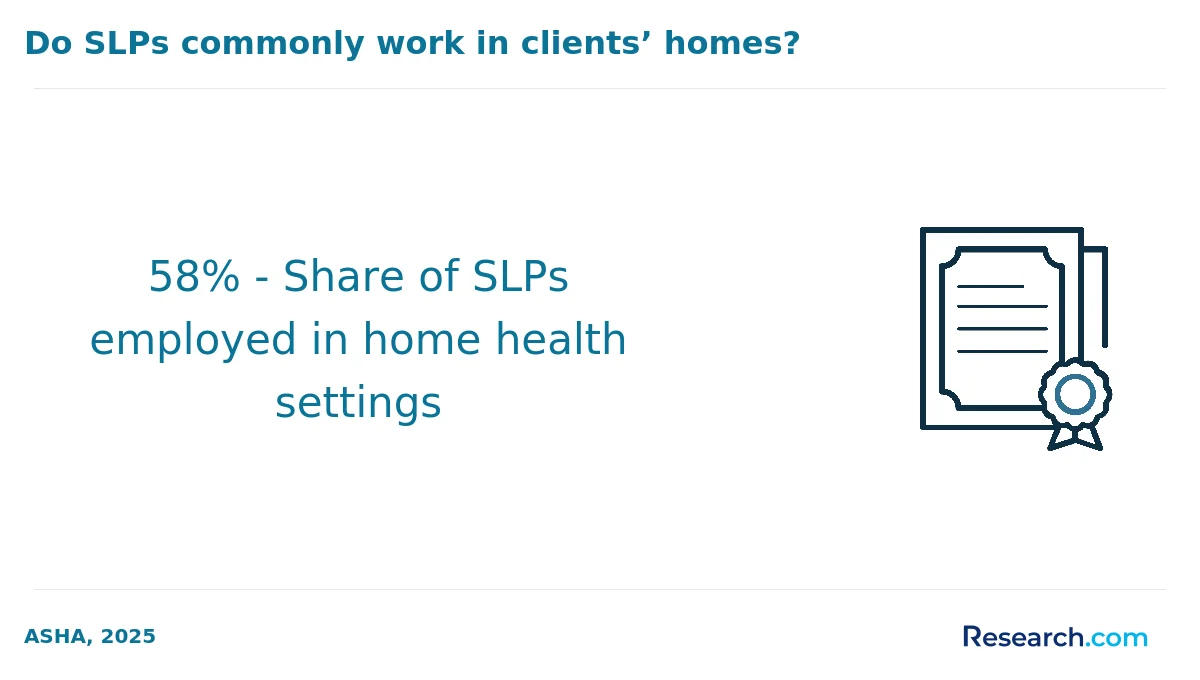
| Healthcare settings | Clinicians assess and treat communication and swallowing needs in hospitals, rehabilitation centers, outpatient clinics, and private practices. | Stroke recovery, brain injury, neurological conditions, dysphagia, voice, and cognitive-communication disorders. |
| Educational institutions | School-based professionals support students whose speech or language needs affect learning, participation, literacy, or social communication. | Language delays, articulation, fluency, autism spectrum disorders, individualized education support, and teacher collaboration. |
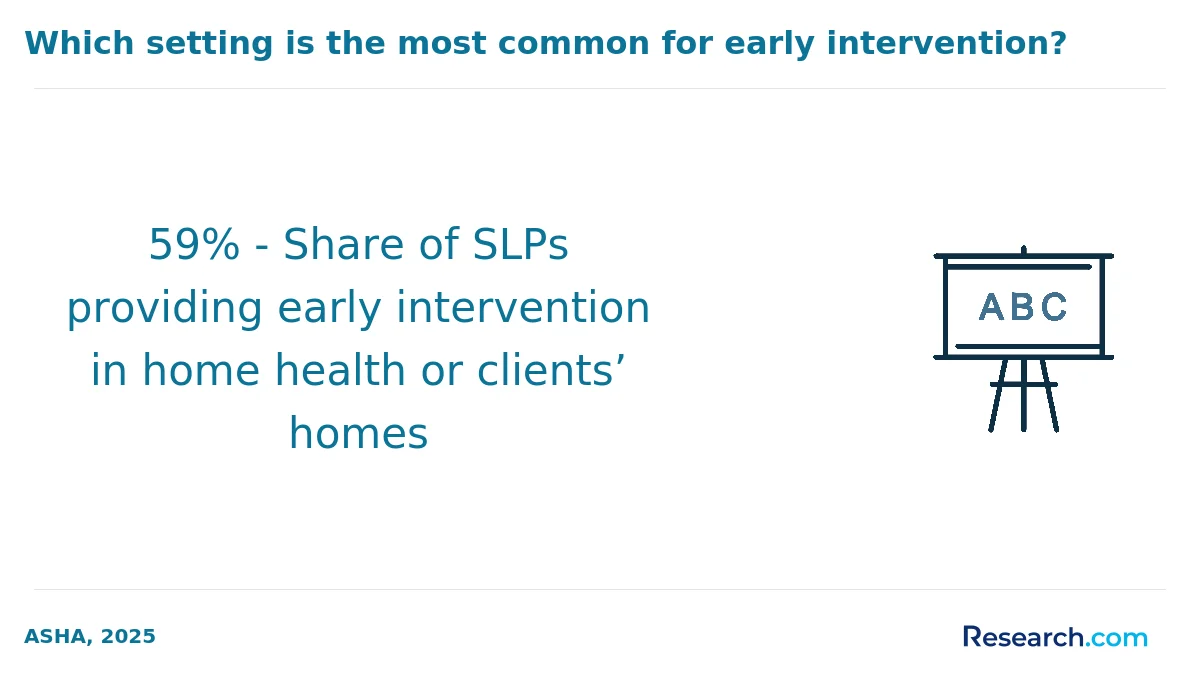
| Early intervention programs | Specialists support infants and toddlers while coaching families on communication development in everyday routines. | Developmental delays, parent coaching, play-based intervention, and progress monitoring. |
| Research and technology development | Graduates may contribute knowledge of communication disorders to studies, clinical tools, speech recognition systems, or augmentative communication devices. | Language research, AAC tools, accessibility, speech technology, and clinical outcomes. |
| Mental health and social services | Communication skills support work with people who need help expressing needs, understanding information, or participating in services. | Cognitive-communication support, counseling-adjacent communication strategies, case coordination, and disability services. |
Which Speech Pathology Skills Lead to Higher Salaries?
Speech pathology salary potential can vary by setting, region, experience, credentials, caseload complexity, and specialization. Certain skills may support higher pay because they allow clinicians to serve higher-need populations, fill hard-to-staff roles, or contribute specialized expertise.
- Augmentative and Alternative Communication (AAC): Mastery of AAC technologies and strategies often yields a 10% to 20% salary premium. This expertise is important in schools, rehabilitation centers, and settings serving clients with complex communication needs.
- Bilingual or multilingual proficiency: Speech pathologists fluent in multiple languages typically earn between $5,000 and $15,000 more annually. This skill is especially valuable where language barriers can affect evaluation accuracy and treatment access.
- Dysphagia specialization: Training in swallowing disorder management can boost salaries by around 15%. Demand is often strong in hospitals and long-term care facilities where clinicians assess complex medical cases.
- Pediatric feeding and language development: Advanced knowledge in these areas translates to a 7% to 12% pay increase. These skills are valued in early intervention programs, pediatric clinics, and private practices.
- Evidence-based practice and research: Professionals involved in clinical research or advanced treatment methods often earn up to 20% more, reflecting the value employers place on innovation and measurable outcomes.
Students should treat these figures as skill-related advantages, not guaranteed pay outcomes. Before choosing a specialization, compare local demand, required supervision, certification expectations, clinical placement availability, and the populations you want to serve.
Students considering related scientific preparation may also explore the best online biology degree, which can provide foundational knowledge that complements healthcare-oriented study.
How Do Internships Help Develop Speech Pathology Skills?
Internships help speech pathology students move from knowing concepts to using them with real clients. They provide supervised experience in assessment, therapy planning, documentation, family communication, and clinical decision-making.
Research shows that more than 80% of speech pathology graduates who completed internships reported significant improvement in their practical skills and readiness to enter the workforce. That improvement is important because students learn how to adapt textbook knowledge to clients with different diagnoses, ages, communication needs, cultures, and service settings.
Internships typically strengthen several areas:
- Diagnostic reasoning: Students learn how to connect observations, test results, case histories, and functional needs into a clear clinical impression.
- Therapy delivery: Supervised practice helps students choose activities, provide cues, manage session flow, and adjust when a client struggles or progresses faster than expected.
- Professional communication: Interns practice explaining recommendations to families, writing notes for supervisors, and collaborating with teachers or healthcare teams.
- Confidence and independence: Students usually begin by observing, then assist with sessions, and eventually manage more responsibilities with feedback.
- Workplace judgment: Internships expose students to scheduling pressures, documentation requirements, ethical questions, and interprofessional expectations.
To get the most from an internship, students should ask for specific feedback, keep a log of cases and skills practiced, reflect on difficult sessions, and collect resume-ready examples of assessment, treatment, and collaboration experience.
Students exploring adjacent mental health careers may also review the mental health nurse practitioner salary to compare how other helping professions connect clinical training with career outcomes.
How Do You List Speech Pathology Skills on a Resume?
List speech pathology skills on a resume in a way that proves relevance to the job. Employers should be able to see what populations you have served, what clinical tasks you can perform, what tools or approaches you know, and how your experience matches the setting.
- Create focused skill categories: Use headings such as Clinical Assessment, Intervention Planning, Documentation, AAC, Pediatric Language, Dysphagia, School-Based Practice, or Data Collection. This is clearer than one long mixed list.
- Match the job posting: If the role emphasizes schools, highlight IEP-related collaboration, child language, articulation, fluency, and family communication. If it is medical, emphasize swallowing, cognitive-communication, documentation, and interdisciplinary teamwork where applicable.
- Use specific terminology: Include field-relevant language such as standardized assessments, treatment goals, progress monitoring, AAC, dysphagia screening, caregiver education, and evidence-based intervention when these accurately reflect your training.
- Show skills through experience bullets: Do not rely only on a skills list. Under internships or clinical placements, describe how you used the skill, the population served, and the type of setting.
- Avoid vague claims: Phrases like “good communicator” or “hard worker” are weak unless supported by examples. Replace them with concrete evidence, such as writing reports, counseling families, collecting data, or collaborating with multidisciplinary teams.
A strong resume skills section might separate clinical, technical, and interpersonal abilities. For example, an entry-level applicant could list assessment support, treatment planning, progress documentation, family education, AAC exposure, data tracking, and collaborative case discussion—then reinforce those skills in practicum descriptions.
What Graduates Say About the Most Valuable Skills You Build in a Speech Pathology Degree
- Kayden: "Completing my speech pathology degree was eye-opening in understanding how the skills evolve from foundational knowledge to advanced clinical reasoning. The most valuable skill I gained was effective communication tailored to diverse populations, which I now apply daily as a pediatric therapist. It was challenging to master both the technical and empathetic aspects, but this balance has truly shaped my professional approach."
- Cannon: "Reflecting on my journey through speech pathology, I realize how crucial critical thinking and patience became as I progressed through different degree levels. Early courses focused on theory, but the real challenge was applying this in real-world settings with clients of all ages. These skills are essential not just in therapy but also in educational and research careers, emphasizing the versatility of the degree."
- Nolan: "The impact of my speech pathology education is profound in my current role as a rehabilitation specialist. Each stage of the degree taught me unique skills-from diagnosing communication disorders to designing personalized treatment plans. Developing problem-solving skills under pressure was tough, yet it prepared me to thrive in various career paths where adaptability is key."
Other Things You Should Know About Speech Pathology Degrees
Effective communication skills gained from a speech pathology degree are essential for collaborating with professionals such as educators, occupational therapists, and physicians. These skills enable speech pathologists to clearly convey patient needs, contribute to treatment planning, and advocate for clients within multidisciplinary teams, ensuring comprehensive care.
Cultural competency is crucial for providing effective care to diverse populations. Speech pathologists trained in cultural awareness can tailor interventions to respect clients' linguistic backgrounds and cultural norms, which is vital in both healthcare and community-based settings.
Analytical skills developed during a speech pathology degree enable professionals to evaluate clinical data, design studies, and interpret research findings. These skills support evidence-based practice and contribute to advancements in therapeutic techniques and diagnostic tools.
References
- U.S. Bureau of Labor Statistics - Speech-Language Pathologists https://www.bls.gov/ooh/healthcare/speech-language-pathologists.htm
- ASHA EdFind - Accredited Speech-Language Pathology Programs https://find.asha.org/ed/
- Audiology and Speech-Language Pathology Interstate Compact https://aslpcompact.com/compact-map/
- Maryville University - Master of Science in Speech-Language Pathology https://www.maryville.edu/masters/speech-language-pathology/
- Ithaca College - Online Master of Science in Speech-Language Pathology https://slponline.ithaca.edu/programs/masters-speech-language-pathology-online
- University of North Carolina at Greensboro - Speech-Language Pathology, M.A. (Online) https://csd.uncg.edu/graduate/masters-of-arts-online/
- New England Institute of Technology - Master of Science in Speech Language Pathology https://www.neit.edu/academics/graduate-degrees/speech-language-pathology-ms
- University of Wisconsin-Eau Claire - Master of Science in Speech-Language Pathology (Online) https://www.uwec.edu/speech-language-and-hearing-sciences-department/graduate-program/speech-language-pathology-online


