2027 Most Recession-Resistant Careers You Can Pursue With a Speech Pathology Degree

Co-Founder and Chief Data Scientist

Reviewed by Rhea Paul, PhD
SLP Education & Research Expert
Choosing a speech pathology career is not only a question of personal fit; it is also a question of stability. Students and graduates want to know whether speech-language pathology can hold up when school budgets tighten, healthcare employers slow hiring, or insurance reimbursement changes affect clinical jobs.
Speech pathology is generally better positioned than many fields during economic downturns because its services are tied to healthcare needs, disability support, school-based services, rehabilitation, and aging-related care. A Bureau of Labor Statistics report highlights a 17% projected growth in speech pathology roles through 2035, faster than average for healthcare professions.
This guide explains where speech pathology careers tend to be most recession-resistant, which industries and states offer stronger demand, how public and private sector roles differ, and what skills or credentials can help graduates stay employable. It also covers salary expectations and practical steps students can take before entering the job market.
Key Points About Recession-Resistant Speech Pathology Careers
- Speech pathology graduates are in high demand in healthcare settings, especially hospitals and rehabilitation centers, ensuring job stability despite economic downturns.
- Graduates can transition to educational roles, supporting children with communication disorders, a sector with steady government funding.
- Telepractice opportunities have expanded, enabling speech pathologists to serve diverse populations remotely-this growth aligns with a 15% projected employment increase in related roles.
What is the employment outlook for graduates of Speech Pathology?
The employment outlook for speech pathology graduates is strong because the field serves needs that do not disappear during recessions: communication disorders, swallowing disorders, school-based disability services, rehabilitation, and age-related health conditions. According to labor forecasts, the field of speech pathology is expected to expand by around 17% through 2035, much faster than the average for most occupations.
For graduates, the key takeaway is that demand is broad rather than limited to one employer type. Speech-language pathologists work in schools, hospitals, outpatient clinics, rehabilitation facilities, long-term care settings, early intervention programs, and telepractice environments. That diversity helps reduce career risk.
- Aging population: More older adults need evaluation and treatment for speech, language, cognitive-communication, and swallowing difficulties related to stroke, dementia, Parkinson’s disease, and other health conditions.
- Early intervention and school services: Greater awareness of speech and language delays in children continues to support demand in preschool, K-12, and special education settings.
- Healthcare and rehabilitation demand: Hospitals, rehabilitation centers, and long-term care facilities need clinicians who can help patients regain communication and swallowing function after illness, injury, or surgery.
- Recession resilience: Speech pathology is not recession-proof, but many roles are attached to essential care, legally required services, or medical rehabilitation, making the field more stable than careers tied mainly to discretionary spending.
Students comparing healthcare pathways should be careful not to confuse speech-language pathology with nursing, medicine, or healthcare administration. If you are considering adjacent healthcare education routes, you may also review options such as the cheapest MSN to DNP programs, but the training, licensure, and scope of practice differ significantly from speech pathology.
What are the most recession-resistant careers for Speech Pathology degree graduates?
The most recession-resistant speech pathology careers are usually tied to essential healthcare, rehabilitation, public education, disability services, or populations with ongoing care needs. Employment in health services involving speech pathology has experienced steady growth of nearly 3% annually, which supports the field’s reputation for stability during weaker economic periods.
Graduates should prioritize roles where services are medically necessary, required by education law, or difficult for employers to delay without harming patient or student outcomes.
- Medical speech-language pathologist: Medical SLPs work in hospitals, acute care units, outpatient centers, and rehabilitation facilities. They often support patients with swallowing disorders, voice problems, aphasia, cognitive-communication challenges, and post-surgical communication needs. Because these services are connected to patient safety and recovery, demand tends to remain steadier.
- School-based speech-language pathologist: School SLPs provide services to students with communication needs, often as part of special education plans. Public school roles may be more insulated because services can be tied to federal requirements such as the Individuals with Disabilities Education Act (IDEA).
- Pediatric speech therapist: Pediatric clinicians work with children who have speech delays, language disorders, fluency concerns, feeding challenges, or developmental conditions. Early intervention can reduce long-term academic and social impacts, which helps preserve demand even when families and systems are cost-conscious.
- Rehabilitation speech pathologist: Rehabilitation SLPs help people recover after stroke, traumatic brain injury, neurological disease, or major illness. Delaying these services can affect recovery, independence, and quality of life, so employers often continue to need these specialists during downturns.
- Voice therapist for professional clients: Voice specialists may work with teachers, singers, broadcasters, performers, clergy, and other voice-dependent professionals. This niche can be more market-sensitive than school or medical roles, but clients who rely on their voices for work may still seek treatment when voice problems threaten their income.
Students who want the strongest protection against recession risk should look for roles connected to schools, hospitals, rehabilitation, early intervention, and long-term care. Those considering broader health-sector management paths can also compare related training options for healthcare administration majors, though these careers differ from clinical speech-language pathology.
In practice, recession resistance depends on more than job title. Employer funding, reimbursement rules, union protections, local demand, caseload mix, and your credentials all affect stability. A school-based role in a high-need district may be more secure than a private clinic role dependent on out-of-pocket clients, while a hospital role in a high-demand specialty may offer stronger mobility than a generalist position in a saturated market.
In which industries can Speech Pathology degree holders find work?
Speech pathology degree holders can work in several industries because communication and swallowing support is needed across the lifespan. The demand for these professionals is expected to increase by over 12% in the coming years, reflecting strong job security across multiple settings.
- Healthcare: Hospitals, rehabilitation centers, skilled nursing facilities, outpatient clinics, and long-term care facilities hire SLPs to support patients with speech, language, cognition, voice, and swallowing needs. Healthcare roles may require comfort with medical documentation, interdisciplinary teams, and patient acuity.
- Education: Public schools, private schools, early intervention programs, and special education agencies employ SLPs to help children meet communication goals. These roles often offer predictable schedules and stable demand, but caseload size and documentation requirements can be significant.
- Technology: Speech pathology expertise is useful in assistive communication devices, speech recognition tools, language-learning platforms, accessibility products, and clinical software. These roles may involve product consulting, user research, training, or clinical content development rather than direct therapy.
- Government and veterans’ services: Government agencies and veterans’ services may employ SLPs in clinical, administrative, or program-focused roles serving military personnel, aging adults, people with disabilities, and public health populations.
A professional who completed an online speech pathology bachelor’s program described the value of being able to move across settings. He said that shifting from clinical environments to technology-focused work required learning new terminology and adapting to a faster product-development pace. “It took time to learn the technical jargon and the innovation pace was quite different from hospitals,” he said.
He also noted that the field’s range can be emotionally rewarding: “Knowing you can help diverse populations—from children in schools to veterans—makes the challenges worthwhile.” For graduates, the practical lesson is clear: the more settings you understand, the more options you have when one part of the labor market slows.
How do public vs. private sector roles differ in stability for Speech Pathology graduates?
Public and private sector speech pathology roles can both be stable, but they are exposed to different risks. Public sector jobs often offer stronger predictability, while private sector jobs may offer faster growth, specialization, or higher earning upside depending on the employer.
Public sector roles
Public sector speech pathology jobs include positions in public schools, government agencies, public hospitals, veterans’ services, and community programs. These roles may be more stable during downturns because they are tied to public services, education requirements, disability support, or government-funded healthcare programs.
- Common advantages: More predictable schedules, formal pay scales, benefits, retirement plans, union support in some workplaces, and established advancement systems.
- Common trade-offs: Larger caseloads, slower salary growth, more bureaucracy, and less flexibility in choosing clients or therapy models.
- Best fit for: Graduates who value security, benefits, consistent employment, and long-term career structure.
Private sector roles
Private sector jobs include private clinics, contract agencies, hospital systems, home health companies, telepractice providers, corporate healthcare organizations, and startups. Stability can vary widely because these employers may be more exposed to insurance reimbursement changes, client volume, budget cuts, and business performance.
- Common advantages: Potential for faster salary increases, flexible work models, specialization, entrepreneurship, and exposure to newer service delivery models.
- Common trade-offs: Less predictable caseloads, productivity targets, variable benefits, and greater sensitivity to economic shifts.
- Best fit for: Graduates who are comfortable with some risk and want growth, flexibility, or a specialized clinical niche.
The safest choice is not always “public” or “private.” A well-funded private medical practice with strong referral sources may be more secure than a public program facing staffing freezes. Before accepting a role, graduates should ask about caseload expectations, funding sources, benefits, supervision, turnover, productivity requirements, and how the employer handled previous economic slowdowns.
Which states have the highest demand for Speech Pathology graduates?
Geography can strongly affect speech pathology job stability. States with large populations, aging communities, growing school systems, and extensive healthcare networks often provide more opportunities for graduates. California, Texas, and Florida stand out as major employment markets.
- California: California has a large and diverse population, extensive healthcare systems, and substantial education needs. Its aging population also increases demand for speech pathology services in hospitals, rehabilitation centers, and long-term care settings.
- Texas: Texas benefits from rapid population growth and substantial healthcare infrastructure. Demand may come from pediatric services, adult rehabilitation, school-based roles, and expanding communities that need more clinicians.
- Florida: Florida’s large retirement population supports demand for speech therapy related to stroke, cognitive decline, swallowing disorders, and other age-related conditions. Public schools also need SLPs for students with communication needs.
National projections indicate approximately 15% growth in healthcare-related speech pathology roles, but local conditions still matter. A high-demand state can include competitive cities, rural shortages, school district vacancies, and employer-specific hiring differences.
Graduates should evaluate more than statewide demand. Consider cost of living, licensure requirements, bilingual needs, telepractice laws, commute patterns, school district budgets, hospital networks, and whether jobs are direct-hire or contract-based. A slightly lower salary in a stable district or health system may be more valuable than a higher hourly rate in a less predictable contract role.
Are there certifications that can make Speech Pathology careers recession-proof?
No certification can make a speech pathology career completely recession-proof. However, targeted credentials can make a clinician more competitive by showing advanced capability in areas employers need, especially in medical care, rehabilitation, school services, bilingual practice, and specialized therapy.
Employment for speech pathologists is projected to grow nearly 17% through 2035, and certifications can help graduates compete for the most stable roles within that growth. The value of a credential depends on whether it matches employer needs in your region and practice setting.
- Certificate of Clinical Competence (CCC-SLP): Offered by the American Speech-Language-Hearing Association (ASHA), this credential is widely recognized in clinical and school-based practice. It can strengthen employability because it signals that the clinician has met a respected professional standard.
- Neuro-Developmental Treatment (NDT): This certification is relevant for clinicians working with neurological impairments such as stroke and cerebral palsy. It can be especially useful in rehabilitation, hospital, and pediatric settings.
- Lee Silverman Voice Treatment (LSVT): LSVT certification focuses on voice treatment for Parkinson’s disease. It can support opportunities in outpatient clinics, neurology-related care, long-term care, and rehabilitation settings.
- Bilingual/multilingual certification: Bilingual and multilingual skills can improve access to care in diverse communities. Clinicians who can evaluate and treat clients across languages may be more competitive in urban districts, hospitals, and community clinics.
Credentials are most valuable when combined with strong clinical judgment, accurate documentation, ethical practice, and state licensure compliance. Students planning graduate study should also compare accredited pathways carefully; those looking specifically at online options may find slp masters online resources useful when weighing cost, flexibility, and preparation for licensure.
Some students also explore adjacent healthcare credentials to broaden their understanding of care delivery. For example, ASN nursing online programs represent a different clinical pathway and should be evaluated separately from speech pathology training, licensure, and scope of practice.
Are there skills that Speech Pathology graduates should learn to improve their job security?
Yes. Speech pathology graduates can improve job security by building skills that help employers solve urgent problems: serving more clients, documenting outcomes, supporting complex cases, collaborating across teams, and adapting to new delivery models.
- Telepractice proficiency: Remote therapy skills can help clinicians serve rural communities, homebound clients, busy families, and clients who need flexible access. Graduates should learn how to build rapport online, manage privacy expectations, use digital tools, and adapt activities for virtual sessions.
- Data analysis and reporting: Employers value SLPs who can document progress clearly and connect therapy to measurable outcomes. Strong reporting skills also help support funding, insurance documentation, school compliance, and program evaluation.
- Interdisciplinary collaboration: Speech pathologists often work with teachers, physicians, nurses, occupational therapists, physical therapists, psychologists, audiologists, social workers, and families. Clinicians who communicate clearly across teams are easier to place in complex care environments.
- AAC technology expertise: Augmentative and alternative communication skills allow SLPs to support clients who need devices, apps, symbol systems, or other communication supports. This expertise is valuable in schools, pediatric clinics, rehabilitation settings, and assistive technology programs.
- Cultural and bilingual competence: Clinicians who understand cultural context and can serve multilingual communities may have access to more opportunities. This skill also improves assessment accuracy and client trust.
Students looking for quicker ways to build marketable skills should still evaluate program quality, supervision, accreditation, and clinical preparation carefully. Accelerated options such as fast track programs may be appealing, but speed should not come at the expense of licensure readiness or hands-on training.
Does the prestige of the institution affect the recession-resistance of a Speech Pathology degree
Institutional prestige can help in some situations, but it is not the main factor that determines whether a speech pathology career is recession-resistant. Employers usually care most about whether the graduate is properly trained, eligible for licensure, prepared for supervised practice, and able to deliver effective services.
A well-known institution may offer advantages such as stronger clinical placement networks, recognizable faculty, research opportunities, alumni connections, and easier access to competitive externships. These benefits can matter most in crowded job markets or specialized clinical settings.
However, graduates from less famous programs can still be highly competitive if their education is accredited, their clinical experiences are strong, and their skills match local employer needs. A hiring manager is unlikely to overlook weak documentation, poor clinical reasoning, or limited hands-on experience simply because a candidate attended a prestigious school.
Students should prioritize the factors that directly affect employability: accreditation status, licensure alignment, clinical placement quality, supervision, graduate outcomes, faculty expertise, cost, and location. Prestige is a bonus, not a substitute for professional preparation.
How can Speech Pathology students ensure they meet current job market demands?
Speech pathology students can meet job market demands by treating their education as both academic preparation and career preparation. Employers want graduates who can work with real clients, document care accurately, collaborate with teams, and adapt to changing service models.
- Build diverse clinical experience: Seek placements in schools, hospitals, outpatient clinics, rehabilitation settings, pediatric programs, and community services when possible. Variety helps you identify your best-fit setting and makes you more flexible in the job market.
- Engage with research and evidence-based practice: Employers value clinicians who can explain why an intervention is appropriate and adjust treatment when progress stalls. Research experience can also support roles in hospitals, universities, technology, or program development.
- Learn telepractice early: Virtual care is now part of many service models. Students should become comfortable with online assessment considerations, caregiver coaching, digital materials, privacy expectations, and engagement strategies.
- Practice interdisciplinary communication: Use training opportunities to work with educators, occupational therapists, physicians, audiologists, psychologists, and families. Strong collaboration can make a new graduate more effective from day one.
- Pursue targeted specialization: Consider focused preparation in areas such as pediatric feeding disorders, cognitive-communication challenges, AAC, bilingual services, voice, fluency, or adult neurogenic communication disorders. Choose specializations based on employer demand, not only personal interest.
A professional who completed an online speech pathology bachelor’s program said that proactive planning helped him manage coursework, work, family responsibilities, and clinical expectations. “Balancing coursework with real-world clinical hours was tough, but seeking diverse placements made all the difference,” he said.
He also emphasized the importance of staying open to new models of care: “I didn’t realize virtual skills would become so important until I had to quickly adapt.” His experience shows why students should not wait until graduation to think about employability. The strongest candidates build adaptable skills throughout their training.
Do recession-resistant Speech Pathology careers pay well?
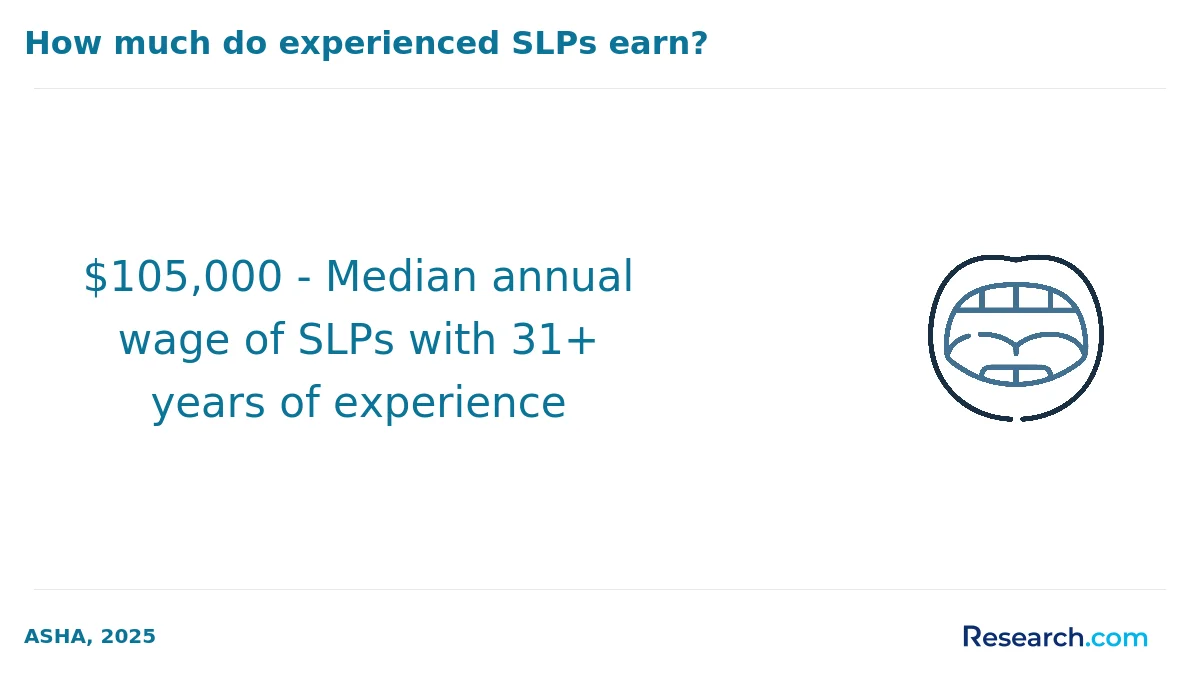
Recession-resistant speech pathology careers can pay well, but earnings vary by setting, location, specialization, credentials, and employer type. Speech pathology careers typically offer a median annual salary of around $85,000, which compares favorably with many healthcare professions.
Average earnings for speech pathology jobs in recession remain relatively stable, supported by steady wage growth projected at about 3.5% annually, higher than many other fields. However, “stable” does not always mean “highest paying.” Some school-based and public sector roles may offer strong benefits and predictable employment but lower salary growth than specialized medical or private practice roles.
Specialized positions, including pediatric therapy, bilingual services, medical speech-language pathology, AAC, voice therapy, and rehabilitation, may improve earning potential when demand is strong. Advanced certifications and continuing education can also help, but they should be chosen strategically based on employer needs and your intended practice setting.
Graduates should compare total compensation, not just salary. Benefits, retirement plans, paid time off, productivity expectations, caseload size, supervision, continuing education support, and job security all affect the real value of a position. Students exploring other healthcare careers may also compare options such as the fastest PMHNP program, while keeping in mind that nurse practitioner pathways have different admissions, licensure, and clinical requirements.
What Graduates Say About Their Career After Getting a Degree in Speech Pathology
- : "Choosing to pursue a speech pathology degree was driven by my passion for helping individuals find their voices despite challenges. The hands-on clinical training equipped me with practical skills that employers highly value, making my transition into a recession-resistant role smooth. Thanks to my degree, I’ve found a career that not only offers stability but also personal fulfillment every day. — Kayden"
- : "Reflecting back, the comprehensive education I received in speech pathology prepared me to adapt to various healthcare environments and changing job markets. It’s this adaptability and the specialized nature of my skills that have kept my career resilient even during economic downturns. I’m grateful my degree gave me a competitive edge and a clear path in a stable profession. — Cannon"
- : "Professionally, the speech pathology degree has been invaluable in securing a job that withstands the uncertainties of recessions. The in-depth understanding of communication disorders and evidence-based practices made me confident and marketable. Pursuing this field was both a strategic and rewarding decision that continues to support my career’s longevity. — Nolan"
Other Things You Should Know About Speech Pathology Degrees
Speech pathologists in recession-resistant roles often work with diverse populations, including children with developmental speech delays, adults recovering from strokes, and individuals with neurological conditions like Parkinson's disease. These patient groups tend to require ongoing therapy regardless of economic fluctuations, which contributes to job stability in these areas.
Telepractice has increased the accessibility of speech pathology services and allowed practitioners to reach patients remotely. This adaptability helps sustain service delivery during economic downturns and emergencies, making careers that incorporate telepractice more resilient to recessions.
Yes, subfields such as pediatric speech therapy, medical speech pathology in hospital settings, and neonatal intensive care speech pathology often offer higher job security. These areas address essential health needs that remain stable or even grow during economic recessions, reinforcing their recession-resistant nature.
References
- U.S. Bureau of Labor Statistics - Speech-Language Pathologists https://www.bls.gov/ooh/healthcare/speech-language-pathologists.htm
- ASHA EdFind - Accredited Speech-Language Pathology Programs https://find.asha.org/ed/
- ETS Praxis - Speech-Language Pathology (5331) https://praxis.ets.org/test/speech-language-pathology-5331.html
- Pennsylvania Western University - Master of Science in Speech-Language Pathology https://online.pennwest.edu/programs/speech-language-pathology-grad/index.php
- New York University - Online MS, Communicative Sciences and Disorders (Speech@NYU) https://steinhardt.nyu.edu/degree/online-ms-communicative-sciences-and-disorders
- West Virginia University - Speech-Language Pathology, M.S. - Online https://medicine.hsc.wvu.edu/communications-sciences-and-disorders/speech-language-pathology-ms/future-students/curriculum/online-slp-program/
- Ithaca College - Online Master of Science in Speech-Language Pathology https://slponline.ithaca.edu/programs/masters-speech-language-pathology-online
- Idaho State University - Master of Science in Speech-Language Pathology (Online/Distance Education) https://www.isu.edu/slp/programs-offered/slp-graduate-program/