
2027 Which Speech Pathology Degree Careers Have the Highest Barriers to Entry?

Co-Founder and Chief Data Scientist

Reviewed by Rhea Paul, PhD
SLP Education & Research Expert
Speech pathology can look like a single career path from the outside, but the barriers to entry vary widely by setting, population, and level of responsibility. A school-based clinician, a pediatric hospital specialist, a dysphagia expert, a researcher, and a policy leader may all come from the same broad discipline, yet they often face different expectations for graduate education, supervised clinical experience, licensure, certification, and specialized skill development.
This guide explains which speech pathology careers are hardest to enter and why. It is written for prospective students, current speech-language pathology students, and early-career professionals who want to understand where the steepest qualification hurdles are before committing time and money to a path. You will learn how academic requirements, certifications, clinical experience, industry setting, geography, hiring competition, and salary potential affect access to the most selective roles in the field.
The main takeaway: high-barrier speech pathology careers are not difficult only because they require a degree. They are difficult because employers often expect proof of advanced clinical judgment, supervised practice, regulatory readiness, interdisciplinary collaboration, and continued specialization.
Key Things to Know About Speech Pathology Careers With the Highest Barriers to Entry
- Extensive education, often requiring a master's degree plus supervised clinical hours, limits access to high-level speech pathology roles, with some programs admitting fewer than 25% of applicants.
- Competitive hiring standards prioritize candidates with strong academic records and specialized certifications, reflecting a surplus of qualified graduates versus available positions.
- Strict credentialing and licensure, including state-specific requirements and experience thresholds, create significant barriers to entry in advanced clinical and research career paths.
Which Speech Pathology Careers Are Hardest to Get Into?
The hardest speech pathology careers to enter are usually those with limited openings, high clinical risk, specialized patient populations, or strong research and leadership expectations. Some research roles have acceptance rates below 10%, which reflects how selective these pathways can be when openings are scarce and applicants already have strong academic and clinical backgrounds.
These career paths tend to create the highest barriers:
- Pediatric hospital speech pathologist: Pediatric hospital roles are competitive because they combine medical complexity, child development expertise, family-centered care, and collaboration with physicians, nurses, occupational therapists, and other specialists. Openings are limited, and employers often prefer candidates with strong practicum placements or prior experience in acute care, NICU, feeding, swallowing, or complex developmental cases.
- Speech pathology research positions: Research jobs in universities, hospitals, and clinical labs often require advanced methods training, publication potential, grant experience, and the ability to design or support studies. Because some research programs have acceptance rates below 10%, candidates usually need more than a general clinical background.
- Specialists in rare speech disorders: Roles focused on rare motor speech, craniofacial, neurogenic, fluency, or genetic communication disorders require narrow expertise that is not always covered deeply in entry-level preparation. Employers may look for specialty training, mentorship, conference activity, or documented experience with the target population.
- Policy and advocacy careers: These positions may involve reimbursement, disability rights, service delivery standards, school policy, or healthcare access. They are hard to enter because there are fewer roles, and candidates often need clinical credibility plus knowledge of law, regulation, data, and stakeholder communication.
- Leadership in speech pathology organizations: Director-level, association, program administration, and clinical leadership roles typically require years of practice, management ability, measurable outcomes, and professional reputation. Many qualified clinicians compete for a small number of positions.
For readers comparing advanced healthcare pathways outside speech pathology, Research.com also covers options such as the shortest post masters DNP program, but speech pathology has its own licensure, accreditation, clinical-hour, and certification expectations that should be evaluated separately.
What Academic Requirements Make Speech Pathology Careers Harder to Enter?
Academic requirements make speech pathology harder to enter because many roles are not accessible with only a bachelor’s degree. Over 70% of practicing speech pathologists in the United States hold a master's degree or higher, which shows how common graduate education is in the profession. For students, this means the real barrier is not just admission to college; it is completing a rigorous graduate pathway that includes science-heavy coursework, clinical preparation, and professional standards.
The academic requirements that most often raise the barrier include:
- Advanced degrees: Many speech pathology positions require at least a master’s degree, and some research, faculty, leadership, or advanced specialty roles may expect doctoral-level preparation. This adds time, tuition, admissions pressure, and opportunity cost.
- Specialized prerequisite coursework: Graduate programs may expect preparation in areas such as audiology, neuroanatomy, phonetics, speech and language development, anatomy and physiology of speech mechanisms, and communication disorders. Students changing fields may need additional prerequisite courses before they can begin graduate-level study.
- Accredited graduate training: Students who plan to pursue clinical practice should pay close attention to accreditation and licensure alignment. A program that does not support the correct clinical and academic requirements can create problems later when applying for certification or state licensure.
- Extended clinical practicum: Accredited pathways require supervised clinical experience, which means students must perform in real service settings, not only pass classroom exams. This can make scheduling, transportation, placement availability, and supervisor feedback central parts of the academic challenge.
- Research or thesis expectations: Some advanced programs include original research, evidence reviews, thesis projects, or data analysis. These expectations are especially important for students aiming at research careers, doctoral study, or academic medical centers.
Students considering flexible graduate preparation should compare admissions requirements, clinical placement support, accreditation status, and total cost carefully when evaluating a master's in speech pathology online, since online delivery does not remove the need for supervised clinical training.
What Certifications Are Required for Speech Pathology Careers?
Certifications and licenses determine who can practice, where they can practice, and which specialized roles they can realistically pursue. Around 90% of speech-language pathologists possess at least one certification, reflecting how important credentials are for employment, professional mobility, and public trust.
The most important credentialing requirements include:
- Certificate of Clinical Competence (CCC-SLP): Issued by the American Speech-Language-Hearing Association, the CCC-SLP signals that a clinician has met defined academic, supervised clinical, and examination standards. Many employers recognize it as a major professional benchmark, even where specific legal requirements vary.
- State licensure: Licensure is the legal permission to practice in a specific jurisdiction. Requirements differ by state, so candidates should verify education, exam, supervised experience, background check, renewal, and continuing education rules before assuming they can transfer easily between states.
- Specialty certifications: Specialty credentials may apply to areas such as fluency disorders, pediatric speech therapy, or dysphagia management. These credentials can strengthen a candidate’s profile for high-barrier roles but often require additional training, case experience, documentation, and professional review.
The common mistake is treating certification as a final paperwork step. In practice, certification planning should begin while choosing a graduate program, selecting clinical placements, and deciding which populations to serve. A credential can open doors, but only when the applicant’s education, supervised hours, exam history, and state requirements line up.
A speech pathology degree graduate described obtaining the CCC-SLP as “intimidating but necessary.” He said the process felt “like crossing a significant hurdle” because it required sustained preparation, documentation, and resilience. He also viewed specialty certifications as “opportunities to deepen expertise,” while acknowledging that expectations were high and progress could be slow. His experience illustrates why credentials function as both professional safeguards and real barriers to entry.
How Much Experience Is Required for Competitive Speech Pathology Jobs?
Competitive speech pathology jobs usually require more than completion of a degree. Employers want evidence that candidates can evaluate clients, choose appropriate interventions, document outcomes, communicate with families and care teams, and handle difficult cases with sound judgment. Experience requirements vary by role, but more selective positions often use prior clinical exposure as a screening tool.
| Experience level | Typical expectation | What employers look for |
| Entry-level | Minimal hands-on experience, such as internships or supervised clinical practicums | Strong graduate training, reliable documentation, willingness to learn, and readiness for supervision |
| Early career | About one to three years of experience | Growing independence, broader caseload exposure, and stronger diagnostic decision-making |
| Mid-level | Approximately three to five years of relevant work | Ability to manage complex cases, mentor others, and contribute to team-based care |
| Senior-level | Five or more years of extensive experience | Program leadership, advanced specialization, supervision, administration, or scholarly contribution |
For high-barrier roles, the type of experience matters as much as the number of years. A candidate with pediatric feeding placements may be more competitive for a children’s hospital than a candidate with more total years in an unrelated setting. Similarly, a clinician seeking a neurogenic communication disorders role may need documented experience with stroke, traumatic brain injury, dementia, or progressive neurological conditions.
Applicants should build a targeted experience record early. Useful steps include choosing practicum sites strategically, asking supervisors for feedback on measurable competencies, documenting case types, pursuing continuing education in the intended specialty, and maintaining strong professional references. Students comparing healthcare education prerequisites in other fields can review resources such as nursing schools that don t require TEAS test near me, but speech pathology experience expectations should be judged against SLP-specific licensure and employer requirements.
What Skills Are Required for High-Barrier Speech Pathology Careers?
High-barrier speech pathology careers require advanced clinical judgment, not just familiarity with therapy techniques. Industry data shows that about 65% of employers in specialized speech pathology areas prioritize advanced clinical skills when hiring. That priority is especially visible in hospitals, specialty clinics, research environments, and roles serving medically complex or low-incidence populations.
The most important skills include:
- Advanced diagnostic reasoning: Clinicians must identify subtle differences among speech, language, cognitive-communication, voice, fluency, and swallowing disorders. In complex cases, a weak diagnosis can lead to ineffective treatment or missed risk factors.
- Complex case coordination: High-barrier roles often involve clients with multiple diagnoses, medical conditions, behavioral needs, or social barriers. The clinician must coordinate with physicians, educators, families, interpreters, psychologists, occupational therapists, and other professionals.
- Specialized technical expertise: Some roles require comfort with instrumental swallowing assessments, augmentative and alternative communication systems, voice technology, data collection tools, or specialized treatment protocols. Technical competence often develops through supervised practice and continuing education.
- Culturally responsive communication: Effective treatment must account for language background, dialect, culture, disability, family goals, and access to care. This skill is essential for ethical practice and accurate assessment.
- Research literacy and analytical reasoning: Clinicians in selective roles need to evaluate evidence, apply current findings, and avoid relying only on habit or anecdote. This is especially important in medical settings, specialty programs, and research-adjacent roles.
- Professional documentation: High-barrier jobs often require precise reports, measurable goals, progress notes, compliance documentation, and communication with payers or agencies. Poor documentation can weaken care continuity and reimbursement.
When discussing these demands, one speech pathology degree holder said, “Navigating complex patient needs while staying current with research felt overwhelming at times, but it was deeply rewarding.” She emphasized that adapting communication approaches for diverse clients required patience and reflection. Her experience shows why skill development is not a one-time academic milestone; it is an ongoing requirement for remaining effective in difficult roles.
Do Some Industries Have Higher Barriers to Entry Than Others?
Yes. Speech pathology entry barriers differ sharply by industry because each setting has different risks, regulations, clients, documentation demands, and hiring expectations. A role in a school district may emphasize special education law and individualized education plans, while a hospital role may prioritize swallowing, medical terminology, acute-care judgment, and interdisciplinary care.
Industries with higher entry thresholds often include:
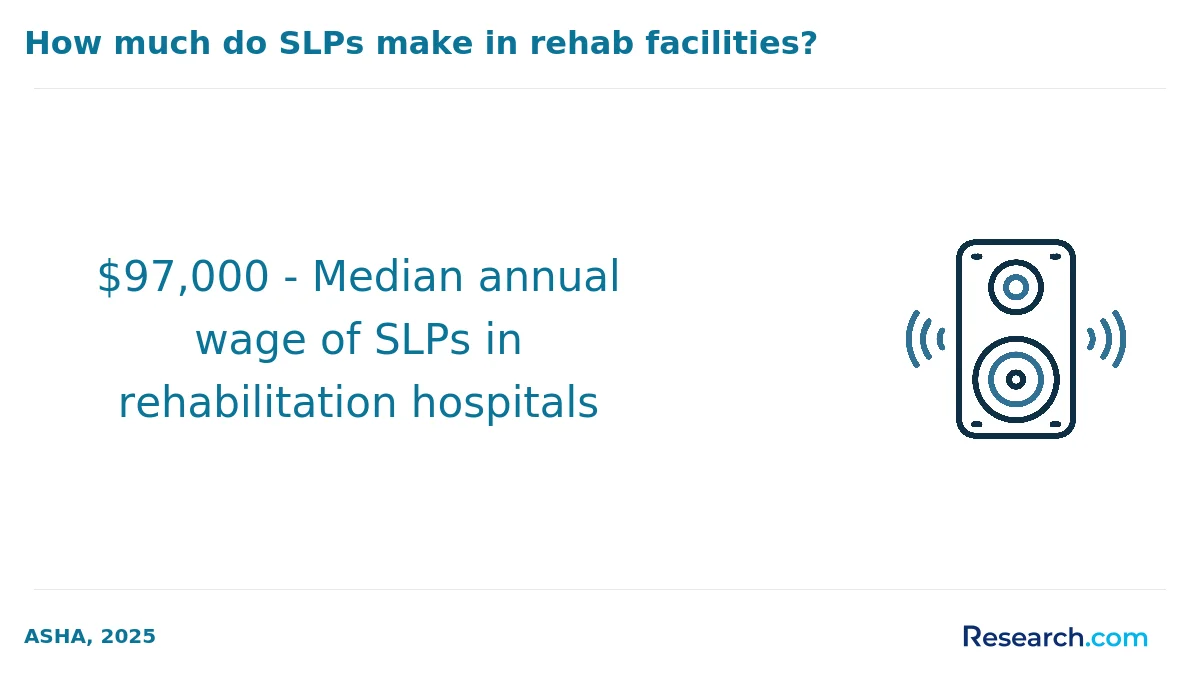
- Medical settings: Hospitals, acute care units, rehabilitation hospitals, and outpatient medical clinics often require clinicians to manage medically fragile patients and collaborate within regulated healthcare systems. These jobs may be harder to enter without relevant placements or prior medical experience.
- Research institutions: Universities, academic medical centers, and clinical research programs may expect evidence-based practice, study design knowledge, data skills, publication potential, or experience supporting grant-funded work.
- Special education systems: School-based roles require knowledge of educational regulations, eligibility processes, individualized education programs, assistive technology, family meetings, and caseload management. Specialized school placements can be competitive when they involve complex disabilities or leadership responsibilities.
- Public health agencies: Government and community health roles can involve compliance, reporting, program evaluation, population-level planning, and service access issues. Candidates may need to understand both clinical care and public systems.
- Technology and corporate fields: Speech-related technology roles may involve accessibility tools, voice interfaces, clinical product development, AI-enabled communication tools, or user research. These positions often require hybrid skills that combine clinical expertise with technical collaboration.
The best industry choice depends on a candidate’s tolerance for regulation, documentation, medical complexity, caseload size, research expectations, and interdisciplinary work. The highest-barrier industry is not automatically the best fit; it is the best fit only if the clinician wants the daily responsibilities that come with the stricter requirements.
Do Certain States or Regions Have Stricter Requirements?
Yes. Speech pathology requirements can vary by state and region because licensure boards, education agencies, healthcare systems, and employers set different rules. About 30% of states have licensing requirements that exceed the national average, which can affect how quickly a graduate can begin practice or move across state lines.
Regional differences may appear in several areas:
- State licensing policies: Each state may set its own documentation, examination, application, background check, and renewal requirements. Candidates should confirm the rules directly with the relevant licensing board.
- Clinical hour mandates: Supervised practicum or post-graduate experience requirements can differ, and some states may ask for more detailed verification than others.
- Continuing education: Renewal rules may require specific topics, reporting cycles, or approved providers. This can affect long-term cost and planning.
- School credentialing: Some school-based roles may involve education-department credentials in addition to professional licensure. This can create an extra step for clinicians who want to work in public schools.
- Urban versus rural hiring dynamics: Metropolitan areas may have more applicants and stricter employer screening, while rural areas may have workforce shortages but still require full legal qualification to protect service quality.
- Healthcare and insurance rules: Local payer requirements, hospital privileges, Medicaid rules, and documentation standards can influence what employers expect from applicants.
Before choosing a program or accepting a job offer, applicants should compare the state where they study, the state where they complete supervised experience, and the state where they plan to work. Assuming automatic portability is a common mistake. Licensure mobility may be possible, but it is rarely something to leave until the last minute.
How Competitive Is the Hiring Process for Speech Pathology Careers?
The hiring process can be highly competitive when desirable settings, specialized caseloads, strong benefits, or prestigious employers are involved. In some sought-after roles, applicant-to-opening ratios may reach 15 to 20 applicants per position. Competition is not only about the number of applicants; it is also about how closely each applicant’s experience matches the employer’s exact needs.
Entry-level jobs may attract broad applicant pools, but employers may be more willing to train. Advanced, niche, or prestigious roles are usually more selective because they need candidates who can contribute quickly with less supervision. A pediatric hospital, specialty rehabilitation center, or research clinic may screen for specific placements, patient populations, certifications, publications, references, or technical skills.
To compete more effectively, applicants should focus on alignment rather than volume. A strong application usually shows:
- relevant clinical placements or work history;
- clear interest in the employer’s population or setting;
- specific competencies rather than generic enthusiasm;
- strong supervisor or faculty references;
- evidence of continuing education or specialty preparation;
- well-organized documentation of licensure and certification readiness.
Students still comparing broader college access options can review guides such as online colleges with open enrollment and no application fee, but competitive speech pathology hiring ultimately depends on graduate preparation, clinical fit, licensure readiness, and demonstrated professional judgment.
Which Companies Are Hardest to Get Hired by in Speech Pathology Fields?
The hardest employers to enter are usually organizations with strong reputations, limited openings, specialized services, or formal hiring processes. Some highly competitive institutions receive over five times as many applicants as available positions, which means even qualified candidates may be screened out if their experience is not closely matched to the role.
Employers with stricter hiring standards often include:
- Large healthcare systems: Major hospitals and health networks attract many applicants because they offer complex cases, team-based practice, benefits, and career mobility. They may prefer candidates with medical placements, specialized competencies, and strong references.
- Specialized rehabilitation centers: These centers often serve patients with neurological injury, swallowing disorders, complex communication needs, or long-term rehabilitation goals. Candidates usually need targeted experience rather than general clinical exposure alone.
- Research institutions: Academic medical centers and universities may expect research literacy, data skills, publication interest, or experience in evidence-based protocols. Candidates with doctoral training or research assistant experience may have an advantage for certain roles.
- Government and military health services: These employers may require formal applications, credential verification, background checks, and structured hiring procedures. The process can be slower and more documentation-heavy than private-sector hiring.
- Exclusive private practices: Highly regarded specialty practices may hire selectively because each clinician affects reputation, client outcomes, and referral relationships. They may prioritize proven expertise, independent caseload management, and strong interpersonal skills.
Applicants should study the employer’s patient population, referral sources, documentation systems, and service model before applying. A tailored application that shows relevant clinical fit is usually stronger than a broad resume. For readers exploring healthcare career foundations outside speech pathology, Research.com also provides information on online ASN programs, though SLP employers evaluate a different credential path.
Do Difficult Speech Pathology Careers Lead to Higher Salaries?
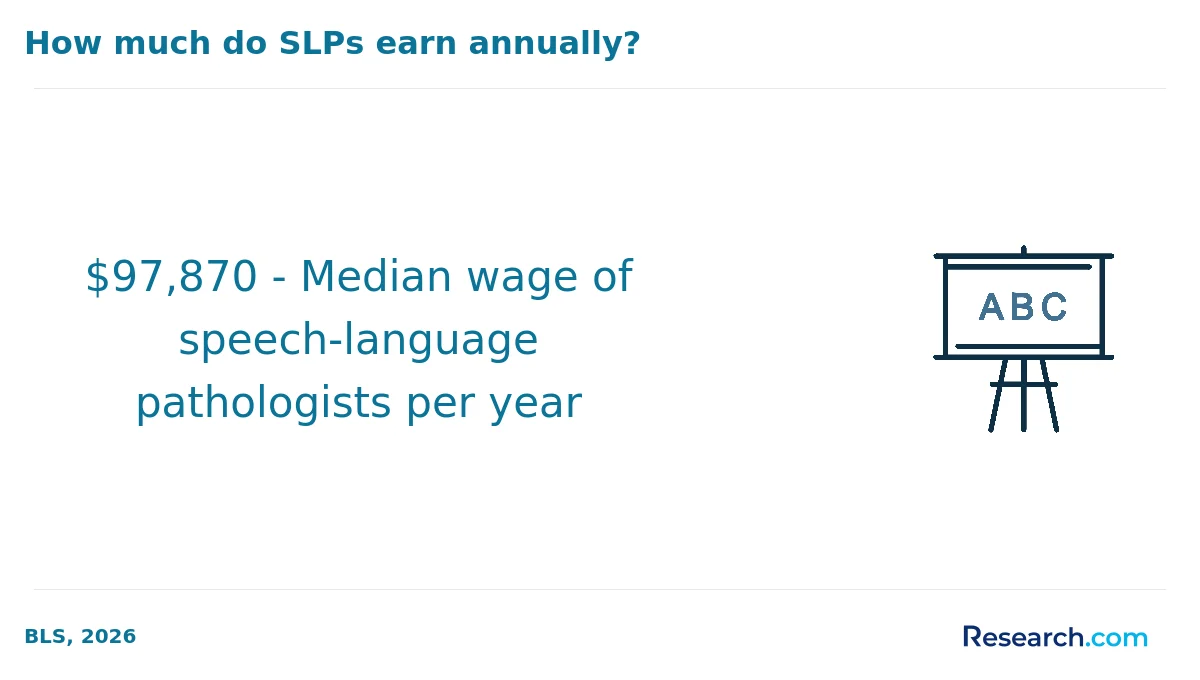
Difficult speech pathology careers can lead to higher salaries, but the relationship is not automatic. Research shows that the highest paying speech pathology careers with stringent entry requirements can earn approximately 20% to 35% more than those in general roles. Higher pay may reflect advanced expertise, medical risk, leadership responsibilities, specialty demand, or limited supply of qualified candidates.
However, a role with high barriers does not always pay more than a role with fewer barriers. Compensation can also depend on employer type, reimbursement rates, region, union or district pay scales, caseload demand, funding sources, and whether the role is clinical, administrative, academic, or research-based. A specialized role in a lower-paying setting may offer professional prestige but moderate earnings, while a high-demand generalist role in a strong market may pay competitively.
When evaluating whether a difficult path is worth it financially, consider:
- the total cost of graduate education and certifications;
- unpaid or lower-paid supervised experience requirements;
- state licensure and continuing education costs;
- local salary ranges by setting;
- long-term advancement opportunities;
- workload, documentation burden, and burnout risk.
Professionals comparing advanced healthcare credentials in other fields may also review options such as a post masters FNP certification, but salary decisions in speech pathology should be based on SLP-specific labor markets, credential requirements, and desired practice settings.
What Graduates Say About Speech Pathology Careers With the Highest Barriers to Entry
- Kayden: "Choosing a speech pathology degree was daunting given the intense coursework and clinical hours, but it was a decision that truly paid off. I learned early on that persistence and seeking mentorship were crucial to navigating the barriers of certification and licensure. Now, as a practicing professional, I see firsthand how impactful our role is in improving quality of life for clients, making every challenge worthwhile."
- Cannon: "Reflecting on my journey through the speech pathology program, I realize the importance of strategically building experience through internships and networking. The rigorous nature of the degree demands more than academic excellence-it calls for dedication to continuous improvement and resilience. This foundation has empowered me to excel professionally and advocate confidently for my clients' needs."
- Nolan: "From day one, I understood that entering the speech pathology field meant embracing high standards and constant learning. Taking intentional steps like volunteering in diverse clinical settings and staying updated with research significantly boosted my career prospects. The degree has not only equipped me with skills but also a profound sense of purpose in my daily work."
Other Things You Should Know About Speech Pathology Degrees
Speech pathology careers with higher barriers typically require more extensive and rigorous clinical practicums. Students may need to complete upwards of 400 supervised hours, often including difficult cases such as neurological disorders or pediatric speech impairments. This hands-on experience is critical to prepare for the complexities encountered in specialized practice areas.
Continuous professional development is essential for maintaining credentials in demanding speech pathology careers. Practitioners must regularly complete continuing education units (CEUs) to stay current with advances in assessment techniques, treatment approaches, and ethical standards. This requirement ensures competence and compliance with evolving industry regulations.
Research participation is often a significant component of high-barrier speech pathology careers, especially those affiliated with academic or clinical institutions. Engagement in research projects or publishing scholarly articles can enhance a speech pathologist's qualifications and expand career opportunities. It also contributes to evidence-based practice, which is a cornerstone of specialized clinical roles.
References
- U.S. Bureau of Labor Statistics - Speech-Language Pathologists https://www.bls.gov/ooh/healthcare/speech-language-pathologists.htm
- ASHA EdFind - Accredited Speech-Language Pathology Programs https://find.asha.org/ed/
- ETS Praxis - Speech-Language Pathology (5331) https://praxis.ets.org/test/speech-language-pathology-5331.html
- University of Wisconsin-Eau Claire - Master of Science in Speech-Language Pathology (Online) https://www.uwec.edu/speech-language-and-hearing-sciences-department/graduate-program/speech-language-pathology-online
- New England Institute of Technology - Master of Science in Speech Language Pathology https://www.neit.edu/academics/graduate-degrees/speech-language-pathology-ms
- Emerson College - Master of Science (M.S.) in Communication Disorders (Speech@Emerson, online) https://speech.emerson.edu/
- New York University - Online MS, Communicative Sciences and Disorders (Speech@NYU) https://steinhardt.nyu.edu/degree/online-ms-communicative-sciences-and-disorders
- Pennsylvania Western University - Master of Science in Speech-Language Pathology https://online.pennwest.edu/programs/speech-language-pathology-grad/index.php


