2027 Healthcare Administration Transfer Credit Trends: How Schools Are Adapting for Adult Learners

Co-Founder and Chief Data Scientist
A military spouse juggling part-time jobs, expected most of nursing credits to transfer seamlessly into a healthcare administration degree. Instead, discovered that nearly 40% of previously earned credits were rejected, adding semesters of coursework and mounting tuition costs. This scenario reflects a broader shift, a 2024 National Student Clearinghouse report reveals only 57% of community college transfer credits are accepted by four-year institutions, signaling persistent challenges in credit mobility and prior learning assessment.
Such trends often force adult learners to reconsider their educational plans, balancing affordability, time, and workforce reentry. This article examines how schools adapt transfer credit policies and flexible pathways, helping prospective healthcare administration students navigate evolving practices for efficient degree completion.
Key Things to Know About Healthcare Administration Transfer Credit Trends for Adult Learners
- Institutions increasingly accept military and workforce learning credits, but varied evaluation standards create transfer unpredictability, requiring adult learners to weigh potential credit loss against accelerated degree completion timelines.
- Expanded prior learning assessments in healthcare administration reveal that employer-valued competencies often align imperfectly with academic benchmarks, prompting students to reconcile portfolio-building efforts with real-world skill recognition limits.
- Technology-enabled transcript reviews reduce processing delays by up to 40%, enhancing access but spotlighting equity gaps as learners with nontraditional credits face inconsistent articulation, influencing cost and time to degree.
- Key Things to Know About Healthcare Administration Transfer Credit Trends for Adult Learners Key Things to Know About Healthcare Administration Transfer Credit Trends for Adult Learners
- How Are Healthcare Administration Programs Changing Transfer Credit Policies for Adult Learners? Evolving Adult Transfer Policies
- Why Are More Healthcare Administration Schools Accepting Credit for Prior Learning and Work Experience? Prior Learning Credit Benefits
- How Do Healthcare Administration Colleges Evaluate and Award Transfer Credits Today? Transfer Credit Evaluation Process
- Which Alternative Credits Are Most Commonly Accepted by Healthcare Administration Programs? Accepted Alternative Credits
- How Are Healthcare Administration Schools Improving Transfer Pathways for Community College Students? Improved Community College Pathways
- How Can Transfer Credits Help Healthcare Administration Students Graduate Faster? Accelerating Degree Completion
- How Much Money Can Students Save Through Healthcare Administration Transfer Credit Opportunities? Cost Saving Through Transfers
- How Are Healthcare Administration Programs Supporting Military Students and Workforce Learners Through Transfer Credits? Military Credit Transfer
- What Transfer Credit Innovations Are Shaping the Future of Healthcare Administration Education? Transfer Credit Innovations
- How Can Adult Learners Maximize Transfer Credits in a Healthcare Administration Program? Maximizing Your Transfer Credits
How Are Healthcare Administration Programs Changing Transfer Credit Policies for Adult Learners?
The evolving landscape of healthcare administration transfer credit policies reflects a broader institutional shift toward accommodating adult learners, working professionals, and military-affiliated students by expanding recognition of prior learning. Programs increasingly integrate workplace experience and military training into credit acceptance frameworks, enabling students to bypass redundant coursework and reduce time-to-degree.
For instance, a veteran transitioning to a healthcare administration career may find certain clinical compliance or management training directly credited, but must navigate program-specific caps on experiential credits that can limit total transferability. This nuanced balance between credit flexibility and academic rigor requires careful planning to optimize course sequencing and affordability, especially as inconsistent policies across institutions affect credit mobility for transfer students from community colleges or other universities.
The National Center for Education Statistics data from 2024 shows that nearly 60% of public universities have enhanced transfer credit acceptance through prior learning assessments, signaling significant progress in flexible transfer credit acceptance in healthcare administration programs. However, practical constraints persist; some schools maintain stringent limits on credits earned through non-traditional routes to safeguard accreditation standards, while advanced transcript evaluation technologies expedite credit reviews yet do not fully harmonize diverse institutional policies.
Adult learners comparing programs should thus prioritize transparent articulation agreements and inquire about alternative credit pathways, including recognized credentials in healthcare compliance or ethics. For those balancing work and study, using such pathways effectively can markedly shorten degree timelines and lower costs, improving access to in-demand roles, particularly in environments favoring candidates with verified, relevant experience such as certified medical assistants-opportunities detailed in available medical assistant programs near me.
Why Are More Healthcare Administration Schools Accepting Credit for Prior Learning and Work Experience?
The expanded acceptance of credit for prior learning in healthcare administration programs reflects a strategic institutional shift driven by workforce demands and economic pressures rather than mere leniency in transfer policies. Schools increasingly assess certificated and experiential learning-such as industry credentials, military training, and employer-verified competencies-through structured frameworks that balance flexibility with academic rigor.
For example, adult learners with military healthcare logistics experience may receive credit for foundational courses but still face curriculum components requiring direct academic evaluation to ensure alignment with professional standards. This nuanced credit recognition can reduce redundant coursework, accelerating time to degree, but also requires students to navigate varying institutional criteria and documentation complexities that affect degree completion planning and persistence.
From an operational viewpoint, institutions expanding credit acceptance aim to boost enrollment among working adults and military-affiliated students while addressing shortages in qualified healthcare administration professionals across systems. A 2024 report from the Council for Adult and Experiential Learning noted that nearly 75% of adult learners view prior learning assessments as critical to reducing degree time and cost, highlighting growing demand for adaptable pathways.
However, disparities in evaluation practices across programs introduce practical tradeoffs: while some schools rigorously validate learning to maintain workforce relevance, others risk diluting credential value or complicating transferability. For prospective students, understanding each institution's approach to credit for prior learning is essential in making informed decisions that balance speed, educational quality, and employability outcomes.
How Do Healthcare Administration Colleges Evaluate and Award Transfer Credits Today?
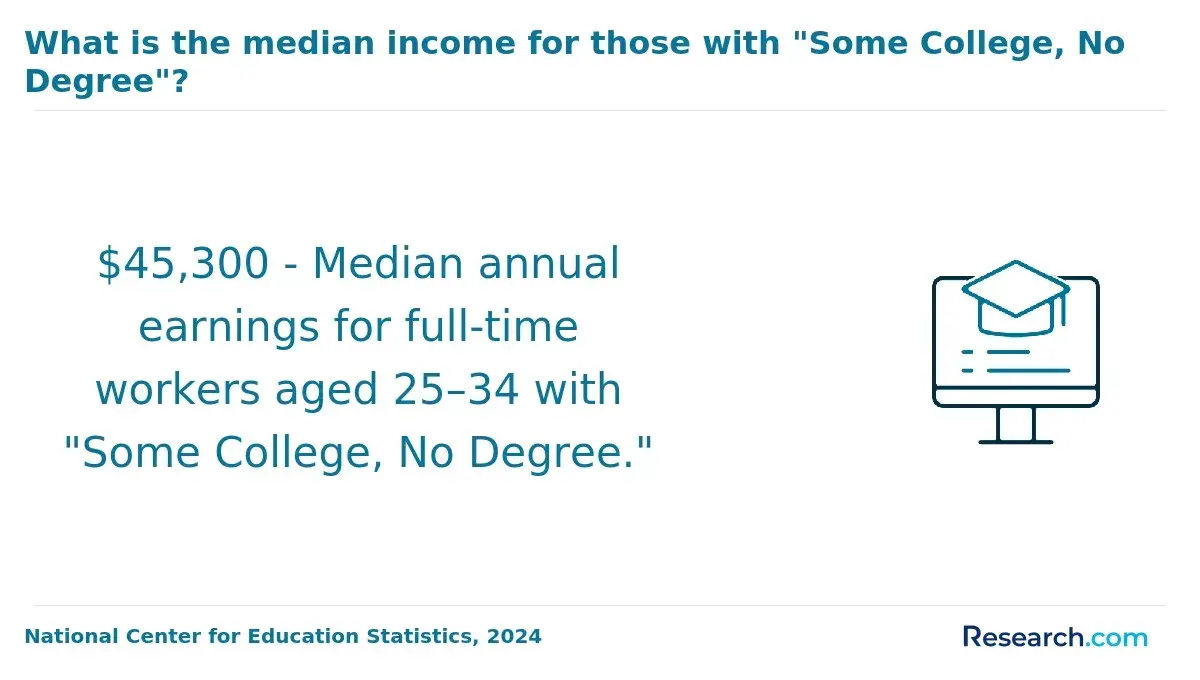
Transfer credit evaluation in healthcare administration colleges has evolved into a strategic function that directly impacts enrollment management and student success rather than serving as a mere administrative checkpoint. Institutions now rigorously assess prior coursework, military training, and alternative credentials against accreditation status, detailed course equivalencies, and program-specific learning outcomes.
For instance, students transferring from community colleges often face decisions about whether credits will satisfy upper-division residency requirements or core curriculum components, influencing both the time and cost needed to complete their degree. Many programs incorporate policies for credit recognition from professional experience and prior learning, particularly benefiting military-affiliated students whose training aligns with healthcare administration competencies. According to the Council for Adult and Experiential Learning's 2024 report, approximately 85% of mid- and upper-tier programs formally accept credit for prior learning, which can reduce redundancies and accelerate degree completion.
However, the complexity of verifying course content and maintaining academic rigor means that final credit awards often require evaluation by faculty or dedicated credit analysts, which can introduce variability and affect planning for adult learners balancing work and study commitments. These evolving transfer policies influence educational trajectories by prioritizing regional accreditation, recent coursework (typically within the last 5 to 10 years), and minimum grade thresholds, shaping the portability of credits across institutions.
While automated tools and AI assist with transcript analysis, human judgment remains essential to interpret how transferred credits apply to major requirements versus general education. As a result, students and advisors must navigate a nuanced landscape where articulations, credit applicability, and program-specific standards intersect, directly impacting degree timelines, affordability, and ultimately the workforce readiness of graduates responding to increasing demand across healthcare systems.
Which Alternative Credits Are Most Commonly Accepted by Healthcare Administration Programs?
Acceptance of alternative credits has become a strategic lever within healthcare administration programs to enhance degree accessibility and expedite completion for adult learners, rather than merely an administrative adjustment in transfer policies. Programs typically scrutinize credit for prior learning (CPL) portfolios, military training recognized by the American Council on Education, and workforce certifications tied to health information management or medical billing.
However, factors like accreditation standards, course equivalency reviews, and residency requirements often shape the extent to which these credits apply toward degree requirements, a critical consideration for transfer credit options accepted by healthcare administration programs. For instance, a veteran may find military credits easing transfer barriers, yet must still navigate limitations on upper-division credits or ensure that competencies align with program-specific curricula.
Standardized examinations such as CLEP and DSST exams, along with competency-based assessments from providers like Sophia Learning, are increasingly integrated but subject to varying institutional policies on test score thresholds and relevance to core coursework. Since a growing number of programs impose caps on total alternative credits, transfer planning becomes crucial to avoid excessive course repetition or delays, which can undermine cost-effectiveness and student flexibility.
Adult learners considering previously earned credits should carefully evaluate how prior learning credit policies in healthcare administration programs map onto both academic progression and employer expectations, since not all alternative credits transfer equivalently. This nuanced process affects timelines, affordability, and the optimal alignment between educational pathways and long-term career trajectories, which is also why some seek a nursing school that doesn't require TEAS test for more tailored credit recognition.
How Are Healthcare Administration Schools Improving Transfer Pathways for Community College Students?
Healthcare administration programs have increasingly prioritized improving transfer pathways to address the complex credit recognition challenges that community college students face, aiming to reduce time-to-degree and maintain academic momentum. Despite broad institutional efforts, variations in articulation agreement clarity and credit evaluation processes remain significant barriers, meaning students often confront inconsistent credit applicability, particularly for specialized or upper-level coursework.
According to the National Student Clearinghouse Research Center's 2024 data, schools with well-defined articulation frameworks report a 15% higher acceptance rate of transfer credits within healthcare administration, underscoring the tangible impact of formalized policies on minimizing credit loss and enabling smoother transitions. Beyond formal agreements, many programs now integrate prior learning assessments and dedicated transfer advising tailored to healthcare administration pathways, which help adult learners and military-affiliated students reclaim experiential credits and strategically plan course sequences.
However, tradeoffs persist-some flexible degree structures or accelerated formats designed to accommodate working students can complicate transfer equivalencies or require proactive coordination with community colleges to avoid redundant coursework. These adaptations improve educational accessibility but require students to engage rigorously with advisors and institutional policies to optimize credit use and avoid extended degree timelines. A recent transfer student shared uncertainty about whether their community college's healthcare-related credits would apply toward the bachelor's degree due to a history of mixed credit evaluations.
Initially frustrated by conflicting information between institutions, the student found clarity when their prospective healthcare administration program provided an updated articulation agreement and a specialized transfer advisor who mapped out course equivalencies. This tailored support eased credit acceptance concerns and allowed the student to adjust enrollment plans confidently, highlighting how improved transfer frameworks directly influence practical decision-making and degree completion prospects in this field.
How Can Transfer Credits Help Healthcare Administration Students Graduate Faster?
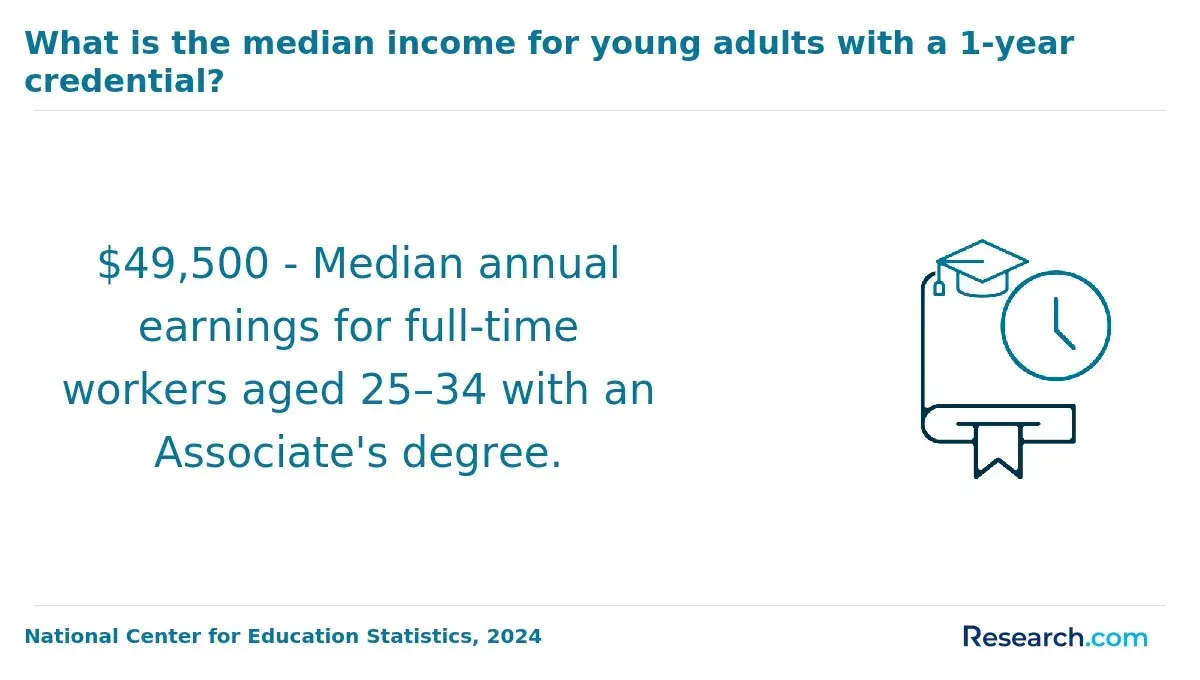
Transfer credits can shorten time to healthcare administration graduation, but their impact largely depends on institutional policies and credit applicability. While students transferring from community colleges or accredited institutions may reduce degree completion by 15 to 30 credit hours, these credits must align closely with core coursework, including specialized subjects like health policy and medical ethics.
Upper-division residency and program-specific prerequisites often limit how many credits apply directly toward a healthcare administration degree, meaning students must carefully evaluate how transfer credits translate into their specific curriculum requirements and sequencing. Adult learners, military-affiliated students, and working professionals often leverage prior learning assessments and workforce training credits to accelerate progress, though acceptance varies across programs.
Transfer credits for faster healthcare administration degree completion require navigating articulation agreements and understanding credit evaluation nuances to avoid delays from non-applicable courses. Evolving credit transfer policies influence enrollment strategies and affordability, but students must remain vigilant about possible barriers such as accreditation constraints and course equivalency issues. This practical complexity highlights the necessity of strategic academic planning, including early advisor consultation to ensure credits contribute meaningfully to degree advancement.
For those evaluating postsecondary pathways, it is useful to compare institutional credit policies alongside program structures to maximize savings in time and tuition costs. Accessing accredited pathways such as ASN online programs can offer established credit articulation benefits. Understanding how transfer credits shorten time to healthcare administration graduation requires an informed approach to credit transfer feasibility and degree requirements, especially when balancing professional obligations, prior experience, and academic goals.
How Much Money Can Students Save Through Healthcare Administration Transfer Credit Opportunities?
Transfer credit policies in healthcare administration programs can significantly impact the total cost of education, but the extent of savings depends heavily on institutional rules and student background. For example, adult learners or military-affiliated students often capitalize on prior learning assessments or military training credits to reduce the number of required courses, sometimes cutting the pathway by up to a semester. However, strict residency requirements and credit transfer limits at many universities frequently necessitate completing a substantial portion of coursework on-site, diminishing potential cost reductions and lengthening time-to-degree.
Community college pathways offer an important cost advantage through lower tuition per credit hour and streamlined articulation agreements, preventing costly repetition of equivalent courses at four-year institutions. Yet, variability in course equivalency and accreditation standards can restrict which credits are accepted, requiring additional classes that offset initial savings. Practically, working professionals planning to use transfer credits must weigh these policy limitations alongside their career timelines, as unanticipated course requirements may extend enrollment and increase indirect costs such as lost wages or delayed employment opportunities in healthcare administration roles.
How Are Healthcare Administration Programs Supporting Military Students and Workforce Learners Through Transfer Credits?
Healthcare administration programs increasingly factor military training and workforce credentials into transfer credit evaluations, yet variability in credit acceptance poses real challenges for military-affiliated students and working professionals. Although approximately 68% of institutions now align military credit reviews with American Council on Education (ACE) guidelines, many candidates face extended degree timelines due to inconsistent prior learning assessment (PLA) limits and restrictive articulation policies.
For example, a veteran with extensive technical certifications may find that only a fraction of their credits applies to degree requirements, necessitating additional coursework and complicating academic planning. Programs that recognize professional certifications like Certified Healthcare Administrative Professional help reduce redundancy, but even with targeted credit mobility efforts, about 35% of military students still encounter substantial barriers to full credit transfer, according to a 2024 government analysis.
This discrepancy affects timely graduation and workforce entry, particularly in healthcare administration roles where practical experience matters. Institutions offering hybrid or flexible degree-completion pathways seek to mitigate these issues, but variations in institutional policies and credit caps mean adult learners must carefully assess how prior credentials translate before committing, balancing accelerated progression against potential unmet credit expectations.
What Transfer Credit Innovations Are Shaping the Future of Healthcare Administration Education?
Transfer credit innovations are reshaping access to healthcare administration programs by streamlining degree mobility for adult learners and military-affiliated students. The adoption of AI-assisted transcript evaluation has demonstrated tangible improvements; a 2024 study from the National Center for Education Statistics found a 30% rise in transfer credit acceptance rates when such tools are used, speeding up degree completion timelines.
However, this technological leap comes with tradeoffs-smaller institutions often face steep upfront costs, and inconsistent credit acceptance standards among schools continue to present obstacles for students managing multiple transfer pathways. These disparities require students to carefully navigate policies to avoid losing credit applicability, which could extend time and costs unexpectedly. Expanding credit for prior learning (CPL) and competency-based education models further reflect real-world demands, recognizing workplace skills and military training as academic credit.
This approach offers flexibility to nontraditional students but hinges on rigorous assessment frameworks and trained faculty to uphold academic integrity, which some programs still struggle to scale effectively. Digital credentialing tools enhance transparency and verification, easing employer and institutional acceptance, yet the rapid evolution of these platforms sometimes outpaces standardized adoption, impacting transfer credit portability. Such developments are crucial for educators and working professionals, including those exploring RN to NP programs, where prior experience and streamlined credit recognition significantly affect educational and career planning.
Healthcare administration transfer credit policies evolving to support adult learners must balance accessibility with consistent quality and clarity. Transfer pathway agreements at regional and state levels provide formal credit recognition that benefits military students by acknowledging training as credit, but varying institutional buy-in limits their reach. In the context of long-term workforce readiness, innovations in credit recognition drive lower educational barriers but require transparent communication and institutional cooperation to ensure that students can confidently leverage prior learning without compromising program rigor or employability outcomes.
How Can Adult Learners Maximize Transfer Credits in a Healthcare Administration Program?
Maximizing transfer credits in healthcare administration programs requires adult learners to strategically navigate institutional policies and transfer evaluations to reduce redundant coursework and overall completion time. For example, a student transferring credits from community college and military training must verify how these credits align with specific program requisites and residency requirements, as many institutions cap transfer credits between 60-75% of the degree and restrict older credits. Programs with robust credit for prior learning (CPL) options can accelerate progress, but learners should weigh tradeoffs between accepting generic transfer credits and pursuing degree-completion pathways that preserve long-term academic flexibility.
Recent data from the National Student Clearinghouse Research Center (2024) shows that institutions with clearly published articulation agreements and streamlined credit acceptance can improve transfer success rates by up to 40%, highlighting the importance of choosing transfer-friendly schools. Adult learners in healthcare administration programs for working professionals should proactively engage in degree mapping and personalized advising to understand how their prior credits, certifications, and military experience fit within the curriculum. This reduces unnecessary course repetitions that can inflate educational costs and elongate time to degree.
Integrating alternative credit sources, such as workforce certifications and military training, demands close communication with transfer advisors to clarify applicability. Those seeking flexibility may also explore online DSW programs as examples of how healthcare education pathways are evolving to accommodate adult learners balancing professional demands. Effective transfer credit strategies hinge on navigating credit restrictions and program-specific nuances, ensuring transfer decisions are aligned with employability and evolving healthcare industry expectations.
References:
- Finding Success in College After Military Service https://www.umassglobal.edu/blog-news/finding-success-college-after-military-service
- Adult Learner Enrollment to Completion via Cross-Sector Partnerships https://changinghighered.com/adult-learner-enrollment-completion-partnerships/
- Verifying that you are not a robot... https://www.degreesight.com/news/how-students-can-maximize-their-transfer-credits/
- The Best Certifications for Healthcare Administrators | 2025-26 Guide https://masterspublichealth.com/healthcare-administrator-certifications/
- Transfer Credits https://cabarruscollege.edu/current-students/student-records-information-management/transfer-credits
- Education and Training - DHA.mil https://dha.mil/Offices-and-Programs/Education-and-Training
- How to Transfer Credits and Maximize What You’ve Already Done - ReUp Education https://reupeducation.com/blog/how-to-transfer-credits-and-maximize-what-youve-already-done/
- Embracing Technology: How Innovation is Shaping the Future of Healthcare Administration https://www.cambridgehealth.edu/uncategorized/embracing-technology-how-innovation-is-shaping-the-future-of-healthcare-administration/
- Top Online Schools That Accept Transfer Credits https://www.edvisorly.com/student-guides/online-schools-that-accept-transfer-credits
- Undergrad Application & Transfer Guide https://www.medicalbillingandcoding.org/resources/application-guide/
Other Things You Should Know About Healthcare Administration
Transfer credits can sometimes create disparities in student preparedness, as incoming credits may come from less rigorous programs or institutions with varying standards. Employers and graduate programs may scrutinize the accreditation and reputation of schools where transfer credits were earned, which can affect perceptions of a candidate's educational quality. Therefore, students should prioritize programs that maintain strict transfer evaluation criteria to ensure their degrees retain market credibility, rather than simply focusing on the volume of credits accepted.
When a large portion of coursework is transferred in, students might miss foundational or updated content that reflects current healthcare trends and regulations, leading to gaps in knowledge or skills. Programs that allow extensive credit transfers may limit student exposure to core courses designed to build competencies in leadership, policy, or technology relevant to today's healthcare environment. It is advisable for students to select programs that require key capstone or experiential components post-transfer to solidify learning and maintain workforce readiness.
While more transfer credits can shorten time-to-degree, differences in institutional policies can cause unexpected delays when credits don't align perfectly with degree requirements, potentially extending time and costs. Some credits may fulfill elective slots but not major requirements, forcing students to take additional courses. Adult learners should carefully evaluate credit equivalency policies and plan contingencies for courses that might need repetition to avoid underestimating both time commitment and financial investment.
Balancing credit transfer maximization with program flexibility is crucial. Programs heavily focused on credit acceptance might offer less flexible scheduling or require accelerated pacing that conflicts with work obligations. Conversely, highly flexible programs may limit credit transfers to maintain cohort cohesion or curricular quality. Working professionals should prioritize programs that provide customizable pacing options alongside reasonable credit transfer policies, ensuring manageable workloads without sacrificing progress toward degree completion.