2027 Healthcare Administration Degree Program Availability Report: Which States and Schools Offer the Most Options

Co-Founder and Chief Data Scientist
The concentration of healthcare administration programs across states reflects underlying economic structures and regional healthcare demands. States with larger healthcare sectors and multi-hospital systems tend to support more extensive educational offerings, aligning academic resources with workforce needs. According to the U. S. Bureau of Labor Statistics (2024), employment in healthcare management is projected to grow 13% by 2032, intensifying demand for trained professionals. This growth influences how educational institutions prioritize healthcare administration programs, balancing capacity with labor market absorption. Examining which states and schools provide the most options offers insight into educational access, institutional focus, and the alignment between training pathways and employer expectations within the field.
Key Benefits of States and Schools That Offer the Most Healthcare Administration Degree Program Options
- High program availability can complicate decision-making, requiring students to weigh differences in curricula depth, accreditation, and faculty expertise, which impacts the suitability of their preparation for specialized healthcare roles.
- Employers increasingly prioritize graduates from state clusters with robust healthcare administration options, reflecting these regions' alignment with evolving industry standards and workforce needs.
- States with diverse program offerings often enable accelerated pathways or in-state tuition benefits, yet navigating prerequisites and transfer policies may offset potential time or cost advantages.
- Key Benefits of States and Schools That Offer the Most Healthcare Administration Degree Program Options Key Benefits of States and Schools That Offer the Most Healthcare Administration Degree Program Options
- Which States Offer the Most Healthcare Administration Degree Programs? Top States
- Why Do Some States Have More Healthcare Administration Programs Than Others? Healthcare Administration Programs
- Which Colleges Offer the Largest Number of Healthcare Administration Degree Options? Top Schools
- How Do Online Programs Improve Access in States With Limited Options? Online Program Access
- How Much Does Healthcare Administration Program Tuition Vary by State? Healthcare Administration Program Tuition
- How Does Healthcare Administration Program Demand Affect Admissions Decisions? Program Demand
- How Do Healthcare Administration Specialization Options Vary by Region? Specialization Options
- How Does Regional Employer Demand Affect Career Outcomes? Employer Demand
- What Factors Matter Most When Comparing Healthcare Administration Programs Across States? Key Comparison Factors
- Which Regions May See the Fastest Growth in Healthcare Administration Education? Fastest Growing Region
Which States Offer the Most Healthcare Administration Degree Programs?
Healthcare administration degree program availability aligns closely with broader demographic, economic, and institutional factors. Areas with larger populations and well-developed healthcare industries naturally support a higher density of academic offerings, reflecting demand for skilled administrators in diverse healthcare settings. Additionally, states with extensive university systems and collaborative networks between academia and health service organizations tend to offer more varied curricular specializations and experiential learning opportunities. This geographic concentration not only enhances access but also improves alignment between education and employer expectations, an essential consideration for those weighing the practical outcomes of their studies.
- California: With its vast population and sprawling healthcare ecosystem, California hosts one of the largest arrays of healthcare administration degree programs nationwide. The state's multiple public and private universities, coupled with a dense network of hospitals and health systems, foster a rich environment for varied program formats and specializations. Students benefit from robust employer connections and diverse internship opportunities reflecting one of the country's most complex healthcare markets.
- New York: Driven by New York City's immense healthcare infrastructure and numerous academic institutions, the state maintains a high concentration of healthcare administration programs. The integration of urban hospital networks and specialized health services creates demand for graduates equipped with practical management skills. This cluster supports a spectrum of program types, including those focused on health policy, finance, and informatics, responding to diverse local needs.
- Texas: Texas exemplifies how population growth and expanding healthcare delivery across both urban and suburban areas boost program availability. Its large university systems and medical centers provide a foundation for many accredited degree options. The presence of major health service conglomerates encourages programs to emphasize applied leadership skills that meet evolving regional workforce requirements, enhancing graduates' employability within a competitive but growing labor market.
States offering the most healthcare administration degree options do so by aligning higher education infrastructure with regional industry needs-a dynamic underscored in recent data from the National Center for Education Statistics. Students selecting programs in these regions gain tangible advantages in access to specialized coursework, mentorship, and employment pipelines, all critical to navigating the complexities of healthcare management careers. Those facing geographic or economic barriers to such concentrations may consider strategic relocation or online alternatives; this underscores the value of evaluating online pharmacy school programs as part of a broader exploration of healthcare education pathways.
Why Do Some States Have More Healthcare Administration Programs Than Others?
Variation in healthcare administration program availability by state reflects more than population size; it stems from differences in higher education infrastructure and regional labor market demand for qualified graduates. States with robust public university systems and significant private research institutions often have the institutional capacity to design and expand specialized programs tailored to local healthcare sectors. These program offerings are highly responsive to state-specific workforce needs, particularly where healthcare industries concentrate and create sustained demand for administrative talent. Such structural differences shape not only the number but also the diversity of academic pathways available to students within each state.
Key drivers behind geographic disparities include state funding priorities that influence university budgets and program development, alongside the research capacity that enables curricular innovation in healthcare fields. Industry clustering-where hospitals, outpatient centers, and healthcare enterprises agglomerate-further increases employer demand for healthcare administration skills, incentivizing institutions to align program offerings with these sectors. The Bureau of Labor Statistics reports that states with higher health expenditure per capita tend to support a broader range of healthcare administration degree options, underscoring the role of economic investment in fostering educational supply. This alignment between funding, institutional readiness, and employer-driven demand defines where programs proliferate and where they remain scarce.
These disparities impact student access to localized healthcare administration education, often prompting reliance on online alternatives to fill gaps. The growth of health information management online programs reflects this trend, offering flexibility where regional offerings are limited. Ultimately, uneven program distribution shapes regional workforce development, affecting how well local healthcare systems can sustain leadership pipelines amidst shifting demographic and economic conditions.
Which Colleges Offer the Largest Number of Healthcare Administration Degree Options?
The variety of healthcare administration degree options available at a college largely depends on the institution's scale, academic infrastructure, and resource allocation rather than geographic location alone. Larger, research-focused universities tend to offer a wider array of specialized tracks, interdisciplinary programs, and flexible delivery formats such as online or hybrid options. These institutions leverage their funding, extensive faculty expertise, and industry connections to develop diverse curricular offerings that align with the evolving demands of healthcare employers.
- Large Public Research Universities: Institutions like state flagship universities in California, Texas, and Florida typically offer an extensive spectrum of healthcare administration degrees, spanning from undergraduate certificates to doctoral programs. Their broad budgets and multiple affiliated colleges-such as public health and business schools-facilitate the creation of specialization tracks in areas like health informatics and policy, while their partnerships with healthcare systems provide practical training opportunities.
- Private Nonprofit Universities With Health Sciences Schools: Mid- to large-sized private universities that house schools of public health or health sciences tend to expand program variety through dual degrees and certificate options tailored to working professionals. These schools often build cross-disciplinary curricula incorporating business, management, and clinical perspectives, appealing to students seeking niche credentials beyond standard degrees.
- Comprehensive State University Systems: Multi-campus state systems enable resource sharing and centralized program development, leading to a wide selection of healthcare administration concentrations available across campuses. This structural advantage allows for adaptation to regional workforce needs and availability of research-driven curriculum innovation.
- Technical Institutes and Community Colleges With Expanding Health Programs: While traditionally focused on associate degrees and certificates, some technical colleges are increasingly adding specialized pathways that incorporate healthcare administration principles, responding to local employer demand for operational and management skills in healthcare settings. Though limited in advanced degree offerings, these institutions contribute significantly to the entry-level workforce pipeline.
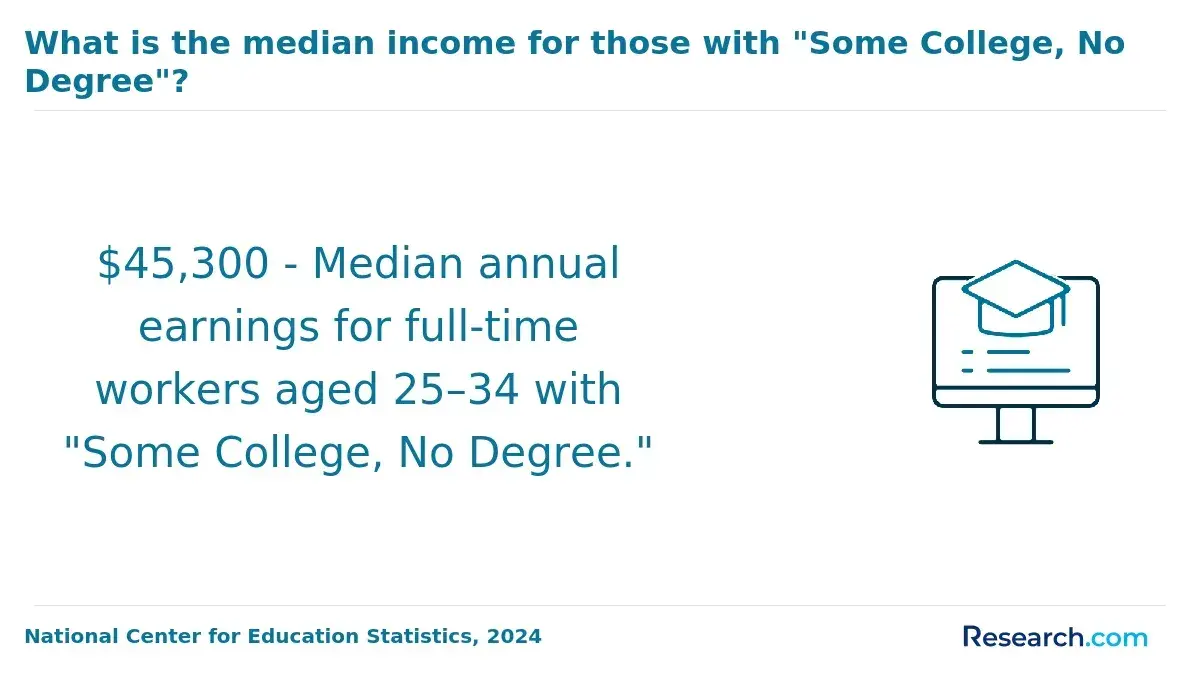
According to recent data from the National Center for Education Statistics, over 70% of healthcare administration programs with multiple specialization tracks and graduate-level options are concentrated in large public or private universities with dedicated health or business schools. This concentration reflects the critical role that institutional size, funding, and academic complexity play in enabling a broad and adaptive healthcare administration curriculum portfolio.
How Do Online Programs Improve Access in States With Limited Options?
In states where in-person healthcare administration degree programs are sparse or nonexistent, online formats play a crucial role in broadening educational access. These programs reduce traditional geographic limitations by allowing students to enroll without relocating, an important factor in rural or less populated regions where local universities rarely offer specialized healthcare administration tracks. According to a 2024 report from the National Center for Education Statistics, over 40% of students pursuing healthcare administration degrees have opted for online study, reflecting a clear demand for flexible, remote access amid constrained local options.
The expansion of access through online delivery hinges on several operational factors. Asynchronous course structures enable students to engage with content on their own schedules, accommodating varied work and family commitments that might otherwise impede enrollment. Additionally, institutions leverage cross-state enrollment permissions to widen their reach beyond traditional geographic boundaries, effectively scaling program availability without the overhead of physical campus expansion. This reduces dependence on local colleges and allows students from underserved states to tap into nationally accredited programs, creating more equitable educational opportunities across regions.
Beyond individual access, online healthcare administration programs influence regional workforce development by heightening degree completion rates in areas lacking on-campus offerings-data from the Lumina Foundation notes a 25% increase in completions under such conditions. This dynamic not only promotes student mobility but also intensifies competition among institutions vying for out-of-state learners, potentially driving improvements in curriculum relevance and delivery. Consequently, digital program delivery serves as both a practical solution to geographic disparities and a catalyst for systemic shifts in higher education distribution and healthcare workforce preparedness.
A graduate recalled initially hesitating to apply because the rolling admissions timeline caused uncertainty about acceptance, compounded by limited local options that offered no clear fallback. After weighing the risk of waiting, the student submitted their online program application just before the deadline, relying on the flexibility of asynchronous learning to continue working full-time during the admission review period. The relief upon acceptance came alongside a strategic realization: online access was not only about convenience but also an essential enabler for navigating timing challenges and access constraints inherent in their state's educational landscape.
How Much Does Healthcare Administration Program Tuition Vary by State?
Tuition for healthcare administration degree programs varies widely across U.S. states, driven primarily by differences in public funding levels, the balance of public and private institutions, and residency-based pricing policies. States with large public university systems often subsidize education for in-state residents, resulting in significantly lower tuition compared to out-of-state students or those attending private schools. Public universities rely on state appropriations to offset costs, causing fluctuations in tuition rates that reflect each state's fiscal priorities and higher education funding formulas. This structure means tuition differences are not arbitrary but rather a reflection of how states allocate resources, define educational access, and manage cost-sharing between taxpayers and students for healthcare administration programs.
Current data from sources such as the National Center for Education Statistics and state university publications show that in states like Florida and Texas, in-state tuition for healthcare administration undergraduate programs generally falls between $5,000 and $10,000 annually, making them more affordable for resident students. Conversely, private institutions and out-of-state tuition rates can exceed $30,000 per year, especially in northeastern states like New York and Massachusetts, where private universities predominate and regional cost-of-living is higher. This tuition disparity underscores the effects of differing institutional funding models and regional expenses on healthcare administration degree tuition by state comparison, shaping the financial realities prospective students must navigate when selecting programs.
These variations in tuition influence student mobility and decision-making, as affordability and potential return on investment must be seen in tandem with local labor market conditions and program availability. In states where lower tuition coincides with limited healthcare hiring or fewer program options, students may face trade-offs affecting long-term career outcomes. Alternatively, expansive healthcare sectors in states like California or New York can justify higher tuition through stronger employment prospects. Diverse program offerings - including bachelor's, master's, and certificate paths, as well as flexible online or hybrid formats - further complicate cost assessments and highlight the need to evaluate healthcare administration program selection through multiple practical lenses, including those detailed in evaluations of the best kinesiology programs.
How Does Healthcare Administration Program Demand Affect Admissions Decisions?
Rising demand for healthcare administration programs frequently compels admissions committees to adopt more selective criteria, reflecting pressures to regulate enrollment within fixed capacity limits. Programs experiencing surges in applicant volume often respond by tightening admission standards, including raising minimum GPA requirements or prioritizing applicants with specialized healthcare experience. This selectivity is not solely a function of applicant quantity but also reflects institutions' efforts to balance class sizes with available faculty, clinical placements, and resources, ensuring educational quality is maintained despite growing interest. Consequently, applicants face increasingly competitive environments where mere eligibility is insufficient without demonstrable alignment to program priorities.
Underlying this increased selectivity are practical constraints such as limited faculty bandwidth, strict accreditation mandates, and the need to align cohort sizes with labor market demand trends for healthcare administration professionals. Institutions must weigh not only the volume but the composition of their applicant pools, emphasizing candidates with credentials or leadership potential that match evolving employer expectations. These capacity and resource realities shape enrollment management strategies that often privilege depth of qualification over breadth, effectively filtering for students most likely to thrive within specific regional healthcare ecosystems. The interplay between program demand and workforce alignment also means that admissions decisions indirectly reflect broader labor market fluctuations, further complicating access patterns.
Higher demand thus shapes not just who gains entry but also how applicants prepare and position themselves, intensifying importance on relevant certifications, internships, and professional recommendations. While a high-demand environment can enhance a program's reputation and perceived rigor, it may simultaneously constrain accessibility, disproportionately affecting candidates with less exposure or opportunity to meet increasingly specialized criteria. This dynamic underscores a tradeoff between competitive selection and equitable access, influencing both applicant behavior and institutional priorities over time.
A graduate recalled navigating a rolling admissions cycle where late application submissions coincided with a sudden spike in applicant numbers. The uncertainty of delayed decisions forced a strategic recalibration: they expedited gathering supporting documents and sought targeted recommendations once it became clear that the program's selectivity was intensifying mid-cycle. This experience highlighted how rising demand can create unpredictable timelines and necessitate proactive engagement, turning admissions from a static formality into an adaptive process responsive to fluctuating demand pressures.
How Do Healthcare Administration Specialization Options Vary by Region?
Healthcare administration specialization offerings reflect the economic priorities and healthcare industry composition within specific regions. Areas with established medical centers and diverse healthcare ecosystems, such as California and New York, tend to provide a broader range of specialized tracks including healthcare informatics, policy, and population health management. In contrast, regions with predominantly rural populations prioritize leadership training tailored to critical access hospitals and rural health networks. This alignment demonstrates how local healthcare market demands directly influence curriculum design and specialization availability, ensuring that programs address the operational realities graduates will face in their immediate work environments.
Key factors driving regional variation include the concentration of healthcare technology firms, demographic trends, and institutional partnerships with local providers. For example, states investing heavily in health IT and data analytics, like Massachusetts and Washington, focus on cultivating quantitative and technical skillsets within their programs to meet employer expectations for innovation and precision management. Meanwhile, regions with large aging populations, such as Florida and Arizona, emphasize gerontology and long-term care administration to address growing needs in senior care services. According to the 2024 National Center for Education Statistics, approximately 65% of programs in the Northeast and West offer multiple specialization options, compared to less than half in the Midwest and South, underscoring the uneven distribution tied to regional labor market complexity and employer skill requirements.
These disparities in specialization availability have practical consequences for students considering geographic mobility and alignment with local employment ecosystems. Selecting a program without relevant local specializations can limit access to targeted internships and reduce competitiveness for region-specific roles. Employers often seek candidates whose expertise aligns closely with prevailing healthcare challenges in their area, making regional specialization an important factor in career trajectory and adaptability. Understanding these regional dynamics aids prospective students and researchers in evaluating which programs best integrate with labor market demands and academic strengths characteristic of different parts of the country.
How Does Regional Employer Demand Affect Career Outcomes?
Regional employer demand for healthcare administration jobs significantly shapes employment prospects and early career trajectories for graduates. Areas with dense healthcare infrastructure tend to offer a more abundant job market with varied entry points, whereas regions with fewer hospitals and clinics may limit immediate opportunities. This dynamic influences where graduates initially find employment and the range of roles available, directly affecting salary scales and specialization options. Prospective students and job seekers should therefore weigh local labor market conditions as a critical factor in planning their education and early work experience.
The impact of state healthcare administration education on career outcomes is closely tied to the presence of concentrated healthcare clusters and robust employer partnerships with universities. States like California, Texas, and New York demonstrate higher median wages and stronger wage competition driven by the demand of large health systems and specialized providers. Programs embedded in these ecosystems often benefit from established internship pipelines and employer networks that facilitate smoother transitions into the workforce. Conversely, graduates outside these hubs may face less diversified roles and slower advancement due to limited local hiring ecosystems.
Long-term career pathways increasingly depend on geographic mobility as well as regional hiring trends shaped by economic conditions and expanding telehealth services. While remote work options in healthcare administration are growing, in-person networks and regional workforce supply-demand alignment remain dominant influences on career progression. Some students consider accelerated options such as one year nurse practitioner programs to gain practical credentials that align with market needs in competitive regions, demonstrating how education choices intersect with geography to affect career outcomes over time.
What Factors Matter Most When Comparing Healthcare Administration Programs Across States?
Comparing healthcare administration programs across states requires careful attention to factors beyond simple availability. State-level variation affects educational access, tuition costs, specialization options, and workplace opportunities, all of which shape long-term career trajectories. Prospective students and researchers should weigh these determinants to identify the programs offering the best blend of academic rigor, affordability, and regional relevance. The availability of diverse programs also directly interacts with local labor markets, influencing where students can expect to find meaningful post-graduate outcomes.
- Program Accreditation and Quality: Accreditation standards, particularly by the Commission on Accreditation of Healthcare Management Education (CAHME), remain critical for ensuring program rigor and employer recognition across states. Programs with CAHME accreditation often lead to higher graduate employability and better alignment with industry expectations, which should heavily factor into comparisons.
- Experiential Learning Opportunities: States vary widely in their capacity to offer internships, residencies, and practicum placements due to differences in healthcare provider density. Hands-on experience embedded in a program greatly enhances job placement rates and can justify higher tuition by directly linking students to employer networks.
- Program Flexibility and Delivery Formats: The rise in online and hybrid healthcare administration degree options has expanded access for working adults or those balancing personal obligations. A 30% increase in online enrollments since 2023 highlights the growing demand for adaptable learning, but state regulatory differences still influence availability and format quality.
- Regional Labor Market Demand: States like California, Texas, and Florida, with large healthcare infrastructures, offer more abundant job openings and higher starting salaries, making local program choice a strategic factor. Labor market conditions directly affect return on investment, especially in graduate employment rates and alumni networks.
- Tuition and Financial Considerations: State residency status and public versus private institution prevalence impact tuition costs substantially. Students should assess total cost against expected outcomes, mindful that higher prices do not always correlate with better career prospects regionally.
These factors illustrate why students investigating healthcare administration program availability by state must consider multidimensional criteria rather than relying solely on program count or reputation. For detailed insights on related graduate school pathways and acceptance rates, references such as SLP graduate programs provide examples of how competitive entry varies across states with institutional differences in infrastructure and employer ties.
Which Regions May See the Fastest Growth in Healthcare Administration Education?
Growth in healthcare administration education is closely tied to regions where employer demand, demographic shifts, and higher education investments intersect. Such expansion reflects the practical need to prepare administrators capable of managing increasingly complex health systems amid population changes and economic development. Future program growth is therefore concentrated where workforce shortages, institutional capacity, and healthcare infrastructure investments align to support education provision and specialized offerings.
References:
- What drives health spending in the U.S. compared to other countries? - Peterson-KFF Health System Tracker https://www.healthsystemtracker.org/brief/what-drives-health-spending-in-the-u-s-compared-to-other-countries/
- Paths for a Health Care Administration degree (2023) https://www.regis.edu/news/2023/discern-learn/03/career-options-with-bachelors-in-healthcare-administration
- Comparison of Single-Payer and Non Single-Payer Health Care Systems A Study of Health Administration Efficiency https://www.scirp.org/journal/paperinformation
- Master’s in Healthcare Administration (MHA) Programs https://nursinglicensemap.com/resources/healthcare-degree-programs/masters-in-healthcare-administration/
- What Can You Do With a Bachelor’s Degree in Healthcare Administration? - Colorado State University Global https://csuglobal.edu/blog/what-can-you-do-bachelors-degree-healthcare-administration
- 2025 Most Affordable Healthcare Administration Degrees Online https://www.onlineu.com/most-affordable-colleges/healthcare-administration-degrees
- Health Care Administration Jobs: A Growing Career Path in High Demand https://www.columbiasouthern.edu/blog/blog-articles/2025/october/health-care-administration-jobs/
- Health Administration Programs State Directory https://www.healthadministrationdegrees.com/programs-by-state/
- What Are Some Common Health Care Management Career Options in the South? - Healthcare Management Degree Guide https://www.healthcare-management-degree.net/faq/what-are-some-common-health-care-management-career-options-in-the-south/
- Top 25 MPH and Health Administration Programs - MPH Online https://www.mphonline.org/best-mph-health-administration-degrees/
Other Things You Should Know About Healthcare Administration
Programs in states with abundant options often differ significantly in delivery format, credit requirements, and specialization tracks. This diversity can be an advantage but also a complexity: some may favor accelerated progression or integrate extensive fieldwork, while others lean toward theoretical foundations. Students need to match program structures with their career timelines and learning preferences to avoid mismatch in workload intensity or skill relevance.
A crowded academic market can dilute alumni networks and strain internship placements because many graduates compete locally. Conversely, it can encourage cross-institutional collaboration and diverse peer connections if managed well. Prospective students should consider whether a particular school fosters strong, exclusive employer partnerships or suffers from over-saturation, as this directly affects job placement and early-career advancement.
Yes, often focusing on programs with targeted specializations can be more beneficial despite fewer options overall. Highly specialized programs frequently align closely with niche industry needs, providing deeper expertise and potentially stronger employer demand in those areas. Students aiming for specific roles-like health informatics or policy-should weigh specialization depth over broad generalist availability to enhance employability and long-term professional growth.