2027 Healthcare Administration Degree Concentration Trends: Which Specializations Are Growing the Fastest

Co-Founder and Chief Data Scientist
Maria, a mid-career professional, faces a difficult choice between specializing in health informatics or healthcare policy within her healthcare administration degree. Both paths promise relevance, but the U.S. Bureau of Labor Statistics projects a 17% growth in health informatics roles through 2032—significantly faster than healthcare policy positions.
This discrepancy reveals shifting priorities toward data-driven decision-making and digital systems in healthcare operations. Choosing an ill-fitting concentration risks limited employability or stagnating career advancement, especially as hospitals and insurers prioritize tech-savvy administrators.
This article analyzes healthcare administration degree concentration trends to highlight which specializations show the fastest growth and best match evolving industry demands.
Key Things to Know About Healthcare Administration Degree Concentration Trends and Fast-Growing Specializations
- Specializations in health informatics are expanding rapidly, reflecting a shift toward data-driven decision-making; however, this often demands advanced technical training, potentially extending time and cost to degree completion.
- Employers increasingly favor candidates with expertise in population health management, signaling a move toward preventive care models; this trend enhances employability but requires adaptability to evolving public health policies and regulations.
- The surge in telehealth administration programs illustrates growing workforce needs post-pandemic, yet students must weigh accelerated program availability against the risk of uneven curriculum depth impacting long-term career versatility.
- Key Things to Know About Healthcare Administration Degree Concentration Trends and Fast-Growing Specializations Key Things
- What Are the Most Popular Healthcare Administration Degree Concentrations Today? Popular Degree Concentrations
- Which Healthcare Administration Degree Specializations Are Growing the Fastest? Fastest Growing Specializations
- Why Are Certain Healthcare Administration Degree Concentrations Experiencing Rapid Growth? Reasons for Rapid Growth
- Which Industries Are Driving Demand for Fast-Growing Healthcare Administration Degree Specializations? Industries Driving Demand
- What Are the Highest-Paying Healthcare Administration Degree Concentrations? Highest-Paying Concentrations
- How Are Technology and Innovation Influencing Healthcare Administration Degree Specialization Trends? Tech and Innovation Impact
- What Career Opportunities Are Available in Fast-Growing Healthcare Administration Degree Concentrations? Career Paths in Growth Areas
- Which Online Healthcare Administration Degree Concentrations Are Seeing the Most Growth? Concentrations Growth
- What Is the Future Outlook for Emerging Healthcare Administration Degree Specializations? Future Outlook
- How Can You Choose the Right Healthcare Administration Degree Concentration Based on Your Career Goals? Choosing Your Degree Concentration
What Are the Most Popular Healthcare Administration Degree Concentrations Today?
The current surge in popularity among healthcare administration degree concentrations reflects how the field is rapidly adapting to technological advances, shifting care models, and regulatory complexity. Health informatics has emerged as a dominant track due to the growing reliance on data analytics and artificial intelligence to improve patient outcomes while controlling costs. Enrollment in this specialization has increased by over 15% in the last two years, signaling strong employer demand for professionals who can bridge information technology with traditional healthcare operations. This trend highlights a practical tradeoff for students: specializing in health informatics offers immediate alignment with digitally driven workflows but may require continual technical updating as tools evolve.
Population health management's rise mirrors broader shifts toward value-based care and preventive strategies that address social determinants of health. Employers, from rural clinics to urban hospitals, increasingly value graduates skilled in coordinating across diverse patient populations to meet complex regulatory and reimbursement standards. As noted in the American Hospital Association's workforce data, this specialization positions students to contribute to community health improvements—an essential factor that draws prospective students seeking both impact and job security. Choosing this path often involves embracing interdisciplinary complexity, as population health demands fluency in clinical, social, and policy domains simultaneously.
Healthcare policy and compliance remains a slower-growing yet vital concentration, buoyed by expanding healthcare coverage and intensifying legal oversight. Given labor market projections for faster-than-average job growth in this area, many students prioritize this track to prepare for leadership roles overseeing risk and ethics in healthcare organizations. Those making their concentration choice should weigh the long-term stability and governance expertise this field offers against the more rapid innovation-driven growth found in informatics.
Prospective students should carefully research how these state-of-the-art specializations align with their career goals and consider the practical demands of each concentration, including broader program options that intersect with other fields such as PharmD online programs.
Which Healthcare Administration Degree Specializations Are Growing the Fastest?
The most notable surges in healthcare administration degree specializations reflect an intensified focus on data management and regulatory complexity within healthcare systems. Growth in health informatics and healthcare data analytics is propelled by expanded electronic health record (EHR) usage and telehealth uptake, creating roles that demand advanced technical fluency and analytical skills. The U.S. Bureau of Labor Statistics projects over 15% employment growth through 2032 for health information management fields, underscoring how essential data-driven decision-making has become for cost containment and quality improvements.
However, students must weigh the rapid pace of technological change in informatics against the need for continuous learning to maintain relevance, unlike areas tied more closely to policy or finance, where regulatory shifts can alter job stability in unpredictable ways.
Population health management and healthcare policy specializations are also expanding due to demographic shifts and pandemic-era awareness of social determinants of health impacting care delivery. Employers increasingly seek professionals who can navigate evolving compliance challenges and design inclusive programs for diverse populations.
At the same time, healthcare finance and revenue cycle management remain crucial, reflecting ongoing complexity in insurance and reimbursement structures, but the appeal lies in roles that balance financial expertise with healthcare-specific regulations. This evolving landscape requires students to scrutinize curriculum breadth and adaptability, as well as labor market signals, to avoid overinvesting in fleeting fads versus enduring industry needs.
A graduate candidate weighed options between the growing informatics track and a more traditional policy concentration, recognizing each offered divergent skill sets and career paths. Conversations with faculty highlighted how informatics demanded technical certifications and commitment to ongoing education, while policy roles hinged heavily on legislative environment familiarity and networking.
Researching enrollment trends and employer demand reports sparked hesitation about whether the reported rapid growth in informatics truly translated to job market resilience or was partly a short-term response to recent technological adoption. Ultimately, the student's decision leaned on a nuanced assessment of long-term sustainability, personal aptitude for continuous skill development, and the practical value of curriculum offerings rather than headline growth statistics alone.
Why Are Certain Healthcare Administration Degree Concentrations Experiencing Rapid Growth?
The accelerating demand for healthcare administration degree concentrations focused on health informatics and compliance primarily reflects the sector's intensifying reliance on digital data management and regulatory complexity. As organizations adopt electronic health records and shift toward value-based care, employers increasingly seek candidates who combine administrative acumen with technical fluency in data analytics. This creates a practical necessity for programs emphasizing health informatics, yet such specialization requires students to balance technical skill development against broader managerial competencies, which can limit flexibility in traditional leadership roles.
Simultaneously, evolving regulatory frameworks, including updates to HIPAA and reimbursement policies, drive growth in compliance and risk management concentrations. Institutions report sustained growth in job postings requiring these skills, underscoring the operational priority to mitigate legal exposure and ensure accreditation continuity. However, the high specialization in regulatory knowledge can narrow career pathways, making it essential for students to evaluate how these focused skills align with their longer-term professional goals, especially given workforce shortages fueling demand for versatile leaders in healthcare organizations.
Enrollment trends also indicate rising interest in subfields like population health and quality improvement, reflecting broader systemic shifts toward holistic, outcomes-driven care. Yet the rapid expansion of these specializations does not guarantee suitability for all candidates; pragmatic career planning must consider how emerging curricula match evolving employer expectations and sector dynamics.
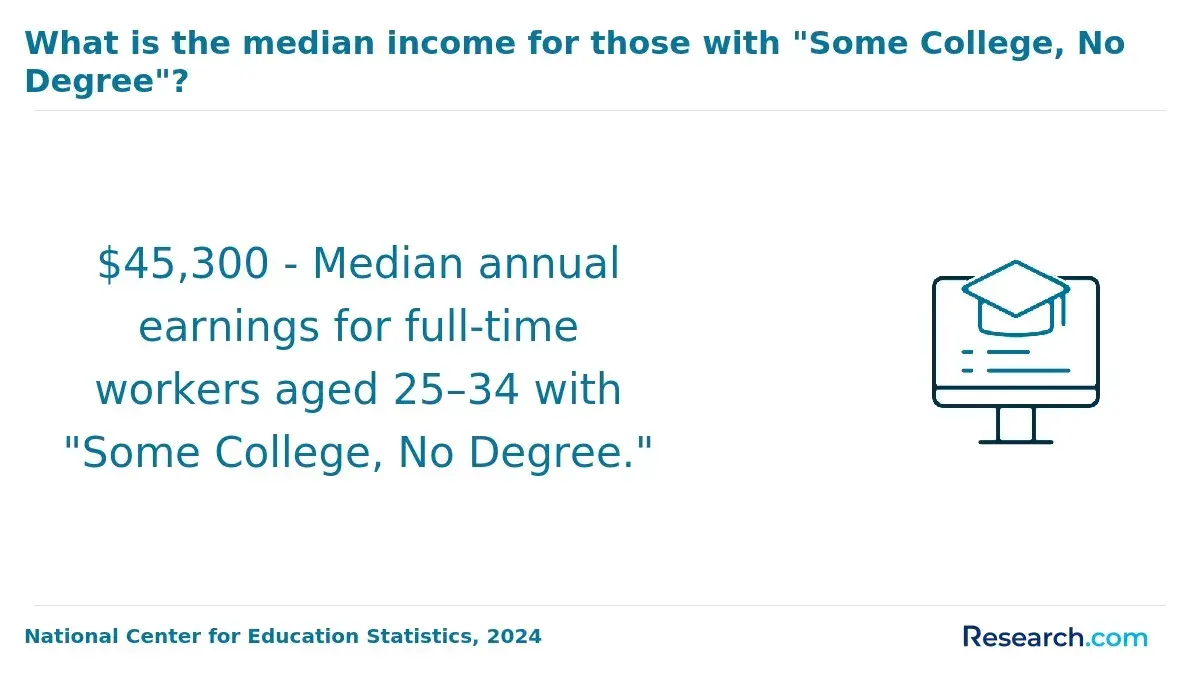
According to the National Center for Education Statistics in 2024, healthcare administration students specializing in these areas grew by 12%, signaling both opportunity and increased competition for graduates equipped with a blend of leadership, regulatory, and technological expertise.
Which Industries Are Driving Demand for Fast-Growing Healthcare Administration Degree Specializations?
Industry demand, rather than academic popularity alone, is the primary force shaping the fastest-growing healthcare administration degree specializations by industry demand. The ambulatory care sector stands out as a key driver, fueled by patient preferences for cost-efficient, convenient outpatient services. This shift compels employers to seek administrators proficient in managing outpatient workflows, billing compliance, and optimizing patient throughput.
Additionally, the surge in digital health adoption—particularly telemedicine and electronic health records—has prompted a significant employer preference for graduates skilled in health informatics and data analytics, aligning with U.S. Bureau of Labor Statistics projections that health IT management roles will expand nearly 15% through 2032, outpacing general healthcare administration opportunities.
Long-term care and senior services also contribute notably to specialization growth due to demographic aging and enhanced Medicare and Medicaid programs. Employers in this space demand expertise in regulatory compliance, reimbursement policy navigation, and quality assurance, reflecting the complex policy environment influencing employment prospects. Besides, pharmaceutical and biotech sectors, with their intensive regulatory requirements and clinical trial administration complexities, create additional niches within healthcare administration emphasizing regulatory affairs and cross-sector coordination.
Students weighing specializations should consider how regional labor market differences and ongoing technology advancements may affect employability and skill relevance, acknowledging that flexibility and continuous professional development are crucial when choosing a concentration. For those exploring advanced options in related healthcare fields, resources on nursing PhD programs can provide comparative insights into specialized graduate education pathways.
What Are the Highest-Paying Healthcare Administration Degree Concentrations?
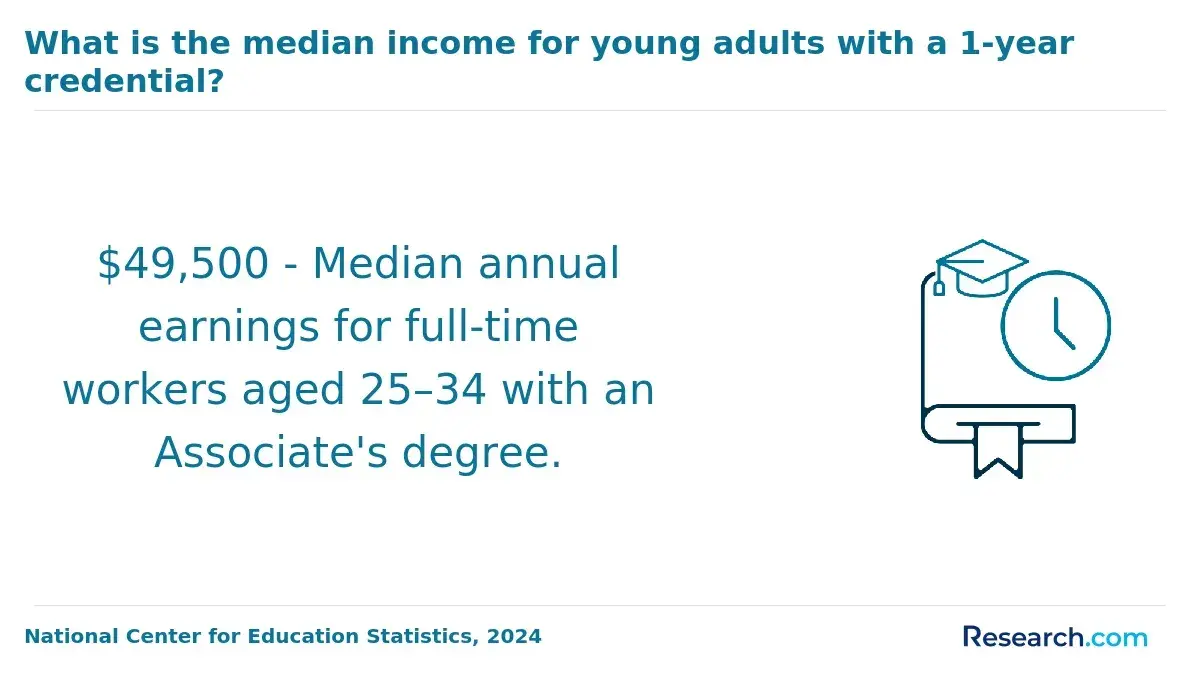
Healthcare administration concentrations tied to finance, health informatics, and senior leadership roles generally yield the highest earning potential due to the specialized expertise and decision-making responsibilities they demand. A 2024 Bureau of Labor Statistics report identifies healthcare executives as top earners, underscoring the premium placed on individuals who navigate regulatory complexity and drive organizational efficiency at scale.
Finance-focused specialists stand out because their budgeting and reimbursement skills directly affect institutional profitability amid tightening margins, while health informatics professionals benefit from surging demand driven by investments in digital health infrastructure and compliance with electronic records mandates.
Leadership tracks often lead to roles requiring broad organizational oversight, risk management, and strategic adaptability, which justify salary premiums given the escalating challenges healthcare systems face, including workforce disruptions and evolving policies. However, pursuing these concentrations involves a tradeoff between mastering technical expertise and developing management breadth. Recognition of these dynamics, alongside a 2024 HIMSS analysis highlighting rapid growth in informatics-related roles, should encourage prospective students to weigh how their background, interests, and career goals align with these high-value but distinct pathways.
A graduate recalling their specialization choice described balancing three concentrations by examining alumni employment data and industry demand signals. Conversations with faculty revealed that while healthcare finance provided clear financial upside, health informatics resonated more with their technical skills and curiosity about data-driven care improvements. Leadership-focused programs promised longer-term advancement but came with uncertainty about role fit and stress levels. This careful evaluation reflected a nuanced decision process recognizing that the highest-paying concentration isn't automatically the best match when considering personal strengths and evolving workforce needs.
How Are Technology and Innovation Influencing Healthcare Administration Degree Specialization Trends?
The intersection of technology and healthcare administration technology trends is refocusing degree specializations toward digital proficiency and data-driven management. Specializations in healthcare informatics, data analytics, and digital health systems have experienced significant enrollment growth, reflecting employer demands for administrators skilled in AI-driven workflows and predictive modeling.
For example, a Healthcare Information and Management Systems Society (HIMSS) survey highlighted that over 70% of healthcare organizations prioritize candidates with digital literacy, emphasizing the sector's pivot to technology-enhanced decision-making and operational efficiency.
University programs are adapting by incorporating technical skills such as cybersecurity, telehealth management, and health information technology into their healthcare administration curricula. This evolution responds to real-world challenges around remote patient monitoring, secure data handling, and complex tech ecosystems but also raises tradeoffs for students.
Specializations rooted in emerging technologies require ongoing upskilling and a readiness to navigate shifting regulatory frameworks, which may complicate timely degree completion for those balancing professional and personal responsibilities. Prospective students should weigh these factors carefully, considering their technical aptitude and career goals when selecting among fast-growing concentrations in healthcare administration.
These dynamics underscore the practical tensions in healthcare administration degree concentration trends between traditional business competencies and advanced technology skills. Long-term career prospects often depend on aligning educational choices with market demands and evolving employer expectations.
For adult learners and career changers, understanding the balance between technical depth and managerial breadth is critical to sustaining career mobility. Those seeking flexible educational pathways might explore online options, including related fields like an accelerated biology degree online, to complement their healthcare administration skillset.
What Career Opportunities Are Available in Fast-Growing Healthcare Administration Degree Concentrations?
Healthcare administration concentrations focusing on data management and quality oversight are increasingly critical as providers integrate complex information systems and respond to tighter regulatory demands. For instance, health informatics specialists bridging clinical operations and IT are in rising demand due to healthcare's rapid digital transformation, creating roles that require nuanced technical and clinical understanding—a combination not easily replicated by generalist administrators.
The U.S. Bureau of Labor Statistics projects a 23% growth in medical and health services management jobs through 2032, underscoring that expertise in electronic health records, cybersecurity, and value-based care analytics can significantly enhance employability and access to leadership tracks within hospitals, insurers, and technology providers.
Conversely, population health management represents a strategic specialization aligning with efforts to address social determinants and cost-containment through preventative interventions and coordinated care models. Graduates in this domain engage with interdisciplinary teams to translate data into actionable community health strategies, reflecting healthcare's shift toward outcomes-based reimbursement and accountable care frameworks.
However, this path demands aptitude in policy, collaborative problem-solving, and navigating often fragmented systems, which may limit immediate operational roles compared to informatics but positions professionals for influence in public health and policy arenas. Meanwhile, those focusing on healthcare quality and compliance confront evolving accreditation standards and public reporting pressures, placing them at the confluence of risk management and performance improvement, where regulatory acumen and continuous adaptation to changing frameworks are vital.
Choosing among these fast-growing specializations requires weighing not just current labor market demand but also long-term skill relevance and organizational context. Regional market variations and institution size affect which concentrations are most valued, with technologically advanced systems favoring informatics expertise, while community health programs emphasize population health skills.
Graduates should consider how each specialization shapes their professional identity and flexibility, as resulting career trajectories differ in scope—from technical management roles to policy-influenced leadership—necessitating ongoing education and cross-disciplinary capabilities to remain competitive in a dynamic healthcare landscape.
Which Online Healthcare Administration Degree Concentrations Are Seeing the Most Growth?
Rising demand for healthcare data management and digital system oversight is reshaping online healthcare administration degree concentrations, with health informatics leading growth due to systemic shifts toward electronic health records, telemedicine, and analytics-driven patient care.
The Healthcare Information and Management Systems Society projects a 15% job growth in health information management by 2028, reflecting not only technology adoption but also evolving employer expectations that favor candidates with hands-on informatics skills and the ability to adapt to complex health IT environments. However, while informatics specialization aligns with these trends, students should weigh the technical intensity and rapid innovation pace of this field against their aptitude and career flexibility.
Long-term care administration is expanding at an even faster clip—over 20% growth from 2022 to 2032—driven by demographic aging and the complexity of regulatory compliance, reimbursement, and quality control in elder care settings. This area demands administrators capable of navigating a multifaceted policy landscape and operational challenges, offering stable demand but requiring proficiency in compliance and financial acumen rather than purely technology-focused skills. Healthcare policy and regulatory affairs concentrations also reflect workforce shifts toward value-based care and health equity, emphasizing analytical and legal expertise that supports system-wide change but may entail narrower direct management roles.
Prospective students must consider that rapid growth in specialized concentrations does not guarantee universal suitability or long-term career durability. Program rigor, industry connections, and alignment with employer competencies differ widely among online offerings. Those aiming for sustainable employment will benefit from evaluating whether informatics, elder care, or policy concentrations match their professional strengths and the evolving operational realities healthcare organizations prioritize, as revealed by data from the U.S. Bureau of Labor Statistics and HIMSS.
What Is the Future Outlook for Emerging Healthcare Administration Degree Specializations?
The future trajectory of emerging healthcare administration degree specializations is heavily influenced by rapid technological integration and shifting regulatory environments. Employment for medical and health services managers is projected to grow 17% from 2022 to 2032, significantly outpacing average occupational growth, underscoring robust demand for specialized managerial competencies.
For instance, health informatics has surged due to the widespread adoption of electronic health records and telehealth platforms, requiring professionals who skillfully combine clinical insight with IT expertise. The Healthcare Information and Management Systems Society (HIMSS) notes increasing academic program development around this specialization since 2023, a clear signal of its expanding market relevance and lasting career implications for new graduates.
Career prospects for new healthcare administration concentrations also hinge on the balancing act between regulatory complexity and data-driven patient care imperatives. Population health management specialization is growing, propelled by preventive care priorities and value-based reimbursement models that demand proficiency in analytics and compliance navigation. However, areas like healthcare quality improvement face challenges from fluctuating policy landscapes that can limit geographic mobility and job certainty.
Employers increasingly seek candidates possessing interdisciplinary skills spanning business savvy, technology fluency, and policy awareness, with an emphasis on continuous education beyond the degree. For those assessing these emerging concentrations, it is critical to consider not only current labor market demands but also how well these specializations align with evolving reimbursement models and regulatory trends.
Informed decision-making about healthcare administration degree concentrations requires engagement with verified labor market data and realistic operational contexts. For practical career planning, prospective students should consider resources like how to become a sports analyst for parallel insights into niche fields where rapid industry shifts influence educational paths. Ultimately, choosing healthcare administration specializations anchored in credible market signals and supported by expanding academic offerings improves long-term employability and adaptability in a dynamic healthcare landscape.
How Can You Choose the Right Healthcare Administration Degree Concentration Based on Your Career Goals?
Choosing the right healthcare administration degree concentration requires assessing how specialization impacts long-term career flexibility and employer demand. For example, students targeting executive roles should consider concentrations in healthcare policy or strategic management, which align closely with leadership pipelines but may necessitate complementary experience beyond academic credentials.
Conversely, those interested in technical roles may find healthcare informatics or health data analytics offer expanding opportunities due to the growing reliance on electronic health records and big data, reflecting one of the fastest-growing segments in healthcare management according to the U.S. Bureau of Labor Statistics. Selecting a specialization that mismatches one's career goals can limit advancement or require costly retraining as regulatory and technological landscapes evolve.
Students evaluating healthcare administration degree concentration options for career advancement must weigh immediate employability against adaptability to future industry changes. Concentrations emphasizing project management or regulatory compliance are increasingly valued by employers for navigating complex health systems; however, these areas may not provide the same direct pathways to senior roles as finance or policy tracks.
Given these tradeoffs, those planning graduate education or niche roles in integrated care models should align specializations with long-term sector trends rather than short-term popular demand. Additionally, professionals interested in interdisciplinary roles may explore related fields such as substance abuse counseling, with resources available on an online substance abuse counseling degree, to enhance health outcomes outside traditional healthcare administration scopes.
References
- Most In-Demand Degrees in the Healthcare Sector and How AIHMS Prepares You for Them | AIHMS Blog https://aihms.in/blog/most-in-demand-degrees-in-the-healthcare-sector-and-how-aihms-prepares-you-for-them/
- Learn Why Healthcare Administration Is Such a Fast-Growing Career https://online.ewu.edu/degrees/business/mba/healthcare-administration/fastest-growing-career/
- Riding the Health Degree Market Wave https://encoura.org/resources/wake-up-call/riding-the-health-degree-market-wave
- Tech trends in healthcare: Better care or bigger risk? | Emerald Publishing https://www.emeraldgrouppublishing.com/tech-trends-healthcare-better-care-or-bigger-risk
- The Fastest Growing Jobs in Finance and Healthcare & How to Get Them | UMGC https://www.umgc.edu/blog/fastest-growing-jobs-finance-healthcare-and-how-to-get-them
- Health Administration Careers | HealthAdministrationDegrees.com https://www.healthadministrationdegrees.com/health-administration-careers/
- Healthcare Administration Degrees | PublicHealthOnline.org https://www.publichealthonline.org/healthcare-administration/degree-programs/
- What you need to become a Healthcare Administrator - Healthcare Administration Degree Programs https://www.healthcare-administration-degree.net/what-you-need-to-become-a-healthcare-administrator/
- Five Fast-Growing Careers in Healthcare Administration https://www.mhaonline.com/blog/top-growing-careers-health-administration
- Future Students https://www.aupha.org/resourcecenter/futurestudents
Other Things You Should Know About Healthcare Administration
In 2027, students should consider job market trends, personal interests, and potential salary when balancing between emerging and established specializations in healthcare administration. Emerging fields like health informatics may offer innovative roles, while established specialties like hospital management provide stability.
Clinical concentrations may deepen understanding of healthcare processes but often lead to roles that demand extensive background knowledge or certifications outside pure administration, potentially limiting non-clinical job opportunities. Conversely, technology or data-focused specializations increasingly align with healthcare's digital transformation, offering broader access to roles in analytics, operations, and innovation without requiring a clinical background. Students forced to choose should consider their prior experience and willingness to integrate cross-functional skills, as technology-driven concentrations typically offer greater flexibility and responsiveness to shifting employer needs.
Specializations focusing on data analytics, informatics, or regulatory compliance often involve intensive quantitative coursework and require familiarity with software systems and data management, which can substantially increase workload compared to traditional concentrations centered on organizational leadership or healthcare policy. Students lacking prior exposure to these technical areas should anticipate investing additional time outside standard class hours to achieve competency. Recognizing this upfront helps avoid burnout and ensures you select a program structure compatible with your current commitments and learning style.
Employers typically look for candidates whose specialization directly addresses sector challenges they face-for example, hospitals increasingly value expertise in population health management or digital health integration, while insurance firms may prioritize health economics or policy management. It's critical to research regional labor markets and industry trends because some specializations command strong demand only within particular healthcare subsectors. A strategic approach is to align your concentration with the specific employer profile or geographic area you aim to work in, thereby maximizing the relevance and applicability of your credentials post-graduation.