2027 Healthcare Administration Job Market Report: Open Roles, Salary Bands, and Hiring Momentum

Co-Founder and Chief Data Scientist
The healthcare administration job market reflects ongoing shifts driven by technological adoption and regulatory complexity reshaping organizational priorities. Increasing integration of electronic health records and data analytics demands new skill sets, influencing which roles employers prioritize and how they structure compensation. Concurrently, geographic concentration of healthcare facilities and evolving workforce demographics create uneven hiring momentum, with some specialties encountering acute talent constraints.
Open roles and salary bands thus serve as indicators of broader labor market realignments rather than static measures of opportunity. This report examines these patterns to clarify how employer expectations and sector transformations shape the evolving healthcare administration profession.
Key Things to Know About Healthcare Administration Job Market
- Open roles in healthcare administration have grown by 8% since 2023, signaling sustained demand but increased competition that requires strategic specialization to stand out.
- Salary bands remain broad due to varied employer expectations, highlighting the importance of targeted skills and practical experience to secure higher-than-average compensation.
- Hiring momentum favors candidates with relevant certifications; however, program costs and duration may delay entry, posing a timing tradeoff for those balancing career transition and finances.
- Key Things to Know About Healthcare Administration Job Market Key Things to Know About Healthcare Administration Job Market
- How Strong Is Demand for Healthcare Administration Graduates in Today's Job Market? Demand for Graduates
- Which Healthcare Administration Careers Have the Most Open Job Opportunities? In-Demand Careers
- What Salary Bands Are Employers Offering Across Healthcare Administration Careers? Offered Salary Bands
- Which Industries Are Hiring the Most Healthcare Administration Graduates? Top-Hiring Industries
- How Does Hiring Demand Vary by State, Region, and City? Hiring Demand by Location
- What Skills Are Employers Prioritizing in Healthcare Administration Job Postings? In-Demand Skills
- Which Certifications Increase Employability and Salary Potential? High-Value Certifications
- How Do Remote and Hybrid Opportunities Affect the Healthcare Administration Job Market? How Do Remote and Hybrid Opportunities Affect the Healthcare Administration Job Market?
- Which Healthcare Administration Careers Show the Strongest Long-Term Hiring Momentum? Strongest Careers
- How Can Students Use Job Market Data to Make Better Career Decisions? How Can Students Use Job Market Data to Make Better Career Decisions?
How Strong Is Demand for Healthcare Administration Graduates in Today's Job Market?
The demand for healthcare administration graduates in the United States continues to show robust momentum, supported by projections from the U.S. Bureau of Labor Statistics indicating employment growth of approximately 20% over the next decade for medical and health services managers. This rate outpaces the average occupational growth and reflects increased complexity in managing expansive healthcare systems, regulatory challenges, and the integration of technology-driven patient care solutions. Insights from LinkedIn Workforce Reports further illustrate a shift toward hybrid roles requiring data analytics, financial oversight, and regulatory expertise, which intensifies competition and raises employer expectations for graduates entering this evolving job market.
Key drivers fueling this demand include rapid expansion across healthcare providers and payers alongside the growing necessity for compliance navigation, digital transformation, and operational efficiency improvements. Professionals equipped to handle electronic health records, telemedicine coordination, and data-informed decision-making are increasingly sought after, highlighting a widening skills gap. Regional differences also shape hiring patterns, with metropolitan hubs offering more frequent opportunities amid larger applicant pools, while smaller or specialized markets may provide steadier but narrower openings. For prospective students assessing the easiest RN program to get into or healthcare administration degrees, understanding these demand components is critical to aligning education with practical, market-relevant skills.
Long-term stability for healthcare administration graduates depends on blending formal education with tangible experience in healthcare settings, including internships or roles that emphasize technology fluency and regulatory acumen. As healthcare systems continue to evolve, roles are likely to shift toward more specialized management functions, demanding continuous learning and adaptability from early-career professionals. Interpreting current labor market demand through this nuanced lens helps candidates make informed decisions about their educational and career trajectories, ensuring alignment with employer priorities and emerging workforce trends.
Which Healthcare Administration Careers Have the Most Open Job Opportunities?
Open job opportunities within healthcare administration careers are driven by a complex interplay of industry growth, persistent skills shortages, and shifting employer demands around compliance, technology, and operational efficiency. These factors do not affect all roles equally but instead concentrate hiring on positions central to managing evolving healthcare delivery models and regulatory environments. Understanding which roles have the most openings requires looking beyond title popularity to the underlying forces shaping demand across healthcare systems, outpatient facilities, and data management arenas. This dynamic labor market landscape means the distribution of jobs available reflects adaptation to digital transformation, care coordination needs, and geographic variations in healthcare infrastructure. The U.S. Bureau of Labor Statistics projects employment for medical and health services managers to expand 29% between 2022 and 2032, illustrating the scale of opportunity within high-demand healthcare administration job openings in the United States.
- Medical and Health Services Managers: Representing the largest cluster of openings, these professionals are vital for coordinating care delivery, managing compliance with increasingly complex regulations, and overseeing financial sustainability across diverse healthcare settings. Growth in this role is fueled by healthcare industry expansion and the need for leaders with adeptness in health policy, personnel management, and operational analytics.
- Hospital Administrators: Demand here reflects the intricate nature of hospital operations, which require administrators capable of navigating patient-centered care models and reform-driven reimbursement changes. Employers prioritize candidates with strong capabilities in regulatory adherence, budgeting, and cross-department coordination to maintain hospital system viability.
- Health Information Managers: Driven by the digital transformation wave, openings for health information managers have surged as healthcare providers seek expertise in managing electronic health records (EHR) and safeguarding patient data amid stricter privacy mandates. Proficiency in information systems, cybersecurity, and data governance is critical for these positions.
- Practice Managers: These roles, common in outpatient clinics and physician offices, reflect the decentralization of healthcare delivery. Employers seek managers who excel at streamlining clinic workflows, handling billing and insurance processes, and maintaining compliance within smaller, fast-paced environments.
- Compliance Officers specializing in Healthcare Regulations: Regulatory complexity and frequent updates to healthcare laws have elevated the importance of compliance officers. Their role includes interpreting policy, conducting audits, and ensuring facility-wide adherence, with many employers demanding backgrounds in legal frameworks and risk management.
- Administrative Coordinators (Entry-level): While offering lower salaries and requiring less experience, these roles maintain steady job availability due to ongoing support needs in scheduling, communication, and documentation, serving as a common entry point into healthcare administration careers with the potential for upward mobility.
Prospective professionals weighing how to position themselves for these roles should consider that employers increasingly value candidates with proven operational leadership and technical skills aligned with health information management trends. Earning credentials such as a masters in healthcare administration can enhance understanding of these evolving demands and help bridge gaps between clinical realities and administrative functions.
What Salary Bands Are Employers Offering Across Healthcare Administration Careers?
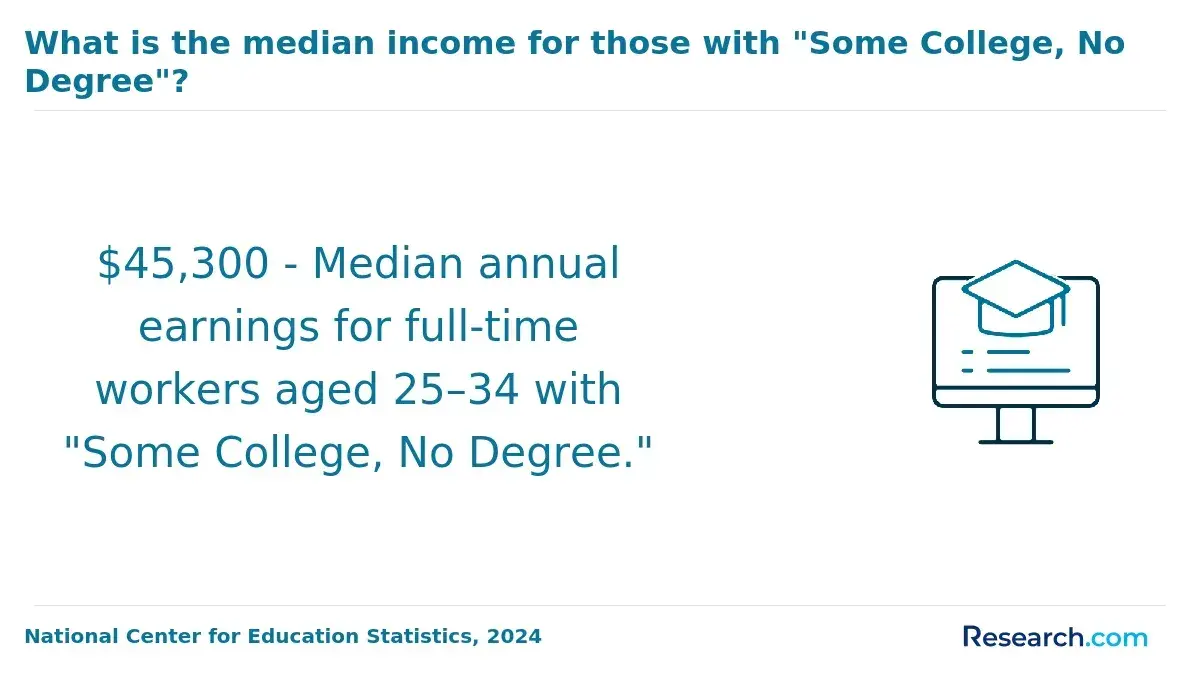
Salary ranges within healthcare administration reflect notable stratification aligned with role complexity and responsibility levels. Entry-level positions, such as administrative assistants or coordinators, typically offer between $40,000 and $55,000 annually, consistent with 2024 datasets from the U.S. Bureau of Labor Statistics and LinkedIn Salary Insights. Mid-level roles involving team supervision or project coordination generally move into the $65,000 to $90,000 range, reflecting greater operational oversight and specialized industry knowledge. Senior roles, including directors and chief administrative officers, command salaries from roughly $110,000 up to $180,000 or more, highlighting the premium placed on strategic leadership, fiscal management, and advanced expertise in navigating evolving healthcare regulations and cost pressures.
Variability within these salary bands arises from several intersecting factors: geographic location significantly influences pay due to regional cost-of-living differences and healthcare market saturation. Employers in urban centers or large health systems often offer higher compensation reflective of intensified competition for experienced talent and the specialized skill sets required. The degree of technical proficiency, demonstrated success in improving operational efficiencies, and possession of advanced certifications or graduate degrees further differentiate pay, as these qualifications directly enhance a professional's impact on organizational outcomes. Additionally, organizational type and size create wage disparities, with larger institutions typically capable of offering more attractive packages, underscoring how labor market dynamics and skill scarcity shape compensation trends across healthcare administration careers.
A healthcare administration graduate recalled feeling cautious during their program application process because of rolling admissions timelines that stretched over several months. They hesitated to commit to one program too early, as waiting allowed better preparation but also introduced uncertainty about acceptance chances and funding options. The delay became a balancing act between acting swiftly to secure a spot and strategically waiting for potentially stronger offers, an experience that vividly illustrated the practical complexities behind admission timing decisions beyond just academic qualifications.
Which Industries Are Hiring the Most Healthcare Administration Graduates?
Demand for healthcare administration graduates is concentrated in sectors experiencing significant structural changes, including digital integration, workforce shifts, and evolving regulatory requirements. These industries are not only expanding but also grappling with skill shortages in managing complex healthcare ecosystems. Hiring patterns reflect broader economic and technological transformations reshaping how healthcare services are coordinated, delivered, and financed.
- Hospitals: As the largest single employer of healthcare administration professionals, hospitals account for a substantial share of new job openings. The complexity of managing increasing patient volumes, ensuring regulatory compliance, and integrating electronic health records drives demand for administrators adept in operational efficiency and cross-disciplinary coordination.
- Outpatient Care Centers: Growth in outpatient services linked to value-based care has spurred a 12% rise in administrative hires. These settings prioritize graduates experienced in optimizing patient flow, managing ambulatory surgical workflows, and aligning administrative processes with cost-containment strategies.
- Health Insurance Providers: Administrative roles in insurers are expanding notably due to policy shifts and intensified focus on claims processing and risk management. Employers look for graduates skilled in policy compliance, data analytics, and navigating complex reimbursement environments.
- Government Health Agencies: Public health departments and related agencies are increasing recruitment to address community health needs and emergency preparedness. Administrative professionals with expertise in program management, compliance, and interagency coordination are particularly valued here.
- Long-Term Care Facilities: Growing demand driven by demographic trends necessitates administrators capable of overseeing regulatory compliance, workforce management, and quality assurance in settings such as assisted living and nursing homes.
How Does Hiring Demand Vary by State, Region, and City?
Hiring demand for healthcare administration careers varies significantly by state and region, reflecting the complex interplay of population demographics, economic health, and healthcare industry concentration. According to 2024 labor market data from the U.S. Bureau of Labor Statistics and regional workforce analytics, states with large urban centers and aging populations such as California, Texas, Florida, and New York consistently report more job openings due to their expansive healthcare systems and diverse communities requiring sophisticated administrative support. Regional disparities also emerge across the U.S., with the Northeastern and Pacific regions exhibiting above-average salary bands and higher job volumes, driven by dense healthcare networks, research institutions, and insurance sectors. The Southeastern states show rising employment opportunities fueled by population growth and healthcare expansion, whereas more rural Midwestern and Mountain West states may offer fewer positions but often compensate with competitive salaries, reflecting the need to attract administrative talent willing to work in less populated or economically varied markets. These patterns illustrate how how healthcare administration job demand differs by state is closely tied not just to population but to localized economic structures and employer density in the healthcare ecosystem.
At the city level, demand shifts further based on local industry clustering and infrastructure capabilities. Major metropolitan areas such as Chicago, Boston, Los Angeles, and Houston typically generate robust hiring ecosystems supported by large hospital networks, consultancies, and public health agencies, which increases competition for roles yet often provides higher salary potential and career advancement routes. Smaller cities with prominent medical centers-for example, Rochester, MN, home of the Mayo Clinic-offer targeted but specialized opportunities that require versatile administrative skills adapted to more streamlined organizational environments. Cost of living and talent pipeline development also affect hiring intensity, as cities with strong educational institutions and healthcare hubs attract employers seeking administrators with both leadership and operational expertise. For job seekers evaluating regional healthcare administration employment trends and opportunities, understanding these localized workforce dynamics reveals critical tradeoffs between competitive urban markets and less saturated but potentially resource-limited smaller cities. Leveraging opportunities such as online MSN PMHNP programs can complement administrative career paths by enhancing specialized skill sets appreciated in certain regional markets.
What Skills Are Employers Prioritizing in Healthcare Administration Job Postings?
Employers' skill priorities in healthcare administration jobs are shifting alongside rapid technological innovation, increased automation, and the integration of interdisciplinary functions. The capabilities expected now reflect more than traditional management expertise, emphasizing fluency in digital tools, regulatory navigation, and complex operational coordination. This evolving demand illustrates how healthcare systems balance efficiency, compliance, and patient-centric service delivery, reshaping what candidates must bring to the table.
- Proficiency with Electronic Health Records (EHR) and Health IT Systems: As healthcare entities intensify digitization efforts, mastery of EHR platforms and health information technologies has become indispensable. This skill ensures administrators can support data-driven decision-making and streamline workflows, directly impacting operational accuracy and regulatory compliance.
- Leadership and Communication: Effective management of diverse, multidisciplinary teams remains critical, particularly given the complex coordination required across clinical, financial, and regulatory domains. Strong interpersonal skills facilitate collaboration and help navigate organizational change, boosting administrators' influence and career resilience.
- Project Management and Strategic Planning: The complexity of healthcare operations demands administrators who can design and execute initiatives that improve efficiency while ensuring compliance. As healthcare environments constantly adapt to policy shifts, employers emphasize these skills to identify leaders capable of steering projects from concept to sustained impact.
- Financial Management Including Budgeting and Billing Knowledge: Understanding revenue cycle mechanics and budgeting is crucial for sustaining healthcare operations under tight financial constraints. Candidates who can balance fiscal responsibility with service quality typically see enhanced employability and advancement potential amid cost pressures and reimbursement complexities.
- Critical Thinking and Adaptability: The healthcare industry's fluid landscape-with evolving regulations and emergent patient care models-places a premium on problem-solving aptitude and flexibility. Administrators who anticipate and respond effectively to change increase organizational resilience and their own long-term relevance.
A 2024 survey by the Healthcare Financial Management Association showed that nearly three-quarters of healthcare administration job postings flagged project management and strategic planning as key competencies, underscoring employers' focus on agility and operational leadership. Understanding these skill priorities helps candidates align their development with shifting industry requirements rather than static credential checklists, enhancing both employability and functional impact in a demanding labor market.
Which Certifications Increase Employability and Salary Potential?
Certifications in healthcare administration function as critical markers of specialized expertise, technical skill, and industry readiness, often complementing formal education to improve competitive positioning in hiring processes. Employers increasingly interpret these credentials as tangible proof of a candidate's ability to navigate complex healthcare regulations, lead operational initiatives, and adapt to technological advances. As healthcare systems face growing demands for digital literacy and data management capabilities, such certifications can differentiate candidates by signaling alignment with evolving workforce needs.
- Fellow of the American College of Healthcare Executives (FACHE): Recognized widely for validating leadership and strategic management capabilities, FACHE certification commands premium salary boosts, with data showing holders earn roughly 15% more annually than non-certified peers. Its focus on ongoing professional development also aligns with employer priorities for sustained competency in a rapidly shifting regulatory environment.
- Certified Professional in Healthcare Management (CPHM): This credential targets professionals demonstrating operational expertise integrated with healthcare-specific management skills. Employers value CPHM holders for their readiness to support organizational efficiency and compliance initiatives, contributing to faster career progression and increased hiring probability, especially within the first five years of practice.
- Certified Medical Manager (CMM): With emphasis on practice management and operational leadership, the CMM certification addresses notable skill gaps related to day-to-day administration and team coordination. Holding this certification often correlates with accelerated promotions and complements providers' needs for reliable oversight of administrative workflows.
- Certified Healthcare Access Associate (CHAA): While typically linked to entry-level roles with a focus on compliance and billing, CHAA remains a strategic credential to validate foundational industry knowledge. Although its impact on salary uplift is modest, it can be an essential stepping stone for candidates aiming to enter healthcare administration and prove immediate value in administrative support functions.
A graduate reflecting on their healthcare administration journey noted significant uncertainty during the admissions and certification planning stages. While pursuing a recognized credential that promised a competitive edge, delays in program acceptance and a rolling admissions timeline created pressure to decide swiftly but without comprehensive preparation. The graduate experienced hesitation about whether to commit early or wait for clearer guidance on certification alignment with their career focus. Ultimately, the decision to actively pursue the FACHE credential soon after employment was informed by employer feedback underscoring its effect on salary and long-term job security, highlighting the interplay between timing, credential strategy, and market realities in shaping career trajectories.
How Do Remote and Hybrid Opportunities Affect the Healthcare Administration Job Market?
Remote and hybrid work models are reshaping hiring patterns in healthcare administration, with 2024 labor market data showing an increasing number of employers expanding geographic recruiting boundaries to access a broader talent pool. Organizations now prioritize candidates skilled in digital communication tools and remote workflow management, integrating these capabilities as baseline job requirements rather than perks. This shift is driving a significant evolution in the demand for healthcare administration remote work trends, prompting candidates to demonstrate higher self-discipline and adaptability. Labor market analytics reveal that hybrid roles are becoming a strategic compromise, blending necessary on-site collaboration with flexible schedules to maintain operational effectiveness in complex healthcare settings.
The broader implications of hybrid opportunities include notable salary normalization across regions, as employers align compensation more closely with local market rates rather than traditional urban salary benchmarks. This geographic wage compression presents both challenges and advantages, potentially limiting pay for candidates relocating from high-cost areas while improving access to roles in lower-cost regions. Competition intensifies as remote options broaden candidate pools, pushing employers to refine expectations around effective remote collaboration and technical proficiency. These trends foresee a labor market increasingly reliant on virtual team environments, shifting healthcare administration roles towards skills development in telehealth administration and digital coordination. For those exploring healthcare administration careers, understanding these dynamics is crucial, including practical guidance on pathways such as how to become a medical examiner assistant, which reflects evolving workforce needs and educational focus within remote and hybrid job opportunities in healthcare administration.
Which Healthcare Administration Careers Show the Strongest Long-Term Hiring Momentum?
Long-term hiring momentum in healthcare administration careers reflects deep, structural shifts in healthcare delivery and organizational complexity rather than short-term labor market fluctuations. This momentum is sustained by ongoing demographic changes, evolving regulatory landscapes, and advancements in healthcare technology that drive persistent demand across healthcare systems. Understanding which roles have stable growth allows job seekers and early-career professionals to align their credentials and skills strategically with market realities. These trends are supported by the U.S. Bureau of Labor Statistics projections, which estimate an 18% employment growth for medical and health services managers from 2022 to 2032.
- Medical and Health Services Managers: These professionals remain vital for navigating the shift to value-based care models and overseeing increasingly complex clinical operations. Their role in integrating technology and coordinating multidisciplinary teams anchors their demand despite healthcare system changes.
- Healthcare Compliance Officers: Regulatory compliance grows more complex with evolving federal and state policies. Compliance officers with expertise in risk management and regulatory adherence help healthcare organizations avoid costly penalties and reputation damage, ensuring a consistent need for these roles.
- Health Information Managers: The digital transformation toward electronic health records and data security mandates highly skilled administrators who can manage sensitive information systems. This role's growth ties directly to technological advancements and rising cybersecurity concerns.
- Practice Administrators: Managing outpatient and specialty clinics requires operational agility amid evolving patient care models and reimbursement structures. Their sustained demand reflects ongoing expansion in ambulatory care settings and efficiency optimization.
While salary levels in healthcare administration vary regionally and with experience, competitive wages correspond to their organizational impact and responsibility scope. Employers prefer candidates blending healthcare knowledge with business acumen and proficiency in health information technology. For example, early-career professionals benefit from credentials such as Certified Professional in Healthcare Quality (CPHQ) or health informatics certifications to differentiate themselves in a competitive job market.
Prospective students should be aware that practical program outcomes and workforce relevancy are crucial when selecting educational pathways. For those exploring healthcare roles, particularly related to communication skills within healthcare settings, comparing programs such as speech-language pathology graduate programs by state can offer insight into regional training options complementary to healthcare administration careers.
How Can Students Use Job Market Data to Make Better Career Decisions?
Students aiming for careers in healthcare administration should utilize current job market data from sources like labor reports, hiring platforms, and salary databases dated 2024 or later to evaluate sector demand, compensation ranges, and growth trajectories. These data sources reveal which specializations-such as compliance, operational management, or data analytics-are expanding and offer better financial prospects. Regional variance in hiring activity helps identify geographic areas with stronger demand, while employer requirements highlight essential skills and certifications critical for competitive positioning. By situating career choices within this empirical framework, students gain clarity on where education investments can yield tangible employability outcomes rather than relying on outdated perceptions or incomplete information.
When applying market data to decision-making, students must weigh short-term trends against long-term stability, considering factors like geographic flexibility and alignment with their skill sets and interests. Overemphasis on transient hiring spikes may lead to oversaturation or obsolescence, so coupling labor statistics with personal career goals ensures sustainable pathways. Interpreting the nuances of wage bands, sector-specific needs, and regulatory shifts enables a strategic balance between immediate job accessibility and future growth potential, fostering career resilience amid evolving healthcare landscapes.
References
- How to Become a Healthcare Administrator https://www.publichealthdegrees.org/careers/healthcare-administrator/
- Current Trends in the Healthcare Job Market https://checkrare.com/current-trends-in-the-healthcare-job-market/
- Future Skills Centre • Centre des Compétences futures https://fsc-ccf.ca/projects/hybrid-work-models/
- Top 10 Best Certifications for Healthcare Administrators in 2026 https://clinxacademy.com/blog/best-certifications-for-healthcare-administrators
- Advanced Certificate in Health Administration https://www.nymc.edu/shsp/programs/mph-generalist/health-administration-certificate/
- Healthcare Administration Careers: High-Demand and Purposeful https://amberton.edu/2025/09/26/healthcare-admin-jobs-are-booming-heres-how-to-get-in-without-med-school/
- The Path to Healthcare Administration: Follow These Steps to Score Your Dream Job https://www.park.edu/blog/the-path-to-healthcare-administration-follow-these-steps-to-score-your-dream-job/
- Healthcare Administration Jobs https://healthcareadministrationjobs.net/
- Healthcare Administration Online Certification Training https://medcerts.com/programs/healthcare/healthcare-administration-professional-online-training
- How is the Job Outlook for Careers in Healthcare Management? - Healthcare Management Degree Guide https://www.healthcare-management-degree.net/faq/how-is-the-job-outlook-for-careers-in-healthcare-management/
Other Things You Should Know About Healthcare Administration
In healthcare administration, positions offering quicker placement often come with entry-level salaries on the lower end of the spectrum, reflecting limited responsibilities or roles within smaller organizations. Candidates must assess whether immediate employment boosts experience and networking enough to justify initial lower pay, or if waiting for higher-paying roles-typically requiring more specialized skills or advanced credentials-is more strategic. Prioritizing early-career momentum can be valuable, but it should align with a clear plan for skill development to avoid stagnation in low-growth positions.
Roles with broad salary bands frequently indicate variability in employer expectations or inconsistent role definitions. This ambiguity can lead to uneven workload distribution and challenges in setting clear performance goals. Candidates should seek clarification on how their role will be evaluated and what is realistically expected to achieve top-tier compensation. Accepting such roles without this clarity risks burnout or undercompensation despite high effort, making upfront negotiation and understanding of evaluation metrics essential.
While some regions show strong hiring momentum, others face stagnation or decline in open roles. Candidates with geographic flexibility gain distinct advantages, allowing them to access markets with robust demand and potentially higher salary offerings. Conversely, those tied to particular locations may face tougher competition and slower advancement. Pragmatically, early-career professionals should weigh mobility options seriously if maximizing job availability and upward mobility are priorities.
General healthcare administration roles typically offer broader hiring momentum but face more intense competition, while specialized niches may have fewer openings but greater stability and salary upside. Candidates need to consider their skill development readiness and long-term career goals: specialize early if aiming for roles less prone to market fluctuations, or pursue generalist roles to gain versatile experience quickly. Prioritizing specialization is recommended for those who can invest in targeted expertise, as it often leads to more defined career trajectories and resilience to hiring slowdowns.