2027 Best Value Online Christian Leadership Master's Degrees: Affordable Accredited Programs with the Highest ROI

Co-Founder and Chief Data Scientist
Choosing the right online Christian Leadership master's program requires balancing cost, credibility, and career impact-especially for adult learners managing work and family. As demand for flexible online education grows, with the National Center for Education Statistics reporting a 7% enrollment increase in distance learning in 2024, understanding which programs combine affordability with recognized accreditation becomes critical.
This data signals a broader shift toward accessible graduate education but also raises questions about program quality and long-term value. Prospective students must weigh tradeoffs between price and ROI to ensure their investment supports meaningful career advancement in leadership roles within faith-based communities and organizations.
Key Things to Know About the Best Value Online Christian Leadership Master's Degrees
- Affordable online christian leadership master's programs often trade accelerated completion for lower tuition, requiring students to balance extended time commitments against reduced short-term financial strain.
- Regional accreditation remains crucial as many employers prioritize candidates from accredited programs, impacting graduate employability in faith-based nonprofit and ministry management roles.
- According to the National Center for Education Statistics, adult online enrollment increased 12% in 2025, highlighting growing accessibility that aids working professionals in timing their studies around career demands.
What Are the Best Value Online Christian Leadership Master's Programs in the U.S.?
Best value in online Christian Leadership master's programs goes beyond headline tuition figures to encompass accreditation credibility, reasonable graduation rates, and measurable salary improvement for graduates. For working professionals and first-generation graduate students in particular, these combined factors determine how well a program justifies its investment over time.
For example, a candidate balancing full-time employment with study will likely prioritize asynchronous formats paired with solid institutional accreditation to ensure both flexibility and recognized credentials, ultimately affecting employability in ministry or nonprofit leadership roles. Selecting a program purely on price can compromise access to employer-respected degrees, while focusing solely on reputation may impose financial burdens that delay return on investment.
The following curated list of five accredited U.S. universities offering fully online Christian Leadership master's degrees is organized by tuition cost, allowing learners to weigh affordability against format preferences and curricular focus without institutional ranking bias.
- Grand Canyon University: Estimated total tuition around $17,000; fully asynchronous delivery; emphasizes practical ministry leadership skills adaptable to diverse church settings.
- Liberty University: Estimated total tuition about $23,000; asynchronous format; integrates evangelical Christian worldview with leadership theory in both nonprofit and faith-based contexts.
- Azusa Pacific University: Tuition approximately $33,000; primarily asynchronous with some synchronous components; known for strong emphasis on servant leadership and spiritual formation.
- Seattle Pacific University: Estimated total tuition near $36,000; hybrid asynchronous with scheduled synchronous sessions; offers a leadership curriculum specifically designed for urban ministry and nonprofit sectors.
- Regent University: Tuition roughly $39,000; fully asynchronous delivery; distinctive for its strategic leadership model focused on global missions and church growth.
The data used to evaluate these best value online Christian Leadership master's programs in the United States rely on transparent, verifiable sources such as IPEDS alongside institution-reported figures. These measures help prospective students, including career changers and underrepresented groups, make informed decisions grounded in long-term career impact rather than short-term considerations.
Easiest online college degree options may appeal to some, but for Christian Leadership degrees the blend of academic rigor, format flexibility, and post-graduation outcomes remains the foremost priority.
What Accreditations Should an Online Christian Leadership Master's Program Have?
Choosing an online christian leadership master's program without confirming its accreditation can lead to costly setbacks such as limited credit transfer, lack of employer recognition, and ineligibility for federal financial aid. For example, a working professional investing time and money into a nationally accredited but regionally unaccredited program may find their degree undervalued by employers and cannot access most financial aid options.
Online christian leadership programs must meet a two-tier accreditation framework. First, regional institutional accreditation from one of the seven recognized regional accreditors-such as the Higher Learning Commission (HLC), Southern Association of Colleges and Schools Commission on Colleges (SACSCOC), or Middle States Commission on Higher Education (MSCHE)-is indispensable.
This type of accreditation guarantees adherence to rigorous academic standards, enabling credit transferability across institutions and meeting employer expectations for legitimacy. It also qualifies students for federal financial aid, a critical factor in managing education costs. Second, specialized programmatic accreditation is particularly valuable where christian leadership overlaps with specific disciplines, like business, counseling, or ministry leadership.
For example, business-focused leadership tracks may pursue AACSB accreditation, counseling components might require CACREP recognition, and public health elements should consider CEPH standards. This layered approach signals program quality and relevance, aligning academic rigor with industry needs.
Beware of programs relying solely on national accreditation or unrecognized accrediting bodies, as these often lack standards that employers respect and can adversely affect career mobility. Similarly, programs without any formal accreditation present substantial risks for students seeking credible credentials in competitive job markets.
Accreditation checklist for prospective students:
- Regional Accreditation: Is the institution accredited by a recognized regional body ensuring federal aid eligibility and credit recognition?
- Programmatic Accreditation: Does the program hold specialized accreditation relevant to christian leadership or its primary academic domain?
- Verification: Are accreditation statuses current, public, and easily confirmable through official sources?
- Admissions Transparency: Can the admissions representative provide clear, verifiable documentation or direct you to the accrediting agencies?
How Much Does an Online Christian Leadership Master's Degree Cost on Average?
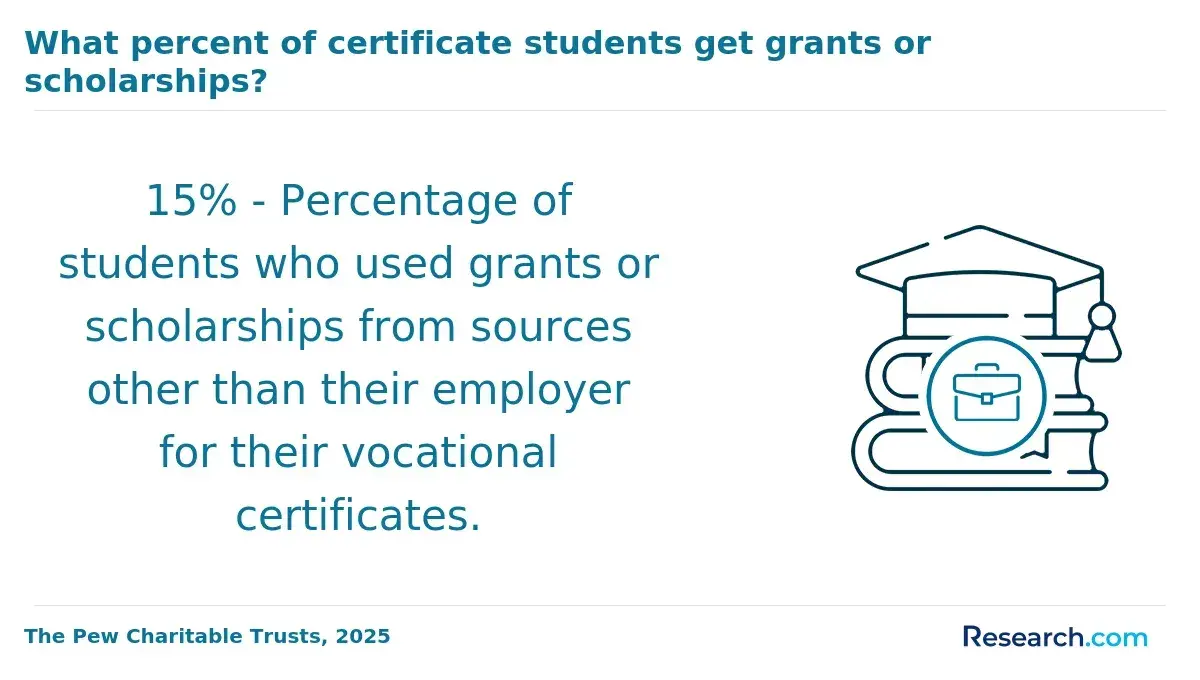
The average cost of an online Christian Leadership master's degree in the United States typically ranges from a moderate per-credit tuition at public institutions to higher rates at private nonprofits, which can translate to total program costs varying significantly depending on the provider. Many working professionals encounter unexpected expenses beyond base tuition, which affect the overall affordability and real-world ROI of these programs.
- Tuition Range: Public universities often charge lower per-credit rates for in-state students, though a growing number of online Christian Leadership programs apply flat fees irrespective of residency, blurring cost distinctions between in-state and out-of-state learners. Private nonprofit institutions generally present higher per-credit prices, reflecting differing financial models and operational costs.
- Mandatory Fees: Technology fees, administration charges, and course material costs can add thousands to the total cost, frequently overlooked in initial budgeting.
- Capstone or Thesis Fees: Additional charges may be incurred for project supervision, submission, or defense, representing hidden costs not always transparent during enrollment decisions.
- Proctoring and Exam Costs: Maintaining academic integrity often involves online proctored exams with separate fees per test or semester, which can strain a tight budget.
- Residency Requirements: While many accredited online Christian Leadership master's programs are fully virtual, some necessitate short-term residencies, requiring travel and lodging expenses that further impact affordability.
- Public University Average: Lower per-credit tuition rates primarily for in-state students, with some programs offering uniform pricing that benefits out-of-state candidates.
- Private/Nonprofit Average: Increased tuition costs but often balanced by scholarships or payment plans aimed at working adults managing career changes or additional commitments.
Prospective students balancing cost against program outcomes should consider the fuller spectrum of expenses beyond advertised tuition figures. For a comparative starting point, see online colleges that provide accreditation and recognized standards. Understanding these financial dynamics is essential for those seeking affordable accredited online Christian Leadership master's programs US.
What Is the Return on Investment (ROI) of an Online Christian Leadership Master's Degree?
Evaluating the return on investment (ROI) of an online Christian Leadership master's degree requires balancing the potential salary increase against the total program cost. In graduate education, ROI is commonly calculated by subtracting the program expenses from the post-degree salary uplift, dividing that figure by the expenses, and expressing it as a percentage or as a payback period in years. For many, this metric reveals how quickly the degree's financial benefits outweigh its upfront cost.
Typical roles for graduates-such as ministry directors or nonprofit leaders-show median salaries rising from around $45,000 before earning the degree to about $65,000 after, depending on geography and position. Given that program costs often range between $15,000 and $40,000, payback can occur in as little as one to three years, though this varies with individual circumstances.
- Work Experience: Candidates with substantial leadership or ministry backgrounds generally realize faster salary growth due to enhanced qualifications accelerating advancement.
- Institution Prestige: Degrees from well-regarded, accredited schools can provide access to higher-paying roles and broader professional networks.
- Regional Demand: Areas with robust faith-based and nonprofit sectors tend to offer better salaries, improving ROI.
- Specializations: Focus areas like organizational leadership or counseling may affect earning potential and thus financial outcomes.
- Non-Monetary ROI: Gains include eligibility for promotions, shifts into leadership roles, and increased job stability, which are important beyond direct salary increases.
A graduate recalled hesitating before submitting a late application amid rolling admissions, unsure if a last-minute decision would jeopardize financial aid opportunities. Preparation of transcripts and references took longer than expected, causing stress about timing.
Ultimately, admission was granted just before deadlines, validating the risk but also highlighting how tight timelines and administrative delays can complicate a strategic ROI calculation for prospective students balancing work, family, and educational commitments.
What Are the Admission Requirements for an Online Christian Leadership Master's Program?
Admission criteria for online Christian Leadership master's programs serve as critical filters balancing academic aptitude and professional promise. A common entry benchmark is a minimum undergraduate GPA near 3.0 on a 4.0 scale, though programs often weigh this flexibly, valuing relevant leadership experience or compensatory factors when GPAs dip below standard thresholds.
Letters of recommendation, typically two or three, emphasize personal and professional qualities beyond grades, often coming from supervisors or academic mentors who can validate leadership potential and work ethic. This qualitative input informs admissions committees about applicants' fit beyond numeric indicators.
Applicants must submit a statement of purpose or personal essay that articulates motivations for pursuing Christian Leadership specifically and demonstrates alignment with the program's mission, reflecting critical thinking and clarity in career trajectory. A current professional resume or CV is standard, spotlighting leadership roles and relevant experience that contextualize academic credentials within real-world practice.
While some graduate programs still require GRE or GMAT scores, many Christian Leadership programs increasingly adopt test-optional or test-free policies, acknowledging the limited predictive value of standardized exams for professionals seeking practical leadership competencies. Though not typically STEM-focused, some programs may mandate foundational coursework in theology or leadership principles to ensure preparedness.
Candidates improve admission prospects by applying across a spectrum of programs-reach, match, and safety-to navigate the diverse and sometimes opaque standards characterizing online Christian Leadership master's admissions.
What Is the Minimum GPA Requirement for a Christian Leadership Master's Program?
Meeting the minimum GPA requirement for an online Christian leadership master's program is a critical but often misunderstood factor in graduate admissions. While a GPA threshold establishes baseline academic expectations, the real challenge lies in interpreting how those numbers translate into admission chances and subsequent career outcomes, especially for first-generation graduate students or those shifting careers.
For example, a candidate with a 2.8 GPA may qualify under minimum standards but face stiff competition if the average admitted GPA is closer to 3.4, making strategic application decisions essential.
- Typical Range: Most accredited online Christian Leadership master's programs require a minimum undergraduate GPA between 2.75 and 3.0. However, more competitive institutions typically expect a GPA of 3.2 or higher, reflecting the academic profile needed to thrive in rigorous leadership curricula.
- Minimum vs. Competitive GPA: The minimum GPA is the floor for eligibility, while the competitive GPA represents the median or average of admitted cohorts. Many programs publish both figures, providing transparency that guides prospective students in realistically assessing their admission prospects.
- GPA Waivers and Alternatives: Some programs offer waivers allowing applicants to substitute a lower GPA with demonstrated professional experience, portfolio achievements, or standardized test scores. This flexibility caters to diverse backgrounds and nontraditional students balancing work and study.
- Conditional Admission: Applicants with GPAs below stated thresholds may still receive provisional admission subject to academic mentoring or additional coursework to enhance their readiness for graduate-level demands.
- Holistic Review: Admissions committees also evaluate letters of recommendation, personal statements, leadership experience, and interviews, recognizing GPA as one dimension among many indicators of potential. For those exploring practical entry points, comparing these factors alongside minimum GPA requirements is essential.
Prospective students should research accreditation rigor and affordability alongside these GPA standards. For instance, those aiming for a paralegal certificate online might find options with different admission flexibility and workforce relevance than Christian Leadership programs. Such comparisons inform cost-benefit analyses critical to long-term career ROI.
What Financial Aid Options Are Available for Online Christian Leadership Master's Students?
Funding an online christian leadership master's requires navigating several distinct aid pathways, each with tradeoffs affecting debt levels and long-term financial outcomes. Federal loans remain a primary resource, yet understanding their limitations is critical: graduate borrowers typically access Direct Unsubsidized and Graduate PLUS Loans, which carry higher interest rates and originate after a FAFSA evaluation that calculates a Student Aid Index rather than an Expected Family Contribution.
Notably, federal grants like Pell Grants are not available for graduate study, a reality that often surprises first-generation students expecting undergraduate aid structures.
- Federal Loans: Accessible through FAFSA, these cover tuition with flexible repayment but can increase overall debt given higher interest compared to undergraduate loans.
- Institutional Scholarships and Fellowships: Schools frequently offer merit- or need-based awards specific to christian leadership fields; early and tailored applications-sometimes requiring additional materials-improve success chances.
- Employer Tuition Reimbursement: For working professionals, pursuing employer-funded tuition assistance demands careful coordination, including enrollment proof and maintaining grade requirements, yet can significantly reduce out-of-pocket costs.
- Graduate Assistantships: Some programs, even online, provide teaching or research roles supplying tuition relief or stipends, though availability is more limited than in traditional settings.
- External Scholarships: Professional and faith-based organizations offer targeted awards for christian leadership students, often predicated on demographic or vocational criteria, requiring focused research to uncover.
Maximizing aid entails applying well before deadlines, negotiating aid offers especially if multiple acceptances arise, and exploring state-level grants accessible to online learners. Combining several aid sources and discipline-specific scholarships can substantially mitigate financial burden, allowing students to maintain focus on academic and career goals.
One graduate recalled delaying her application due to uncertainty about financial aid deadlines amid rolling admissions, illustrating the challenge of synchronizing admission timing with funding decisions. She found that proactive outreach to financial aid offices clarified institutional scholarship timelines and caused her to submit supplemental documents early, ultimately securing a fellowship that transformed her debt expectations.
This experience highlights that strategic preparation and timely communication can be as crucial as eligibility in optimizing funding outcomes for online christian leadership students.
How Long Does It Take to Complete an Online Christian Leadership Master's Degree?
Completion timelines for online christian leadership master's degrees vary significantly, affecting how working professionals and first-generation graduate students plan their education and career trajectories. Full-time enrollment typically leads to finishing in 18 months to 2 years, but since most online students enroll part-time, many take between 2.5 and 4 years, which has implications for workforce reintegration and financial planning.
For those balancing jobs and family, this extended duration can delay advancement or salary gains, especially in sectors where credential currency matters.
- Typical Duration: Full-time completion usually ranges from 18 months to 2 years, while part-time students, who represent the majority, often extend to 2.5-4 years.
- Credit Requirements: Programs generally require 30 to 45 credit hours, with more credits correlating to longer completion times.
- Course Load: Heavier semester course loads shorten total time but can strain working students, impacting academic performance and personal commitments.
- Transfer Credits: Acceptance of prior graduate coursework varies, but leveraging transfer credits can reduce time and cost.
- Scheduling Format: Cohort-based models follow fixed timelines that may extend duration versus self-paced formats requiring strong self-motivation and time management.
- Accelerated Options: Some programs offer 12-month completion tracks; however, prospective students should weigh accreditation and employer recognition more heavily than speed.
- Research Requirements: Thesis or capstone projects may add one to two semesters depending on student progress and faculty availability.
Data from emerging enrollment analyses indicate that part-time online learners' average program durations are lengthening due to economic pressures, reinforcing the need for candidates to consider how program length intersects with ongoing career obligations. For those exploring the best value online Christian Leadership master's programs duration, this timeline clarity is vital for realistic goal setting and ROI evaluation.
Candidates considering compressed paths should compare to options like the 1-year DBA program online, where accelerated completion exists but often at different cost or intensity tradeoffs. Decision-makers are advised to balance time-to-completion with program credibility and long-term employability rather than prioritize speed alone.
What Specializations or Concentrations Are Available in Online Christian Leadership Master's Programs?
The choice of specialization within online Christian leadership master's degree programs is a critical factor influencing graduates' employability and salary potential. Employers often seek candidates with targeted expertise that matches specific ministry needs or nonprofit organizational roles, making the selection of an appropriate concentration indispensable.
For example, a graduate aiming to work in a cross-cultural missions organization will find a degree emphasizing Global Missions Leadership significantly more marketable than a general leadership track. Conversely, someone entering church administration might prioritize operational competence through a Church Administration concentration. Such decisions have direct consequences on career trajectory and practical value in the labor market.
Common specializations offered in accredited Christian leadership concentrations in the United States include:
- Nonprofit Leadership: Focuses on managing faith-based and community organizations effectively.
- Pastoral Care and Counseling: Prepares students for counseling roles within church and faith communities.
- Organizational Leadership: Emphasizes strategic management skills for diverse ministry or nonprofit settings.
- Global Missions Leadership: Centers on cross-cultural ministry and international service coordination.
- Youth and Family Ministry: Equips leaders to engage and mentor younger demographics.
- Spiritual Formation and Discipleship: Focuses on guiding personal and congregational spiritual growth.
- Church Administration: Covers operational aspects like budgeting, staffing, and facility management.
- Ethics and Social Justice: Addresses moral decision-making and advocacy within faith contexts.
Some programs offer a general track with flexible electives, but others require declaring a concentration at admission to ensure deeper immersion and refinement of skills. Prospective students should research job postings within their target sectors to identify which specializations recur in employer requirements, helping align educational choices with workforce expectations.
Not all concentrations carry equal market weight, so consulting alumni experiences and program advisors before committing can prevent investing in specializations that might not yield strong career returns.
- Accrediting Bodies: Institutional oversight usually stems from regional accreditors and faith-based agencies such as the Association of Theological Schools (ATS) or the Council for Christian Colleges & Universities (CCCU).
- Program Outcomes: Programs tend to prioritize practicability, leadership readiness, and alignment with real workforce needs.
- Career Relevance: Selecting a specialization should consider both current job market demands and long-term salary trajectories.
Applicants weighing their options may also benefit from data on program cost versus career earnings; for a grounded comparison, see estimates on MS in digital marketing degree cost tuition fees which illustrate tradeoffs relevant across fields. Strategic awareness of accreditation status, program outcomes, and concentration-specific market reception is essential when navigating online Christian leadership master's degree specializations.
How Do Online Christian Leadership Master's Programs Compare to On-Campus Programs in Quality and Recognition?
Employer perceptions of online versus on-campus Christian leadership master's degrees have shifted significantly, largely due to regional accreditation serving as the principal credibility benchmark. Data from recent SHRM surveys shows most hiring managers regard accredited degrees equivalently, provided diplomas do not explicitly state "online." This means that candidates from regionally accredited institutions face minimal bias solely due to earning their degree online.
However, on-campus programs often retain advantages in direct access to networking-allied faculty, peers, and recruiters-as well as opportunities for in-person practicum or hands-on leadership experiences, which can be pivotal in applied fields. Online programs increasingly address these gaps through virtual networking platforms, employer partnership initiatives that facilitate job placement, and hybrid residency weekends, although the depth of these experiences may vary.
For example, a mid-career professional seeking strong local industry connections might weigh the superior on-campus network against the flexibility of online study. Ultimately, how employers weigh degrees depends more on the institution's reputation and documented graduate outcomes than delivery mode alone. Prospective students should examine alumni employment data and LinkedIn profiles to gauge real-world impacts on salary and career trajectory before committing tens of thousands of dollars.
- Accreditation: Regional accreditation ensures degrees carry equal weight in hiring decisions regardless of online or on-campus delivery, as long as diplomas omit "online."
- Employer Perceptions: SHRM research confirms minimal bias exists when accredited credentials are comparable across modalities.
- Networking: On-campus programs often provide more direct recruiting and peer connections; online formats compensate with virtual engagement tools and employer collaborations.
- Practicum Access: Hands-on leadership experiences favor on-campus formats but may be supplemented by hybrid residencies and employer partnerships online.
- Institution Reputation: The school's prestige and alumni success influence employer decisions more than delivery mode.
- Graduate Outcomes: Reviewing employment profiles reveals true ROI and salary variations, which can differ substantially by specialization.
What Graduates Say About the Best Value Online Christian Leadership Master's Degrees
- Conrad: "Balancing a full-time job and family responsibilities left me very little time or money for further education, so I needed an affordable program with a flexible schedule. Choosing this online Christian Leadership master's was a practical decision-I appreciated how it allowed me to work remotely and complete coursework at my own pace. While I didn't land a managerial role immediately, I gained valuable skills that helped me secure a leadership internship, which strengthened my portfolio and positioned me better for promotion within my current organization."
- Walker: "After switching careers, I faced the challenge of competing against candidates with traditional seminary backgrounds and licensure that I didn't have. The affordability and strong ROI of my Christian Leadership master's influenced my choice, but I realized quickly that employers often prioritized practical experience and internships over credentials alone. The program's focus on real-world application helped me build a portfolio that opened doors to remote leadership roles, though salary growth has been slower due to the lack of formal licensure."
- Joseph: "With a tight budget and a desire to finish quickly, I chose this program because it was both accredited and economical. The decision was strategic-I knew I needed credentials but also wanted to enter the workforce faster without accumulating excessive debt. Graduating gave me solid foundational leadership skills, but I found that advancing to senior positions required additional certifications or hands-on ministry experience. Still, the flexibility of the program allowed me to gain relevant internships while studying, which employers valued highly during hiring."
Other Things You Should Know About Christian Leadership Degrees
Most programs require applicants to have two to three years of relevant work experience. This is to ensure that students can apply theoretical knowledge to practical leadership situations. Check specific program details for variations in this requirement.
The 2027 Best Value Online Christian Leadership Master's Degrees typically do not require internships, focusing instead on coursework to cover practical and theoretical leadership skills. However, some programs may offer optional internships to enhance practical experience, depending on the institution's guidelines.
Graduates can pursue roles like church administrator, nonprofit executive, or pastoral leader, often finding positions in churches, faith-based organizations, or educational institutions. The program equips them with leadership and management skills tailored for Christian-focused environments, enhancing their professional impact.
The 2027 Best Value Online Christian Leadership Master's Degrees typically require a reliable internet connection and a computer or tablet for course access. Programs often use platforms like Canvas or Blackboard to deliver content. Students may need to use video conferencing tools, such as Zoom, for live discussions and presentations.
References
- Crowdfunded Christian College https://www.christianleadersinstitute.org/crowdfunded-christian-college/
- Logos' Christian Online Graduate Programs. Begin Today. https://logos.edu/academics/graduate-programs/
- The Most Affordable Accredited Online Christian Master's in Christian Ministry https://www.cityvision.edu/lp/online-christian-masters-christian-ministry-leadership/
- Is Grad School Worth It? A Comprehensive Return on Investment Analysis - FREOPP https://freopp.org/whitepapers/is-grad-school-worth-it-a-comprehensive-return-on-investment-analysis/
- Master of Arts in Christian Leadership: Take Your Next Steps https://calvinseminary.edu/program/master-arts-christian-leadership/
- What is a Master of Christian Leadership? — The John Leland Center https://www.leland.edu/news/what-is-a-master-of-christian-leadership
- MA in Christian Leadership https://globalcu.edu/ma-in-christian-leadership/
- Master of Arts in Christian Leadership (MACL) | Houston Christian University https://hc.edu/online-learning/degrees/macl-christian-leadership/
- What is the Real ROI of a Master’s or PhD in Management? https://olympia-education.com/article/what-is-the-real-roi-of-a-masters-or-phd-in-management
- Top 60 Christian Scholarships to Apply for in December 2025 https://bold.org/scholarships/by-type/christian-scholarships/