2026 Entry-Level Jobs With an Animal Science Master's Degree

Co-Founder and Chief Data Scientist
Graduates with a master's degree in animal science face a labor market shaped by specialized employer demands and segmented hiring practices. Entry-level roles increasingly require proficiency in data analytics alongside traditional skills, reflecting evolving agricultural technologies and regulatory frameworks.
Public and private employers differentiate positions by technical focus, whether in livestock management, research, or regulatory compliance, often favoring candidates familiar with integrated digital tools. Workforce reports from 2024 highlight a tightening of practical experience prerequisites even for master's holders, signaling an intensified competition within a limited set of career-entry points. This article examines the specific job types and employment conditions that define early-stage careers in animal science.
Key Benefits of Entry-Level Jobs With a Animal Science Master's Degree
- Entry-level roles often demand specialized lab and field skills; this tradeoff limits rapid career shifts but ensures mastery valued by employers focused on applied animal breeding and nutrition.
- Employers increasingly seek candidates who integrate genomic data with traditional methods, reflecting a workforce trend that prioritizes data literacy alongside biological expertise.
- The typical two-year master's program duration requires upfront investment, delaying workforce entry but enabling eligibility for roles requiring advanced regulatory and welfare knowledge crucial in 2024's evolving industry standards.
What Entry-Level Jobs Can You Get With a Animal Science Master's Degree?
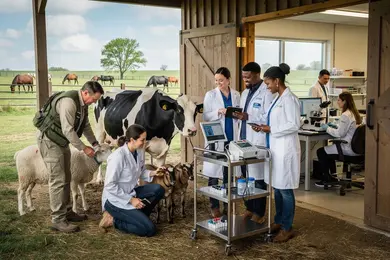
Entry-level roles for graduates holding a master's degree in animal science often extend beyond routine or purely supportive tasks. These positions frequently demand specialized knowledge, technical skills, and analytical judgment developed during graduate studies, applying science to practical problems. While labeled "entry-level," such jobs involve substantive responsibility and offer a foundation for building expertise or leadership capabilities.
Variations in job functions also reflect differences in industry focus, previous work experience, and individual academic concentrations.
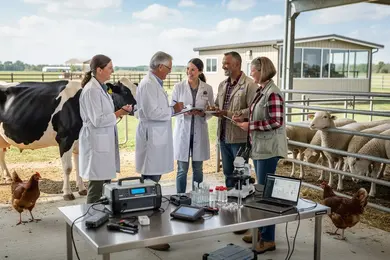
- Research Assistant: These roles typically involve supporting scientific experiments related to animal genetics, physiology, or behavior within academic or government institutions. Though considered entry-level, research assistants apply graduate-level skills in experimental design and data analysis, providing essential groundwork for careers in research and biotechnology. This position often serves as a strategic stepping stone for specialization or doctoral study.
- Animal Nutritionist: Entry-level animal nutritionists contribute to formulating and testing feeds for livestock or companion animals, leveraging knowledge of metabolism and physiology gained through their master's program. Their work directly impacts animal health and production efficiency. This role commonly leads to advanced opportunities in feed development or consulting, especially as regulatory and sustainability concerns grow.
- Livestock Production Specialist: Focused on herd health, breeding programs, and farm productivity, these specialists engage in hands-on management often within cooperative or agricultural environments. Entry-level positions here provide exposure to operational challenges and team leadership potential, forming a practical base for overseeing larger production units or extension services as experience accrues.
- Regulatory Compliance Specialist: With increasing regulatory scrutiny around animal welfare and environmental impacts, these entry-level specialists ensure adherence to federal and state guidelines. The role calls for precise knowledge of evolving laws and quality assurance processes, setting the stage for advancement in policy, audit, or managerial positions within food safety or animal health sectors.
The U.S. Bureau of Labor Statistics projects steady growth in these fields, reflecting ongoing demand for skilled professionals who translate scientific principles into operational and regulatory frameworks. Starting salaries for many entry-level animal science careers with master's degree holders typically fall between $40,000 and $55,000, though geographic and sectoral factors significantly influence earnings.
Graduates aspiring to expand responsibilities and access senior roles should prioritize multidisciplinary experience and consider certifications or further academic qualifications.
For those weighing cross-disciplinary options, programs like an RN to BSN online with no clinicals illustrate the kind of non-traditional pathways others in the life sciences pursue to expand career versatility, underscoring the value of strategic credentialing beyond initial degrees.
What Sectors Have the Strongest Demand for Graduate-Level Talent?
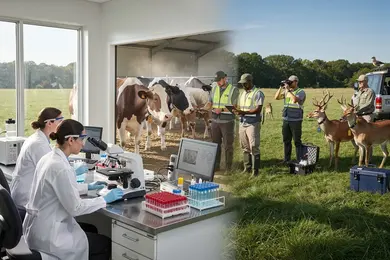
Employer demand for graduates holding a master's degree in animal science is shaped by broader shifts in industry needs, regulatory environments, and technological innovation rather than the volume of degree holders alone. Sectors exhibiting sustained openings usually require advanced knowledge in biology, genetics, nutrition, or policy, alongside analytical capabilities and leadership skills developed during graduate study.
These structural demands reflect ongoing transformations in food production, biotechnology, and government oversight, which drive hiring patterns and influence the skill profiles valued in entry-level roles.
- Agriculture and Livestock Production: This sector continues to demand expertise in optimizing animal productivity and welfare through data-driven methods and science-based management. Workforce projections indicate consistent openings for roles such as livestock specialists and farm operations coordinators, where graduates apply technical insights to enhance efficiency within fluctuating environmental and economic conditions.
- Biotechnology and Pharmaceutical Industries: Growth in genetic research, veterinary vaccine development, and bioproduct innovation fuels demand for graduate-level skills in laboratory techniques and regulatory compliance. Positions like research associates and lab technicians offer pathways that blend rigorous scientific inquiry with commercial product development, backed by stronger entry salaries reflecting the specialized technical competencies required.
- Government and Regulatory Agencies: Agencies involved in animal health inspection, wildlife resource management, and agricultural policy require candidates who can navigate multidisciplinary teams and complex legal frameworks. Despite generally moderate public-sector salaries, these roles appeal to graduates seeking job stability and meaningful impact within regulatory and conservation-focused environments.
- Animal Nutrition and Feed Industry: Increasing emphasis on sustainable feed formulations and quality control sustains demand for expertise that merges nutritional science with market-driven product development. Graduate-trained professionals often engage in quality assurance, technical consulting, or sales support, benefiting from a balance of applied science and commercial insight that can fuel career growth.
One recent graduate shared how competing demands and timing uncertainty influenced their application approach. Faced with rolling admissions at multiple programs, they hesitated to commit early, holding out for better alignment with research interests. This cautious strategy, while prolonging decision-making, ultimately allowed them to enter a sector where demand for their specialized skills was stronger than initially anticipated, underscoring the value of patience and strategic planning amid an unpredictable applicant landscape.

Which Entry-Level Animal Science Careers Have the Highest Starting Salaries?
Starting salaries for master's graduates in animal science reflect numerous factors beyond academic credentials alone. Compensation frequently aligns with the specialization and technical depth demanded by a role, as well as the financial health and regulatory environment of the employing industry.
Positions commanding higher pay often require advanced analytical skills, responsibility for complex projects, or expertise in market-critical areas such as pharmaceuticals or research innovations.
- Pharmaceutical Product Development Specialist ($65,000-$80,000): Roles in this sector offer elevated starting salaries because they integrate scientific knowledge with product formulation, regulatory adherence, and clinical trial oversight. Employers value these skills due to the significant commercial stakes and compliance complexities involved, rewarding graduates capable of navigating both technical and business challenges. This path also frequently leads to leadership or specialized consulting opportunities.
- Veterinary Research Associate ($60,000-$75,000): Entry positions in academic or private research labs command strong pay due to the specialized expertise required in disease control, genetics, and nutrition. Success depends on analytical rigor, experimental design, and grant acquisition potential, which justify higher salaries amid competitive hiring. The role serves as a foundation for careers emphasizing innovation and scientific contributions.
- Livestock Management Specialist ($55,000-$70,000): Though starting pay slightly trails research and pharmaceutical roles, this position requires applied knowledge in genetics, nutrition, and herd health combined with operational management. Employers value candidates who can drive profitability through enhanced herd productivity and strategic farm oversight. The position often provides hands-on leadership experience critical for advancement in agribusiness.
- Animal Nutritionist ($58,000-$72,000): Nutritionists in feed production and consulting benefit from growing demand for optimized diets and sustainable practices. Compensation reflects both technical expertise and the tangible impact on livestock growth and health, anchoring careers in science-driven agricultural innovations.
- Quality Assurance and Regulatory Compliance Specialist (around $60,000): These roles ensure product safety and adherence to complex legal standards in animal product processing. Their value lies in mitigating risk and maintaining market access, which commands competitive pay despite less research intensity.
Starting salaries in animal science illuminate the practical weight of specialized skills and market dynamics. Higher pay indicates roles where technical complexity, regulatory responsibilities, or direct influence on commercial outcomes elevate a graduate's value. Understanding these drivers helps align early-career decisions with both immediate compensation and sustainable growth within the evolving animal science landscape.
Which Industries Pay the Most for Entry-Level Animal Science Master's Graduates?
Entry-level compensation for animal science master's graduates is shaped more by industry dynamics than individual credentials alone. Sectors offering higher starting salaries typically operate within high-margin, innovation-driven, or heavily regulated environments where specific animal science expertise directly influences product development, compliance, or operational efficiency.
These industries compete for scarce talent who can navigate complex biological systems alongside technical and regulatory demands, making their skills strategically valuable even at early career stages.
- Pharmaceutical and Biotechnology Companies: These sectors provide the highest entry-level pay due to their substantial R&D budgets and regulatory burden. Specialists with animal science knowledge are essential in veterinary drug formulation, efficacy testing, and safety assessments, all critical to bringing new therapies to market under stringent compliance frameworks. The intersection of life sciences innovation and regulatory oversight drives above-average salaries for early-career professionals able to ensure data quality and animal welfare standards.
- Livestock Production and Agricultural Businesses: Firms focused on animal breeding, nutrition, and health management offer competitive compensation as these roles tie directly to profitability through productivity gains and disease prevention. The demand for advanced expertise reflects ongoing investment in biotech tools and precision agriculture technologies, translating into premium pay for graduates capable of melding traditional husbandry with emerging innovations.
- Veterinary Product Development Firms: These companies develop feeds, supplements, and medical devices that require scientific validation before commercialization. Economic drivers include market growth in pet care and food animal health, necessitating skilled professionals to guide product testing and regulatory submissions. Entry-level roles emphasize applied research, often balancing scientific rigor with commercial timelines.
- Government Agencies Related to Agriculture and Food Safety: Although starting pay tends to be lower than private sectors, government jobs offer stability and incremental raises tied to regulatory enforcement of animal health and food supply safety. These positions require mastery of compliance protocols and epidemiological monitoring, making animal science expertise indispensable for risk mitigation and policy implementation.
The best sectors hiring animal science master's degree holders reward specialized skills where scientific rigor intersects with regulatory frameworks, technology adoption, and business outcomes. According to labor-market analytics, pharmaceutical and biotech entry-level salaries for animal science roles often exceed national averages by 15-25%, reflecting both scarcity and impact of these skills.
For prospective students uncertain about direct admission, considering programs that offer conditional pathways can provide a viable alternative, aligning academic readiness with workforce demands. Some students may also explore a self paced bachelor's degree to strengthen foundational knowledge before committing to graduate-level rigor, improving long-term employability prospects in these high-value industries.
Which Skills Are Most Valuable in Entry-Level Positions?
Entry-level hiring decisions for master's graduates in animal science increasingly prioritize demonstrable skills over degrees alone. Employers assess candidates based on their ability to apply technical knowledge and analytical abilities directly to workplace challenges, even during early stages of their careers.
This skill-driven focus reflects a preference for individuals who bring immediate, measurable value in settings ranging from livestock operations to research labs.
- Data Analysis and Statistical Competence: Proficiency with data interpretation and analytical tools enables new hires to contribute to evidence-based decision-making early on, whether in monitoring herd health trends or evaluating experimental outcomes. Labor market data highlights that candidates showcasing strong quantitative skills often command higher starting salaries due to their capacity to reduce trial-and-error approaches.
- Effective Communication: Translating complex scientific results into accessible language for diverse stakeholders, including producers, regulators, or cross-disciplinary teams, is crucial. Entry-level employees who communicate clearly can facilitate compliance processes and foster collaborative environments, positively influencing hiring managers' evaluations of team fit and promotability.
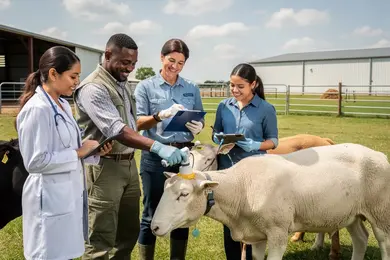
- Practical Animal Handling and Welfare Knowledge: Hands-on capability in managing animals while adhering to welfare guidelines speeds up integration into operational roles. Graduates demonstrating these skills often face fewer onboarding delays and contribute reliably to field or lab productivity, traits consistently favored in performance assessments.
- Adaptability and Problem-Solving: The ability to learn emerging technologies, troubleshoot equipment, and innovate within constraints aligns with employer priorities amidst rapid advancements in animal science sectors. Early-career professionals who demonstrate these traits help organizations maintain efficiency, which is a critical consideration during selection and review processes.
- Professionalism and Ethical Judgment: Dependability, integrity, and time management underpin employer trust and affect not only initial hiring decisions but also eligibility for annual reviews and advancement. Employers emphasize these attributes as non-negotiable for sustaining long-term contributions.
One recent graduate recalled how uncertainty loomed during the rolling admissions to several animal science master's programs. After applying late in the cycle without immediate feedback, they hesitated to finalize housing and work arrangements, fearing a missed opportunity if acceptance was delayed.
Preparation for the technical demands of the field was ongoing, but the timing pressure highlighted that securing the right program wasn't just about qualifications-it required strategic patience and readiness to act swiftly when offers arrived. This experience underscored how early career success depends not only on skill acquisition but also on navigating entry points into academic and professional settings thoughtfully.

Do Employers Hire Animal Science Master's Graduates Without Professional Experience?
Many employers do hire animal science master's graduates without prior professional experience, particularly for structured entry-level positions designed to cultivate early-career talent. These roles often serve as foundational points within organizations such as agricultural firms, government agencies, and academic research settings where formal training programs help bridge academic knowledge with workplace expectations.
Data from government employment reports in 2024 indicate that graduates without hands-on experience typically begin in technician or assistant roles, which provide critical exposure but generally offer more limited responsibilities and lower pay compared to experienced hires. Still, these entry-level animal science master's degree jobs serve as essential pathways for gaining industry familiarity and proving capability in applied environments.
The ability of graduates to compensate for a lack of professional experience hinges on demonstrated skill sets such as strong academic performance, completion of internships, cooperative education placements, or comprehensive capstone projects that simulate practical challenges. Employers value these substitutes for formal employment history because they signal competency and reduce hiring risk, especially when technical proficiency or research skills are evidenced through certifications or portfolio work.
This dynamic aligns with animal science master's graduate hiring trends that favor candidates showing adaptability and applied problem-solving abilities, underscoring that hands-on experience is not strictly mandatory but must be offset by credible skill verification and relevant experiential learning within academic programs.
Industry variation influences employer openness to inexperienced graduates. Sectors driven by technology, data analysis, or consulting are frequently more receptive since they emphasize analytical capabilities and innovation over direct client interaction or compliance-heavy tasks.
Conversely, roles demanding regulatory adherence or direct stakeholder engagement tend to prioritize prior job experience to minimize training costs and ensure operational reliability. For candidates navigating these differences, exploring cross-disciplinary opportunities-such as combining an animal science degree with skills acquired through an online nutrition degree-can expand viable entry points in the labor market.
Which Certifications Help Entry-Level Animal Science Master's Graduates Get Hired?
Employers frequently rely on professional certifications to confirm the practical and technical capabilities of entry-level candidates, as academic credentials alone may not fully convey readiness for specific job functions in animal science. While a master's degree lays the groundwork with broad theoretical and research knowledge, certifications provide measurable signals of applied expertise aligned with current industry demands and regulatory frameworks.
This differentiation can improve hiring outcomes where competition for limited entry-level roles centers on demonstrated job-relevant skills and professional commitment.
- Certified Animal Scientist (CAS): This credential indicates proficiency across key technical areas like nutrition, genetics, and livestock management, which are fundamental to many operational roles. By validating these competencies, the certification enhances credibility with employers who prioritize applicants capable of immediate contribution to production or research teams.
- Animal Welfare Certification: Increasing consumer and regulatory focus on animal ethics has elevated the importance of welfare-related qualifications. Holding such certification signals familiarity with compliance standards and ethical practices, attributes valued in both corporate supply chains and regulatory bodies aiming to ensure transparency and humane treatment.
- Hazard Analysis Critical Control Point (HACCP): Recognized widely in food safety and quality assurance, HACCP certification enables candidates to qualify for jobs involving risk management and regulatory compliance within feed production, processing facilities, or inspection services. Its relevance to safety protocols also aligns closely with government and industry oversight roles.
The practical advantage of these certifications lies in their role as verifiable markers of specialized skills that a master's curriculum may not fully cover or emphasize. U.S. Labor Statistics data and recent workforce analyses highlight a 15 to 20 percent higher likelihood of early employment for degree holders who also present certifications, especially those that underscore industry familiarity and technical readiness.
However, the value of certifications varies with employer size and sector; smaller agricultural enterprises often weigh hands-on experience more heavily than formal credentials and may not require certification for initial roles. Additionally, some certifications involve prerequisites like documented experience, which can complicate timing for recent graduates.
Ultimately, certifications offer strategic advantage when selected to complement a master's degree with clear applicability to intended work environments, enhancing both the signal quality to employers and the practical alignment with day-to-day job requirements in animal science entry-level positions.
What Remote Jobs Can You Get With a Animal Science Master's Degree?
Remote job opportunities for animal science master's graduates have broadened as digital transformation, cloud-based systems, and global talent sourcing reshape traditional sectors. The suitability of remote roles in this field hinges on tasks that offer measurable, digital outputs and can be accomplished with limited synchronous collaboration.
Employers increasingly expect clear deliverables managed through virtual project platforms, which demands graduates adapt their subject-matter expertise to remote workflows and performance metrics.
- Remote Research Assistant: This role involves supporting experimental design, data collection, and statistical analysis using digital tools. It fits remote work due to reliance on digital datasets and collaborative platforms for report generation, allowing asynchronous tasks aligned with experimental timelines. Graduate-level skills in animal genetics or physiology are crucial to interpreting complex data accurately without in-person supervision.
- Regulatory Affairs Specialist: Regulatory and compliance support is often document-driven, involving review of policy, environmental reports, and animal welfare standards. Such roles are suited to remote work as they depend on detailed virtual communication and regulatory software rather than field presence. Master's training helps interpret regulatory language and translate scientific standards into compliance frameworks managed via cloud systems.
- Science Communicator or Technical Writer: Graduates create content for industry publications, training manuals, or extension service materials remotely. Digital platforms facilitate global dissemination, collaboration, and iterative feedback, which align well with the writing-focused nature of this role. Advanced knowledge enables accurate translation of complex scientific findings into accessible information, with productivity tied to deliverable deadlines.
- Data Analyst in Animal Science: Handling large biological or production datasets remotely requires strong statistical expertise and proficiency with analytical software. This role's output is clearly quantifiable, supporting hiring managers' preference for remote work with outcome-based evaluation. Master's-level education provides the analytical rigor to apply niche animal science knowledge within broader datasets derived from livestock or research operations.
How Competitive Is the Entry-Level Job Market for Animal Science Master's Graduates?
Entry-level job market competitiveness for animal science master's degree holders varies considerably by industry demand, geographic labor markets, and specialization within the field. Some sectors like biotechnology firms and animal health companies tend to have steady but moderate growth, contributing to a balanced supply-demand dynamic.
According to the U.S. Bureau of Labor Statistics projections for 2024, employment in biological and agricultural science roles is expected to grow by about 5% over the next decade, which is below average compared to other fields. This measured expansion amplifies competition in saturated urban hubs while rural or niche markets may offer relatively less crowded opportunities, reflecting uneven hiring intensity across regions and sub-disciplines relevant to entry-level animal science master's degree job outlook.
Employers increasingly expect candidates to demonstrate more than academic credentials, with emphasis on technical proficiency, applied research capabilities, and practical experience such as internships or certifications. These criteria raise the bar for entry-level candidates, making advanced degrees a necessary but not sufficient condition for employment.
Specialized skills in areas like animal genetics, nutrition, or data analysis create differentiation but also intensify competition among applicants possessing similar qualifications. Consequently, the entry-level careers in animal science with a master's degree are influenced heavily by how well graduates signal relevant competencies and applied expertise to prospective employers.
Strategically, graduates can enhance their positioning by targeting less saturated subfields or emerging areas such as sustainable livestock management and animal welfare science, where talent shortages reduce competition. Geographic flexibility and proactive professional networking further improve prospects.
For a comparative perspective, those considering interdisciplinary fields may explore broader opportunities informed by bioinformatics career paths, which integrate biological sciences with data analysis skills. The 2024 National Association of State Departments of Agriculture report highlights that about 60% of animal science master's graduates secure employment within six months, pointing to a moderately paced but demanding job market that rewards differentiated skill sets and strategic labor market engagement.
Which Entry-Level Roles Have the Strongest Long-Term Growth Potential?
Long-term career growth in animal science is influenced substantially by the skills, responsibilities, and network-building opportunities that entry-level roles provide, rather than just the initial job title. Positions that offer exposure to cross-functional teams and strategic decision-making processes tend to develop transferable expertise more effectively.
Roles enabling specialization in emerging sectors such as sustainable agriculture or biotech also position graduates for upward mobility amid evolving industry demands. Identifying entry-level animal science jobs with career advancement pathways requires evaluating organizational value creation alongside workforce progression patterns.
- Research Technician: This role develops technical proficiency in experimental design and data analysis, essential for advancement into specialized scientific or managerial positions. Access to cutting-edge projects often broadens one's expertise and visibility within academia or industry labs, fostering options in research leadership.
- Livestock Nutritionist: Serving a critical function in optimizing animal health and productivity, this role builds expertise in applied nutrition science with direct links to sustainable agricultural practices. Career trajectories may lead to consulting roles, policy advising, or senior technical leadership as demand grows for environmentally responsible farming.
- Animal Breeding Specialist: With a focus on genetics and reproduction, this position cultivates niche competencies that are highly valued in both commercial and conservation programs. Long-term prospects include roles in biotech innovation, breeding program management, or industry regulatory compliance.
- Regulatory Affairs Associate: Entry here cultivates knowledge of legal frameworks and compliance standards impacting animal science sectors. This pathway offers strong advancement potential into managerial roles overseeing product approvals, quality assurance, or policy development, reflecting increasing regulatory complexity across related industries.
Conditional admission offers should be carefully weighed against the program's practical demands and potential impact on timely graduation. Besides academic conditions such as prerequisite coursework or GPA maintenance, candidates must evaluate whether the program facilitates access to internships, mentorships, and employer networks-factors that significantly affect employability.
Financial and time costs associated with meeting conditional requirements may offset the perceived benefit of early admission, especially if they delay entry into the workforce. Examining program outcomes like graduation rates and employment success among conditional admits helps clarify these tradeoffs.
Career alignment is critical; graduates should target roles that not only match their qualifications but also offer clear pathways for skill accumulation and leadership development. Recent U.S. Bureau of Labor Statistics data from 2024 indicate steady growth in agricultural and veterinary-related sectors, particularly within sustainable and biotech areas.
Positions offering structured opportunities to build certifications and practical experience often see better salary advancement and job security.
Financially, it is prudent to consider the full cost implications of attending conditionally admitted animal science programs. Understanding potential delays, extra fees, or extended course load impacts is essential to evaluating the overall return on investment. For a detailed look at program costs in related fields, resources like online speech pathology degree costs and fees can provide useful comparative insights.
What Graduates Say About Entry-Level Jobs With a Animal Science Master's Degree
- Major: "Graduating with a master's in animal science, I quickly found that employers value hands-on experience more than just the degree or licensure. My internship portfolio opened doors to an entry-level research technician role, where I'm involved in data collection and laboratory work. It's been eye-opening to navigate salary offers that are modest compared to licensed professionals, but gaining versatile skills early has given me a foundation to grow. The trick has been balancing flexibility with a willingness to pivot within the field as new opportunities arise."
- Douglas: "After completing my animal science master's, I encountered the reality that many competition-heavy roles prefer candidates with specialized certifications or prior practical experience. I landed a remote position in animal nutritional consulting mainly due to my ability to demonstrate project outcomes during my studies rather than holding a license. While the salary ceiling is currently lower than I expected, the role provides me valuable insight into industry workflows and client management. It's clear to me that career advancement will require ongoing skill development and potentially pursuing licensure later."
- Ezra: "Entering the workforce post-master's in animal science, I was prepared but found that many entry-level jobs emphasize adaptability and direct experience over formal credentials. I started in a veterinary assistant role, which wasn't my initial target, but it allowed me to build relationships and understand day-to-day operational challenges. Navigating the hiring process was tough, as many employers sought candidates with longer job histories or certifications. This experience has made me cautious but pragmatic about stepping stones and realizing that career pivots are often necessary in this field."
Other Things You Should Know About Animal Science Degrees
While coursework provides theoretical knowledge, employers in animal science entry-level roles often prioritize candidates who have practical research experience. Engaging actively in lab work or field projects during the master's program can significantly enhance your employability because it demonstrates your ability to apply scientific methods in real settings. Graduates without this experience may find it harder to compete for positions that involve data collection, animal health monitoring, or experimental trials, so prioritizing hands-on opportunities during your studies is advisable.
Specializing deeply in a niche area can position you as an expert, appealing to employers who need targeted skill sets, especially in research-intensive or highly regulated fields. However, a broader skill set allows more flexibility across industry sectors such as production, nutrition, or welfare. Early in your career, leaning towards a balanced approach-gaining solid foundational skills with some specialized knowledge-can increase job options and adaptability, particularly in fluctuating job markets.
Entry-level positions often require long hours involving both field and laboratory work, data analysis, and frequent reporting, which can be physically and mentally demanding. Employers expect fresh graduates to be self-motivated and capable of managing tasks independently while still learning on the job. Understanding that the initial years may involve substantial fieldwork and routine data tasks can help you prepare and assess if the intensity aligns with your career priorities and work-life balance considerations.
In animal science, long-term career growth often depends more on the quality of experience and professional development opportunities than starting salary alone. Accepting a position that provides mentorship, diverse responsibilities, and skill-building can accelerate advancement and lead to significantly higher earnings down the line. Conversely, higher-paying roles with limited growth or mentoring might stagnate your progression. Therefore, prioritizing career development in your first job usually yields better overall outcomes than focusing narrowly on immediate compensation.
References
- Animal Science – Master of Science https://www.massey.ac.nz/study/all-qualifications-and-degrees/master-of-science-PMSCN/animal-science-PMSCN1SANSC1/
- Careers with Animals: 23+ Exciting Jobs That Pay Well https://www.training.com.au/ed/jobs-working-with-animals/
- Online Animal Science Graduate Certificate https://www.idea.edu/program/animal-science
- BSAS https://www.bisas.org.uk/undergraduates-and-early-career/ec-education
- How to Stand Out as a Candidate in Animal Science? - The Aicila Group https://aicila.com/how-to-stand-out-as-a-candidate-in-animal-science/
- Animal Science major: University of Hohenheim https://www.uni-hohenheim.de/en/agricultural-sciences-masters-major-animalscience
- Jobs & Careers for Animal Science Graduates https://www.agrirs.co.uk/blog/2021/08/jobs-and-careers-in-animal-science
- Jobs Working with Animals: Career Growth for Professionals https://www.mackinnon-bruce.com/insights-hub/blog/jobs-working-with-animals--career-growth-for-professionals/
- Home https://www.husson.edu/online/blog/2023/04/unique-careers-with-animals