2027 Most In-Demand Nursing Education Master's Specializations

Co-Founder and Chief Data Scientist
Emerging credentialing pressures and evolving licensure requirements complicate how prospective students assess nursing education master's specializations. Demand varies widely depending on regional health system priorities, employer expectations, and the pace of technology adoption in clinical training environments.
Short-term job growth can reflect hiring surges rather than sustained career resilience, influencing specialization viability. Evaluating curriculum depth, faculty expertise, and alignment with certification pathways provides clearer insight into a program's capacity to develop adaptable technical and managerial skills. This article examines the most in-demand nursing education master's specializations through these practical, labor-market-informed lenses, highlighting factors crucial for matching specialization to both immediate roles and long-term career trajectories.
Key Things to Know About the Most In-Demand Nursing Education Master's Specializations
- Specializations like curriculum design have higher skill transferability but often require longer program durations, increasing costs and opportunity loss compared to clinically focused tracks.
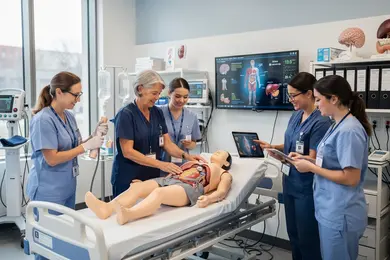
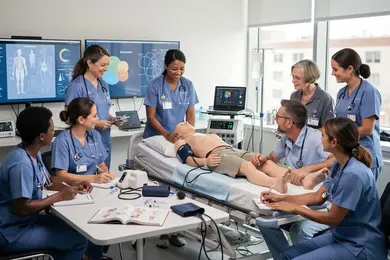
- Employer demand strongly favors specializations integrating technology in training due to a 23% annual rise in simulation-based education, reshaping hiring criteria toward tech-savvy candidates.
- Policy-focused nursing education tracks face slower growth, implying prospective students must weigh limited immediate openings against potential long-term influence in regulatory roles.
What Makes a Nursing Education Master's Specialization "In Demand"?
An in-demand nursing education master's specialization is typically characterized not merely by popularity but by a confluence of verified labor market demand, development of specialized skill sets, and alignment with sustainable professional roles within nursing education fields. Demand fluctuates notably based on regional employer needs, the type of healthcare or academic institution, adoption of emerging technologies, and evolving regulatory mandates.
Specializations that prepare candidates for positions with enduring relevance, such as nurse educators who integrate evidence-based teaching methods or those adept in simulation-based training, reflect this stability, contrasting with those linked to transient trends. This nuanced understanding of nursing education master's specialization labor market demand is essential for matching academic pursuits with real workforce needs.
Relying solely on demand metrics like job-posting volume, broad salary claims, or enrollment trends can obscure critical considerations for long-term career value. Programs emphasizing demand must also be assessed for substantive curriculum content, practical experience opportunities, and the applicability of certifications or licensure within target roles.
Faculty expertise and alumni career trajectories provide further indicators of program rigor and relevance. Overemphasis on surface-level popularity risks misalignment with an individual's career goals if skills are narrowly focused or lack transferability, which diminishes adaptability in a shifting healthcare landscape.
Working professionals, career changers, and advancement-focused learners benefit most from selecting nursing education master's specializations that marry demand with demonstrable alignment to evolving employer expectations and credential recognition. This integration supports enhanced job security and clearer pathways across multiple career settings, beyond initial hiring spikes.
Those seeking to deepen their expertise should also consider complementary programs like a healthcare administration course to broaden their strategic outlook within health professions education and administration, reinforcing long-term career mobility and resilience.
The 10 Most In-Demand Nursing Education Master's Specializations
Master's specializations in nursing education must be evaluated through the lens of workforce alignment, sector demands, and the evolving healthcare landscape rather than popularity alone. Choosing a focus requires balancing stringent certification pathways, sector-specific skill requirements, and long-term employability amidst shifting care models and technology integration.
Careful consideration of sector growth patterns, patient demographics, and interdisciplinary collaboration capabilities shapes the true value of each specialization.
Family Nurse Practitioner (FNP) The FNP role addresses widespread primary care shortages by equipping graduates to serve diverse age groups in outpatient and community settings. A projected 40% employment growth through 2032 per the U.S. Bureau of Labor Statistics reflects increasing reliance on FNPs for comprehensive, accessible primary healthcare, particularly in underserved regions. Employers prioritize strong diagnostic and management skills coupled with adaptability to changing care protocols.
Psychiatric-Mental Health Nursing Heightened mental health awareness drives accelerated demand for psychiatric-mental health nurse practitioners, especially with growing telehealth adoption. This specialization requires expertise in behavioral health assessment and integrated care delivery, meeting employer expectations for managing complex patient populations in both inpatient and outpatient contexts.
Nurse Anesthesia Nurse anesthetists benefit from a firm niche with consistent demand tied to surgical and trauma care. Despite the rigor of its advanced educational trajectory, this specialization promises autonomy and stability. Employers seek candidates proficient in anesthesia pharmacology, crisis management, and multidisciplinary coordination.
Adult-Gerontology Acute Care Nursing Targeting the aging population's complex inpatient needs, this specialization aligns with increasing hospital emphasis on acute and emergency care proficiency. Hospitals value clinicians capable of managing high-acuity patients within interdisciplinary teams and navigating evolving regulatory standards for geriatric care.
Informatics Nursing The rise of electronic health records and health analytics makes informatics nurses pivotal for bridging clinical and IT domains. This specialization demands skills in data management, systems integration, and technology-driven decision support, aligning with employer needs for workforce digital fluency and quality improvement.
Pediatric Nurse Practitioner Ongoing pediatric care shortages sustain demand for specialists adept in preventive, episodic, and school-based services. Versatility across outpatient and educational settings enhances employability, with employers valuing knowledge of pediatric growth, development, and family dynamics.
Oncology Nursing Increased cancer incidence and improved survivorship expand oncology nursing's scope, emphasizing advanced symptom management and psychosocial support. Specialized education that incorporates emerging treatments and survivorship care models meets employer requirements in cancer centers and outpatient clinics.
Nursing Education With the national faculty shortage constraining new nurse training, expertise in nursing education is crucial for sustaining workforce pipelines. This specialization focuses on curriculum development, pedagogy, and faculty preparation, addressing institution-level deficits impacting healthcare system capacity.
Women's Health Nursing Responding to demographic and reproductive health trends, women's health specialists provide essential prenatal, gynecological, and preventive care. Employers target clinicians with competencies in culturally informed care and evolving regulatory environments related to reproductive rights and family health.
Public Health Nursing Critical during recent health emergencies, public health nursing integrates population-level preventive strategies, emergency preparedness, and policy implementation. The specialization suits roles requiring cross-sector collaboration and community engagement in government and nonprofit health agencies.
Reflecting on these options, one prospective nursing education master's student described extensive research into how certifications aligned with job postings influenced her decision. "I initially leaned toward a family nurse practitioner because of the growth stats, but after reviewing practicum opportunities and alumni outcomes, I hesitated.
The curriculum was less flexible than I expected, and I worried about burnout in primary care. Exploring nursing education and informatics paths revealed better fits for my interest in teaching and digital health innovation. It wasn't just about what's hot now, but what suits my professional strengths and long-term goals."

Which Nursing Education Master's Specializations Lead to the Highest-Paying Careers?
A master’s degree in nursing education prepares registered nurses to teach, train, and mentor future nurses while also improving clinical competency within healthcare organizations. While salaries vary based on institution type, experience, and geographic location, most nursing education careers typically range from about $75,000 to $110,000 annually, with senior faculty roles, program directors, and academic leadership positions reaching $115,000–$140,000+.
As healthcare systems face ongoing nursing shortages and increased demand for high-quality training, nurse educators with advanced specialization in curriculum design, simulation training, and academic leadership are increasingly valued. Specializations that combine teaching expertise with clinical leadership, technology integration, and program development tend to offer the strongest pathways to higher-paying roles and advancement into administrative positions.
Common nursing education master’s specializations associated with higher-paying careers include:
- Nurse Educator Leadership ($85,000–$125,000+) – Prepares professionals for faculty and academic leadership roles overseeing nursing instruction and program development.
- Clinical Simulation Education ($80,000–$120,000+) – Focuses on designing and implementing simulation-based training for nursing students and healthcare staff.
- Curriculum and Instruction Development ($75,000–$115,000+) – Develops nursing curricula aligned with accreditation standards and clinical competencies.
- Academic Nursing Administration ($95,000–$135,000+) – Prepares educators for roles such as program directors, deans, and department chairs.
- Nursing Informatics Education ($85,000–$125,000+) – Integrates digital tools and data systems into nursing education and training environments.
- Clinical Practice Education ($80,000–$120,000+) – Focuses on bridging classroom learning with real-world clinical practice settings.
- Continuing Professional Development Leadership ($80,000–$115,000+) – Designs ongoing training programs for licensed nurses in healthcare organizations.
- Interprofessional Education Coordination ($85,000–$120,000+) – Promotes collaborative training across nursing, medicine, and allied health disciplines.
Specializations in academic leadership, simulation education, and nursing informatics education often lead to the highest-paying nursing education careers due to strong demand in universities and healthcare training systems.
Which Nursing Education Master's Specializations Offer the Best Job Growth?
Assessing which nursing education master's specializations offer the best job growth requires evaluating factors beyond popularity, including employment projections, employer demand for specialized skills, and the impact of healthcare industry shifts. Specializations linked to clinical nursing educator roles and technological integration tend to align well with sector transformation and skills shortages, revealing higher growth prospects.
For instance, the 2024 Bureau of Labor Statistics projects a 12% growth rate for nurse educators overall, illustrating sustained demand linked to faculty shortages and expanding nursing programs. Considering how competencies in simulation, population health, and interprofessional education transfer across roles is also critical when analyzing high-growth nursing education specializations.
However, relying solely on job growth data risks overlooking nuanced realities such as regional hiring variability, credentialing expectations, and market saturation in some subfields. Some specializations demand extensive clinical portfolios or internships that may limit near-term entry despite promising longer-term advancement. Additionally, cyclical funding for public health initiatives or technology adoption can create uneven hiring patterns.
Prospective students balancing work and family commitments should also consider whether their specialization supports flexible scheduling and practical deployment of leadership skills. Those exploring programs should compare options thoughtfully, including pathways offered by nursing schools without entrance exam requirements to ensure fit with personal constraints and career goals.
Which Nursing Education Master's Specializations Are Best for Career Changers?
Specializations within nursing education that offer streamlined prerequisites, bridge courses, and practical curriculum components are generally more accessible to career changers. Tracks emphasizing instructional design, curriculum development, and education technology tend to leverage transferable skills from prior healthcare or teaching experience, minimizing the need for extensive clinical hours.
Applied learning opportunities like simulation-based practicums or clinical teaching internships further support transitions by providing hands-on experience without requiring deep prior clinical teaching backgrounds. Aligning specialization choices with workforce sectors such as community colleges or hospital training centers offering realistic entry points can accelerate employability, particularly as the U.S. Bureau of Labor Statistics projects a 15% growth rate for nurse educators through 2032.
Choosing a specialization solely based on its perceived demand carries risks related to credentialing and market competition. Without domain-specific experience, candidates might confront steep technical learning curves and gaps in industry context that can limit their preparedness compared to peers with direct clinical or educational backgrounds.
Some programs may require certifications or clinical hours that pose barriers to non-nursing entrants, while networking weaknesses can hinder access to hiring pipelines. The mismatch between specialization focus and employer expectations can slow job placement or necessitate longer ramp-up periods in new roles, underscoring the need for careful evaluation beyond surface-level labor market trends.
One graduate transitioning from a public health background initially hesitated between a specialization emphasizing clinical instruction and one centered on educational technology. After assessing her limited clinical experience and employer preferences, she chose the latter track that allowed her to capitalize on her skills in curriculum design and digital learning tools.
By selecting internships aligned with hospital education departments and leveraging faculty connections for mentorship, she navigated early doubts about her fit and successfully bridged the gap into a nurse educator role focused on instructional innovation rather than bedside clinical teaching.
Which Nursing Education Master's Specializations Are Best for Working Professionals?
Working professionals assessing nursing education master's specializations should prioritize programs that demonstrate clear employer relevance and align with their current or aspirational roles. Specializations integrating leadership with clinical instruction often provide applicable skills that enhance advancement potential and workplace impact, particularly in acute care or clinical education settings. Equally important is schedule compatibility, as professionals must juggle coursework alongside full-time employment and other responsibilities.
A 2024 American Association of Colleges of Nursing report notes that 68% of graduate nursing students prefer asynchronous study options to maintain work-life balance, underscoring the need for flexible delivery when choosing the best nursing education master's concentrations for career advancement.
Specializations offering hybrid or fully online coursework, combined with project-based assignments linked to trainees' current job functions, tend to suit working professionals better. Practical elements like simulation-based training or interprofessional education skills are advantageous when programs provide flexible internship or practicum arrangements that do not disrupt employment.
Moreover, alignment with relevant certifications or licensure remains a vital factor in ensuring marketable skills development without sacrificing career momentum. Those exploring nursing education master's specializations should also consider cross-disciplinary options, such as those related to radiology tech programs online, which sometimes overlap in curriculum elements and broaden professional opportunities.
Trade-offs exist, as some highly technical, research-intensive, or field-placement-heavy specializations may offer substantial labor-market benefits but create scheduling and workload challenges for students maintaining full-time jobs. Programs emphasizing curriculum development and outcomes evaluation align with employer demands and promote leadership roles but might require substantial time investment.
Ultimately, evaluating specialization pathways requires balancing practical skill acquisition, program flexibility, and the extent to which content supports both immediate job applicability and long-term professional growth in nursing education master's specializations.
How Do Online and Flexible Nursing Education Master's Specializations Compare?
Online and flexible nursing education master's specializations differ notably in how courses are sequenced, the level of cohort interaction, faculty engagement, and access to hands-on experiences like practicums or internships. Fully online programs often rely on asynchronous formats, enabling students to manage their own schedules but limiting real-time dialogue and communal learning, which can be essential for applied skill development.
Hybrid models blend asynchronous study with scheduled virtual or in-person sessions, promoting collaboration and better alignment with career paths that demand networking or mentorship, particularly in academic roles. The structure of accelerated and part-time tracks further influences pacing and content intensity, which affects how students absorb material and fulfill employer expectations tied to competency and practical readiness.
Flexibility alone does not determine a specialization's effectiveness or market value; critical factors include curriculum rigor, accreditation standards, inclusion of experiential learning, employer recognition, and integration with career support services. High-demand nursing education roles prioritize graduates with solid hands-on experience and demonstrated teaching skills, which can be compromised if programs minimize clinical practicums or simulation labs for convenience.
Technology infrastructure also plays a role, as programs with limited interactive tools may impede mastery of competencies vital to clinical education. Therefore, selecting a program requires scrutiny beyond format, emphasizing how well it supports comprehensive skill acquisition, employer-preferred credentials, and the capacity to navigate evolving educational environments.
For working professionals and career changers, flexible nursing education master's specializations offer vital opportunities to maintain employment while advancing credentials, yet they demand disciplined time management and strategic evaluation of workload and networking prospects. Accelerated tracks, while faster, can intensify stress and reduce time for reflection, potentially limiting deep learning essential for teaching roles.
Data from recent workforce education reports indicate that 62% of online or hybrid nursing education graduates find employment within six months, highlighting that program reputation and student engagement significantly influence outcomes. Consequently, candidates should weigh immediate convenience against long-term specialization value and how each format fits their professional goals and capacity for sustained commitment.
What Skills Do Students Learn in In-Demand Nursing Education Master's Specializations?
Master's specializations in nursing education are structured to develop capabilities that directly address shifts in healthcare demands, teaching technologies, and workforce needs rather than serving as mere academic distinctions. These programs integrate advanced skills with hands-on practical components to prepare educators for complex, dynamic roles in academic and clinical environments.
- Applied Curriculum and Simulation Design: Students gain technical proficiency in creating and implementing curricula that incorporate high-fidelity simulation tools. This skill is essential for bridging theory and practice, enabling educators to replicate clinical scenarios that improve learner readiness and patient safety outcomes.
- Data-Driven Program Evaluation: Through coursework and capstone projects, students build analytical skills to assess educational effectiveness using outcome data. This competency aligns programs with evidence-based standards and supports continuous improvement in response to healthcare regulatory requirements.
- Leadership and Interprofessional Collaboration: Leadership training emphasizes managing change, coordinating across disciplines, and advocating for innovation within institutions. Developing these abilities prepares graduates to influence policy and lead educational teams in increasingly interdisciplinary healthcare settings.
- Advanced Communication for Diverse Learners: Learners refine skills to translate complex clinical content into accessible formats tailored to varied cultural and learner backgrounds, a priority reflecting employer emphasis on inclusivity and adaptive teaching strategies.
- Research Application and Educational Innovation: Mastery of qualitative and quantitative research techniques enables students to design and apply studies that evaluate teaching methods and improve patient care education, a critical advantage as the profession prioritizes continuous evidence-based advancements.
According to the National Bureau of Labor Statistics, demand for nurse educators is projected to increase by 15% over the next decade, particularly favoring those proficient in educational technology and simulation-based learning approaches. This growth underscores the strategic value of these skill areas in navigating evolving career pathways and sustaining professional relevance.
What Are the Admissions Requirements for Popular Nursing Education Master's Specializations?
Admissions requirements for popular nursing education master's specializations serve not only as eligibility filters but also as indicators of how closely programs align with distinct career pathways and advanced competencies. Varying by specialization focus and institutional selectivity, these criteria reflect the expectations for clinical, leadership, technical, or research readiness applicants must meet to succeed and contribute effectively post-graduation.
- Academic Prerequisites and GPA: Most programs mandate a bachelor's degree in nursing or a closely related field with prerequisite courses in anatomy, physiology, and clinical practice. A minimum GPA near 3.0 is common; however, competitive specializations often require higher academic standing to ensure applicants have mastered foundational knowledge relevant to specialized nursing education roles.
- Relevant Clinical Experience and Licensure: One to two years of clinical nursing experience is typically expected to prepare applicants for leadership or educator roles involving peer instruction or curriculum development. Registered nurse (RN) licensure, often current and valid at the state level, is nearly universally required, emphasizing professional regulation and practical competency tied to many nursing education master's program admission criteria.
- Standardized Tests and Alternative Assessments: While traditional exams like the GRE are becoming less common, programs increasingly emphasize professional experience, letters of recommendation, and academic records. This shift aligns with recognizing real-world skill and potential over standardized test scores, particularly in specialized tracks where interpersonal skills and educational philosophies are crucial.
- Personal Statements and Portfolio Components: Submission of writing samples or personal statements focused on educational philosophy and career goals is standard. These components enable admissions committees to evaluate an applicant's clarity of purpose, alignment with program objectives, and readiness to engage in specialized teaching or leadership activities.
- Interviews and Technical Competency Proof: Some specializations require virtual or in-person interviews, especially where leadership or pedagogy skills are critical. Additionally, evidence of relevant technical skills-such as familiarity with educational technology in nursing informatics-is becoming increasingly important to meet employer and industry demands.
According to recent data on nursing education master's program admission criteria, institutions like the University of Texas at Austin have streamlined entry by removing GRE prerequisites and emphasizing portfolio reviews, reflecting shifts in workforce needs for adaptable nurse educators. For those exploring the quickest way to become a nurse practitioner or related advanced roles, understanding these varied requirements is essential for aligning educational pathways with practical career timelines and employer expectations.
How Should Students Compare Cost, Financial Aid, and ROI by Nursing Education Specialization?
Cost and return on investment (ROI) comparisons for nursing education master's specializations should be viewed as nuanced decisions shaped by program design, labor-market demand, and students' career phases rather than simple calculations of tuition against expected salaries. Financial implications differ widely depending on the specialization's curricular requirements, certification pathways, and the potential for employer tuition assistance or scholarships.
Careful attention to these variables helps balance upfront expenses with longer-term career mobility and earning potential.
- Tuition Structure and Fees: Some specializations charge differential tuition rates per credit or include additional fees for practicum experiences or simulation labs, which can increase total costs significantly versus programs with standard fee schedules.
- Fieldwork and Practicum Costs: Specializations emphasizing clinical teaching or leadership typically require internships or practicums that may involve unpaid time, travel expenses, or special equipment, affecting both time-to-completion and overall affordability.
- Credentialing and Certification Preparation: Programs aligned with in-demand credentials often require exam fees or supplementary coursework, creating variation in out-of-pocket expenses directly tied to specialization choice.
- Employer Tuition Support and Scholarships: Availability of employer reimbursement can vary depending on the specialization's relevance to organizational priorities; similarly, scholarships targeting certain in-demand nursing education specialties influence net costs.
- Opportunity Costs and Time-to-Value: Longer programs with broad-based curricula may delay workforce re-entry or salary gains compared to shorter, skill-focused tracks, which impacts the ROI calculus beyond sticker price.
When evaluating specializations, prospective students should also consider cost comparison for nursing education master's specializations in tandem with financial aid options and expected return on investment to avoid excessive debt burdens relative to career outcomes. For those exploring allied health credentials, reviewing cost structures alongside labor market demand can be instructive; for example, resources covering fast online medical billing and coding certification programs provide insight into how specialized training pathways differ in affordability and ROI dynamics across related health education fields.
What Do Graduates Say About Their Nursing Education Master's Specializations?
- Lawrence: "After completing my master's in nursing education with a focus on clinical instruction, I quickly realized that employers valued my portfolio of supervised internships more than my licensure alone. This practical experience opened doors to roles in university settings that emphasized teaching skills and curriculum design. Still, I found that salary progression plateaued unless I pursued additional administrative certifications."
- Yitzchok: "Finishing my specialization in nursing education for adult-gerontology made me appreciate the importance of flexibility in the job market. Many programs offer remote opportunities and part-time positions, which accommodated my family needs well. However, I noticed some organizations prioritized candidates with hospital-based teaching experience over pure classroom educators, so I pivoted toward combining clinical roles with education for a better fit."
- Cameron: "My experience with a nursing education master's in pediatric care revealed some harsh realities around hiring. Despite strong academic credentials, I had to actively build certifications and experience beyond the degree to compete for senior educator roles. The program was demanding, and while it expedited my entry into the workforce, I found that advancing required ongoing commitment to professional development and networking within clinical education circles."
Other Things You Should Know About Nursing Education Degrees
In 2027, students concerned about job flexibility may consider avoiding highly specialized options that strictly focus on either clinical practice or educational theory. Certain niche specializations can limit the ability to easily transition between roles in clinical and educational settings, reducing flexibility.
Workload varies widely across different nursing education master's specializations, influenced by practicum hours, research requirements, and teaching practicums. Programs demanding extensive clinical teaching or project-based assessments often require more time investment beyond typical coursework. Be realistic about your current professional and personal commitments: specializations with intensive fieldwork may delay graduation if balancing with full-time jobs or family responsibilities. Prioritizing programs with flexible pacing or part-time options can mitigate burnout and improve completion rates.
Employers increasingly demand educators not only possess teaching skills but also demonstrate specialization-relevant expertise, such as simulation techniques, healthcare technology integration, or interprofessional collaboration. Choosing a specialization aligned with cutting-edge educational methods can enhance employability and career advancement. However, some traditional tracks may offer wider acceptance but fewer innovation-driven opportunities. Understanding your target institutions' priorities-whether emphasizing pedagogy, research, or technology-should guide the specialization choice.
A nursing education master’s program should hold regional accreditation, and the nursing track should be offered by a school with CCNE or ACEN recognition where applicable. For licensure or teaching roles, students should also verify state board approval and any post-master’s educator certification requirements.
References
- Reasons to Pursue a Master’s in Nursing Degree https://nursinglicensemap.com/nursing-degrees/masters-in-nursing/benefits-msn-degree/
- MSN Programs and Specialties: How to Choose the Right Path for Your Nursing Career – FRESHRN https://www.freshrn.com/msn-programs/
- Money matters: How to fund your nursing education https://www.myamericannurse.com/money-matters-how-to-fund-your-nursing-education-2/
- Masters in Nursing, Nurse Educator Specialization https://www.chamberlain.edu/academics/nursing-school/graduate-programs/msn-nurse-educator
- 16 Types Of Master's Degrees In Nursing: Roles & Salaries | USAHS https://www.usa.edu/blog/types-of-masters-in-nursing/
- 21 Nursing Specialties in Demand - ABSN@CTX https://absn.concordia.edu/blog/nursing-specialties-in-demand/
- Master's Education https://www.aacnnursing.org/students/nursing-education-pathways/masters-education
- American College of Education Calls for Better ROI, Lower Debt in Nursing and Healthcare Degrees | ACE News https://ace.edu/news/nursing-and-healthcare-roi-improvement/
- Career Paths in MSN https://www.allnursingschools.com/msn/career-paths/
- Nursing Education (MS) https://www.iona.edu/academics/explore-majors-programs/nursing-education-ms