2027 How to Choose an Online Biology Degree With Strong Outcomes

Co-Founder and Chief Data Scientist
Professionals seeking to enter or advance in the biology field face a pressing dilemma: selecting an online degree program that balances academic rigor with verifiable career outcomes. With employment projections indicating a 9% growth in biological science jobs over the next decade, according to the U.S. Bureau of Labor Statistics, the pressure to choose programs that genuinely enhance employability intensifies.
Yet, online biology programs vary widely in curriculum quality, practical training opportunities, and employer recognition, complicating decisions for working adults and recent graduates. This article examines key criteria-including accreditation, experiential learning options, and outcome transparency-to guide prospective students toward programs that support meaningful career advancement in biology.
Key Things You Should Know
- Graduates from online biology programs with integrated lab partnerships report 23% higher employment rates in biotechnical roles, underscoring the tradeoff between purely online curricula and hands-on experiential components.
- Employers increasingly prioritize certifications in niche subfields like bioinformatics and molecular genetics, making degree programs with aligned specialization pathways 35% more likely to lead to advanced entry-level positions, per NIH workforce data.
- Programs averaging under $20,000 total cost reduce student debt by 30% compared to national averages, yet often extend completion time by 6-12 months, influencing timing-to-market and long-term earning trajectories.
What is an online biology degree, and how does it compare to campus programs?
Choosing between online biology degree programs vs traditional campus degrees in the United States involves crucial tradeoffs in experiential learning and workforce readiness. Traditional campus programs typically ensure sustained hands-on laboratory work and faculty-led research projects, which are critical for roles demanding physical experimentation or direct fieldwork. Employers in life sciences emphasize these laboratory competencies, often viewed as indispensable for positions in advanced research or equipment-intensive industries.
Online biology degree programs in the US offer flexibility suited to working professionals pivoting into the field, allowing them to maintain employment while earning credentials. However, this flexibility often comes with reduced access to in-person labs and structured internships. Prospective students must evaluate whether online options incorporate validated virtual labs or partnerships facilitating local practical experiences to adequately develop technical skills. Without this, graduates risk gaps in applied competencies valued by employers.
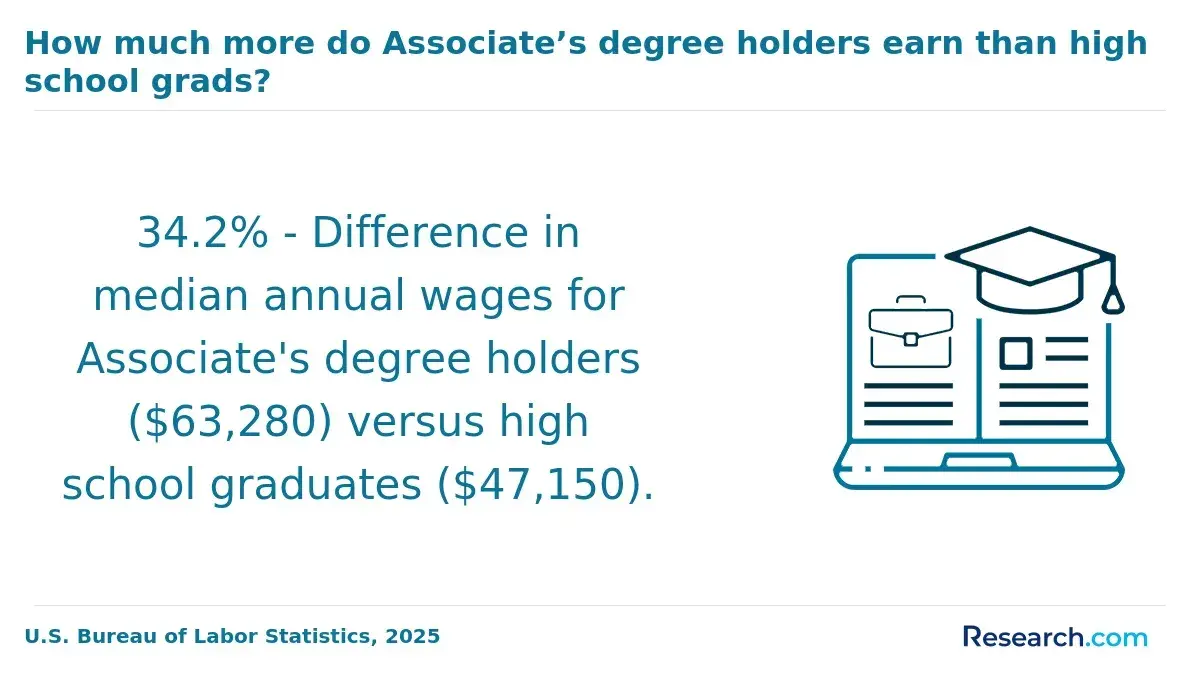
The economic advantage for biology degree holders remains evident, with median annual wages well above the general workforce. Still, the path to accessing these outcomes varies. Campus programs often streamline entry into ecological field roles or medical technology careers through direct networking and internships. Meanwhile, online students must proactively seek supplemental in-person experiences or internships to align with employer expectations.
For those assessing options, consulting accurate projections on jobs with a biology degree can clarify market demand and earning potential. Prioritizing accreditation and the extent of experiential learning is essential to ensure an online biology pathway fulfills both academic and practical workforce requirements.
How can you verify that an online biology degree program is properly accredited?
Accreditation serves as a foundational checkpoint for evaluating online biology degree programs in the United States, directly influencing credit transferability, licensure eligibility, and employer acceptance. Institutional accreditation from a U.S. Department of Education-recognized body is necessary but not sufficient; programmatic accreditation specific to biology or natural sciences-such as ABET or recognition by the Council for Higher Education Accreditation (CHEA)-adds a layer of rigor employers in research, healthcare, and environmental sectors expect. National-level accreditors focused solely on career-oriented credentials typically do not meet these standards.
Real-world data reveal tangible performance differences: a 2020 study found an 11.3% withdrawal rate and 69.1% course success among online biology students, compared to 6.4% withdrawal and 80.1% success on campus. Such variations affect graduation timelines and workforce readiness, underlining why transparent graduate outcomes and licensure success rates are critical metrics when assessing program quality. Students should also verify availability of hands-on lab or research components, which contribute substantially to practical skill development.
Checking third-party government and educational databases is essential for confirming current accreditation status, as lapses can severely limit employment opportunities and further education. Prospective students balancing their education with career transitions can also examine alternate pathways, like a fast track computer science degree, if biology program outcomes and employer recognition do not align with their goals.
Prioritizing programs with trusted accreditation agencies for online biology degree programs avoids the most impactful barriers to advancement within the field and safeguards long-term professional mobility.
What key criteria should you use to choose a reputable online biology program?
Choosing an online biology degree requires prioritizing program ROI and post-graduation employability, given wide disparities in financial outcomes. FREOPP's 2024 data reveal that lifetime ROI for a general biology bachelor's varies drastically, showing +$201,533 at Washington State University versus -$185,291 at the University of Florida, excluding completion costs. This divergence underscores that tuition cost alone doesn't predict value; factors such as job placement rates, employer recognition, and network strength heavily influence career returns.
Strong outcomes when choosing an online biology degree often depend on program accreditation and rigorous curriculum that meet industry expectations. Employers in healthcare, environmental science, and biotech prioritize graduates with extensive lab experience and critical data analysis abilities, which vary between programs. Graduates targeting pharmaceutical roles, for instance, benefit from hands-on training facilitated by institutional partnerships with research entities.
Financial aid availability must be weighed against total expenses, which might include hidden costs like lab kit shipments or required residencies for fieldwork. Programs lacking robust financial support risk saddling students with debt exceeding future earning potential.
Additionally, graduation and completion rates reflect program support and student engagement quality; low rates can signal instructional challenges detracting from employability. Aligning your career goals-whether research, education, or clinical lab work-with a program's specialization and flexibility reduces risks of costly retraining.
Accredited online biology programs with career support provide better positioning, but vetting partnerships and practical experience opportunities remains critical. To explore allied options, consider a nutritionist degree as a complementary career path closely linked to biology disciplines.
What courses and concentrations are typically offered in online biology degrees?
Choosing an online biology degree concentration significantly shapes employability and practical skill acquisition. Core courses such as cell biology, genetics, ecology, biochemistry, and anatomy provide foundational knowledge, but it is the specialized tracks-like molecular biology, environmental biology, microbiology, biotechnology, and bioinformatics-that directly influence job market alignment and sector relevance. For example, molecular biology demands proficiency in lab techniques and data interpretation, preparing students for pharmaceutical or genetic research roles; in contrast, environmental biology emphasizes fieldwork and regulatory comprehension suited for conservation and policy-driven roles.
Program structure matters: integrative internships, virtual or in-person lab simulations, and capstone projects translate theory into applied experience, which employers prioritize. Online learners must verify access to these components to maintain credential integrity and workforce competitiveness. Employers weigh technical mastery alongside transferable skills-critical thinking, communication, and data analysis-so program rigor and relevant electives cannot be overlooked without risking the need for additional certification.
With the U.S. Bureau of Labor Statistics projecting 7% growth in life, physical, and social science jobs between 2022 and 2032, decision-making based on sector demand is vital. Students evaluating common courses offered in accredited online biology programs should also weigh program logistics and direct career outcomes.
Those interested in technical pathways might compare this with options like an electrical engineering degree online for veterans, which has distinct skill sets and placement dynamics.
How long do online biology degrees usually take, and what study formats are available?
Online biology degrees reflect diverse pacing that directly impacts workforce readiness and educational fit. Accelerated formats can reduce the bachelor's timeline to around three years by compressing coursework year-round, suiting students able to dedicate full time to study and seeking rapid reentry into the labor market. Conversely, part-time options extend to five or more years, balancing education against professional and family obligations but delaying full credentialing and entry into biology-intensive roles.
Choosing between asynchronous, synchronous, and hybrid models involves tradeoffs in flexibility versus experiential rigor. Asynchronous delivery offers unmatched schedule control, appealing to professionals with unpredictable hours, though it risks limited interaction and accountability. Synchronous formats mimic traditional class rhythms, fostering live engagement but requiring strict time commitment that may challenge working students. Hybrid programs incorporate in-person labs essential for developing hands-on skills that employers in biotech and healthcare increasingly demand as verification of practical competence.
Demographic factors also influence degree trajectories. Programs enrolling higher shares of first-generation and low-income students authentically widen access but contend with persistence and grade gaps that can protract completion and affect employability. Selection of a biology program must weigh the imperative for integrated lab experience-especially for research or clinical aspirations-against constraints imposed by personal and employer support structures.
- Accelerated asynchronous pathways favor career changers prioritizing speed over immersive experience.
- Hybrid formats benefit those targeting roles requiring validated lab proficiency alongside theoretical knowledge.
- Part-time tracks suit working professionals managing competing time demands despite longer timelines.
What admission requirements do online biology bachelor's and master's programs usually have?
Admission to online biology bachelor's programs demands more than baseline qualifications; applicants must possess foundational science coursework and maintain at least a 2.5 to 3.0 GPA. Beyond transcripts, some programs require recommendation letters or personal statements that reveal genuine scientific aptitude and motivation, while others offer test-optional paths, which can affect competitiveness. Transfer students face the additional challenge of submitting college-level science credits that align with the curriculum to avoid repeating core courses, which can extend time and cost.
Graduate-level biology admissions typically expect a bachelor's degree in biology or a related discipline with a stronger GPA threshold (3.0-3.5). Emphasis on demonstrated research experience and rigorous undergraduate coursework is weighted heavily, with GRE requirements fading but still present in certain programs. Lab or applied biology work history enhances a candidate's prospects, especially in programs oriented toward specialized research or professional science careers.
Applicants aiming for sectors such as biotechnology or environmental science should target programs that embed internships or practicums. This hands-on exposure correlates better with employer demands and smooths the transition into field-specific roles. Notably, data from the University of Bath shows 52% of biology graduates enter the workforce directly, underscoring the relevance of practical training in aligning education with employment.
- Prerequisite coursework alignment affects transfer credit acceptance and degree completion time.
- Research and lab experience remain decisive factors in graduate admissions beyond GPA.
- Programs integrating internships can reduce workforce entry friction by providing applicable skills.
How much do online biology degrees cost, and what financial aid can students access?
Online biology degrees in 2026 demand a careful cost-benefit analysis given tuition variability and workforce outcomes. Public in-state options generally range from $10,000 to $20,000, while private programs can exceed $30,000, with accelerated or specialized tracks pushing beyond $40,000. These price differences are significant depending on whether students target healthcare, technical biology, or academic career paths, each with distinct earning potentials and employer expectations.
Federal financial aid remains essential but does not fully offset expenses. Pell Grants provide up to $7,000 annually for eligible undergraduates, and Direct Loans offer manageable repayment options aligned with lower starting salaries in academia. State-based STEM and biology-specific grants can also reduce costs but vary by location and institution.
Employer tuition assistance programs are particularly relevant for the 22% of biology graduates entering healthcare or technical roles, where employers often reimburse tuition conditional on continued employment. Conversely, academia, employing 15% of graduates, typically offers limited employer support, requiring more deliberate loan repayment planning.
Choosing an online program connected to employer networks influences long-term return on investment for the 42% working in life, physical, and social sciences. Prospective students should weigh total costs against sector demand, salary data, and certification requirements sourced from Department of Education and Bureau of Labor Statistics 2024 reports to ensure feasible financing and career sustainability.
What biology-related careers can you pursue with an online biology degree?
An online biology degree positions graduates for technically specialized roles such as laboratory technicians, clinical research coordinators, and environmental consultants. These roles demand hands-on competence with biological assays, data interpretation, and regulatory frameworks-skills that online programs incorporating practical lab components better develop. Entry-level jobs typically require a bachelor's degree alongside certifications or internships, underscoring the need for applied experience to complement theoretical knowledge.
Advancement into specialized fields like microbiology or genetic counseling usually requires graduate education, yet the undergraduate online pathway provides a foundational knowledge base while accommodating working adults through flexible scheduling. Cost remains a vital consideration: public institutions charge $229 to $346 per credit, with merit-based reductions potentially lowering this to around $150 per credit. Prospective students should weigh these expenses against entry-level salaries of $40,000 to $60,000 to avoid disproportionate debt burdens.
Programs integrated with research opportunities or partnerships with local labs improve employment prospects by enabling students to demonstrate practical skills valued by employers across clinical, agricultural, and industrial biology sectors. Key competencies sought include data analysis, familiarity with laboratory instrumentation, and adherence to diverse regulatory standards.
What salary ranges and job outlook can biology graduates expect in the U.S.?
Salary outcomes for biology graduates in the U.S. vary greatly by specialization and sector, with biomedical and biotechnology roles leading in compensation. For example, medical scientists earned a median annual salary of $99,930 in 2023, substantially outpacing the overall U.S. median wage of $48,060. This discrepancy reflects stronger investment and demand in healthcare and pharmaceuticals compared to general biology positions.
Entry-level salaries in biology often start below $60,000 for bachelor's degree holders, particularly in laboratory technician or environmental assistant roles. However, pursuing graduate education in biomedical research can propel earnings into six figures within a few years. This creates a notable tradeoff: advanced degrees increase earning potential and research responsibilities but also require significant time and financial commitment.
Employers prioritize specialized scientific skills, practical lab experience, and data analysis expertise. Biology graduates targeting competitive positions should focus on programs integrating these competencies and consider concentrations aligned with medical research or biotech product development.
Prospective students must balance salary prospects against costs and career goals. Biotechnology and biomedical tracks offer superior financial outcomes but demand deliberate specialization and sometimes additional credentials. Access to employment statistics and program details is critical for making informed decisions about an online biology degree.
Are there licenses or certifications biology graduates may need for specialized roles?
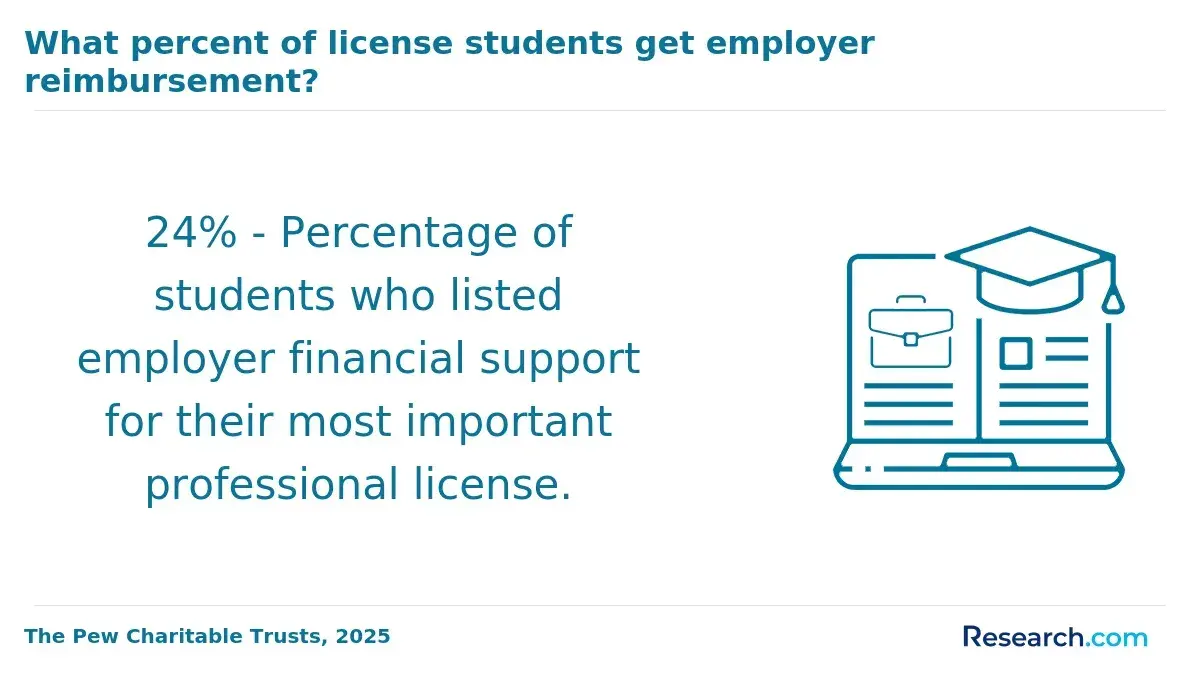
Licensure and certification are decisive factors shaping career trajectories for biology graduates targeting regulated or specialized roles. Positions like clinical laboratory scientist mandate certification from entities such as the American Society for Clinical Pathology, without which legal practice is blocked. Environmental biology roles frequently demand credentials like Certified Ecologist to fulfill regulatory and assessment duties, underlining the necessity of upfront credential acquisition planning.
Hazardous materials or pharmaceutical lab work imposes additional credential requirements, including OSHA certification or Good Laboratory Practice training, reflecting employer and legal safety standards. These certifications are not optional; they directly influence employability and job readiness in sensitive operational niches.
Data from Long-Term Outcomes, Mobility, and Satisfaction for Online Biology Graduates report a 90% employment or further study rate within six months post-graduation, with most graduates working in roles related to their degree, indicating relevant certification attainment is a substantial factor in this outcome.
Failing to secure essential certifications can restrict access to licensure-dependent roles, complicating direct placement in fields like pharmaceutical quality control, which often requires credentials such as Certified Quality Auditor. Students should therefore consider:
- Researching mandatory certifications linked to target career paths before enrollment.
- Factoring costs, exam scheduling, and continuing education into program choices.
- Prioritizing programs with integrated certification preparation coursework.
- Preparing for prerequisites like supervised clinical or laboratory experience.
Integrating certification strategy into educational planning aligns expectations with employer demands and regulatory frameworks, ultimately determining the practical value of a biology degree in the workforce.
Other Things You Should Know About Biology
Most accredited online biology programs require hands-on lab work, which can be completed through local lab partnerships, short campus residencies, or virtual simulations. Programs that rely heavily on virtual labs may limit practical skill development, which can be a disadvantage for roles demanding strong technical lab competencies. Prioritize programs that provide verified access to physical lab experiences when your target jobs require laboratory proficiency, as this significantly affects your readiness and employability in experimental biology fields.
Employer perception varies substantially depending on program reputation, accreditation, and graduate vetting rather than delivery mode alone. For biology roles with a focus on technical skills or research, employers expect demonstrable practical experience and may scrutinize online degree rigor more closely. Prioritize programs that integrate practical internships, research opportunities, or fieldwork to strengthen your resume against traditional degree holders.
Faculty expertise directly influences the depth and relevance of instruction, especially for advanced biology topics and emerging fields. Programs with active research faculty who mentor online students enhance career prospects by providing networking, applied research experience, and skill-building beyond textbook knowledge. When selecting a program, favor those that explicitly connect online students to research projects or faculty-led initiatives to increase professional development and employment prospects.
References
- Online Bachelor's Degrees in Biology: Top Schools & Programs https://www.edumed.org/online-schools/biology-degrees/
- How to Get Into a Biology Program in Europe: The Realistic Guide - StudyinEurope.eu https://www.studyineurope.eu/biology/admission-guide/
- Explore Careers And Jobs That Require A Professional License https://www.accreditedschoolsonline.org/resources/jobs-requiring-professional-license/
- Is Your Online Degree Legitimate? How to Verify Private University Approval https://matchtocollege.com/blog/verify-private-university-online-degree-approval
- Are Online Degrees Accredited? How to Identify Quality Distance Learning Programs https://www.umassglobal.edu/blog-news/online-degrees-accredited-identify-quality-distance-learning-programs
- Careers in Biology https://www.aibs.org/careers/
- Fast Way to Get an Online Biology Degree | Straighterline https://www.straighterline.com/blog/how-to-earn-an-online-biology-degree
- Best Online Biology Degrees https://www.affordablecollegesonline.org/biology-programs/
- How to Verify a US Partner School's Accreditation Before Committing https://www.amerigoeducation.com/news/how-to-verify-a-us-partner-schools-accreditation-before-committing