2027 Best Online Bachelor's in Biology With Internship Support

Co-Founder and Chief Data Scientist
Working professionals aiming to transition into biology careers often confront a catch-22: gaining practical lab experience while managing full-time jobs or family commitments. Recent findings from the National Center for Education Statistics reveal a 25% surge in adult enrollment in online science programs, underscoring growing demand for flexible, application-oriented degrees.
Yet, without embedded internship support, many risk graduating with theory-rich but experience-poor credentials, limiting entry into competitive biotech or research roles. This article evaluates the best online bachelor's in biology programs offering structured internship integration, helping candidates navigate flexible learning without compromising essential hands-on training critical for workforce readiness.
Key Things You Should Know
- Internship-supported online biology degrees show 18% higher STEM employment rates per NSF 2024, but require upfront scheduling tradeoffs as internship timing often conflicts with full-time jobs, delaying graduation.
- Employers increasingly prioritize internship experience in biology hires, with 62% of biotech firms in 2024 reporting stronger preference for candidates with verified practical lab skills, making program selection critical.
- State residency generally dictates internship availability and cost; 47% of accredited online biology programs in 2024 limit placements by location, affecting affordability and access for out-of-state students.
What makes an online bachelor's in biology with internship support a strong choice?
Online bachelor's in biology programs with internship opportunities address a key hiring demand: candidates who combine theoretical understanding with practical experience. Internship placements offer direct exposure to experimental techniques, data analysis, and scientific communication, which are often the difference between entry-level employment and prolonged job searching.
A biotechnology aspirant, for instance, gains tangible industry insight by working with labs specializing in genetic sequencing, ensuring their skills align with employer expectations before graduation. The sector outlook supports this approach. According to the U.S. Bureau of Labor Statistics, biological technician roles are set to grow 5% from 2024 to 2034, faster than average occupations. Employers explicitly seek graduates with internships to reduce onboarding and training time, which can be a decisive advantage in hiring.
Best online biology degrees offering internship support often collaborate with regional labs or research centers to place students locally, easing the challenge for working professionals balancing job and study. When evaluating programs, students should consider whether internships are paid, required time commitments during semesters, and the availability of career services to facilitate placements.
Without such support, graduates risk strong theoretical knowledge but limited practical skills-a barrier in the marketplace. Prospective students weighing this path may also benefit from researching what jobs can you get with an environmental science degree to understand adjacent career options where biology foundation and hands-on experience intersect.
How do online biology bachelor's programs compare with campus-based options for internships?
Online biology bachelor programs internship opportunities demand a different approach than those tied to campus degrees, particularly because students must independently secure placements aligned with their career goals. Unlike campus programs that often embed local lab collaborations and defined internship pathways, online learners face the operational challenge of identifying and negotiating internships themselves, which can influence the depth of hands-on experience.
Employers in biology-centric roles prioritize practical exposure to specialized equipment and protocols, areas where campus programs usually have an advantage. On-site internships provide immediate access to technical resources and faculty mentorship, accelerating skill development relevant to biological technicians earning a median annual wage of $51,280.
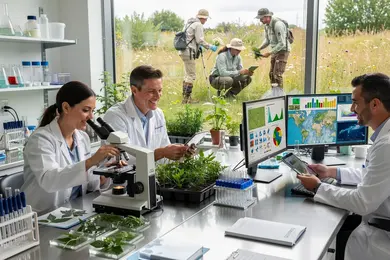
In contrast, online students often rely on remote or virtual labs, which may lack the tactile, field-specific immersion needed for some technician or environmental biology positions. For illustration, a student targeting environmental biology benefits from internships with direct fieldwork tied to local ecosystems, a feature less accessible through online formats.
Conversely, those studying remotely can tap into local clinics or nonprofit organizations if they proactively forge mentorship connections. This tradeoff highlights why students comparing internship support in online vs campus biology degrees must assess their capacity for self-directed networking and potentially travel logistics.
The practicality of securing meaningful internships ultimately affects employability and skill acquisition. Students considering an online biology bachelor's degree should weigh these dynamics and might explore related pathways like an online MS data science to diversify technical competencies.
Which accredited schools offer online biology degrees that include structured internship placement?
Internship placement significantly affects employability outcomes for students pursuing an accredited online biology degree program. The 77.3% job offer rate for those completing internships highlights how experiential learning bridges academic study and workforce demands. Programs at institutions such as Oregon State University, Southern New Hampshire University, and Colorado State University Global embed structured internships that connect students directly with industry, research labs, and healthcare environments.
For example, Oregon State University requires a capstone internship supporting career paths in environmental consulting or biopharmaceutical roles, leveraging formal agreements with biotech and conservation organizations. Southern New Hampshire University targets biology majors aiming for positions as lab technicians or public health analysts by coordinating internships through its Career Services.
These top online biology schools offering structured internship opportunities mitigate regional placement hurdles by maintaining broad industry networks. Prospective students must weigh logistical and licensure constraints tied to their geographic location and intended subfield. A clinical lab internship in New York may involve different certification processes than agricultural biotechnology placements in Oregon.
Choosing programs with aligned internship pipelines can reduce such friction and better position students for post-graduation employment. Internships embedded in curricula accelerate entry into specialized biology fields by translating theory into practical skills. Therefore, assessing if programs provide tailored, professionally relevant placements is as important as the degree itself for advancing technical competencies and meeting market expectations.
Those considering an online degree in exercise science for related interdisciplinary expertise should consult resources like online degree in exercise science rankings for broader academic planning.
What admission requirements and prerequisite courses do online biology bachelor's programs typically have?
Admission requirements for online biology bachelor's programs commonly include a high school diploma with a minimum GPA usually between 2.5 and 3.0, though selectivity varies by institution. Prerequisite courses for online biology degrees frequently encompass foundational sciences such as general chemistry with lab, introductory biology, and basic calculus or statistics. These establish the quantitative and experimental groundwork necessary for advanced study.
Standardized tests have become less critical; many programs have waived or made the SAT/ACT optional since 2024. For career switchers, documented prior college coursework in science or math often serves as a substitute prerequisite to verify readiness. Internship or hands-on lab experiences integrated into curricula reflect workforce expectations-practical skills frequently outweigh purely theoretical knowledge in competitive job markets.
Early exposure to these environments can substantially influence employability and career trajectory. The variance in return on investment across biology programs is stark: Washington State University's biology degree reports a lifetime ROI exceeding $200,000, whereas the University of Florida's program shows a negative ROI approaching $185,000, demonstrating how admission rigor and prerequisite enforcement correlate with outcomes.
Students and professionals should evaluate these disparities carefully rather than treating prerequisites as mere formalities. Those interested in aligned scientific fields might consider related credentials like an online electrical engineering bachelor degree for veterans, where prerequisites and career-relevant skills follow a different but equally critical framework for ensuring workforce readiness.
What core biology coursework and lab experiences are included in these online programs?
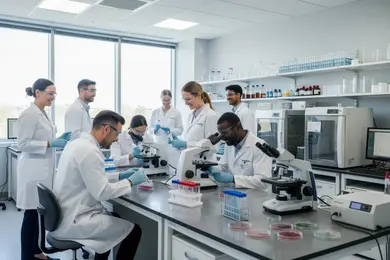
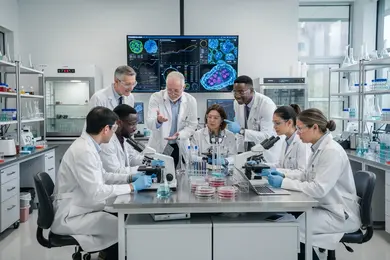
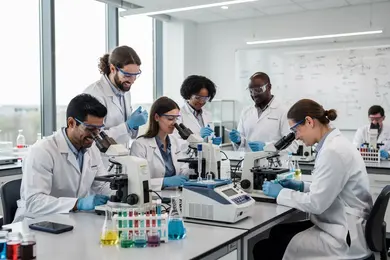
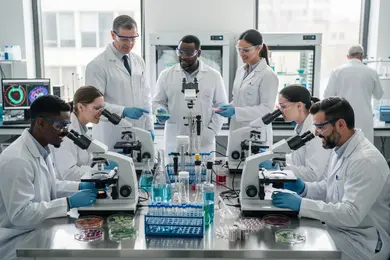
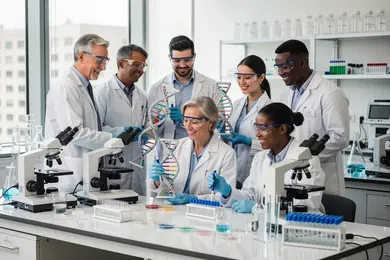
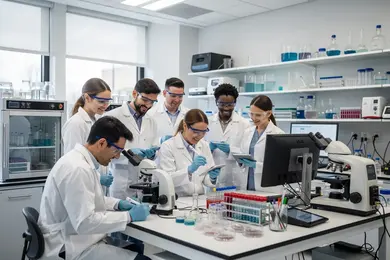
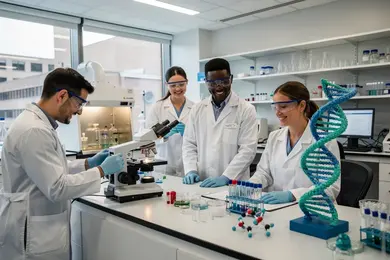
Online bachelor's in biology programs that integrate lab experience with remote coursework face a key challenge: ensuring graduates gain the hands-on skills STEM employers expect. Simply completing theoretical classes-molecular biology, genetics, ecology-does not suffice for roles requiring direct lab competencies. Employers consistently prioritize candidates with documented internship or lab rotation hours demonstrating familiarity with techniques like PCR, gel electrophoresis, and microscopy.
This gap is most visible in clinical or biomedical tracks, where 120+ supervised lab hours are often mandatory. Environmental biology roles, by contrast, emphasize fieldwork and ecosystem data collection, usually fulfilled through local internships structured to meet government standards. Programs relying solely on virtual labs risk leaving graduates underprepared for these practical demands.
Cost differentials further influence decisions: University of Florida's online biology bachelor's tuition at $15,504 in-state is significantly lower than the on-campus $25,520, but prospective students must weigh savings against the effort required to secure quality internships. This tradeoff is pivotal for working professionals seeking flexibility without compromising workforce readiness.
Ultimately, selecting an online biology program requires evaluating not just curriculum content, but the robustness of its lab experience integration and local internship infrastructure to navigate real-world employer expectations effectively.
How do online biology programs handle labs, research, and hands-on learning requirements?
Online biology programs confront a key practical challenge: securing verified hands-on lab experience essential for employer credibility, especially in clinical and biotech sectors. Many programs require students to attend in-person labs at community colleges or partner institutions, which means proximity to such facilities directly impacts feasibility and completion rates.
For example, an environmental biology student might fulfill lab requirements by sampling local ecosystems through an affiliated facility near their home, integrating location-driven constraints with curriculum demands. Virtual labs and remote data tools complement but do not replace physical experimentation. These digital tools support experimental design and data analysis tasks common in molecular biology or genetics, yet employers consistently expect confirmed wet lab experience.
Research and internships serve as another critical vector of real-world experience, often coordinated with local biotech firms, hospitals, or research centers. Successful programs facilitate these placements, aligning academic projects with current industry problems, which enhances graduate employability by building relevant, applied skills.
This blended approach carries cost implications. SUNY Empire State University charges around $295 per credit, balancing the expense of maintaining these hybrid arrangements. Prospective students must weigh travel time and access to internships as vital factors influencing not just academic success but long-term career trajectory.
How long do online biology bachelor's programs take, and what do they cost?
Completing an online bachelor's degree in biology typically demands a full-time commitment of about four years, mirroring traditional on-campus programs. However, practical constraints such as part-time enrollment or mandatory internships introduce variability, often extending completion to six years or more.
For example, Arizona State University Online requires 120 credit hours for its biological sciences B.S., illustrating a baseline workload. Students with transfer credits can accelerate progress but must carefully verify acceptability to prevent costly delays. The financial landscape is equally complex. Public universities generally offer tuition rates under $300 per credit hour for in-state learners, whereas private institutions can charge $400 to $600 per credit.
Overall tuition for a 120-credit program usually ranges between $36,000 and $72,000, exclusive of fees and necessary ancillary costs like lab materials or software, which add roughly $1,000-$2,000 annually. From an employability standpoint, the inclusion of internships is a decisive factor. Although internships can lengthen degree timelines, they deliver critical hands-on experience and networking opportunities that employers highly value in biology-related roles.
Working professionals balancing employment might opt for part-time study to manage finances, but face tradeoffs in delayed degree completion and earnings improvement. Employers often weigh the synergy of completed coursework and relevant practical experience, not just degree credentials alone.
- Standard completion: 4 years full-time, extended by internships or part-time status
- Typical cost: $36,000-$72,000 tuition for 120 credits
- Additional expenses: $1,000-$2,000 annually for essential lab and internship supplies
What biology-related careers and entry-level job roles can this degree support?
A bachelor's degree in biology without internship experience often leaves graduates underprepared for the practical demands of entry-level roles like biological technician or lab assistant. Internships bridge this gap by developing applied skills, such as specimen handling and lab instrumentation, that coursework alone rarely covers. For example, a biological technician in a medical research lab must master specimen preparation under supervision.
Employers in biotechnology and environmental sectors expect candidates to navigate real-world protocols, compliance requirements, and collaborative workflows immediately. Internship-backed resumes demonstrate this readiness, distinguishing applicants amid a highly competitive job market with over 100,000 biological and biomedical sciences bachelor's degrees awarded annually. This differentiation is critical as many graduates without internships face extended job searches or settle for unrelated positions.
Internships also expose biology graduates to nuanced career realities: those targeting public health or forensic science quickly learn about certifications and specialized skills beyond the degree's scope, while pharmaceutical sales roles demand a blend of scientific knowledge and industry familiarity often acquired through internships. Without this experience, candidates risk employer hesitation due to incomplete practical training and a limited professional context.
- Direct exposure to lab protocols and equipment operation
- Understanding regulatory documentation and team-based project management
- Clarifying certification and skill gaps in specialized biology fields
What salary ranges and job outlook can graduates with a biology bachelor's expect?
Entry-level salaries for bachelor's degree holders in biology vary substantially based on internship experience, industry, and location. Those securing competitive summer research internships often start near $58,000, while candidates lacking this practical exposure may find offers closer to $44,000, particularly in clinical laboratory technician roles. This discrepancy illustrates how hands-on laboratory or research experience directly affects employability and compensation.
The biological sciences sector is projected to grow about 9% through 2032, slightly above the average for all occupations. However, intense competition for limited internship opportunities, fewer than 20 open slots reported in some programs in 2026, creates a bottleneck that can extend job searches and force graduates into lower-paying, less advancement-focused positions.
Salary ranges typically span from $45,000 to $60,000 annually, varying by industry:
- Biotechnology, environmental consulting, and pharma roles trend toward the upper end.
- Education and government lab positions often anchor the lower salary bracket.
The geographical region also significantly influences job availability and pay. Prospective students must weigh these factors against their ability to secure meaningful internships and practical training to maximize their career trajectory within biology's competitive labor market.
How can students evaluate internship support and student services in online biology programs?
Internship access and structured support directly influence the real-world readiness of online biology students. Programs lacking formalized partnerships with research labs or environmental agencies often hinder a student's ability to secure relevant, career-aligned placements. For example, aspiring pharmaceutical lab technicians need internships with advanced lab facilities to build applicable skills; without targeted placements, their transition to employment weakens.
Similarly, students pursuing field biology roles must find programs that coordinate seasonal, safety-compliant internships with remote oversight options. Effective student services go beyond placement; they include mentorship structures, mandatory internship credits, and scheduling flexibility to accommodate working students. Career counseling tailored specifically to biology specializations and resume workshops emphasizing scientific competencies are practical must-haves.
Programs without dedicated career centers or virtual advising often leave candidates underprepared for competitive internships. Affordability also impacts access to extended internships. LSUA Online's biology degree pricing-$353 per credit with a $10,590 total after fees and transfer credits-illustrates the financial considerations that influence decisions about duration and engagement in internship experiences.
Reliable data on graduate employment linked to internships is another evaluation criterion. Institutional reports from the NCES or Industry Credentialing Commission can help students verify outcomes. Prioritizing programs that demonstrate measurable ties between internship support and job placement increases the likelihood of a practical, career-focused biology education.
Other Things You Should Know About Biology
Combining an online biology program with an internship significantly increases weekly time commitments beyond coursework alone. Students must balance asynchronous classes, deadlines, and exam prep alongside internship hours that may not always be flexible. Candidates should realistically assess their schedules and time management abilities, as full-time work or family responsibilities can conflict with the demands of concurrent internships and challenging science coursework.
Employers focus on demonstrated skills and experience more than delivery format, so an online degree with a verified internship can match the credibility of traditional programs. However, programs that lack rigorous lab components or credible internship supervision may raise concerns about practical skills. Prioritize programs where internships provide documented, relevant responsibilities and employer evaluations, as these credentials enhance employment prospects substantially.
Biology subfields vary widely in practical experience requirements, so aligning internship choices with career goals is critical. For lab-based fields like molecular biology or microbiology, intensive hands-on internships in research labs are crucial. For ecology or wildlife biology, fieldwork internships hold more weight. Prioritize internships that offer direct engagement in your targeted niche to build relevant skills employers demand and avoid generalized placements that dilute your specialization.
References
- Online Degree Programs from GMC's Global Online Leadership College https://online.gmc.edu/programs/biology/
- Online Science Courses with Lab that Transfer: A Helpful Guide - Prereqcourses https://www.prereqcourses.com/online-science-courses/
- How To Become A Biologist | Biology Degrees And Careers https://www.learnhowtobecome.org/science-technology-careers/biology/
- 22 Biology Major Jobs: What to Do with a Biology Degree | USAHS https://www.usa.edu/blog/careers-for-biology-majors/
- High School Intern Programs https://see.isbscience.org/resources/for-students/high-school-intern-program/
- How to Deliver High-Quality Biology Labs Online and On Campus https://www.scienceinteractive.com/blog/2026/how-to-deliver-high-quality-biology-labs-online-or-on-campus/
- Development and Assessment of a Sustainable PhD Internship ... https://elifesciences.org/reviewed-preprints/91011
- 5 High-Paying Jobs with a Biology BS | University of Bridgeport https://www.bridgeport.edu/news/high-paying-jobs-with-a-bachelors-in-biology/
- Online Science Classes with Labs https://praxilabs.com/en/blog/2025/12/28/online-science-classes-with-labs/