2027 Best MSN Paths for Public Health Nurses Seeking Graduate Advancement

Co-Founder and Chief Data Scientist
Public health nurses aiming for graduate advancement face a pressing challenge: selecting an msn path that balances rigorous specialization with the unpredictable demands of evolving healthcare systems. With the Bureau of Labor Statistics projecting a 21% growth in nurse practitioner roles through 2032, accelerated by expanding community health needs, program flexibility now weighs heavily alongside curriculum quality. Nearly 65% of graduate nursing students enroll part-time or online, according to the American Association of Colleges of Nursing, reflecting a shift toward accessible, career-compatible education. This article evaluates the best msn pathways shaping public health nurses' futures, offering clear guidance on options that optimize timing, affordability, and credential value.
Key Things You Should Know
- Public health nurse MSN paths emphasizing epidemiology show 22% higher median salaries but often require 18-24 months of full-time clinical rotations, limiting workforce re-entry for those balancing employment, per 2024 Bureau of Labor Statistics analysis.
- Employers prioritize MSNs with population health or policy specialization, linking a 35% higher hiring rate to graduates demonstrating measurable program implementation outcomes, according to the 2024 National Nursing Workforce Survey.
- The regional scarcity of accredited public health-focused MSN programs drives tuition averages 15% above national RN-to-MSN averages, forcing candidates to weigh opportunity costs against increased earning potential identified in Nursing Economic$ reports.
What are the best MSN degree paths for public health nurses seeking graduate advancement?
Employers increasingly expect public health nurses with an msn to combine leadership with analytic skills, a demand that shapes the top msn paths for graduate advancement in public health nursing. For instance, a nurse targeting a managerial role within a local health department should prioritize coursework in health systems management and program evaluation rather than purely clinical expertise. These tracks better prepare candidates to oversee teams and influence community-level interventions.
Emphasizing epidemiology or biostatistics equips nurses for data-driven roles focused on disease surveillance and health outcomes analysis, crucial in state and federal agencies where evidence-based policy guides decisions. A tradeoff to consider is that programs with strong analytic foci might require additional quantitative coursework, which may extend study duration but yields higher mobility and salary growth.
An msn with a focus on health policy or global health often demands proficiency in policy analysis and grant management, essential for nurses engaging in legislative or international health arenas. Such specializations suit those looking beyond direct patient care into systemic impact.
Public health nurses with an msn earn roughly 16% more than registered nurses overall and about 22% more than the average among all public health nurses, highlighting value beyond clinical skills. Candidates should carefully weigh program format constraints-part-time or online options may suit working professionals but require strategic planning to meet internship requirements without employment disruption. Resources like online direct entry MSN programs for non nurses can offer alternative pathways supporting these considerations.
msn degree options for public health nurses span leadership, analytic, and policy tracks, each aligning differently with employer expectations and workforce realities.
How does an MSN in public health nursing differ from related MSN specializations?
An msn in public health nursing diverges sharply from clinical-focused MSN paths due to its population-centered scope, shifting away from individual patient diagnosis and treatment to broader community health strategies. This difference is pivotal for professionals aiming to influence systemic health issues such as infectious disease management or chronic illness disparities within diverse populations. In practical terms, a public health nurse leverages skills in epidemiology, health policy, and program planning rather than relying exclusively on clinical care.
Employers in public health sectors prioritize competencies uncommon in clinical MSN tracks, including data interpretation, grant writing, and managing interdisciplinary teams. These skills enable graduates to operate effectively within government agencies, non-profits, or health systems where leadership and community engagement are crucial. The distinctions between public health nursing and clinical MSN paths extend to licensure, with public health nurses often pursuing certifications specific to community health rather than the clinical nurse practitioner credentials required elsewhere.
The job market outlook reflects a 40.1% projected growth for nurse practitioners through 2034, underscoring this specialization's strategic value for nurses ready to balance clinical expertise with public health proficiency. However, graduates must be prepared to navigate complex public health laws and equity frameworks. For students assessing options, the tradeoff includes broader societal impact potential but demands mastery beyond bedside diagnostics towards policy and population-level interventions. Prospective students seeking the easiest nursing program to get into should also weigh these programmatic and career nuances carefully.
What education, experience, and licensing are required to enter MSN programs in public health nursing?
Admission to MSN programs for public health nurses requires an active RN license and at least a bachelor's degree in nursing or equivalent, reflecting the advanced clinical and leadership demands involved. For applicants with non-nursing bachelor's degrees, completing prerequisite nursing courses or bridge programs adds time and cost, often extending the path before reaching core MSN coursework. Experience expectations vary, but most public health nursing MSN admission criteria emphasize 1 to 3 years in community health or related nursing roles to ensure candidates have firsthand exposure to population health challenges and care coordination.
Applicants transitioning from acute care settings without community health duties frequently face tradeoffs such as enrolling in additional practicum courses or gaining targeted fieldwork independently prior to admission. Furthermore, state licensure alignment affects program eligibility and post-graduate practice, as MSN programs typically require RN licensure from the same state or participation in compatible nursing compacts, complicating relocation or multi-state work plans.
The financial and time investment in these programs maps onto measurable employment gains. Medical and health services managers, an expected career outcome, earn a median annual salary of $117,960, underscoring the strategic benefit but also the upfront commitment necessary to meet strict licensure and experience prerequisites. Prospective students must weigh immediate career disruption against this long-term benefit and consider nuanced operational factors, including how completing prerequisite courses impacts timelines and costs.
For nurses evaluating pathways such as bridge programs or direct BSN routes, comparing options at top rated online nursing schools WGU can clarify practical implications for MSN program requirements for public health nurses.
How do online MSN programs for public health nurses compare with campus-based options?
Online msn programs vs campus-based public health nursing degrees present distinct operational tradeoffs that affect graduates' workforce readiness. Employers typically emphasize proven in-person clinical experience and collaborative skills, often better cultivated in campus-based settings with on-site labs and direct mentorship. Meanwhile, online programs increasingly adopt hybrid formats linking students to regional clinical sites, although the consistency of these arrangements varies widely among institutions.
For professionals balancing employment, an online msn offering may provide critical flexibility and immediate application of public health principles without relocating. Conversely, campus programs often support deeper networking essential to leadership roles in metropolitan health agencies. These programs generally yield higher reported employer satisfaction concerning graduates' capabilities in team-driven public health interventions.
When comparing flexibility and outcomes of public health msn programs, consider that more than 650 U.S. nursing schools offer over 2,000 graduate nursing programs. This saturation necessitates scrutinizing practicum design, faculty involvement, and compliance with licensure and clinical site requirements specific to your state and residency. Strategic selection should focus on institutions delivering measurable clinical integration and clear alumni success metrics.
A rural nurse pursuing advancement may prioritize accessible online options, whereas those aiming for prominent agency roles might find campus connections indispensable. Online programs demand significant self-motivation and digital literacy, influencing the student experience.
For candidates interested in advanced nursing pathways, resources on online DNP programs can provide complementary insight into progression beyond the MSN.
What accreditation and quality standards should public health nurses look for in MSN programs?
Accreditation by the Commission on Collegiate Nursing Education (CCNE) or the Accreditation Commission for Education in Nursing (ACEN) serves as a critical filter for public health nurses selecting msn programs, directly affecting employability in state and federal agencies that often mandate accredited credentials. Programs lacking this standard risk producing graduates who face barriers entering advanced practice roles.
Additionally, Council on Education for Public Health (CEPH) accreditation sharpens program relevance in epidemiology and community health, embedding competencies essential for effective population interventions. A real-world scenario illustrates this: a nurse working in a rural health department may find that CEPH-accredited coursework better prepares them for policy development and community outreach duties foundational to their daily role.
Program assessments must also consider clinical placement flexibility. Working professionals benefit from online or hybrid formats with costs between $410 and $817 per credit, but these savings must be balanced against practicum match quality with local agencies, which can vary widely. Tuition alone is an insufficient metric if practicum options do not align geographically or professionally.
Outcome measures such as certification exam pass rates and employment within six months post-graduation provide tangible evidence of a program's workforce value. A low-cost program without strong graduate support services may compromise long-term career momentum despite lower upfront investment.
The practical choice lies in weighing accreditation, CEPH integration, clinical access, and documented program success rather than defaulting to price or convenience alone.
What core courses and practicum experiences are included in public health-focused MSN curricula?
Public health-focused msn programs emphasize essential competencies in epidemiology, biostatistics, environmental health, health policy, and community health nursing, shaping nurses capable of impactful population-level interventions. Employers prioritize graduates proficient in quantitative analysis, data-informed decision-making, and practical experience applied during practicum placements with health departments or nonprofits. For example, a nurse coordinating telehealth services in rural areas gains critical logistics and policy navigation skills highly valued by public health agencies.
Students choosing dual msn/mph or interdisciplinary tracks significantly broaden their qualifications, reflected in median earnings near $95,359 two years after graduation, according to 2024 College Scorecard data cited by NurseJournal. However, these combined paths demand managing heavier credit loads and cross-disciplinary fieldwork, imposing greater time and organizational challenges compared to standard msn routes.
Key tradeoffs prospective students must consider include:
- Standard public health msn programs offer concentrated clinical skills and diverse practicum opportunities focused on social determinants and health promotion.
- Dual-degree options enhance policy fluency and cross-sector flexibility, increasing employability but extending program length and complexity.
Ultimately, employers seek candidates with demonstrated analytic rigor and community-level leadership through practicum projects targeting vulnerable populations or outbreak management, requiring realistic evaluation of the educational demands and career benefits inherent to these pathways.
How long do public health nursing MSN programs take, and what tuition, fees, and financial aid can students expect?
Public health nursing MSN programs present a decisive tradeoff between program length and total cost that must be carefully evaluated by prospective students, particularly working professionals. For candidates with a Bachelor of Science in Nursing (BSN), the 2- to 3-year duration minimizes income disruption and tuition accumulation, improving return on investment. In contrast, non-BSN entrants face 3 to 4 years of study due to prerequisite nursing courses, which delays workforce re-entry and increases financial strain.
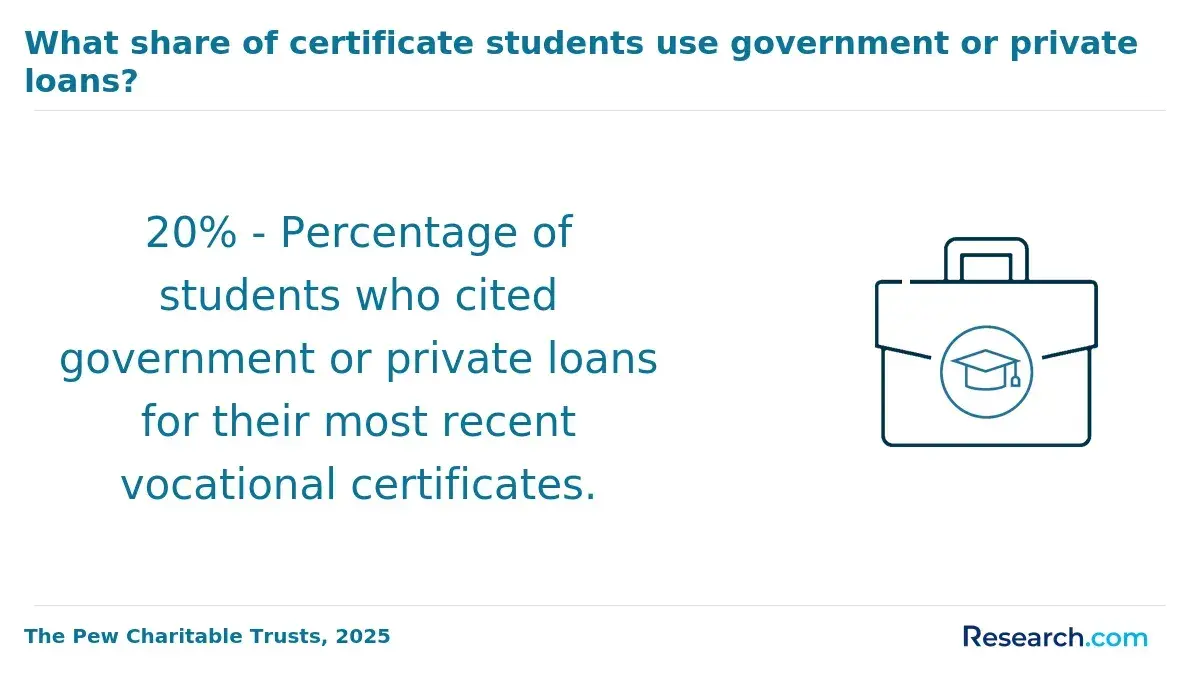
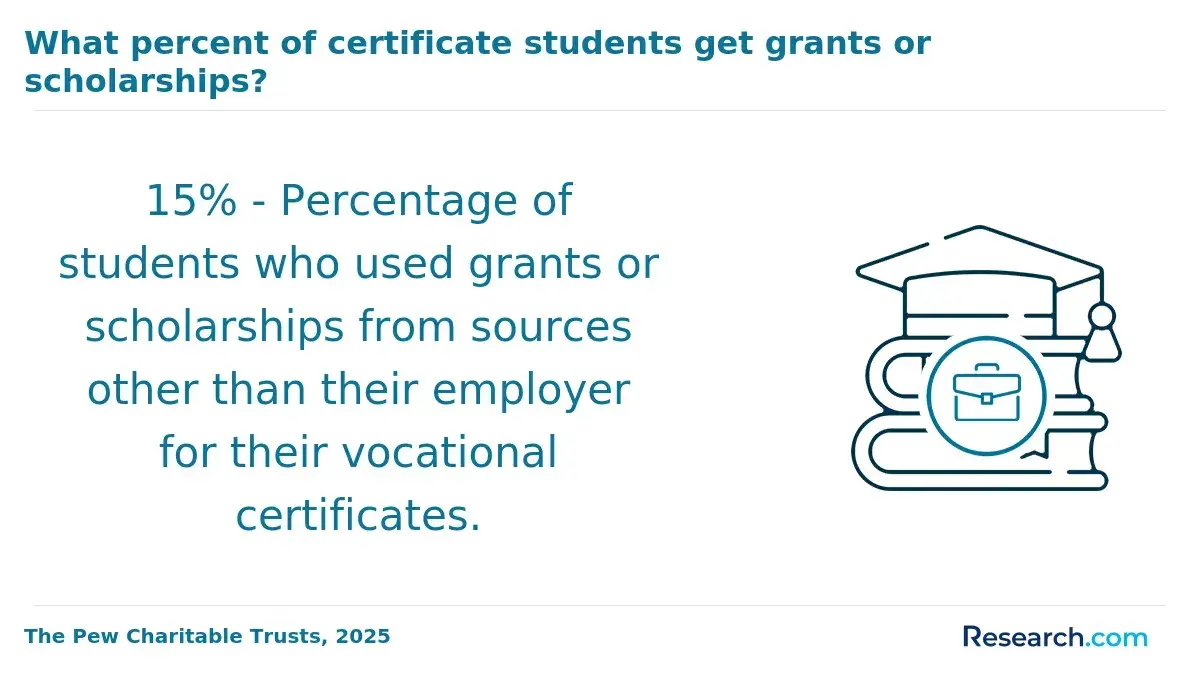
Tuition disparities compound these challenges. Direct-entry MSN programs for California residents can reach annual fees of $35,782, while nonresidents may pay up to $48,026. These elevated costs disproportionately affect out-of-state non-BSN candidates, demanding strategic financial planning beyond limited financial aid options, which often include federal loans, state grants, and employer tuition assistance but rarely cover full expenses.
For example, a mid-career public health professional without a BSN must weigh whether the additional year or more required by direct-entry programs justifies the delayed salary gains and higher cumulative tuition. Employing shorter BSN-to-MSN tracks where available provides a clearer financial and operational advantage for those already credentialed.
What advanced roles and career pathways can public health nurses pursue with an MSN degree?
Pursuing an msn degree in public health nursing leads to specialized roles that go beyond bedside care, requiring proficiency in data analytics, policy interpretation, and strategic program management. For instance, a nurse epidemiologist working for a state health department must integrate technical disease surveillance with collaboration across governmental agencies, blending analytics with actionable public health strategies. Conversely, a public health program director in a nonprofit setting prioritizes operational aspects such as grant management and workforce coordination, illustrating the varied skill sets demanded by different employer types.
These roles differ in job security, salary potential, and geographic mobility, compelling prospective students to assess their priorities carefully. Budget is a key consideration; tuition costs, such as the $630 per credit rate seen in some online programs, can push total expenses upwards of $18,000 to $25,000, necessitating evaluation of return on investment based on regional salary data that show mid-career raises between $20,000 and $35,000.
Employers expect mastery in community health assessment tools and program evaluation grounded in a rigorous curriculum with adequate practicum experience. Students balancing full-time work face challenges in scheduling practicum hours, making flexible program structures or employer support critical to completion and subsequent employability.
What salary ranges and job outlook apply to MSN-prepared public health nurses in the United States?
Public health nurses with an MSN in the United States are positioned to command salaries typically ranging from $80,000 to $130,000 annually, though leadership positions often exceed six figures. The American Association of Colleges of Nursing (AACN) data reflect that those with master's degrees frequently occupy top leadership roles, with compensation frequently surpassing $100,000. This represents a substantial financial and professional return compared to clinical-only tracks.
Urban settings commonly offer program management or policy-related roles starting near $90,000, with rapid salary growth tied to experience and responsibility. Conversely, rural and community health roles may begin closer to $75,000 but can lead to high-level government or nonprofit leadership, where salaries surpass $120,000. Employer demand focuses heavily on demonstrated leadership, policy expertise, and skills applicable to health equity and population health management.
Key employer expectations include cross-sector collaboration, grant writing, and administrative capabilities. Licensure and additional certifications significantly influence employability and salary potential. Budget constraints in many public health agencies create salary compression risks, especially in state and local government roles, underscoring the importance of professional networking and targeted skill development to secure stable, well-compensated positions.
How can public health nurses evaluate and choose a reputable MSN program aligned with their goals?
Selecting an MSN program requires prioritizing accreditation from recognized agencies such as CCNE or ACEN to ensure the credential's credibility with employers. Equally important is aligning specialization choices with specific career objectives-whether that involves community health leadership, epidemiology, or health policy. For instance, nurses aiming for state-level health administration roles should lean toward programs with stronger policy and management emphases rather than purely clinical curricula. Employers often weigh practical experience heavily, so a program with a balanced ratio of practicum hours to theoretical content better positions graduates for competitive job markets.
Graduate outcome transparency is another critical metric. Schools or independent data showing employment rates within six months post-graduation and career trajectory specifics offer a straightforward gauge of program effectiveness. According to Credenza Health, many MSN specialties yield six-figure salaries, making it strategically beneficial to select degrees that correspond with high-demand sectors. For working nurses managing unpredictable schedules, program duration and flexible scheduling, including part-time options, significantly impact feasibility and reduce career disruption.
Practicum accessibility-either local placements or virtual preceptorships-is a decisive factor for public health nurses balancing shift work. Cost considerations should be weighed against measurable outcomes; higher tuition may be justified when linked to greater employability or specialty certifications, whereas lower-cost programs without demonstrated impact risk stagnating professional momentum despite awarding an MSN credential.
Other Things You Should Know About MSN
An MSN program should hold CCNE or ACEN accreditation. Employers and state boards use these accreditations to verify program quality, and many schools require graduation from an accredited program for MSN-level admission, certification eligibility, or later doctoral study.
Public health nurses pursuing an MSN in 2027 can access various financial aid options, including federal loans, grants, and scholarships specific to nursing. Some programs offer fellowships or tuition reimbursement for students committed to public health service post-graduation.
The number and quality of clinical practicum hours directly influence readiness for advanced public health roles. Programs with minimal or generic practicum placements reduce exposure to real-world public health challenges, limiting practical skill development. Students should prioritize programs with targeted practicum opportunities in community health settings to acquire relevant experience and improve employability in specialized public health roles.
In 2027, public health nurses benefit from MSN specialties like Community Health Nursing, Nursing Leadership, and Epidemiology. These paths equip nurses with advanced skills in health policy, program development, and disease prevention, enhancing their impact in diverse community health settings.
References
- In-Person vs. Online Nursing Programs https://www.chamberlain.edu/blog/in-person-vs.-online-nursing-programs
- The Complete Guide to MSN Programs: Online, Campus, and Hybrid https://www.onlinefnpprograms.com/guides/guide-to-msn-programs/
- How to Become a Public Health Nurse https://www.publichealthdegrees.org/careers/public-health-nurse/
- 10 Great Master's Degrees for Nurses in 2026 https://credenzahealth.com/career-advice/10-great-masters-degrees-for-nurses
- CCNE Accreditation https://www.aacnnursing.org/ccne-accreditation
- Career Paths in MSN https://www.allnursingschools.com/msn/career-paths/
- Master of Science in Nursing Public & Population Health https://online.worcester.edu/programs/nursing/msn-public-health/
- How to Choose the Right Nursing Program for Your Career Goals - Maria College https://mariacollege.edu/blog/how-to-choose-the-right-nursing-program-for-your-career-goals
- MSN HANDBOOK https://handbook.auhs.edu/msn-indirect-and-direct-core-courses-msn-core-program/
- Public Health (MSN) https://www.commonwealthu.edu/academics/programs/nursing-public-health-msn