
2027 How to Become a Grief Counselor?

Co-Founder and Chief Data Scientist
Becoming a grief counselor is a serious career decision: you are preparing to support people through death, traumatic loss, life transitions, family disruption, and other deeply personal experiences. The work can be meaningful, but it also requires formal education, supervised clinical training, state licensure, emotional resilience, and a clear understanding of professional boundaries.
This guide explains how to become a grief counselor, what degrees and licenses usually matter, how online programs fit into the path, what the career can pay, where grief counselors work, and how to compare programs before enrolling. It is designed for students, career changers, and helping professionals who want a practical roadmap rather than a generic overview.
Quick Answer: How Do You Become a Grief Counselor?
To become a grief counselor, you typically start with a bachelor’s degree in psychology, counseling, social work, behavioral science, or a related field. For independent clinical practice, most U.S. states require a master’s degree in counseling, psychology, social work, marriage and family therapy, or a closely related discipline, followed by supervised clinical hours, a licensing exam, and state licensure. Optional grief counseling certifications can strengthen your expertise, but they usually do not replace state licensure.
Why pursue a grief counseling career?
- Grief counseling can lead to roles in hospitals, hospice organizations, primary care settings, long-term care centers, rehabilitation facilities, funeral homes, private practices, community agencies, and government programs.
- The average base salary of a grief counselor is $67,423, while bereavement counselors make an average base salary of $53,119. Pay varies by credential, employer, state, clinical experience, and whether you work independently.
- Online grief counseling-related degrees can help working adults complete coursework with more flexibility, though students must still verify accreditation, licensure alignment, practicum requirements, and state rules before enrolling.
What Does a Grief Counselor Do?
A grief counselor helps clients process loss, adapt to life changes, manage emotional distress, and develop coping strategies after a death or other major loss. The role is not limited to “talking about sadness.” Grief counselors may help clients work through guilt, anger, numbness, trauma responses, family conflict, disrupted identity, spiritual questions, anxiety, depression symptoms, or complicated grief.
Depending on their license and setting, grief counselors may provide individual therapy, family counseling, group support, crisis intervention, psychoeducation, referrals, and care coordination. They may also collaborate with physicians, social workers, chaplains, school staff, hospice teams, or funeral service professionals.
What can you expect from grief counseling education?
- Most programs begin with core courses in psychology, counseling theories, human development, assessment, ethics, and multicultural counseling.
- Some degrees include electives or concentrations in grief, loss, bereavement, trauma, child and adolescent counseling, crisis intervention, or family systems.
- Students study confidentiality, mandated reporting, informed consent, professional ethics, documentation, and state-specific legal responsibilities.
- Graduate programs usually include practicum or internship experiences where students work with clients under supervision.
- After graduation, aspiring counselors often pursue state licensure and may add voluntary certifications in grief counseling or thanatology.
Where Can Grief Counselors Work?
Grief counselors can work in many clinical and community settings. Common employers include healthcare systems, hospice and palliative care providers, primary care offices, mental health clinics, social service agencies, rehabilitation centers, long-term care facilities, schools, employee assistance programs, funeral homes, government agencies, and private practices.
As of May 2023, California had 54,660 mental health, behavioral disorders, and substance abuse counselors, the highest employment level for this occupational group in the United States. According to the U.S. Bureau of Labor Statistics (BLS, 2024), New York, Pennsylvania, Florida, and Texas also employed large numbers of mental health, behavioral disorders, and substance abuse counselors.
How Much Can Grief Counselors Make?
- Bereavement counselors make an average base salary of $53,119.
- Entry-level roles had an average base salary of about $40,000, while senior-level roles had an average base salary of approximately $67,000.
- The grief counselor job outlook and salary are favorable, with employment of these workers projected to grow by 18% until 2032.
If higher earnings are part of your long-term plan, focus on licensure, supervised experience, specialized training, and advanced credentials. Certifications such as the National Certified Counselor (NCC) can support professional credibility. Some professionals also pursue a PhD in psychology, counselor education, social welfare, behavioral psychology, or a related field, especially if they want to teach, conduct research, supervise clinicians, or move into leadership.
| Career factor | What to know before choosing this path |
| Typical education path | Bachelor’s degree first, then usually a master’s degree for professional counseling licensure. |
| Clinical training | Many states require supervised post-degree experience before independent practice. |
| Salary range signals | Reported averages include $53,119 for bereavement counselors and $67,423 for grief counselors, but actual pay depends heavily on setting and credentials. |
| Best fit | People who can combine empathy with boundaries, documentation, ethics, and long-term emotional stamina. |
| Potential concern | The work can involve compassion fatigue, vicarious trauma, and exposure to intense client distress. |
- Grief Counselor Programs for 2027
- What degree do you need to become a grief counselor?
- How do you get hands-on grief counseling experience?
- Are there grief counseling certifications?
- Can you become a grief counselor with an online degree?
- How long does grief counseling education take?
- How much do education and licensure cost?
- What skills do grief counselors need?
- What other jobs can trained grief counselors pursue?
- How can grief counselors advance their careers?
- What challenges should grief counselors expect?
- How does grief counseling differ by age group?
- What ethical and legal issues matter in grief counseling?
- Can accelerated online MFT programs help grief counselors advance faster?
- What is the fastest way to become a counselor?
- Why consider CACREP-accredited counseling programs?
- Does the counseling license you choose matter?
- How can grief counselors build a private practice?
- How can grief counselors move into related fields?
- How can telehealth support grief counseling?
- Can grief and substance abuse counseling be combined?
- Why does continuing professional development matter?
- What trends are shaping grief counseling?
Grief Counselor Programs for 2027
How to use this program list
The programs below can support a pathway into grief counseling, but they are not identical. Some are bachelor’s programs that prepare students for graduate study. Others are master’s or doctoral programs that may align more directly with licensure, clinical practice, or specialization. Before applying, confirm whether the program meets the licensing requirements in the state where you plan to practice.
Research.com developed this list by reviewing institutional information and education data from recognized sources. Information was checked against the IPEDS database, Peterson’s database, including the Distance Learning Licensed Data Set, the College Scorecard database, and the National Center for Education Statistics. The list also includes online options where available.
| School | Program level and focus | Best for |
| Grand Canyon University | BS in Counseling with addiction-related emphasis | Students seeking undergraduate preparation in counseling-related work. |
| Pepperdine University | MA in Clinical Psychology | Students seeking a graduate path toward California MFT or professional clinical counselor licensure. |
| Southern New Hampshire University | BA in Psychology | Students who want a psychology foundation before graduate study or entry-level human services roles. |
| University of Florida | Psychology curriculum | Students seeking a broad psychology background for professional school or graduate training. |
| The Chicago School | MA in Counseling Psychology | Graduate students interested in clinical skills, assessment, diagnosis, and specialized counseling areas. |
| Yeshiva University | MA in Mental Health Counseling | Students interested in mental health counseling with electives including grief, loss, and bereavement. |
| Xavier University of Louisiana | MA in Counseling | Students seeking CACREP-accredited clinical mental health or school counseling tracks. |
| Xavier University | Clinical Psychology PsyD | Students pursuing doctoral-level clinical psychology training. |
| Walsh University | Combined BA and MA pathway | Students who want an integrated behavioral science and counseling route. |
| Lesley University | Non-clinical PhD in Counseling and Psychology | Professionals interested in leadership, applied research, and non-clinical doctoral study. |
1. Grand Canyon University
Grand Canyon University offers a BS in Counseling through its College of Humanities and Social Sciences, with an emphasis on Addiction, Chemical Dependency, and Substance Abuse. Available on campus and online, the program is designed to build counseling-related knowledge, ethical awareness, and an understanding of addiction and substance use issues affecting individuals, families, and communities.
- Program Length: 7–8 weeks (online); 15 weeks (campus)
- Tracks/Concentrations:
- Addiction
- Chemical Dependency
- Substance Abuse
- Tuition: $485 per credit (online); $8,250 per semester (campus)
- Required Credits: 120
- Accreditation: Higher Learning Commission (HLC)
2. Pepperdine University
Pepperdine University offers a Master of Arts in Clinical Psychology through the Graduate School of Education & Psychology. Students can choose daytime, evening, or online formats. The degree can support preparation for marriage and family therapist licensure or professional clinical counselor licensure in California. Graduates may pursue roles such as child and adolescent therapist, emergency assessment counselor, clinical director, or executive coach.
- Program Length: 2–3 years
- Tracks/Concentrations: Marriage & Family Therapy
- Cost Per Unit: $1,425–$1,875
- Required Credits: 160–72
- Accreditation: Accrediting Commission for Senior Colleges and Universities of the Western Association of Schools and Colleges (WSCUC)
3. Southern New Hampshire University
Southern New Hampshire University offers an on-campus BA in Psychology aligned with the American Psychological Association (APA) Guidelines for the Undergraduate Psychology Major. The program emphasizes communication, emotional intelligence, critical thinking, equity, inclusivity, diversity, and theory-based applications across multidisciplinary settings.
- Program Length: 4 years
- Tracks/Concentrations:
- Child and Adolescent Development
- Forensic Psychology
- Mental Health
- Cost per Credit: $540
- Required Credits: 120
- Accreditation: New England Commission of Higher Education (NECHE)
4. University of Florida
The University of Florida provides a psychology curriculum that can prepare students for psychology-related careers or for professional schools such as medicine or law. The curriculum addresses psychology as both a natural and social science and includes coursework in psychology, mathematics, statistics, and biology. Students may also complete a senior honors thesis and take online courses.
- Program Length: 4 years
- Tracks/Concentrations:
- General Psychology
- Behavior Analysis
- Behavioral and Cognitive Neuroscience
- Cost per Credit: $6,380 (residents); $28,658 (nonresidents)
- Required Credits: 120
- Accreditation: Southern Association of Colleges and Schools Commission on Colleges (SACSCOC)
5. The Chicago School
The Chicago School offers an MA in Counseling Psychology that develops diagnostic, therapeutic, consultative, and clinical support skills for work with diverse populations. The program uses a scientist-practitioner approach and prepares students to assess, diagnose, treat, and support clients experiencing cognitive, behavioral, and emotional conditions.
- Program Length: 2–4 years
- Tracks/Concentrations:
- Latinx Mental Health
- Child & Adolescent Therapy
- Treatment of Addiction Disorders
- Health Psychology
- Trauma & Crisis Intervention
- Marriage & Family Therapy
- Cost per Credit: $1,368
- Required Credits: 48
- Accreditation: Masters in Psychology and Counseling Accreditation Council (MPCAC)
6. Yeshiva University
Yeshiva University offers an MA in Mental Health Counseling through the Ferkauf Graduate School of Psychology. Students may attend part-time, full-time, in person, or online. Undergraduate students may also consider a five-year dual degree pathway. Graduates are eligible to take the Licensed Mental Health Counselors (LMHC) exam in New York.
- Program Length: 2.5 years
- Tracks/Concentrations: Substance Abuse Treatment and specialized electives including Grief, Loss, and Bereavement Counseling
- Cost per Credit: $1,644
- Required Credits: 60
- Accreditation: New York State Education Department
7. Xavier University of Louisiana
Xavier University of Louisiana has offered MA in Counseling preparation since the 1950s. The program uses a leadership-practitioner model and emphasizes client growth, advocacy, systems awareness, and humane environments. Coursework includes family and systems counseling, lifestyle and career development, and crisis, trauma, grief, and loss counseling.
- Program Length: 2–3 years
- Tracks/Concentrations:
- Clinical Mental Health
- School Counseling
- Cost per Semester: $7,344
- Required Credits: 60
- Accreditation: Council for the Accreditation of Counseling and Related Educational Programs (CACREP)
8. Xavier University
Xavier University offers a Clinical Psychology PsyD designed to train generalist practitioners who understand the role of science in professional psychology. Graduates often work in mental health facilities, healthcare organizations, forensic or correctional agencies, college counseling centers, and private practices.
- Program Length: 5 years
- Tracks/Concentrations:
- Children and Adolescents
- Individuals with Serious and Chronic Problems and Psychopathology
- Health Care Psychology across the Lifespan
- Cost per Credit: $893
- Required Credits: 120
- Accreditation: APA
9. Walsh University
Walsh University offers a combined BA in Behavioral Science and MA in Counseling and Human Development for students pursuing counseling careers. The pathway emphasizes self-awareness, respect for human dignity, research literacy, and effective communication.
- Program Length: 6 years
- Tracks/Concentrations:
- Clinical Mental Health Counseling
- School Counseling
- Cost per Semester: $17,115
- Required Credits: 54–60
- Accreditation: HLC
10. Lesley University
Lesley University offers a non-clinical PhD in Counseling and Psychology focused on social justice, health-supporting behavior, inclusion, leadership, education, and applied research. In the last five years, Lesley has trained 1,005 mental health practitioners, making it the biggest licensed mental health counselor provider in New England. The weekend-intensive cohort program is based in Cambridge.
- Program Length: 3 years
- Tracks/Concentrations: Counseling and Psychology
- Cost per Credit: $1,350
- Required Credits: 48
- Accreditation: NECHE
What Graduates Often Value About Grief Counseling Work
- Many grief counselors describe the work as deeply purposeful because they help clients regain stability, meaning, and connection after painful losses. May
- Professionals in this field often point to the privilege of supporting people during their most difficult seasons and seeing clients gradually rebuild hope. Liam
- Grief counseling can offer a strong sense of service, especially for counselors who are comfortable accompanying clients through vulnerability, uncertainty, and change. Ava
Key Findings for Prospective Grief Counselors
- More than half of grief counselors (54%) hold a bachelor’s degree, while 32% have master’s degrees.
- Online MA/MS programs connected to grief counseling most often take two to three years.
- Bachelor’s degrees in counseling can cost anywhere between $10,000 and $50,000 or more.
- From 2022 to 2032, employment growth for counselors is expected to reach 18%.
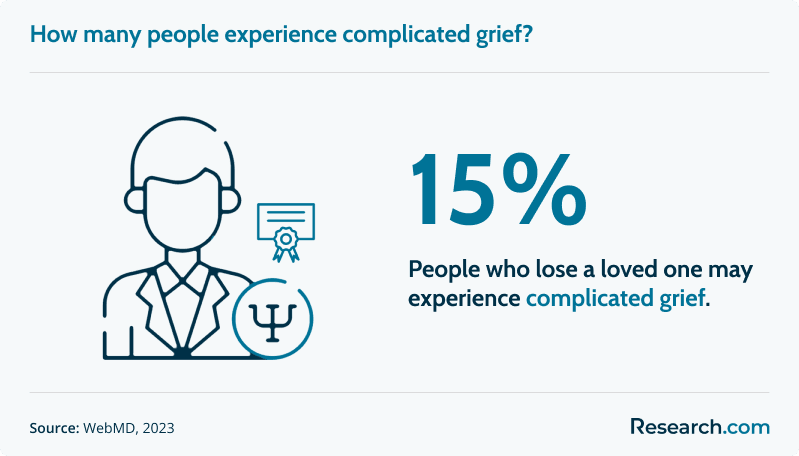
- Counselors work with about 15% of patients who experience complicated grief.
What Degree Do You Need to Become a Grief Counselor?
A bachelor’s degree in psychology, counseling, behavioral science, social science, health sciences, or a degree in social work is a common starting point. However, a bachelor’s degree alone usually does not qualify someone for independent clinical counseling practice. Most states require a graduate degree in counseling, psychology, social work, marriage and family therapy, or a closely related field before a person can become licensed.
If you choose the social work path, compare degree titles carefully. Prospective students may see MSW, MSSW, and MSSA options and wonder, what does MSSA stand for in social work? The differences can be modest, but licensing alignment, field placement, and state requirements matter more than the title alone.
Many graduate counseling programs include mental health, family therapy, trauma, or bereavement-focused coursework. Grief and loss may appear as a concentration, elective, certificate, or embedded course. Some students also pursue doctoral study, post-master’s training, or specialized certifications. Faith-based professionals may also benefit from understanding how to become a licensed Christian counselor, especially if they plan to work in pastoral or spiritually integrated counseling settings.
| Education option | Typical role in the pathway | Decision point |
| Associate degree | Introductory preparation in psychology, human services, or counseling-related topics. | Useful for exploring the field, but generally not enough for licensure. |
| Bachelor’s degree | Common foundation for graduate study and some entry-level human services roles. | Choose a major that supports graduate admission and includes psychology or helping-profession coursework. |
| Master’s degree | Often the key degree for counseling licensure and clinical practice. | Confirm accreditation, supervised fieldwork, state licensure alignment, and grief-related electives. |
| Doctoral degree | Advanced preparation for clinical psychology, research, teaching, supervision, or leadership. | Best for students with clear doctoral-level goals, not simply as a faster route into counseling. |
| Certificate or certification | Specialized training in grief, bereavement, thanatology, or child grief. | Helpful for specialization, but usually not a substitute for state licensure. |
A report from the Kaiser Family Foundation (KFF, 2023) found that 35.9% of U.S. adults reported anxiety or depressive symptoms in April 2020. The share had plateaued at 32.3% in 2023, suggesting that mental health needs remain substantial, including for people coping with loss and emotional distress.
How Do You Get Hands-On Experience in Grief Counseling?
Hands-on experience is essential because grief counseling cannot be learned through coursework alone. Students must practice assessment, listening, treatment planning, documentation, crisis response, referral, and ethical decision-making with supervision. Many U.S. states require at least 3,000 hours of supervised experience in the field before independent licensure.
- Use practicum and internship placements strategically. Graduate counseling programs usually include supervised clinical placements. If possible, seek sites such as hospice programs, hospitals, counseling centers, trauma agencies, schools, or community grief support organizations.
- Apply for entry-level support roles. Before full licensure, you may qualify for roles that support licensed clinicians, coordinate services, facilitate groups under supervision, or provide case management-related assistance.
- Volunteer with relevant organizations. Hospice centers, hospitals, community centers, bereavement programs, and nonprofit organizations may offer structured volunteer opportunities connected to grief support.
- Connect with local nonprofits. Organizations focused on loss, mental health, family support, crisis response, or children’s bereavement may provide training, supervised service, or referral-network experience.
- Attend specialized workshops after licensure. Licensed professionals can deepen their grief counseling skills through continuing education, conferences, seminars, and supervision focused on bereavement, trauma, complicated grief, and culturally responsive care.
Are There Specific Certifications for Grief Counseling?
Yes. Grief counseling certifications exist, but they are generally voluntary. A state license such as professional counselor, clinical social worker, marriage and family therapist, psychologist, or another qualifying credential is usually what authorizes clinical practice. Certifications can demonstrate specialized training and may help with credibility, referrals, or niche practice development.
- Certified Grief Counselor (CGC). This type of credential focuses on grief counseling methods, bereavement support, and client care. Requirements may include coursework, supervised experience, and an examination.
- Association for Death Education and Counseling (ADEC) Certification. ADEC offers certification for thanatology practitioners, including professionals who specialize in death, dying, grief, and bereavement.
- The National Alliance for Grieving Children (NAGC) Certification. NAGC provides training and certification programs for professionals supporting grieving children and families.
Elisabeth Kübler-Ross’s five stages of grief remains one of the most widely recognized grief models, but modern grief counseling is not limited to a single staged process. Current practice recognizes that grief can be nonlinear, culturally shaped, trauma-related, prolonged, ambiguous, or connected to multiple losses.
Medication may help some clients manage specific symptoms under medical supervision, but grief counseling focuses on emotional processing, coping skills, meaning-making, social support, and adjustment. Counselors should understand when to refer clients for psychiatric evaluation, medical care, crisis services, or higher levels of treatment.
Can You Become a Grief Counselor With an Online Degree?
Yes, an online degree can be acceptable for grief counseling and related psychology careers if the program is properly accredited and meets your state’s licensure requirements. The delivery format matters less than whether the curriculum, clinical hours, supervision, accreditation, and faculty qualifications align with professional standards.
Students should look closely at programs evaluated by the Council for Accreditation of Counseling and Related Educational Programs (CACREP) or the American Psychological Association (APA), depending on degree type and career goal. CACREP is commonly associated with counseling programs, while APA accreditation applies to doctoral-level psychology training and related areas.
Do not assume that every online counseling degree leads to licensure in every state. Some states have specific rules for online coursework, practicum supervision, internship location, faculty credentials, or exam eligibility. Always check the licensing board in the state where you plan to practice before enrolling.
| Online grief counseling-related degree | Potential advantage | Risk to check before enrolling |
| Online bachelor’s degree | Flexible foundation for graduate study or entry-level helping roles. | May not qualify you for clinical licensure without graduate education. |
| Online master’s in counseling | Can support licensure preparation if accredited and properly structured. | Must meet state fieldwork, supervision, and curriculum requirements. |
| Online marriage and family therapy degree | May fit students interested in family grief, relational loss, and trauma. | Licensure requirements differ from professional counseling and social work. |
| Online psychology doctorate | May appeal to students pursuing advanced psychology preparation; Online PhD programs in psychology are available for a faster completion time. | Psychology licensure has strict clinical training and accreditation expectations. |
How Long Does Grief Counseling Education Take?
The timeline depends on the degree level, enrollment status, transfer credits, clinical placement availability, and post-degree licensure requirements. For most aspiring licensed grief counselors, the full path includes undergraduate education, graduate study, supervised experience, and licensing exams.
- Associate degree. Associate degrees in psychology or counseling are commonly offered by community colleges and can be completed within two years.
- Bachelor’s degree. A bachelor’s degree in counseling, psychology, social work, or a related field usually takes four years of full-time study.
- Master’s degree. A master’s degree in counseling with grief-related coursework usually takes about two to three years for full-time students. Part-time study can take longer, while accelerated options may shorten the academic portion.
- Doctoral degree. A PhD or PsyD in counseling or psychology with a grief-related focus can take 4 to 7 years or longer, including coursework, research, and clinical practice. Students comparing doctoral paths should understand the difference between a doctorate in psychology options before applying.
Some professionals pursue post-master’s certificates or focused grief counseling training. These options may last from a few months to a year or more, depending on the provider, structure, and requirements.
Data shown below indicates that 54% of U.S. grief counselors have a bachelor’s degree, while 32% have a master’s degree (Zippia, 2024). However, students should not treat this as proof that a bachelor’s degree is enough for licensure. Most states require a master’s degree for licensed counseling practice, so state board rules should guide your planning.
How Much Do Education and Licensure Cost for Grief Counselors?
The cost of becoming a grief counselor depends on the school, degree level, public or private status, residency, books, fees, clinical requirements, transportation, technology, exam fees, and license application costs. Tuition alone does not show the full price of the pathway.
- Associate degree. Many associate degree programs cost around $8,000 to $15,000 each year.
- Bachelor’s degree. A bachelor’s degree in counseling, psychology, or a related field can range from approximately $10,000 to $50,000 per year for tuition and fees at a public university. Private universities may cost more.
- Master’s degree. A master’s degree in counseling with grief-related preparation can vary widely. Tuition and fees for a master’s program could range from $20,000 to $60,000 per year for a public university.
- Doctoral degree. A doctoral degree in counseling or psychology often ranges from $30,000 to $70,000 per year, depending on the program and institution type.
Licensure and certification costs may include application fees, background checks, examination fees such as the National Counselor Examination, supervision-related expenses, renewal fees, and continuing education. These expenses can vary by state, ranging from $100 to $400.
How to reduce the cost of becoming a grief counselor
- Compare total program cost, not just tuition per credit.
- Ask whether practicum and internship placements are arranged by the school or left mostly to students.
- Check whether credits can transfer from prior college work.
- Look for public universities, employer tuition assistance, scholarships, assistantships, and part-time enrollment options.
- Confirm that the program supports licensure before paying for a degree that may require extra coursework later.
What Skills Do Grief Counselors Need?
Students in grief counseling, online addiction counseling degree programs, mental health counseling, social work, and psychology need both clinical and interpersonal skills. Grief counseling requires compassion, but compassion alone is not enough. Counselors must also assess risk, document accurately, respect legal limits, and work within an evidence-informed treatment plan.
- Empathy. Clients need to feel understood without being judged, rushed, or minimized.
- Active listening and communication. Counselors must hear what clients say, notice what they avoid, and respond clearly through verbal and nonverbal communication.
- Compassion with boundaries. Effective counselors care deeply while maintaining professional limits that protect both client and clinician.
- Patience. Grief does not follow a fixed calendar. About 15% of people who experience losses encounter complicated stages of grief (Sreenivas, 2023), so counselors must be prepared for slow, uneven progress.
- Cultural competence. Loss, mourning, ritual, family roles, spirituality, and emotional expression differ across cultures. Counselors must avoid imposing their own assumptions on clients.
- Clinical judgment. Professionals need to recognize when grief is accompanied by trauma, suicidality, substance misuse, depression, anxiety, family violence, or other concerns requiring additional intervention.
- Self-awareness. Grief work can activate a counselor’s own history of loss, making supervision, consultation, and personal boundaries essential.
What Other Jobs Can Trained Grief Counselors Pursue?
Licensed grief counselors may move into related areas such as mental health counseling, behavioral disorder counseling, substance abuse counseling, hospice care coordination, crisis support, family services, school-based support, or community mental health. BLS projections show 18% employment growth from 2022 to 2032 for counselors, with around 42,000 opportunities.
- Policy Analyst ($64,100). Policy analysts may work in government agencies or nonprofits to support legislative change, social justice, and equitable access to services.
- Life Coach ($69,707). Life coaches help clients set goals, manage transitions, and develop coping strategies, though coaching is distinct from licensed therapy.
- Elementary Teacher ($70,740). Professionals with counseling-related training may use communication, child development, and support skills in education settings.
- Humanitarian Aid Worker ($73,300). Humanitarian workers may provide crisis intervention, psychosocial support, and referral services after disasters, conflict, or displacement.
- Case Manager ($83,400). Case managers use advocacy, coordination, documentation, and client-centered planning skills in healthcare and social service settings.
How Can Grief Counselors Advance Their Careers?
Career growth in grief counseling usually comes from deeper clinical competence, advanced credentials, a strong referral network, supervision experience, leadership, research, or specialized practice areas. A competitive therapist salary can also depend on state, employer, license type, and practice model.
- Pursue advanced education. A doctorate can support clinical leadership, teaching, supervision, research, or specialized roles. Counseling psychologists receive an average of around $100k/year. If you are considering that direction, review how long does it take to become a counseling psychologist.
- Teach or train other professionals. Experienced counselors may teach in academic programs, lead workshops, or provide grief counseling training for clinicians, clergy, healthcare teams, or community organizations.
- Open a private practice. Independent practice can offer autonomy and specialization, but it also requires business planning, compliance, referral building, billing systems, and risk management.
- Conduct research or publish. Research, books, articles, and professional resources can expand the field’s knowledge base and build professional authority.
- Consult with organizations. Hospitals, schools, funeral homes, employers, hospice providers, and agencies may need grief support program design, staff training, or policy guidance.
- Move into leadership or advocacy. Some counselors lead programs, supervise teams, advocate for better grief services, or contribute to community mental health initiatives.
What Challenges Should Grief Counselors Expect?
Grief counseling can be rewarding, but the work is emotionally demanding. Anyone considering the counseling career path should understand the risks and responsibilities before committing to the field.
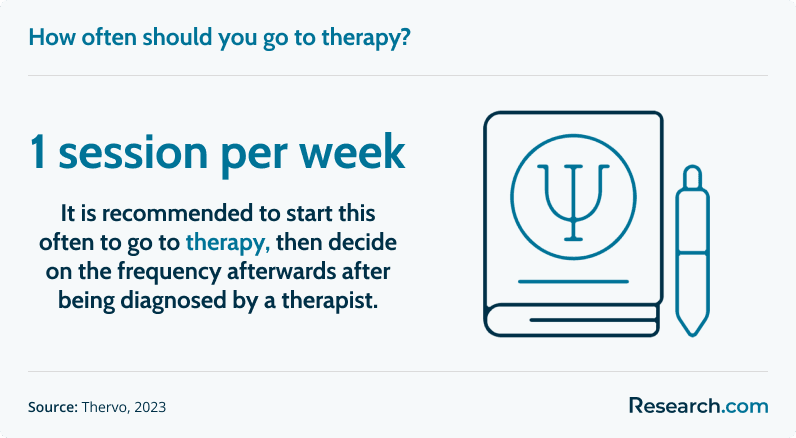
- Emotional strain. Initial therapy sessions are often weekly (Cramer, 2023), and carrying multiple clients’ stories of loss can contribute to burnout, compassion fatigue, or vicarious trauma.
- Boundary management. Clients in acute grief may need significant support, but counselors must maintain ethical limits and avoid becoming a substitute for the client’s entire support system.
- Cultural complexity. Misunderstanding a client’s mourning practices, family expectations, religious beliefs, or communication style can harm the therapeutic relationship.
- Resource gaps. Some communities have limited access to mental health care, crisis services, transportation, insurance coverage, or specialized grief programs.
- Ethical conflicts. Confidentiality, informed consent, documentation, dual relationships, mandated reporting, and scope of practice must be handled carefully.
Common mistakes to avoid
| Mistake | Better approach |
| Choosing a program based only on convenience. | Confirm accreditation, licensure alignment, field placement quality, and graduate outcomes. |
| Assuming every online program qualifies for licensure. | Check your state licensing board before enrolling. |
| Focusing only on tuition. | Compare fees, books, supervision costs, travel, exam fees, and time away from work. |
| Confusing certification with licensure. | Understand that optional grief certifications usually do not authorize independent clinical practice. |
| Ignoring emotional sustainability. | Plan for supervision, consultation, peer support, boundaries, and self-care from the start. |
How Does Grief Counseling Differ by Age Group?
Grief looks different across the lifespan. A counselor’s approach should match the client’s developmental stage, family context, communication ability, culture, and type of loss.
- Children and adolescents. Young children may not fully understand death and may show grief through behavior, play, regression, fear, or confusion. Adolescents may experience anger, isolation, risk-taking, or intense emotional swings. Age-appropriate tools such as play, art, storytelling, and family involvement can be important.
- Adults. Adults may face guilt, anger, depression symptoms, identity disruption, family role changes, work demands, financial pressure, or caregiving responsibilities. Counseling may combine emotional processing with practical coping strategies.
- Older adults. Older clients may experience multiple losses, including the death of peers, declining health, retirement, reduced independence, or social isolation. Counselors may need to address loneliness, meaning, legacy, and cumulative grief.
- Families across generations. Family members may grieve in different ways and at different speeds. Family sessions can improve communication, reduce blame, and help relatives understand one another’s grief responses.
What Ethical and Legal Issues Matter in Grief Counseling?
Grief counselors must protect client confidentiality, obtain informed consent, maintain professional boundaries, document care appropriately, and follow state licensing rules. They must also understand mandated reporting, crisis response, telehealth privacy requirements, data security, supervision expectations, and scope-of-practice limits.
Ethical practice is especially important when clients are vulnerable, recently bereaved, traumatized, suicidal, isolated, or dependent on the counselor for support. Specialized training can help professionals become a therapist online while learning how to navigate legal and ethical responsibilities in digital and in-person settings.
Can Accelerated Online MFT Programs Help Grief Counselors Advance Faster?
Accelerated online MFT programs can help some students move through marriage and family therapy coursework more efficiently, particularly if they want to work with families, couples, relational loss, or systemic grief. These programs may offer flexible scheduling and focused clinical preparation, but faster does not always mean better.
Before choosing accelerated online MFT programs, confirm that the curriculum, practicum, internship, supervision, and state licensing alignment meet your professional goals. Ask whether the program prepares graduates for the license you actually need in your state.
What Is the Fastest Way to Become a Counselor?
The fastest route still requires the right education, supervised experience, exams, and licensure. Shortcuts that skip licensure requirements can delay your career instead of speeding it up.
- Choose an accelerated degree only if it meets licensure standards. A faster program is useful only when the accreditation, curriculum, and fieldwork are accepted by your state board.
- Start practicum planning early. Ask how placements are approved, how supervision works, and whether your preferred setting offers grief-related experience.
- Select a specialization carefully. Focusing on grief counseling can help you choose relevant electives, internships, and continuing education.
- Use online or hybrid formats strategically. Flexible programs may help working adults complete coursework, but clinical training still requires real client contact and supervision.
For a broader overview of efficient counseling pathways, review Research.com’s guide to the fastest way to become a counselor.
Why Consider CACREP-Accredited Counseling Programs?
CACREP accreditation is an important quality marker for counseling programs. It indicates that a program has been reviewed against professional counseling standards, including curriculum, faculty qualifications, clinical preparation, and student support. For students who want to become licensed professional counselors, CACREP alignment can be especially important.
Students comparing affordability and flexibility may want to review the cheapest CACREP-accredited programs online, but cost should not be the only factor. Licensing fit, practicum quality, faculty support, and graduation requirements matter just as much.
- Professional recognition. CACREP-accredited programs are widely understood by employers and licensing boards in the counseling field.
- Structured curriculum. These programs cover key counseling areas such as ethics, counseling theories, assessment, human development, multicultural counseling, and clinical practice.
- Licensure preparation. CACREP programs are designed with professional counseling standards in mind, which can support a smoother licensing process in many states.
- Evidence-informed training. Accredited counseling programs are expected to reflect current professional knowledge and practice standards.
Does the Counseling License You Choose Matter?
Yes. Your license affects where you can work, what services you can provide, how you bill, whether you can diagnose, how you practice independently, and which clients or agencies you serve. Grief-focused professionals may pursue different credentials depending on whether they want to work in counseling, clinical social work, marriage and family therapy, psychology, pastoral care, or school settings.
Students comparing Licensed Professional Counselor and Licensed Clinical Social Worker pathways can use Research.com’s guide, Is LPC better than LCSW?, to understand how license choice can shape training, career options, and practice settings.
How Can Grief Counselors Build a Private Practice?
A grief counseling private practice requires more than clinical competence. Counselors need a business plan, referral strategy, ethical marketing, scheduling systems, documentation tools, insurance or private-pay policies, crisis procedures, consultation support, and clear client screening processes.
Private practice can offer flexibility and specialization, but income is not guaranteed. Counselors evaluating this route should benchmark fees, caseload capacity, expenses, insurance participation, and local demand. For income planning, review Research.com’s guide on how much money can a therapist make.
How Can Grief Counselors Move Into Related Fields?
Grief often overlaps with trauma, depression symptoms, family conflict, addiction, caregiving stress, and major life transitions. Additional training can help grief counselors support clients with more complex needs and expand employment options.
Substance abuse counseling is one relevant adjacent field because grief and addiction-related challenges can co-occur. Students who want to broaden their scope can review How to become a substance abuse counselor to understand education, licensing, and career considerations.
How Can Telehealth Support Grief Counseling?
Telehealth can expand access to grief counseling for clients in rural areas, people with transportation barriers, individuals with health limitations, and clients who prefer remote sessions. Secure video platforms, digital worksheets, asynchronous communication, and mobile tools can support continuity of care when used appropriately.
However, telehealth also raises legal and ethical questions. Counselors must understand client location rules, emergency planning, privacy, secure documentation, informed consent, and state licensure boundaries. Professionals seeking stronger digital counseling skills may explore programs such as a marriage and family counseling degree online.
Can Grief and Substance Abuse Counseling Be Combined?
Yes. Dual specialization can be valuable because some clients experience substance use problems after loss, while others grieve losses connected to addiction, overdose, estrangement, or family disruption. Counselors with training in both areas may be better prepared to identify co-occurring concerns and coordinate appropriate care.
Students who want a cost-conscious way to add addiction counseling preparation can compare options such as the cheapest substance abuse counseling degree online. As always, verify licensing requirements before assuming a program qualifies you for a specific credential.
Why Does Continuing Professional Development Matter?
Grief counseling practice changes as research, technology, cultural expectations, and clinical methods evolve. Ongoing professional development helps counselors strengthen assessment, trauma-informed care, cultural competence, telehealth practice, supervision, ethics, and specialty interventions.
Continuing education can also support license renewal and career advancement. Counselors considering additional graduate training may compare options such as the most affordable online masters in counseling, especially if they need a credential that supports long-term clinical or leadership goals.
What Trends Are Shaping Grief Counseling?
Grief counseling is changing as clients experience loss in new social, digital, and cultural contexts. Counselors who understand these shifts can provide more relevant and accessible care.
- Telehealth and virtual counseling. Remote care has made grief support more accessible for people who lack local services, have mobility barriers, or need flexible scheduling. Many online school counseling programs now include more preparation for digital service delivery.
- Greater focus on cultural humility. Clients’ mourning practices, family expectations, spiritual beliefs, and emotional expressions vary widely. Modern grief counseling requires culturally responsive care rather than one-size-fits-all models.
- Digital grief and online memorialization. Social media pages, digital legacies, online memorials, and virtual communities can comfort some clients while intensifying distress for others.
- Mindfulness and holistic supports. Breathing exercises, meditation, art therapy, music therapy, and movement-based practices may complement counseling when used appropriately and within the counselor’s competence.
- Specialized work with complicated grief and trauma. Approximately 15% of individuals experience complicated grief, making specialized training in prolonged grief, trauma-informed care, CBT, and EMDR increasingly relevant.
- Collective and global loss. The COVID-19 pandemic, natural disasters, community violence, and conflict have increased attention to shared grief, community trauma, and group-based support.
- More tailored care for specific populations. Children, adolescents, older adults, caregivers, military families, survivors of suicide loss, and people facing ambiguous loss may need specialized approaches.
Questions to Ask Before Choosing a Grief Counseling Program
- Does this program meet the licensing requirements in the state where I plan to practice?
- Is the program accredited by the appropriate institutional and professional accreditor?
- Does the curriculum include grief, loss, trauma, crisis counseling, or bereavement electives?
- How are practicum and internship placements arranged?
- Can online students complete supervised clinical hours in their local area?
- What exams do graduates typically take after completing the program?
- What is the total cost, including fees, books, technology, travel, supervision, and licensing expenses?
- What support does the school provide for licensure paperwork, field placement, and career development?
- Does the program prepare graduates for grief counseling specifically, or only for general counseling practice?
- What are the emotional demands of this career, and how does the program teach counselor wellness and boundaries?
Key Insights
- Most grief counselors need graduate-level education and state licensure for independent clinical practice; optional grief certifications add specialization but usually do not replace licensure.
- A bachelor’s degree can start the pathway, but students should plan early for a master’s degree if they want to provide professional counseling services.
- Online programs can be valid, but only if they are accredited, include approved supervised training, and meet the rules of the state where you plan to practice.
- Grief counseling offers meaningful work in healthcare, hospice, community agencies, schools, funeral-related settings, and private practice, but the emotional demands are real.
- Program choice should be based on licensure alignment, accreditation, clinical placement quality, total cost, and specialization options—not just speed or tuition.
- Career growth often comes from supervised experience, advanced credentials, grief-specific training, telehealth competence, related specializations, and strong ethical practice.
References:
- Cramer, K. (2024, January 19). Average cost of therapy. Thervo. https://thervo.com/costs/how-much-does-therapy-cost
- PayScale. (2024, March 2). Average bereavement counselor salary. Retrieved April 17, 2024, from https://www.payscale.com/research/US/Job=Bereavement_Counselor/Salary
- Salary.com. (2024, March 26). Grief counselor salary in the United States. Retrieved April 17, 2024, from https://www.salary.com/research/salary/alternate/grief-counselor-salary
- Sreenivas, S. (2023, September 15). What is grief counseling? WebMD. https://www.webmd.com/balance/grief-counseling
- U.S. Bureau of Labor Statistics. (2024, April 3). Occupational employment and wages, May 2023 - Substance abuse, behavioral disorder, and mental health counselors. Occupational Employment and Wage Statistics. https://www.bls.gov/oes/current/oes211018.htm
- Zippia. (2024, April 5). Grief counselor demographics and statistics in the US. Retrieved April 17, 2024, from https://www.zippia.com/grief-counselor-jobs/demographics
Other Things You Should Know About Becoming a Grief Counselor
In 2027, organizations like the American Grief Counseling Association and the Center for Loss and Life Transition offer certification for grief counselors. Each has its own eligibility criteria, including educational prerequisites and training hours, to ensure counselors meet professional standards.
Most grief counseling certifications require supervised clinical experience, often 100 to 3,000 hours, before full credentialing. State licensure for independent practice usually also requires supervised postdegree practice, with the exact hour total set by the counseling board in each state.


