2027 Emergency Management Job Market Report: Open Roles, Salary Bands, and Hiring Momentum

Co-Founder and Chief Data Scientist
The labor market for emergency management is shaped by shifting employer priorities and evolving skill requirements, rather than simple supply or demand metrics. Technological adoption, such as GIS and data analytics integration, increasingly influences hiring patterns, requiring specialized competencies beyond traditional emergency response. Regulatory updates and funding cycles produce fluctuating recruitment waves, impacting the geographic concentration of open roles.
Salary bands often reflect credential expectations and the urgency of talent shortages in critical subfields rather than overall market strength. This report examines open roles, compensation, and hiring momentum as indicators of how the emergency management profession is adapting to operational complexity and workforce demographic changes.
Key Things to Know About Emergency Management Job Market
- Open roles in emergency management increasingly require multidisciplinary skills beyond traditional crisis response, reflecting employers' demand for adaptable professionals able to navigate complex, evolving risk environments.
- Salary bands remain tightly linked to regional public funding levels, signaling that sector growth may plateau in some areas, forcing candidates to weigh geographic mobility against salary growth opportunities.
- Hiring momentum slowed slightly in early 2024 per recent labor data, illustrating a cautious public sector stance that can extend time-to-employment for recent graduates and increase competition for entry-level posts.
- Key Things to Know About Emergency Management Job Market Key Things to Know About Emergency Management Job Market
- How Strong Is Demand for Emergency Management Graduates in Today's Job Market? Demand for Graduates
- Which Emergency Management Careers Have the Most Open Job Opportunities? In-Demand Careers
- What Salary Bands Are Employers Offering Across Emergency Management Careers? Offered Salary Bands
- Which Industries Are Hiring the Most Emergency Management Graduates? Top-Hiring Industries
- How Does Hiring Demand Vary by State, Region, and City? Hiring Demand by Location
- What Skills Are Employers Prioritizing in Emergency Management Job Postings? In-Demand Skills
- Which Certifications Increase Employability and Salary Potential? High-Value Certifications
- How Do Remote and Hybrid Opportunities Affect the Emergency Management Job Market? How Do Remote and Hybrid Opportunities Affect the Emergency Management Job Market?
- Which Emergency Management Careers Show the Strongest Long-Term Hiring Momentum? Strongest Careers
- How Can Students Use Job Market Data to Make Better Career Decisions? How Can Students Use Job Market Data to Make Better Career Decisions?
How Strong Is Demand for Emergency Management Graduates in Today's Job Market?
Employment growth for emergency management graduates is projected to increase about 8% through 2034, aligning with national averages but lacking significant acceleration, according to recent U.S. Bureau of Labor Statistics data. LinkedIn's 2024 Workforce Reports confirm steady but selective hiring, emphasizing candidates who integrate their emergency management degrees with capabilities in data analysis, crisis communication, and risk assessment. Employers are less inclined to hire those holding isolated emergency management qualifications without complementary skills or relevant work experience. This reflects a labor market where the demand for emergency management graduate job opportunities in the United States varies by industry needs and is influenced by external events such as natural disasters or shifts in public emergency policies, which create periodic surges rather than stable, widespread openings.
Demand drivers increasingly hinge on the sector's responsiveness to geopolitical shifts, climate change consequences, and federal budget priorities. The fluid nature of these factors means roles in emergency management remain concentrated in specific regions or sectors with sporadic openings, often competing for candidates with multidisciplinary talents. Automation and evolving technology also place a premium on applicants who can interpret and apply complex data under crisis conditions, underscoring the importance of continuous skill development. Graduates must recognize that current salary trends for emergency management professionals reflect this specialization and that lateral moves into fields such as homeland security or public health emergency response often require additional credentialing.
Long-term job stability within emergency management is tied closely to adaptability and networking within public, private, and nonprofit sectors that respond dynamically to emergent threats and funding cycles. Those evaluating their educational pathways should weigh the nuanced demand signals against the increasing need for cross-sector collaboration and operational readiness. For students considering related disciplines or comparing program accessibility, resources like Chamberlain university offer insights into institutional selection criteria, though practical impact and sustained employability depend more on skill complementarity than program ease alone.
Which Emergency Management Careers Have the Most Open Job Opportunities?
Job opportunity distribution within emergency management careers is currently shaped by sector expansion, critical skills shortages, and evolving employer expectations. Rather than isolated openings, these vacancies reflect broader labor market dynamics including increased funding for disaster preparedness, public health imperatives, and the rise of cyber threats. Understanding which roles show sustained hiring activity requires analyzing how organizational needs align with specific competencies and operational demands in public safety, healthcare, infrastructure, and technology sectors.
Emergency management job openings in the United States now concentrate in areas demanding specialized coordination, interdisciplinary knowledge, and rapid response capabilities. These patterns mirror shifting national priorities and the complexity of modern crises.
- Emergency Management Specialists and Coordinators: This occupational category leads in demand due to their central role in planning, directing, and implementing disaster response protocols across government and private sectors. Employers increasingly seek candidates skilled in multi-agency collaboration, data-driven risk assessment, and grant management to effectively handle funding tied to disaster resilience.
- Public Health Emergency Preparedness Coordinators: The sustained emphasis on pandemic readiness and health infrastructure resilience drives hiring in this field. Organizations value professionals who combine emergency management principles with public health expertise to align outbreak response efforts with emergency operations, particularly in state and municipal health departments.
- Incident Management Personnel: Positions such as incident command system (ICS) coordinators and disaster recovery managers are critical in sectors like utilities, public safety agencies, and critical infrastructure. Employers prioritize candidates with proven skills in logistical planning, inter-agency communication, and crisis command under high-pressure situations.
- Cybersecurity Emergency Response Teams: Rapid growth in digital threats has created urgent demand for professionals capable of managing continuity and recovery plans in cyber crisis scenarios. This niche requires a hybrid skill set blending information technology proficiency with traditional emergency management practices, reflecting an expansion of the field into the cyber realm.
- Disaster Risk Reduction Analysts: Increasingly, organizations invest in anticipatory roles focused on hazard identification and vulnerability assessment. These analysts support strategic mitigation efforts and often work within federal, state, and private sector programs emphasizing resilience-building and climate adaptation strategies.
- Emergency Communications Specialists: Effective communication during emergencies is vital, placing a premium on specialists managing public information dissemination and operational coordination. Positions often appear in emergency operations centers and 911 dispatch agencies, where expertise in technology-mediated communications and public relations is essential.
Data from the U.S. Bureau of Labor Statistics underscores that employment for emergency management specialists is projected to grow roughly 8% from 2022 to 2032, outpacing average occupational growth rates. This reflects not only rising disaster frequency but also the need for expansive workforce capacity across the diverse emergency management ecosystem.
Job seekers and professionals considering these fields should factor in how evolving employer needs emphasize interdisciplinary training, technological adaptability, and practical coordination skills. Exploring flexible educational options that integrate operational frameworks with specialized knowledge, such as self paced online colleges, can provide relevant, accessible pathways to build the competencies demanded by this labor market.
What Salary Bands Are Employers Offering Across Emergency Management Careers?
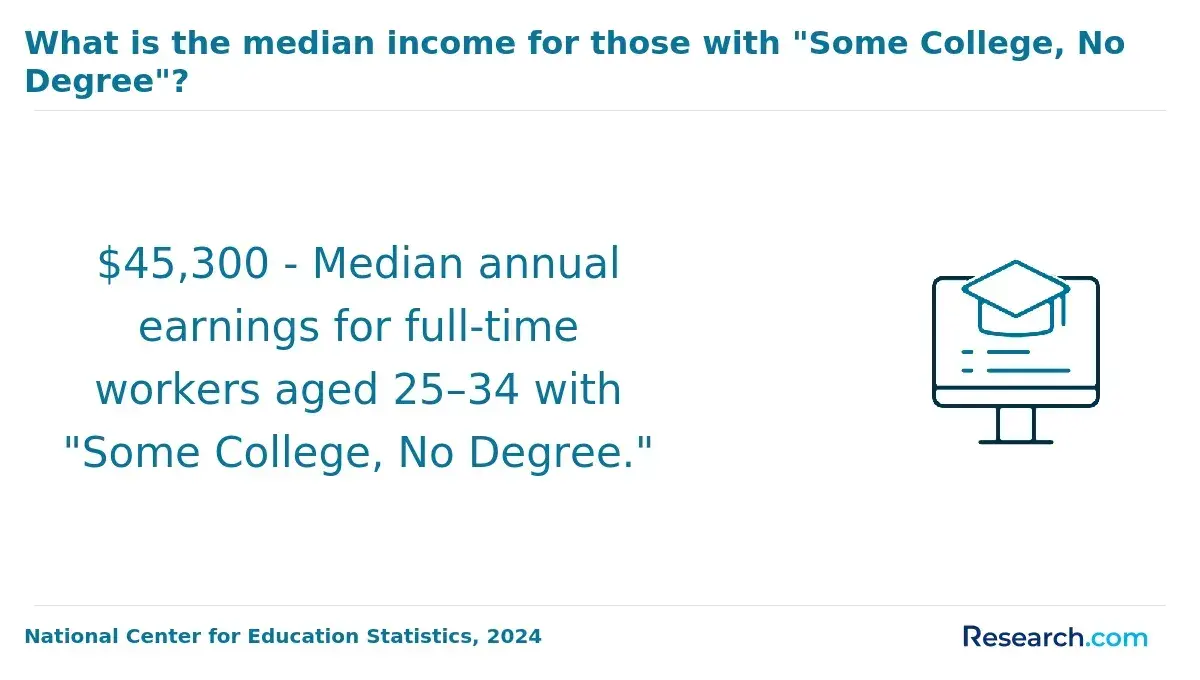
Salary structures in emergency management reflect tiered responsibilities and increasing complexity, with 2024 data from the U.S. Bureau of Labor Statistics and LinkedIn Salary Insights highlighting clear distinctions. Entry-level roles, including coordinators and planners new to the field, generally fall between $45,000 and $58,000 annually, reflecting foundational skill sets and limited leadership duties. Mid-level professionals with several years of experience managing cross-agency efforts or larger projects typically earn from $60,000 to $85,000, balancing operational oversight and technical expertise. Senior-level positions such as directors or program managers command between $90,000 and $130,000 or more, largely influenced by their strategic responsibilities, team leadership, and oversight of compliance and risk mitigation.
Variations in pay within these bands emerge from specialization intensity, geographic factors, and organizational context. Agencies in metropolitan areas or those with complex hazard profiles often offer higher compensation to address the scarcity of candidates with advanced certifications and crisis communication skills. Differences between government, nonprofit, and private sector employers also shape salary outcomes, as do internal budgets and regional cost of living. Furthermore, the presence of distinct expertise-such as disaster recovery versus public health emergency response-can skew salaries higher due to demand for niche knowledge, illustrating how labor market competition and skill sets directly influence wage distribution across emergency management careers.
After submitting her applications for emergency management programs, one graduate recalled the waiting period as a source of uncertainty that affected her decision timeline. She emphasized how the rolling admissions process required careful timing; deferring offers was risky because some programs filled spots quickly, pushing her to weigh tentative acceptance against potential better-fit opportunities. This experience sharpened her understanding that preparation and strategic timing in admissions can parallel the professional navigation of salary offers, where patience and responsiveness to evolving circumstances heavily impact career outcomes.
Which Industries Are Hiring the Most Emergency Management Graduates?
Current hiring for emergency management graduates is concentrated in industries experiencing significant technological shifts, evolving regulatory landscapes, or expanding operational demands requiring specialized crisis and continuity expertise. These sectors prioritize professionals who combine analytical risk assessment capabilities with practical coordination skills to address increasingly complex disruption scenarios. The labor market reflects broader economic pressures emphasizing resilience, data-driven preparedness, and integrated response systems rather than isolated recruitment spikes.
- Government Agencies: Local, state, and federal government bodies lead demand due to their central role in disaster planning, public safety, and interagency coordination. They seek graduates adept at navigating bureaucratic frameworks and regulatory compliance, emphasizing skills in strategic emergency response planning and community risk communication.
- Healthcare and Public Health Organizations: Driven by ongoing pandemic preparedness and emerging health threats, healthcare employers value emergency management professionals who can develop scalable response protocols for mass casualty incidents and bioterrorism. A 2024 report from the National Association of Emergency Medical Technicians highlights a 15% increase in job postings within this sector, reflecting growing reliance on specialized readiness expertise.
- Utilities, Manufacturing, and Transportation: Industries critical to infrastructure resilience invest heavily in business continuity planning to reduce operational downtime and meet stringent government standards. Hiring focuses on candidates with knowledge of risk mitigation and supply chain disruption impacts, often requiring cross-functional collaboration skills and regulatory insight.
- Consulting Firms Specializing in Risk and Crisis Management: These firms expand their workforce to support clients' diverse vulnerability assessments and crisis response design. They prioritize emergency management graduates who demonstrate strong analytical abilities, adaptability, and effective stakeholder engagement to tailor solutions across multiple sectors.
How Does Hiring Demand Vary by State, Region, and City?
Hiring demand for emergency management roles varies substantially across states and larger regions, shaped by differing risk exposures, economic structures, and public investment levels. According to data from the U.S. Bureau of Labor Statistics and regional workforce analytics, states such as California, Texas, Florida, and Louisiana exhibit stronger demand due to their vulnerability to natural disasters and significant infrastructure needs. This demand correlates with industry concentration in sectors like energy, transportation, and government services that require robust emergency preparedness and resilience strategies.
Regional job market trends and analysis reveal that areas with higher public sector funding and disaster-prone industries sustain ongoing hiring momentum, while states in the Northeast and West Coast tend to offer higher salary bands reflecting elevated living costs and labor competition. Such variation underscores the importance of aligning career plans with local economic realities and sector-specific employment ecosystems for emergency management graduates.
At the city level, metropolitan hubs with dense populations and complex infrastructure maintain heightened hiring intensity for emergency management professionals, driven by sustained employer competition and larger talent pipelines. Urban centers like New York, Los Angeles, Houston, and Miami frequently host multiple agencies and private firms engaged in disaster planning, requiring multifaceted skill sets and offering relatively higher wages, though offset by higher living expenses. Additionally, tech and healthcare clusters influence demand dynamics by integrating emergency response and resilience into their operational frameworks, impacting local salary levels and employment opportunities. Smaller or government-focused metros such as Washington D.C., Seattle, and Denver present unique market nuances, emphasizing credential requirements tied to homeland security and regulatory compliance.
Prospective candidates must weigh these city-specific ecosystems thoughtfully, understanding how infrastructure, industry concentration, and cost-of-living factors interplay to shape job availability and career trajectories in emergency management. For those considering educational pathways aligned with this field, exploring options like the fastest PMHNP programs can offer complementary perspectives on workforce demand within specialized healthcare sectors.
What Skills Are Employers Prioritizing in Emergency Management Job Postings?
Employer demand for skills in emergency management is increasingly influenced by technological advancements, automation, and the necessity for interdisciplinary collaboration. Job postings reflect a shift toward competencies that integrate technical acumen with adaptive problem-solving and communication abilities. This evolution stems from the complexity of modern emergencies, requiring professionals who can navigate diverse systems, data sources, and multi-agency coordination efficiently.
- Risk Assessment: Employers prioritize this skill because accurately identifying and prioritizing hazards is foundational to effective resource allocation. Proficiency in tools such as geographic information systems (GIS) and data analytics enhances decision-making, aligning with the increasing reliance on technology-driven situational analysis in the field.
- Incident Command Systems (ICS) Knowledge: Familiarity with ICS protocols is essential as it standardizes responses during multi-agency emergencies. Candidates with recognized certifications or practical experience in ICS protocols demonstrate an ability to operate within complex, hierarchical command structures, a factor that often distinguishes applicants.
- Crisis Communication: Effective dissemination of information under stress is critical for public safety and coordination across stakeholders. Job posts highlight the value of skills in media relations and stakeholder communication, indicating that employers expect emergency managers to balance technical response with clear, reliable messaging.
- Adaptive Problem-Solving and Emotional Resilience: Given the unpredictable nature of disasters, employers seek candidates who exhibit situational awareness and maintain composure under high-pressure conditions. These attributes support rapid decision-making and flexibility in operational environments that frequently change without warning.
- Data Management and Analysis: The growing integration of data tools in emergency management drives demand for professionals able to interpret and leverage complex datasets. This skill enhances strategic planning and operational oversight, reinforcing employability as agencies modernize practices.
- Project Management and Planning: Efficient coordination of resources and tasks is increasingly required for effective mitigation and response efforts. Employers value this skill as it directly influences the success of multi-phase emergency operations and long-term preparedness strategies.
- Regulatory Knowledge and Compliance: Understanding federal and state emergency regulations remains a non-negotiable expectation. Professionals skilled in navigating legal frameworks ensure organizational adherence to mandates, reducing liability and enhancing operational legitimacy.
According to the U.S. Bureau of Labor Statistics and data from industry surveys including the International Association of Emergency Managers, over 75% of emergency management job postings now explicitly cite ICS knowledge and crisis communication as priority skills, underscoring a consistent trend toward integrated technical and interpersonal capabilities. These evolving employer requirements highlight a labor market increasingly focused on candidates who can bridge technological tools with dynamic human-centered response strategies.
Which Certifications Increase Employability and Salary Potential?
Certifications in emergency management function as critical indicators of specialized expertise, practical capabilities, and readiness to meet evolving industry demands. They complement formal education by validating applied knowledge and signaling to employers a candidate's alignment with current operational standards and compliance requirements. In a competitive market shaped by complex risk landscapes and technological advancements, strategic credential acquisition can directly influence hiring decisions and earnings potential.
- Certified Emergency Manager (CEM): This credential is widely recognized for demonstrating comprehensive mastery across emergency management domains including mitigation, preparedness, response, and recovery. Employers prize the CEM for its alignment with best practices and its strong correlation with salary increases of 12-15%, reflecting the credential's role as a benchmark for both experience and professional rigor.
- Associate Emergency Manager (AEM): Targeted at early-career professionals, the AEM attests to foundational competence and is valued in recruitment for entry- to mid-level roles. While it generally yields a smaller salary premium, around 8%, it addresses a common skills gap and can improve initial employability by evidencing an understanding of essential emergency management principles.
- FEMA Professional Development Series (PDS): This series enhances operational knowledge required for federal compliance and is important for roles involving detailed emergency planning and coordination. Though not typically tied to substantial immediate salary hikes, it strengthens job competitiveness by meeting specific agency requirements and industry standards.
- Homeland Security Exercise and Evaluation Program (HSEEP): Focused on exercise design, implementation, and evaluation, HSEEP certification fulfills a niche but vital competency area. It signals advanced capability in preparedness exercises, often influencing selection for roles demanding precise operational proficiency and adherence to federal mandates.
- Certified Information Systems Security Professional (CISSP) and Certified Public Health Emergency Preparedness Professional (CPHEPP): These cross-disciplinary certifications address growing demand for expertise in cybersecurity and public health within emergency management. Their holders frequently access specialized positions commanding salary premiums exceeding 10%, reflecting the integration of technical and sector-specific skills highly sought after in complex risk environments.
A graduate with a degree in emergency management recalled navigating the admissions process while assessing certification timelines. Though eager to acquire the CEM credential, they hesitated to apply until completing requisite field experience and training modules. Meanwhile, the rolling admissions created uncertainty about program acceptance timing, causing careful scheduling of exam preparation to avoid overlap. The delay proved worthwhile as the credential significantly bolstered their job prospects and salary negotiations, illustrating the importance of strategically aligning certification efforts with career milestones rather than rushing prematurely.
How Do Remote and Hybrid Opportunities Affect the Emergency Management Job Market?
The expanding use of remote and hybrid work arrangements is reshaping hiring trends within emergency management careers in notable ways. According to recent industry hiring data and workforce analytics, many employers are increasingly open to candidates outside traditional geographic limits, especially for roles focusing on planning, data analysis, policy development, and grant writing. However, fully remote positions remain limited due to the intrinsic need for on-site crisis coordination and rapid deployment during emergencies. This evolving balance reflects a 2024 shift in emergency management labor dynamics where hybrid work models combine remote strategic tasks with in-person operational readiness, influencing how organizations source talent and assess candidate adaptability.
These work models also drive broader changes in the emergency management job market by normalizing salary structures across regions and intensifying competition among a geographically diverse applicant pool. Employers now prioritize professionals with a blend of technical proficiency, digital communication skills, and flexible collaboration capabilities. As remote work impact on emergency management career opportunities grows, organizations expect candidates to seamlessly transition between virtual and physical environments while maintaining operational effectiveness.
Over time, these trends suggest a more fluid workforce distribution and a job market increasingly defined by hybrid competencies rather than location-bound roles. Those exploring professional pathways should consider educational options that integrate virtual coordination tools alongside practical field skills, similar to trends seen in other sectors offering accelerated programs like 5 year speech pathology programs.
Which Emergency Management Careers Show the Strongest Long-Term Hiring Momentum?
Long-term hiring momentum in emergency management careers reflects structural shifts in public safety, climate adaptation, and cybersecurity rather than transient job market fluctuations. This momentum represents enduring economic and technological trends reshaping workforce demand, driven by escalating disaster complexity and evolving regulatory frameworks. Understanding these dynamics is essential for prospective students and early-career professionals evaluating sustainable career paths with solid occupational prospects.
- Emergency Management Directors: These professionals command steady hiring momentum due to their critical role in orchestrating disaster preparedness and cross-agency coordination. Increasing federal and state investments in resilience and climate adaptation underscore sustained demand, reinforced by expanding regulatory oversight requiring rigorous emergency planning and intergovernmental collaboration.
- Disaster Recovery Specialists: Growth in this role is fueled by the rising frequency of climate-related disasters and community rebuilding needs. Employers seek individuals combining technical expertise with social service skills to address post-event mitigation and long-term recovery, reflecting an industry-wide shift toward integrated, multidisciplinary approaches.
- Cybersecurity Incident Responders: The emergence of cyber threats targeting critical infrastructure has positioned this occupation as a vital component of modern emergency management. Long-term demand here is supported by the convergence of cybersecurity expertise with traditional emergency frameworks, addressing a growing skill shortage amid increasingly sophisticated cyberattacks.
According to the U.S. Bureau of Labor Statistics' 2024 projections, emergency management directors alone are expected to see a 9% growth rate through 2034, outpacing many public sector jobs. These trends highlight the importance of advanced interdisciplinary education balanced with operational experience, as employers prioritize candidates demonstrating both strategic insight and practical competencies. Job seekers should weigh these long-term hiring projections against required qualifications and evolving employer expectations to align career decisions with workforce realities.
For individuals interested in related interdisciplinary education pathways, exploring options like the best online speech pathology degree programs for veterans illustrates how specialized programs may intersect with emergency response fields in health service roles, indirectly impacting community resilience and recovery efforts.
How Can Students Use Job Market Data to Make Better Career Decisions?
Students exploring emergency management careers can leverage contemporary job market data-such as labor reports, online hiring platforms, and updated salary databases from 2024 onward-to evaluate real demand, compensation ranges, and sector growth opportunities. These data sources reveal nuanced patterns, including which subfields (public health emergency preparedness, crisis communication, or disaster logistics) see rising openings and how pay varies by region and employer type. Recognizing that government and healthcare sectors often drive hiring surges allows students to target credentials aligned with these evolving priorities, while salary insights help set realistic expectations based on experience levels and local cost of living.
Interpreting this data requires balancing immediate market signals with longer-term career considerations. For instance, an area with many job postings but lower wages may offer entry points yet limited upward mobility, whereas regions with fewer jobs but higher compensation might necessitate geographic flexibility or additional specialization. Students should also weigh employer demand for cross-disciplinary skills alongside personal aptitudes-not simply follow transient trends-to ensure sustained employability. Integrating granular labor insights with individual goals and practical constraints ultimately fosters informed decisions that reflect both market realities and personal career trajectories in emergency management.
References
- The Career That Should be Everyone’s List: Emergency Management • Disaster Recovery Journal https://drj.com/industry_news/the-career-that-should-be-everyones-list-emergency-management/
- Accès refusé https://smerra.fr/en/blog/work-study-programs-the-complete-guide-to-securing-your-contract-in-an-emergency/
- Is an Emergency Management Degree Worth It? https://www.columbiasouthern.edu/blog/blog-articles/2021/april/emergency-management-degree-worth-it/
- The Transformative Impact of Remote Work: How Online Jobs are Empowering Workers in Emerging Markets https://nextbillion.net/transformative-impact-remote-work-online-jobs-empowering-workers-emerging-markets/
- Emergency Manager https://www.jibc.ca/career/emergency-manager
- USAJOBS connects job seekers with federal jobs across the United States and around the world as the official employment site for the federal government https://www.usajobs.gov/Search/
- 6 Most Common Emergency Management Careers https://www.nrep.org/blog/common-emergency-management-careers
- Careers in disaster risk management | RGS https://www.rgs.org/professionals/professional-practice-groups/disaster-risk-management-ppg/resources/careers-in-disaster-risk-management
- Careers in Emergency Management | Qualifications & Jobs https://www.careersatcouncil.com.au/emergency-management-community-resilience/
- Seven Jobs You Can Do with a Degree in Emergency Management and Homeland Security https://www.albany.edu/graduate/news/2025-seven-jobs-you-can-do-degree-emergency-management-and-homeland-security
Other Things You Should Know About Emergency Management
The tradeoff between plentiful job openings and salary bands can be significant in emergency management. Roles with higher availability, often in local government or non-profit sectors, tend to offer lower starting salaries but may provide more consistent work and steadier career entry points. Conversely, positions in federal agencies or private sector firms often come with better pay but are highly competitive and limited in number. Prioritizing application efforts toward roles that balance financial needs with career stability usually yields better long-term outcomes than focusing exclusively on either availability or salary.
Hiring momentum varies not only by sector but also fluctuates with funding cycles and political priorities, which affect emergency management unpredictably. Job seekers should factor in that strong hiring phases can be short-lived and followed by contractions, especially around election years or budget reviews. Building a skill set adaptable to multiple sectors and maintaining a broad network can help weather these cycles, making career resilience more practical than banking solely on current recruitment trends.
Opting for generalist roles early in your career can provide broader operational insight and greater job mobility, essential for navigating evolving employer demands and varied emergency scenarios. Specialization, while often linked to higher salary bands later, can narrow opportunities and limit flexibility if market needs shift. Early-career professionals should consider gaining diverse experience before committing to specialization, as this approach aligns better with unpredictable hiring momentum and changing sector priorities.
Many emergency management roles, especially in understaffed agencies, come with high workloads and expectations for extended hours without proportional pay increases. Candidates should analyze workload realities based on agency size, funding, and typical crisis activity before using salary as the sole negotiation focus. Negotiating for workload management, professional development support, or clear performance metrics can be as critical as salary, influencing job satisfaction and career sustainability more directly.