2027 Emergency Management Career Outcomes by Degree Level Report: Pay, Employment, and Advancement Patterns

Co-Founder and Chief Data Scientist
This article unpacks degree-level outcomes to help prospective emergency management students make evidence-based education decisions.
Key Things to Know About Emergency Management Career Outcomes by Degree Level
- Associate degrees in emergency management often lead to entry-level roles with faster workforce entry but limited advancement; this tradeoff affects long-term credential stacking and career trajectory decisions.
- Bachelor's degrees dominate employer credentials for supervisory openings, indicating a labor-market preference that shapes hiring filters and professional network access.
- Master's-level credentials show slower initial employment but yield greater advancement potential, reflecting cost and time investments that affect student opportunity costs and credential timing.
- Key Things to Know About Emergency Management Career Outcomes by Degree Level Key Things to Know About Emergency Management Career Outcomes by Degree Level
- What Career Outcomes Can Students Expect From Each Emergency Management Degree Level? Career Outcomes by Degree
- How Much Do Emergency Management Graduates Earn by Degree Level? Salary by Degree Level
- Which Emergency Management Degree Level Offers the Strongest Employment Prospects? Best Degrees for Employment
- What Entry-Level Jobs Can You Get With a Emergency Management Degree? Entry-Level Career Opportunities
- How Do Emergency Management Degree Levels Affect Career Advancement and Promotion Opportunities? Career Growth by Degree
- Is a Emergency Management Degree Worth It Based on Salary, Employment, and ROI? Salary, ROI, and Value
- How Do Associate, Bachelor's, Master's, and Doctoral Emergency Management Degrees Compare? Comparing Degree Levels
- Which Industries and Employers Hire Emergency Management Graduates by Degree Level? Which Industries and Employers Hire Emergency Management Graduates by Degree Level?
- What Skills, Credentials, and Experience Improve Emergency Management Career Outcomes? What Skills, Credentials, and Experience Improve Emergency Management Career Outcomes?
- Which Emergency Management Degree Level Is Best for Your Career Goals? Choosing the Right Degree
What Career Outcomes Can Students Expect From Each Emergency Management Degree Level?
Career outcomes in emergency management differ significantly by degree level, impacting employment access, advancement, and specialization. Entry-level certificates and associate degrees typically lead to technician or support roles where practical skills outweigh formal education, but these credentials often limit upward mobility in organizations favoring bachelor's degrees or higher for supervisory positions.
Bachelor's degrees serve as a critical pivot point within emergency management degree career outcomes by educational level, aligning with the majority of practitioner roles that blend planning, risk analysis, and community engagement. A U.S. Bureau of Labor Statistics report from 2024 shows that employers increasingly treat a bachelor's as the minimum threshold for versatile mid-level positions, including eligibility for valuable certifications like the Certified Emergency Manager credential.
This credential often proves vital for those targeting stable employment and progression into management. Working professionals balancing employment and study can use transfer credits effectively toward bachelor's completion, positioning themselves for higher pay and leadership readiness, factors essential in regions with diverse job markets.
Advanced degrees such as master's and doctorates in emergency management open pathways to strategic, academic, and policy-oriented positions, which demand leadership, specialized expertise, and research competencies. Data from the National Center for Education Statistics confirms that master's graduates experience greater promotion rates and career mobility in areas like homeland security and public health emergency preparedness, reflecting the importance of sector-specific specialization.
However, these programs require significant time and financial investment, considerations crucial for degree completers and adult learners weighing opportunity costs. Doctoral degrees remain niche, primarily suited for those pursuing research or academic roles rather than broad workforce entry. Students aiming for these advanced degrees should weigh practical employment implications carefully alongside their long-term career goals. For those exploring flexible study options, investigating the cheapest online nursing programs may provide comparative insight into accessible pathways in related fields.
How Much Do Emergency Management Graduates Earn by Degree Level?
Wage outcomes for emergency management graduates demonstrate significant stratification by degree level, with tangible implications for career trajectory and role eligibility. Certificate and associate degree holders generally access entry-level operational roles focused on support and coordination, where median salaries often fall between $40,000 and $50,000 nationally.
In contrast, bachelor's degree graduates typically qualify for analyst and supervisory positions with median earnings ranging from $60,000 to $75,000, reflecting both greater responsibility and common employer credential requirements. This spread underlines a critical tradeoff: advancing education demands notable investment in time and money but aligns with a broader set of mid-tier job options and higher pay ceilings, especially when factoring in geographic variation and sector differences across public, private, and federal agencies.
Master's degrees generally open doors to senior leadership, policy crafting, and more specialized crisis management roles, with median salaries often approaching $90,000 as reported by the National Center for Education Statistics in 2024. However, the incremental benefit at this level hinges on more than just credentialing—it requires combining advanced skills with relevant experience to meet employer expectations for strategic problem-solving and interagency leadership.
Doctoral credentials are rare and skew toward academic, research, or consultancy positions with variable but potentially higher compensation, where the payoff may be less direct or slower compared to earlier degree stages. For working professionals or military-affiliated learners, the decision to pursue higher degrees must weigh transfer credit applicability, program duration, cost, and the stability or mobility offered by prospective roles.
A graduate reflecting on these dynamics described an initial inclination to pursue a master's degree after reviewing published salary data but found her expectations tempered by localized job listings emphasizing field experience and certifications over advanced degrees alone. Through conversations with employers and alumni, she recognized that incremental pay increases beyond a bachelor's often depend heavily on specialized credentials such as Certified Emergency Manager and demonstrated leadership roles, leading her to prioritize targeted professional development over a lengthy graduate program at this stage.
This helped her manage financial and time commitments more cautiously while remaining open to future educational advancement once she had solidified practical experience in mid-level emergency management positions.
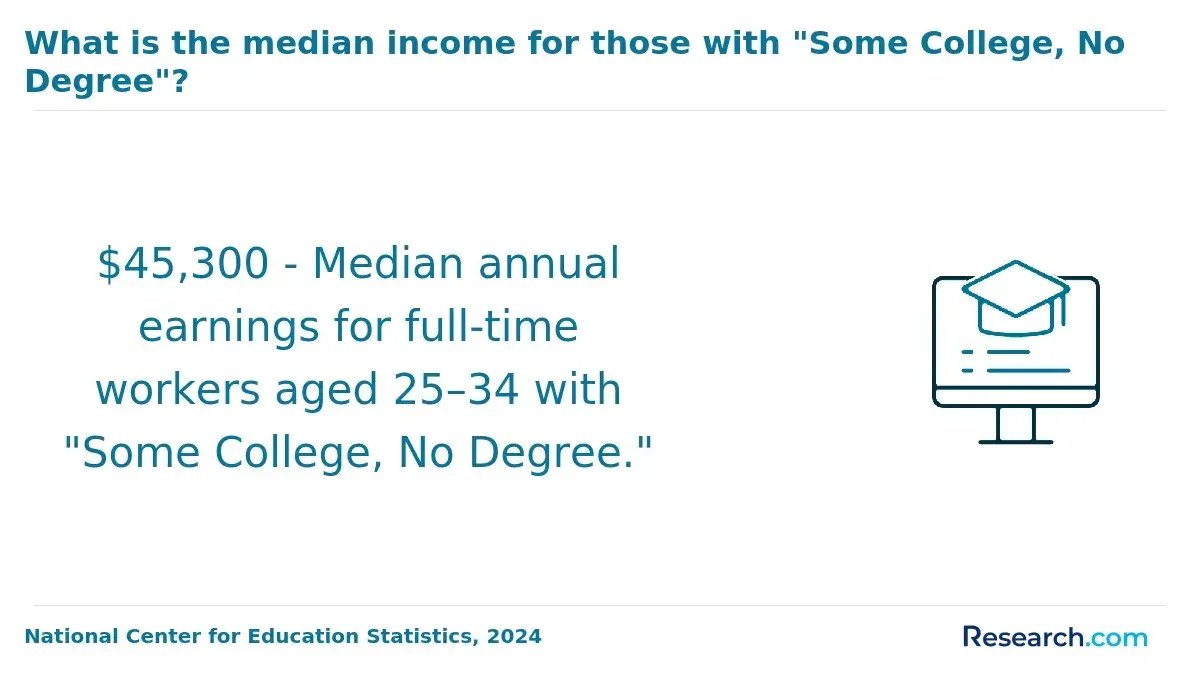
Which Emergency Management Degree Level Offers the Strongest Employment Prospects?
Employment opportunities in emergency management heavily favor bachelor's degree holders, as employers commonly set this level as the baseline for most operational roles due to credential inflation and hiring risk mitigation. For instance, while certificates and associate degrees can facilitate quicker entry into support or administrative positions, they often limit access to higher-paying roles and advancement opportunities. According to the U.S. Bureau of Labor Statistics, the field is projected to grow by 9% through 2032, with many jobs explicitly requiring at least a bachelor's degree or equivalent experience, underscoring the practical necessity of this credential for broader labor market access.
Graduate degrees—master's and doctoral—play a distinct role by unlocking leadership, policy development, and specialized analytical positions that remain largely inaccessible with lower credentials. These advanced degrees also bring a substantial salary premium, with master's degree holders earning roughly 20-30% more on average, reflecting their enhanced expertise and the reduced risk they represent to employers. For students weighing immediate workforce entry versus long-term growth, earning an associate degree may offer faster placement but at the cost of slower career progression, while pursuing a bachelor's or higher degree typically grants stronger employment security and greater mobility, particularly in regions with concentrated demand for specialized emergency management skills.
Furthermore, formal education level impacts eligibility for key certifications and access to internships or networking critical for meaningful experience, which are typically tied to bachelor's programs and above. As a result, many learners pursue certificates or associate degrees as stepping stones toward higher credentials, often transferring credits or studying while employed. Doctoral degrees, although rare, chiefly serve research and academic careers rather than conventional emergency management work, highlighting a clear stratification between degree levels in terms of both employment entry points and advancement pathways.
What Entry-Level Jobs Can You Get With an Emergency Management Degree?
Entry-level emergency management jobs typically require candidates to navigate a nuanced balance between degree credentials, practical experience, and employer expectations. For instance, bachelor's degree holders often access roles involving planning and coordination, as many employers prioritize this education coupled with internships or hands-on practicum experience. According to the U.S. Bureau of Labor Statistics data from 2024, around 60% of entry-level emergency management job postings specify a bachelor's degree minimum, illustrating a clear threshold that shapes hiring pools and impacts initial job prospects. Meanwhile, those with associate degrees commonly qualify for support or technician-level positions but face more limited upward mobility without further credentials or experience.
Certifications such as the Certified Emergency Manager (CEM) credential or FEMA professional development courses, while not mandatory, serve as significant differentiators by signaling specialized knowledge and commitment. Technical skills like incident command systems and hazard assessment are valued, but employers often emphasize transferable skills, including communication and critical thinking, in early-career hires. Internship and fieldwork opportunities remain crucial for gaining situational awareness and operational familiarity, especially where entry-level roles serve as stepping stones rather than stable endpoints. Students assessing emergency management degree job opportunities should weigh these factors carefully, considering how associate and bachelor pathways influence both employment stability and potential for advancement in a competitive marketplace.
For those contemplating longer-term mobility or graduate studies, gaining initial field experience through internships or volunteer roles is essential. Geographic factors also influence the concentration of roles, often clustered in urban centers or disaster-prone regions with greater federal and state agency presence. This practical context underscores why some entry-level job descriptions blend into mid-career expectations, complicating clear professional entry points. Prospective learners might explore related paths such as an ADN to BSN transition if interested in emergency management roles embedded in healthcare system demand, reflecting broader cross-sector employment patterns.
How Do Emergency Management Degree Levels Affect Career Advancement and Promotion Opportunities?
Advancement in emergency management roles strongly correlates with degree level, as employers typically prioritize candidates holding bachelor's degrees or higher for supervisory and leadership positions. Many mid- and upper-level roles demand demonstrated expertise in strategic planning, policy development, and coordination, with approximately 65% of supervisory job listings requiring at least a bachelor's degree and nearly 30% prioritizing master's credentials, according to the Bureau of Labor Statistics.
Associate degrees and certificates often provide necessary entry points but frequently limit progression without additional education or substantial field experience, affecting internal promotion timelines and professional mobility. For working adults and military-affiliated students, balancing education with on-the-job demands influences whether pursuing a bachelor's or master's degree yields tangible advancement or merely extends career timelines.
Employers also consider degree programs that integrate practical training and prepare students for certifications such as Certified Emergency Manager status, which can be critical for leadership readiness and eligibility for specialized roles in risk assessment or interagency collaboration. Adult learners with prior credits or experience must weigh whether incremental credentials justify time and cost, especially since flexible bachelor's and master's programs can facilitate concurrent work and study, improving promotion prospects while mitigating career disruptions.
Roles that emphasize grant management or crisis communication often set formal education as a gateway, illustrating the tradeoff between immediate employment and long-term mobility. Ultimately, degree level shapes the likelihood of eligibility for higher responsibility and influences the strategic timing of advancement in emergency management careers.
One emergency management professional reflected on deciding whether to pursue a master's degree after years in field operations. Initially hesitant due to workload and skepticism about degree impact, they noted that several leadership positions circulating in their agency explicitly required a master's or equivalent certification.
After consulting mentors and reviewing job postings, they enrolled in a flexible online master's program, which not only aligned with their experience but also contributed to a recent promotion. This step validated their cautious optimism, underscoring how selectively advancing credentials based on specific employer expectations can make the difference between stagnation and upward mobility.
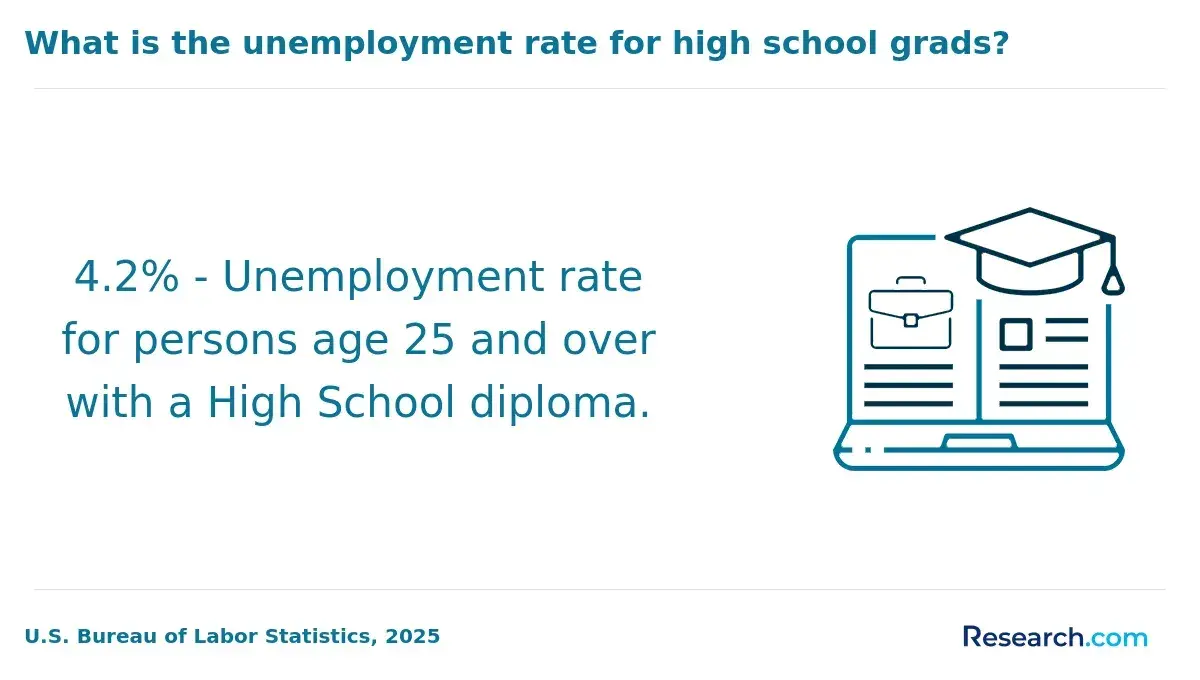
Is a Emergency Management Degree Worth It Based on Salary, Employment, and ROI?
Evaluating emergency management degree salary and employment outcomes requires recognizing how degree level intersects with local demand, work experience, and certification credentials. For many working adults and military-affiliated students, the ROI on a bachelor's degree can hinge on completing the program without prolonged breaks, as extended timelines increase total education costs and delay wage gains. While bachelor's graduates typically enter the field with a significant salary advantage over those without postsecondary education, the variation in regional disaster risk and agency preferences for hands-on experience may moderate immediate employment stability and advancement potential.
Advanced degrees often unlock higher-level roles with greater pay, but they come with opportunity costs that disproportionately affect mid-career professionals balancing education with existing responsibilities. Employers in emergency response sectors frequently prioritize practical skills and recognized certifications over degree level alone, meaning that combining degree credentials with targeted certifications can be more impactful than further academic study.
Prospective students should carefully weigh expected salary improvements against program duration and debt, especially since average completion costs and debt burdens vary widely across institutions. For those exploring degree options alongside other healthcare and public safety pathways, comparing programs such as the best online DNP program may offer insights into structuring education with minimal clinical disruption, a relevant consideration for emergency management professionals seeking flexibility.
Ultimately, return on investment for emergency management careers depends not only on degree credentials but also on timing, regional labor markets, and the ability to leverage multiple qualifications. Career mobility is less a function of academic title and more linked to a portfolio of certifications, experience, and networking, emphasizing practical readiness over formal education hierarchies. Therefore, early strategic decisions around program choice, enrollment status, and balancing work with study critically affect salary growth trajectories and job security in this field.
Employer Confidence in Online vs. In-Person Degree Skills, Global 2024

How Do Associate, Bachelor's, Master's, and Doctoral Emergency Management Degrees Compare?
Choosing an emergency management degree level directly affects where and how swiftly one can enter the workforce, as well as the roles accessible over time. Associate degrees offer the fastest entry but often confine graduates to entry-level or support functions with limited upward mobility, partly because many supervisory roles require at least a bachelor's degree.
The tradeoff involves balancing quicker workforce access against narrower employment opportunities and lower median pay, with recent data showing roughly 65% employment within six months post-associate graduation compared to 82% for bachelor's holders. For those aiming to transfer credits or build credentials incrementally, the bachelor's degree often serves as a critical milestone, expanding eligibility to operational leadership and mid-level management positions while providing more adaptable pathways through credit articulation agreements.
Master's degrees generally correspond with higher salary tiers and enhanced job stability, making them suitable for professionals targeting senior management, policy, or strategic planning roles. This level's emphasis on leadership and often required certifications supports career progression in complex agency or consulting environments. However, the time and financial investment necessitate consideration of how these advanced qualifications align with employment goals, especially since many programs cater to working adults via flexible delivery modes.
Doctoral degrees represent a narrower niche, typically geared toward research, teaching, or high-level policy influence rather than direct operational advancement; their value lies more in shaping the field's future than in immediate economic returns or typical managerial paths. This stratification highlights that stopping at the associate or bachelor level may suffice for many practitioners, while returning for graduate study is best reserved for those seeking specialized leadership or academic careers.
Which Industries and Employers Hire Emergency Management Graduates by Degree Level?
Hiring expectations and job functions in emergency management vary sharply by degree level, shaping career trajectories and employer preferences across sectors. Associate degree holders typically fill operational and support roles within local governments, nonprofits, or private contractors, where demonstrated practical skills and field experience often outweigh advanced credentials.
In contrast, bachelor's degree graduates-who comprise the majority of new entrants into the field-are more sought after by federal and state agencies, healthcare systems, and critical infrastructure firms for positions requiring both technical skill and managerial aptitude, such as emergency planners or risk analysts. The U.S. Bureau of Labor Statistics data for 2024 underscores a growing employer preference for bachelor's degrees in these roles, particularly where incident command knowledge and federal protocol familiarity are essential.
Master's degree graduates frequently move into leadership, policy development, and specialist roles within federal agencies like FEMA, large healthcare organizations, and consulting firms. Here, advanced research capabilities, strategic coordination, and professional certifications become critical, expanding access to program management and interagency liaison positions. Doctoral degree holders, while less common, are key contributors in academic research, high-level policy advisories, and sophisticated risk modeling projects, reflecting niche but influential career pathways.
Meanwhile, certificate programs often serve as skill supplements for mid-career professionals aiming to deepen expertise in areas like disaster recovery or cyber-incident response, although certificates alone rarely suffice for advanced leadership roles. Candidates must weigh these credential differences against time investment, regional labor market demands, and sector-specific hiring norms to align education choices with realistic employment and advancement prospects.
What Skills, Credentials, and Experience Improve Emergency Management Career Outcomes?
Technical skills such as risk assessment, incident command system proficiency, and familiarity with data analysis software remain foundational to improving emergency management career outcomes. These competencies, when paired with credentials like the FEMA Professional Development Series or the Certified Emergency Manager (CEM) designation, provide clear signals of professional readiness that employers prioritize, especially for roles beyond entry level. For example, a candidate holding these certifications coupled with practical experience—such as internships or military service—demonstrates the situational awareness and leadership employers require for supervisory positions, improving promotion prospects by at least 30% within five years according to industry surveys.
Experience and credential requirements for emergency management job success extend beyond technical aptitude to include soft skills like communication, adaptability, and critical thinking. Degree programs at the bachelor's and graduate levels increasingly emphasize leadership training and portfolio development, which support mid-career mobility and strategic roles. Conversely, associate degree holders often face advancement challenges without advanced credentials or field experience. This dynamic highlights the operational tradeoff: those seeking faster workforce entry may favor shorter programs or certifications, while others benefit from graduate-level study's broader policy and leadership focus. Working professionals and transfer students who combine prior credits and applied learning with these credentials position themselves best to meet employer expectations.
Choosing the appropriate degree level also involves managing time-to-completion and long-term career trajectory considerations. Military-affiliated students and adult learners, for instance, often supplement formal education with applied experience to enhance employability. Those weighing different formats might explore pathways like a 12-month FNP program online for accelerated credentials in parallel fields, underscoring the value of integrating certifications and experiential learning. Ultimately, carefully aligning education, certifications, and experiential opportunities directly influences employment access, readiness for promotion, and sustainable career advancement in emergency management.
Which Emergency Management Degree Level Is Best for Your Career Goals?
Choosing the optimal emergency management degree level hinges on distinct career objectives and workforce dynamics, revealing varying tradeoffs in employment access and advancement potential. For instance, associate degrees provide quicker entry with lower costs, fitting frontline positions or part-time students, yet they limit specialization and managerial pathways.
Data from the U.S. Department of Education's College Scorecard underscores this divide: roughly 87% employment within six months for bachelor's holders contrasts sharply with about 65% for associates. This gap signals that while associate-level credentials open doors, bachelor's degrees significantly broaden opportunities, particularly for supervisory roles requiring specialized training in areas like disaster recovery or homeland security, key for those seeking the best emergency management degree for advancement.
Graduate degrees cater to professionals targeting policy, research, or upper management roles, with higher wage growth and promotion rates but also greater time and financial demands. Working adults and military-affiliated students often weigh these opportunity costs against the benefits of accelerated or credit-transfer-friendly programs. Prospective students should recognize that advancing beyond a bachelor's often aligns with eligibility for certifications such as Certified Emergency Manager (CEM), enhancing long-term mobility. Situating these choices within realistic employer expectations and program flexibility is critical, particularly when considering how the degree level shapes practical pathways.
Adult learners navigating transfer credits or balancing work and study must assess these factors carefully, balancing immediate job market access against long-term advancement. For emergency management students also exploring intersections with allied fields, understanding how hard is it to get into SLP grad school offers a comparative lens on competitive graduate admission demands. Ultimately, selecting a degree path demands a nuanced analysis of career stage, financial situation, and targeted roles rather than relying on generic assumptions, reflecting true field realities and workforce planning imperatives.
References
- Online Emergency Management Degrees: Review Top Programs https://www.degreesforgood.org/online-degrees/emergency-management-programs/
- Are Emergency Management Graduates Finding Jobs? https://www.govtech.com/em/disaster/Emergency-Management-Graduates-Jobs.html
- Emergency Management Career | Degree and Licensing Paths https://www.publichealthonline.org/emergency-management-career/
- How to Become an Emergency Management Specialist https://www.publichealthdegrees.org/careers/emergency-management-specialist/
- 10 Best Emergency Management Fields https://www.drury.edu/business/management-major/10-best-emergency-management-fields/
- Career Opportunities Provided by an Emergency Management Degree https://sopa.tulane.edu/blog/career-opportunities-provided-emergency-management-degree
- PROFESSIONAL PATHS INTO EMERGENCY MANAGEMENT https://central.bac-lac.gc.ca/.item
- Seven Jobs You Can Do with a Degree in Emergency Management and Homeland Security https://www.albany.edu/graduate/news/2025-seven-jobs-you-can-do-degree-emergency-management-and-homeland-security
- Exploring the job placement of recent emergency management graduates https://wmpllc.org/ojs/index.php/jem/article/view/2779
- Emergency Management Degree Levels & Concentrations https://www.allcriminaljusticeschools.com/emergency-management/emergency-management-degree/
Other Things You Should Know About Emergency Management
Higher degree levels in emergency management, particularly master's and doctoral programs, typically demand significantly more time for research, project work, and complex case studies. This workload can be challenging for professionals maintaining full-time jobs, often requiring reductions in work hours or employer support. Prospective students should realistically assess their available time and employer flexibility before committing; bachelor's programs, while still rigorous, generally offer a more manageable balance for working adults.
Employers in this field often prioritize practical experience alongside education, meaning that a bachelor's degree coupled with relevant fieldwork can sometimes outweigh a higher degree lacking applied skills. However, master's and doctoral degrees tend to open doors to leadership and research-focused positions where advanced analytical and strategic competencies are essential. For those aiming at policy-making or specialized roles, investing in graduate education can be advantageous; otherwise, a bachelor's degree with targeted experience may provide faster entry and advancement.
Advanced degrees expand career flexibility by enabling transitions into academia, consulting, or executive roles not typically open to those with associate or bachelor's credentials. However, the time and financial investment may delay return on investment and limit early-career mobility. Students prioritizing quick entry into operational roles with steady advancement may benefit from starting with a bachelor's degree, possibly supplementing later with graduate education based on evolving career goals.
Theoretical programs, often at the graduate level, deepen conceptual understanding, which is valuable for roles involving policy development and strategic planning. Applied programs prioritize hands-on skills and simulations, aligning better with field operations and immediate post-graduation employability. Students should select programs aligned with their intended career track: those targeting leadership and innovation may accept a heavier theoretical curriculum, while those seeking practitioner roles should prioritize applied learning environments to maximize job readiness.