2027 Emergency Management Degree Completion Time Report: How Long Students Actually Take to Graduate

Co-Founder and Chief Data Scientist
Degree completion timelines for emergency management students frequently diverge from official schedules due to varying personal, professional, and academic challenges. Work commitments and family responsibilities often extend enrollment beyond standard program lengths, especially as many students balance full-time jobs or transfer credits from other institutions. National Student Clearinghouse data from 2024 indicate that average time-to-degree increases for part-time and non-traditional students, reflecting broader trends in retention and progression for applied public safety fields. These realities shape graduation patterns more than published timelines, highlighting the complex interplay of external pressures and institutional flexibility in completing an emergency management degree.
This article examines how long students actually take to finish their emergency management degrees. It explores the factors that commonly influence extended timelines, including course availability, cohort models, and credit transfer policies. Understanding these patterns helps prospective students set realistic expectations and informs education planners designing responsive programs aligned with workforce demands.
Key Things You Should Know About Emergency Management Degree Completion Time
- Most emergency management degree programs take four to six years to complete. Full-time students often graduate in about four years, while part-time enrollment, internships, field experiences, and work or family responsibilities can extend completion to five or six years.
- Graduation speed depends on both program structure and personal circumstances. Enrollment status, transfer credits, internship or practicum requirements, course sequencing, and online versus campus-based study all influence how quickly students complete their degree.
- Graduating faster isn't always the best path to career success. Although accelerated and online programs may shorten completion time, employers generally place greater value on practical emergency management experience, professional certifications, and job-ready competencies than on how quickly a degree was earned.
- What Is the Average Graduation Time for Emergency Management Students? Average Graduation Timeline
- What Factors Have the Biggest Impact on Graduation Speed? Graduation Timeline Factors
- How Does Full-Time Versus Part-Time Enrollment Affect Graduation Timelines? Full-Time vs. Part-Time Graduation Timeline
- Do Online Emergency Management Students Graduate Faster Than Campus-Based Students? Do Online Emergency Management Students Graduate Faster Than Campus-Based Students?
- How Many Months or Years Can Transfer Credits Save? How Many Months or Years Can Transfer Credits Save?
- Do Accelerated Emergency Management Programs Significantly Reduce Completion Time? Accelerated Program Timeline
- Which Emergency Management Program Requirements Most Often Extend Graduation Timelines? Factors Extending Graduation Timeline
- Does Taking Longer to Graduate Increase the Cost of a Emergency Management Degree? Impact on Program Cost
- Does Graduating Faster Improve Career Prospects? Impact on Career Prospects
- Which Scheduling Mistakes Commonly Delay Graduation? Mistakes to Avoid
What Is the Average Graduation Time for Emergency Management Students?
Graduation timelines for students pursuing an emergency management degree typically range from four to six years, though this varies significantly with enrollment intensity and individual circumstances. Full-time bachelor's students generally complete their studies near the four-year mark, mirroring standard undergraduate pacing. In contrast, part-time students frequently extend their programs beyond six years as they juggle employment, family obligations, and other commitments. These variations reflect how enrollment patterns directly influence the average time to graduate with an emergency management degree.
Differences in completion times also depend on factors such as credit transferability, program design, and engagement with practical learning opportunities. Transfer students who bring relevant prior coursework or associate degrees can often accelerate their studies, sometimes finishing in as few as three years, while those starting fresh usually require the full program length or longer. Additionally, many emergency management programs emphasize internships or work placements, which, although valuable for skill development, can add time to degree completion. Flexible online formats tailored for working adults tend to see longer average durations, generally between five and six years, reflecting the balance students maintain between continuing education and professional responsibilities. For example, recent education research highlights that these extended timelines are common among students enrolled in nontraditional pathways like online or online self paced degrees.
What Factors Have the Biggest Impact on Graduation Speed?
Graduation speed in emergency management degree programs is shaped by a complex interplay of academic planning, institutional frameworks, and individual circumstances rather than a single determinant. Decisions around enrollment status, credit transfer, and program format critically influence how swiftly students can fulfill degree requirements. Recognizing these factors allows students and advisors to make strategic choices about course loads, scheduling, and program delivery, aligning academic progress with external commitments.
- Enrollment Status and Program Format: Full-time enrollment generally accelerates completion, with data from the National Center for Education Statistics showing full-time undergraduates finish bachelor's degrees in about 4.5 years on average, while part-time students take nearly twice as long. In emergency management, where many students juggle professional roles, flexible formats such as online or cohort-based models can moderate this gap by accommodating work schedules without sacrificing steady progress. Program structure therefore critically mediates how enrollment behavior impacts timelines.
- Transfer Credits and Institutional Policies: Students entering with credits from community colleges or other institutions may significantly shorten their time to degree if those credits apply directly to core emergency management requirements. However, variability in transfer policies and course equivalencies often slows progress, especially when key prerequisites must be retaken or credits don't align clearly with program frameworks. Institutions drive this factor's influence through their articulation agreements and credit evaluation practices, making transfer planning a decisive element in graduation speed.
- Workload Distribution and Financial Constraints: Students managing demanding jobs often reduce course loads to balance employment and study, extending their degree timelines. Financial realities underpin this adjustment, as economic pressures lead some to prioritize steady but slower credit accumulation. Conversely, those with stable funding or employer tuition support can maintain lighter external workloads, sustaining normal or accelerated academic pacing within emergency management programs.
- Program Delivery Innovations: Accelerated course formats, including intensive summer sessions and modular scheduling, can compress time to graduation by up to a year relative to traditional semester pacing, according to a 2024 report by the Council on Higher Education Accreditation. These models are particularly beneficial for working adults and transfer students seeking faster completion, but they require careful enrollment planning and increased upfront workload commitment, which may not suit all students.
- Practical Experience Requirements: Capstone projects, internships, and fieldwork integral to emergency management curricula serve as gatekeepers to degree completion. Students' access to relevant placements and their ability to integrate these experiential components alongside coursework strongly affect graduation timelines. Delays often arise when securing suitable internships competes with professional and personal obligations, underscoring how real-world factors entwine with academic progress.
Understanding how enrollment status and program format impact graduation speed sheds light on why students in the same emergency management program can experience widely varying completion times. Careful selection of study intensity and program design tailored to individual circumstances remains essential for managing these tradeoffs effectively. Among the options, exploring accelerated career programs offers one pathway to condense study periods while accommodating ongoing professional commitments.
How Does Full-Time Versus Part-Time Enrollment Affect Graduation Timelines?
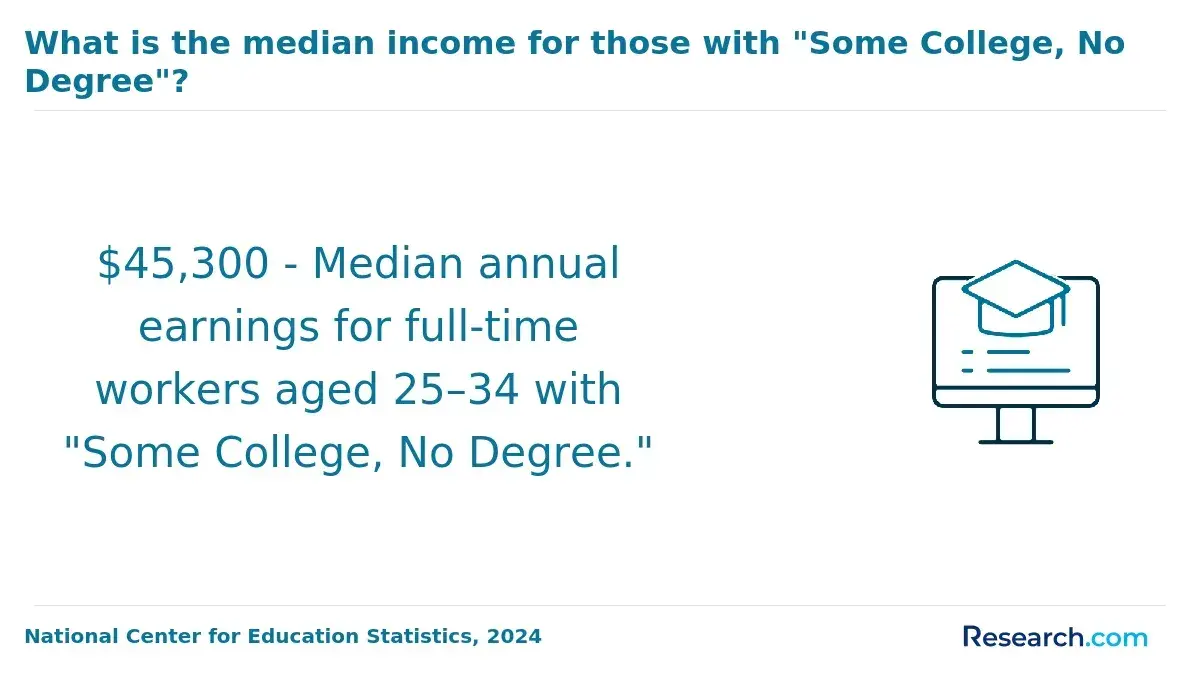
Graduation timelines for emergency management degrees differ substantially depending on whether students enroll full-time or part-time. According to 2024 data from the National Center for Education Statistics and integrated workforce surveys, full-time students typically complete their programs within two to four years, reflecting a concentrated course load of 12 to 15 credits per semester. In contrast, part-time students, often taking fewer than nine credits each term, commonly extend their graduation to four to six years or longer. This disparity highlights how academic pacing and course intensity directly influence time-to-degree outcomes in emergency management education.
Several intersecting factors shape these divergent timelines beyond mere credit load. Strict course sequencing in many emergency management curricula means required classes must be taken in a set order, limiting flexibility especially for part-time students with limited availability. Program delivery methods, whether primarily in-person or including online options, also affect scheduling possibilities and course access. External obligations-such as full-time employment or caregiving responsibilities-further constrain part-time students' ability to register for every required course when offered, often causing delays or gaps that extend the path to graduation.
Enrollment decisions carry long-term consequences for academic focus and workforce entry. Full-time study allows for immersion and faster accumulation of relevant knowledge, appealing to those prioritizing a swift transition into emergency management careers. Alternatively, part-time enrollment may reduce immediate financial pressure and accommodate ongoing professional roles but usually postpones degree completion and subsequent career progression. Employers increasingly weigh timely degree attainment as an indicator of current expertise, making early graduation a factor in job competitiveness within this evolving field.
Do Online Emergency Management Students Graduate Faster Than Campus-Based Students?
Online emergency management students frequently complete their degrees more quickly than those attending traditional on-campus programs, though this is not universally the case. Data from the National Center for Education Statistics in 2024 reports an average completion time of about 3.1 years for online learners, compared to 4.2 years for campus-based students. However, these averages mask considerable variability due to individual circumstances, program requirements, and institutional policies. The perception of faster graduation often hinges on the greater autonomy online programs provide, but outcomes depend on how students leverage that flexibility alongside their personal and professional responsibilities.
Key drivers behind differences in graduation pace include course scheduling and pacing structures. Online emergency management programs often offer asynchronous content and year-round enrollment options, enabling students to accelerate by managing their course loads more intensively if desired. Conversely, campus programs typically follow fixed semester calendars with less flexibility for part-time or accelerated study. Requirements like internships or in-person practicums can also affect speed, sometimes lengthening campus timelines due to coordination challenges. Student discipline in time management plays a crucial role across both modalities; while the online format suits self-motivated learners who can juggle external commitments, campus environments can foster more consistent progress through scheduled classes and direct faculty interaction.
Choosing between online and campus emergency management formats influences not only degree timelines but also academic habits and career entry. Online students often face greater demands for independent study skills and self-regulation, which can either expedite or hinder degree completion depending on individual readiness. Meanwhile, campus-based learners may benefit from structured support systems, potentially absorbing longer durations in exchange for more guided learning experiences. Ultimately, the modality impacts when and how graduates enter the workforce, shaping their preparedness and timing based on program design and personal circumstances.
One emergency management graduate recalled navigating a rolling admissions cycle that complicated their start date. Although initially eager to enroll online to capitalize on the perceived speed, delays in application processing and uncertainty about prerequisite verifications created anxiety about missing key enrollment periods. They hesitated before committing, weighing the risk of waiting for campus admittance against the flexibility online offered. The eventual decision to start online mid-year allowed them to begin coursework sooner than anticipated, but the experience underscored how timing and admission logistics can meaningfully influence graduation pace beyond curriculum structure alone.
How Many Months or Years Can Transfer Credits Save?
Transfer credits have the potential to reduce the duration of emergency management degree programs by several months up to more than a year, but the actual time saved varies significantly by individual circumstances. For example, students transferring between 30 and 60 credits-from about one to two years of prior coursework-may experience differing impacts depending on how well those credits align with their new program's specific requirements. According to data from the National Student Clearinghouse Research Center, transfer credits can shorten degree completion by approximately 25% to 50%, reflecting a range of outcomes shaped by credit volume and relevance. This variability highlights why prospective students should not rely solely on average months saved with transfer credits in emergency management programs when planning their academic pathways.
Key determinants of time saved include institutional policies on credit acceptance, the equivalency of prior courses to program-specific classes, and residency requirements that mandate a minimum number of credits be completed at the awarding institution. Accreditation compatibility between the prior institution and the new university can also impact whether credits transfer at all, with many programs placing strict limits on the number of transferable credits, especially in specialized emergency management coursework. These factors contribute to wide disparities in transfer credit effectiveness across institutions and among students. Most universities favor transferring general education credits but scrutinize professional or highly specialized courses, which further complicates planning for students seeking to leverage prior learning efficiently.
Beyond the raw number of credits accepted, transfer credits affect academic advising, sequencing of remaining coursework, and financial planning for degree completion. They can accelerate progression by allowing focus on advanced or elective topics, though some programs require that core courses be completed in a prescribed order, which may extend total duration despite credit transfers. Students balancing work or military obligations must also assess how accelerated timelines align with practical experiences demanded in emergency management roles. For those weighing their educational options, comparing these dynamics alongside program offerings-such as those in a shortest PMHNP program-can offer insight into realistic completion horizons and the tradeoffs embedded in transfer credit strategies.
Do Accelerated Emergency Management Programs Significantly Reduce Completion Time?
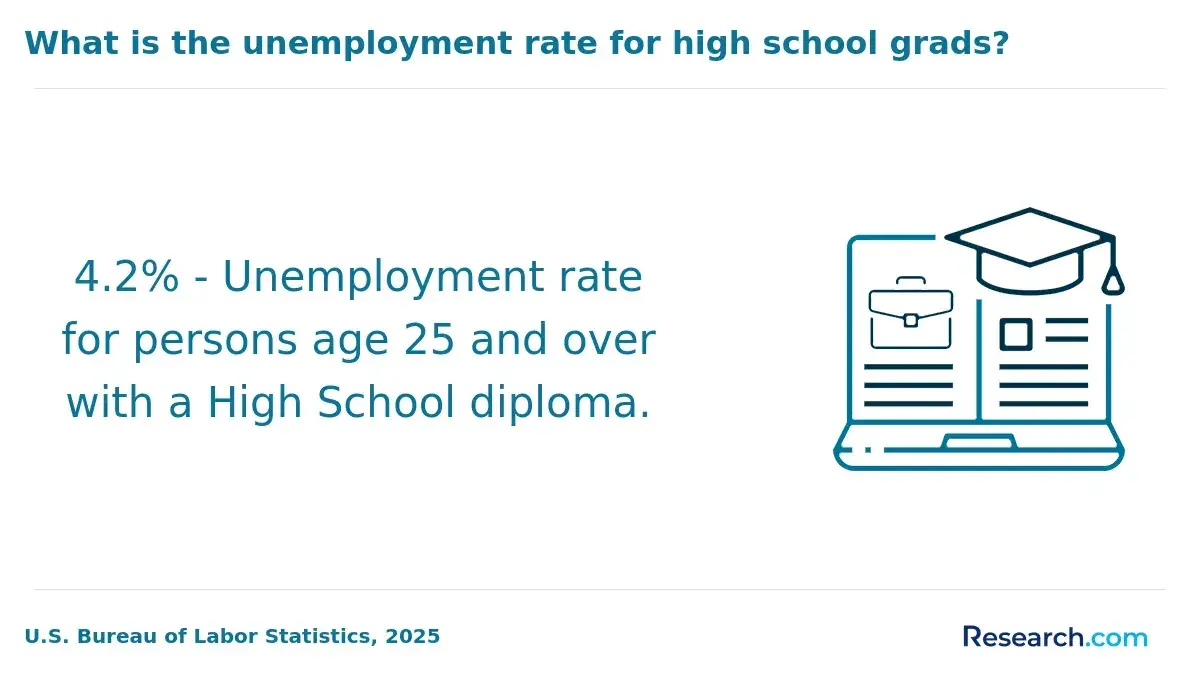
Accelerated emergency management programs aim to condense traditional graduate education timelines by increasing course density and reducing breaks, often targeting completion within 12 to 18 months rather than the usual two or more years. These programs typically streamline the curriculum by offering more intensive term schedules and minimizing downtime between courses, allowing motivated students to progress rapidly through required credits. However, the foundational structure of the program-including fixed prerequisites, clinical or practical components, and comprehensive capstones-frequently limits how much compression is realistically achievable without compromising academic integrity or skill acquisition.
Whether accelerated tracks effectively shorten completion time hinges on several key variables. Course intensity is a major factor; students must handle heavier credit loads per term, which can strain time management, especially for working adults. Prerequisite sequencing and curricular design sometimes prevent students from advancing until certain requirements are met, reducing flexibility. Additionally, experiential requirements like internships or practicums tend to remain consistent between accelerated and standard formats, anchoring the timeline. Institutional policies on transfer credits and term availability further influence pacing, with some programs allowing significant acceleration only if coursework is accepted from previous studies or if terms run consecutively without interruption.
The trade-offs in accelerated emergency management education often involve balancing a condensed schedule with the depth of engagement and learning quality. Intensified workloads can increase stress and limit opportunities for reflection or skills practice, which are critical in emergency management disciplines reliant on applied knowledge. Scheduling rigidity may also hinder students juggling professional and personal commitments, reducing accessibility despite the nominally shorter timeframe. Thus, while acceleration can deliver meaningful time savings under ideal conditions, structural and individual factors commonly moderate its impact on total time to degree.
One graduate recalls applying through a rolling admissions cycle that extended over several months. The applicant hesitated to enroll immediately, weighing preparation time against the benefits of an accelerated track. After several inquiries, uncertainty about admission timing delayed their start, pushing the intended 12-month plan closer to 16 months in practice. This experience highlighted how external timing factors beyond coursework, including admissions workflow and strategic enrollment decisions, can influence the realized pace of accelerated emergency management degrees in unpredictable ways.
Which Emergency Management Program Requirements Most Often Extend Graduation Timelines?
Extended graduation timelines in emergency management programs are often less about the total credit load and more about specific embedded requirements designed to ensure professional competence and applied experience. These mandates, while essential for aligning academic outcomes with workforce expectations, can create pacing challenges within students' academic journeys. Scheduling, faculty availability, and coordination with external partners often influence how swiftly students can progress through these key components.
- Capstone or Thesis Projects: These culminating research or applied projects demand significant independent initiative and access to resources, which can be limited. Delays commonly arise due to mentorship availability and the complexity of securing relevant data, particularly for working students needing to balance project demands with other commitments.
- Internships and Practicum Requirements: Hands-on placements are crucial for practical skill development but frequently require coordination with emergency management agencies, which can vary by region and timing. According to a 2024 workforce analysis by Lightcast, approximately 35% of emergency management students experienced a six-month or longer delay due to challenges in synchronizing internship opportunities with academic calendars.
- Prerequisite Coursework: Students entering without foundational knowledge in related fields like public administration or homeland security often must complete additional courses. These prerequisites extend program length as they precede advanced emergency management classes and are not always available every term, adding to scheduling bottlenecks.
- Restricted Course Availability and Sequencing: Some programs enforce strict semester-by-semester progressions with limited seat availability for core classes. This structured sequencing is intended to maintain curriculum integrity but may force students to pause progression when key courses are oversubscribed or offered infrequently.
- Faculty and Resource Constraints: The availability of specialized faculty and tailored academic resources impacts students' ability to complete experiential or research components timely. Limited mentorship capacity or access to site supervisors can extend timeframes beyond the nominal program duration, especially for non-traditional students balancing external responsibilities.
These factors illustrate that extended time-to-degree often reflects intentional curricular design focused on applied competencies rather than mere academic accumulation. Students and advisors can mitigate potential delays by early planning around experiential placements and monitoring prerequisite fulfillment, but institutional policies and external partnership dynamics remain significant influencing variables.
Does Taking Longer to Graduate Increase the Cost of a Emergency Management Degree?
Taking longer to graduate from an emergency management degree typically increases the total tuition and associated expenses due to how many institutions structure their tuition and fees. Programs charging per semester or credit hour naturally accumulate higher costs with extended timelines, as additional terms require repeated tuition payments and fees. Students who exceed anticipated completion periods may also lose eligibility for certain financial aid programs, scholarships, or employer tuition reimbursement plans tied to defined timeframes. These factors mean that part-time enrollment, credit transfer complexities, and prerequisite delays can compound the overall cost of earning an emergency management degree. National data on emergency management degree graduation timeline and tuition costs show that students taking more than six years to finish can pay roughly 30% more in total expenses compared to those completing within traditional four-year schedules. This increase reflects both direct tuition charges and indirect financial impacts such as deferred earning potential, with many graduates entering the workforce at annual salary levels ranging from about $50,000 to $70,000 depending on region and role specialization.
However, extended completion times do not always result in proportional cost increases, depending on institutional pricing models and enrollment decisions. Some programs offer flat-rate tuition per term or allow flexible, low-cost part-time enrollment that mitigates incremental expenses despite longer durations. Employer tuition assistance programs or financial aid policies may also reduce the burden when students pace their studies to balance work and education. Additionally, careful management of course loads can minimize semesters beyond degree requirements and avoid tuition resets or penalizing fee structures. Understanding these dynamics enables students to navigate the impact of extended timelines on the total cost of their emergency management degree completion. Those evaluating the tradeoffs may consider options such as accelerated or intensive course formats as alternatives to slow pacing, similar in spirit to strategies seen in accelerated degree programs in other fields like an online exercise science degree, which prioritize efficiency and cost control.
Does Graduating Faster Improve Career Prospects?
Graduating faster from an emergency management degree program can affect early career entry timing by allowing candidates to begin job searches sooner, potentially capturing openings aligned with their graduation. However, employers rarely assess the speed of degree completion in isolation. Instead, hiring decisions tend to weigh a candidate's practical skills, certifications, and applied experience more heavily than the duration of their studies. Variations in average graduation time-typically around four years full-time-reflect differences in transfer credits or course loads rather than inherent advantages or drawbacks related strictly to speed.
Whether faster degree completion influences career outcomes largely depends on factors such as the depth of internship experience, the strength of professional portfolios, and mastery of critical emergency management skills. Networking connections and alignment with current industry demands often carry greater weight in employment competitiveness than simply graduating early. For working adults or transfer students, accelerated timelines may reduce costs and income disruption, but these benefits must be balanced against the opportunity to develop real-world crisis response competencies valued by employers.
Ultimately, the benefits of faster emergency management degree graduation time impact on career growth when combined with meaningful experiential learning and professional affiliations rather than alone. Graduates should carefully consider trade-offs between speed and the quality of skill development since long-term employability hinges on demonstrated readiness, not just the timing of diploma receipt. Individuals exploring nurse practitioner programs with easy admission might similarly weigh accelerated paths against practical training depth, reinforcing the nuance necessary in timing versus competency decisions.
Which Scheduling Mistakes Commonly Delay Graduation?
Graduation delays in emergency management degree programs often stem not from academic difficulty alone but from avoidable scheduling and planning errors during enrollment and course selection. These challenges affect students across all program levels and formats, disrupting the structured progression intended by most curricula. Recognizing how these mistakes interact with institutional policies and course sequencing helps students and advisors maintain consistent academic momentum and avoid unnecessary extensions of degree timelines.
- Underloading Course Credits: Many students, especially working adults, take fewer credits per semester to manage external obligations. While reducing immediate stress, this extends time to degree completion significantly. The National Center for Education Statistics reports that students enrolled under 12 credit hours per term take about 25% longer to graduate.
- Poor Prerequisite Timing: Emergency management programs rely on progressive course sequences. Delaying foundational courses creates bottlenecks since many prerequisites are offered only once a year, preventing on-time advancement and adding semesters.
- Transfer Credit Evaluation Gaps: Transfer students often face slow or incomplete credit evaluations, leading to course repetition or overloaded future terms. This disrupts planned progression and can postpone graduation beyond the expected timeline.
- Insufficient Academic Advising: Without targeted guidance, students may enroll in electives unrelated to degree requirements or miss key courses. This misalignment complicates graduation scheduling and can result in extended enrollment periods.
Other Things You Should Know About Emergency Management
Internship or practicum components often extend the time needed to graduate because they require scheduling around employer availability and can't always be completed concurrently with coursework. Students should plan these experiences early and consider the additional coordination and potential delays involved. Employers in emergency management value practical experience highly, so prioritizing these requirements can improve job prospects even if it lengthens your degree timeline slightly.
Balancing coursework with work and personal commitments often means opting for fewer classes per term, which extends graduation time but reduces stress and improves retention. For working adults or those balancing family obligations, this slower pace can produce better learning outcomes and prevent burnout. However, if immediate entry into advanced roles is the priority, accelerating the course load may be warranted, though it risks lower performance and less time for skill mastery.
Curriculum changes reflecting new industry standards or emerging disaster response technologies can add extra required credits or new courses, delaying graduation for students enrolled during the transition. Students close to completion should verify whether these changes apply to their cohort to avoid surprises. Staying informed and proactive with advisors helps manage requirements and avoid unnecessary extensions.