2027 Emergency Management Degree Growth by State: Where Interest Is Rising the Fastest

Co-Founder and Chief Data Scientist
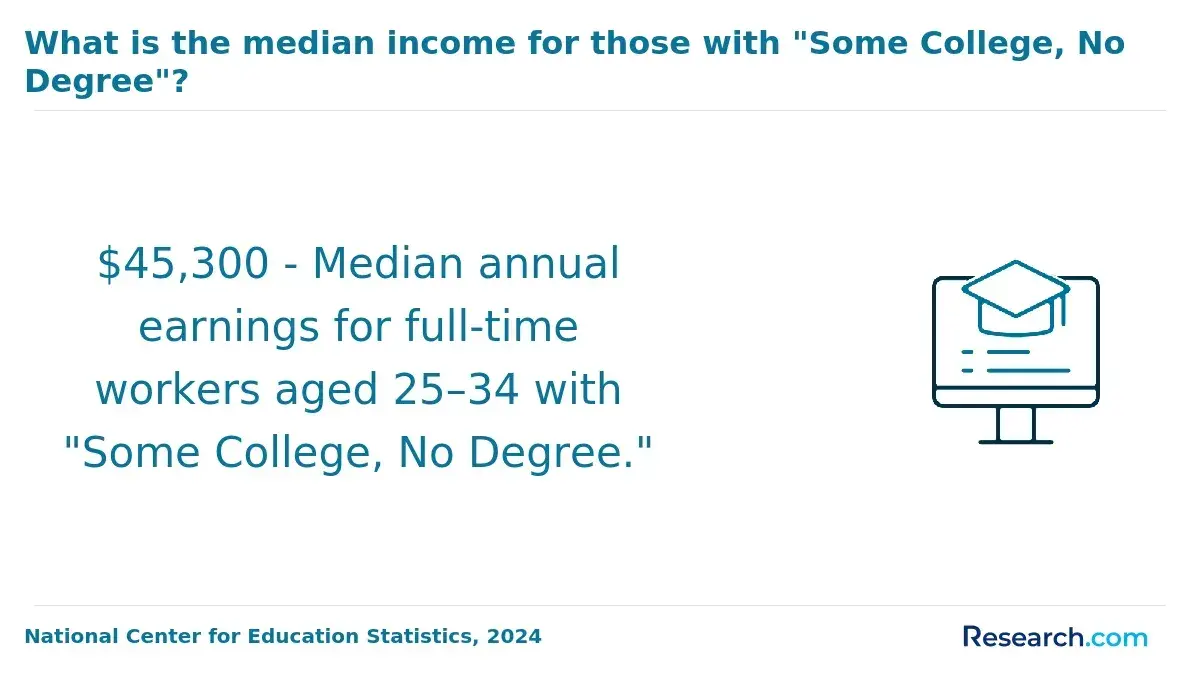
As states grapple with increasingly frequent natural disasters and infrastructure challenges, shifts in emergency management degree enrollment reflect critical regional responses. States experiencing the fastest growth often face unique economic pressures, stricter regulatory landscapes, or expanding institutional support that fuel demand for skilled professionals. According to the National Center for Education Statistics 2024 data, a surge in flexible online program offerings correlates with a 15% rise in enrollment among working adults, indicating a broader trend toward accessible, career-oriented education.
This shift underscores the importance of understanding localized factors driving program interest and how they align with evolving workforce needs and licensure requirements nationwide.
Key Things to Know About the State Where Emergency Management Degree Interest Is Rising the Fastest
- States with aging populations like Florida show rising emergency management degree enrollment, reflecting workforce renewal needs but risking slower program completion due to adult learner obligations, affecting time-to-employment.
- Regulatory incentives in Texas boost demand for certified professionals, increasing employer expectations for practical competencies and making hands-on training a critical admission factor in program choice.
- Online education expansion in California grants broader access, lowering upfront costs but emphasizing self-motivation tradeoffs, which may influence retention and extend time horizons for career transitions.
- Which States Are Seeing the Fastest Growth in Emergency Management Degree Enrollment? States with Fastest Growth
- What Does Enrollment Growth in Emergency Management Programs Actually Tell Prospective Students? Interpreting Enrollment Growth
- How Do Regional Job Market Conditions Drive Emergency Management Degree Demand by State? Regional Job Market Conditions
- Which States Have Added the Most New Emergency Management Degree Programs in the Last Five Years? States with New Programs
- How Has the Rise of Online Education Changed Which States Lead in Emergency Management Program Interest? Role of Online Education
- What Demographic Trends Are Fueling Emergency Management Degree Growth in Specific States? Demographic Trends Fueling Growth
- How Do State Funding Levels for Emergency Management Services Influence Degree Program Growth? Role of State Funding
- Which States Are Emerging as Unexpected Leaders in Emergency Management Degree Interest? Leaders in Growth
- How Does State Population Size Affect the Interpretation of Emergency Management Degree Growth Data? Role of State Population
- What Role Do State Licensing Requirements Play in Driving or Suppressing Emergency Management Enrollment? Role of State Licensing
Which States Are Seeing the Fastest Growth in Emergency Management Degree Enrollment?
Rising enrollment in emergency management degree programs nationwide signals not just increased interest but also shifting workforce demands and localized risk factors influencing education choices. This enrollment growth, evident in both undergraduate and graduate offerings, aligns closely with regional variations in natural hazard exposure, workforce infrastructure, and programmatic expansion. Analysis drawn from IPEDS and broader federal education trend data highlights a set of states where emergency management degree enrollment increase in US states is markedly outpacing the national average, reflecting differentiated professional opportunities and localized educational investments.
- Louisiana: The state's steep enrollment uptick mirrors ongoing regional vulnerability to hurricanes and consequent state initiatives expanding funding for emergency preparedness education. This creates a feedback loop where practical disaster response needs directly drive student demand and institutional program growth.
- Florida: Florida's substantial coastal population exposed to tropical storms sustains steady enrollment increases, supported by numerous universities offering specialized tracks that underscore storm mitigation and recovery, responding to employer requirements for nuanced skillsets.
- North Carolina: After facing significant weather disruptions, efforts to bolster disaster response infrastructure coincide with rising student enrollment, emphasizing emergency management's role in regional resilience and public-sector career pathways.
- Colorado: Reflecting a western dimensional shift, Colorado's enrollment growth connects to wildfire risks and the rising prominence of emergency management within public safety professions, underscoring evolving risk landscapes beyond coastal zones.
- Virginia: Proximity to federal agencies and military operations anchors Virginia's enrollment surge, as educational programs tailor offerings to match the skills demanded by defense-related disaster management and interagency coordination roles.
This geographically distributed growth shows a pattern where both coastal and inland states adapt their educational frameworks in response to distinct hazard environments and workforce shifts, suggesting graduates may find divergent career trajectories depending on local market needs. Understanding this distribution of fastest growing emergency management degree programs by state is essential for students weighing program momentum as a proxy for emerging employer demand or regional licensure trends.
Later sections will explore socioeconomic forces, regulatory frameworks, and institutional strategies behind this expansion, while also addressing how career changers, geographically mobile students, and returning professionals might prioritize these factors to optimize employment outcomes. It is similarly worth noting that selecting a program with demonstrated enrollment momentum can indicate broader institutional investment and program viability-crucial considerations against the backdrop of evolving public safety career markets.
Those interested in related healthcare emergency preparedness fields might also evaluate options like PharmD online programs which increasingly integrate emergency response components, reflecting interdisciplinary workforce demands.
What Does Enrollment Growth in Emergency Management Programs Actually Tell Prospective Students?
Enrollment growth in emergency management programs often signals rising interest, but it can mislead prospective students about actual educational and career benefits. For example, a program doubling its enrollment due to aggressive marketing may not deliver the workforce outcomes or academic rigor that justify the increase, impacting a graduate's job prospects in competitive markets.
Raw enrollment figures provide an entry point for evaluation yet fail to capture critical dimensions of program effectiveness. Key indicators such as retention and graduation rates, job placement success, and licensure pass rates are essential to contextualize whether growth reflects genuine academic strength or superficial expansion. Differentiating programs driven by authentic labor market demand versus those fueled by relaxed admissions policies is crucial for informed decision-making.
Students should regard enrollment growth as one factor amid multiple variables and complement quantitative data with qualitative insights from current students, alumni, and faculty. This holistic approach clarifies how a program's scale aligns with quality and career readiness in emergency management.
- Retention and Graduation Rates: High enrollment accompanied by low retention or graduation may indicate curricular or support deficiencies that hinder student success and timely degree completion.
- Job Placement and Career Outcomes: Programs showing growth tied to strong employment trajectories reveal responsiveness to evolving labor demands, an important marker of practical program value.
- Licensure and Certification Pass Rates: In fields requiring credentialing, growth without corresponding increases in pass rates raises concerns about instructional quality and graduate preparedness.
- Recruitment versus Quality: Enrollment spikes driven by relaxed admissions or marketing can inflate numbers but risk compromising academic standards and employer reputation.
- Contextual Factors: Regional economies, regulatory policies, and employment trends heavily influence enrollment trends and subsequent career opportunities within specific states.
- Direct Outreach: Firsthand accounts from program participants offer nuanced understanding of educational culture, resource availability, and real-world readiness often obscured by aggregate data alone.
How Do Regional Job Market Conditions Drive Emergency Management Degree Demand by State?
Demand for emergency management degrees by state closely mirrors the specific labor market dynamics influencing public safety and disaster preparedness roles. Students weighing graduate programs would be wise to consider how local economic sectors-especially healthcare expansion, public sector growth, and school district emergency staffing-create tangible job openings that justify the investment in credentialing. For example, a candidate in Florida faces a job market shaped by frequent natural disasters, which spurs municipalities and educational institutions to boost hiring, thereby driving enrollment in emergency management graduate programs. In contrast, prospective students targeting states without such localized pressures may encounter fewer practicum opportunities and less competitive salaries post-graduation.
- Florida: Growth in healthcare facilities combined with increasing public safety budgets and disaster-related hiring surges the need for credentialed professionals and attracts new students to graduate pathways in emergency management.
- Texas: The state's broad public sector expansion and initiatives that incentivize disaster resilience training translate into robust prospects for graduates, especially in urban centers benefiting from economic diversification.
- California: Complex regional disaster challenges and ongoing state preparedness programs generate openings tied to healthcare and state emergency operations, encouraging student enrollment focused on hands-on practicum experience.
- North Carolina: Investment in school district emergency planning coupled with expanding public safety roles steadily increases demand for emergency management expertise that graduate programs are responding to.
- Arizona: Population growth and employer-driven workforce development programs foster rising graduate enrollment as states and organizations seek credentialed emergency services professionals.
Evaluating regional workforce demand for emergency management degrees alongside state-issued occupational projections and workforce agency analyses gives candidates a pragmatic basis for program selection. Graduates from states with strong local job markets often benefit not only from more accessible practicum placements but also greater leverage in salary negotiations due to alignment with employer expectations.
Those considering flexible or geographically mobile educational paths might explore options like an accelerated degree program to quickly position themselves within high-demand regions. Ultimately, aligning educational choices with nuanced, state-level labor conditions mitigates risk and amplifies long-term career viability in emergency management fields.
Which States Have Added the Most New Emergency Management Degree Programs in the Last Five Years?
Growth in emergency management degree programs has been uneven across states, reflecting complex local economic pressures, disaster risk profiles, and institutional strategies. States expanding their academic offerings typically do so through a mix of launching new programs, enhancing online accessibility, and scaling existing enrollment to meet workforce demand. These shifts have nuanced impacts on prospective students, affecting affordability, program specialization, and funding competition.
- Texas: Leading expansion in emergency management programs, Texas leverages its high exposure to hurricanes and flooding as a catalyst for state-funded educational initiatives. Universities have rolled out new programs and amplified online options to accommodate working professionals, responding to workforce shortages flagged by state authorities.
- Florida: Like Texas, Florida has introduced fresh programs while intensifying online delivery. Here, institutions capitalize on competitive dynamics by emphasizing niche areas such as coastal resilience and health emergencies, supported by targeted grants to bolster disaster preparedness workforce pipelines.
- California: Expansion tends to favor increased capacity over brand-new programs. The state's diverse demographic and multifaceted disaster landscape drive institutions to diversify concentration choices. However, balancing resources amid growing student numbers presents ongoing challenges for program quality consistency.
- New York: Growth is largely attributable to augmenting established programs with flexible online tracks catering to working adults. Strategic scholarship offerings connected to homeland security priorities enhance appeal but also elevate tuition considerations, tightening affordability for many students.
- North Carolina: Expansion mainly involves scaling enrollment and online options within existing programs. State designations of workforce shortages combined with regional disaster exposure have pushed universities to deepen industry partnerships for curriculum relevance and graduate employability.
For students, states with more robust program growth offer a richer array of specialization tracks and scholarship opportunities, but this comes with intensified competition for financial aid and a need for careful program comparison. Prospective enrollees should weigh program delivery modes, cost, and alignment with local employer demands when evaluating options within high-growth states.
One graduate recalled navigating the admissions cycle amid rapid program expansions in her state. She initially hesitated to apply broadly, uncertain whether the newer online tracks would meet her practical training needs. The rolling admission timeline compounded her uncertainty, forcing her to balance waiting for acceptances from established programs with the risk of missing early deadlines. Ultimately, she chose a program offering flexible online options with strong industry ties after a late acceptance-relieved but mindful that a swifter decision could have eased her transition back into academia.
How Has the Rise of Online Education Changed Which States Lead in Emergency Management Program Interest?
The expansion of fully online emergency management programs has fundamentally altered the traditional geographic bases of graduate enrollment, allowing students to prioritize program quality, cost, and accreditation over proximity. Previously, students often limited their applications to programs within commuting or relocating distance, restricting choices and reinforcing regional program dominance. Now, states offering strong online curricula draw a wider national student body, reshaping where enrollment growth occurs and challenging local labor market assumptions tied to physical campuses.
- Geographic Decoupling: Physical location no longer confines enrollment patterns; states with reputable online offerings attract substantial out-of-state interest, changing historical patterns linked to campus accessibility.
- Program Reputation: Established online programs with rigorous faculty and applied learning experience act as magnets, especially for mid-career professionals weighing practical skill acquisition against geographic convenience.
- Tuition Competitiveness: States with lower online tuition fees draw students balancing education cost with career impact, a critical factor for those funding their own education.
- Accreditation Standing: Accredited programs provide credentials with broader acceptance, influencing employer trust and career mobility across state lines.
- Student Accessibility: Broader access to specialized training expands workforce diversity and inclusiveness, reaching learners who previously lacked local options.
- Licensure Considerations: Despite online convenience, state-specific certification requirements remain a pivotal factor; students must confirm licensure compatibility to avoid credential non-recognition in their target employment regions.
- Institutional Impact: States hosting high-quality online programs increasingly serve as national education hubs, impacting workforce development beyond their immediate geographic areas.
These shifts demand careful navigation by prospective students who should integrate regulatory realities, program reputation, and cost factors to inform strategic decisions aligned with their career goals and geographic flexibility.
What Demographic Trends Are Fueling Emergency Management Degree Growth in Specific States?
Emergency management degree growth across U.S. states reflects distinct demographic realities driving workforce demand rather than a homogeneous national pattern. Students and career changers must weigh these factors carefully since the demographic makeup of each state directly influences the scope and stability of emergency management employment. For example, graduates aiming to work in states with rapidly aging populations face growing needs for disaster preparedness supporting elderly communities, which differs significantly from urban hubs where infrastructure and inter-agency coordination are primary challenges. Recognizing these state-by-state population trends influencing emergency management enrollment can better align educational pursuits with practical job market outcomes.
- Population Aging: Midwestern and Southeastern states with substantial increases in residents over 65 see emergency management programs expand to include healthcare system resilience and elder-focused disaster response, aligning skills with these specialized community needs.
- Immigration Patterns: States like Texas and California with significant recent immigration drive demand for emergency managers adept in multilingual communication and culturally competent crisis intervention, which translates into higher enrollment among bilingual and immigrant-background students.
- Urbanization: The Sun Belt's rapid metropolitan growth in states such as Arizona and Florida generates complex emergency response challenges related to infrastructure strain and population density, incentivizing program curricula on urban risk mitigation and inter-agency collaboration.
- K-12 Enrollment Growth: In states like Nevada, rising K-12 populations spur investments in school emergency planning and safety, indirectly bolstering demand for professionals trained to partner with educational institutions and public safety agencies.
- Rising Mental Health Diagnoses: Increased recognition of mental health issues in states with robust public health reporting, including Washington and Oregon, necessitates emergency management approaches incorporating psychological first aid and crisis counseling, attracting students focused on this specialization.
These demographic trends manifest as highly localized enrollment hotspots rather than uniform growth nationwide, underscoring the importance of analyzing state-specific economic and regulatory contexts alongside population shifts. Prospective students should prioritize states where these trajectories suggest sustained emergency management workforce demand rather than volatile or cyclical patterns.
For individuals considering flexible educational pathways, comparing program locations against these demographic factors will help calibrate expectations for long-term career prospects in emergency management. Evaluating such programs with a focus on employability and sector-specific skills-including those offered alongside related fields such as healthcare-can further inform pragmatic decisions. In this regard, exploring options like 1 year radiology tech programs online may complement emergency management career development in health-related disaster response roles.
How Do State Funding Levels for Emergency Management Services Influence Degree Program Growth?
State investment in emergency management services fundamentally influences the expansion and vitality of degree programs in the field. Where states allocate adequate funding through Medicaid reimbursements, block grants, mental health initiatives in schools, and community health center support, they create a feedback loop that sustains stable employment opportunities. This reliability encourages colleges to develop stronger, more attractive programs, knowing graduates are likely to find local positions. In contrast, states with persistent budget shortfalls risk a talent exodus as recent graduates migrate toward markets offering better resources and job prospects, stunting local program growth and reducing incentives for institutional investment.
- Funding Stability: Reliable and transparent emergency management budgets establish confidence among students and educators by signaling consistent job placement potential after graduation.
- Program Development: Well-funded states foster collaboration between educational institutions and emergency agencies, enabling internships and applied research opportunities that elevate program quality and appeal.
- Graduate Retention: Insufficient funding often results in graduates relocating out-of-state for employment, which diminishes alumni presence and weakens demand for program expansion in their home states.
- Legislative Tracking: Assessing recent state laws and budget decisions related to emergency management funding offers insight into the long-term viability of local degree programs and career prospects.
- Employment Outcomes: Prospective students should inquire about the percentage of program graduates employed within the state five years post-graduation to gauge market absorption and practical return on investment.
A graduate recalled timing challenges during the rolling admissions process: the delay in decision notifications created uncertainty about committing to in-state versus out-of-state programs. Concerned about funding fluctuations influencing job availability, they hesitated before ultimately choosing a state with clear, ongoing investments in emergency management services. This decision reflected an acute awareness that program strength closely tied to stable state funding directly impacted their post-degree employment security and career trajectory.
Which States Are Emerging as Unexpected Leaders in Emergency Management Degree Interest?
States without a historic foothold in emergency management graduate education are rapidly emerging as influential players, driven by targeted policy interventions and evolving workforce demands. This shift introduces practical advantages such as reduced tuition and less competitive admissions that appeal to career changers and returning professionals. However, students must weigh these benefits against potential instability when growth is fueled by temporary funding or pandemic-era stimulus rather than durable infrastructure.
- Kentucky: The state's surge reflects strategic workforce development grants and deeper involvement in regional emergency response compacts, underpinning sustainable expansion. Employers increasingly value graduates here for their preparation in cooperative, multiagency environments, where credentialed professionals are in demand for evolving disaster coordination roles.
- Nebraska: Growth is largely attributed to the introduction of online and hybrid programs tailored for rural populations, plus tuition incentives tied to state policies. Yet, this momentum is intertwined with short-term pandemic recovery funds, signaling that long-term program viability depends on the retention of such financial support and ongoing policy commitment.
- Mississippi: Lower tuition and less competitive admissions draw students to newly accredited programs affiliated with community colleges. Legislative focus on hurricane resiliency training enhances graduates' employment prospects locally, though economic volatility could influence future demand within this specialized niche.
- Idaho: The integration of emergency management education within public safety and environmental science departments attracts professionals shifting from natural resource sectors. Continued investment in rural health and safety initiatives suggests a steady, long-term interest, positioning Idaho as a uniquely interdisciplinary hub.
For students and career changers mapping pathways into Emergency Management, examining these emerging states offers insight into real-world tradeoffs. Choosing programs influenced by transient funding risks diminished returns, while those embedded in systemic policy infrastructures may provide stronger career sustainability. Understanding these nuances is as critical as technical training, whether one's goal is direct disaster response or roles related to public safety, including considering pathways related to how to become a medical examiner assistant, which shares workforce intersections.
How Does State Population Size Affect the Interpretation of Emergency Management Degree Growth Data?
Interpreting emergency management degree growth without considering state population size risks misrepresenting where genuine demand is accelerating. For instance, a large state adding 2,000 new graduates annually might seem more promising than a smaller state producing 300; however, this ignores population scale and workforce saturation effects that strongly influence hiring dynamics. Absolute growth highlights volume but fails to measure degree interest relative to the population and existing professional availability, which critically shapes job market conditions.
Evaluating growth per capita-relating new graduates to the state's population-reveals where degree interest truly expands proportionally. A smaller state with one-tenth the population but 300 new graduates suggests a faster-growing market than raw numbers indicate. Moreover, analyzing workforce saturation-the ratio of licensed emergency management professionals to population-identifies underserved regions where demand exceeds supply. These markets typically provide stronger early-career hiring opportunities due to lower competition.
Career-focused candidates examining multiple states should prioritize markets with robust per-capita degree growth coupled with below-average professional saturation to maximize employability. Relying solely on absolute enrollment growth risks overlooking supply-demand imbalances vital to long-term career outcomes. This approach better accounts for state population impact on emergency management degree enrollment and regional population size and emergency management degree growth trends.
- Regulatory Complexity: Some states impose more restrictive licensure or certification paths, affecting both growth momentum and the professional pool.
- Workforce Saturation: States with high professional density often experience lower entry-level demand despite large graduate outputs.
- Population Mobility: Rapid population shifts can skew enrollment data if migration outpaces graduate production.
- Economic Factors: Variations in emergency service budgets influence funding for new hires and graduate intake.
- Institutional Capacity: The number and quality of in-state programs affect both absolute and per-capita growth metrics.
Those evaluating options should also consider exploring the best online bachelors in sociology programs for broader perspectives on related degree pathways that intersect with social and emergency services fields.
What Role Do State Licensing Requirements Play in Driving or Suppressing Emergency Management Enrollment?
State licensing requirements exert a decisive influence on enrollment trends in emergency management graduate programs by shaping the perceived return on investment for prospective students. States with clear, stable, and accessible licensing pathways tend to attract more candidates because they reduce uncertainty about credential recognition and future employability. For example, in states where employers explicitly prefer licensed emergency management professionals-often reflected in job postings that require licensure-students face a tangible incentive to pursue programs aligned with those licensure standards. Conversely, states with stringent or frequently changing requirements, such as extensive testing or unwieldy experience prerequisites, create barriers that deter career changers and working professionals seeking a more direct path back into the workforce.
For students considering geographic mobility, understanding how manageable the post-degree licensure process is compared to other states becomes critical. A program's appeal is not determined by degree content alone but by the broader licensing ecosystem that facilitates or restricts long-term career progression. Strong licensing frameworks generate positive feedback loops: well-supported licensure systems drive program growth, which then bolsters advocacy for ongoing regulatory improvements, sustaining enrollment momentum.
- Clarity: Transparent licensing criteria simplify candidate decision-making by clearly outlining the steps beyond graduation, lowering perceived risk.
- Stringency: Excessive testing, costly fees, or complex work experience demands often suppress enrollment, particularly among professionals seeking efficient reentry.
- Accessibility: Consistent communication and support from licensing boards correlate with steady student interest by demonstrating institutional reliability.
- Employer Expectations: Licensing indirectly influences hiring practices, with employers in states emphasizing licensure often requiring or preferring licensed graduates.
- Feedback Loop: Robust licensing systems fuel program expansion and create stakeholders advocating for further regulatory refinement.
- Career Mobility: Evaluating licensure manageability across states is vital for those prioritizing geographic flexibility in Emergency Management careers.
- Due Diligence: Prospective students must assess the entire licensure pathway, beyond degree completion, to accurately gauge career readiness and outcomes.
References
- Emergency Management Career | Degree and Licensing Paths https://www.publichealthonline.org/emergency-management-career/
- Seven Jobs You Can Do with a Degree in Emergency Management and Homeland Security https://www.albany.edu/graduate/news/2025-seven-jobs-you-can-do-degree-emergency-management-and-homeland-security
- Research reports on Covid-19 and emergency remote learning/online learning | Tony Bates https://www.tonybates.ca/2020/07/27/research-reports-on-covid-19-and-emergency-remote-learning-online-learning/
- Emergency Management Hub https://www.census.gov/topics/preparedness.html
- Online Emergency Management Degrees: Review Top Programs https://www.degreesforgood.org/online-degrees/emergency-management-programs/
- Boost Higher Education Student Enrollment in 4 Steps https://moderncampus.com/blog/student-enrollment.html
- How Online Learning Has Changed Education | ACE Blog https://ace.edu/blog/how-online-learning-has-changed-education/
- Southern Arkansas University launches new Bachelor of Science in Emergency Management for Fall 2026 | News | Southern Arkansas University https://web.saumag.edu/news/2026/southern-arkansas-university-launches-new-bachelor-of-science-in-emergency-management-for-fall-2026/
- Online learning during the COVID-19 pandemic, lessons learned and what’s next? https://www.qeios.com/read/TG5VLG
- Uncertainty Surrounding Federal Disaster Funding Looms Over State Budgets https://www.pew.org/en/research-and-analysis/articles/2026/01/15/uncertainty-surrounding-federal-disaster-funding-looms-over-state-budgets
Other Things You Should Know About Emergency Management
Employers in states where emergency management degree interest is rising rapidly tend to prioritize graduates with practical skills in crisis communication, risk assessment, and interagency coordination. These states often face complex disaster profiles requiring multidisciplinary expertise, creating demand for candidates with both technical knowledge and leadership experience. Consequently, program graduates who gain hands-on internship opportunities and exposure to real-world scenarios tend to have higher job placement rates. Prospective students should evaluate how closely programs integrate applied training aligned with local employer expectations to enhance their employability.
States with lower tuition and affordable living costs typically see surges in enrollment as students can minimize debt while gaining relevant credentials. However, cheaper programs do not always equate to better career outcomes if they lack strong employer networks or regional recognition. Candidates must weigh cost savings against program quality and local job market strength, especially if planning to remain in the state post-graduation. Prioritizing programs that balance affordability with proven workforce connections will improve long-term career growth prospects.
Rising enrollment growth signals increasing local demand and expanding program capacity but may also indicate growing competition among graduates. Students should interpret this data alongside job placement statistics and employer hiring trends rather than assuming growth guarantees easier employment. In states with rapid program expansion, prioritizing specialized skills or niche areas relevant to local disaster risks can differentiate candidates in the labor market. Using enrollment data as one factor among several-including curriculum relevance and employer partnerships-leads to more informed decisions about program selection.