2027 Emergency Management Degree Completion Rates by Format: Online, Hybrid, and Campus Programs Compared

Co-Founder and Chief Data Scientist
A prospective student weighing the decision to pursue an emergency management degree faces significant challenges. Choosing between online, hybrid, and traditional campus programs involves more than convenience; it affects the likelihood of program completion and career readiness. Online formats promise flexibility but may lack direct engagement, while campus programs offer immersive experiences but demand rigid schedules. Hybrid options attempt to balance these factors but introduce their own complexities in time management and learning consistency.
Completion rates vary notably across these formats and reflect influences such as student support systems, instructional quality, and personal circumstances. Employers in emergency management often consider the mode of education when evaluating candidates' preparedness and reliability. This article compares completion rates for online, hybrid, and campus emergency management programs, examines key factors affecting student success, and guides prospective learners to select the format best aligned with their goals and realities.
Key Things to Know About Emergency Management Degree Completion Rates by Format
- Completion rates for online emergency management programs often lag behind campus formats by roughly 10-15%, reflecting challenges in sustained engagement and self-directed study, which can hinder steady progress toward graduation.
- Hybrid formats tend to yield higher completion rates than purely online options, as periodic face-to-face interaction mitigates isolation and supports accountability, improving student retention in complex emergency management curricula.
- A 2024 study indicates campus-based programs have the highest completion rates, likely due to structured environments that reinforce timely milestones critical for mastering practical emergency management competencies.
- Key Things to Know About Emergency Management Degree Completion Rates by Format Key Things to Know About Emergency Management Degree Completion Rates by Format
- How Do Completion Rates Compare Across Online, Hybrid, and Campus Emergency Management Programs? Completion Rate Comparison
- What Factors Have the Greatest Impact on Emergency Management Degree Completion? Degree Completion Factors
- Which Emergency Management Degree Format Is Hardest to Complete? Completion Difficulty
- How Does Each Emergency Management Learning Format Affect Student Success? How Does Each Emergency Management Learning Format Affect Student Success?
- How Does Enrollment Status Affect Emergency Management Completion Rates? How Does Enrollment Status Affect Emergency Management Completion Rates?
- Can Transfer Credits Improve Emergency Management Degree Completion? Transfer Credits
- What Student Support Services Improve Emergency Management Completion Rates? Student Support Services
- How Do Emergency Management Completion Rates Affect Career Outcomes? Impact on Career Outcomes
- How Should Students Choose the Best Emergency Management Learning Format? Choosing the Best Format
- What Are the Long-Term Pros and Cons of Each Emergency Management Learning Format? Learning Format Pros & Cons
How Do Completion Rates Compare Across Online, Hybrid, and Campus Emergency Management Programs?
Completion rates in emergency management degree programs serve as proxies for student persistence and outcomes rather than direct reflections of educational quality. Variations often stem from differing student populations in each format, shaped by factors such as employment status, family obligations, and prior academic preparation. For instance, campus-based attendees frequently benefit from immersive environments and peer networks that support timely graduation, while online cohorts may include more working adults balancing complex schedules.
The divergence in completion rates across online, hybrid, and campus programs largely reflects how each format aligns with students' life circumstances. Online emergency management degree completion rates tend to be lower due to reduced access to campus resources and less direct faculty interaction, posing challenges for those requiring structured guidance. Hybrid models strike a middle ground, offering flexibility alongside periodic in-person engagement, which can enhance accountability and motivation. Ultimately, success depends on individual student discipline, enrollment intensity, and support mechanisms rather than the mode alone.
Prospective students can leverage emergency management degree completion rates by comparing them with their own learning preferences and responsibilities. Those with unpredictable work hours or caregiving duties might find online formats more feasible despite slightly lower completion averages, whereas individuals seeking closer collaboration could favor campus or hybrid options. Evaluating these factors alongside career timelines helps pinpoint a program that maximizes the chances of degree completion. For accelerated pathways, some may explore the shortest medical assistant program as a parallel example of how pacing and delivery influence outcomes.
What Factors Have the Greatest Impact on Emergency Management Degree Completion?
Completing an emergency management degree depends on a combination of personal circumstances, academic readiness, and program design rather than motivation alone. Students often face complex challenges that interact, making simple cause-and-effect assumptions inadequate. For example, a working adult enrolled in a hybrid program may struggle if financial strain coincides with limited academic support, even if strongly motivated. The following factors tend to have the greatest impact on degree completion success.
- Academic Preparedness and Prior Achievement: Students with higher prior academic performance, measured by GPA and standardized test scores, are consistently more likely to complete their degree. According to a 2024 National Center for Education Statistics report, these students demonstrate up to 25% higher completion rates. This factor is critical in self-directed learning environments, like fully online formats, where less immediate faculty oversight demands greater discipline and study skills.
- Financial Stability and Support: Financial barriers remain the most frequently cited reason for stopping out, especially for adult learners and first-generation students. Online students may face elevated financial stress due to fewer on-campus job opportunities, increasing interruptions in enrollment. Strengthening financial planning and accessing aid resources can significantly improve persistence.
- Institutional Support Structures: Access to academic advising, tutoring, and technical help plays a key role in sustaining student progress. Hybrid programs often provide the best combination of flexibility and face-to-face support, while campus students benefit from peer networks and immediate resource access. Proactively engaging with these services helps students navigate challenges that arise during the program.
- Alignment with Career Goals and Motivation: Students perceiving clear employability benefits linked to their emergency management credential exhibit greater perseverance. This alignment is especially important in formats where external distractions are common, such as online or hybrid settings. Clarifying career pathways early can sustain motivation during difficult periods.
- Program Delivery Format Fit: The interaction of delivery mode with personal and academic factors alters completion likelihood. For instance, a student with limited prior academic discipline may find fully online courses more challenging without strong support, whereas those balancing work and life demands might benefit from the scheduling flexibility of hybrid models. Choosing the format that fits one's learning style and obligations reduces attrition risk.
- Time Management and External Responsibilities: Commuting times, caregiving, and employment commitments significantly impact campus students, sometimes outweighing the benefits of on-site access. Effective time management strategies and realistic planning are essential for sustaining enrollment across all formats.
Ultimately, no single factor determines success in an emergency management degree; rather, it is the combination and interaction of these elements. Prospective students must weigh these realities carefully when considering how the impact of learning format on emergency management graduation rates aligns with their personal and academic circumstances. Exploring resources at accredited medical billing and coding schools online with financial aid may offer useful perspectives on managing these challenges effectively.
Which Emergency Management Degree Format Is Hardest to Complete?
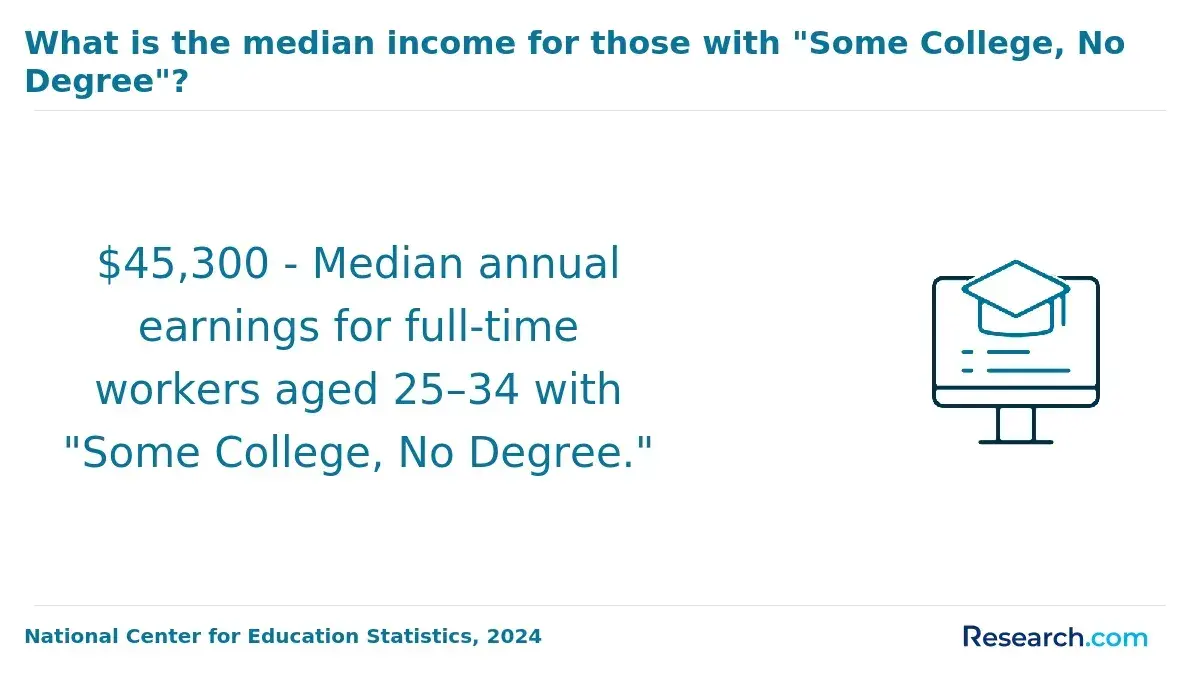
Completion rates for emergency management degrees vary notably by delivery method, with fully online programs generally facing the lowest persistence. Data from 2024 reported by the National Center for Education Statistics shows online formats average around 55-60% completion, lagging behind hybrid programs at 70-75% and campus-based courses reaching 75-80%. This disparity reflects how the online format's reliance on self-direction and limited direct interaction can intensify challenges such as isolation and competing life demands. Meanwhile, hybrid programs strike a balance by offering some face-to-face engagement, which tends to anchor students through increased accountability, without the rigid scheduling required by traditional campus attendance.
That said, campus programs, while statistically more complete, often require significant time commitments for commuting and fixed class schedules. For students juggling work or family obligations, this can be a barrier to consistent attendance despite the immersive support environment. The real-world impact shows the decision hinges on individual circumstances; those who thrive on structured social interaction and immediate resource access might find campus programs more manageable, whereas others needing flexibility may struggle to stay motivated online without external supports. Hybrid formats frequently provide practical middle ground by combining flexibility with some in-person components to enhance engagement.
One graduate recalled choosing an online emergency management degree while working full-time and caring for young children. Initially attracted to the convenience, she quickly encountered distractions and moments of isolation that made it hard to keep pace. "I underestimated how much self-discipline it demanded," she reflected, noting that just attending weekly virtual office hours helped her feel connected and accountable. Despite setbacks, she persevered by setting strict daily routines and sought out peer study groups online, which ultimately allowed her to finish. Her experience highlights that while online formats can pose the greatest completion hurdles, purposeful strategies and support networks are essential to overcoming those challenges.
How Does Each Emergency Management Learning Format Affect Student Success?
Success in emergency management degree programs depends largely on how well the chosen learning format fits a student's personal study habits, time constraints, and external commitments rather than the format itself. The best outcomes occur when students select a mode-online, hybrid, or campus-that complements their motivation levels and support needs. For example, someone balancing full-time work and family may thrive in an online setting with flexible scheduling, while a student seeking structure and direct interaction might find campus-based learning more effective. Below are key factors showing how these formats shape academic success.
- Engagement and Faculty Access: Campus formats provide immediate face-to-face interaction and easier access to instructors, fostering stronger engagement and quicker resolution of academic questions. This benefits students who need direct guidance and thrive in collaborative environments, leading to higher completion rates reported by the National Center for Education Statistics in 2024.
- Flexibility Versus Self-Discipline: Online programs offer vital scheduling flexibility for working professionals but demand strong self-motivation and time management skills. Students less accustomed to independent study may struggle, whereas those who can set and maintain a disciplined routine tend to succeed and approach campus completion rates when supported with robust advising.
- Balanced Learning in Hybrid Models: Hybrid formats blend online convenience with periodic in-person engagement, helping students maintain accountability and connection. This combination often results in persistence rates surpassing purely online peers, as students receive intermittent structure without sacrificing flexibility.
- Peer Collaboration and Support Networks: On-campus environments naturally facilitate peer interactions and study groups, which reinforce persistence and practical learning. This can be more challenging online unless programs intentionally build virtual communities, affecting motivation and skill development important in emergency management roles.
- Resource Availability and Support Services: Campus settings typically offer more accessible support services, such as tutoring and counseling, improving student outcomes. Online programs that invest in equivalent support and interactive elements narrow this gap, a factor crucial in a demanding field like emergency management.
How Does Enrollment Status Affect Emergency Management Completion Rates?
Enrollment status is one of the most important factors influencing degree completion for students pursuing an emergency management degree. Yet its impact depends heavily on the individual's broader life circumstances, not just the number of courses taken. Many prospective students underestimate how part-time or full-time status interacts with work, family, and learning format, affecting their ability to persevere. Below are key ways enrollment status shapes completion outcomes in emergency management programs.
- Time Commitment and Focus: Full-time students generally have more dedicated periods for coursework, helping maintain steady progress and deeper curriculum engagement. Students with flexible schedules or fewer outside commitments benefit from this immersion, while those juggling employment might struggle to sustain intensive focus full-time.
- Work-Life Balance Challenges: Part-time enrollment allows working adults or caregivers to balance education with external responsibilities. However, fragmented schedules can extend program duration and increase stress, leading to lower completion rates. Prospective students must realistically assess personal capacity when choosing their pace.
- Access to Resources and Support: Full-time enrollment often correlates with greater access to campus or online resources, including faculty interaction and peer networks. Part-time and especially fully online students might face challenges in sustained engagement, which can hinder persistence without strong institutional support.
- Format Flexibility Interaction: Many part-time students enroll online or in hybrid formats to accommodate life demands. However, data from the National Student Clearinghouse Research Center shows part-time online learners have the steepest completion challenges, emphasizing the need for self-directed learning skills or external accountability.
- Program Intensity and Integration: Emergency management curricula require integrating theory with practical application, which can be demanding for part-time students spreading coursework over longer periods. Students able to handle consistent, structured study-such as full-time hybrid enrollees-tend to complete more efficiently.
- Completion Rate Disparities: According to the Lumina Foundation's 2024 report on higher education outcomes, full-time students in emergency management programs graduate at rates approximately 25-30% higher than their part-time peers. This gap emerges from combined effects of engagement, study pace, and resource access.
- Personalized Enrollment Strategy: No enrollment status is universally superior; part-time enrollment can be the smarter choice for those balancing significant work or family obligations. Meanwhile, full-time status offers advantages if students can commit to sustained academic engagement. Aligning enrollment with capacity and format options is crucial for success.
For individuals considering flexible options, it is beneficial to explore alternatives such as kinesiology certification online, which may share similar enrollment implications regarding part-time versus full-time status and program format. Understanding these dynamics equips prospective students to realistically plan their educational journey and career readiness in emergency management.
Can Transfer Credits Improve Emergency Management Degree Completion?
Transfer credits can notably shorten the duration required to earn an emergency management degree by eliminating redundant courses, but their impact varies substantially depending on several factors. Students entering with prior college credits, military training, or professional coursework often reduce their course load, potentially accelerating graduation. However, this advantage hinges on how well those credits align with an institution's degree requirements and transfer policies. For example, a working professional with 30 transferable credits aligned closely to core emergency management classes could realistically finish their degree significantly faster than a peer starting fresh. Conversely, mismatches in curriculum or strict transfer rules might force some students to retake similar classes, offsetting potential gains.
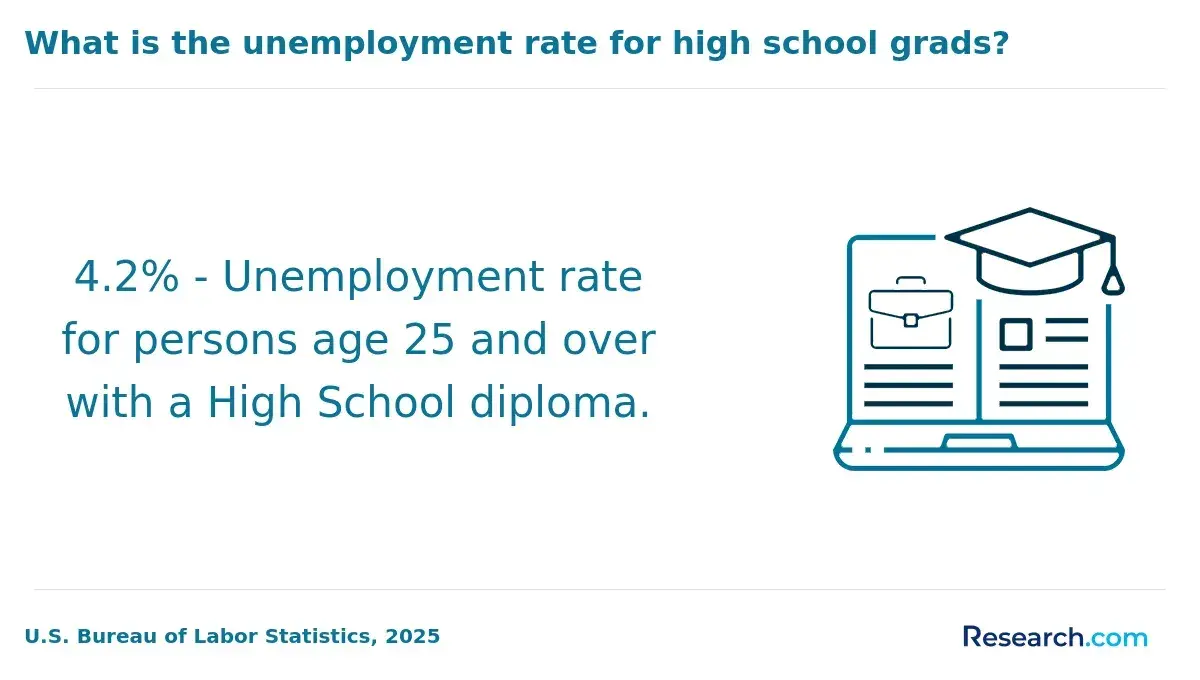
Recent data from the National Student Clearinghouse Research Center in 2024 indicates that students transferring over 30 credits are about 20% more likely to complete their degree within four years than those without significant transfer credits. This effect spans both online and hybrid programs, which tend to offer flexibility and favor adult learners balancing work and education, and campus-based programs, where policies are generally more rigid but maintain academic cohesion. Campus students with approved transfer credits graduate approximately 15% faster than those without, illustrating transfer credits' meaningful role even in traditional settings.
Still, credit transfer alone does not guarantee expedited completion. Prospective students must carefully assess the breadth of remaining courses after transfer, the institution's specific articulation agreements, and whether the transferred credits satisfy foundational versus elective requirements. Obtaining an official credit evaluation before enrolling is crucial. Reviewing program curricula side-by-side with one's transcript helps identify whether remaining credits are manageable within the student's preferred timeframe.
Ultimately, transfer credits can provide a practical pathway to degree completion by reducing redundancy and focusing efforts on advanced emergency management skills. However, their effectiveness depends on institutional policies, credit applicability, and individual circumstances. Students benefit most when transfer decisions are informed by detailed analysis rather than assumptions, balancing transfer credit advantages with other factors influencing graduation success.
What Student Support Services Improve Emergency Management Completion Rates?
Student support services are a critical determinant for students pursuing emergency management degrees, impacting their ability to finish programs across online, hybrid, and campus formats. Data from the National Center for Education Statistics in 2024 reveals that students actively engaged with academic advising and career services show completion rates 15 to 20 percentage points higher than those without such assistance. The variety in delivery methods means each format requires tailored strategies to address unique obstacles and promote persistence. Below are key support services linked to improving degree completion outcomes:
- Personalized Academic Advising: Customized guidance helps students navigate course selections, deadlines, and degree requirements, reducing confusion and dropout risks. In online settings, virtual advising combats isolation by offering consistent, accessible touchpoints.
- Career Counseling and Internships: Practical career services connect academic learning to workforce opportunities. Access to internships and mentorship with industry professionals keeps students motivated by clarifying real-world applications of their studies.
- Tutoring and Skills Workshops: Targeted academic support, such as tutoring in core competencies or study skills workshops, addresses knowledge gaps early, crucial for student confidence and progression.
- Mental Health and Wellness Programs: Chronic stress is prevalent in emergency management fields. Programs that promote psychological well-being and stress management directly correlate with higher retention and graduation rates.
- Proactive Outreach and Engagement: For campus and hybrid models, active communication rather than passive availability is key to ensuring students know and utilize available resources effectively.
- Technology-Enabled Support Systems: Especially vital for online learners, tech tools that facilitate timely feedback, peer interaction, and virtual support replicate campus immediacy and help bridge emotional and academic gaps.
- Flexible Scheduling and Workload Management: Hybrid and online students often juggle employment and family responsibilities; resources that assist in managing time and course load improve persistence by reducing overload.
An online emergency management graduate once shared how an unexpected family crisis nearly derailed their progress during the final semester. The program's virtual academic advising team quickly adjusted their course plan and connected them with mental health counselors, allowing the student to maintain academic standing without taking an extended break. Reflecting on this, the graduate noted how the responsiveness and personalized care of support services made the difference between withdrawing and completing the degree on time. This experience underscores that the availability of support is insufficient without accessibility and adaptability tuned to individual circumstances.
How Do Emergency Management Completion Rates Affect Career Outcomes?
Degree completion rates for emergency management critically shape professional trajectories, serving as a reliable indicator of workforce readiness and educational achievement. Data from 2024 reveals that students who complete their bachelor's degrees in emergency management, regardless of delivery method, generally achieve stronger job placement and superior earnings. Persistence through to graduation signals to employers a graduate's discipline and capacity to meet complex demands, essential in high-stakes fields like emergency response and disaster preparedness. Below are key ways completing an emergency management program influences career outcomes.
- Enhanced employability and earnings potential linked to on-time degree completion: Graduates who finish their programs on schedule demonstrate readiness that aligns with employer expectations, increasing chances of securing specialized roles. According to recent labor market studies, bachelor degree completers in emergency management experience measurable increases in both employment rates and median earnings compared to non-completers.
- Stronger access to specialized career paths in risk analysis and disaster coordination: Completion certifies the academic credentials needed for eligibility in specialized emergency management positions. Those who persist through graduate education often unlock roles in policy-making or research, areas requiring verified academic attainment.
- Impact of study format on completion rates affecting long-term career benefits: Campus programs typically show higher completion rates by offering structured support and networking, which correlate with improved employer perceptions. Hybrid formats provide a compromise, while online students face challenges that can delay graduation and possibly limit advancement prospects due to employer concerns about balancing work and studies.
- Degree completion as a gateway for graduate education and career adaptability: Successful completion enables entry to advanced degrees that foster career flexibility in an evolving emergency management landscape. Students who delay or do not complete their degrees encounter constrained opportunities for upward mobility and continued professional development.
- Practical scenario illustrating completion impact on promotion opportunities: For example, an emergency management professional progressing from a technician to a supervisory role may find that on-time degree completion and demonstrated persistence distinguish their candidacy amid competition, particularly within government agencies emphasizing credentials alongside experience.
Prospective students should consider these factors carefully when choosing between online, hybrid, or campus formats, balancing personal circumstances with the likelihood of completion to optimize career outcomes in emergency management. For individuals seeking flexible online paths, exploring specialized accelerated FNP programs might provide comparative insights into managing academic persistence alongside professional commitments.
How Should Students Choose the Best Emergency Management Learning Format?
Choosing the best emergency management degree format demands careful consideration of personal circumstances and learning preferences, as these directly impact degree completion and career outcomes. Data from the National Center for Education Statistics in 2024 highlights that students with significant work or family responsibilities experience higher success rates in flexible programs, such as online or hybrid formats, though only when adequate support systems are in place. Those favoring structured routines often benefit more from campus-based learning. Below are key factors to evaluate when selecting a program delivery method within the broader task of choosing emergency management program delivery.
- Time Management and Self-Discipline Skills: Online formats offer maximum flexibility but require strong self-motivation. Students who struggle to create disciplined study schedules may face higher dropout risks without in-person accountability or targeted academic support.
- Work and Family Commitments: For working adults or caregivers, hybrid or fully online programs reduce commuting and scheduling barriers. Hybrid options provide some face-to-face interaction while maintaining flexibility, which can improve persistence compared to purely online learning.
- Preference for Structured Learning Environments: Campus-based programs deliver immersive experiences with direct faculty access and peer engagement. Students thriving on routine and immediate feedback tend to perform better here, though this may clash with rigid scheduling for those balancing jobs.
- Networking and Employability Goals: Those prioritizing professional connections often gain more from campus or hybrid formats, where in-person interactions foster stronger relationships with faculty and peers, enhancing career opportunities during and after the degree.
- Support Services Availability: Completion rates improve significantly when online learners have access to tutoring, advising, and technological resources. Assess whether your chosen format offers robust support to counterbalance the isolation some students experience remotely.
- Long-Term Career and Learning Objectives: Students should align format choice with their career timelines and learning style, recognizing that flexibility might come at the cost of slower progress or fewer opportunities for hands-on experiences critical in emergency management fields.
- Program Accreditation and Quality: Regardless of format, ensure the program is accredited and maintains rigorous standards. Reviewing outcomes data and speaking with alumni can help gauge if the program meets both academic and professional expectations.
A realistic scenario might involve a single parent working full time who chooses a hybrid program to balance employment, family, and study demands while staying engaged through periodic campus visits. Conversely, a recent high school graduate with fewer external obligations might prefer a campus format for its community environment and structured schedule.
Prospective students exploring options for emergency management degrees should also consider related fields that offer flexible delivery methods, such as online healthcare degrees, to understand how similar models address work-life balance challenges.
What Are the Long-Term Pros and Cons of Each Emergency Management Learning Format?
Completion rates for emergency management degrees vary notably by learning format, influenced by factors such as engagement, flexibility, and support. A recent 2024 study from the National Center for Education Statistics highlights that campus programs boast the highest completion rates, especially benefiting students who thrive in structured environments and value direct access to campus resources. Online courses cater well to working professionals needing adaptable schedules but often face retention challenges without consistent interaction. Hybrid formats strike a balance, improving persistence by blending face-to-face engagement with online convenience. Real-world scenarios, like a full-time emergency responder pursuing a degree, underscore how format choice impacts success. Consider these long-term factors when deciding your educational path:
- Student Engagement and Accountability: Campus learners benefit from immersive peer interactions that enhance motivation, while online students may struggle without real-time support. Hybrid students gain partial face-to-face contact but must self-manage participation carefully.
- Flexibility versus Structure: Online formats offer unmatched schedule flexibility essential for non-traditional students, but this can reduce completion if self-discipline lapses. Campus programs provide routine that supports consistent progress.
- Access to Resources and Networks: Campus settings provide better access to practical training and professional networks, which employers often value more highly. Online learners risk missing these connections without proactive engagement.
- Technological Infrastructure Dependence: Online and hybrid formats require reliable digital platforms; inadequate tech support can increase dropout risks. Campus formats mitigate this through on-site assistance.
- Work-Life-Study Balance: Students with demanding jobs or family commitments often find online or hybrid learning less disruptive long-term, though they must manage isolation and motivation challenges.
- Career Perception and Practical Experience: Employers may prefer campus degrees for hands-on learning and networking, but acceptance of online and hybrid credentials is growing, especially in emergency management fields prioritizing skills.
References
- Online Emergency Management Degrees: Review Top Programs https://www.degreesforgood.org/online-degrees/emergency-management-programs/
- Graduate Diploma in Emergency Management – GradDipEmergMgt https://www.massey.ac.nz/study/all-qualifications-and-degrees/graduate-diploma-in-emergency-management-GDEMM/
- Emergency Management STEP Grant Program https://www.tmcc.edu/vpaa/life-sciences-allied-health-public-safety-division/emergency-management-step-grant-program
- Emergency Planning https://www.schoolsafety.gov/emergency-planning
- Readying Higher Education for the Next Emergency - A National Plan for Academic Continuity https://www.e-mentor.edu.pl/artykul/index/numer/29/id/644
- Bachelor of Science inEmergency Management and Homeland Security Online or On Campus https://www.albany.edu/cehc/programs/bs-emergency-management-homeland-security
- Emergency Management https://www.algonquincollege.com/online/program-info/emergency-management/
- Emergency Preparedness And Disaster Management: Importance, Phases, And Community Planning https://xcalibretraining.com/blog/emergency-preparedness-and-disaster-management-importance-phases-and-community-planning/
- 5 Steps to Improve Emergency Procedures in Schools 5 Steps to Improve Emergency Procedures in Schools https://navigate360.com/blog/5-steps-to-improve-emergency-procedures-in-schools/
- Situational Handling and Emergency Preparedness in Schools: A Study of Students’ Perceptions and Readiness https://jssarchives.com/index.php/Journal/article/view/212
Other Things You Should Know About Emergency Management
Online programs often offer greater pacing flexibility, allowing students to balance work and personal commitments more easily. However, this freedom can lead to procrastination or inconsistent study habits, which some students find difficult to manage without direct accountability. Hybrid and campus formats typically impose more structured schedules, fostering discipline through regular in-person interactions. Prospective students should realistically assess their self-motivation and time-management skills since flexible pacing can either support or hinder completion depending on individual habits.
Many employers in emergency management prioritize practical skills and demonstrated experience over the degree format, but some still exhibit bias favoring campus degrees, especially from well-known institutions. Since on-campus programs often include more hands-on simulations and networking, they may better prepare students for certain roles. Online graduates may need to proactively seek internships or field experience to offset any perceived deficits. For career-minded students, combining online study with real-world experience is critical to meet employer expectations and maximize job prospects.
Online programs frequently rely on asynchronous lectures and independent assignments, increasing student responsibility for managing workload and deadlines. This can benefit those comfortable with self-directed learning but challenge those who thrive on live interaction. Hybrid and campus programs incorporate more synchronous and in-person components, which can promote engagement but also demand fixed availability that may not fit all lifestyles. Understanding one's ability to handle workload autonomously versus with structured support is key to choosing a format that aligns with one's completion likelihood.
Hybrid programs often represent the best compromise, blending face-to-face collaboration that builds essential skills with flexible online coursework that accommodates shift work common in emergency services. Fully campus-based programs may be too rigid for those with unpredictable schedules, while fully online programs require strong self-discipline to maintain momentum amid job demands. Students actively employed in the field should prioritize hybrid formats to integrate practical knowledge with academic progress without sacrificing completion chances.