
2027 Is Journalism a Hard Major? What Students Should Know

Co-Founder and Chief Data Scientist
The academic demands of a journalism major are often misunderstood, with some assuming it is less challenging than STEM fields. However, journalism programs require mastering diverse skills such as writing, ethics, multimedia production, and critical analysis. Around 20% of journalism students in the U.S. report a workload exceeding 15 hours per week outside class, highlighting its intensity compared to other majors.
This article will explore the course rigor, typical workload expectations, essential skill sets like investigative research and storytelling, and the personal factors that affect how difficult students find journalism. Understanding these elements can help prospective students gauge whether this major aligns with their strengths and academic goals.
Key Benefits of Journalism as a Major
- Journalism cultivates versatile communication skills, benefiting career changers seeking practical expertise and adaptability in a competitive job market.
- It offers flexible learning options, supporting full-time workers returning to school with opportunities for part-time study and experiential assignments.
- Traditional undergraduates gain critical thinking and multimedia proficiency, building confidence to tackle rigorous coursework and diverse media environments.
Where Does Journalism Rank Among the Hardest College Majors?
National surveys typically rank journalism as moderately challenging compared to other college majors, factoring in GPA averages, study hours, and the intensity of coursework. For example, CollegeVine's 2026 report places journalism as the 8th toughest major, behind disciplines such as chemistry, engineering, physics, architecture, and nursing.
Students pursuing journalism often maintain an average GPA around 3.2 and dedicate roughly 13 hours per week to studying. Unlike some STEM fields that require extensive lab work or complex technical skills, journalism involves substantial practical experience, such as internships and field reporting, which contribute to its workload demanding strong writing and communication abilities alongside critical thinking.
The difficulty of journalism can vary widely depending on the university and the student's background. Schools with prominent journalism programs may enforce stricter deadlines and require more advanced technical training, making the major feel more intense.
Compared to engineering or nursing, journalism is less reliant on math and science but demands consistent real-world application. Some students may find journalism easier due to their strengths in storytelling and analysis, while others might struggle with meeting the practical demands. Consequently, the challenge is subjective and depends on personal skills, interests, and the academic environment rather than just rankings alone.
What Factors Make Journalism a Hard Major?
Journalism is often viewed as a challenging major due to its combination of demanding academic standards and practical skills requirements. These challenges can test students' abilities across various disciplines and real-world applications.
Key factors contributing to the difficulty of journalism include:
- Academic Rigor of Journalism Programs: Students must complete a significant number of credit hours (usually at least 124) with a minimum grade requirement in every course, often a C or better. The core curriculum covers complex subjects such as advanced writing, media ethics, law, and specialized reporting, all requiring sharp analytical thinking and precise communication.
- Journalism Major Workload and Demands: A considerable portion of the degree involves upper-level courses, demanding the management of complex assignments like investigative projects and multimedia production. Internships also frequently add to the workload, blending academic responsibilities with professional experience.
- Technical and Analytical Complexity: Journalism students must master content creation across print, digital, video, and audio platforms, using industry-standard tools. Courses often include media law and quantitative methods, which require interpreting legal frameworks and data analysis under strict ethical standards.
- Field-Specific Demands: Real-world deadlines, public accountability, and the need to produce accurate, clear work quickly are constant pressures. Meeting these expectations requires balancing both academic and practical challenges effectively.
For students considering accelerated paths, exploring one year degree programs may offer alternative scheduling options while handling the rigorous demands typical of journalism education.
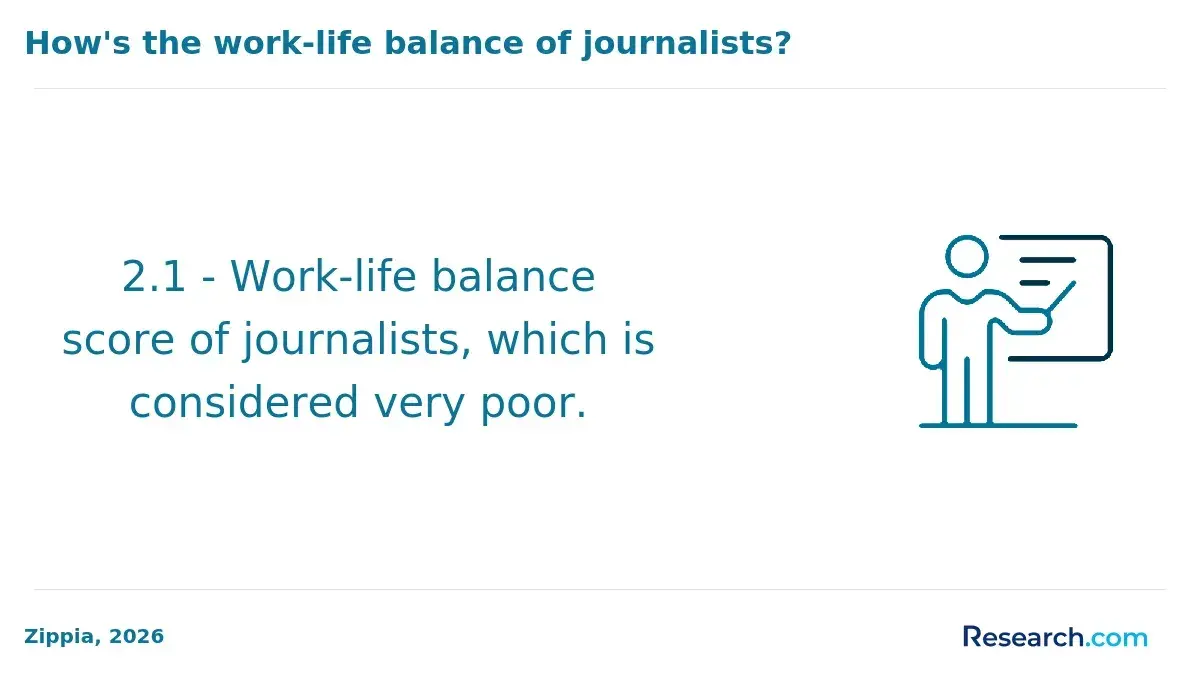
Who Is a Good Fit for a Journalism Major?
Identifying the right student profile is essential for succeeding in journalism, as this major demands a unique set of skills and resilience. Recognizing the best skills for journalism majors helps students align their strengths with the program's challenges and expectations.
Students who excel as journalism majors typically share several key traits:
- Curious Investigators: These students ask critical questions and dig beneath the surface to uncover deeper stories. Their natural curiosity fuels research and insightful reporting crucial for success.
- Strong Communicators: Clear, concise writing and effective communication are core to the curriculum, helping students craft compelling narratives that engage diverse audiences.
- Analytical Thinkers: The qualities of successful journalism students include the ability to evaluate sources critically and synthesize information accurately, enhancing editorial decisions.
- Empathetic Interviewers: Comfort interviewing strangers and conveying human experiences with empathy allows these students to create authentic, relatable stories.
- Adaptable Technologists: Being tech savvy and open to multimedia tools prepares students to handle evolving digital journalism demands and tight deadlines.
Those seeking quick certifications that pay well in related fields will also find that developing these qualities can open diverse career pathways within media and communication industries.
Many students find journalism demanding due to its blend of practical skills and theoretical knowledge, but using targeted approaches can make the workload more manageable. With the right methods, students can navigate this major more confidently and reduce stress.
- Build consistent writing routines: Regularly reading different writing styles and practicing storytelling sharpens skills and boosts confidence over time.
- Adopt strategic study methods: Techniques like spaced repetition improve retention and decrease anxiety compared to last-minute cramming.
- Plan and organize time wisely: Early semester scheduling and tracking deadlines help prevent overwhelm during peak periods.
- Gain hands-on experience: Engaging with student media outlets turns classroom learning into real-world practice, deepening understanding.
- Utilize academic support: Seeking feedback through writing workshops and mentorship accelerates development by addressing individual challenges.
Admissions to journalism programs in the United States are generally competitive, especially at prestigious institutions. Limited program capacity and a high number of applicants drive selectivity at top schools, where acceptance rates can be as low as 5% to 19%. Many programs also require applicants to meet specific criteria, making entry more challenging. However, selectivity varies significantly, with some programs admitting more than half of their applicants.
Key factors influencing admission include a strong academic record, often with a GPA above 3.5, and prerequisite courses typically in English or media studies. Admissions committees may also consider writing samples, relevant internship experience, and active involvement in journalism-related activities. Despite changes in the media landscape, demand at well-regarded programs remains steady, attracting motivated students ready to meet these requirements.
When I spoke with a professional journalism major about his application experience, he described it as an intense process. "I remember juggling between perfecting my writing samples and gaining internships to improve my chances," he said. He recalled feeling both anxious and determined, emphasizing that persistence and preparation were key. His story illustrates how competitive admissions demand not only strong qualifications but also resilience and dedication.
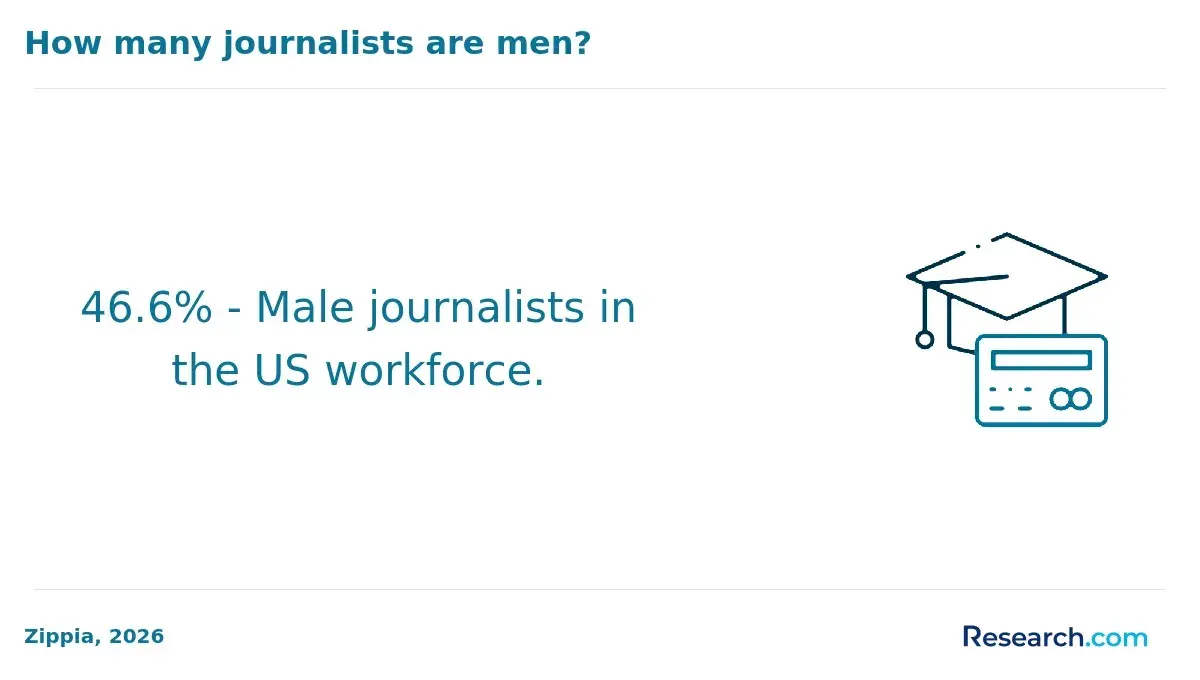
An online journalism degree is neither universally harder nor easier than an on-campus program; the challenge varies based on several factors that shape the student experience. Understanding the key differences between online and traditional journalism programs helps clarify how learning demands differ between the two formats.
Consider the following distinctions:
- Academic expectations: Both formats uphold rigorous standards for research, writing, and ethical reporting, with accredited programs requiring similar core coursework and deadlines.
- Workload and pacing: Online students often face a self-paced schedule needing strong time-management skills, while on-campus students benefit from structured class times and real-time reminders.
- Interaction and support: On-campus programs offer face-to-face engagement, fostering spontaneous feedback, whereas online learners must proactively seek virtual communication and support, which can sometimes feel isolating.
- Learning environment: Access to campus media labs and studios enhances hands-on experience for on-campus students, while online students need to seek or create equivalent field reporting and portfolio opportunities.
- Unique challenges: Online journalism majors must rapidly adapt to digital storytelling tools and navigate the 24/7 news cycle with fewer immediate faculty supports, often facing extra hurdles in engagement and information verification.
These variations are key to answering the common question, is an online journalism degree harder? Ultimately, success depends on adapting to each program's demands. Students interested in journalism can benefit from examining the most rewarding majors to align their goals with industry expectations and personal learning styles.
Accelerated journalism programs are generally more challenging than traditional ones due to condensed timelines, faster pacing, and a heavier workload that intensifies day-to-day demands on students. This compressed schedule often leaves less room for downtime and catching up, requiring strong time management and commitment. Below is a comparison highlighting key differences in traditional vs accelerated journalism program difficulty, focusing on workload and student experience.
- Course pacing and content density: Accelerated journalism degree workload compresses the same curriculum into shorter terms, often 5-10 weeks, increasing credit loads to 15-18 per term compared to roughly 12 per semester in traditional formats.
- Workload management: Accelerated programs require sustained, high-intensity study periods with minimal breaks, which can be overwhelming for some students, while traditional programs offer more balanced schedules with regular downtime suited for part-time workers or extracurricular engagement.
- Academic expectations and skill demands: Both formats demand similar competencies and content mastery, but the accelerated pace may increase stress and challenge learning retention.
- Impact on stress and retention: The faster timeline in accelerated tracks may heighten stress levels and make material retention more difficult, whereas traditional programs facilitate gradual absorption of knowledge.
- Flexibility and scheduling structure: Traditional journalism programs provide more predictable, structured schedules with breaks, accommodating varied lifestyles, while accelerated programs require year-round commitment and less flexibility.
Students interested in balancing a rigorous schedule with career goals might consider exploring online degrees for high paying jobs, which often include accelerated options tailored to focused academic achievement.
Students majoring in journalism can often handle part-time employment, though success depends heavily on factors such as the rigor of their course load, how flexible their academic and job schedules are, and their individual study habits. Journalism majors face demanding reading and project deadlines, along with practical lab or newsroom hours that mimic real reporting environments. These requirements make balancing work and study challenging but possible under the right conditions.
Many journalism students find ways to juggle part-time jobs by carefully managing their credit hours and opting for roles with flexible hours like tutoring, freelance writing, or digital media assistance. The hands-on nature of journalism means students frequently take internships or contribute to campus publications, which, while time-consuming, often allow more adaptable scheduling.
Campus and online academic resources also help students stay organized amid heavy workloads. Despite this, periods with overlapping deadlines or intensive reporting tasks can still make maintaining both commitments difficult for some.
Career paths for journalism graduates vary widely in difficulty, responsibility, and the skills required. While some jobs reflect the academic rigor experienced during the major, others are less demanding or challenging in distinctly different ways.
- Reporter/Journalist: Reporters gather news, conduct interviews, and write stories for print, digital, or broadcast outlets. The high pressure of tight deadlines and the necessity for accuracy make this role often as demanding as the coursework required for the major.
- Editor: Editors review and revise content for publication, ensuring clarity and factual accuracy. This role demands strong attention to detail and multitasking abilities, paralleling the major's rigor but placing more emphasis on leadership and decision-making responsibilities.
- Public Relations Specialist: PR specialists focus on maintaining a positive public image, crafting press releases, and managing media relations. Though leveraging writing skills learned in school, this position is challenging in a different way, focusing on strategic communication and crisis management.
- Content Writer/Copywriter: These professionals create engaging material for websites or marketing campaigns. This career tends to be less deadline-driven and stressful than newsroom jobs but requires creativity and adaptability for diverse audiences, often making it less demanding than the degree itself.
- Digital Media Producer: Managing multimedia content on online platforms requires both storytelling and technical abilities. The stress here arises from learning new technologies and evolving standards rather than traditional reporting pressures, making it demanding in a unique manner.
The question of is journalism harder than journalism jobs is common among students and graduates. Recent data suggest journalism majors experience a moderate to high workload with average GPAs around 3.2-3.3, slightly below the national average. This indicates that academic rigor is real but not the toughest among college majors. The variety of roles means some of the best jobs for journalism majors might feel easier or more challenging depending on individual strengths and preferences.
Students interested in broadening their qualifications can explore options about what colleges offer dual degree programs, which may provide a competitive edge in this diverse career landscape.
There is no strong evidence that journalism graduates earn higher salaries because their major is more difficult. In fact, journalism is often viewed as less demanding than many STEM or business programs based on GPA trends and workload reports.
Salary differences tend to reflect market demand and specialized skills rather than academic challenge. Starting wages for entry-level journalism positions generally range from $30,000 to $45,000 annually. Higher incomes usually result from experience, expertise, and job responsibilities instead of the inherent difficulty of the major.
Several factors shape journalism salaries beyond the major's rigor. For example, business journalism and editorial roles offer median earnings above $85,000 and can reach $128,333 for management positions.
Geographic location also matters; journalists in higher-cost areas such as the Northeast may earn over $117,000. Additionally, multimedia skills and digital content management enhance pay prospects.
Career advancement relies heavily on building a strong portfolio and accumulating years of relevant experience, reflecting how market demand and specialization drive salary growth more than academic challenge alone.
What Graduates Say About Journalism as Their Major
- Andal: "Choosing journalism as my major was definitely challenging, but the learning experience was incredibly rewarding. Navigating deadlines, mastering ethical reporting, and honing storytelling skills made it tough but worthwhile. Considering the average cost of attendance, I believe the investment paid off by opening doors to a meaningful career where I can truly make a difference."
- Suri: "Studying journalism required persistence and adaptability, which wasn't always easy given the rigorous coursework and hands-on projects. The financial aspect was a reality to confront, with tuition and materials adding up, yet the comprehensive education shaped my professional outlook and communication skills profoundly. Reflecting back, it's clear how journalism prepared me to analyze information critically and engage with the world."
- Christian: "I found journalism to be a demanding major, especially balancing the cost of education against uncertain job prospects. However, this major sharpened my ability to tell impactful stories and understand societal issues, which enriched both my career path and personal growth. The value of this experience far exceeded the expenses, proving that the challenges were more than justified."
Other Things You Should Know About Journalism Degrees
Journalism students in 2027 face several challenges, including staying updated with rapidly evolving digital media technologies, understanding data-driven reporting, and navigating ethical dilemmas in a fast-paced news environment. These challenges require adaptability and critical thinking to succeed in today's competitive media landscape.
In 2027, journalism curriculums have evolved to include digital media, data journalism, and ethical reporting practices. Many programs now require courses on multimedia storytelling and social media strategy to equip students with skills relevant to the changing media landscape.
- CollegeVine. (2026). Top 10 Hardest College Majors. https://blog.collegevine.com/top-10-hardest-college-majors
- What careers can I have with a Journalism Degree with a subplan of Media & Communications? https://www.careervillage.org/questions/1090506/what-careers-can-i-have-with-a-journalism-degree-with-a-subplan-of-media-communications
- Is a journalism degree worth it? https://study.uq.edu.au/stories/is-a-journalism-degree-worth-it
- What jobs can you get with a journalism degree? https://journalism.uiowa.edu/explore/what-jobs-can-you-get-with-a-journalism-degree
- From Newsrooms to Boardrooms: 10 High-Impact Jobs You Can Land With a Journalism Degree https://www.ucumberlands.edu/blog/high-impact-jobs-with-a-journalism-degree
- Admission requirements https://mundusjournalism.com/admissions/admission-requirements
- Graduate Programs in Journalism and Media https://journalism.utexas.edu/graduate
- The ultimate guide to journalism internships https://joinhandshake.com/blog/students/journalism-internships/
- Study Journalism, why & how to study https://www.thecompleteuniversityguide.co.uk/subject-guide/journalism
- Should I Be a Journalist? https://nbcuacademy.com/journalism-school-media-layoffs/


