2027 Online Digital Photography Degree Programs Costs: Tuition & Fees

Co-Founder and Chief Data Scientist
Choosing an online digital photography degree is partly an academic decision and partly a cost-control decision. Tuition is only one part of the budget. Photography students also need cameras, lenses, lighting tools, editing software, storage, a capable computer, and money for portfolio projects. Those costs can change whether a program is affordable, even when the advertised tuition looks reasonable.
This guide explains what students can expect to pay for online digital photography programs, what tuition usually includes, which expenses are often billed separately, and how program type, residency status, transfer credits, and financial aid affect the final price. It also compares lower-cost and higher-cost schools so prospective students can judge value—not just sticker price—before enrolling.
Key Points About Online Digital Photography Degree Costs
- The average tuition for online digital photography degrees ranges from $10,000 to $25,000, varying by institution type and program length.
- Costs depend on factors like accreditation, course materials, technology access, and faculty expertise.
- Investing in quality education often yields valuable skills, industry connections, and better career opportunities in creative fields.
What Is the Average Cost of an Online Digital Photography Degree?
The cost of an online digital photography degree in the U.S. typically ranges from $25,000 to $60,000, depending on the credential level, school type, credit requirements, tuition model, and required fees. Shorter certificate programs cost far less, while bachelor’s degrees—especially at private institutions—usually require the largest investment.
Associate degree programs often use a straightforward per-credit pricing model. A 72-credit associate program at around $350 per credit can cost about $25,000 to $30,000 overall. These programs are generally less expensive than bachelor’s degrees because they require fewer credits and are often offered through community colleges or lower-cost institutions.
Bachelor’s programs vary more widely. Public universities may charge less than private colleges, but residency status can affect the price. At private institutions, tuition of approximately $465 per credit can push the total cost above $55,000 for a 120-credit bachelor’s degree. Students should also look for technology, materials, portfolio, and course-specific fees that may not be obvious in the headline tuition rate.
Certificate courses are the lowest-cost option, generally costing between $1,600 and $1,700 for the full program. They do not award a degree, but they can be useful for students who want focused training in camera technique, lighting, editing, or portfolio development without committing to a full degree.
Online study can reduce expenses tied to housing, commuting, meal plans, and campus-based fees. However, it does not remove the need for photography-specific tools. A realistic budget should include both school charges and personal equipment costs.
What Is Typically Included in the Tuition for an Online Digital Photography Degree?
Tuition for an online digital photography degree usually covers instruction, access to online courses, faculty feedback, and the academic systems needed to complete the program. It does not always cover the equipment and software students need to produce professional-quality work, so applicants should review the program’s cost sheet before enrolling.
Most programs include some or all of the following in tuition or required institutional fees:
- Core photography coursework: Classes in digital imaging, camera operation, lighting, composition, visual storytelling, editing methods, and portfolio development.
- Faculty instruction and critique: Remote guidance from instructors, including feedback on technical execution, creative choices, and project outcomes.
- Online lectures and course materials: Access to recorded or live lessons, assignments, demonstrations, readings, and digital learning tools.
- Academic advising: Help with course sequencing, degree planning, transfer-credit questions, and graduation requirements.
- Technical support: Assistance with learning platforms, file submission systems, virtual classrooms, and other online tools.
- Technology infrastructure fees: Charges that support learning management systems, digital libraries, online student services, and related platforms.
- Limited software access: Some institutions may include temporary or limited access to tools such as Adobe Photoshop or Lightroom, but this depends on the school.
Students should not assume that tuition includes a camera, lenses, lighting gear, memory cards, external storage, a laptop or desktop computer, printing, framing, studio rentals, or full software subscriptions. Those costs can be substantial in a photography program because assignments often require original image production, editing, and portfolio presentation.
Before committing, ask the admissions office or program chair for a current equipment list. The most useful list will separate required items from recommended upgrades, identify software subscription expectations, and explain whether students can use older equipment or lower-cost alternatives.
What Factors Influence the Cost of Pursuing an Online Digital Photography Degree?
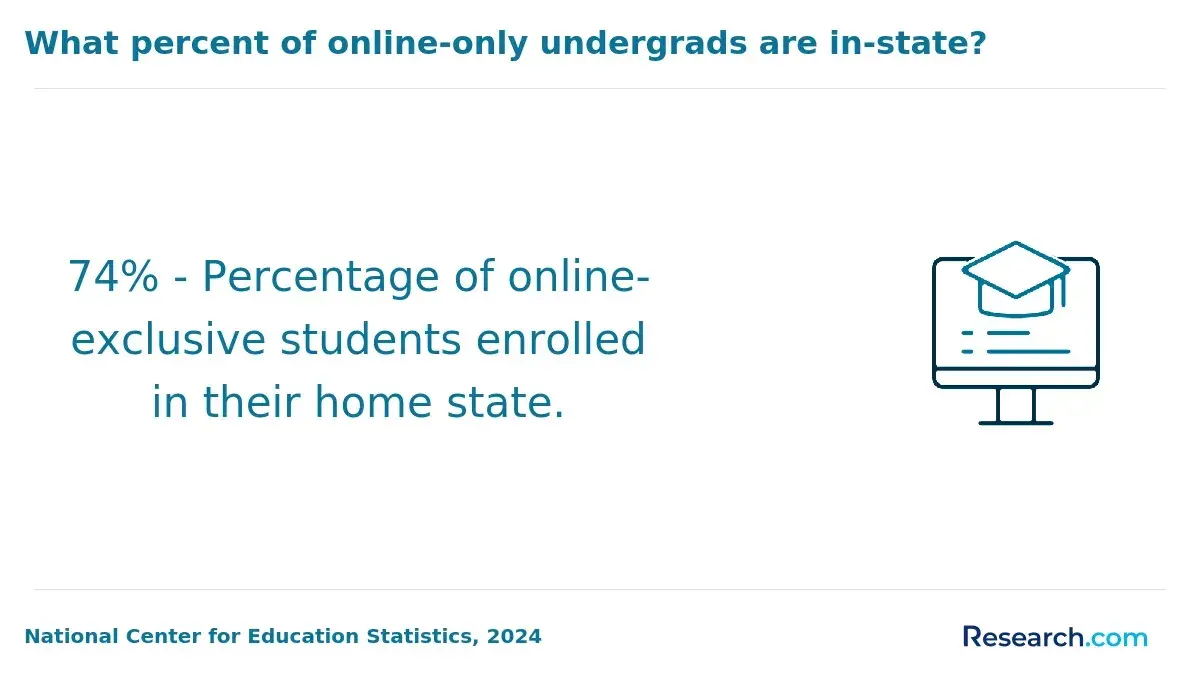
The total cost of an online digital photography degree depends on more than the posted tuition rate. School type, residency rules, program length, transfer credits, equipment expectations, and support services can all change what a student actually pays.
- Type of school: Public colleges generally cost less than private universities, and community colleges are often the most affordable route. In-state tuition at public schools can be as low as $31 per credit hour, while private or out-of-state tuition may exceed $300 per credit hour.
- Residency status: Some public institutions charge different rates for in-state and out-of-state students, even online. Other online programs use one tuition rate for all distance learners, which can make costs easier to predict.
- Credit-hour requirements and program length: Associate degrees typically require about 60 credit hours, while bachelor’s degrees require 120-128 credits. A longer program usually costs more, even when the per-credit rate is reasonable.
- Transfer-credit policy: A generous transfer policy can sharply reduce cost for students who already have college credits. Always confirm how many credits may transfer and whether those credits apply to major requirements or only electives.
- Technology and online learning fees: Online students may pay fees for learning platforms, virtual labs, digital libraries, and remote student services.
- Photography equipment and materials: Cameras, lenses, editing software, lighting, studio time, hard drives, prints, and project supplies are often paid for separately.
- Student support and faculty quality: Programs with strong advising, career services, tutoring, portfolio review, and experienced faculty may charge more, but those services can improve completion and career preparation.
Financial aid and scholarships can also change the true cost. A higher-priced program with strong grant aid may be less expensive out of pocket than a lower-priced school with limited aid. Students comparing options should calculate net cost after scholarships, grants, transfer credits, and employer assistance—not just published tuition.
Students who want a shorter, skills-focused route can also compare degree programs with the best 6 month programs that pay well, especially if their goal is faster entry into paid creative work.
Are Online Digital Photography Programs Cheaper Than Traditional Programs?
Online digital photography programs are often cheaper than traditional on-campus programs when total cost is considered. The biggest savings usually come from avoiding housing, commuting, relocation, meal plans, and some campus-based fees. Tuition itself may also be lower, although this depends on the institution.
Online associate degrees in photography typically range from about $2,700 to $30,000 in total tuition. Online bachelor’s programs can range from roughly $30,000 to over $166,000, depending on whether the school is public or private. Traditional on-campus programs, especially at private universities, often fall at the higher end of the range, with some charging over $70,000 per year in tuition alone.
The format comparison is not always simple. Online students may pay technology fees and must still buy or access photography equipment. Campus students may have access to studios, lighting equipment, labs, printers, and in-person critique spaces, but they may also pay more for facilities and campus services.
- Online programs may be more affordable when: tuition is lower, the school offers one rate for all online students, the student already owns equipment, or the student can live at home and continue working.
- Traditional programs may justify higher costs when: students need access to physical studios, specialized lighting setups, darkroom or print facilities, in-person networking, or a highly structured campus experience.
- Both formats require: time for shooting assignments, editing, critique, portfolio building, and software use.
Students comparing online vs traditional photography program tuition should calculate the full cost of attendance, not only tuition. Include housing, transportation, equipment, software, fees, and lost income if attendance requires reducing work hours.
Those comparing flexible online options may also review the easiest online bachelor's degree programs to identify formats that may be manageable alongside work, family, or freelance commitments.
Are There In-state and Out-of-state Tuition for Online Digital Photography Programs?
Yes, some online digital photography programs charge different tuition rates for in-state and out-of-state students, especially at public universities. Other institutions use a flat online tuition rate for all students regardless of location. Because policies vary, residency rules should be checked before applying.
Public universities often use residency-based pricing because they receive state support. In these cases, in-state students may pay less than out-of-state students, even when the course is delivered online. Arizona State University is one example where in-state students pay much less than out-of-state peers.
Private colleges and online-focused institutions are more likely to use one tuition rate for all students. This model can be simpler for budgeting because the student’s location does not change the base tuition rate. However, a flat rate is not automatically cheaper than in-state tuition at a public school.
Regional tuition agreements may also reduce costs for students who live in neighboring states. These agreements can create a middle option between full in-state and full out-of-state tuition, but eligibility rules differ by state, institution, and program.
Before choosing a program, students should ask three direct questions: Does the online program charge by residency? Are online students eligible for in-state rates or a separate online rate? Are there regional agreements, military discounts, transfer agreements, or scholarship programs that reduce tuition?
Which Schools Offer the Most Affordable Digital Photography Degree Programs?
Affordable online digital photography programs usually combine moderate tuition, flexible scheduling, transfer-credit options, and limited campus-related fees. The best value is not always the lowest posted price; it is the program that helps students complete the credential at the lowest realistic net cost while still building a usable portfolio.
Examples of cost-conscious online digital photography options include:
- Southern New Hampshire University (SNHU): Offers an online Bachelor of Arts in Digital Photography at $330 per credit hour. The full 120-credit program totals approximately $39,600. Students may transfer up to 90 credits, which can substantially reduce both cost and time to completion.
- Arizona State University (ASU): Provides an online Bachelor of Fine Arts (BFA) in Art with a Digital Photography concentration priced at $7,317 per academic year for all students. The estimated tuition over four years is roughly $29,268. ASU awards the same diploma to online and on-campus graduates.
- Liberty University: Offers a Bachelor of Science in Digital Design with a focus on Photographic Design at $390 per credit. The program uses online delivery and accelerated completion options that may help some students control costs.
Other schools, including Sessions College, also offer competitive per-credit pricing. When comparing affordable degree programs, look beyond tuition and evaluate transfer-credit rules, required equipment, software costs, portfolio expectations, course availability, and whether part-time enrollment affects fees.
Students should also consider long-term education plans. If a bachelor’s degree may eventually lead to graduate study, understanding the cost and payoff of advanced credentials—including high paying masters degrees—can help with broader financial planning.
Which Schools Offer the Most Expensive Digital Photography Degree Programs?
The most expensive digital photography programs are typically offered by private, highly selective, or nationally recognized institutions. These schools may provide strong faculty access, advanced facilities, brand recognition, alumni networks, and career support, but the tuition can be far higher than at public or online-focused programs.
Examples of higher-cost programs include:
- New York University (NYU): NYU is the priciest option listed here, charging around $72,082 annually for both in-state and out-of-state bachelor’s students. The four-year program totals over $280,000 excluding fees and living costs.
- Yale University: Yale's online or hybrid digital photography program costs approximately $69,900 per year. The program reflects Yale’s prestigious reputation and offers career support and specialized resources.
- Stanford University: Stanford’s tuition is $67,731 annually, pairing academic rigor with access to high-level facilities and industry connections.
Other expensive options include the Massachusetts Institute of Technology (MIT) at $64,310 per year and the Savannah College of Art and Design (SCAD) with $41,130 yearly tuition for online options. These programs may emphasize premium instruction, advanced editing tools, dedicated studios, and strong creative networks.
Before paying a premium, students should compare the expected benefits against career goals. In photography, employers and clients often care heavily about portfolio quality, technical ability, creative consistency, and professional reliability. A prestigious school can help, but it does not replace the need to build strong work and a clear career plan.
Applicants who want to compare broader online options can explore accredited online colleges with no application fee to reduce upfront application costs while researching programs at different price points.
How Long Does It Take to See a Return on an Online Digital Photography Degree?
The time it takes to see a return on an online digital photography degree depends on what the student pays, how much aid they receive, whether they borrow, and how quickly they earn income from photography or related creative work. In general, graduates may see an ROI within approximately 8 months to 4 years after completing their degree.
Students attending public in-state institutions tend to have the shortest payback period, averaging around 0.71 years (8 to 9 months). Students at public out-of-state schools may take closer to 2.9 years to recover their costs, while those at private colleges often take about 3.9 years before breaking even.
Starting salaries are a major factor. Earnings typically hover around $42,520 annually in 2025 but can reach $100,000 with specialization and experience. Graduates who work in commercial photography, product photography, media production, editing, content creation, or creative entrepreneurship may have different income timelines than those pursuing entry-level roles.
Students can shorten the payback period by choosing a lower-cost accredited program, transferring credits, applying for scholarships, working while enrolled, minimizing student loans, and building a professional portfolio before graduation. Freelance students should also plan for business expenses, including marketing, insurance, equipment upgrades, and irregular income during the early stages of self-employment.
Are Online Digital Photography Students Eligible for Financial Aid?
Online digital photography students are generally eligible for financial aid if they attend an accredited school that participates in federal aid programs. The key first step is completing the FAFSA, which schools use to determine eligibility for grants, work-study, and federal student loans.
Financial aid eligibility depends on the institution, the student’s enrollment status, program level, and individual financial circumstances. Students should confirm that the program is accredited and aid-eligible before enrolling, because not every online photography course or certificate qualifies for federal aid.
- Federal Pell Grants: Available to qualifying undergraduate students based on financial need and enrollment status. Grants do not need to be repaid if eligibility requirements are met.
- Federal student loans: May help cover tuition and approved education-related expenses, but they must be repaid with interest. Borrow only what is necessary.
- Work-study: Some eligible students may qualify for part-time work opportunities through their school, depending on availability.
- Discipline-specific scholarships: Schools and external organizations may offer scholarships for photography, visual arts, digital media, or design students. Some require a portfolio, artist statement, or evidence of academic merit or financial need.
- Employer tuition assistance: Some employers reimburse tuition for job-related programs. Eligibility depends on company policy and may require continued employment after completion.
To maximize aid, students should submit the FAFSA early, complete institutional aid applications, ask about scholarships for digital arts students, and compare net price offers from multiple schools. Students building a broader career plan may also consider complementary licenses and certifications that pay well alongside their degree.
Are Online Digital Photography Program Costs Expected to Increase in the Coming Years?
Online digital photography program costs are expected to rise moderately in the coming years because of inflation and continued demand for quality remote learning. The increase may not affect every school equally, but students should budget with the assumption that tuition, fees, software, and equipment costs can change over time.
Current tuition varies widely by institution. Community colleges and public universities tend to offer more affordable rates, often ranging from $5,000 to $15,000 annually. Private schools can charge significantly higher tuition, with some programs exceeding $25,000 per year. Part-time enrollment may reduce the amount due each semester, but it can also extend the number of terms a student pays fees.
Students should also watch for non-tuition increases. Editing software subscriptions, cloud storage, computer requirements, cameras, lenses, lighting, printing, and project materials may become more expensive during a multi-year program. These costs matter because photography coursework depends on hands-on production, not just reading and exams.
The safest approach is to request the current tuition and fee schedule, ask whether tuition is locked for enrolled students, and build a reserve for equipment and software. Financial aid, scholarships, transfer credits, payment plans, and employer tuition assistance can help offset increases, but students should confirm each option before relying on it.
What Students Say About The Cost of Pursuing Online Digital Photography Programs
- Mike: "Choosing an online Digital Photography degree was one of the best investments I've made. At a cost much lower than traditional programs, I gained the skills to launch my freelance career, and the return on investment has been incredible. This degree opened doors I hadn't imagined possible."
- Evander: "Pursuing my Digital Photography degree online allowed me to balance work and study without incurring the heavy expenses of on-campus tuition. While the upfront cost was reasonable, the true value has been the professional growth and networking opportunities that have significantly boosted my career prospects."
- Lennox: "The affordable cost of this online program made me confident about enrolling, and completing the degree has paid off both personally and financially. I've refined my artistic vision and technical expertise, which helped me secure a position at a leading media company. The value surpasses the cost by far."
Other Things You Should Know About Digital Photography Degree Program Costs
Yes. Many programs bill camera, tripod, and Adobe Photoshop or Lightroom costs separately from tuition and mandatory fees. Schools may also require a computer with at least 16 GB RAM, a recent processor, and a portfolio submission before enrollment, so equipment costs should be budgeted upfront.
In 2027, online digital photography degree program tuition varies widely depending on the institution. Generally, students can expect to pay between $8,000 and $30,000 annually. Prices vary based on factors such as program prestige, length, and whether the institution is public or private.
International students in 2027 can apply for financial aid options such as university-specific international scholarships, private funding, and government-related grants depending on the hosting country's policies. Eligibility may require proof of residency status or academic excellence.
In 2027, online digital photography degree programs may include additional fees such as course materials, software subscription fees (e.g., Adobe Creative Cloud), technology fees, and potential costs for webinars or virtual workshops. Students should also factor in the cost of a reliable internet connection and potential proctoring fees for exams.
References
- Tips to Pass the CPC Exam in 2025 - AAPC https://www.aapc.com/resources/study-tips-to-pass-cpc-exam
- Online Photography Degree | Bachelor's Degree (BFA) https://www.sessions.edu/bachelors/digital-photography/
- Online Digital Photography https://www.usi.edu/outreach/lifelong-learning/personal-enrichment/online-digital-photography
- Photography Training Cost https://www.nobledesktop.com/learn/photography/cost-to-learn
- College Certificate vs Online Photography School | Cameraderie https://cameraderie.org/threads/college-certificate-vs-online-photography-school.56322/
- Digital Photography https://www.newschool.edu/parsons/digital-photography-certificate/
- Best Photography Degree Programs Online for 2021 https://www.greatvaluecolleges.net/rankings/online-photography-degree-programs/
- Online Photography Education Market Trends and Forecast https://www.htfmarketintelligence.com/report/global-online-photography-education-market
- Comparing Online and In-Person Photography Courses: Which Is Right? - Black Rock Diary https://blackrockdiary.com/comparing-online-and-in-person-photography-courses-which-is-right/