2027 Is Digital Photography a Hard Major? What Students Should Know

Co-Founder and Chief Data Scientist
Digital photography as a major often carries a perception of being less demanding than traditional academic fields, yet its challenges can be significant. In the U.S., enrollment in photography-related programs has grown by over 15% in recent years, reflecting rising interest paired with rigorous technical and creative expectations.
This article explores aspects that shape the difficulty of digital photography degrees, including course rigor, workload intensity, and necessary skills such as technical proficiency and artistic vision. Understanding these factors will help prospective students gauge how demanding the major might be based on their personal strengths and interests.
Key Benefits of Digital Photography as a Major
- Digital photography equips students with technical skills and creative techniques applicable across various industries, benefiting career changers seeking practical expertise.
- Flexible coursework supports full-time workers returning to school, allowing them to balance studies with professional commitments effectively.
- Traditional undergraduates gain specialized knowledge and confidence through hands-on projects, fostering academic growth despite the program's challenging nature.
Where Does Digital Photography Rank Among the Hardest College Majors?
Digital photography is generally ranked lower in national college major difficulty lists compared to fields like engineering, physics, and chemistry, which often top these rankings due to their heavy workloads and demanding analytical skills. Rankings usually consider factors such as the number of practicum or studio hours, portfolio requirements, and mastery of technical skills.
While digital photography programs do involve hands-on work, including creating professional portfolios and completing field assignments, the overall intensity and time commitment tend to be less rigorous than in STEM disciplines. For instance, data from College Factual indicates that visual and performing arts majors, including digital photography, typically have lower average workload intensity than science or engineering majors.
The perceived difficulty of digital photography varies significantly depending on the institution and student background. Some programs add complexity with courses in advanced digital editing, art theory, and business, which can increase challenges for students with limited technical skills. Compared to other majors, digital photography is often easier than architecture or computer science but may be similar in challenge to graphic design or other creative fields.
Ultimately, how hard digital photography feels depends on each student's prior experience, interests, and academic preparedness, making it a subjective evaluation rather than a fixed ranking.
What Factors Make Digital Photography a Hard Major?
Many students find digital photography a challenging major due to its blend of artistic creativity and technical expertise. Balancing these demands requires dedication across a diverse curriculum and practical skill development.
- Academic rigor of digital photography programs: Programs often mandate a broad set of courses combining creative arts, communication, art history, and technical skills. For example, students might need to complete over thirty-seven credits focused solely on photography techniques and theory while maintaining a strong overall GPA, reflecting the intensity of academic expectations.
- Workload demands in photography degree courses: The curriculum necessitates substantial time for projects, portfolio development, and capstone seminars that include independent research and presentations. Hands-on assignments often extend beyond class hours, involving studio time and mastering complex digital editing and lighting techniques.
- Technical and analytical complexity: Students must gain proficiency in professional cameras, lighting setups, and industry-standard editing software like Adobe Creative Suite. Courses emphasize critical analysis in image composition and post-production, sometimes incorporating elements from graphic design and animation to deepen visual storytelling skills.
- Field-specific demands: The major requires preparing professional portfolios and understanding legal aspects such as copyright and licensing. Staying updated with rapidly evolving digital tools and balancing artistic expression with industry standards adds layers of challenge unique to this field.
Those exploring accelerated options should consider programs like fast degree programs, which may offer an alternative route through this demanding discipline.
Who Is a Good Fit for a Digital Photography Major?
Knowing the skills needed for a digital photography major helps students assess if their strengths and interests align with the program's demands. Developing the right personality traits of successful photography students is equally important for thriving in this creative and technical field.
Students who fit well in digital photography often demonstrate the following qualities:
- Creative problem-solving ability: Students with curiosity and original thinking excel as coursework emphasizes portfolio development, critiques, and innovative project work that rewards experimentation and unique artistic solutions.
- Self-motivation and discipline: Managing lab-intensive classes and independent practice requires strong time management and dedication, enabling students to meet deadlines and steadily improve their portfolios.
- Technical comfort: Familiarity with digital cameras, lighting equipment, and editing software like Adobe Photoshop and Lightroom allows students to focus more on creative expression rather than struggling with tools.
- Openness to feedback: Successful students embrace peer and instructor critiques, using constructive input to refine both artistic style and technical skills effectively.
- Backgrounds in art, design, or computing: Prior experience accelerates mastery of complex visual storytelling techniques and adapting to ongoing software and equipment updates essential in this evolving field.
For those exploring what is the easiest bachelor's degree to obtain, understanding these attributes can clarify whether digital photography aligns with their aptitudes and ambitions.
Many students struggle with the technical and creative demands of a digital photography major, but using targeted strategies can simplify the experience. Applying practical methods makes managing coursework and projects more approachable and less overwhelming.
- Establish Consistent Study Routines: Regularly engaging with class materials and practicing camera skills outside of class builds confidence and minimizes last-minute stress around deadlines.
- Manage Time Effectively: Breaking down complex projects into weekly tasks and using digital planners can help maintain focus and balance multiple assignments throughout the semester.
- Master Core Technical Skills Early: Gaining proficiency in camera operation, lighting, and editing software during the initial semesters lays the groundwork necessary for tackling advanced work later on.
- Utilize Campus Resources: Accessing photography labs, borrowing equipment, and seeking guidance from instructors can ease learning barriers and keep you up to date with industry tools.
- Engage in Peer Critiques: Participating in regular feedback sessions with classmates sharpens artistic perspective and fosters a collaborative learning environment.
A graduate who majored in digital photography reflected on her journey by emphasizing how invaluable steady practice and realistic goal setting were for her. She recalled feeling overwhelmed by the volume of projects early on but noted, "Breaking everything down week by week gave me control over my schedule." She also highlighted the importance of learning editing software early, sharing that this "made technical assignments feel less intimidating."
Seeking advice from professors and joining critique groups built her confidence in presenting work. "The community aspect made a huge difference; it wasn't just about tools but also about gaining perspective and encouragement." Her experience shows that combining discipline with collaboration can transform the challenges of a digital photography major into manageable, rewarding steps.
Admissions to digital photography programs are generally competitive, especially at prestigious institutions where spots are limited and many applicants vie for admission. The selectivity varies widely, with top-tier schools admitting very few students annually, while larger public universities may have higher acceptance rates. Key factors contributing to this competitiveness include high application volumes and specific prerequisites such as portfolio submissions and academic qualifications.
Selectivity depends on several criteria, including GPA, standardized test scores, and prior coursework. Many programs expect candidates to have a strong academic record, often with a median SAT score above 1300 or an ACT score exceeding 30. A well-crafted portfolio showcasing both technical skills and creative vision is crucial. Some schools require prior experience in photo-related subjects, whereas others are more flexible. Growth in interest for creative fields and the rise of online programs continues to influence admissions but competition remains intense at elite schools.
When I spoke with a professional digital photography graduate about the admission process, he reflected on the intense pressure to perfect his portfolio. He recalled spending months refining his work and balancing academic demands, saying, "It felt like every photo had to tell a story and demonstrate my abilities beyond just technical skill." He described how waiting for the acceptance decision was nerve-wracking but ultimately rewarding, emphasizing that persistence and passion were essential throughout the journey.
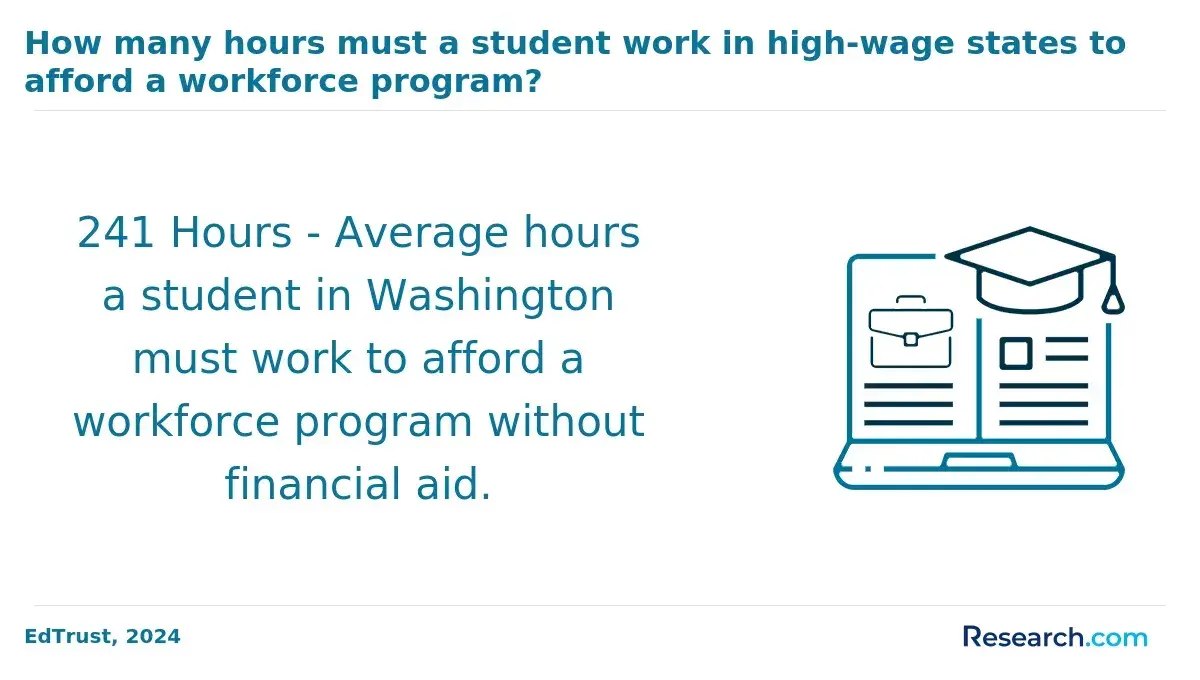
Online digital photography programs are neither inherently harder nor easier than on-campus options; the overall challenge depends largely on individual preferences and how programs are structured. Both formats emphasize foundational skills like lighting, composition, editing software, and portfolio development, but they differ in several key ways.
Here are some important differences between online and traditional digital photography degrees regarding academic expectations, workload, and learning environment:
- Academic expectations and workload: Online students often manage their own pacing and deadlines, requiring strong self-discipline, while on-campus programs follow structured schedules with monitored progress.
- Interaction and support: On-campus learners benefit from frequent face-to-face contact with instructors and peers, whereas online students rely more on digital forums and video tutorials for guidance.
- Learning environment: Access to physical studio equipment and live demonstrations is a hallmark of on-campus programs, offering hands-on experience that online courses substitute with virtual resources.
- Unique challenges: Online students may feel isolated and have limited equipment access, while on-campus students face pressure from continual critiques and participation demands.
The flexibility of online digital photography programs suits those balancing work or family commitments, but it demands strong time management compared to the more regimented traditional classroom setting. For students seeking convenience without sacrificing quality, options such as a fast online master's degree might also be considered as part of further studies in the field.
Ultimately, success in either mode depends on a student's motivation, learning style, and resource access rather than inherent differences in difficulty.
Accelerated digital photography programs are generally harder than traditional formats due to their condensed timelines and intensified workload, which require students to process and apply a large volume of information rapidly. This faster pacing often results in higher stress and less downtime between assignments, making time management crucial for success.
Below is a comparison highlighting the differences between accelerated vs accelerated digital photography program difficulty and traditional formats:
- Course pacing and content density: Accelerated programs compress a full curriculum into fewer years, significantly increasing weekly workload and the speed at which students must learn and apply concepts.
- Workload management: Students with strong organizational skills may thrive under the accelerated digital photography degree workload, whereas others balancing external responsibilities may find it overwhelming.
- Academic expectations and skill demands: Both formats maintain high academic standards, but the accelerated track demands faster mastery and resilience to keep up with the rapid succession of projects and critiques.
- Learning retention and stress levels: Traditional programs promote better long-term retention through repeated practice and feedback, while accelerated programs can increase stress due to compressed schedules.
- Flexibility and structure: Traditional programs offer a steadier day-to-day schedule and more opportunities for reflection, benefiting students who need time to absorb material, whereas accelerated programs provide less flexibility.
Students considering these options should evaluate their learning styles and outside commitments carefully. For those seeking a quick degree for high pay job, the accelerated path may be appealing but challenging due to the workload intensity.
Students can realistically maintain a part-time job while majoring in digital photography, but success largely depends on several factors. Course intensity and weekly commitments, including lab hours and project deadlines, vary throughout the semester. Flexibility in scheduling, such as online classes or adaptable work hours, plays a crucial role. Strong personal study habits also significantly impact a student's ability to juggle both responsibilities.
Balancing work and study requires effective time management and choosing a credit load that matches one's capacity. Many digital photography programs involve hands-on technical assignments and creative projects that can demand variable time investments, especially during portfolio or fieldwork phases. Students who adapt by selecting flexible jobs and leveraging campus or online academic support are often better equipped to manage fluctuating academic demands.
Conversely, those underestimating the workload's intensity or the need to master new software may find balancing part-time employment challenging.
Career paths for digital photography graduates vary widely in difficulty, responsibility, and skill requirements. While some jobs match the rigor of the major itself, others may feel less demanding or are challenging in different professional areas.
These varied roles reflect the broad range of digital photography career paths and job difficulty, helping graduates find positions suited to their strengths and interests.
- Freelance Photographer: Freelancers handle everything from shooting and editing to client acquisition and managing business operations. This role demands technical expertise and entrepreneurial hustle, making it often as challenging as the digital photography major itself.
- Photo Editor: Photo editors select, adjust, and enhance images for brands or publications, often overseeing other photographers and meeting tight deadlines. The job requires advanced editing skills and strong organization, typically matching the academic rigor of the major.
- Photo Studio Assistant: Studio assistants support shoots by setting up equipment and managing logistics. While less creatively intense than coursework, the role is physically and technically demanding but generally offers a gentler learning curve for recent graduates.
- Portrait Photographer: Working closely with clients to produce quality images, portrait photographers combine creative vision with interpersonal skills. The job's demands are similar to student projects but often include greater pressure on client satisfaction and business aspects.
- Photography Business Owner: Managing a photography business blends creative work with administrative, marketing, and financial duties. This role often exceeds the major's difficulty because it requires both photographic skill and solid business acumen to sustain success.
Students considering photography major jobs and real-world challenges should note that while degree workloads are moderate to high, reflecting project deadlines and technical learning, professional roles vary in intensity and focus. For those seeking additional recognized credentials, online certificates that pay well can complement their degrees and enhance career prospects.
There is no direct link between the difficulty of a digital photography major and higher salaries for graduates. Salary levels depend more on specific skills, portfolio quality, and market demand than on how challenging the academic program is. While digital photography programs require both technical ability and creativity, this intensity does not guarantee better pay.
Starting salaries for graduates typically hover around $42,520 annually, comparable to other creative professions. Higher earnings tend to come from specialized skills or management positions rather than the toughness of the coursework.
Several elements shape earnings for digital photography graduates. Industry demand plays a major role, with positions like art director and creative director offering salaries above $110,000, but these require significant experience and a strong portfolio. Job roles also vary widely; freelance photographers earn about $77,776 on average, whereas commercial photographers earn closer to $37,000.
Geographic location matters, as urban areas with vibrant media industries tend to offer better pay. Additionally, those with robust portfolios and technical expertise generally access higher-paying opportunities.
What Graduates Say About Digital Photography as Their Major
- Vana: "Pursuing digital photography was definitely challenging at times, especially mastering the technical aspects of editing software and lighting techniques. However, the hands-on learning and creative freedom made every hurdle worth it. Considering the average cost of attendance was around $20,000 a year, I found the investment to be reasonable given the career opportunities and personal growth I gained."
- Zachary: "Digital photography isn't necessarily easy, but it's incredibly rewarding. Beyond just learning to capture images, I developed a deeper understanding of visual storytelling that has impacted my career in ways I didn't expect. The cost was higher than I anticipated, but reflecting on the skills and portfolio I built, it was a valuable and worthwhile commitment."
- Gabriel: "The major was professionally demanding, requiring not only creative vision but also technical precision, which I initially underestimated. The financial commitment was significant, roughly $20,000 per academic year, but the career advancement and industry connections I gained justified the expense. Overall, digital photography pushed me to elevate my work and opened doors in my professional journey. "
Other Things You Should Know About Digital Photography Degrees
In 2027, digital photography majors should anticipate a balance where creativity and technical knowledge are both crucial. Students must master editing software, camera settings, and lighting techniques while also nurturing their creative vision to create compelling visual stories. This comprehensive skill set enhances their versatility and competitiveness in the field.
Yes, digital photography majors in 2027 often need to invest in their own equipment. Having a personal camera, lenses, and editing software is crucial for hands-on learning and projects. Some schools may provide limited access to equipment but owning your own tools allows for greater flexibility and practice.
Most programs require Adobe Photoshop and Lightroom skills, plus basic file management and color correction. Students usually complete editing assignments in the first semester and learn RAW workflow, metadata, and export settings before advanced studio or portfolio courses.
- Why Join A Digital Photography School? | All Bachelor Degrees https://allbachelordegrees.com/career-paths/should-i-get-a-digital-photography-degree/
- Are online photography courses worth it? https://electronics.howstuffworks.com/cameras-photography/tips/are-online-photography-classes-worth-it.htm
- How to Actually Improve Your Photography https://fstoppers.com/education/how-actually-improve-your-photography-251179
- Here Are The 21 Best Photography Schools In The World https://www.format.com/magazine/resources/photography/photography-schools
- 2025 Best Colleges for Photography https://www.collegetransitions.com/blog/best-colleges-for-photography/
- Is Digital Art Easier? Digital vs Traditional Art - Don Corgi https://doncorgi.com/blog/digital-art-easier/
- Digital Art vs Traditional Art - Eden Gallery - Eden House of Art https://www.edenart.com/news/traditional-art-vs-digital-art
- Photography School, Degree, and Career Guide | All Art Schools https://www.allartschools.com/photography/
- Should you Study Photography at College or are There Better Options Now? https://digital-photography-school.com/should-you-study-photography-at-college-or-are-there-better-options-now/
- Why Study Digital Photography https://siit.co/blog/index.php/why-study-digital-photography/5810