2027 Can You Get Licensed With an Online Digital Photography Degree? Requirements, Rules, and What to Know

Co-Founder and Chief Data Scientist
Many aspiring photographers who pursue an online digital photography degree face uncertainty about whether their credential qualifies them for professional licensure. Approximately 67% of digital media jobs require verifiable formal education, making the legitimacy of online degrees a critical concern.
Licensing rules vary significantly across states, and not all agencies recognize online programs equally. This creates confusion for those hoping to transition smoothly into licensed practice or secure specialized certifications.
This article clarifies licensure eligibility, outlines regulatory requirements, and explains how online digital photography education affects professional credentialing in the U. S. workforce.
Key Benefits of Getting Licensed with an Online Digital Photography Degree
- Licensure with an online digital photography degree validates professional skills, increasing credibility and meeting industry standards preferred by many employers and clients.
- Licensed professionals access wider job markets, including media, advertising, and event planning, enhancing employment flexibility and geographic mobility.
- Licensure often correlates with higher salaries and leadership roles, with licensed photographers earning up to 15% more than non-licensed peers over a career.
Can You Get Licensed With an Online Digital Photography Degree?
Obtaining licensure with an online digital photography degree is achievable when the program meets state or industry standards. These accredited online degrees combine foundational coursework with practical experience to prepare students for professional practice in various photography fields. Candidates aiming at getting a professional photography license online must typically fulfill education requirements, build a portfolio, and sometimes pass specialized exams. Online programs provide comprehensive training through virtual classes and supervised projects to satisfy these licensure requirements effectively.
Licensure through an online digital photography degree opens doors to regulated career paths that require formal credentials, granting eligibility for specialized roles and professional organizations. Benefits include the ability to take on increased responsibilities such as managing contracts with commercial clients and handling legal documentation. Additionally, licensed professionals often enjoy enhanced salary potential and improved career advancement opportunities. For individuals interested in affordability and flexibility, exploring online msw programs affordable can offer insights into similarly accessible education options in related fields.
Do Licensing Requirements for Digital Photography Vary by State?
Licensing requirements for digital photography exist to ensure professional competence and protect consumers, but these rules can vary significantly by state. Approximately 35% of U.S. states require some form of licensure or certification for photographers, illustrating how state-specific rules for photography licensure differ across the country. Key areas of variation affect career planning and professional preparation in several ways.
- Examination Requirements: Some states require passing a licensing exam to demonstrate technical skills, while others do not mandate an exam but instead focus on verifying practical experience. This difference impacts how candidates prepare for licensure and which qualifications they must obtain.
- Continuing Education: Continuing education demands can vary widely, with some states requiring photographers to complete annual training or coursework to keep their license active. Others have no continuing education rules, influencing ongoing professional development decisions.
- Scope of Practice and Supervised Experience: Certain states demand a specific amount of supervised work experience before licensing, whereas others impose fewer restrictions. Understanding these discrepancies helps students and professionals align their training accordingly.
- Renewal Policies: Renewal intervals range from one to several years, affecting how frequently photographers must renew their licenses and comply with updated requirements. These policies can influence long-term career management.
For those pursuing an online business degree or digital photography education, carefully reviewing digital photography licensing requirements by state ensures their credentials meet local professional standards and supports effective career planning.
Are Online Digital Photography Programs Different From Campus Programs for Licensure?
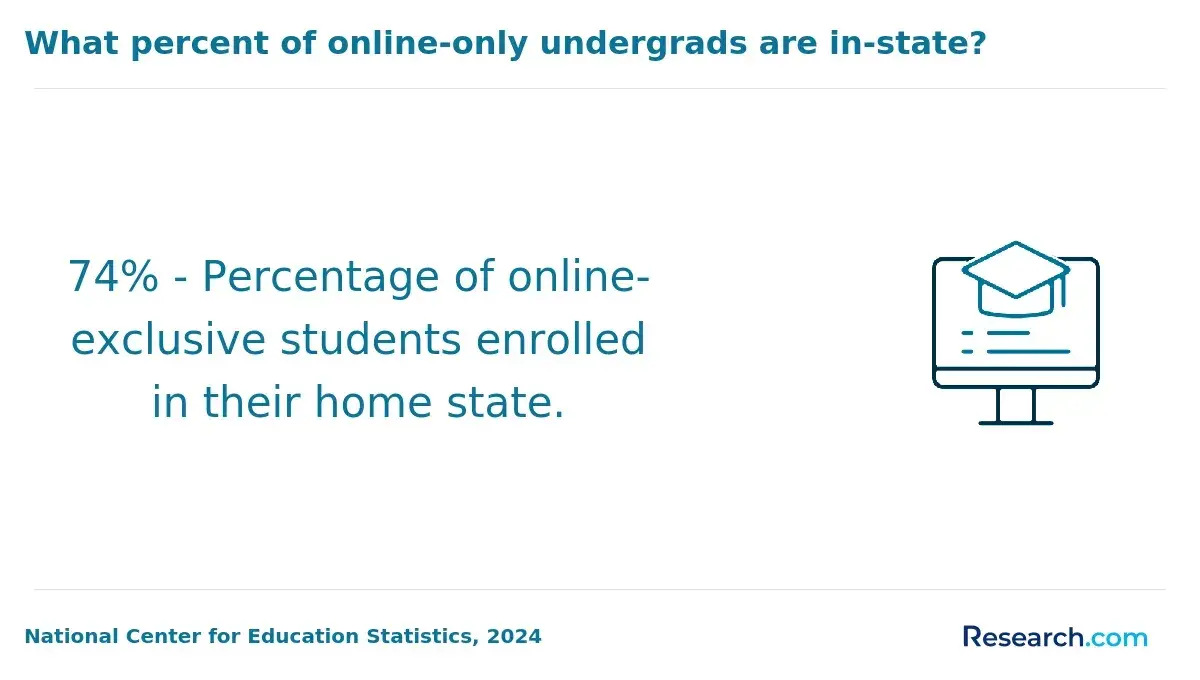
Whether a digital photography program is completed online or on-campus generally does not affect licensure eligibility, as long as the program meets accreditation and curriculum standards. Acceptance of online education in professional fields continues to rise, with federal aid applications for online degrees growing more than 25% over the last five years.
- Curriculum Consistency: Both online and campus programs must deliver core coursework aligned with licensing requirements to ensure foundational knowledge. This maintains parity in the academic preparation needed for licensure.
- Practical Training: On-campus programs often include direct hands-on labs, whereas online options require virtual simulations, local internships, or supervised practicals. These alternatives ensure comparable skill development crucial for professional competence.
- Assessment Methods: While campus classes may use in-person exams or demonstrations, online programs rely on digital portfolios, video submissions, or remote proctoring. Both methods aim to accurately measure candidate competency without compromising standards.
- Employer and Board Perceptions: Licensing boards and employers are increasingly recognizing online credentials, building trust in their rigor and relevance. This evolving acceptance reduces historic biases favoring on-campus education.
A licensed professional who earned his degree online shared that initially, he worried the lack of physical classroom interaction might weaken his practical skills. Choosing electives focusing on specialized editing software and virtual studio management helped him tailor his learning experience. He described feeling "challenged but well-supported," emphasizing how the program's flexibility allowed him to balance work and studies. Despite the distance learning format, he found the practical assignments "rigorous and reflective of industry needs," which ultimately prepared him confidently for licensure procedures and professional practice.
Clinical or practicum hours play a vital role in preparing students for professional practice and potential licensure in many fields, including digital photography. These hours help students gain real-world skills under supervision, bridging theoretical knowledge with practical application.
- Typical clinical hour requirements: Programs that require licensure often mandate several hundred to over a thousand clinical or practicum hours. These hours are essential for developing technical expertise and meeting certification standards, especially for specialties demanding formal credentials.
- Types of placements: Students usually complete their practicums in approved environments such as studios, media companies, or community organizations. These settings provide authentic experience interacting with clients and managing projects.
- Supervision and skill development: Hours are supervised by experienced professionals who guide students in refining their craft, improving client communication, and managing real assignments-skills critical for licensure and employment.
- Online program accommodations: While many online digital photography clinical hour requirements are less structured, hybrid models and coursework often include internships, portfolio projects, or local work placements. These options allow students to fulfill in-person requirements close to home while receiving online instruction.
- Licensure and certification verification: Prospective students should consult program advisors and relevant licensing bodies to confirm if practicum hours are needed in their specific photography field to align education with career goals.
For those researching cost-effective options, exploring the cheapest online psychology degree offerings demonstrates the value of verifying program details thoroughly before enrollment.
Licensing exams act as proof of professional ability and are vital for advancing a career in digital photography. While no single nationwide license is mandatory, certification exams play an important role in confirming expertise and improving job prospects. Currently, approximately 70% of candidates pass the most respected certification, reflecting its challenging standards. Below are essential details about this key exam.
- Exam Name: The Certified Professional Photographer (CPP) credential is the leading certification recognized by industry professionals and clients alike, setting a benchmark for quality and ethics.
- Content Areas: Exam topics cover technical photography skills, creative concepts, workflow management, and adherence to ethical standards necessary for professional practice.
- Format: Candidates face a written test with multiple-choice questions coupled with a portfolio review to evaluate practical expertise and artistic judgment.
- Preparation Strategies: Success often requires studying official guides, taking practice exams, and sometimes enrolling in preparatory courses to become familiar with exam expectations.
- Retake Policy: If unsuccessful, candidates are permitted to retake the exam after a designated waiting period to ensure adequate preparation and mastery of material.
- Relevance for Online Graduates: Although online programs provide solid theoretical knowledge, real-world experience and portfolio development are critical for passing and receiving certification.
When asked about her journey after completing an online digital photography degree, a licensed professional shared that the exam was both demanding and rewarding. She explained how balancing practical work with test preparation felt overwhelming initially, especially assembling a portfolio that demonstrated a range of skills. However, the structure and clear guidelines helped her focus her efforts, while overcoming doubts about the legitimacy of online education in the eyes of industry peers. Reflecting on her success, she emphasized that earning certification boosted her confidence and credibility, opening doors for client work she had only dreamed of before. "It wasn't just about passing a test," she said, "but proving to myself and others that I could meet professional standards regardless of how I earned my degree."
Supervised work experience is not always mandatory after earning an online digital photography degree, but it remains a valuable component for developing essential professional skills and confidence. This hands-on training bridges classroom knowledge with real-world practice, helping graduates prepare for diverse industry demands. In fact, surveys show that about 60% of photography professionals complete some form of supervised experience early in their careers. The following points outline key elements of supervised work experience in this field.
- Duration: Typically lasts between three to twelve months depending on the employer or program, allowing sufficient time to gain practical insights.
- Work environments: Commonly includes photo studios, advertising agencies, or media companies where diverse projects broaden technical expertise.
- Mentorship: Experienced professionals provide guidance and constructive feedback, fostering skill improvement and professional networking.
- Skill development: Focuses on both technical abilities such as equipment use and post-production, as well as professional behaviors like client interaction and problem-solving.
- Career readiness: Enhances the ability to work independently, often influencing employer preferences and supporting credentials despite not always being a formal licensure requirement.
Licensure reciprocity allows professionals licensed in one state or region to obtain a license in another without repeating the entire licensing process. This flexibility is essential for graduates who want to work or provide services across multiple locations. Several key factors influence how reciprocity applies, especially for online digital photography graduates.
- Eligibility Criteria: Reciprocity often depends on meeting each state's specific requirements, which may include proof of education, work experience, and passing relevant exams. For online digital photography graduates, ensuring their degree meets accreditation standards is critical for recognition across states.
- Program Requirements: Since photography licensing is less standardized than other professions, states vary in how they evaluate educational credentials. Completion of an accredited program, such as some affordable online bachelor's degree options, can enhance eligibility for reciprocity.
- State Reciprocity Agreements: Not all states have formal agreements for transferring digital photography licenses. This means graduates should research individual state rules for digital photography license transfer to understand which locations recognize out-of-state credentials more readily.
- Application Process: Graduates often need to apply separately for licensure in each state, submitting documentation that confirms their online degree's validity and compliance with local regulations. Some states may require additional steps like continuing education or practical experience verification.
- Limitations and Variations: The level of acceptance for online degrees can vary significantly, impacting how easily reciprocity applies. Awareness of these nuances helps graduates develop a clear licensing strategy for working across state lines and avoiding unexpected barriers.
The popularity of online digital photography programs has surged, with enrollment increasing by more than 20% over the past five years as learners seek adaptable education. Many prospective students prioritize how these programs influence licensure eligibility and career readiness before enrolling. Below is an overview of key advantages and disadvantages related to licensure.
Pros
- Flexible scheduling: Allows students to complete coursework at their own pace and on their own time, accommodating jobs or family responsibilities that support consistent progress toward licensure.
- Greater accessibility: Offers opportunities for students in remote or underserved areas to access quality training without relocating, expanding access to licensure pathways.
- Cost efficiency: Often more affordable than traditional programs, reducing financial barriers that could delay or prevent students from pursuing licensing requirements.
Cons
- Limited practical experience: Online formats can restrict hands-on training needed for some state licensure exams or professional competence, potentially hindering preparation.
- Reduced mentorship: Fewer chances for real-time, face-to-face guidance and networking may impact skill development and industry connections critical for licensure success.
- Employer perceptions: Some credentialing authorities and employers may view online degrees as less rigorous, which can affect job competitiveness after licensure.
Obtaining licensure after earning an online digital photography degree can significantly affect earning potential. Licensed professionals often earn up to 15% more on average than those without certification or licenses, reflecting recognized competence and adherence to industry standards. This salary benefit of licensed digital photographers highlights the value of credentialing in the competitive creative field. The following points detail how licensure can enhance salary and career advancement.
- Access to Higher-Paying Roles: Licensure opens doors to positions that require verified skills, often commanding higher salaries. Employers may prefer licensed photographers for roles involving commercial, legal, or medical imagery, where precision and accountability are critical.
- Eligibility for Leadership Positions: Licensed photographers frequently qualify for supervisory or managerial roles within agencies, media companies, and educational institutions, resulting in salary increases tied to leadership responsibilities.
- Specialized Assignments: Obtaining a photography license can make professionals eligible for niche assignments such as forensic photography or insurance documentation, which typically offer premium pay rates due to the specialized nature of the work.
- Increased Job Security: Licensure establishes credibility and compliance with professional standards, making licensed photographers preferred candidates for government and corporate contracts. This stability often translates into improved long-term earnings.
For graduates of online digital photography programs, pursuing licensure is an investment that can yield tangible salary benefits and career growth. Despite variations in state regulations, understanding these local requirements is crucial to fully benefiting from licensure credentials. Many students explore reputable online degree programs that prepare them for these professional standards. The impact of an online digital photography license on salary depends largely on leveraging these qualifications strategically in the job market.
Licensure can shape the range of roles available to online digital photography degree holders, influencing both career paths and earning potential. While many photography jobs do not require formal licenses, obtaining one can boost credibility and open doors to specialized fields. Studies show licensed photographers often earn 15-20% more on average than their non-licensed counterparts in certain industries. Below, key job options with and without licensure are outlined.
Jobs With a License
- Forensic Photographer: These professionals support law enforcement by capturing crime scene evidence, requiring strict adherence to legal standards and ongoing certification, which enhances career stability and salary.
- Medical Photographer: Working in healthcare, they document medical procedures and conditions, often needing licensure or certification to ensure compliance with health regulations and patient privacy.
- Commercial Drone Photographer: These photographers operate drones under FAA rules to capture aerial images, where licensing ensures regulatory compliance and may lead to higher-paying contracts.
Jobs Without a License
- Freelance Photographer: Entrepreneurs in this role rely on building a strong portfolio and client relationships rather than formal credentials, enjoying flexible work opportunities across various sectors.
- Event and Portrait Photographer: These specialists focus on personal and corporate events, depending primarily on experience and reputation to attract clients without mandatory licensing.
- Photo Editor: Professionals in this area enhance and manage photographic content for media outlets or agencies, where skill and creativity outweigh the need for formal licenses.
What Graduates Say About Getting Licensed with an Online Digital Photography Degree
- Vicente : "The online digital photography degree was surprisingly affordable compared to traditional programs, which made obtaining my licensure much more feasible. The coursework was well-structured, allowing me to balance learning with my busy schedule while gaining hands-on skills. Since graduating, I've secured various professional gigs that credit my formal training for giving me an edge in the competitive photography market. "
- Zane : "Enrolling in the online digital photography program was a reflective journey that deepened my understanding of the art and science behind every shot. The cost was reasonable, with financial aid options that made licensure accessible without heavy debt. This degree has genuinely transformed my career trajectory, enabling me to confidently offer licensed professional services in a field I'm passionate about. "
- Gael: "Completing the online digital photography degree offered a professional approach at an economical cost, which helped me swiftly move towards licensure without major financial strain. I appreciated the program's flexibility and comprehensive curriculum, which prepared me directly for real-world work scenarios. The degree opened doors for my practice as a licensed photographer, allowing me to build credibility and grow my client base effectively."
Other Things You Should Know About Digital Photography Degrees
Most photography businesses need a local business license and, if they sell prints or photo products, a sales tax permit from the state revenue department. Home-based studios may also need zoning approval or a home occupation permit from the city or county before operating.
As of 2027, while an online digital photography degree can enhance your skills and marketability, it is not required to obtain a formal license to work as a professional digital photographer. Licensing requirements generally do not exist for photographers, but local business regulations may necessitate permits or business licenses.
Yes, professional certifications can enhance the credibility of an online digital photography degree and associated licenses. Certifications from recognized organizations demonstrate specialized skills and commitment to quality. They can improve job prospects and client trust but are typically voluntary and independent of state licensing.
A strong portfolio is crucial regardless of how you earned your degree. For licensed digital photographers, a well-curated portfolio showcases your skills and versatility to potential clients and employers. Developing and updating your portfolio is often considered as important as holding a degree or license in advancing your career.
- Photography Licenses: Business Quick Start Guide https://www.zno.com/blog/photography-licenses-business.html
- Photography Education: College vs. Modern Alternatives for a Photographer Career — about photography https://aboutphotography.blog/blog/photography-education-college-vs-modern-alternatives-for-a-photographer-career
- Online Photography Degrees https://www.affordablecollegesonline.org/degrees/best-online-bachelors-in-photography-programs/
- Licenses for Photographers: Start your business without getting sued! - Improve Photography https://improvephotography.com/10933/license-to-be-a-photographer/
- Photography BA(Hons) (Online) https://www.falmouth.ac.uk/study/online/undergraduate/photography
- Why Study Digital Photography https://siit.co/blog/index.php/why-study-digital-photography/5810
- Digital Photography – Career 360: Virtual Career Center SNHU https://career360.snhu.edu/channels/digital-photography/
- Do Professional Photographers Need to Be Certified? https://www.nyip.edu/photo-articles/business/do-professional-photographers-need-to-be-certified
- Is An Online Photography Degree Worth It? | All Bachelor Degrees https://allbachelordegrees.com/career-paths/online-photography-degree/
- How To Become a Photographer Without Paying For School https://wdophoto.com/2023/08/11/how-to-become-a-photographer/